The Push to Conserve 30 Percent of the Planet: What’s at Stake?

See how six countries are faring amid efforts to protect 30 percent of the planet’s land and waters by 2030, and what will be saved if they succeed. 

Article by Lindsay Maizland, CFR

Last updated March 6, 2023 1:16 pm (EST)

Forests cover Bhutan, which has protected 50 percent of its land. Sergi Reboredo/VW Pics/Universal Images Group/Getty Images

During the 2022 UN biodiversity conference, COP15, countries reached a landmark agreement that aims to reverse the unprecedented destruction of nature. One of the agreement’s twenty-three targets, known as 30×30, aims to protect at least 30 percent of the planet’s land and water by 2030. That goal, which almost doubles the target for 2020 that was set through the UN process more than a decade ago, was the inspiration behind a 2023 UN agreement to protect biodiversity in the high seas, the international waters that comprise more than half the world’s oceans. So far, nearly 16 percent of all land and inland waters have been protected, as have 8 percent of marine areas. 

Protected areas are those that are designated and managed in order to achieve conservation goals, according to the UN Convention on Biological Diversity. Human activities, such as farming, resource extraction, and settlement, are generally allowed in these areas as long as they are done sustainably. But there are no formal mechanisms to monitor these activities, and countries report their own progress with limited oversight.

One of the main motivations for the goal is to protect biodiversity, which refers to the variety of all living things on Earth and the natural systems they form. In recent decades, animal populations have plummeted and more species have gone extinct than ever before. This loss has sweeping consequences for livelihoods, economic growth, medicine, food systems, and climate resilience. To put a price on it, the world lost $4–20 trillion per year [PDF] from 1997 to 2011 because of changes in how humans use land, according to the Organization for Economic Cooperation and Development.

Conservation is also critical to achieving climate goals. Forests, peatlands, and oceans are carbon sinks, meaning they absorb massive amounts of planet-warming carbon dioxide. When they’re destroyed, all that carbon goes back into the atmosphere. Some ecosystems can also guard against climate disasters. Coral reefs and mangroves, for example, form natural barriers against extreme storms.

Protected Areas and Wilderness Around the World

*Land estimated to be habitat unmodified by humans. Areas that are important for biodiversity can occur within and outside of these areas.

Notes: Includes terrestrial areas only. Data for protected areas in China, Estonia, India, Ireland, New Zealand, and Turkey is not complete due to limited reporting.

Sources: Protected Planet; UN Environment Program World Conservation Monitoring Center.

The 30×30 goal is a global target. More than one hundred countries have voiced support, but that doesn’t mean they’ve pledged to protect 30 percent of their own land and waters. Experts say that’s not necessarily a bad thing. “The hope is that each nation will set the most ambitious goal that it can,” says the Pew Charitable Trusts’ Masha Kalinina.

Tiếp tục đọc “The Push to Conserve 30 Percent of the Planet: What’s at Stake?” →
The weaponizing of social media: A Private Company Is Using Social Media to Track Down Russian Soldiers

Open-source investigations were once potent journalistic tools, but in Ukraine, they’re being used on the battlefield.

MARCH 2, 2023, 6:00 AM

By Jack Hewson, FP

On Oct. 12, 2022, Russian soldier Aleksey Lebedev logged onto VKontakte, Russia’s most popular social network, and uploaded a photo of himself in military fatigues crouching in a large white tent. He had been smart enough to obscure his face with a balaclava, but unfortunately for Lebedev and his comrades, he did not obscure the exact location from which he had posted: Svobodne village in southern Donetsk.

Russian soldier Aleksey Lebedev posted on the social media site VKontakteRussian soldier Aleksey Lebedev posted on the social media site VKontakte

Russian soldier Aleksey Lebedev posted on the social media site VKontakte on Oct. 12. The Ukrainian military investigations company Molfar noted the location on Google Maps (inset); a satellite version from Google Maps is pictured in the bottom inset. VKONTAKTE/GOOGLE MAPS VIA MOLFAR

Lebedev’s post was picked up by a Ukrainian military investigations company called Molfar. This lead was transferred to an analyst in its open-source intelligence (OSINT) branch, and investigators spent the next few hours constructing a target location profile for Lebedev and his military unit. The unit’s location was believed to be a training base for Russian and pro-Russian separatist troops. After discovering two other photos posted from the same location by pro-Russian servicemen—as well as other corroborating evidence, which was shared with Foreign Policy—Molfar passed its findings onto Ukrainian intelligence.

Read more on Foreign Affairs >>

Phụ nữ dân tộc thiểu số tự tin làm du lịch cộng đồng

Phụ nữ VN – Nhiều khách du lịch có dịp quay lại các thôn bản vùng cao Tây Bắc đã vô cùng bất ngờ trước sự tự tin và năng động của những người phụ nữ dân tộc Mường, dân tộc Thái, dân tộc Mông. So với tính cách trầm lặng trước đây, họ dường như đã trở nên vui vẻ hơn, độc lập hơn và cũng cởi mở hơn từ khi làm du lịch cộng đồng.

Đến bản Sà Rèn (thị xã Nghĩa Lộ, tỉnh Yên Bái), điều chúng tôi ấn tượng hơn cả, đó là sự tự tin, cởi mở, tràn đầy tâm huyết của những người phụ nữ – các “bà chủ” homestay nơi đây. Đón đoàn chúng tôi là bà Hoàng Thị Loan, chủ homestay Loan Khang – người đi đầu mở đường cho phong trào làm du lịch cộng đồng tại bản.

Tiếp tục đọc “Phụ nữ dân tộc thiểu số tự tin làm du lịch cộng đồng” →

Phía sau những ca phá thai để tìm “thằng cu nối dõi” – 3 bài

 Phía sau những ca phá thai để tìm “thằng cu nối dõi” – Bài 1: Giấc mơ sinh được con trai

07/12/2021 – 06:25

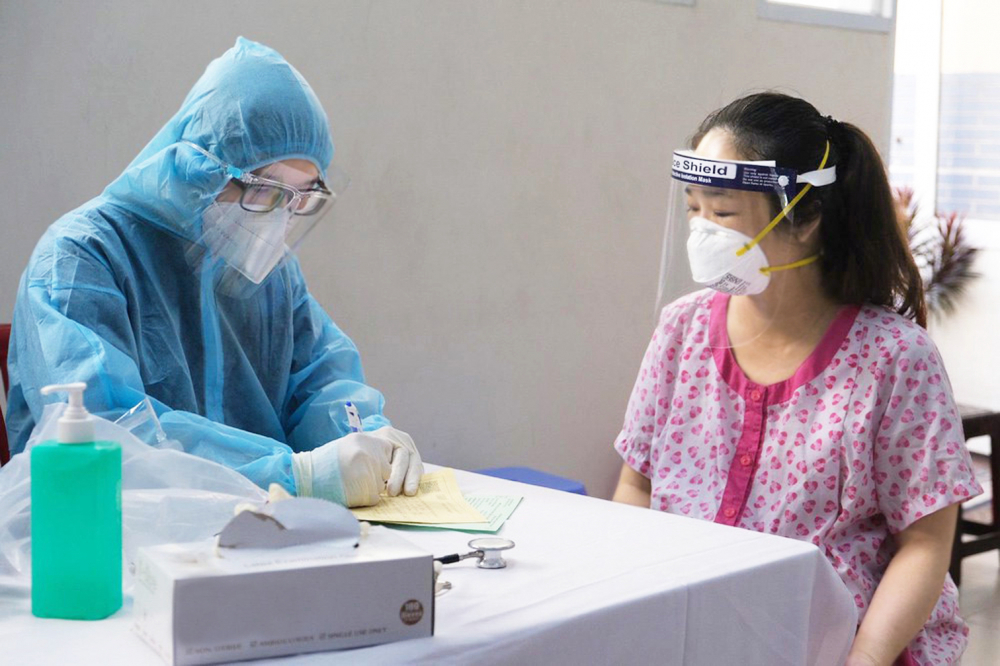
PNO – Theo bản báo cáo ngày 5/7/2021 về tình hình thực hiện chiến lược dân số và sức khỏe sinh sản tại TP.HCM giai đoạn 2016-2020, trong năm 2020, tỷ lệ nạo phá thai ở TP.HCM là 33,46 ca nạo/100 ca sinh. Trong số các ca nạo phá thai, có những ca nhằm mục đích chọn giới tính thai nhi, tức bỏ con gái để chờ sinh cho được con trai.

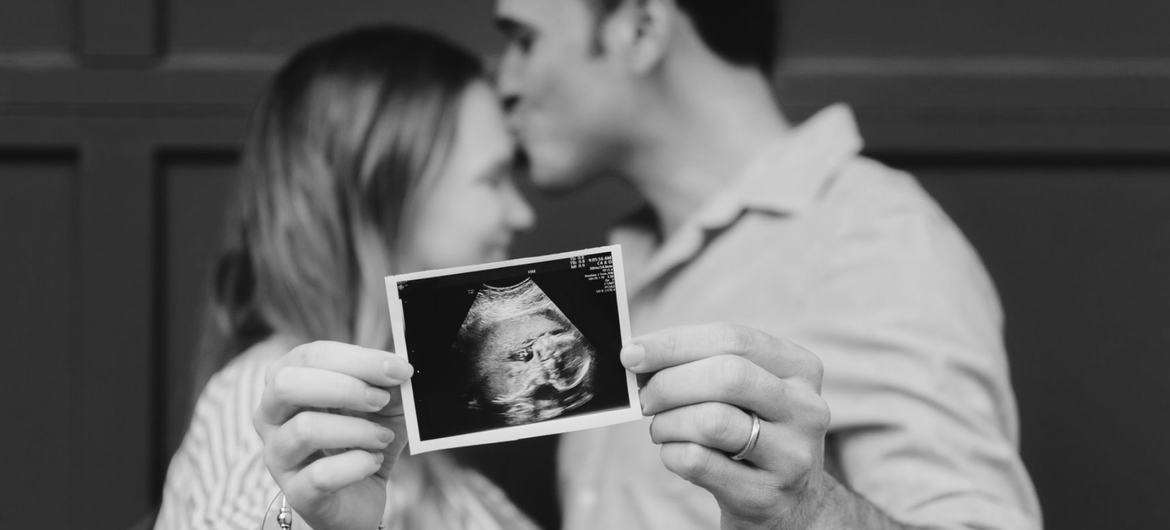
1. Buổi sáng Chủ nhật, tại phòng khám sản, Bệnh viện H.Bình Chánh, một vài bà bầu ngồi chờ đến lượt mình. Trong phòng, bác sĩ đang siêu âm bốn chiều cho một bà bầu khác. Vừa rê đầu máy siêu âm, bác sĩ vừa đọc tình trạng sức khỏe của thai nhi cho thai phụ nghe, nhưng bà mẹ vẫn luôn miệng hỏi: “Con trai hay con gái vậy bác?”. 

Bác sĩ Bệnh viện H.Bình Chánh khám và tư vấn cho thai phụ

Câu hỏi quen thuộc của trên 20 bà bầu khám thai sáng đó là con trai hay con gái: “Bác coi kỹ giúp em nha, phải chắc con trai không?”. Yêu thích con trai vẫn là giấc mơ của những cặp vợ chồng có con lần đầu tiên, càng thôi thúc hơn nếu sinh lần hai mà bé trước là con gái. Nhưng thực tế, ít ông bố, bà mẹ nào dám khẳng định rằng mình đang mong con trai. 

Tiếp tục đọc “Phía sau những ca phá thai để tìm “thằng cu nối dõi” – 3 bài” →

Những người tiên phong kéo sợi tơ từ lá dứa

Nông nghiệp – Thứ Tư 06/07/2022 , 06:35 (GMT+7)

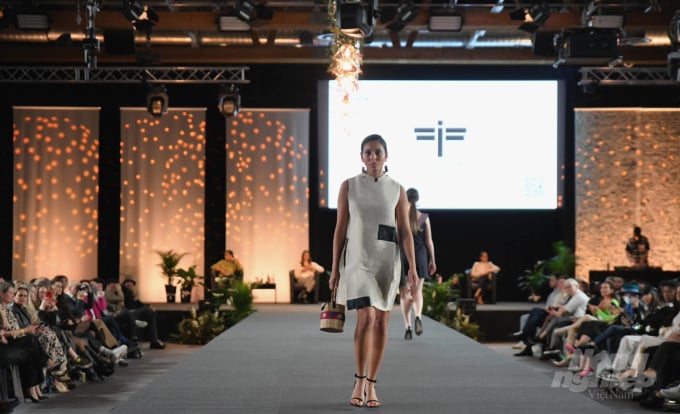
Khi thấy cô người mẫu Tây mặc váy dệt bằng sợi tơ dứa của mình trình diễn tại Thụy Sĩ, Nguyễn Văn Hạnh, Vũ Thị Liễu – đồng sáng lập Ecosoi mừng muốn phát khóc.

Người mẫu mặc trang phục dệt bằng sợi tơ dứa của Ecosoi. Ảnh: Nhân vật cung cấp.
Người mẫu mặc trang phục dệt bằng sợi tơ dứa của Ecosoi. Ảnh: Nhân vật cung cấp.

Một bộ váy 5 – 6 triệu

Không mừng sao được khi các công ty may đang loay hoay tìm vùng nguyên liệu xanh và bền vững để đáp ứng nhu cầu xuất khẩu đi các thị trường khó tính như châu Âu, Nhật, trong khi đó Công ty CP Nghiên cứu sản xuất và Phát triển sợi (Ecosoi) mới thành lập đã tiên phong khai thác sợi từ lá dứa, biến rác phế phẩm nông nghiệp thành tài nguyên.

Tiếp tục đọc “Những người tiên phong kéo sợi tơ từ lá dứa” →

Cô giáo ‘nuôi’ tiếng Anh ở vùng biên

Vũ Thơ – 18/11/2021 11:22 GMT+7

TN – 20 năm gắn bó với các trường học vùng biên giới , cô giáo Bành Ngọc Thủy đã kiên trì dạy hàng nghìn học sinh dân tộc thiểu số biết tiếng Anh, có em trở thành học sinh giỏi quốc gia.

Giúp học sinh dân tộc đoạt giải quốc gia

Cô Bành Ngọc Thủy (40 tuổi, TT.Lộc Bình, H.Lộc Bình, Lạng Sơn) là giáo viên Trường THCS TT.Lộc Bình. Suốt 20 năm qua, cô đã kiên trì đến các trường vùng khó khăn của huyện biên giới này để dạy tiếng Anh cho học sinh, giúp các em theo kịp các bạn miền xuôi. Trong 5 năm học vừa qua, trong công tác ôn luyện đội tuyển học sinh giỏi môn tiếng Anh, cô đã đóng góp cho ngành giáo dục địa phương với thành tích 43 học sinh đoạt giải cấp huyện, 18 em đoạt giải cấp tỉnh, 3 em đoạt giải quốc gia môn tiếng Anh trên internet – IOE gồm: Lương Ngọc Diệp (dân tộc Tày), Dương Tùng Sơn và Đàm Thị Anh Thư (dân tộc Nùng).

Cô Bành Ngọc Thủy trong một buổi dạy tiếng Anh cho học sinh
V.T

Tiếp tục đọc “Cô giáo ‘nuôi’ tiếng Anh ở vùng biên” →

FACT SHEET: Biden-⁠Harris Administration Announces National Cybersecurity Strategy

MARCH 02, 2023

  1. STATEMENTS AND RELEASES

Read the full strategy here >>

Today, the Biden-Harris Administration released the National Cybersecurity Strategy to secure the full benefits of a safe and secure digital ecosystem for all Americans. In this decisive decade, the United States will reimagine cyberspace as a tool to achieve our goals in a way that reflects our values: economic security and prosperity; respect for human rights and fundamental freedoms; trust in our democracy and democratic institutions; and an equitable and diverse society. To realize this vision, we must make fundamental shifts in how the United States allocates roles, responsibilities, and resources in cyberspace.

Tiếp tục đọc “FACT SHEET: Biden-⁠Harris Administration Announces National Cybersecurity Strategy” →

Hunger and obesity both linked to poor diet quality

hsph.harvard.edu

October 19, 2022—Recently, nutrition research has been linking both hunger and obesity to the same problem—diets high in sugar and refined starch. Experts from Harvard T.H. Chan School of Public Health commented in an October 5, 2022, Washington Post article about the growing consensus that the kind of food people eat is more important for healthy weight than the number of calories consumed.

“That puzzled me for many years—how could it be that people who were hungry or didn’t seem to have enough money to buy enough food could be more overweight or obese than people who had lots of resources,” said Walter Willett, professor of epidemiology and nutrition. “There are multiple lines that connect poverty, food insecurity, and obesity,” he said. “One of the most important connections is just simply poor food quality.”

A recent study led by David Ludwig, professor in the Department of Nutrition, and co-authored by Willett, explained a mechanism linking hunger and obesity: insulin. Foods like fries and sugary cereals cause insulin to spike, which causes people to feel hungrier and gain weight. The process is similar to the way that hormonal signals spur pregnant women and growing teenagers to eat more, Ludwig said. This phenomenon suggests that conventional wisdom around addressing weight issues should be upended, according to the authors.

“How long do you stick with a paradigm that’s based ultimately on eat less and move more, in one form or another, when it’s not working?” Ludwig said.

Read Washington Post article: Hunger and Obesity Are the Same Problem in the US

Hầu hết sữa công thức dành cho trẻ em đều được quảng cáo quá mức

phunuonline.com.vn

PNO – Các nhà nghiên cứu ở Anh cho biết hầu hết các tuyên bố về những lợi ích về sức khỏe đối với các sản phẩm sữa công thức đều có rất ít bằng chứng chứng minh. Đồng thời kêu gọi các chính phủ nên áp dụng các quy tắc tiếp thị chặt chẽ hơn trên toàn thế giới.

Theo một bài báo trên tạp chí y khoa BMJ hôm 16/2, phần lớn các thông tin về sức khỏe được sử dụng để quảng cáo sữa bột trẻ em trên toàn thế giới không được hỗ trợ bởi bằng chứng khoa học và yêu cầu các sản phẩm thay thế sữa mẹ nên được bán trong bao bì đơn giản.

Nghiên cứu được đưa ra một tuần sau khi một nhóm các bác sĩ và nhà khoa học kêu gọi siết chặt quy định đối với ngành công nghiệp sữa công thức trị giá 55 tỉ USD đối với hoạt động tiếp thị “săn mồi” mà họ cho rằng khai thác nỗi sợ hãi của những người mới làm cha mẹ.

Nghiên cứu cho thấy rằng các hạn chế tiếp thị hiện tại đối với sữa công thức không ngăn được các công ty sử dụng các tuyên bố gây tranh cãi để quảng bá sản phẩm của họ. Ảnh: Brendan McDermid/Reuters
Các công ty sữa công thức đang tiếp thị sản phẩm của họ vượt quá mức những dữ liệu khoa học có được 

Nuôi con bằng sữa mẹ đã được công nhận mang lại nhiều lợi ích sức khỏe rất lớn cho trẻ sơ sinh. Tổ chức Y tế Thế giới (WHO) khuyến nghị nuôi con bằng sữa mẹ hoàn toàn trong 6 tháng đầu đời của trẻ. “Tuy nhiên, khuyến nghị đó được áp dụng cho chưa đến một nửa số trẻ sơ sinh trên toàn cầu”, theo báo cáo của WHO.

Tiến sĩ Daniel Munblit, giảng viên cao cấp tại Đại học Hoàng gia London, Anh và là tác giả của nghiên cứu mới, cho biết các nhà nghiên cứu không chống lại sữa công thức dành cho trẻ sơ sinh vì đây vẫn là một lựa chọn cho những bà mẹ không thể hoặc chọn không cho con bú. “Nhưng chúng tôi cực lực phản đối việc tiếp thị sữa công thức cho trẻ sơ sinh không phù hợp, vốn đưa ra những tuyên bố gây hiểu lầm mà thiếu bằng chứng khoa học”, tiến sĩ Munblit nói.

Tiến sĩ Munblit và một nhóm các nhà nghiên cứu quốc tế đã xem xét các tuyên bố về sức khỏe đối với 814 sản phẩm trên trang web của các công ty sữa bột trẻ em ở 15 quốc gia, bao gồm  Úc, Canada, Đức, Ấn Độ, Ý, Nhật Bản, Nigeria, Na Uy, Pakistan, Nga, Ả Rập Saudi, Nam Phi, Tây Ban Nha, Vương quốc Anh và Hoa Kỳ.

“Tuyên bố phổ biến nhất của các công ty là sữa công thức hỗ trợ phát triển trí não, tăng cường hệ thống miễn dịch và giúp tăng trưởng chiều cao… Tuy nhiên, theo nghiên cứu được công bố trên tạp chí BMJ, một nửa số sản phẩm không có bằng chứng chứng minh lợi ích sức khỏe như đã tuyên bố. 3/4 không đề cập đến bằng chứng khoa học.

Trong số những công tuy cung cấp tài liệu tham khảo khoa học thì hơn một nửa chỉ ra các bài đánh giá, ý kiến ​​​​hoặc nghiên cứu trên động vật.

Chỉ có 14% các sản phẩm đề cập đến các thử nghiệm lâm sàng đã đăng ký trên người. Tuy nhiên, 90% các thử nghiệm đó có nguy cơ sai lệch cao, bao gồm thiếu dữ liệu hoặc phát hiện không hỗ trợ cho tuyên bố. Và gần 90% các thử nghiệm lâm sàng là từ các tác giả nhận được tài trợ từ (hoặc có quan hệ với) ngành công nghiệp sữa công thức”, trích từ nghiên cứu cho biết.

Tiến sĩ Munblit cho biết, các thông tin được sử dụng để quảng cáo các sản phẩm sữa công thức đều xoáy vào cao cấp, điều này có thể gây nhầm lẫn cho các bậc cha mẹ vì tưởng rằng các thành phần này là thiết yếu. Thậm chí, những lời quảng cáo này còn gây đau khổ cho những bà mẹ nghèo vì họ cảm thấy có lỗi vì không đủ tiền mua sữa tốt nhất cho con. Theo ông, các chính phủ nên áp dụng quy tắc tiếp thị chặt chẽ hơn nhằm tránh quảng cáo quá lố và sữa nên được đóng trên bao bì đơn giản nhằm giảm áp lực giá cả lên các bà mẹ.

Trọng Trí (theo Guardian)

Baby formula marketing ‘pervasive, misleading and aggressive’ – UN report

news.un.org

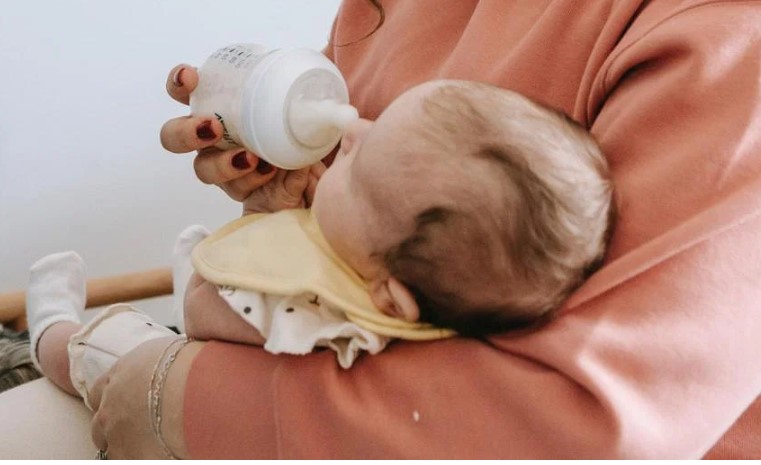
A mother carrying her newborn baby.

© UNSPLASH/Holie Santos

A mother carrying her newborn baby.

Facebook Twitter Print Email

Health

Parents and pregnant women globally are exposed to aggressive marketing for baby formula milk, according to a report launched jointly by two UN agencies on Tuesday.

How marketing of formula milk influences our decisions on infant feeding, the first report in a series by the World Health Organization (WHO) and the UN Children’s Fund (UNICEF), draws on interviews with parents, pregnant women, and health workers in eight countries.

More than half of those surveyed acknowledged that they had been targeted by formula milk companies.

Invasive marketing

UNICEF and WHO maintain that the $55 billion formula milk industry uses systematic and unethical marketing strategies to influence parents’ infant feeding decisions and exploitative practices that compromise child nutrition and violate international commitments.

“This report shows very clearly that formula milk marketing remains unacceptably pervasive, misleading and aggressive,” said WHO Director-General Tedros Adhanom Ghebreyesus, calling for regulations on exploitative marketing to be “urgently adopted and enforced to protect children’s health.”

The report found not only that industry marketing techniques include unregulated and invasive online targeting, but also sponsored advice networks and helplines; offered promotions and free gifts; and influenced health workers’ training and recommendations.

Barriers to breastfeeding

The report underlines that the industry often delivers misleading and scientifically unsubstantiated information to parents and health workers and also violates the International Code of Marketing of Breast-milk Substitutes – a landmark public health agreement to protect mothers from aggressive marketing by the baby food industry.

Having surveyed 8,500 parents and pregnant women, and 300 health workers globally, the report found that exposure to formula milk marketing reached 84 per cent of all women surveyed in the United Kingdom; 92 per cent in Viet Nam and 97 per cent in China – increasing their likelihood of choosing formula feeding.

“False and misleading messages about formula feeding are a substantial barrier to breastfeeding, which we know is best for babies and mothers,” said UNICEF Executive Director Catherine Russell.

Formula milk industry spends billions each year to influence your decision about what to feed your baby.

WHO/UNICEF

Tiếp tục đọc “Baby formula marketing ‘pervasive, misleading and aggressive’ – UN report” →

The State of Food Security and Nutrition in the World 2022

the major drivers of food insecurity and malnutrition: conflict, climate extremes and economic shocks, combined with growing inequalities…..

despite progress in some regions, global trends in child undernutrition – including stunting and wasting, deficiencies in essential micronutrients, and overweight and obesity in children, continue to be of great concern.

unicef.org

The 2022 edition of The State of Food Security and Nutrition in the World (SOFI) highlights the intensification of the major drivers of food insecurity and malnutrition: conflict, climate extremes and economic shocks, combined with growing inequalities.

Access the report Access the brief

Tiếp tục đọc “The State of Food Security and Nutrition in the World 2022” →

The US Energy Department’s hydrogen gamble: Putting the cart before the horse

February 28, 2023

Suzanne Mattei and David Schlissel and Dennis Wamsted, IEEFA


It’s a problem of timing. The U.S. Department of Energy (DOE) is about to make decisions on whether to fund methane-based hydrogen hubs, when it does not yet know whether such hubs will be clean enough to qualify—reliably and over the long term—for the grant of funding. Charging ahead without that knowledge is putting the cart before the horse.

The federal Bipartisan Infrastructure Act of 2021, Section 40314, authorizes the DOE to invest billions of dollars to commercialize technologies that strengthen U.S. energy independence and cut carbon emissions. The statute allocates $8 billion for building regional clean hydrogen hubs. These hubs are not experimental pilot projects (funding for which is established in another section of the law), but rather infrastructure development projects to establish jobs-generating, hydrogen-based industrial centers. The program is designed to encourage hydrogen production not only from electrolysis of water, but also from chemical processing of methane from natural gas—if the carbon emissions can be captured efficiently enough to qualify the project as “clean.”

Tiếp tục đọc “The US Energy Department’s hydrogen gamble: Putting the cart before the horse” →

Russia sanctions and gas price crisis reveal danger of investing in “blue” hydrogen

May 23, 2022

Arjun Flora and Ana Maria Jaller-Makarewicz IEEFA

Download as PDF

Key Findings

Elevated gas prices and a future tight market means blue hydrogen is no longer a low-cost solution.

IEEFA estimates that blue hydrogen costs published by the UK government last year are now 36% higher, calling into question continued policy support for development of the technology.

Tiếp tục đọc “Russia sanctions and gas price crisis reveal danger of investing in “blue” hydrogen” →