An obstacles course for highlands kids

vietnamnews

Update: October, 07/2017 – 09:00

A young boy (centre) braves the weather and bad road conditions to go to school in the Central Highlands province of Đắk Nông. — Photo thethaovanhoa.vn
Viet Nam News HÀ NỘI — Fifth grader Đinh Thị Phương and her friends go swimming every day, but it is not a recreational activity.

They go swimming because they have no other way to get to school. Tiếp tục đọc “An obstacles course for highlands kids”
Di dân tự do vẫn nóng ở Tây Nguyên – 4 kỳ

***

Di dân tự do vẫn nóng ở Tây Nguyên – Kỳ 1: Làng lập, rừng mất

25/09/2017 13:39 GMT+7

TTO – Đến thời điểm này, vấn đề người di cư tự do vẫn đè nặng lên các tỉnh Tây Nguyên với nhiều áp lực từ nạn phá rừng và các vấn đề xã hội.

Di dân tự do vẫn nóng ở Tây Nguyên - Kỳ 1: Làng lập, rừng mất - Ảnh 1.

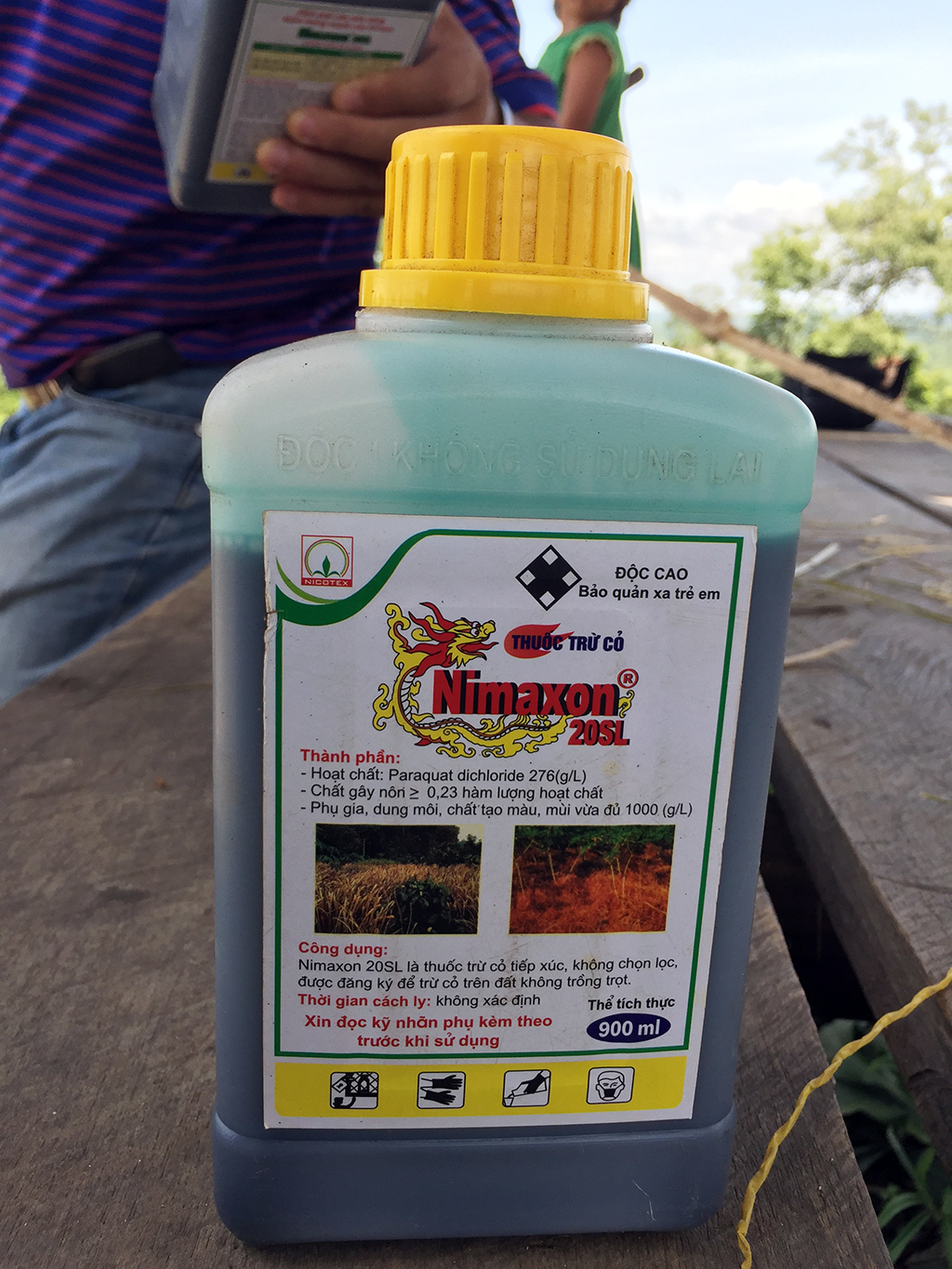
Loại thuốc diệt cây cỏ cực độc được người di cư tự do dùng để “diệt rừng” – Ảnh: THÁI LỘC

Tiếp tục đọc “Di dân tự do vẫn nóng ở Tây Nguyên – 4 kỳ”

Rice paintings in Kon Tum highlight Central Highlands

vietnamnews

Update: October, 01/2017 – 09:00

Participation: A tourist learns to make a rice painting under the guidance of Đăng. — Photo Courtesy of Hồng Điệp

Viet Nam News by Phạm Thị Hồng Điệp

Kon Tum City, the capital of Kon Tum Province bordering Laos and Cambodia, is recognised for a massive assembly of ethnic groups and their distinctive cultures.

Part of its long history in Central Highlands culture are rice paintings. The best place to witness these paintings is at Hồ Village, located at Bắc Kạn Street, Kon Tum City. The village offers visitors a visual feast in art works. Tiếp tục đọc “Rice paintings in Kon Tum highlight Central Highlands”

International Day of the World’s Indigenous Peoples 9 August

School children in Uummannaq, Greenland

There are an estimated 370 million indigenous people in the world, living across 90 countries. They make up less than 5 per cent of the world’s population, but account for 15 per cent of the poorest. They speak an overwhelming majority of the world’s estimated 7,000 languages and represent 5,000 different cultures.

Indigenous peoples are inheritors and practitioners of unique cultures and ways of relating to people and the environment. They have retained social, cultural, economic and political characteristics that are distinct from those of the dominant societies in which they live. Despite their cultural differences, indigenous peoples from around the world share common problems related to the protection of their rights as distinct peoples.
Tiếp tục đọc “International Day of the World’s Indigenous Peoples 9 August”

Chữ viết cổ của người Thái (Sơn La) trở thành di sản văn hóa Quốc gia

(PL+) – Bộ Văn hóa Thể thao và Du lịch vừa công bố thêm 7 di sản văn hóa Quốc gia, trong đó có chữ viết cổ của người Thái (Sơn La).

Bộ VH – TT và DL vừa ban hành quyết định bổ sung 7 di sản vào Danh mục di sản văn hoá phi vật thể quốc gia. Trong danh sách này, các di sản thuộc 4 loại hình: Lễ hội truyền thống; Tập quán xã hội và tín ngưỡng; Nghề thủ công truyền thống; Tiếng nói, chữ viết.

PGS. TS Hoàng Lương từng chia sẻ: “Chỉ cần biết tiếng Thái, biết chữ Thái đen ở Sơn La thì ta có thể đọc được chữ Thái của các vùng khác. Vì chữ Thái ở nơi khác như Mường Tấc, Lai Châu,… chỉ thêm một vài từ”.

Bản gốc
Bản gốc “Quam tô mương” bằng chữ Thái cổ. Ảnh: Internet

Trước đó, năm 2002, nhóm nghiên cứu chữ Thái thống nhất của Trung tâm nghiên cứu Việt Nam và giao lưu văn hóa – Trường Đại học Quốc gia Hà Nội, đã xây dựng Bộ chữ Thái thống nhất, in thành sách dạy thí điểm ở một số địa phương như Hòa Bình, Sơn La, Lai Châu… Bộ chữ Thái này lấy chữ Thái (Sơn La) làm chuẩn.

Sách chữ Thái cổ từ xưa đến nay luôn được coi là một loại cổ vật quý hiếm. Ảnh: Internet

Tiếp tục đọc “Chữ viết cổ của người Thái (Sơn La) trở thành di sản văn hóa Quốc gia”

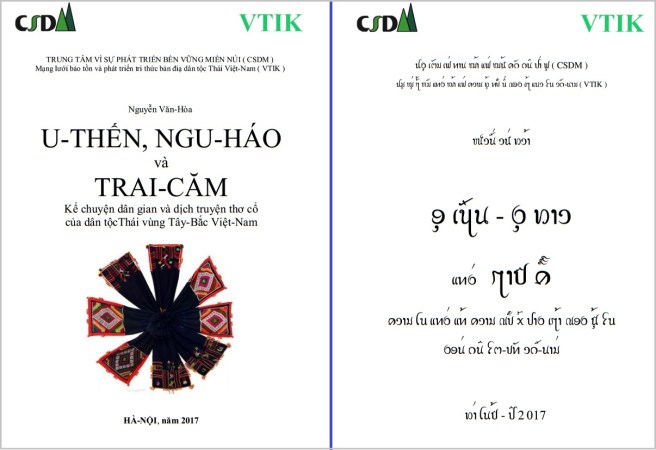
U-Thến, Ngu-Háo và Trai-Căm – Kể chuyện dân gian và dịch truyện thơ cổ của dân tộc Thái vùng Tây-Bắc Việt-Nam

csdmClick vào đây để đọc file pdf

[Trích]

LỜI MỞ ĐẦU

Ở vùng Tây-Bắc nướcViệt-Nam từ đầu thế kỷ thứ IX chữ Thái trước kia, suốt gần bốn thế kỷ dài, phần lớn dùng ở dòng họTạo ghi sổ sách hành chính nắm quyền cai quản Bản Mường, các ông Mo ghi sổ sách cúng bái, các ông Chang ghi tính lịchThái và tầng lớp trên quyền quý sáng tác thơ ca, văn học, chưa phổ biến rộng rãi xuống dân. Tiếp tục đọc “U-Thến, Ngu-Háo và Trai-Căm – Kể chuyện dân gian và dịch truyện thơ cổ của dân tộc Thái vùng Tây-Bắc Việt-Nam”

Mountaintop kindergarten fights tough odds

Last update 07:35 | 24/09/2017

VietNamNet Bridge – It takes Doan Thi Xuyen, 31, three to four hours a day to climb up a trail leading to Ta Lu Dang kindergarten in a village in the northern mountainous Yen Bai Province to teach the local kids.

Mountaintop kindergarten, road construction project, Vietnam economy, Vietnamnet bridge, English news about Vietnam, Vietnam news, news about Vietnam, English news, Vietnamnet news, latest news on Vietnam, Vietnam
Teacher Doan Thi Xuyen helps a student put on her backpack.

The steep and narrow trail leading to Ta Lu Dang Village in Xa Ho Commune can be found around five kilometres from the township of Tram Tau District. The district, one of the poorest in the country, has over ten makeshift schools that face great challenges. Of these, the Ta Lu Dang kindergarten encounters perhaps the most significant obstacles to success. Tiếp tục đọc “Mountaintop kindergarten fights tough odds”

Artisan strives to keep Khao melodies alive

vietnamnews

Update: September, 24/2017 – 09:00

Group music: Folk artisan Vàng Sín Phìn (third from left) practices the Thu Lao people’s melodies with women in the village. — Photo baolaocai.vn
Vàng Sín Phìn, a musical maestro from the northern province of Lào Cai, has dedicated himself to collecting musical instruments and preserving the folklore melodies of his people. Through painstaking study, Phìn has mastered the local musical instruments, ensuring that the mountainous music will be passed on to a new generation. Hồng Ninh and Cao Hương report. Tiếp tục đọc “Artisan strives to keep Khao melodies alive”

Tại sao thế giới cần các cộng đồng dân tộc bản địa quản lý đất đai của chính họ?

English: One Earth: Why the World Needs Indigenous Communities to Steward Their Lands

Chỉ vào hình con quạ trong cuốn truyện tranh, tôi đọc “kaak” bằng tiếng Bengali, tiếng nói của vùng này. Trong khi những người khác đồng thanh lặp lại tiếng đó thì các em học sinh lớp một người dân tộc trả lời với cái nhìn trống rỗng. Các em chỉ biết con quạ là “koyo”. Các em sẽ vui vẻ lôi những viên bi thuỷ tinh ra đếm nhưng hỏi đếm được mấy viên, các em sẽ im lặng bởi trong ngôn ngữ mẹ đẻ của các em, một nghĩa là “mit”, hai là “bariah” – rất khác tiếng Bengali là “ek” và “du”.


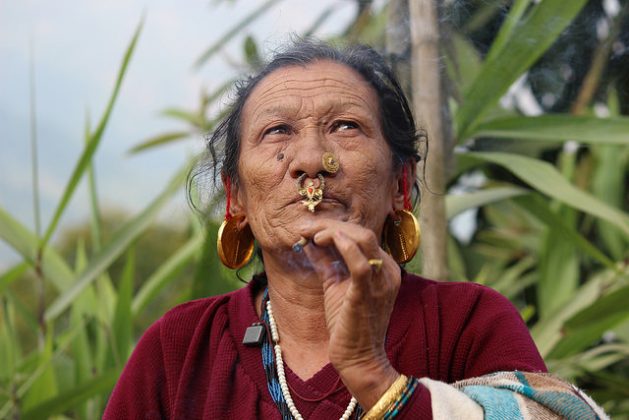
Một bà mẹ đứng đầu gia đình người dân tộc ở tỉnh Sikkim, giàu có về đa dạng sinh học, ngọn đồi dưới chân núi Himalayan. Bà là một kho kiến thức về cây thuốc và cây thực phẩm truyền thống . Tiếp tục đọc “Tại sao thế giới cần các cộng đồng dân tộc bản địa quản lý đất đai của chính họ?”

Son La Dam

Villagers from Chiang Yen village move their houses piece by piece to make way for the Son La Dam.

internationalrivers – The Son La Hydropower Project is the largest and most complex dam project ever built in Vietnam. The project will displace more than 91,000 ethnic minority people, requiring the largest resettlement in Vietnam’s history. Most of these people will be moved between 50 to 100 kilometers away from their current homes and without access to the Da River—a source of livelihood for most of them.

The affected people include ten different ethnic groups, of which the Thai people comprise the majority. These people live mainly by the river and practice wet rice cultivation. One of the major concerns is a shortage of arable land for resettling the tens of thousands of displaced people. Tiếp tục đọc “Son La Dam”

Mùa sim chín trên cao nguyên Kon Plông

Phóng sự của Hoàng Thiên Nga

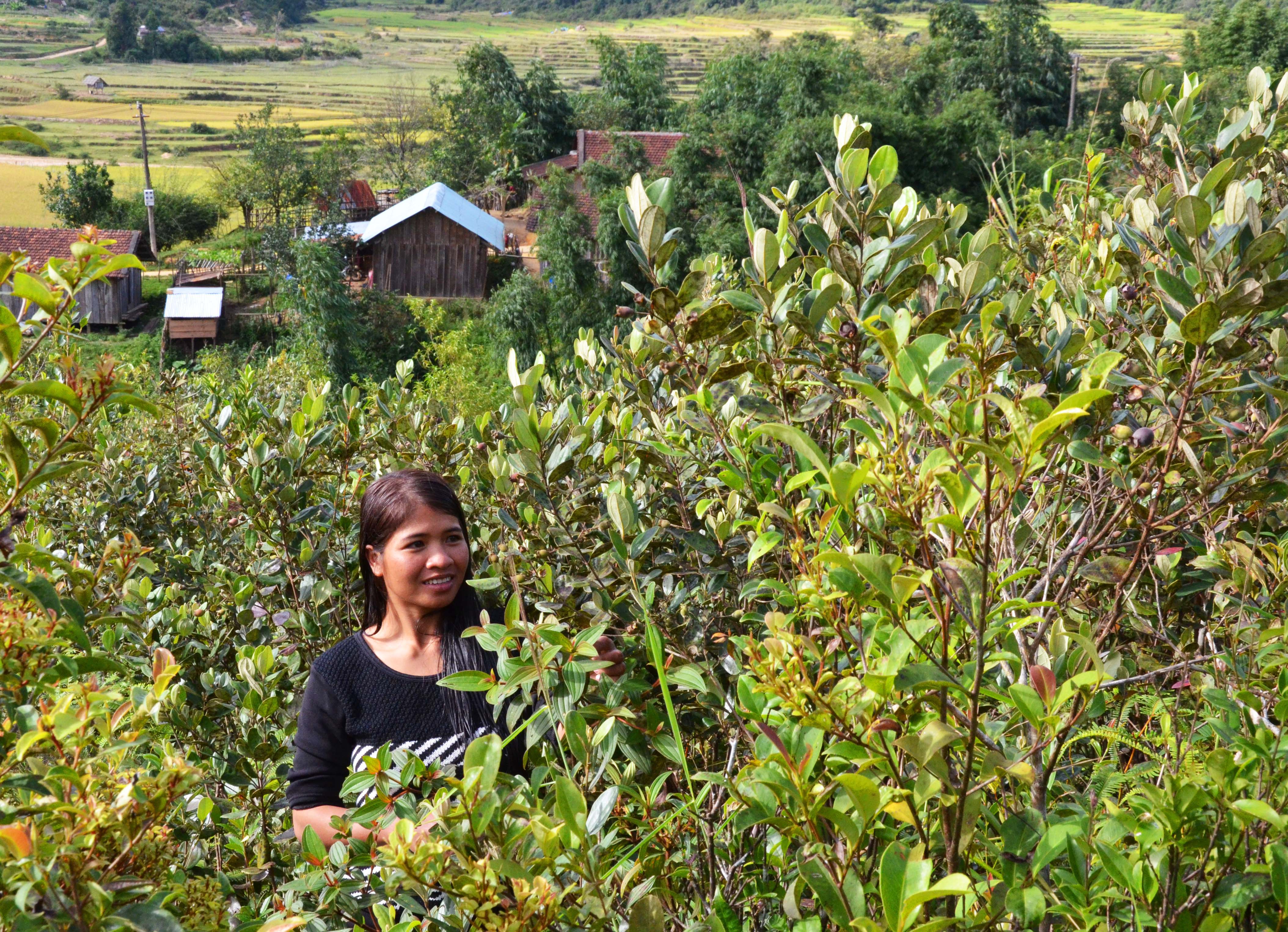
Từ giữa tháng tám, tiếng cười giòn tan bắt đầu lan tỏa từ những dãy đồi chập chùng ngan ngát gió thơm về tận thôn làng của đồng bào các dân tộc Xê đăng, Mơ Nâm, Ka Dong, Hre phía Đông Bắc Tây Nguyên. Những gùi sim tím rười rượi không chỉ ngọt môi sơn nữ, mà còn khiến bếp lửa mỗi nhà thêm ấm áp, tươi vui.  

Y Trông lên đồi sau nhà hái sim

Tiếp tục đọc “Mùa sim chín trên cao nguyên Kon Plông”

Explore the H’mong King’s Palace in Ha Giang

Last update 15:13 | 06/09/2017

The H’mong King’s Palace is considered a gem of the northern mountainous province of Ha Giang, and is a popular tourist destination besides the Dong Van Stone Plateau.

Lying some 130 kilometres north of Ha Giang Town, the century-old palace is still the largest construction in the area and boasts special architecture style.

According to a tour guide who is also a woman member of the King’s family at the palace, Vuong Chinh Duc (1865 – 1947), known as the king of the H’mong or Meo ethnic minority group in the area, built the palace which cost 150,000 Indochina silver coins equivalent to VND150 billion (USD 6.61 million). Duc earned his fortune from growing and trading opium. Tiếp tục đọc “Explore the H’mong King’s Palace in Ha Giang”

Special culture of Dao ethnic minority people in Tuyen Quang

Last update 07:00 | 07/09/2017

The northern mountainous province of Tuyen Quang is home to nearly 100,000 people of Dao ethnicity whose culture boasts unique customs, rituals and arts.

Special culture of Dao ethnic minority people in Tuyen Quang , entertainment events, entertainment news, entertainment activities, what’s on, Vietnam culture, Vietnam tradition, vn news, Vietnam beauty, news Vietnam, Vietnam news, Vietnam net news, vietna

A ritual at the coming-of-age ceremony of Dao ethnic people

Tuyen Quang is the only province in Vietnam home to all nine Dao subgroups, namely Dao Do, Dao Tien, Dao Cooc Mun, Dao Quan Chet, Dao O Gang, Dao Cooc Ngang, Dao Quan Trang, Dao Thanh Y, and Dao Ao Dai.

Unique worship rituals

Phung Chuong Chi, a shaman in Tho Binh commune of Lam Binh district, said the group’s worship customs are very diverse, including typical rituals like coming-of-age ceremonies and funerals. Tiếp tục đọc “Special culture of Dao ethnic minority people in Tuyen Quang”

Snake-hunting rampant in protected Vietnamese forest

Snake hunters have been risking their lives in order to make a living

By Tuoi Tre News

September 5, 2017, 11:34 GMT+7

Snake-hunting rampant in protected Vietnamese forest
The hunters wade across streams throughout the night to stalk on snakes and other wild animals. Photo: Tuoi Tre
A number of ethnic minority men from the Central Highlands province of Lam Dong have been making a living hunting snakes, including venomous ones, in a strip of forbidden forest for over a decade now.

As night falls, men from the Chau Ma and S’tieng ethnic minority groups will leave their hamlets inside a strictly protected area of Cat Tien National Park and head toward the springs. Tiếp tục đọc “Snake-hunting rampant in protected Vietnamese forest”