COP26: 40 countries agree to phase out coal-fired power

By Zachary Skidmore04 Nov 2021 (Last Updated November 4th, 2021 11:39) Power Technology

More than 40 countries have agreed at COP26 to phase out their use of coal power by 2040 at the latest.

COP26: 40 countries agree to phase out coal-fired power

More than 40 countries have agreed to phase out coal-fired power at the COP26 climate summit. The agreement includes 18 countries promising to phase out or stop investments in new coal-fired plants domestically and internationally for the first time.

The list includes major coal using countries, including Canada, Poland, Ukraine, and Vietnam. Signatories to the agreement have committed to phasing out coal power in the 2030s for major economies and the 2040s for poorer nations. Dozens of private organisations have also signed up to the pledge, with HSBC and Export Development Canada among several major banks agreeing to divest from the coal industry.

Tiếp tục đọc “COP26: 40 countries agree to phase out coal-fired power”

Việt Nam ứng phó với biến đổi khí hậu: Những mặt tích cực và hạn chế

RFI –  01/11/2021

Việt Nam ứng phó với biến đổi khí hậu: Những mặt tích cực và hạn chế - Tạp  chí Việt Nam
Ảnh tư liệu chụp ngày 21/09/2009, tại Sài Gòn, Việt Nam, sau một cơn mưa lớn. Do tác động của biến đổi khí hậu, tình trạng ngập lụt ở các thành phố miền nam ngày càng trầm trọng. ASSOCIATED PRESS – Le Quang Nhat

Là một trong 4 quốc gia gánh chịu những tác hại năng nề nhất của biến đổi khí hậu, tại Hội nghị Thượng đỉnh Paris COP 21, Việt Nam đã cam kết sẽ cắt giảm 8% lượng khí nhà kính phát thải vào năm 2030 so với năm 2005 và có thể giảm đến 25% nếu nhận được sự hỗ trợ hiệu quả từ cộng đồng quốc tế.QUẢNG CÁO

Nhân dịp hội nghị khí hậu COP 26 vừa khai mạc ở Glasgow ngày 31/10/2021, chúng ta hãy tìm hiểu xem các biện pháp ứng phó với biến đổi khí hậu của Việt Nam có những mặt tích cực và những hạn chế nào? Mời quý vị nghe ý kiến của tiến sĩ Huỳnh Long Vân, Nhóm Nghiên cứu Văn Hóa Đồng Nai Cửu Long Úc Châu.

Tiếp tục đọc “Việt Nam ứng phó với biến đổi khí hậu: Những mặt tích cực và hạn chế”

Khủng hoảng năng lượng châu Âu: Khi EU “tự bắn vào chân mình”

TƯỜNG ANH 29/10/2021 6:00 GMT+7

TTCTTrong khi báo chí Nga thận trọng nói về một “cuộc khủng hoảng năng lượng”, thì các tờ báo phương Tây, như Telegraph đã gọi tên một cuộc “chiến tranh khí đốt”. Điều gì đang xảy ra trên thị trường năng lượng thế giới?

Giá khí đốt ở châu Âu bắt đầu tăng vào tháng 4 năm nay và kể từ đó đã tăng gấp 8 lần: giá khí đốt giao sau tại Trung tâm TTF ở Hà Lan đạt mức 1.969,2 USD/1.000m3. Để so sánh: vào đầu năm, hợp đồng kỳ hạn được giao dịch ở mức 265 USD/1.000m3.

Các loại giá khí đốt tiêu chuẩn đều tăng mạnh trong khoảng nửa năm qua. Ảnh: Global LNG Hub

Tiếp tục đọc “Khủng hoảng năng lượng châu Âu: Khi EU “tự bắn vào chân mình””

Chuyên đề: Cấp thiết quy hoạch điện VIII (6 bài)

  1. Cấp thiết quy hoạch điện VIII 
  2. Cần dũng cảm chọn lộ trình xây dựng hệ thống điện bền vững
  3. Ðáp ứng đầy đủ điện năng trong mọi tình huống
  4. Làm sao tối ưu giá thành sản xuất điện? 
  5. Một kỷ nguyên đã khép lại
  6. Sau thăng hoa là gánh nợ! 

***

Cấp thiết quy hoạch điện VIII

ND – Thứ Bảy, 23-10-2021, 20:37

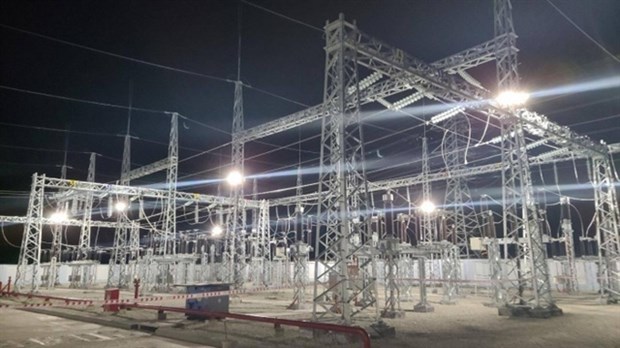
Do phụ thuộc vào quy hoạch nguồn điện, hệ thống lưới điện truyền tải cần bảo đảm sự liên kết các hệ thống điện miền và khu vực. Ảnh: Ngọc Hương

LTS – Bộ Công thương vừa trình Chính phủ dự thảo Quy hoạch phát triển điện lực quốc gia thời kỳ 2021-2030, tầm nhìn đến năm 2045 (Quy hoạch điện VIII).

Ðược xây dựng trong hoàn cảnh hết sức đặc biệt của đất nước nói chung và ngành điện nói riêng, liệu bản Quy hoạch đang được trông đợi này, có giúp hệ thống điện tránh khỏi áp lực nặng nề từ sự bùng nổ thái quá của năng lượng tái tạo gây nhiều hệ lụy như đã từng, cũng như tạo được sự minh bạch trong phát triển để thu hút được các nhà đầu tư?

Tiếp tục đọc “Chuyên đề: Cấp thiết quy hoạch điện VIII (6 bài)”

Hiện trường điện gió ở Quảng Trị, ai vô tâm sẽ không thấy kinh hoàng

NN – Thứ Năm 14/10/2021 , 10:25

Một số bãi thải, mái taluy ở các công trình điện gió chưa lu lèn đầm chặt, trồng cây, gia cố chống xói lở, tiềm ẩn nguy cơ xảy ra lũ quét, sạt lở đất.

Quảng Trị có 31 dự án điện gió được phê duyệt chủ trương đầu tư xây dựng. Riêng tại huyện Hướng Hoá có 26 dự án đang cấp tập triển khai thi công để kịp hưởng giá ưu đãi (giá FIT) cho một phần hoặc toàn bộ nhà máy có ngày vận hành thương mại trước 1/11/2021.

Theo UBND huyện Hướng Hoá, hiện vẫn còn một số dự án điện gió đang trong quá trình đẩy nhanh tiến độ nên chưa tuân thủ đầy đủ yêu cầu khắc phục sạt lở đất và môi trường. Điều này tiềm ẩn nguy cơ lũ quét, sạt lở đất khi mùa mưa bão đang đến gần.

Một người dân xã Húc buồn rầu bên ruộng lúa bị đất đá từ dự án điện gió trôi lấp. Người này cho hay, ruộng lúa của gia đình nằm ngay dưới chân các tua-bin điện gió, không thể canh tác trong thời gian tới nên đã yêu cầu chủ đầu tư đền bù toàn bộ để tìm chỗ khác ổn định hơn.

Tiếp tục đọc “Hiện trường điện gió ở Quảng Trị, ai vô tâm sẽ không thấy kinh hoàng”

EXCLUSIVE China looks to lock in U.S. LNG as energy crunch raises concerns

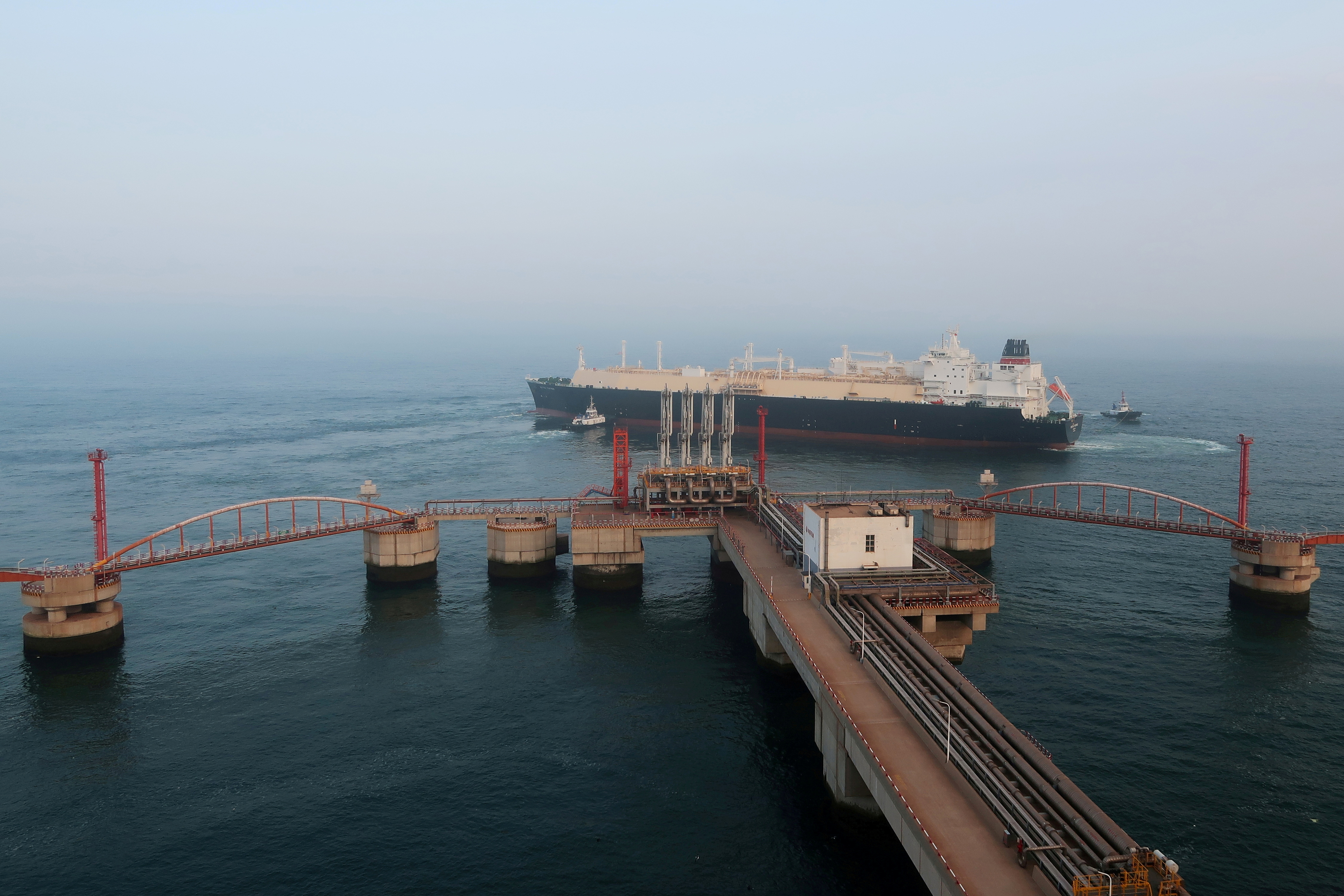
A liquified natural gas (LNG) tanker leaves the dock after discharge at PetroChina's receiving terminal in Dalian, Liaoning province, China July 16, 2018.  REUTERS/Chen Aizhu//File Photo

Reuters

A liquified natural gas (LNG) tanker leaves the dock after discharge at PetroChina’s receiving terminal in Dalian, Liaoning province, China July 16, 2018. REUTERS/Chen Aizhu//File Photo

SINGAPORE/NEW YORK, Oct 15 (Reuters) – Major Chinese energy companies are in advanced talks with U.S. exporters to secure long-term liquefied natural gas (LNG)supplies, as soaring gas prices and domestic power shortages heighten concerns about the country’s fuel security, several sources said.

Tiếp tục đọc “EXCLUSIVE China looks to lock in U.S. LNG as energy crunch raises concerns”

Investment in coal-fired power to dry up as world seeks to go green

By Anh Minh   October 13, 2021 | 12:33 pm GMT+7 VNExpressInvestment in coal-fired power to dry up as world seeks to go greenWorkers fix electric cables in District 1, Ho Chi Minh City. Photo by VnExpress/Thanh Nguyen

Vietnam will find it hard to mobilize foreign funding for coal-fired electricity plants because many nations have vowed to step up environmental protection.

Most of the investments in coal-fired electricity plants in Vietnam in 2015-21 came from China, South Korea and Japan, but the three countries have now pledged to stop investing in such power stations, Mark Hutchinson, chairman of the Southeast Asia Task Force, Global Wind Energy Council (GWEC) Asia, said at an online conference on finance for energy projects on Monday.

Tiếp tục đọc “Investment in coal-fired power to dry up as world seeks to go green”

In Global Energy Crisis, Anti-Nuclear Chickens Come Home to Roost

In virtually every country that has closed nuclear plants, clean electricity has been replaced with dirty power.

By Ted Nordhaus

OCTOBER 8, 2021, 5:18 PM

The cooling tower at the Mülheim-Kärlich nuclear power plant collapses during a controlled demolition near Koblenz, Germany, on Aug. 9, 2019. The plant was shut down on Sept. 9, 1988. THOMAS FREY/DPA/AFP VIA GETTY IMAGES

For years, the proponents of wind and solar energy have promised us a green future with electricity too cheap to meter, new energy infrastructure with little environmental impact on the land, and deep cuts in carbon emissions. But despite the rapid growth of renewable energy, that future has yet to materialize. Instead, many of the places that are furthest along in transitioning to renewable energy are today facing a crisis of power shortages, sky-high electricity prices, and flat or rising carbon emissions.

In California, Gov. Gavin Newsom has ordered companies owning backup diesel generators to operate them nonstop when electricity demand is high in order to avoid rolling blackouts. In Britain, exploding natural gas prices have shuttered factories, bankrupted power companies, and threaten to cause food shortages. Germany, meanwhile, is set for the biggest jump in greenhouse emissions in 30 years due to surging use of coal for power generation, which the country depends on to back up weather-dependent wind and solar energy and fill the hole left by its shuttered nuclear plants.

The proximate cause of all these crises has been surging natural gas prices as the world recovers from the COVID-19 pandemic. But the underlying problem is that despite huge bets on renewable energy over the last several decades, California, Britain, and Germany have chosen fossil fuels over carbon-free nuclear energy to backstop their electrical systems.

Read more on Foreign Policy >>

First three wind-power plants put into use in Soc Trang province

vietnamnet

First three wind-power plants put into use in Soc Trang province hinh anh 1

Three wind power plants in Mekong Delta province of Soc Trang have been connected to the national grid.

Vo Van Chieu, director of the provincial Department of Industry and Trade, said the Southern Power Corporation has put into operation the first three wind power plants in the province with a total capacity of 90MW.

All three factories, including Lac Hoa, Quoc Vinh and Wind power plant No 7, are located in Vinh Chau town.

Each plant has six turbines and can supply electricity to the national grid with an average annual output of about 93 million to 108 million kWh per year.

Soc Trang has around 72km of coast with constant strong winds, suitable for generating power.

The province plans to have 20 wind power plants in all with a total capacity of 1,435MW.

Wind-power plant projects play an important role in the socio-economic development of Soc Trang province. The projects are expected to attract other investors and develop the local industry./.

Ai rót tiền vào các dự án điện gió tỷ đô của Tài Tâm?

NN – Thứ Tư 29/09/2021 , 12:21

Việc các dự án điện gió nghìn tỷ của doanh nghiệp Tài Tâm phải đi vay ngân hàng đến 80% có phải là áp lực buộc triển khai dự án bằng mọi giá?

Dự án điện gió của doanh nghiệp Tài Tâm. Ảnh: Công Điền. 
Dự án điện gió của doanh nghiệp Tài Tâm. Ảnh: Công Điền. 

Cần phải xác minh những khoản vay hàng chục nghìn tỷ của Tài Tâm

Theo tìm hiểu của Báo Nông nghiệp Việt Nam, chỉ trong một thời gian ngắn, Công ty TNHH Tài Tâm đã trực tiếp hoặc gián tiếp đầu tư vào nhiều dự án năng lượng tái tạo tại nhiều tỉnh, thành trên cả nước như tỉnh Quảng Trị, Đăk Lăk, Đăk Nông, Bình Thuận, Bến Tre, Trà Vinh và Cà Mau. Có một điểm chung ở các dự án điện gió liên quan đến doanh nghiệp Tài Tâm là các công ty được thành lập với vốn điều lệ khá thấp, nguồn vốn thực hiện dự án điện gió chủ yếu là đi vay, vốn góp chỉ chiếm khoảng 20%, mức thấp nhất bắt buộc chủ đầu tư phải huy động được theo quy định.

Tiếp tục đọc “Ai rót tiền vào các dự án điện gió tỷ đô của Tài Tâm?”

Xung đột nảy lửa trong đền bù các dự án điện gió tại Gia Lai

Nông nghiệp – Thứ Ba 28/09/2021 , 09:51

Các dự án điện gió thi công tự ý san ủi đất khi chưa thỏa thuận đền bù, ép dân bán đất giá rẻ, thậm chí cho các đối tượng đến uy hiếp, đe dọa.

Dự án điện gió Nhơn Hòa 1.

Các dự án điện gió trên địa bàn tỉnh Gia Lai đang khẩn trương thi công để đưa vào vận hành thương mại trước ngày 31/10 nhằm được hưởng ưu đãi của Chính phủ. Chính vì chạy đua cho kịp tiến độ, nhiều dự án điện gió đã “bất chấp” để thi công dù hồ sơ pháp lý chưa hoàn thiện, đặc biệt khâu đền bù giải phóng mặt bằng đang gặp nhiều trở ngại.

Tiếp tục đọc “Xung đột nảy lửa trong đền bù các dự án điện gió tại Gia Lai”

IEEFA: Defying global financial trends, Vietnam pivots back to coal power

Bản tiếng Việt >>

Thu Vu and Press Release September 29, 2021

Latest draft power development plan puts clean energy transition at risk by sacrificing renewables for more coal

29 September (IEEFA Vietnam): In the lead up to the United Nations Climate Change Conference COP26, President Xi Jinping recently declared that China will no longer build new coal-fired power projects abroad. Despite limited details, the ramifications of China’s coal exit strategy for coal-centric developing economies like Vietnam could be immense.

The ramifications of China’s coal exit for coal-centric developing economies could be immense

Before President Xi’s announcement, Vietnam’s latest draft Power Development Master Plan 8 (PDP8) was released, and in a surprising shift, proposed to raise the installed capacity target for coal-fired power by 3 gigawatts (GW) to 40GW by 2030, with an additional (and final) 10GW to be deployed by 2035.

Tiếp tục đọc “IEEFA: Defying global financial trends, Vietnam pivots back to coal power”

China’s Commitment to Stop Overseas Financing of New Coal Plants in Perspective

CSIS.org

September 24, 2021

On September 21, 2021, Chinese president Xi Jinping announced at the United Nations General Assembly debate that China would not build any new coal-fired power plants abroad and would step up its support for developing green and low-carbon energy in developing countries. He also reiterated the country’s goal to become carbon neutral by 2060 and peak carbon emissions by 2030, targets which he had first announced last year. This new announcement sets the tone for the upcoming UN climate change conference, COP26, which will be held in Glasgow in early November.

Q1: Why does this new climate commitment matter?

A1: Xi Jinping’s speech at last year’s UN General Assembly was noteworthy because it set a timeline for China’s decarbonization. However, in addition to not specifying a peak level of emissions, it also left unanswered the question of whether the country would shoulder the responsibility for climate action outside its borders. China’s role as the largest public financier of coal projects globally has come into particular focus this past year as other governments, such as the G7 members, have pledged to slash their public financing of such projects. There were multiple calls from the international community, including U.S. special envoy for climate John Kerry, for China to end its support for coal projects globally.

Tiếp tục đọc “China’s Commitment to Stop Overseas Financing of New Coal Plants in Perspective”

IEEFA: High stakes for Asian Development Bank’s ambitious coal power retirement plan

Implementation challenges could block funding for other equally important high impact clean energy funding strategies

24 September 2021 (IEEFA Asia): In the lead up to the United Nations Climate Change Conference COP26, the Asian Development Bank (ADB) announced a plan to speed up the retirement of high emissions coal-fired power plants in Southeast Asia. This announcement sets the stage for a transformation of the Asian multilateral development bank’s (MDB) role in guiding power infrastructure development in the region, finds a new report by the Institute for Energy Economics and Financial Analysis (IEEFA).

With British insurer Prudential and other financial firms, ADB’s ambitious plan is to build public-private funding vehicles to buy coal-fired power plants and retire them within 15 years to allow countries time to switch to renewable energy.

Tiếp tục đọc “IEEFA: High stakes for Asian Development Bank’s ambitious coal power retirement plan”

Is Europe’s gas and electricity price surge a one-off?

bruegel.org

Surging natural gas prices in Europe, driven by rising demand and tight supply, are pushing up electricity prices; to prevent volatility, governments need to commit more clearly to a low-carbon future.

Since January 2021, natural gas prices have soared by more than 170% in Europe (Figure 1), sparking concerns about the potential macroeconomic implications.https://e.infogram.com/1p761ygy79gngyhz5yydwzln9lanq3km1rm?parent_url=https%3A%2F%2Fwww.bruegel.org%2F2021%2F09%2Fis-europes-gas-and-electricity-price-surge-a-one-off%2F&src=embed#async_embed

Both demand and supply factors have contributed to a tightening of the European gas market.

European gas demand is increasing in residential heating, industry and power generation. Higher demand for residential heating due to a cold winter and widespread remote working pushed up overall European gas demand by 7.6% in the first quarter of 2021. Also, a combination of continued industrial output rebound, summer heatwaves with increased use of air conditioning and rallying EU carbon prices fostering a switch from coal to gas, kept European gas demand high throughout the second quarter of the year.

Tiếp tục đọc “Is Europe’s gas and electricity price surge a one-off?”