Vietnam announces renewable energy plan

By New Straits Times
December 2, 2021 @ 9:50am

Vietnam announces renewable energy plan
A statue of late Vietnamese revolutionary leader Ho Chi Minh in Ho Chi Minh City.Vietnam has announced a plan to have renewable energy account for three quarters of its national power production capacity by 2045. AFP Pic

VIETNAM has announced a plan to have renewable energy account for three quarters of its national power production capacity by 2045.

Authorities also hope to achieve 70 per cent of actual production through renewable sources under its commitments made during the United Nations Climate Change Conference 2021 (COP 26) last month.

Tiếp tục đọc “Vietnam announces renewable energy plan”

Nhiều thủy điện ồ ạt xả lũ, dân trở tay không kịp

Plo.vn

Thứ Tư, ngày 1/12/2021 – 06:30

(PLO)- Nhiều thủy điện ở Tây Nguyên thuộc lưu vực sông Ba bất ngờ xả lũ xuống hạ du, gây ngập nặng nhiều vùng ở Phú Yên, người dân không kịp ứng phó.

Thông tin với Pháp Luật TP.HCM, ông Trần Hữu Thế, Chủ tịch UBND tỉnh Phú Yên, cho hay đến tối 30-11, nhiều vùng ven sông Ba thuộc TP Tuy Hòa, các huyện Phú Hòa, Sơn Hòa, Tây Hòa, Đông Hòa đã bị ngập nặng. Hàng ngàn căn nhà bị ngập sâu trong nước, hàng loạt xã, khu dân cư bị lũ cô lập. Quốc lộ 25, quốc lộ 29 từ TP Tuy Hòa đi Tây Nguyên, phần lớn các tuyến giao thông trọng yếu đã bị tê liệt, ách tắc do ngập sâu trong nước, sạt lở.

Tiếp tục đọc “Nhiều thủy điện ồ ạt xả lũ, dân trở tay không kịp”

Is it possible to make steel without fossil fuels?

Greenbiz.com

By Josh Owens

September 24, 2020

Steel production
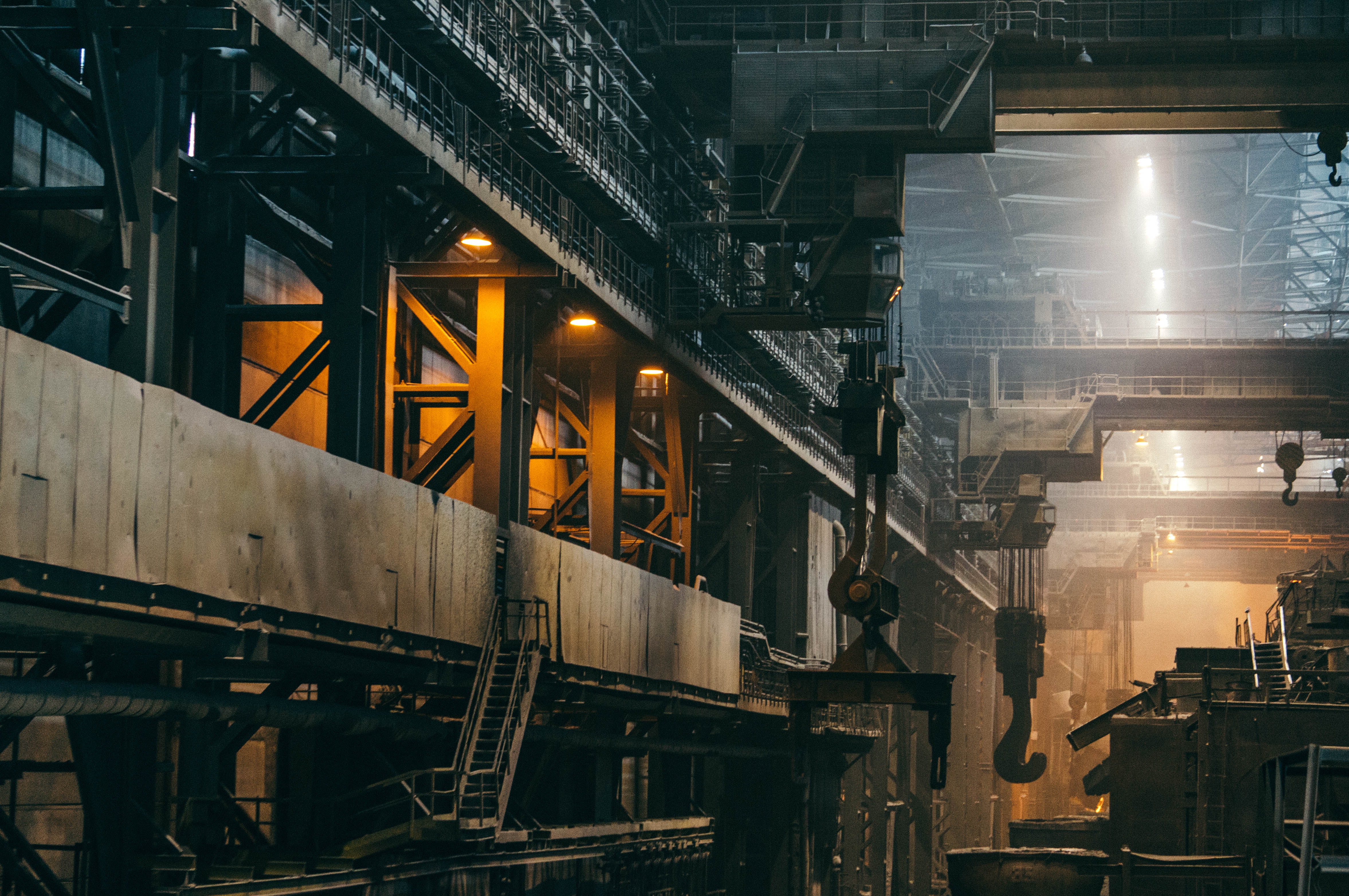
Steel production is an incredibly energy intensive process.

Steel is arguably the single most important resource when it comes to constructing infrastructure.

From roads to railways and the skeleton of most buildings, it is at the very heart of nearly every city on earth. Within those cities, the cars on the road, the cutlery in our kitchens and the furniture in our offices all rely on steel production. Steel production, however, is an incredibly energy intensive process, and the vast majority of this energy comes from fossil fuels.

Globally, steel is responsible for 7-9 percent of all direct emissions from fossil fuels. Most of those emissions come from the burning of coal, which makes up 89 percent of the energy input for blast furnace-basic oxygen furnace (BF-BOF) and 11 percent of the energy input of electric arc furnaces (EAF). Of those two types of steel production, BF-BOF is far more common, making up 75 percent of steel that is produced compared to 25 percent from EAF. Globally, steel is responsible for 7-9% of all direct emissions from fossil fuels.

Tiếp tục đọc “Is it possible to make steel without fossil fuels?”

IEEFA/JMK Research: Round-the-clock tenders can help meet demand for firm renewable power

Tenders have evolved from “vanilla” solar or wind, to hybrid, to round-the-clock

IEEFA

24 November (IEEFA/JMK Research India): Electricity distribution companies (discoms) demand firm and uninterrupted renewable power. A new report by IEEFA and JMK Research highlights the important role that different mixes of generation sources and storage technologies can play in overcoming the intermittency challenge of variable renewable energy (VRE) and ensuring grid stability.

Renewable energy blended with either conventional thermal power sources that have low plant load factors (PLFs) or energy storage systems (ESS) can provide firm round-the-clock (RTC) power required by discoms, according to the report.

Tiếp tục đọc “IEEFA/JMK Research: Round-the-clock tenders can help meet demand for firm renewable power”

China, India, other big coal users missing from COP26 phase-out deal

reuters.com

By Kate Abnett and Elizabeth Piper

Summary

  • Poland, Indonesia sign up to phase out coal
  • China, India, U.S., Australia not included
  • COP26 mini deals aim to add up to big climate win

GLASGOW, Nov 4 (Reuters) – Indonesia, Poland, Vietnam and other nations pledged on Thursday to phase out use of coal-fired power and stop building plants, but their deal at the COP26 climate summit failed to win support from China, India and other top coal consumers.

Britain has said one of its main aims for the United Nations summit is “consigning coal power to history”. The deal saw 23 nations making new commitments, a move the president of the COP26 summit, Alok Sharma, said put the end of coal “in sight”.https://17f4ab6d574607e1c63d4da62d7a4666.safeframe.googlesyndication.com/safeframe/1-0-38/html/container.html

“Today I think we can say that the end of coal is in sight,” Sharma told the Glasgow meeting.

Tiếp tục đọc “China, India, other big coal users missing from COP26 phase-out deal”

More than 40 countries agree to phase out coal-fired power

theguardian.com

Critics say pledge to end use of dirtiest fuel source in 2030s and 40s does not go far enough

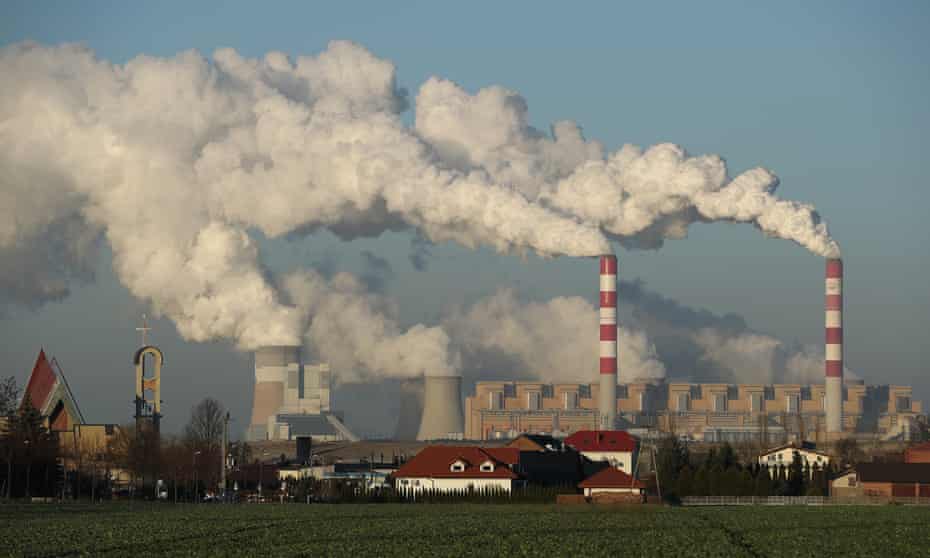
Steam and smoke rise from Bełchatów power station in Poland.
Steam and smoke rise from Bełchatów power station in Poland, one of the countries that has agreed to phase out coal-fired power. Photograph: Sean Gallup/Getty Images

Fiona HarveyJillian Ambrose and Patrick Greenfield in GlasgowWed 3 Nov 2021 22.30 GMT

More than 40 countries have agreed to phase out their use of coal-fired power, the dirtiest fuel source, in a boost to UK hopes of a deal to “keep 1.5C alive”, from the Cop26 climate summit.

Major coal-using countries, including Canada, Poland, South Korea, Ukraine, Indonesia and Vietnam, will phase out their use of coal for electricity generation, with the bigger economies doing so in the 2030s, and smaller economies doing so in the 2040s.

Tiếp tục đọc “More than 40 countries agree to phase out coal-fired power”

Creating the new hydrogen economy is a massive undertaking

It is also a delicate one


economist.com

Oct 9th 2021

NEW YORK

Today’s hydrogen business is, in global terms, reasonably small, very dirty and completely vital. Some 90m tonnes of the stuff are produced each year, providing revenues of over $150bn—approaching those of ExxonMobil, an oil and gas company. This is done almost entirely by burning fossil fuels with air and steam—a process which uses up 6% of the world’s natural gas and 2% of its coal and emits more than 800m tonnes of carbon dioxide, putting the industry’s emissions on the same level as those of Germany.Listen to this story

Enjoy more audio and podcasts on iOS or Android.

Tiếp tục đọc “Creating the new hydrogen economy is a massive undertaking”

U.S. rejects antidumping tariff petition from domestic solar manufacturers

By John Engel -11.11.2021

renewableenergy.com

JinkoSolar, one the world’s largest manufacturers of solar modules, has begun construction on a $500 million monocrystalline ingot and wafer manufacturing facility in Vietnam.

The U.S. Dept. of Commerce has rejected an antidumping tariff petition brought by a group of anonymous domestic solar manufacturers against solar modules imported from three Southeast Asian countries.

Members of the American Solar Manufacturers Against Chinese Circumvention (A-SMACC) claimed that Chinese crystalline silicon photovoltaic cells and modules were being completed in Malaysia, Thailand, or Vietnam before being exported to the U.S., thus circumventing the antidumping duty and countervailing duty (AD/CVD) orders on crystalline silicon PV cells from China.

Tiếp tục đọc “U.S. rejects antidumping tariff petition from domestic solar manufacturers”

Bến Tre: Người dân vùng biển bức xúc vì bị ảnh hưởng bởi công trình điện gió

TIẾNG DÂN – Bạch Thanh – 17:33 19/11/2021

(TN&MT) – Trong quá trình thi công các trụ tuabin của công trình nhà máy điện gió đã làm ảnh hưởng đến nguồn nước ngọt, nhà cửa, cây trồng… của nhiều hộ dân vùng ven biển Bến Tre. Mặc dù suốt nhiều tháng dài người dân kiến nghị, yêu cầu được bồi thường, hỗ trợ nhưng chưa được giải quyết dứt điểm, thì nay chủ đầu tư lại khởi kiện một cá nhân ra Tòa “buộc” bồi thường thiệt hại vì hành vi cản trở việc thi công, xây dựng.

Người dân phản ánh về ảnh hưởng của công trình điện gió

Tiếp tục đọc “Bến Tre: Người dân vùng biển bức xúc vì bị ảnh hưởng bởi công trình điện gió”

Bao giờ người dân tái định cư thủy điện Hồi Xuân hết khổ?

NN – Thứ Tư 14/04/2021 , 08:04

Nhà máy thủy điện Hồi Xuân có tổng mức đầu tư trên 3,3 nghìn tỷ đồng “đắp chiếu” nhiều năm do thiếu vốn. Nhiều công trình dân sinh không thực hiện đúng cam kết.

Chủ đầu tư nhà máy thủy điện Hồi Xuân bội tín

Nghe chúng tôi hỏi đường đến cầu bản Pan bắc qua sông Mã thuộc xã Phú Xuân, huyện Quan Hóa (Thanh Hóa), một người đàn ông chạy theo hỏi: “Khi nào thì tiếp tục xây cây cầu này vậy các chú?”.

Cầu bản Pan chỉ mới thi công được hai mố cầu thì dừng lại nhiều năm nay. Ảnh: Võ Dũng.
Cầu bản Pan chỉ mới thi công được hai mố cầu thì dừng lại nhiều năm nay. Ảnh: Võ Dũng.

Tiếp tục đọc “Bao giờ người dân tái định cư thủy điện Hồi Xuân hết khổ?”

German Coal Mine to Be Reborn as Giant Pumped Storage Hydro Facility

renewableenergyworld.com

By Bloomberg News Editors -3.17.2017

A coal-mine that powered German industry for almost half a century will get a new lease on life when it’s turned into a giant battery that stores excess solar and wind energy.

The state of North-Rhine Westphalia is set to turn its Prosper-Haniel hard coal mine into a 200-MW pumped storage hydroelectric reservoir, which acts like a battery and will have enough capacity to power more than 400,000 homes, said state governor Hannelore Kraft. The town of Bottrop, where people worked the 600 meter (1,969 foot) deep mine since 1974, will keep playing a role in providing uninterrupted power for the country, she said.

Tiếp tục đọc “German Coal Mine to Be Reborn as Giant Pumped Storage Hydro Facility”

Old Coal Mines Can Win a Second Life as Green Energy Hotspots

bloomberg.com

By Rob Verdonck +Follow18 December 2020, 11:14 GMT+7

  •  Study examines turning coal operations into pumped hydro sites
  •  Other projects aim to add wind, solar at shuttered mines
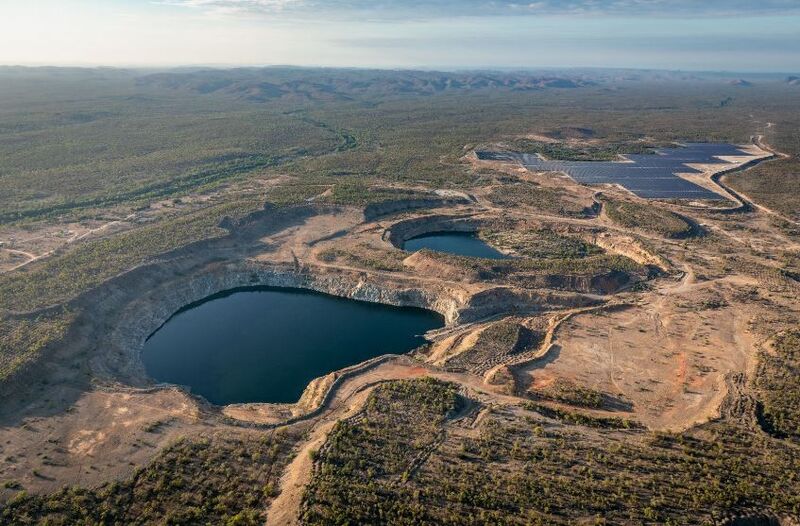
Genex Power’s 50-megawatt solar farm at the disused Kidston mine.
Genex Power’s 50-megawatt solar farm at the disused Kidston mine. Photographer: Genex

Australia is studying plans to transform a disused underground coal mine into a pumped hydro facility, part of a wider effort to reuse retiring fossil fuel sites for renewable energy generation.

Tiếp tục đọc “Old Coal Mines Can Win a Second Life as Green Energy Hotspots”

Chống biến đổi khí hậu: Tiền ở đâu ra mà hứa hẹn nhiều thế?

XÊ NHO 18/11/2021 6:10 GMT+7

TTCTXung quanh Hội nghị COP26, có chuyện dễ hiểu nhầm phổ biến về các mức cam kết khổng lồ và chuyện “thủ phạm” phát thải.

 Ảnh: un.org

 Đọc tin về COP26 rất dễ bị ấn tượng mạnh bởi mẩu tin hàng trăm ngân hàng, quỹ đầu tư, hãng bảo hiểm có trong tay đến 130.000 tỉ đôla cam kết đặt ưu tiên cho các hoạt động vì khí hậu. Ai cũng nghĩ với những khoản tiền khổng lồ như thế, việc hỗ trợ các nước chuyển đổi từ năng lượng hóa thạch như than đá sang các nguồn năng lượng tái tạo là dễ như trở bàn tay. 

Tiếp tục đọc “Chống biến đổi khí hậu: Tiền ở đâu ra mà hứa hẹn nhiều thế?”

COP26 và tương lai năng lượng của Việt Nam

Nguyễn Đăng Anh Thi – 14/11/2021 15:56

(KTSG) – Hội nghị Biến đổi khí hậu của Liên hiệp quốc (COP26) tại Glasgow, Vương quốc Anh đang khép lại với những cam kết hành động mạnh mẽ của các lãnh đạo toàn cầu về cắt giảm phát thải, đầu tư tài chính và hỗ trợ chuyển dịch năng lượng. Tương lai năng lượng và mô hình tăng trưởng của Việt Nam sẽ như thế nào sau COP26?

Cam kết “đột phá” của Việt Nam tại COP26

Từ những ngày đầu COP26, những thông tin tích cực từ nước Anh cho thấy sẽ có bước đột phá của Việt Nam về cam kết giảm phát thải khí nhà kính, chung tay cùng nhân loại làm giảm sự nóng lên toàn cầu.

Ngày 1-11, trong bài phát biểu tại COP26, Thủ tướng Phạm Minh Chính đã đưa ra một tuyên bố lịch sử: “Mặc dù là nước đang phát triển mới chỉ bắt đầu tiến trình công nghiệp hóa trong hơn ba thập kỷ qua, Việt Nam là một nước có lợi thế về năng lượng tái tạo, sẽ xây dựng và triển khai các biện pháp giảm phát thải khí nhà kính mạnh mẽ bằng nguồn lực của mình, cùng với sự hợp tác và hỗ trợ của cộng đồng quốc tế, nhất là các nước phát triển, cả về tài chính và chuyển giao công nghệ, trong đó có thực hiện các cơ chế theo Thỏa thuận Paris, để đạt mức phát thải ròng bằng 0” vào năm 2050”.

Tiếp tục đọc “COP26 và tương lai năng lượng của Việt Nam”