Tác động của nhiệt điện than đối với môi trường, sức khỏe cộng đồng và giải pháp cho Việt Nam

GREENID

  1. Hiện trạng và định hướng phát triển nhiệt điện than ở Việt Nam

Theo Quy hoạch điện VII Điều chỉnh (QHĐ VII Điều chỉnh), đến năm 2030 nhiệt điện than sẽ chiếm tỷ trọng gần 50% trong cơ cấu nguồn điện của Việt Nam. Lượng than dự báo cần tiêu thụ cho điện là 120 triệu tấn mỗi năm, trong đó khoảng hơn 80 triệu tấn phải nhập khẩu. Hướng đi này sẽ mang lại rủi ro rất lớn cho an ninh năng lượng quốc gia và sức khỏe của người dân. Tiếp tục đọc “Tác động của nhiệt điện than đối với môi trường, sức khỏe cộng đồng và giải pháp cho Việt Nam”

ĐBSCL quá tải nhiệt điện, nguy cơ ô nhiễm cao

Lê Anh Tuấn (*)Thứ Ba,  9/8/2016, 08:37 (GMT+7)

Một nhà máy thuộc cụm nhà máy nhiệt điện Duyên Hải, tỉnh Trà Vinh. Ảnh: LÊ ANH TUẤN
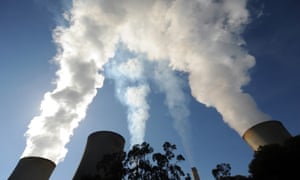
(TBKTSG) – Với quy mô phát triển công nghiệp năng lượng được quy hoạch từ nay đến năm 2030, vùng đồng bằng sông Cửu Long (ĐBSCL) trở thành nơi có mật độ nhiệt điện cao trong nước. Nguy cơ ô nhiễm từ đây cũng rất cao! Tiếp tục đọc “ĐBSCL quá tải nhiệt điện, nguy cơ ô nhiễm cao”

Từ điềm xấu đến cơ hội: Dầu thô giá rẻ thúc đẩy đầu tư năng lượng bền vững như thế nào

English: From Omen to Opportunity: How Cheap Oil Is Accelerating Sustainable Energy Investment

Thị trường dầu toàn cầu ngày càng không sinh lời đang kéo giá nhiên liệu xuống mức thấp lịch sử và làm thất thoát các khoản đầu tư vào năng lượng truyền thống. Phá vỡ thông lệ, dầu giá rẻ không còn là dấu hiệu thảm hoạ đối với các công ty năng lượng tái tạo. Ngược lại, các nhà đầu tư vỡ mộng với nhiên liệu hoá thạch giờ đang tìm kiếm các cơ hội tăng trưởng cao – vừa đúng lúc để đắc lợi từ làn sóng năng lượng tái tạo diễn ra sau các cuộc đàm phán khí hậu tại Paris năm 2015.

worldwatch –Bất ngờ tụt xuống 27 đô la một thùng vào tháng hai, giá dầu thô đã chạm đến mức thấp nhất trong hơn 13 năm, kể từ khi Mỹ tiến hành xâm lược Iraq vào năm 2003. Dù hồi phục nhẹ vào tháng ba nhờ sản lượng được dự đoán sẽ sụt giảm, các nhà đầu tư vẫn hoài nghi nền tảng thực chất của thị trường dầu và đang giảm dần kỳ vọng. Việc dầu bán ở giá thấp như này đã kéo giá cổ phiếu của các công ty năng lượng truyền thống lớn được liệt kê trong Chỉ số Standard & Poor’s 500 xuống 13% và khiến các nhà đầu tư mất đi hơn 703 tỉ đô la so với thời kỳ giá dầu cao kỷ lục vào tháng 6/2014. Tiếp tục đọc “Từ điềm xấu đến cơ hội: Dầu thô giá rẻ thúc đẩy đầu tư năng lượng bền vững như thế nào”

Plans for coal-fired power in Asia are ‘disaster for planet’ warns World Bank

Experts have offered stark warnings that proposed power plants in India, China, Vietnam and Indonesia would blow Paris climate deal if they move ahead

 World Bank president Jim Yong Kim said that new coal-fired power plants ‘would spell disaster for us and our planet’.
The World Bank president, Jim Yong Kim, said that new coal-fired power plants ‘would spell disaster for us and our planet’. Photograph: Bloomberg via Getty Images

Oil Prices: What’s Behind the Drop? Simple Economics

Some think it will be years before oil returns to $90 or $100 a barrel, a price that was pretty much the norm over the last decade. Credit Michael Stravato for The New York Times

The oil industry, with its history of booms and busts, is in its deepest downturn since the 1990s, if not earlier.

Earnings are down for companies that made record profits in recent years, leading them to decommission more than two-thirds of their rigs and sharply cut investment in exploration and production. Scores of companies have gone bankrupt and an estimated 250,000 oil workers have lost their jobs. Tiếp tục đọc “Oil Prices: What’s Behind the Drop? Simple Economics”

Giá dầu giảm lại là may mắn cho Việt Nam

Phan Minh Ngọc – Thứ Năm,  21/1/2016, 07:46 (GMT+7)

Việt Nam là một nước nhập siêu sản phẩm xăng dầu nên sự tụt giảm giá dầu quốc tế có tác dụng cắt giảm chi phí đầu vào cho toàn bộ nền kinh tế, kích hoạt tiêu dùng và sản xuất. Ảnh: UYÊN VIỄN

(TBKTSG) – Vì Việt Nam là nước nhập siêu sản phẩm xăng dầu, nên rõ ràng giá dầu giảm là điều tốt lành nhiều hơn, chứ không phải là một tai họa, cho Việt Nam nói chung, trái với những trường hợp tiêu cực như Nga, Venezuela và Ảrập Saudi.

Tiếp tục đọc “Giá dầu giảm lại là may mắn cho Việt Nam”

Những hậu quả khó thấy của sụt giảm mạnh giá dầu thô

English: The Hidden Consequences of the Oil Crash

Giá dầu thô đang ở mức thấp kỷ lục kể từ năm 2003. Điều này có ý nghĩa gì đối với nước Mỹ và phần còn lại của thế giới  – 15 chuyên gia đã cho biết

By POLITICO Magazine January 21, 2016

Politico –Trong nhiều tháng, các tài xế Mỹ được chào đón tại các trạm xăng với một sự ngạc nhiên dễ chịu: Giá xăng hạ xuống một nửa, giảm trung bình hơn 2 đô la một ga-lông[1] kể từ đỉnh giá gần đây nhất trong năm 2011. Tổng thống Barack Obama đã dành một chút thời gian để nói về điều này trong Thông điệp liên bang hồi tuần trước, ông nói: “Xăng dưới hai đô một ga-lông không tồi. Hay có lẽ như vậy. Đằng sau sự sụt giá này là một sự sụp đổ lớn hơn trong giá dầu, từ hơn 100 đô la một thùng năm 2014 đến dưới 27 đô la trong tuần này. Vào hôm thứ ba, chỉ số Dow Jones giảm 250 điểm trong nỗi lo sợ về những điều sẽ xảy đến nếu giá dầu tiếp tục giảm, và điều này sẽ gây ra thêm nhiều nhiều tác động đến người tiêu dùng, và thậm chí đến thị trường toàn cầu.

Giá dầu không chỉ dẫn dắt kinh tế, mà cả địa chính trị. Các liên minh hình thành và sụp đổ xung quanh vấn đề dầu thô. Giá Dầu cao chống đỡ cho các chính phủ Nga và Iran, tạo ra sự ổn định ở các nước Trung Đông và cũng tạo nguồn doanh thu cho các nhóm cực đoan ở Nigeria và I-rắc. Tiếp tục đọc “Những hậu quả khó thấy của sụt giảm mạnh giá dầu thô”

New Energy, New Geopolitics: Balancing Stability and Leverage

An assessment of how shale gas and tight oil in the United States is impacting energy, geopolitical and national security dynamics around the world.

CSIS – In early 2013, the CSIS Energy and National Security Program and the Harold Brown Chair in Defense Policy Studies assembled a broad multi-functional team to explore how shale gas and tight oil in the United States is impacting energy, geopolitical and national security dynamics around the world, with the intention of providing policymakers with a structured way to consider the potential risks and rewards of the new shale gas and tight oil resources.

The result was the report, “New Energy, New Geopolitics: Balancing Stability and Leverage” which concludes:

  • Shale gas and tight oil have had important impacts on the global energy sector. It has changed energy trade flows, altered the investment outlook for energy projects, reordered the climate change debate, and has helped change the energy posture of the United States, to name a few.
  • To date, the broader geopolitical impacts have remained limited. The uncertain trajectory of U.S. production, and even more uncertain, the potential for global production, make anticipating future impacts difficult.
  • So far, perception leads reality when it comes to geopolitical and national security impacts. Many countries are acting on early interpretations of the shale gas and tight oil trend.
  • A U.S. strategy for how to incorporate shale gas and tight oil developments into its current energy and national security strategies is still evolving. Going forward, U.S. policymakers face a choice between two strategic paths for managing shale gas and tight oil resources: “energy stability” or “energy leverage.”
  • This report concludes that “energy stability” is the most prudent and robust approach against a range of potential energy futures and recommends that the United States pursue policies that hew more closely to an “energy-stability” approach.

In addition to the summary for policymakers and report, CSIS will publish three contributing reports- one on energy, one on geopolitics and national security, and one of scenarios, strategies and pathways. These contributing reports will offer greater detail to the analysis provided in “New Energy, New Geopolitics: Balancing Stability and Leverage.” Tiếp tục đọc “New Energy, New Geopolitics: Balancing Stability and Leverage”

From Omen to Opportunity: How Cheap Oil Is Accelerating Sustainable Energy Investment

An increasingly unprofitable global oil market is driving fuel prices to historic lows and hemorrhaging investment in conventional energy sources. Breaking with tradition, cheap oil no longer foretells disaster for renewable energy companies. On the contrary, disillusioned fossil fuel investors are seeking high-growth opportunities—just in time to ride the renewables wave in the wake of the 2015 Paris climate talks.

worldwatch – Crashing out in February at $27 per barrel, crude oil prices have reached their lowest point in over 13 years, since the 2003 U.S.-led invasion of Iraq. Despite a modest recovery in March driven by expectations for reduced production, investors remain skeptical of underlying oil market fundamentals and are reducing their exposure. These selloffs have dragged down the stock prices of large conventional energy companies listed in the Standard & Poor’s 500 Index by 13 percent and have cost investors more than $703 billion since the record-high oil prices of June 2014.

Responding to these selloffs, oil companies have tightened their belts, decommissioning two-thirds of their rigs and sharply cutting investment in oil field exploration and development, while an estimated 250,000 oil workers have lost their jobs. A Wood Mackenzie report identified 68 major oil and natural gas projects—representing a combined value of $380 billion and output of 2.9 million barrels of oil equivalent (boe) per day—that have been put on hold since late 2014. Besides reducing operating costs, oil companies hope that these measures will have a stabilizing effect on the market by reducing productive capacity in the medium to long term. Tiếp tục đọc “From Omen to Opportunity: How Cheap Oil Is Accelerating Sustainable Energy Investment”

The Hidden Consequences of the Oil Crash

Crude prices are at their lowest levels since 2003. Fifteen experts tell us what that means for the United States and the rest of the world.

By POLITICO Magazine January 21, 2016

Politico -For months, American drivers have been greeted at gas stations with a pleasant surprise: Gas prices have fallen by half, dropping an average of more than $2 a gallon since their most recent peak in 2011. President Barack Obama took a moment to bask in the credit last week in his State of the Union speech: “Gas under two bucks a gallon ain’t bad,” he said.Or maybe it is. Behind that drop is an even bigger collapse in the price of oil, from more than $100 a barrel in 2014 to under $27 this week. On Tuesday, the Dow fell 250 points amid fears about what will happen if the price of oil continues its slump, which will have effects far beyond consumers, beyond even the global market.

Oil prices drive not just economics, but geopolitics. Alliances rise and fall over petroleum. Expensive oil props up governments in Russia and Iran, provides stability in Middle Eastern countries and also offers a revenue stream to extremist groups in Nigeria and Iraq. Domestically, high-priced oil spurs innovation in alternative energy; it has also driven America’s shale boom. For all these reasons and more, the collapsing value of oil will have profound consequences around the world, with the potential to destabilize regimes, remake regions and alter the global economy in lasting and unforeseen ways. Tiếp tục đọc “The Hidden Consequences of the Oil Crash”

CSIS: U.S. Shale Gas Sets Sail…Now What?

  • Photo courtesy of Duke Energy from https://www.flickr.com/photos/dukeenergy/11441374383/in/photolist-ir32Zz-9h7kUn-84ETfK-7F2ojh-4XMq3j-ojanPF-6kjHYx-qCj1vV-nqXjJv-o2gC4m-fiyZ7Y-dcye5U-4H8pww-4CvjWU-qCbPqG-nzMXYB-qUBkQZ-qCd2AU-pXLcBj-nm3ZKP-ir331r-hWnwNf
    FEB 25, 2016

    On February 24, a tanker carrying liquefied natural gas (LNG) left the Sabine Pass LNG terminal off the coast of Louisiana. The first LNG cargo from Cheniere Energy Inc.’s Sabine Pass LNG Project is a significant milestone for the U.S. energy industry, marking the dawn of shale-based LNG exports by the United States. What other implications does the Sabine Pass export have for the United States? Does the shipment foretell the economic viability of U.S. LNG projects or the competitiveness of U.S. LNG exports? This Critical Question illustrates the significance of the Sabine Pass LNG shipment and considers the opportunities and challenges for the U.S LNG export business in the period of low energy prices. Tiếp tục đọc “CSIS: U.S. Shale Gas Sets Sail…Now What?”

Who’s afraid of cheap oil?

Low energy prices ought to be a shot in the arm for the economy. Think again Jan 23rd 2016 | From the print edition Timekeeper

economist – ALONG with bank runs and market crashes, oil shocks have rare power to set monsters loose. Starting with the Arab oil embargo of 1973, people have learnt that sudden surges in the price of oil cause economic havoc. Conversely, when the price slumps because of a glut, as in 1986, it has done the world a power of good. The rule of thumb is that a 10% fall in oil prices boosts growth by 0.1-0.5 percentage points.

In the past 18 months the price has fallen by 75%, from $110 a barrel to below $27. Yet this time the benefits are less certain. Although consumers have gained, producers are suffering grievously. The effects are spilling into financial markets, and could yet depress consumer confidence. Perhaps the benefits of such ultra-cheap oil still outweigh the costs, but markets have fallen so far so fast that even this is no longer clear.

The new economics of oil

The world is drowning in oil. Saudi Arabia is pumping at almost full tilt. It is widely thought that the Saudis want to drive out higher-cost producers from the industry, including some of the fracking firms that have boosted oil output in the United States from 5m barrels a day (b/d) in 2008 to over 9m b/d now. Saudi Arabia will also be prepared to suffer a lot of pain to thwart Iran, its bitter rival, which this week was poised to rejoin oil markets as nuclear sanctions were lifted, with potential output of 3m-4m b/d. Tiếp tục đọc “Who’s afraid of cheap oil?”

Vietnam Plans Move Away From Coal

January 28th, 2016 by

cleantecnica – Vietnam Prime Minister Nguyen Tan Dung has announced his government’s intention to “review development plans of all new coal plants and halt any new coal power development.”

Vietnam prime minister

Nguyễn Tấn Dũng, Prime Minister of Vietnam

According to Solarplaza, the Premier stated that Vietnam needs to “responsibly implement all international commitments in cutting down greenhouse gas emissions; and to accelerate investment in renewable energy.”

The announcement comes in advance of the Solar PV Trade Mission, scheduled April 18 – 22 in Hanoi and Bangkok. It is hoped the trade missions will assemble diverse high-level delegations of stakeholders from around the world into emerging markets to jointly explore and create business development opportunities.
Tiếp tục đọc “Vietnam Plans Move Away From Coal”

CSIS Energy Publication | Assessing the Final Clean Power Plan: Emissions Outcomes

FROM THE CSIS ENERGY AND NATIONAL SECURITY PROGRAM

Assessing the Final Clean Power Plan:
Emissions Outcomes

The U.S. Environmental Protection Agency’s (EPA) Clean Power Plan (CPP) is the most significant greenhouse gas (GHG) policy ever undertaken in the United States, and is expected to achieve significant emission reductions by the time it is fully implemented in 2030. However, calculating the ultimate emissions-abatement potential is more difficult than simply adding up the state reduction targets. While the EPA has set a floor on cumulative emissions from existing fossil-fuel-fired power plants, it has not set a ceiling, and projecting the actual emissions outcome on a national level is not straightforward due to the flexibility states have in implementation.

Our analysis deepens the understanding of the potential emissions outcomes of the CPP and what factors could influence that outcome. We start by explaining the primary factor that has the potential to undermine EPA’s emissions floor—leakage—and how EPA is attempting to address this issue. We then turn to a quantitative analysis of two potential pathways for state implementation plans (SIPs) under optimal implementation conditions. Bearing in mind that optimal implementation is unlikely, we also explore key drivers and decisions that could result in emissions that are higher or lower than our initial projections.

To read the full report, click here

By: John Larsen, Director, Rhodium Group, and Non-Resident Senior Associate, Energy and National Security Program, CSIS; Sarah Ladislaw, Director and Senior Fellow, Energy and National Security Program, CSIS; Michelle Melton, Associate Fellow, Energy and National Security Program, CSIS; and Whitney Herndon, Research Analyst, Rhodium Group

RECENT PUBLICATIONS

Adjusting to Low Prices:
Prospects for Fossil Fuel Subsidy Reform

By: Sarah Ladislaw, Director and Senior Fellow, Energy and National Security Program, CSIS and Zachary Cuyler, Research Associate, Energy and National Security Program, CSIS

Is India the Next China? An Energy-Related Comparison

By: Jane Nakano, Senior Fellow, Energy and National Security Program, CSIS and Michelle Melton, Associate Fellow, Energy and National Security Program, CSIS

Renewed Solar Subsidies – A Missed Opportunity

By: Francis O’Sullivan, Director of Research and Analysis, MIT Energy Initiative; Senior Associate, Energy and National Security Program, CSIS

Carbon capture analyst: ‘Coal should stay in the ground’

Date:December 2, 2015

Source:University of Michigan

Summary:Serious flaws have been found in a decade’s worth of studies about the best way to reduce greenhouse gas emissions and stabilize the climate, report experts in a new article.

Serious flaws have been found in a decade’s worth of studies about the best way to reduce greenhouse gas emissions and stabilize the climate.

sciencedaily – The findings, from the University of Michigan, are released as world leaders at COP21 attempt to negotiate the globe’s first internationally binding climate agreement.

The U-M researchers have found that most economic analysis of carbon capture and storage, or CCS, technology for coal-fired power plants severely underestimates the technique’s costs and overestimates its energy efficiency. CCS involves sucking carbon out of coal-fired power plants’ flue gases, compressing it and then injecting it deep underground.

The new analysis puts the cost of reducing carbon emissions with CCS-equipped coal plants higher than any previous study — and most importantly, higher than wind and comparable to solar power. It’s the first study to confront the so-called ‘energy loop’ inherent in the CCS process. Tiếp tục đọc “Carbon capture analyst: ‘Coal should stay in the ground’”