Đắk Lắk scraps plans for 17 hydropower plants

Môi trườngvietnamnews Update: May, 16/2017 – 18:00

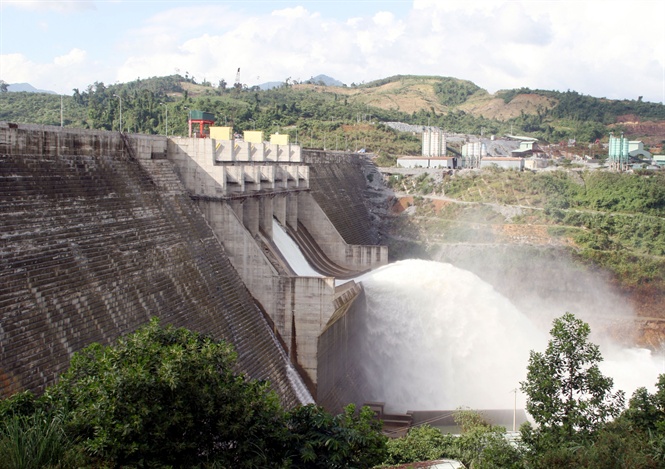
The removal of hydropower projects and potential sites is because most of them are located in forest areas, meaning hydropower plant construction would seriously affect forest resources and local ecology.—VNA/VNS Photo

Viet Nam News HÀ NỘI — Authorities in the Central Highlands province of Đắk Lắk have made the decision to scrap plans for constructing 17 small and medium hydropower plants with total capacity of 27.4 megawatts.

The province has also axed 69 sites which have potential to become future stations, with combined capacity totalling 117 megawatts.

The move comes following the Prime Minister’s directive to close natural forests in the Central Highlands to deal with climate change during the 2016-2020 period, Đắk Lắk vice chairman Y Giang Gry Nie Knong said. Tiếp tục đọc “Đắk Lắk scraps plans for 17 hydropower plants”

Proposed dam to poses more threat to Vietnam’s Mekong Delta: conference

TUOI TRE NEWS

Updated : 05/13/2017 14:00 GMT + 7

The environment and lives of dozens of millions of people living in the Lower Mekong Basin are being threatened as the Mekong River is expected to see yet another hydropower dam construction, experts said at an international conference on Friday.

Experts all express concerns over the Laos-proposed Pak Beng dam, the latest to be built on the Mekong River, as they convened for a consultation process held by the Vietnam Mekong River Commission in the southern Vietnamese city of Can Tho. Tiếp tục đọc “Proposed dam to poses more threat to Vietnam’s Mekong Delta: conference”

Thông cáo của Liên minh cứu sông Mekong về quy trình tham vấn thủy điện Pak Beng (VNese – English)

mekongblog

Đăng vào 04/05/2017


Thông cáo của Liên minh cứu sông Mê Kông

Cần hoãn Quy trình Tham vấn trước đối với dự án thủy điện Pak Beng cho đến khi hoàn thiện Nghiên cứu Hội đồng và đánh giá tác động trên toàn lưu vực

Liên minh cứu sông Mê Kông gồm các thành viên thuộc các quốc gia thuộc Lưu vực sông Mê Kông. Chúng tôi hoạt động dựa trên nhận thức rằng sông Mê Kông là tài sản chung, mang lại nguồn tài nguyên nuôi sống hàng triệu người dân Đông Nam Á và đóng góp một cách bền vững cho sự phồn thịnh về kinh tế và xã hội của khu vực. Liên minh cứu sông Mê Kông và các thành viên đã và đang giám sát quá trình ra quyết định đối với các đập trên dòng chính Hạ lưu sông Mê Kông, bao gồm cả việc tham gia các cuộc họp Tham vấn trước cấp quốc gia và khu vực đối với dự án thủy điện Xayaburi và Don Sahong. Trải nghiệm từ các cuộc tham vấn khiến chúng tôi càng thêm lo ngại cho tương lai của con sông Mê Kông và người dân lưu vực. Tiếp tục đọc “Thông cáo của Liên minh cứu sông Mekong về quy trình tham vấn thủy điện Pak Beng (VNese – English)”

Mass fish deaths reported in fresh water cages

Update: April, 07/2017 – 18:00

A breeder and his dead fish. — VNS Photo Điền Quang

THỪA THIÊN- HUẾ — Fish breeding in floating cages in central Thừa Thiên-Huế Province’s river have died en mass, resulting in huge losses for breeders.

The fish deaths occurred earlier this week in Bồ River’s section running across the province’s Hương Toàn Commune in Hương Trà District. Breeders said the fish were almost ready to harvest; therefore, they were expected to incur significant losses for this breeding season. Tiếp tục đọc “Mass fish deaths reported in fresh water cages”

China may shelve controversial Myitsone dam in exchange for other interests in Myanmar

japan times

Reuters, Apr 6, 2017

China has shifted its position in a lengthy dispute with Myanmar over the building of a $3.6 billion dam, seven sources said, signaling its willingness to abandon the project in exchange for other economic and strategic opportunities in Myanmar.

Myanmar President Htin Kyaw will discuss a potential deal on the massive Myitsone dam during a trip to China beginning on Thursday, two senior Myanmar officials and a person familiar with the matter said. Tiếp tục đọc “China may shelve controversial Myitsone dam in exchange for other interests in Myanmar”

China’s Influence on Hydropower Development in the Lancang River and Lower Mekong River Basin

CGIAR (consultative Group in Agriculture Research)

Read and download:China’s Influence on Hydropower Development in the Lancang River and Lower Mekong River Basin

Link to Mekong Hydropwer Map and Portal

Series of “State of knowledge” on Mekong:

1. The Impact of Dams on the Mekong
2. Mekong sediment basics
3. Corporate social responsibility in Mekong hydropower development
4. China’s Influence on Hydropower Development in the Lancang River and Lower Mekong River Basin


Corporate social responsibility in Mekong hydropower development

CGIAR (Consultative Group in Agriculture Research)

Read and Download:Corporate social responsibility in Mekong hydropower development

Link to Mekong Hydropwer Map and Portal

Series of “State of knowledge” on Mekong:

1. The Impact of Dams on the Mekong
2. Mekong sediment basics
3. Corporate social responsibility in Mekong hydropower development
4. China’s Influence on Hydropower Development in the Lancang River and Lower Mekong River Basin


Mekong sediment basics

CGIAR (Cnsultative Group in Agriculture Research)

Read and download:Mekong sediment basics

Link to Mekong Hydropwer Map and Portal

Series of “State of knowledge” on Mekong:

1. The Impact of Dams on the Mekong
2. Mekong sediment basics
3. Corporate social responsibility in Mekong hydropower development
4. China’s Influence on Hydropower Development in the Lancang River and Lower Mekong River Basin


Watergrabbing A Story of Water

Al Jazeera

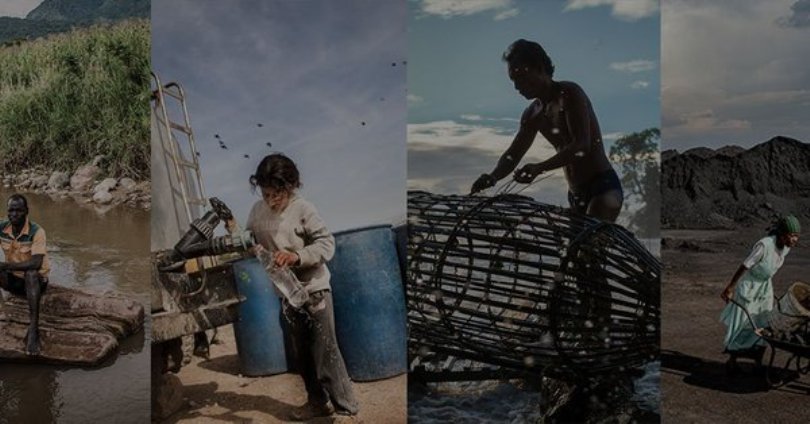
Historically the source of many conflicts, water grabbing is the control and theft of water resources by the powerful, often at the expense of local populations and ecosystems. It can result in dispossession, displacement and ecological destruction.

In an age of dwindling resources and climate change, water is increasingly being privatised.

It is now 24 years since the United Nations designated March 22 as World Water Day.

Al Jazeera looks at water grabbing in four parts of the globe, including large-scale damming in the Omo Valley in Ethiopia, the mining industry in South Africa, inequitable water practices in Palestine/Israel and the impact of dams on people living along the Mekong River in southeast Asia.

Tiếp tục đọc “Watergrabbing A Story of Water”

Cận cảnh đập thủy điện Xayaburi từ Lào

NĐT – 03/03/2017 – 10:59 AM

Chúng tôi đã có điều kiện tham quan đập thủy điện Xayaburi. Buổi tham quan dựa trên lời của Chính phủ Lào tại “Diễn đàn khu vực các bên liên quan về Nghiên cứu hội đồng và đập thủy điện Pak Beng”, vào cuối tháng 2 tại Luang Pra Bang. Người Đô Thị ghi nhận những hình ảnh về con đập mà cho đến nay vẫn còn gây nhiều tranh cãi trong cộng đồng các nước khu vực lẫn quốc tế.
Xayaburi

Tiếp tục đọc “Cận cảnh đập thủy điện Xayaburi từ Lào”

Is Vietnam in for Another Devastating Drought?

February 08, 2017

Lessons learned from last year’s disaster can shape a climate-resilient approach in the Mekong Delta.

Is Vietnam in for Another Devastating Drought?
A farmer burns his dried-up rice on a paddy field stricken by drought in Soc Trang province in the Mekong Delta in Vietnam (March 30, 2016).
Image Credit: REUTERS/Kham


The Tet Holiday (Vietnamese lunar New Year) has come to an end, marking the commencement of a new dry season in Vietnam’s lower Mekong Delta. Right now in coastal provinces around the Delta, thousands of farmers, especially those who miserably suffered during last year’s historic drought, are mobilizing to prepare for another similarly devastating drought, which is expected to arrive in the Delta in a few weeks.

During last year’s dry season, the record drought, followed by saltwater intrusion, cost Vietnam VND 15 trillion ($669 million) due to the heavy toll on agricultural production. It also caused dire humanitarian and other economic impacts: almost half a million households lacked fresh drinking water and experienced food shortages and thousands of affected people had to migrate to urban areas in search of jobs. The drought was mainly caused by Mekong upstream dams built by China in connection with El Nino effects. Tiếp tục đọc “Is Vietnam in for Another Devastating Drought?”

Tỉnh nghèo “cõng” 42 thủy điện, mất nhiều, được ít

NN – Thứ Năm, ngày 10/11/2016

Tỉnh Quảng Nam có 42 dự án thủy điện bậc thang trên sông Vu Gia – Thu Bồn, hiện có 17 nhà máy đã phát điện. Đây là những công trình mang lại nguồn năng lượng rất to lớn, tuy nhiên cũng chính thủy điện đã để lại nhiều hậu quả cho người dân nơi đây. Chưa kể, động đất không dừng lại ở huyện Bắc Trà My, mà đã lan sang Phước Sơn, Tây Giang.

14-07-38_nh-4

Đập thủy điện Sông Tranh 2 đưa vào hoạt động, hết rò rỉ nước, lại liên tục động đất

Tiếp tục đọc “Tỉnh nghèo “cõng” 42 thủy điện, mất nhiều, được ít”

Hố Hô và nghịch lý thủy điện nhỏ ở Việt Nam

NĐT – 01/11/2016 – 14:27 PM

LTS. Trên thế giới nói chung và Việt Nam nói riêng cho đến nay, những tác động tiêu cực của thủy điện đến sinh thái, đời sống, sinh kế của người dân… đã được chứng minh qua những bài học thực tế. Tuy nhiên, thủy điện nhỏ được xem là một dạng năng lượng sạch, như một giải pháp thay thế các nguồn năng lượng hóa thạch, thủy điện bậc thang… – đang gây rất nhiều hệ lụy xấu về kinh tế, xã hội, môi trường. Người Đô Thị có cuộc trao đổi với các chuyên gia về vấn đề thủy điện nhỏ trong bài toán phát triển năng lượng sạch hiện nay của đất nước.

TS. Đào Trọng Tứ, Giám đốc Trung tâm tư vấn Phát triển bền vững tài nguyên nước và thích nghi biến đổi khí hậu (CEWAREC) lý giải tại sao xem thủy điện nhỏ như một nguồn năng lượng sạch.

Tiếp tục đọc “Hố Hô và nghịch lý thủy điện nhỏ ở Việt Nam”

Nhà văn Võ Thị Hảo: Thủ phạm xả “bom nước” miền Trung

Diễn Đàn Thế Kỷ

Thứ Năm, ngày 27 tháng 10 năm 2016

 
Kẻ máu lạnh “kích nổ bom nước”
 
Đã mười ngày trôi qua kể từ đợt xả lũ của thủy điện Hố Hô ngày 14.10.2016, người VN vẫn tiếp tục chờ đợi nhà cầm quyền VN sẽ truy tố những thủ phạm gây chết người do xả lũ thủy điện vừa qua ra trước pháp luật, trả lại công lý cho dân.
Nhưng chỉ vô vọng. Như nhiều đợt trước đây. Nhà chức trách không có lấy một hành động nào nhằm đem lại công lý cho những nạn nhân của “bom nước thủy điện”.
Quy trình giết người của “ cá mập” lợi ích nhóm là vậy. Quy trình này chỉ  lập sẵn để bảo kê cho mọi hành động hại dân của hệ thống cầm quyền tham nhũng và đồi bại hiện hành.

Tiếp tục đọc “Nhà văn Võ Thị Hảo: Thủ phạm xả “bom nước” miền Trung”

THỦY ĐIỆN HỐ HÔ: Bài học cuối hay chưa?

  • TÔ VĂN TRƯỜNG
  • 22.10.2016, 10:22

TTCT – Thủy điện Hố Hô đã bắt ta chịu nhiều bài học đắt giá, không thể để năm nào mưa lũ về cũng đổ tại thiên tai.

Bài học cuối hay chưa?
Thủy điện Hố Hô xả lũ -Văn Định

Trong ký ức của người dân, trận lũ lịch sử, cơn “đại hồng thủy” đầu tháng 11-1999 đã tàn phá kinh hoàng khắp dải đất miền Trung từ Quảng Trị đến Bình Định, làm 595 người chết và thiệt hại gần 4.000 tỉ đồng. Tiếp tục đọc “THỦY ĐIỆN HỐ HÔ: Bài học cuối hay chưa?”