I mourn the loss of Australia’s Indigenous voice vote – and won’t forgive the media’s mendacity

theguardian.com Thomas Keneally

Thomas Keneally

The polls had been favourable until a brutal press campaign kicked in against this kindly, long-overdue change

  • Thomas Keneally is the author of the Booker-winning Schindler’s Ark

Wed 18 Oct 2023 13.26 BST

Last Sunday, many in Australia profoundly mourned the loss of the Indigenous voice to parliament referendum, the greatest kindly amendment ever to be proposed for the Australian constitution, those dreary old articles of association by which our states and territories rub along together in far-flung federation.

When the referendum was announced in March this year, it was as a result of a message to mainstream Australia from Indigenous Australia, a statement made at Uluru near Alice Springs by Aboriginal representatives. They suggested constitutional recognition of the Aboriginal race’s ancient discovery and ownership of Australia, and proposed that their community’s disadvantages in modern Australia could be addressed through a group of Aboriginal delegates who would advise on federal laws affecting Aboriginal Australians.

https://9f16b9aa9979ae753e00d73da3e26298.safeframe.googlesyndication.com/safeframe/1-0-40/html/container.html

The ownership matter is no longer as controversial as it once was. In the 1970s a Torres Strait Islander named Eddie Mabo was shocked to hear that his garden on Murray Island belonged to the crown. He undertook a long, brave journey from regional courts all the way to the high court, to prove that his tropic garden was not the crown’s, but his own. That decision in 1992 declared that Indigenous Australians had never ceded sovereignty over their land. There were cries that every white-owned house and swimming pool would be imperilled, but the truth was that the decision allowed the Aboriginal people to claim in reality traditional and unalienated, as in not yet purchased under title and built-upon, land. With that decision began the custom of the “welcome to country”: a local tribesman, or at least an Aboriginal Australian, briefly, as a small polite gesture, welcoming people to public events and citing the local tribe and its elders, men and women, past and present. This will continue to be the practice; an acknowledgment of the established fact.

Tiếp tục đọc “I mourn the loss of Australia’s Indigenous voice vote – and won’t forgive the media’s mendacity”

Định kiến giới ngay trong sách giáo khoa ảnh hưởng gì đến học sinh?

thanhnien.vn 02/05/2023 17:03 GMT+7

Hàng ngàn học sinh nói sách giáo khoa mang định kiến giới khi nam giới thường gắn với công việc được cho rằng có địa vị cao, trong khi nghề nghiệp của nữ giới có địa vị thấp hơn hoặc chỉ đóng vai trò phụ tá.

Nghề nghiệp của nam giới thường có địa vị cao

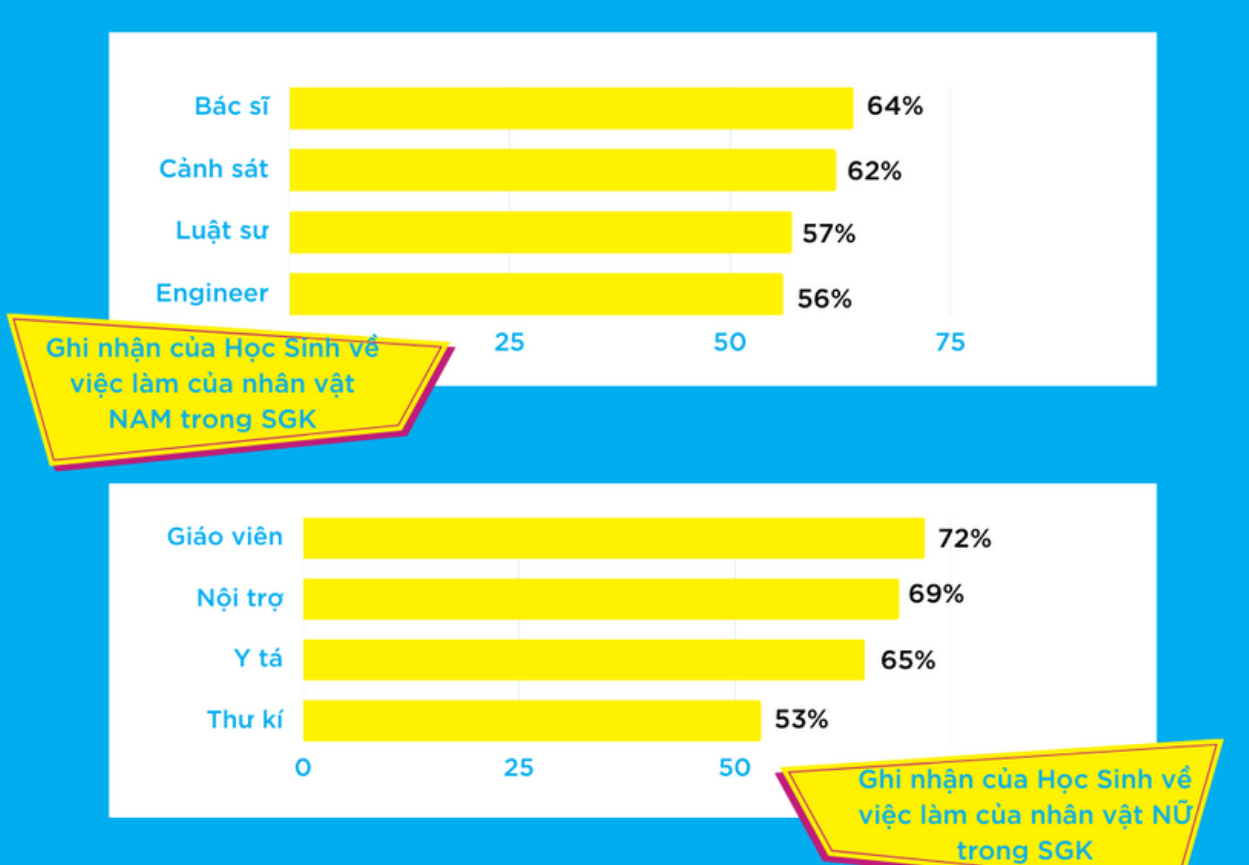
Khi khảo sát gần 7.000 học sinh về định kiến giới ở trường học, tổ chức Saigon Children’s Charity (saigonchildren) và Viện Nghiên cứu quản lý phát triển bền vững (MSD) cho hay phần lớn học sinh nói sách giáo khoa thường gắn nhân vật nam với các công việc đòi hỏi sức mạnh hoặc kỹ thuật cao, chẳng hạn như bác sĩ, cảnh sát, luật sư và kỹ sư. Ngược lại, nhân vật nữ thường liên quan đến hoạt động giáo dục hoặc chăm sóc như giáo viên, nội trợ, y tá hoặc thư ký.

Trong sách giáo khoa, nghề nghiệp của nam giới thường có địa vị cao - Ảnh 1.
Ghi nhận của học sinh về việc làm của các nhân vật trong sách giáo khoa, theo báo cáo của tổ chức Saigon Children’s Charity và Viện Nghiên cứu quản lý phát triển bền vững

“Những địa vị được miêu tả dành riêng cho hai giới trong sách giáo khoa hàm chứa định kiến, với phần lớn các nghề nghiệp do nam giới đảm nhận là những việc có địa vị cao, trong khi các nghề nghiệp được khắc họa dành cho nữ giới có địa vị thấp hơn hoặc nữ giới chỉ đảm nhận vai trò là phụ tá cho ngành nghề của nam giới”, nhóm nghiên cứu nhấn mạnh trong báo cáo công bố ngày 27.4.

Với kết quả khảo sát như trên, nhóm nghiên cứu chỉ ra rằng việc thể hiện các nghề nghiệp khác nhau trong sách giáo khoa dựa trên giới tính có thể ảnh hưởng đáng kể đến lựa chọn nghề nghiệp và vai trò trong xã hội của học sinh, đặc biệt ở Việt Nam, nơi vai trò giới và thứ bậc xã hội truyền thống vẫn còn ảnh hưởng mạnh mẽ đến kỳ vọng của xã hội.

Điều này cũng ảnh hưởng đến nguyện vọng chọn ngành của nữ sinh, khi các em có thể tự cho rằng khả năng của bản thân bị giới hạn trong một số ngành nghề được cho là “phù hợp” với giới tính, hoặc không có hứng thú để tìm hiểu về các lĩnh vực khác, chẳng hạn như khoa học, công nghệ, kỹ thuật và toán học (STEM).

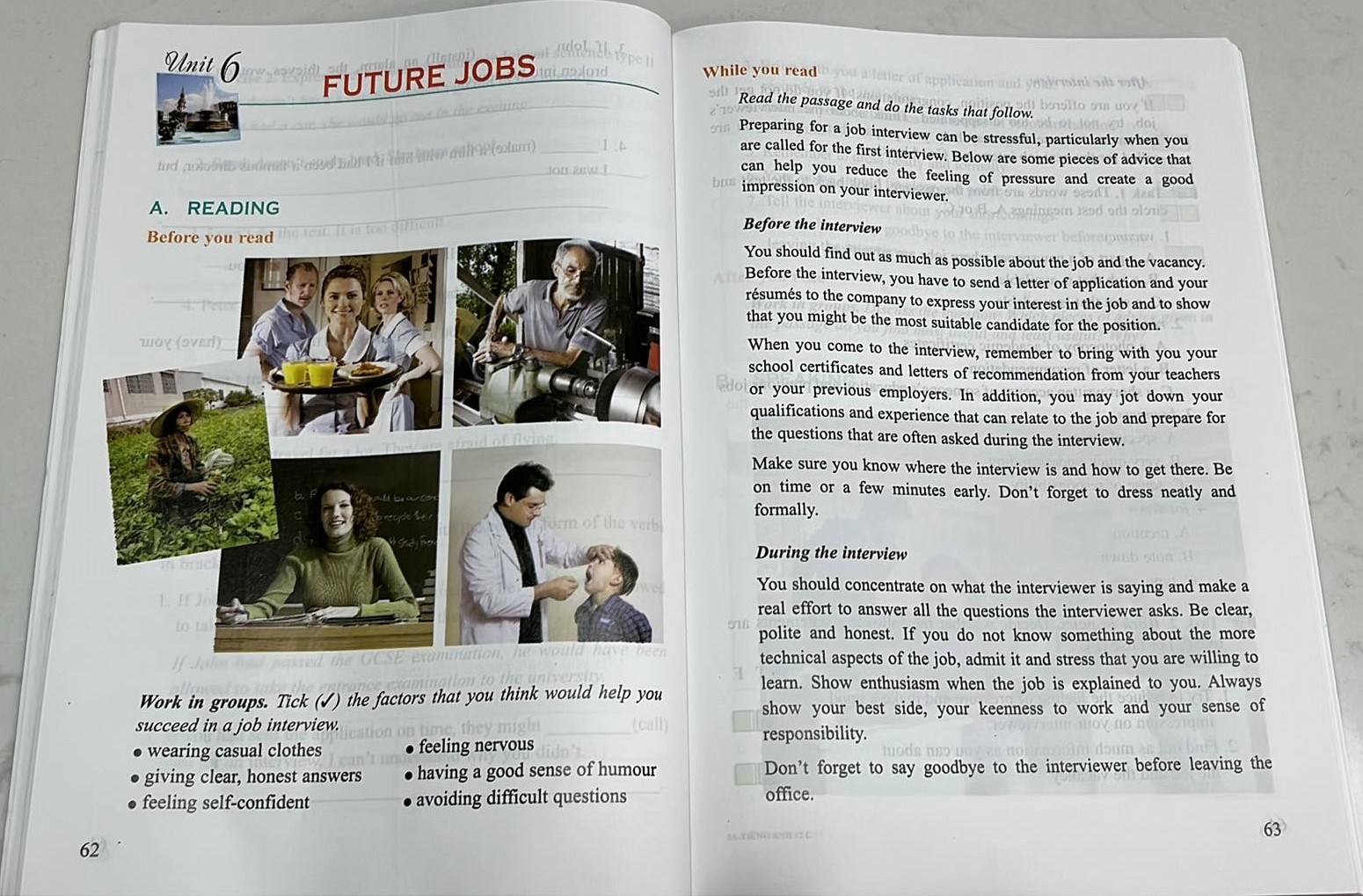
Trong sách giáo khoa, nghề nghiệp của nam giới thường có địa vị cao - Ảnh 2.
Ở chủ đề về nghề nghiệp tương lai trong sách giáo khoa tiếng Anh lớp 12 chương trình hiện hành, nam giới gắn với công việc bác sĩ, kỹ sư, còn nữ giới là giáo viên, phục vụ

Tiếp tục đọc “Định kiến giới ngay trong sách giáo khoa ảnh hưởng gì đến học sinh?”

Nhóm ‘nhặt sạn định kiến giới trong sách giáo khoa Tiếng Việt’ đoạt giải nhất Hội thi Sáng kiến Giới

tamviet.tienphong.vn 30/09/2023 | 20:02

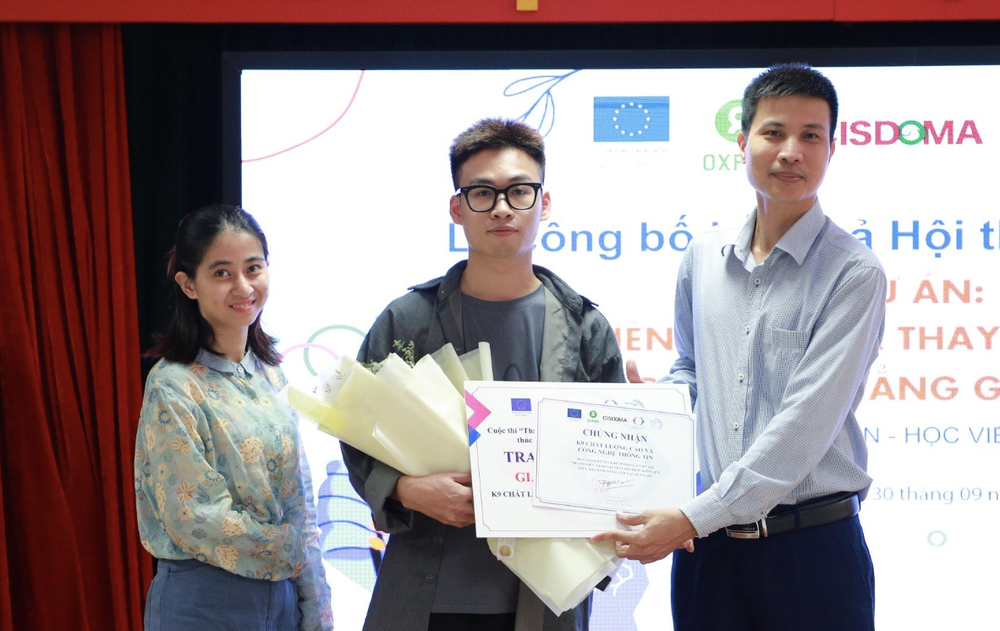
TPO – Chiều 30/9, Khoa Giới và Phát triển tại Học viện Phụ nữ Việt Nam đã tổ chức trao giải mùa thứ 3 cho Hội thi Sáng kiến Giới. 

Cụ thể, chiều 30/9, Khoa Giới và Phát triển tại Học viện Phụ nữ Việt Nam, đơn vị tổ chức Dự án “Thanh niên tham gia thay đổi định kiến giới, thúc đẩy bình đẳng giới tại Việt Nam”, đã trao giải mùa thứ 3 cho Hội thi Sáng kiến Giới.

https://image.tienphong.vn/w1000/Uploaded/2023/tpuokbj/2023_09_30/screen-shot-2023-09-30-at-182854-2973.png
Tiến sĩ Nguyễn Tuấn Minh, đại diện Ban tổ chức trao giải cho sinh viên.

Buổi Lễ được dẫn dắt bởi TS. Dương Kim Anh, Phó Giám đốc Học viện Phụ nữ Việt Nam và Trưởng Khoa Giới và Phát triển, cùng ông Đào Ngọc Ninh, Phó viện trưởng Viện Tư vấn Phát triển Kinh tế Xã hội Nông thôn và Miền núi (CISDOMA). Sự kiện diễn ra trong không khí phấn khích của chuỗi hoạt động chào mừng tân sinh viên khóa K11 và kỷ niệm 8 năm thành lập Khoa Giới & Phát triển.

Tiếp tục đọc “Nhóm ‘nhặt sạn định kiến giới trong sách giáo khoa Tiếng Việt’ đoạt giải nhất Hội thi Sáng kiến Giới”

Countries are still falling short in developing textbooks free of gender-based stereotypes

UNESCO.org Global Education Monitoring Report

2020 Gender Report DOWNLOAD PDF

The Beijing Declaration and Platform for Action called on countries to develop curricula, textbooks and teaching aids free of gender-based stereotypes for all levels of education, including teacher training

Textbooks can perpetuate stereotypes by associating certain characteristics with particular groups. Inappropriate images and descriptions can make students from non-dominant backgrounds feel misrepresented, misunderstood, frustrated and alienated.

Textbooks are powerful factors in construction of gender identities. They transmit knowledge and present social and gender norms, shaping the world view of children and young people. Gender norms and values not only shape attitudes and practices but also influence aspirations and dictate expected behaviours and attributes for males and females (Heslop, 2016). In some contexts, textbooks are the first – and sometimes only – books a young person reads, and so can have a lasting impact on their perceptions. That means that, through textbooks, discriminatory norms and values can be challenged. Strategic objective B.4 of the Beijing Declaration and Platform for Action called on countries to develop curricula, textbooks and teaching aids free of gender-based stereotypes for all levels of education, including teacher training, in cooperation with all concerned – publishers, teachers, public authorities and parents’ associations.

WOMEN ARE UNDER-REPRESENTED IN TEXTBOOKS

In many countries, girls and women are under-represented in textbooks, and when they are included, they are depicted in traditional roles. In Afghanistan, women were almost completely absent from grade 1 textbooks published in the 1990s. Since 2001, they have been represented more frequently, but usually in passive and domestic roles, shown as mothers, caregivers, daughters and sisters. They are mostly represented as dependent, with teaching being the only career open to them (Sarvarzade and Wotipka, 2017). A review of 95 primary and secondary compulsory education textbooks in the Islamic Republic of Iran showed that women accounted for 37% of images. About half the images showing women were related to family and education, while work environments appeared in less than 7%. There were no images of women in about 60% of Farsi and foreign language textbooks, 63% of science textbooks and 74% of social science textbooks (Paivandi, 2008).

Tiếp tục đọc “Countries are still falling short in developing textbooks free of gender-based stereotypes”

Ban on protests supporting Palestinians is disproportionate attack on the right to protest in France

amnesty.org

Following the request from the Minister of the Interior Gerald Darmanin asking the prefects in France to ban all pro-Palestinian demonstrations, Jean-Claude Samouiller, President of Amnesty International France said:

“The ban on all demonstrations in support of the Palestinians in France constitutes a serious and disproportionate attack on the right to demonstrate.

Faced with the atrocities committed by Hamas in southern Israel, and also the blockade and very heavy bombings in the Gaza Strip, it is important that civil society actors can mobilize peacefully and publicly, in particular those calling on those engaged in the conflict to respect the rights of civilian populations. This is why there cannot be a systematic ban on the right to peacefully demonstrate support for the rights of the Palestinian populations.

Under international law, a ban on demonstrations can only be considered as a last resort. Authorities should always seek to protect and facilitate the rights to freedom of expression and peaceful assembly in the first place.Jean-Claude Samouiller, President of Amnesty International France

A ban can only be legal if it is motivated by a specific threat and if it is demonstrated that no other less restrictive measure could guarantee public order.”

Australia rejects Indigenous referendum in setback for reconciliation

Reuters.com By Praveen Menon, Lewis Jackson, Wayne Cole

https://www.reuters.com/video/?videoId=RW001014102023RP1&jwsource=em

SYDNEY (Reuters) -Australia on Saturday decisively rejected a proposal to recognise Indigenous people in the constitution, in a major setback to the country’s efforts for reconciliation with its First Peoples.

Australians had to vote “Yes” or “No” in the referendum, the first in almost a quarter of a century, on the question of whether to alter the constitution to recognise Aboriginal and Torres Strait Island people through the creation of an Indigenous advisory body, the “Voice to Parliament”.

Nationwide, with almost 70% of the vote counted, the “No” vote led “Yes” 60% to 40%. Australian broadcaster ABC and other TV networks have projected that a majority of voters in all six of Australia’s states would vote against altering the 122-year-old constitution.

Tiếp tục đọc “Australia rejects Indigenous referendum in setback for reconciliation”

Timeline: Indigenous Voice, treaty and truth in Australia

Aljazeera.com

Indigenous people’s 60,000 years of connection to their country should be recognised, leaders say.

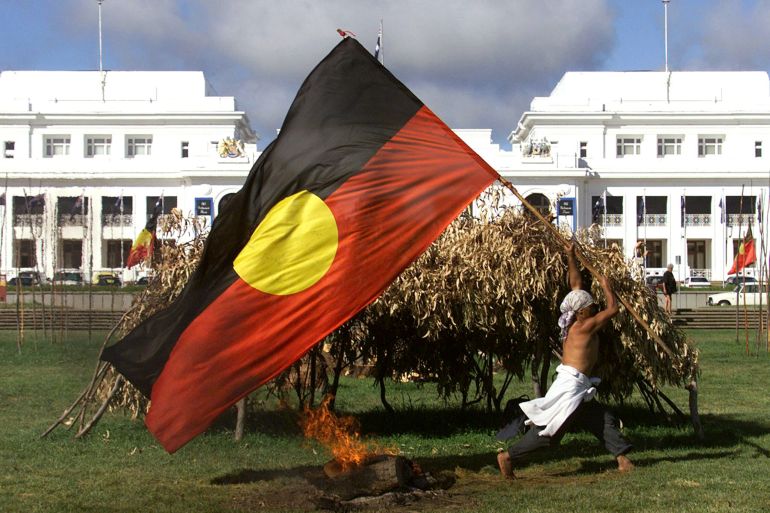
An Aboriginal protester runs past a fire and make-shift shelter with an Aboriginal flag outside the old parliament House building in Canberra
The Aboriginal Tent Embassy has been a continued site of protest outside old Parliament House in Australia’s Canberra since 1972 [File: David Gray/Reuters]

By Al Jazeera Staff

Published On 13 Oct 202313 Oct 2023

The Australian referendum on an Indigenous Voice to Parliament is part of a long history of Aboriginal people fighting for their voice to be heard.

The referendum was called after Aboriginal and Torres Strait Islander leaders issued the Uluru Statement from the Heart, a petition calling for a First Nations Voice to be enshrined in the Australian constitution.

Tiếp tục đọc “Timeline: Indigenous Voice, treaty and truth in Australia”

Explainer: Australia has voted against an Indigenous Voice to Parliament. Here’s what happened

theconversation.com

A majority of Australian voters have rejected the proposal to establish an Aboriginal and Torres Strait Islander Voice to Parliament, with the final results likely to be about 40% voting “yes” and 60% voting “no”.

What was the referendum about?

In this referendum, Australians were asked to vote on whether to establish an Aboriginal and Torres Strait Islander Voice to Parliament. The Voice was proposed as a means of recognising Aboriginal and Torres Strait Islander peoples as the First Peoples of Australia in the Constitution.

The Voice proposal was a modest one. It was to be an advisory body for the national parliament and government. Had the referendum succeeded, Australia’s Constitution would have been amended with a new section 129:

In recognition of Aboriginal and Torres Strait Islander peoples as the First Peoples of Australia:

i. there shall be a body, to be called the Aboriginal and Torres Strait Islander Voice

Tiếp tục đọc “Explainer: Australia has voted against an Indigenous Voice to Parliament. Here’s what happened”

Questions and Answers: October 2023 Hostilities between Israel and Palestinian Armed Groups

HRW

The following questions and answers (Q&A) address issues relating to international humanitarian law (the laws of war) governing current hostilities between Israel and Hamas, and other Palestinian armed groups in Gaza. The purpose is to facilitate analysis of the conduct of all parties involved in the conflict with the aim of deterring violations of the laws of war and encouraging accountability for abuses.

Tiếp tục đọc “Questions and Answers: October 2023 Hostilities between Israel and Palestinian Armed Groups”

Cyber-scam hits the big screen, and Cambodia isn’t happy

focus-cambodia.com

The banning of the Chinese blockbuster “No More Bets” warns that Beijing’s patience is wearing thin over Cambodia’s apparent inability to control cyber crime within its borders. A dramatic drop in tourism numbers may be one symptom. 

All bets are off with regard to the impact in Cambodia of “No More Bets”, a hit Chinese movie based upon Southeast Asia’s cyber-scam industry.

Cambodia’s Ministry of Culture and Fine Arts last week requested the Chinese Embassy to stop screening the action thriller, banning it in Cambodia and calling for censorship in China.

International observers say the movie already is testing the limits of the two nations’ “ironclad” friendship, as well as impacting the already-collapsing Chinese tourism market in Cambodia. Indeed, the outrage generated by “No More Bets” is amplifying awareness of possible further political and economic consequences of this “scamdemic”.

Tiếp tục đọc “Cyber-scam hits the big screen, and Cambodia isn’t happy”

Vatican: Nhân quyền bắt nguồn từ phẩm giá con người

Ngày 13/9, phát biểu tại phiên họp thứ 54 của Hội đồng Nhân quyền của Liên Hiệp Quốc, Đức Tổng Giám Mục Ettore Balestrero, Quan sát viên Thường trực của Tòa Thánh tại trụ sở Liên Hiệp Quốc ở Genève, Thụy Sĩ, nhắc lại rằng phá thai không phải là một quyền của con người chỉ bởi vì đa số quốc gia khẳng định, bởi vì nhân quyền bắt nguồn từ phẩm giá con người.

Vatican News

Sau khi nhắc lại trong năm 2023, cộng đồng quốc tế và Hội đồng sẽ kỷ niệm 75 năm Tuyên ngôn Quốc tế được thông qua, Đức Tổng Giám Mục Balestrero nhấn mạnh rằng nhân quyền không chỉ đơn giản là một đặc quyền được trao cho các cá nhân bởi sự đồng thuận của cộng đồng quốc tế. Đúng hơn,nhân quyền là biểu hiện của những giá trị khách quan và không tuỳ thuộc thời gian cần thiết cho sự phát triển con người. Tiếp tục đọc “Vatican: Nhân quyền bắt nguồn từ phẩm giá con người”

The Nobel laureate – Muhammad Yunus, the father of microfinance, is facing a prison sentence

qz.com

  • The Bangladesh government has brought an onslaught of legal cases against Muhammad Yunus over the last decade

By Ananya Bhattacharya PublishedSeptember 1, 2023

At the center of government lawsuits.

Among foreign economists and civil society activists, the Nobel laureate Muhammad Yunus is an icon for extending microloans to those too poor to access conventional banks. But at home, in Bangladesh, he has been increasingly vilified—and now faces time in prison.

Tiếp tục đọc “The Nobel laureate – Muhammad Yunus, the father of microfinance, is facing a prison sentence”

How much progress is being made on the UN’s Sustainable Development Goals?

weforum.org

A slowdown in progress on key areas is putting the 2030 Sustainable Development Goals 'in peril'.

A slowdown in progress on key areas is putting the 2030 Sustainable Development Goals ‘in peril’.

  • Multiple global crises continue to put the 2030 Sustainable Development Goals ‘in peril’, the UN says.
  • Its 2023 update report shows a significant reversal of progress in key areas such as child vaccination rates and income inequality between countries.
  • These challenges will be the focus of the World Economic Forum’s Sustainable Development Impact Meetings on 18-22 September 2023.

The 2030 Agenda for Sustainable Development was adopted by all United Nations’ (UN) member states in 2015. “A shared blueprint for peace and prosperity for people and the planet, now and into the future”, it is based on 17 Sustainable Development Goals (SDGs), which the UN describes as an urgent call for action. The organization says that ending global poverty requires focusing on strategies that reduce inequality and spur economic growth, while also tackling climate change.

The Sustainable Development Goals Report 2022 painted a worrying picture of progress in almost all areas, but the 2023 update delivers an even graver warning: “The promises enshrined in the SDGs are in peril,” the UN states. This year marks the halfway point to the 2030 Agenda deadline, increasing global urgency to ignite progress.

Tiếp tục đọc “How much progress is being made on the UN’s Sustainable Development Goals?”

Vài nét về Xã hội dân sự và kinh nghiệm đối với Việt Nam

>> Bài liên quan: Thúc đẩy không gian xã hội dân sự ở Việt Nam nhằm thực hiện nghĩa vụ quốc tế về quyền con người

Tạp chí Khoa học Pháp lý số 1(38)/2007, THS. VŨ VĂN NHIÊM – Đại học Luật TP. Hồ Chí Minh

Thuật ngữ “xã hội dân sự” đã xuất hiện cách đây hàng ngàn năm và trở nên tương đối thịnh hành vào thời Khai sáng. Một thời gian dài sau đó, nó ít được nhắc đến, hoặc có chăng, chỉ được giới khoa học đề cập một cách tản mạn.

Có thể do vai trò của xã hội dân sự ở Liên Xô và các nước Đông Âu trong thời kỳ chuyển đổi của những năm cuối thập niên 80, những năm đầu thập niên 90 thế kỷ XX và một vài lý do khác, nên ở nước ta, thuật ngữ xã hội dân sự ít được bàn luận vì nó thường được cho là mang hàm ý tiêu cực. Cho đến gần đây, cụm từ này đôi lúc vẫn còn được xem là nhạy cảm. Tuy nhiên, trong tiến trình dân chủ hóa ở nước ta hiện nay và trong xu thế hội nhập, “ xã hội dân sự” là thuật ngữ thường được nhắc đến  và được bàn luận khá cởi mở.

Trên tinh thần đó, chúng tôi mạnh dạn trao đổi một số vấn đề về xã hội dân sự thông qua bài viết sau đây.

I. MỘT VÀI NÉT VỀ “XÃ HỘI DÂN SỰ” VÀ SỰ PHÁT TRIỂN CỦA NÓ QUA CÁC GIAI ĐOẠN

Xã hội dân sự là thuật ngữ được xem xét và định nghĩa theo nhiều cách khác nhau trong lịch sử tư tưởng, chính trị, pháp lý thế giới, và hiện nay cũng vậy, nó được tiếp cận dưới những góc độ và bình diện khác rất khác nhau (kể cả trên thế giới và trong nước).[1] Chúng tôi cho rằng không cần thiết (và cũng không thể đặt ra mục đích phải có một khái niệm khuôn mẫu về xã hội dân sự). Tuy nhiên, trước khi bàn bạc, trao đổi về xã hội dân sự, nhất là trong điều kiện hiện nay ở nước ta, thì việc tìm hiểu những nội hàm cơ bản cũng như sự hình thành, phát triển của thuật ngữ này là rất cần thiết.

Tiếp tục đọc “Vài nét về Xã hội dân sự và kinh nghiệm đối với Việt Nam”

Quyền tự do học thuật trong giáo dục đại học – Right to Academic Freedom

Viện Nghiên Cứu Lập Pháp UBTVQH

TS. BÙI TIẾN ĐẠT Khoa Luật, Đại học quốc gia Hà Nộ

Tóm tắt: Tự do học thuật được quan niệm rộng rãi là một phần của quyền tự do ngôn luận vốn đã được luật nhân quyền quốc tế và các Hiến pháp Việt Nam ghi nhận. Tuy nhiên, vấn đề này còn ít được quan tâm nghiên cứu và chú trọng đảm bảo trong thực tiễn ở Việt Nam. Luật Giáo dục đại học 2012 sửa đổi, bổ sung năm 2018 đã bổ sung điều khoản về tự chủ học thuật của cơ sở giáo dục đại học và giảng viên. Bài viết này phân tích tầm quan trọng thiết yếu của quyền tự do học thuật trong giáo dục đại học từ kinh nghiệm thế giới và từ đó đưa ra một số khuyến nghị nhằm bảo đảm quyền này ở Việt Nam.

Từ khóa: Tự do học thuật, tự do ngôn luận, Luật Giáo dục đại học, cơ sở giáo dục đại học, giảng viên.

Abstract: Freedom of academics is universally conceptualised as part of right to freedom of expression, which has been well-recognised by international law on human rights and the Constitutions of Vietnam. However, it can be observed that little attention is put to review and assure for implementation in Vietnam. The 2018 amenments of Law on Higher Education of 2012 record supplemental provisions on academic autonomy of universities and lecturers. This article provides analysis of the essential inportance of the right to freedom of academic in higher education and also provides recommendations for assurance of this right in Vietnam.

Keywords: Academic freedom, freedom of expression, Law on Higher Education; university; lecturer.

Năm 2013, các thảo luận về Đề án đổi mới giáo dục được cho là sẽ “làm lay chuyển nền giáo dục”, đã bàn tới chủ đề tự do học thuật[1]. Luật Giáo dục đại học 2012 trong lần sửa đổi, bổ sung năm 2018 gần đây đã bổ sung điều khoản về tự chủ học thuật của cơ sở giáo dục đại học và giảng viên. Theo đó, cơ sở giáo dục đại học có “quyền tự chủ trong học thuật, trong hoạt động chuyên môn”[2] và giảng viên có quyền “độc lập về quan điểm chuyên môn trong giảng dạy, nghiên cứu khoa học”[3].  Mặc dù các điều khoản này không dùng thuật ngữ “tự do học thuật” nhưng vẫn thể hiện tinh thần của quyền này. Sửa đổi vừa nêu góp phần nâng cao quyền tự do học thuật của cả cơ sở giáo dục đại học và giảng viên. Vậy quyền tự do học thuật là gì? Vai trò của nó trong cải cách giáo dục ra sao? Cần lưu ý vấn đề gì nhằm bảo đảm quyền tự do học thuật trong giáo dục đại học ở Việt Nam?

1. Quan niệm chung và vai trò của tự do học thuật trong cải cách giáo dục trên thế giới

Quan niệm về quyền tự do học thuật

Lịch sử loài người đã trải qua những bài học quý báu cho thấy sự cần thiết của tự do học thuật (academic freedom) trong phát triển xã hội. Socrates (470-399 TCN) đã phải chịu án tử hình vì những tư tưởng của ông bị cho là đầu độc giới trẻ Athens. Galileo (1564-1642) đã phải chịu án chung thân vì ủng hộ thuyết nhật tâm của Copernic. Trong thời hiện đại, nhiều giáo viên từng bị sa thải vì giảng dạy về thuyết tiến hóa của Darwin[4].

Về lịch sử giáo dục, tự chủ đại học được áp dụng tại Đại học Humboldt (lấy tên của Wilhelm von Humboldt) để cải cách đại học kiểu Napoleon thành đại học nghiên cứu[5]. Quyền tự do học thuật được hiểu là bộ phận của quyền tự do ngôn luận và cần được bảo vệ ở mọi cấp độ giáo dục[6]. Đây là một quyền phổ quát của giới học giả[7]. Ở Hoa Kỳ, quyền này được bảo vệ bởi Tu chính án thứ nhất của Hiến pháp. Ở nhiều nơi trên thế giới với nền giáo dục, khoa học phát triển, “tự do học thuật tồn tại trong môi trường giáo dục đại học (GDĐH) như một lẽ đương nhiên”[8]. Năm 1997, UNESCO công bố bản Khuyến nghị về vai trò của giảng viên đại học, trong đó dành sự quan tâm rất lớn đến vấn đề tự do học thuật[9].

Tiếp tục đọc “Quyền tự do học thuật trong giáo dục đại học – Right to Academic Freedom”