Human disruption to Earth’s freshwater cycle has exceeded the safe limit 

theconversation.com

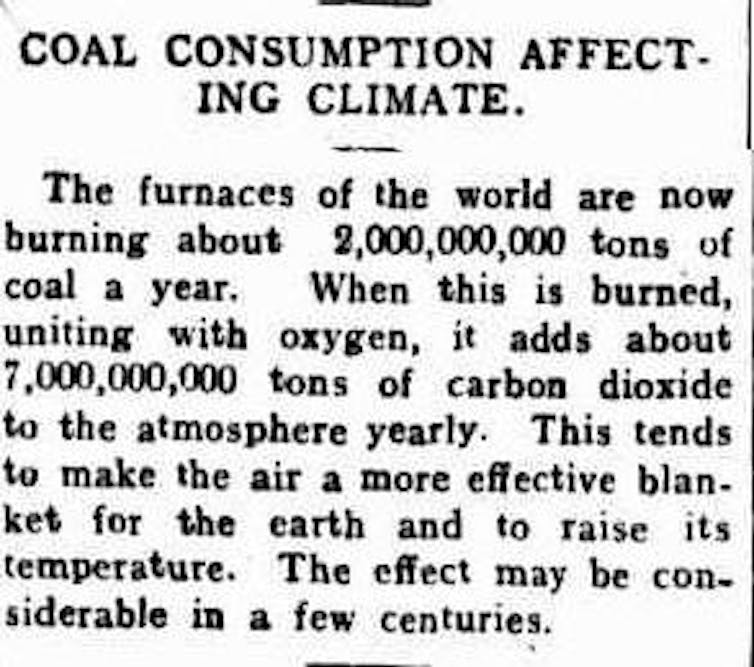
Green water – the rainwater available to plants in the soil – is indispensable for life on and below the land. But in a new study, we found that widespread pressure on this resource has crossed a critical limit.

The planetary boundaries framework – a concept that scientists first discussed in 2009 – identified nine processes that have remained remarkably steady in the Earth system over the last 11,700 years. These include a relatively stable global climate and an intact biosphere that have allowed civilisations based on agriculture to thrive. Researchers proposed that each of these processes has a boundary that, once crossed, puts the Earth system, or substantial components of it, at risk of upset.

Tiếp tục đọc “Human disruption to Earth’s freshwater cycle has exceeded the safe limit “

Slow water: can we tame urban floods by going with the flow?

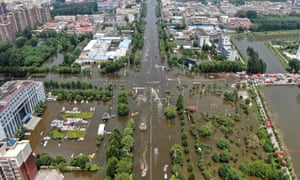
As we face increased flooding, China’s sponge cities are taking a new course. But can they steer the country away from concrete megadams?

Written by Erica Gies, read by Andrew McGregor and produced by Tony Onuchukwu. The executive producers were Max Sanderson and Isabelle Roughol.

the guardian – Fri 17 Jun 2022 05.00 BST

  • Read the text version here
  • Listen here
WEIHUI, CHINA - JULY 26: Aerial view of rescue team using inflatable rafts evacuate residents from flooded area after heavy downpour, on July 26, 2021 in Weihui, Xinjiang City, Henan Province of China.
 Photograph: China News Service/Getty Images

Tiếp tục đọc “Slow water: can we tame urban floods by going with the flow?”

Country Climate and Development Report for Vietnam

worldbank.org

Vietnam CCDR Report

Vietnam is increasingly seeing its development affected by climate change and now faces critical questions about how to respond. The Vietnam Country Climate and Development Report proposes that Vietnam shift its development paradigm by incorporating two critical pathways – resilient pathway and decarbonizing pathway – that will help the country balance its development goals with increasing climate risks.

After more than two decades of steady growth, Vietnam has set an ambitious goal of reaching high-income status by 2045. It has been recognized in the 2021-2030 Socioeconomic Development Strategy that the country’s economic transformation will greatly depend on better management of natural capital – the extensive stocks of agricultural, forest, and mineral resources that have helped drive development.

Yet Vietnam, with over 3,200 km of coastline and many low-lying cities and river delta regions, is one of the most vulnerable countries in the world to climate change. Climate change impacts  – mainly higher and more variable temperatures and sea level rise  – are already disrupting economic activity and undermining growth. Initial calculations suggest that Vietnam lost $10 billion in 2020, or 3.2 percent of GDP, to climate change impacts.

Tiếp tục đọc “Country Climate and Development Report for Vietnam”

Singapore’s dengue ’emergency’ is a climate change omen for the world

By Heather Chen, CNN

Updated 0213 GMT (1013 HKT) June 7, 2022

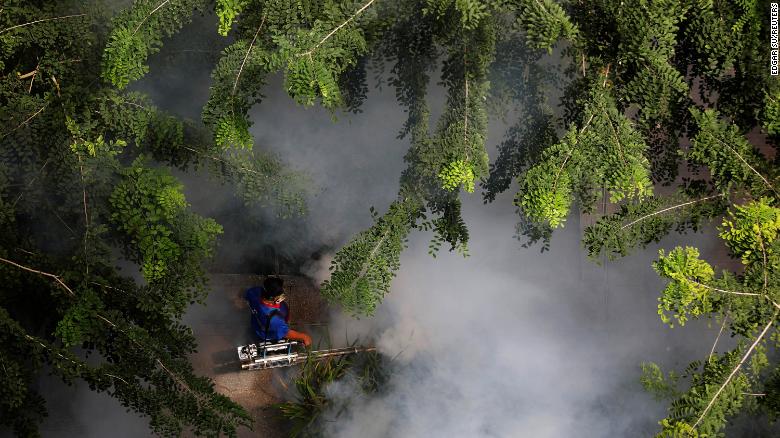
A worker fogs a housing estate for mosquitoes in Singapore on August 27, 2020.

A worker fogs a housing estate for mosquitoes in Singapore on August 27, 2020.

(CNN)Singapore says it is facing a dengue “emergency” as it grapples with an outbreak of the seasonal disease that has come unusually early this year.

The Southeast Asian city-state has already exceeded 11,000 cases — far beyond the 5,258 it reported throughout 2021 — and that was before June 1, when its peak dengue season traditionally begins.

Experts are warning that it’s a grim figure not only for Singapore — whose tropical climate is a natural breeding ground for the Aedes mosquitoes that carry the virus — but also for the rest of the world. That’s because changes in the global climate mean such outbreaks are likely to become more common and widespread in the coming years.

Tiếp tục đọc “Singapore’s dengue ’emergency’ is a climate change omen for the world”

Climate Change made devastating early heat in India and Pakistan 30 times more likely

“The 2022 heat wave in India and Pakistan is an extreme weather event which has resulted in the hottest March in India since 1901. The hot season arrived unusually early in the year and extended into April, affecting a large part of India’s northwest and Pakistan”. Wikipedia

worldweatherattribution.org

Since the beginning of March, India and Pakistan and large parts of South Asia experienced prolonged heat, that at the time of writing, May 2022, still hasn’t subsided.

March was the hottest in India since records began 122 years ago and in Pakistan, the highest worldwide positive temperature anomaly during March was recorded and many individual weather stations recorded monthly all-time highs through March. At the same time, March was extremely dry, with 62 percent less than normal rainfall reported over Pakistan and 71 percent below normal over India, making the conditions favourable for local heating from the land surface. The heatwave continued over the month of April and reached its preliminary peak towards the end of the month. By the 29th of April, 70 percent of India was affected by the heatwave.

While heatwaves are not uncommon in the season preceding the monsoon, the very high temperatures so early in the year coupled with much less than average rain have led to extreme heat conditions with devastating consequences for public health and agriculture. The full health and economic fallout, and cascading effects from the current heat wave will however take months to determine, including the number of excess deaths, hospitalisations, lost wages, missed school days, and diminished working hours. Early reports indicate 90 deaths in India and Pakistan, and an estimated 10-35 percent reduction in crop yields in Haryana, Uttar Pradesh, and Punjab due to the heatwave.

Tiếp tục đọc “Climate Change made devastating early heat in India and Pakistan 30 times more likely”

As biomass burning surges in Japan and South Korea, where will Asia get its wood?

by Annelise Giseburt on 19 May 2022

news.mongabay.com

  • In 2021, Japan and South Korea imported a combined 6 million metric tons of wood pellets for what proponents claim is carbon-neutral energy.
  • Large subsidies for biomass have led Japan to import massive amounts of wood pellets from Vietnam and Canada; two pellet giants, Drax and Enviva, are now eyeing Japan for growth, even as the country may be cooling to the industry.
  • South Korea imports most of its pellets from Vietnamese acacia plantations, which environmentalists fear may eventually pressure natural forests; South Korea wants to grow its native production tenfold, including logging areas with high conservation value.
  • Vietnam may soon follow Japan and South Korea’s path as it phases out coal, and experts fear all this could add massive pressure on Southeast Asian forests, which are already among the most endangered in the world.

This is part two of a two part series on the Asian biomass expansion. Part one can be found here.

Under the guise of “carbon neutral” energy, Japan and South Korea’s appetite for woody biomass for electricity generation has increased exponentially over the past decade and continues to grow. The two nations’ biomass subsidies are spurring an increase in the production of wood for burning in Southeast Asia and North America, putting pressure on forests in those regions.

Tiếp tục đọc “As biomass burning surges in Japan and South Korea, where will Asia get its wood?”

Mô thức nuôi tôm mới: Kỳ vọng phá vỡ giới hạn của ngành tôm

khoahocphattrien.vn

Giữa vùng ĐBSCL tưởng như đã có rất nhiều các giải pháp nông nghiệp thì tinh thần “làm đúng lại cái đang bị làm sai; làm tốt hơn cái đang tốt; làm có cái chưa có; và làm một dấu ấn tốt để lại cho cuộc sống” của TS. Nguyễn Thanh Mỹ vẫn thôi thúc ông đi tìm giải pháp giúp ngành tôm vượt qua những thách thức đang bó buộc tiềm năng của lĩnh vực này.

Giải pháp mà TS. Nguyễn Thanh Mỹ – Giám đốc điều hành Rynan Technologies và Mỹ Lan Group hướng đến ấy là một cách thức thực hành khác với những gì đã có từ trước đến nay – một “mô thức” nuôi tôm thẻ siêu thâm canh giàu oxy công nghệ số TOMGOXY (viết tắt cho chữ Tôm Giàu Oxy) mà ông và các kỹ sư ở công ty đã phát triển, dựa trên sự tích hợp các công nghệ vật lý, hóa học, sinh học và kỹ thuật số.

Tại sao cần mô thức mới?

Tiếp tục đọc “Mô thức nuôi tôm mới: Kỳ vọng phá vỡ giới hạn của ngành tôm”

Công bố Báo cáo triển vọng năng lượng Việt Nam 2021 – Đan Mạch khuyến nghị 

nangluongvietnam.vn

15:09 | 02/06/2022

 – Ngày 2/6/2022, tại Hà Nội, Bộ Công Thương phối hợp với Đại sứ quán Đan Mạch tổ chức Lễ ra mắt Báo cáo triển vọng năng lượng Việt Nam 2021. Thứ trưởng Bộ Công Thương ông Đặng Hoàng An và Đại sứ Đan Mạch tại Việt Nam ông Kim Højlund Christensen đồng chủ trì sự kiện.

8 phát hiện và khuyến nghị chính của Báo cáo Triển vọng năng lượng Việt Nam 2021:

1. Hoàn toàn khả thi để phát triển một hệ thống năng lượng có mức phát thải ròng bằng không với chi phí tăng thêm chỉ 10% so với kịch bản cơ sở nếu thực hiện đúng cách.

2. Để đạt được mức phát thải ròng bằng không vào năm 2050 với chi phí thấp nhất, các nguồn năng lượng tái tạo cần là nguồn thay thế chính cho nhiên liệu hoá thạch. Hệ thống điện cần đáp ứng 70% nhu cầu năng lượng vào năm 2050. Các nguồn năng lượng tái tạo chính là điện mặt trời (75%) và điện gió (21%).

3. Quá trình chuyển đổi xanh của hệ thống điện cần nhiều vốn, tương đương mức đầu tư 167 tỷ USD/năm vào năm 2050 với kịch bản net-zero, tức là khoảng 11% GDP dự kiến năm 2050. Do đó việc tiếp cận các giải pháp tài chính chi phí thấp là tối cần thiết.

Tiếp tục đọc “Công bố Báo cáo triển vọng năng lượng Việt Nam 2021 – Đan Mạch khuyến nghị “

How treaties protecting fossil fuel investors could jeopardize global efforts to save the climate – and cost countries billions

theconversation.com

Fossil fuel companies have access to an obscure legal tool that could jeopardize worldwide efforts to protect the climate, and they’re starting to use it. The result could cost countries that press ahead with those efforts billions of dollars.

Over the past 50 years, countries have signed thousands of treaties that protect foreign investors from government actions. These treaties are like contracts between national governments, meant to entice investors to bring in projects with the promise of local jobs and access to new technologies.

Tiếp tục đọc “How treaties protecting fossil fuel investors could jeopardize global efforts to save the climate – and cost countries billions”

Does the world need hydrogen to solve climate change?

carbonbrief.org

Hydrogen gas has long been recognised as an alternative to fossil fuels and a potentially valuable tool for tackling climate change.

Now, as nations come forward with net-zero strategies to align with their international climate targets, hydrogen has once again risen up the agenda from Australia and the UK through to Germany and Japan.

In the most optimistic outlooks, hydrogen could soon power trucks, planes and ships. It could heat homes, balance electricity grids and help heavy industry to make everything from steel to cement.

But doing all these things with hydrogen would require staggering quantities of the fuel, which is only as clean as the methods used to produce it. Moreover, for every potentially transformative application of hydrogen, there are unique challenges that must be overcome.

In this in-depth Q&A – which includes a range of infographics, maps and interactive charts, as well as the views of dozens of experts – Carbon Brief examines the big questions around the “hydrogen economy” and looks at the extent to which it could help the world avoid dangerous climate change.

What is hydrogen and how could it help tackle climate change?

Hydrogen is the lightest and most abundant element in the universe. It is also an explosive and clean-burning gas that contains more energy per unit of weight than fossil fuels.

Tiếp tục đọc “Does the world need hydrogen to solve climate change?”

We need to get serious about the renewable energy revolution—by including nuclear power

thebulletin.org

By Michael Edesess | May 5, 2022

One of my favorite quotes is from Sherlock Holmes: “Once you have eliminated the impossible, whatever remains, however implausible, must be the truth.”[1] This motto implicitly guides the ambitious plan to decarbonize all energy envisioned by most renewable energy enthusiasts. The only problem is that, not only is the alternative they dismiss not impossible, it could be much less implausible than the one they advocate.

The renewables army. A huge number of extremely earnest and bright people are working on trying to make the renewable energy future come true. They work at, or have passed through, the most elite institutions of our time, the top universities, the top financial firms, the most innovative corporations and startups. At the center of much of their effort is the Rocky Mountain Institute, the nonprofit research think-tank whose board I chaired more than 20 years ago. (They call it a “think-and-do” tank, which is more fitting.) RMI coordinates meetings (recently mostly Zoom meetings) with very smart participants from some of the foremost companies working on decarbonizing their businesses, companies like Google, Apple, Microsoft. It’s a pleasure to watch them think, discuss, and work out problems. It was an enormous pleasure to be on RMI’s board, especially to interact intellectually with the most brilliant individual I have ever met, RMI’s co-founder Amory Lovins.

Tiếp tục đọc “We need to get serious about the renewable energy revolution—by including nuclear power”

Great Barrier Reef suffers sixth mass bleaching event with 91% of reefs surveyed affected

By Hilary WhitemanHannah Ritchie and Helen Regan, CNN

Updated 0445 GMT (1245 HKT) May 11, 2022

Coral at Stanley Reef, about 83 miles (133 kilometers) off Townsville in Queensland, shows signs of bleaching caused by rising sea temperatures.

Coral at Stanley Reef, about 83 miles (133 kilometers) off Townsville in Queensland, shows signs of bleaching caused by rising sea temperatures.

(CNN)Warming waters from escalating climate change have caused coral bleaching in 91% of reefs surveyed along the Great Barrier Reef this year, according to new findings from an Australian government agency.

Scientists from the Great Barrier Reef Marine Park Authority (GBRMPA) confirmed in March this was the sixth mass bleaching event of the reef on record and the fourth since 2016.

Tiếp tục đọc “Great Barrier Reef suffers sixth mass bleaching event with 91% of reefs surveyed affected”

Russia’s War Is Turbocharging the World’s Addiction to Coal

bloomberg.com

The first phase of the global energy crunch was driven by the natural gas shortage, now comes the coal crisis.

Russia’s invasion of Ukraine set off a chain reaction in the global energy markets that further thrusts coal into the spotlight. 
Russia’s invasion of Ukraine set off a chain reaction in the global energy markets that further thrusts coal into the spotlight. Photographer: Bartek Sadowski/Bloomberg

By Will Wade and Stephen Stapczynski

25 April 2022, 11:01 GMT+7

In Germany and Italy, coal-fired power plants that were once decommissioned are now being considered for a second life. In South Africa, more coal-laden ships are embarking on what’s typically a quiet route around the Cape of Good Hope toward Europe. Coal burning in the U.S. is in the midst of its biggest revival in a decade, while China is reopening shuttered mines and planning new ones

Tiếp tục đọc “Russia’s War Is Turbocharging the World’s Addiction to Coal”

Climate change will force new animal encounters — and boost viral outbreaks

nature.com

Modelling study is first to project how global warming will increase virus swapping between species.

A bat flying over trees against a blue sky.
Bats will have a large contribution to virus transmission between species in the future, a modelling study finds.Credit: Pratik Chorge/Hindustan Times via Getty

Over the next 50 years, climate change could drive more than 15,000 new cases of mammals transmitting viruses to other mammals, according to a study published in Nature1. It’s one of the first to predict how global warming will shift wildlife habitats and increase encounters between species capable of swapping pathogens, and to quantify how many times viruses are expected to jump between species.

Many researchers say that the COVID-19 pandemic probably started when a previously unknown coronavirus passed from a wild animal to a human: a process called zoonotic transmission. A predicted rise in viruses jumping between species could trigger more outbreaks, posing a serious threat to human and animal health alike, the study warns — providing all the more reason for governments and health organizations to invest in pathogen surveillance and to improve health-care infrastructure.

Why deforestation and extinctions make pandemics more likely

The study is “a critical first step in understanding the future risk of climate and land-use change on the next pandemic”, says Kate Jones, who models interactions between ecosystems and human health at University College London.

The research predicts that much of the new virus transmission will happen when species meet for the first time as they move to cooler locales because of rising temperatures. And it projects that this will occur most often in species-rich ecosystems at high elevations, particularly areas of Africa and Asia, and in areas that are densely populated by humans, including Africa’s Sahel region, India and Indonesia. Assuming that the planet warms by no more than 2 °C above pre-industrial temperatures this century — a future predicted by some climate analyses — the number of first-time meetings between species will double by 2070, creating virus-transmission hotspots, the study says.

Tiếp tục đọc “Climate change will force new animal encounters — and boost viral outbreaks”

Climate change expert report warns that ISDS can block climate action

Photo: StopISDS / Twitter

AFTINET | 6 April 2022

Climate change expert report warns that ISDS can block climate action

April 6, 2022: For the first time, the Intergovernmental Panel on Climate Change (IPCC) has warned that climate action is being jeopardised by trade agreements which give global corporations the right to sue governments through clauses known as ‘Investor State Dispute Settlement’ mechanisms, or ISDS.

In its Sixth Assessment Report on the impacts of climate change, the IPCC warned that ISDS can “be used by fossil-fuel companies to block national legislation aimed at phasing out the use of their assets.”

The report indicates that the problem is not isolated to one specific agreement or institution, but that a network of bilateral trade and investment treaties function to protect fossil fuel interests:

“A large number of bilateral and multilateral agreements, including the 1994 Energy Charter Treaty, include provisions for using a system of investor-state dispute settlement (ISDS) designed to protect the interests of investors in energy projects from national policies that could lead their assets to be stranded.”

Tiếp tục đọc “Climate change expert report warns that ISDS can block climate action”