Sông Mekong sẽ là Biển Đông thứ hai?

03/01/2018 13:50 GMT+7

tuoitre.vn TTO – Kế hoạch 5 năm phát triển sông Mekong thuộc cơ chế Hợp tác Mekong – Lan Thương (LMC) do Trung Quốc khởi xướng đang gây lo ngại trong giới chuyên gia, đặc biệt là về động cơ chính trị của Bắc Kinh.

Sông Mekong sẽ là Biển Đông thứ hai? - Ảnh 1.

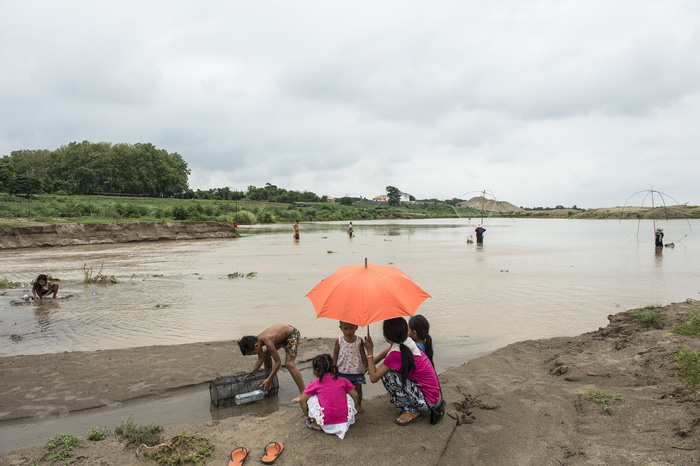
Người dân đánh bắt cá trên đoạn sông Mekong chảy qua thủ đô Vientiane của Lào – Ảnh: AFP

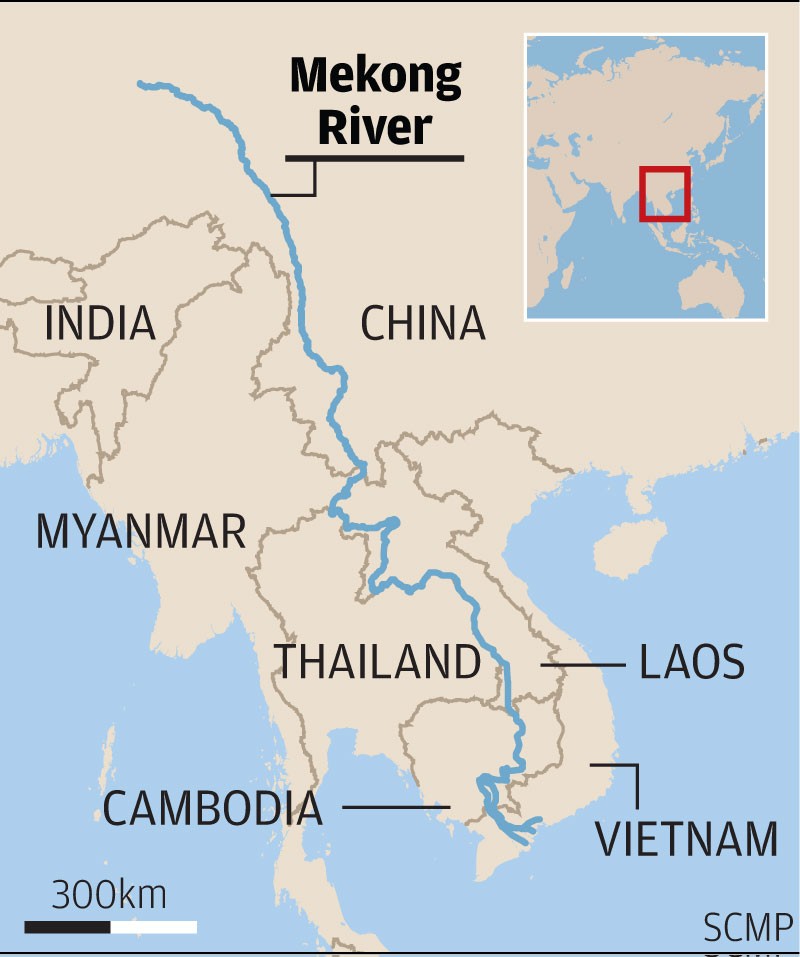
Tháng 12-2017, ngoại trưởng 6 nước khu vực sông Mekong nhóm họp ở thành phố Đại Lý thuộc tỉnh Vân Nam (Trung Quốc) để thông qua đề cương kế hoạch 5 năm phát triển dòng sông này. Dự kiến các nhà lãnh đạo sẽ chốt lại đề xuất trong cuộc họp dự kiến diễn ra cuối tháng 1-2018 ở Campuchia. Tiếp tục đọc “Sông Mekong sẽ là Biển Đông thứ hai?”

The Mekong river under THREAT

Milton Osborne

Even if no dams are built on the mainstream below China, the cascade to which it is committed will ultimately have serious effects on the functioning of the Mekong once the dams are used to control the river’s flow. This will be the case because the cascade will:

• alter the hydrology of the river and so the current ‘flood pulse’, the regular rise and fall of the river on an annual basis which plays an essential part in the timing of spawning and the migration pattern. This will be particularly important in relation to the Tonle Sap in Cambodia, but will have an effect throughout the river’s course;

• block the flow of sediment down the river which plays a vital part both in depositing nutrients on the agricultural regions flooded by the river and also as a trigger for fish migration — at present well over 50% of the river’s sediment comes from China;

• at least initially cause problems by restricting the amount of flooding that takes place most importantly in Cambodia and Vietnam; and

• lead to the erosion of river banks.

So China’s dam-building plans are worrying enough, but the proposed new mainstream dams would pose even more serious concerns. Those built at sites higher upstream would cause the least damage to fish stocks, but if, as currently seems possible, the most likely dams to be built would be at Don Sahong and Sambor the costs to fish stocks could be very serious. This is because unanimous expert opinion judges that there are no ways to mitigate the blocking of fish migration that would occur if these dams are constructed. None of the suggested possible forms of mitigation — fish ladders, fish lifts, and alternative fish-passages — are feasible for the species of fish in the Mekong and the very large biomass that is involved in their migratory pattern. Fish ladders were tried and failed at the Pak Mun dam on one of the Mekong’s tributaries in Thailand in the 1990s. Tiếp tục đọc “The Mekong river under THREAT”

Five things to know about the Lancang-Mekong Cooperation summit

TĐH: We don’t hear discussion on the VNese media about this China-pushed five-year development plan at all. I wonder if Vietnam will have a public discussion about this plan, or whoever attending the LMC summit will just simply approve the plan on behalf of Vietnam?


scmp: Five-year development plan, including construction of hydropower dams, is expected to top agenda at Mekong River nations’ conference in Cambodia

PUBLISHED : Tuesday, 09 January, 2018, 8:03am
UPDATED : Tuesday, 09 January, 2018, 2:57pm

When China and the leaders of nations along the Mekong River meet on Wednesday at the Lancang-Mekong Cooperation summit in Cambodia, a top item will be mapping out a five-year development plan that would include building hydropower dams and other projects for the region – pointing to its importance in China’s ambitious belt and road infrastructure plan.

But while the cooperation mechanism was created to help ease tension over development projects, environmentalists remain unsatisfied.

Concern is growing that the potential for causing ecological damage will make the Mekong a flashpoint for China and Southeast Asia’s territorial disputes – effectively creating a new South China Sea.

Amid the backdrop of the river’s importance in connecting Europe through Southeast Asia and beyond in the grand infrastructure programme launched by President Xi Jinping, Chinese delegation leader Premier Li Keqiang will be looking to bolster China’s influence in the Mekong region as he faces his counterparts from Cambodia, Vietnam, Thailand, Laos and Myanmar.

Here are five key things to know about the summit and the significance of the Mekong River:

1. The river’s significance for China and Southeast Asia

Tiếp tục đọc “Five things to know about the Lancang-Mekong Cooperation summit”

Multiple Mekong forums risk igniting rivalry

ASEAN+ January 03, 2018 01:00

THE NATION 

LEADERS FROM six riparian states along the Mekong River will be busy this year as meetings on many cooperation schemes in the region are scheduled in a situaton that observers have said is overlapping.

 The youngest forum, the Lancang-Mekong Cooperation (LMC), will call its second summit meeting next Wednesday in Phnom Penh to endorse a five-year action plan (2018-2022) regarding its cooperation projects.

Its participants – six counties in the Mekong basin comprising China, Myanmar, Laos, Thailand, Cambodia and Vietnam – have all been involved in many cooperation schemes over the past decades.
Tiếp tục đọc “Multiple Mekong forums risk igniting rivalry”

Muddying the Mekong: balancing sediment and sustainable development

By Thanapon Piman Bangkok, Thailand, December 20, 2017

Stockholm Environemnt Institute

mekongeye_Muddy river waters are often seen as a sure sign of poor river health, as a result of inappropriate land management practices, or a consequence of extreme rainfall where great quantities of sediment – silt, sand, clay and organic matter – are discharged.

This is a common sight in the major rivers of south-east and east Asia, and has come to characterise rivers such as the Yellow and the Mekong. With its beginnings on the Tibetan Plateau, the Mekong flows for 4,300 kilometres, carrying an estimated sediment load of 160 million tonnes before reaching its delta and discharging into the South China Sea. Tiếp tục đọc “Muddying the Mekong: balancing sediment and sustainable development”

Mẹ thiên nhiên và huỷ diệt bởi thủy điện không phải là vấn đề duy nhất của Đồng Bằng Sông Cửu Long

Không có khu vực đồng bằng nào trên thế giới bị đe doạ bởi biến đổi khí hậu trầm trọng như Sông Cửu Long. Liệu Việt Nam có hành động kịp thời để cứu nơi đây?

Loạt bài của Mongabay – Mongabay series

Tiếng Việt
Phần 1 – Liệu biến đổi khí hậu sẽ nhấn chìm Đồng bằng sông Cửu Long?
Phần 2 – Việt Nam cực kỳ lo lắng vì Trung Quốc và Lào xây đập trên Mekong
Phần 3 – Mẹ Thiên nhiên và huỷ diệt bởi thủy điện không phải là vấn đề duy nhất của Đồng bằng sông Cửu Long
Phần 4 – Kế hoạch cứu nguy Đồng bằng sông Cửu Long

English
Part 1 – Will climate change sink the Mekong Delta?
Part 2 – Vietnam sweats bullets as China and Laos dam the Mekong
Part 3 – Mother Nature and a hydropower onslaught aren’t the Mekong Delta’s only problems
Part 4 – A plan to save the Mekong Delta

Biến đổi khí hậu và các đập nước ở thượng nguồn đang đe dọa khu vực quan trọng này và vấn đề trở nên khó kiểm soát được. Nhưng có phải những vấn đề lớn nhất của ĐBSCL đều do chính Việt Nam tạo ra?

Đồng bằng sông Cửu Long của Việt Nam, nơi ở của gần 20 triệu người, là một trong những môi trường nông nghiệp có năng suất cao nhất trên thế giới, nhờ vào mạng lưới kênh rạch, đê, cửa cống và rãnh thoát nước phức tạp.

Về thế mạnh nông nghiệp của ĐBSCL, Việt Nam đã đi từ một nhà nhập khẩu gạo lâu năm và trở thành một nước xuất khẩu lớn. Tuy nhiên, nông dân trong khu vực rất quan tâm đến các chính sách an ninh lương thực của chính phủ, trong đó yêu cầu hầu hết đất đai của ĐBSCL phải được dành cho sản xuất lúa gạo. Và nhiều người trong số họ đang có biện pháp để phá vỡ các quy tắc, theo những cách mà không phải lúc nào cũng thân thiện với môi trường.
Tiếp tục đọc “Mẹ thiên nhiên và huỷ diệt bởi thủy điện không phải là vấn đề duy nhất của Đồng Bằng Sông Cửu Long”

China’s Mekong Plans Threaten Disaster for Countries Downstream

Foreignpolicy

Beijing is building hydroelectric dams and dredging to allow bigger boats as worries of environmental devastation grow.
  • CATEGORIES: DISPATCH

BANGKOK — Thirty million people depend for a living on the Mekong, the great Asian river that runs through Southeast Asia from its origins in the snowfields of Tibet to its end in the delta region of Vietnam, where it fertilizes one of the world’s richest agricultural areas. It’s the greatest freshwater fishery on the planet, second only to the Amazon in its riparian biodiversity. If you control its waters, then you control much of the economy of Southeast Asia. Tiếp tục đọc “China’s Mekong Plans Threaten Disaster for Countries Downstream”

Letters from the Mekong: A Call for Strategic Basin-Wide Energy Planning in Laos

This issue brief—the third in Stimson’s “Letters from the Mekong” series — continues to challenge the prevailing narrative that the current rapid pace of dam construction on the Mekong River in mainland Southeast Asia will continue until the entire river is turned into a series of reservoirs. Certainly, the construction of even a few large dams will severely impact food security in the world’s most productive freshwater fishery and sharply reduce the delivery of nutrient-rich sediment needed to sustain agriculture, especially in Cambodia and Vietnam’s Mekong Delta. However, our team’s extensive research over a number of years, including site visits and meetings with regional policymakers, provides compelling evidence that not all of the planned dams will be built due to rising political and financial risks, including questions about the validity of current supply and demand projections in the greater Mekong region. As a consequence, we have concluded that it is not yet too late for the adoption of a new approach that optimizes the inescapable “nexus” tradeoffs among energy, export revenues, food security, and fresh water and protects the core ecology of the river system for the benefit of future generations.

In particular, through a continued examination of rising risks and local and regional responses to those risks, we believe that Laos and Cambodia will fall far short of current plans for more than 100 dams on the Mekong mainstream and tributaries. This reality will have particular implications for Laos, which seeks to become the “Battery of Southeast Asia” by setting the export of hydropower to regional markets as its top economic development priority.

In the case of Laos in particular, the reluctant recognition that its dream of damming the Mekong are in jeopardy may cause a reconsideration of its development policy options. Fewer Lao dams will mean that national revenue targets will not be met. Already the government has begun to make overtures for US and other donor assistance in managing the optimization of its hydropower resources. This is not surprising since Lao decision makers depend almost entirely on outside developers to build out its planned portfolio of dams under commercial build-own-operate-transfer (BOOT) concessions for export to neighboring countries. All of these dams are being constructed in a one-off, project-byproject manner with no prior input from the intergovernmental Mekong River Commission (MRC) or neighboring countries, and hence there is little practical opportunity for synergistic planning that could optimize the benefits of water usage on a basin-wide scale.

Because planners cannot see past the next project, it is impossible to determine to what extent the targets for the final power output of either Laos or the basin as a whole are achievable. Further, critical red lines of risk tolerance, particularly toward the environmental and social risks that impede dam construction, are unidentifiable because the government has little stake invested in the projects and derives few resources from the BOOT process to mitigate risk.

By 2020 roughly 30% of the Mekong basin’s power potential in Laos will be tapped by existing dams and those currently under construction. Beyond 2020 the prospect for completing the remaining 70 plus dams planned or under study by the Lao Ministry of Energy and Mines is unknowable. As Lao officials begin to realize they will not necessarily meet their development goals, there will still be time to transition to a basin-wide, strategic energy plan that meets projected revenue goals while minimizing impacts on key environmental flows through a combination of fewer dams and other non-hydropower sources of clean energy generation.

Liệu Việt Nam sẽ đối mặt với một trận hạn hán trầm trọng lần nữa

English: Is Vietnam in for Another Devastating Drought?

Bài học từ thảm họa năm ngoái có thể định hình cách tiếp cận đối phó với biến đổi  khí hậu ở đồng bằng châu thổ sông Cửu Long

Is Vietnam in for Another Devastating Drought?
Một người nông dân đang đốt những cây lúa khô, toàn bộ lúa đã bị chết khô do bị ảnh hưởng nặng nề của nạn hạn hán ở huyện Sóc Trăng đồng bằng châu thổ sông Cửu Long, Việt Nam (ngày 30, tháng 3, năm 2016). Hình ảnh:Reuters/Kham

Kì nghỉ Tết âm lịch của Việt Nam đã kết thúc, đánh dấu sự bắt đầu của mùa khô ở vùng đồng bằng châu thổ sông Mê Kông, Việt Nam. Ngay tại lúc này, ở các huyện ven biển đồng bằng châu thổ, hàng ngàn người nông dân, đặc biệt là những người đã chịu ảnh hưởng thảm hại của trận hạn hán lịch sử năm ngoái, đang được huy động để chuẩn bị đối phó với một trận hạn hán nghiêm trọng khác, được dự đoán sẽ diễn ra trong vài tuần tới.

Trong suốt mùa khô năm ngoái, trận hạn hán kỷ lục, theo sau là sự xâm nhập mặn, gây thiệt hại 15 nghìn tỷ VND (669 triệu $) đến sản xuất nông nghiệp. Trận hạn hán cũng là nguyên nhân dẫn đến các vấn đề nhân đạo và tác động kinh tế khác: gần nửa triệu hộ gia đình thiếu nước sạch và lương thực, hàng ngàn người phải di chuyển đến các khu vực thành thị để tìm kiếm việc làm. Hạn hán gây ra bởi nguyên nhân chính là các đập thủy điện Trung Quốc xây dựng ở khu vực thượng nguồn sông Mê Kông, kết hợp với ảnh hưởng của hiện tượng El Nino. Tiếp tục đọc “Liệu Việt Nam sẽ đối mặt với một trận hạn hán trầm trọng lần nữa”

A Nation, Building

by JOHN S. ROSENBERG

MAY-JUNE 2014

Hanoi’s streets (in 2007, above) are now full of motorcycles and scooters, and shop shelves are no longer bare.

Hanoi’s streets (in 2007, above) are now full of motorcycles and scooters, and shop shelves are no longer bare. Photograph by Chau Doan/Getty Images

harvardmagazine A RECENT Monday morning, during a class on global trade, the professor reviewed the effects of nations’ limits on such commerce: tariffs, quotas, and the “voluntary” restraints exporting countries impose on their shipments to eager customers (lest protected interests in the importing area wilt). His students, arrayed in a teaching amphitheater laid out like the classrooms at Harvard Business School (HBS)—complete with laminated placards bearing each Tiếp tục đọc “A Nation, Building”

Drought and ‘Rice First’ Policy Imperil Vietnamese Farmers

Huynh Anh Dung, 34, at his family farm in Soc Trang Province, Vietnam. His rice crop failed in February because of salty water. Credit The New York Times

nytimes – SOC TRANG, Vietnam —When the rice shoots began to wither on Lam Thi Loi’s farm in the heart of the Mekong Delta, a usually verdant region of Vietnam, she faced a hard choice: Let them die in the parched earth, or pump salty water from the river to give them a chance..

Tiếp tục đọc “Drought and ‘Rice First’ Policy Imperil Vietnamese Farmers”

Dams, Drought and Disaster Along the Mekong River

By: Jennifer Rigby
Date: Tuesday, May 10, 2016

This article originally appeared in IRIN News.

A dry riverbed in Cambodia.

A dry riverbed in Cambodia.IRIN

CHONG PRA LAY/CAMBODIA, 10 May 2016

internationalriver – The dry months before the monsoon rains arrive are often tough for Cambodian fishermen and farmers. But with rivers drying up and drinking water running out, conditions have rarely been as bad as they are now.

The current drought is linked to El Niño, which has been disrupting weather patterns around the world. But the harsh conditions today might only be foreshadowing far worse to come. Climate change will continue to affect the Mekong Basin region, while future droughts are expected to be exacerbated by a string of major hydropower dam projects.

Experts fear that the present crisis could become the new normal for Cambodia and its neighbours, which have also been hit hard by record temperatures and a long period of extremely dry weather.

“The combined effects of drought, climate change and dam building are pushing the resources of the Mekong Basin to the brink of disaster,” said Maureen Harris, Southeast Asia programme director of the river protection organisation, International Rivers. Tiếp tục đọc “Dams, Drought and Disaster Along the Mekong River”

Việt – Mỹ cam kết thúc đẩy một loạt lĩnh vực trong tuyên bố chung

Thứ hai, 23/5/2016 | 17:43 GMT+7 VNExpress
Việt Nam và Mỹ cam kết tiếp tục hợp tác trên nhiều lĩnh vực như an ninh, quốc phòng, kinh tế và nhân quyền.
Chủ tịch nước Trần Đại Quang (phải) và Tổng thống Mỹ Barack Obama trong buổi họp báo chung hôm nay tại Hà Nội. Ảnh: AFP.

Chủ tịch nước Trần Đại Quang (phải) và Tổng thống Mỹ Barack Obama trong buổi họp báo chung hôm nay tại Hà Nội. Ảnh: Giang Huy.

Theo thông cáo của cơ quan báo chí Nhà Trắng, sau cuộc hội đàm giữa Chủ tịch nước Trần Đại Quang và Tổng thống Mỹ Barack Obama hôm nay, hai bên thông qua Tuyên bố chung, khẳng định hai nước tiếp tục tăng cường quan hệ trong các lĩnh vực chính trị – ngoại giao, kinh tế, giao lưu nhân dân, an ninh – quốc phòng, nhân quyền và cải cách pháp lý, các thách thức khu vực và quốc tế cũng như thúc đẩy một mối quan hệ đối tác lâu dài.

Tiếp tục đọc “Việt – Mỹ cam kết thúc đẩy một loạt lĩnh vực trong tuyên bố chung”