eco-business.com
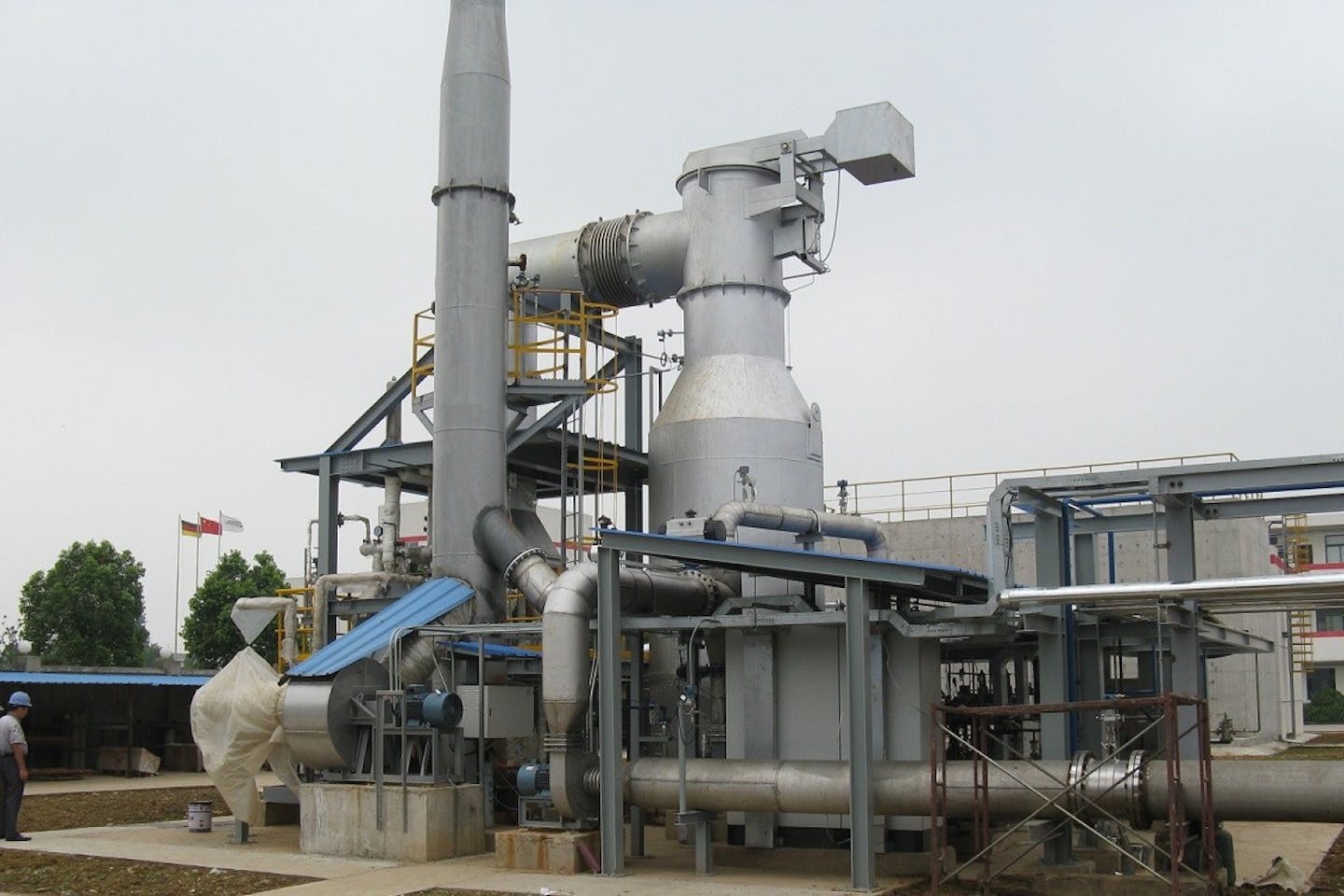
Several provinces may be investing too much in incineration, overlooking improvements in waste sorting and recycling.

Tiếp tục đọc “Is China building more waste incinerators than it needs?”
Conversations on Vietnam Development
eco-business.com

Tháng 7.2020, Ngân Hàng Thế Giới đưa ra Báo cáo giữa kỳ về Lộ trình điện gió ngoài khơi cho Việt để tham vấn công khai các bên.
Báo cáo đề cập các khía cạnh bao quát cần được xem xét trong phát triển gió ngoài khơi Việt Nam. Báo cáo này có nội dung kỹ thuật rất đáng kể và cho thấy nhóm nghiên cứu thực hiện khối lượng công việc nghiên cứu khá chuyên sâu trong một thời gian ngắn.
Tuy nhiên, còn nhiều điểm chúng tôi mong muốn nhấn mạnh nhưng chưa được đề cập trong báo cáo này
1. Báo cáo không đề cập đến việc can thiệp của Trung Quốc trên Biển Đông (Biển Nam Trung Hoa) có thể ảnh hưởng tới các dự án điện gió ngoài khơi của VIệt Nam . Toàn bộ vùng biển, từ miền Bắc Việt Nam đến Khánh Hòa có thể không ổn định cho các nhà đầu tư quốc tế. (Nhưng tất nhiên, đây là một thực tế không thể đưa vào trong báo cáo vì vấn đề này vẫn chưa có giải pháp thực sự hiệu quả).
2. Báo cáo dựa trên giả thiết với nền hệ thống pháp lý, chế độ chính trị và hành chính hiện hành của Việt Nam và hiện trạng sẽ tiếp diễn, và không đề cập đến những thay đổi về mặt cấu trúc cần thiết đối với hệ thống này, đặc biệt trong ngành năng lượng. Điều đó có nghĩa là, tất cả các vấn đề hành chính đang tồn tại sẽ vẫn còn đó, và sẽ tiếp tục cản trở sự phát triển của ngành năng lượng, bao gồm phát triển điện gió ngoài khơi.
Tiếp tục đọc “Góp ý về Lộ trình phát triển điện gió ngoài khơi cho Việt Nam – Comments on Offshore wind roadmap for Vietnam “
T.S Đào Thu Hằng
Tóm lược
Bài báo đóng góp những kiến nghị để cải tiến và đổi mới ngành năng lượng và giao thông của Việt Nam, hai lĩnh vực nhìn chung được coi quan trọng nhất đối với các chính sách về năng lượng và khí hậu.
Trong nhiều năm, Việt Nam vẫn đi sau thế giới về năng lượng tái tạo – đặc biệt là điện gió, điện mặt trời, và hiệu quả năng lượng, và phần lớn dựa vào than và dầu. Việt Nam định ra cho ngành năng lượng một phần rất nhỏ trong Đóng góp quốc gia tự quyết định (Nationally Determined Contribution – NDC) để giảm thiểu phát thải carbon, mặc dù ngành năng lượng chiếm đến một nửa lượng khí thải của quốc gia, và điều này gần như loại trừ hoàn toàn ngành công nghiệp năng lượng khỏi NDC. Việt Nam cũng đã gần như chưa hề để tâm đúng mức tới giảm phát thải trong giao thông vận tải, một ngành vẫn gần như phụ thuộc hoàn toàn vào xăng dầu. Ngoài ra, Việt Nam chưa tìm ra cách hiệu quả để tạo ra sự cạnh tranh trên thị trường năng lượng, khiến cho giá năng lượng phù hợp hơn với thực tế thị trường và hiệu quả hơn.
Đầu tư trực tiếp nước ngoài (Foreign direct investment – FDI) vào lĩnh vực năng lượng còn yếu. Việt Nam cần hỗ trợ về vốn từ các nhà đầu tư quốc tế và các tổ chức cho vay để tạo ra một bước tiến lớn trong ngành năng lượng. Nằm trên lộ trình của Sáng kiến Vành đai và Con đường của Trung Quốc (Belt and Road Initiative – BRI), Việt Nam có thể hưởng lợi từ các dự án BRI, nếu các dự án đó phù hợp với những đánh giá và mong muốn của Việt Nam. Vốn Hỗ trợ Phát triển Chính thức (ODA) từ các nước khác tài trợ cũng có thể giúp ích. Nhưng quan trọng nhất, môi trường pháp lý phải được cải thiện để tạo ra sự cạnh tranh và do đó, có được lợi nhuận hợp pháp trên thị trường. Tiếp tục đọc “Phát triển ngành Năng Lượng Việt Nam: Góc nhìn chiến lược”

The proposed plant has been repeatedly targeted by NGOs in recent years for its potential to pollute and exacerbate the climate crisis, and a number of companies including Standard Chartered Bank, OCBC Bank and DBS have withdrawn from Vung Ang 2, citing conflicts with tightened climate policies.
Campaigners have also pointed out that Vung Ang 2 has air pollution standards far lower than those in Korea, which is one of the world’s biggest investors in overseas coal projects.
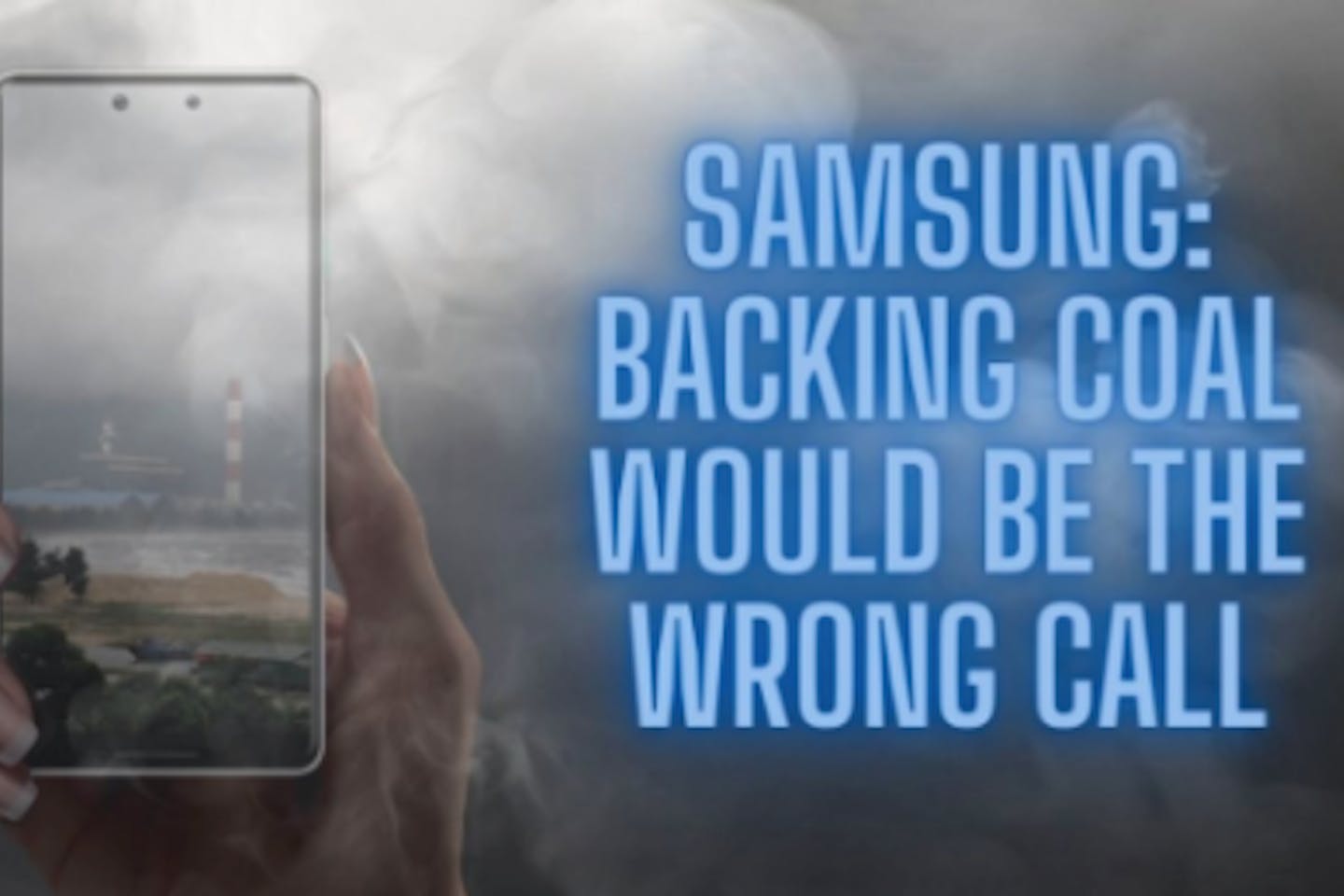
A collective of green groups including Greenpeace, Solutions for Our Climate and Market Forces said in a campaign due to run in international media this week that Samsung’s involvement in Vung Ang 2 goes against group-level sustainability pledges, which include reducing greenhouse gas emissions, and will tarnish the company’s brand image.
“Innovation is such a big focus for Samsung. It seems odd that a company so focused on building the next new thing wants to build 19th century technology,” Bernadette Maheandiran, a researcher for investments watchdog Market Forces, told Eco-Business.
The campaign launches less than a month after environmental protests prompted Samsung Securities, the conglomerate’s financial investment arm, to withdraw from the Adani Abbot Point coal terminal in Australia. Prostesters had called for a boycott of Samsung products. Tiếp tục đọc “Samsung targeted by NGOs for proposal to build coal power station in Vietnam”
This article looks at the current situation of cancer control is in Vietnam, which is a lower-middle-income country in South East Asia. It highlights the advances that have been made in capacity-building and in spreading knowledge about cancer to improve early diagnosis and treatment. The article also sets out the key challenges that the country still faces including policy development, resources and the need to develop partnerships with other developed regions of the world.
The cancer incidence rates for all cancers per 100,000 persons, which have been reported by the International Agency for Research on Cancer (IACR) in 2012, are 173 for males and 114.3 for females. These incidence rates indicate a national cancer incidence of 125,000 new cases per year for both sexes. IARC estimates cancer mortality rates of 148 per 100,000 for males, 76.3 per 100,000 for females and 94,700 people died from cancer each year. Five year prevalent cases were reported to be 211,800. The top five most frequent cancers in Viet Nam in males and females are cancers of the liver (17.6 % of new cases), lung (17.5 % of new cases), stomach (11.4% of new cases), breast (8.9% of new cases) and colorectum (7 % of all new cases) (1, 2).
Tiếp tục đọc “CANCER CONTROL IN VIETNAM: WHERE ARE WE?”
August 19, 2020
Throughout modern history, pandemics—like wars, earthquakes, catastrophic fires, and other sweeping calamities—have fundamentally shaped and transformed cities. In the early 20th century, the Spanish Flu bore witness to the dangers of concentrating people in dense urban housing. In its aftermath, city governments in Europe and the Americas embraced new urban planning strategies to make cities healthier and more livable. Their efforts focused on creating more parkland and giving cities green “lungs.” More recently, the 1994 outbreak of pneumonic plague in Surat, India, led to the establishment of a citywide system to monitor public health, while the 2003 SARS outbreak prompted Singapore to improve its medical infrastructure. Tiếp tục đọc “Covid Lays Bare the Flaws in Asia’s Booming Megacities”
August 20, 2020
Source:University Hospitals Cleveland Medical Center
Summary:Air pollution is the world’s leading environmental risk factor, and causes more than nine million deaths per year. New research shows air pollution may play a role in the development of cardiometabolic diseases, such as diabetes. Importantly, the effects were reversible with cessation of exposure.
Researchers found that air pollution was a “risk factor for a risk factor” that contributed to the common soil of other fatal problems like heart attack and stroke. Similar to how an unhealthy diet and lack of exercise can lead to disease, exposure to air pollution could be added to this risk factor list as well.
“In this study, we created an environment that mimicked a polluted day in New Delhi or Beijing,” said Sanjay Rajagopalan, MD, first author on the study, Chief of Cardiovascular Medicine at University Hospitals Harrington Heart and Vascular Institute, and Director of the Case Western Reserve University Cardiovascular Research Institute. “We concentrated fine particles of air pollution, called PM2.5 (particulate matter component < 2.5 microns). Concentrated particles like this develop from human impact on the environment, such as automobile exhaust, power generation and other fossil fuels.” Tiếp tục đọc “Research shows air pollution could play role in development of cardiometabolic diseases”
sciencemag.org By Dennis NormileJul. 23, 2020 , 2:00 PM

A mushroom cloud hangs over Hiroshima on 6 August 1945. An estimated 90,000 to 120,000 people died that day or soon after; many others developed cancer later.
HIROSHIMA—Kunihiko Iida wants the world to know that the atomic bombs the United States dropped on Hiroshima and Nagasaki 75 years ago next month are still claiming lives and causing suffering.
Iida was 3 years old in August 1945. His father had died in battle; he was living with his mother and her parents in a house 900 meters from Hiroshima’s hypocenter, the spot right beneath the detonation. The blast crumpled the house. The family fled the city, but Iida’s mother and older sister soon died from their injuries, a fact the little boy didn’t grasp. “Until I entered elementary school, I thought they were living and that we would meet someday,” he says.
His injuries left him bedridden for years, and he has suffered debilitating illnesses ever since. Childhood anemia caused him to collapse at school. He’s had ulcers and asthma, underwent two surgeries to remove brain tumors, and now has thyroid growths. “There has never been a break in these illnesses,” he says. Tiếp tục đọc “How atomic bomb survivors have transformed our understanding of radiation’s impacts”
Mongabay.com
Tiếp tục đọc “More than 500 dams planned inside protected areas: Study”
Dealing with climate change should be a no-brainer, right? To paraphrase Greta Thunberg, the science is done and only denial, ignorance and inaction remain. Or is that really all?
Tiếp tục đọc “Analysis: Vietnam’s leadership flex shows how to drive electricity reform”
HO CHI MINH CITY, Vietnam — A $9.3 billion residential and tourism development has been approved within the buffer zone of the Can Gio Mangrove Biosphere Reserve here in this city of 13 million, Vietnam’s largest urban area. The project was proposed by the Can Gio Tourism Urban Area Joint Stock Company, a subsidiary of Vinhomes, the real estate arm of Vingroup, the country’s largest private company. The Can Gio Tourist City would span 2,870 hectares (7,100 acres), largely on land that would be filled in along the South China Sea coast using sand. Tiếp tục đọc “Vietnam approves $9 billion development within mangrove reserve”
thediplomat.com

A Thai court ruled Friday that several hundred families in Cambodia who were displaced from their homes may file a class action suit against the Thai company they believe was responsible, a decision hailed as trailblazing by land rights activists.
The Bangkok South Civil Court issued the ruling in a case in which Cambodian farmers are suing Thailand’s Mitr Phol company, one of the world’s largest sugar producers.
About 700 families were forcibly evicted from their homes in 2008-2009 when Cambodian subsidiaries of Mitr Phol were acquiring plots of land in a Cambodian government-approved plan to turn the northwestern province of Oddar Meanchey into a sugar production hub.
Tiếp tục đọc “Thai Court Allows Cambodian Class Action Against Thai Firm”
by Rachel Posner Ross and Evan Scandling
Introduction
At a time when Vietnam’s electricity demand is surging in response to commercial, industrial, and population growth, a common concern has emerged that rising economic activity will shift carbon emissions from China and other manufacturing hubs to Vietnam. However, our experience through the Clean Energy Investment Accelerator (CEIA) initiative in Vietnam indicates that private-sector demand for renewables has the potential to overcome policy barriers and catalyze significant scaling up of clean energy deployment in emerging markets. Vietnam’s 2019-2020 rooftop solar boom and anticipated surge in wind and solar virtual power purchase agreements for corporate offtakers in 2020 and beyond are the results of public-private collaboration on issues that simultaneously advance government and private-sector interests, offering important lessons for other markets in pursuit of sustainable development.
Background
Vietnam is a developing economy with a population of nearly 100 million and annual GDP growth of 6 to 7 percent, making it one of Asia’s fastest-growing economies, which has been true for decades. Foreign direct investment (FDI) was close to $18 billion in 2018, which accounted for approximately 24 percent of total investment in the economy.1 More than 10,000 foreign companies are estimated to operate or have supply chain manufacturing in Vietnam, including many of the world’s largest companies from a variety of sectors.2 For decades, Vietnam has been home to labor-intensive industries such as apparel and footwear production. Many of the world’s
This report is produced by the Center for Strategic and International Studies (CSIS), a private, tax exempt institution focusing on international public policy issues. Its research is nonpartisan and nonproprietary. CSIS does not take specific policy positions. Accordingly, all views, positions, and conclusions expressed in this publication should be understood to be solely those of the author(s). © 2020 by the Center for Strategic and International Studies. All rights reserved
(TN&MT) – Ngày 24/7/2020, Thủ tướng Chính phủ đã phê duyệt Đóng góp do quốc gia tự quyết định (NDC) cập nhật của Việt Nam. Bằng nguồn lực trong nước, đến năm 2030 Việt Nam sẽ giảm 9% tổng lượng phát thải khí nhà kính so với Kịch bản phát triển thông thường (BAU) quốc gia, tương đương 83,9 triệu tấn CO2tđ.
Mức đóng góp 9% này có thể được tăng lên thành 27% so với BAU quốc gia (tương đương 250,8 triệu tấn CO2tđ) khi nhận được hỗ trợ quốc tế thông qua hợp tác song phương, đa phương và các cơ chế trong khuôn khổ Thỏa thuận Paris về biến đổi khí hậu. NDC cập nhật của Việt Nam xác định các biện pháp giảm nhẹ phát thải khí nhà kính giai đoạn 2021-2030 và các nhiệm vụ chiến lược về thích ứng với biến đổi khí hậu, các giải pháp thích ứng nhằm giảm thiểu thiệt hại do các tác động liên quan đến những thay đổi của khí hậu gây ra trong tương lai được xác định cụ thể cho từng lĩnh vực. Tiếp tục đọc “Hoàn thành cập nhật Đóng góp do quốc gia tự quyết định (NDC): Nâng mức đóng góp của Việt Nam cho ứng phó với BĐKH toàn cầu”