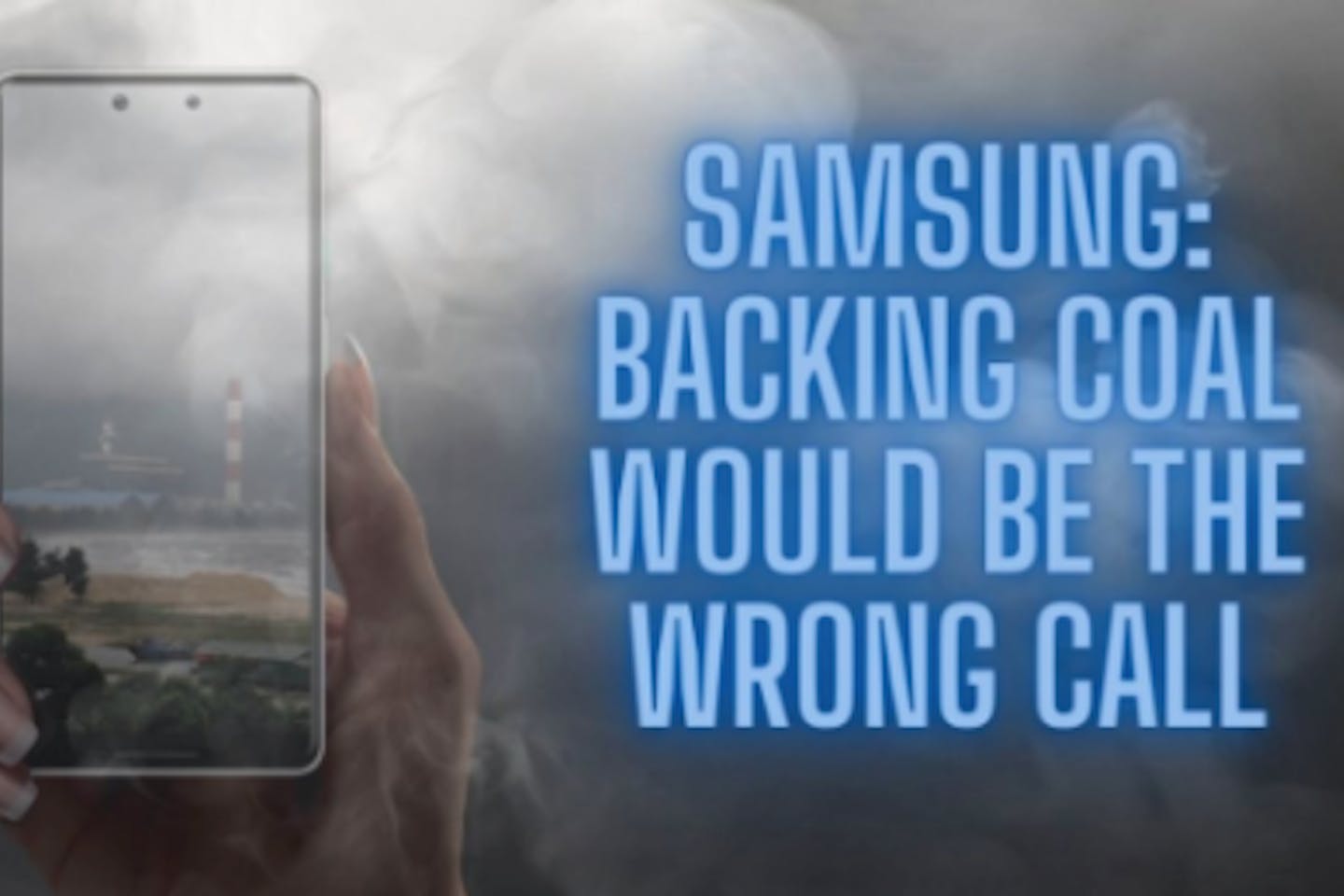
Tiếp tục đọc “Vietnam’s Environmental Challenges Risk EU Free Trade”
Tác giả: Đào Thu Hằng
NREL Research Points to Strategies for Recycling of Solar Panels
Researchers at the National Renewable Energy Laboratory (NREL) have conducted the first global assessment into the most promising approaches to end-of-life management for solar photovoltaic (PV) modules.
PV modules have a 30-year lifespan. There is currently no plan for how to manage this at end of their lifespan. The volume of modules no longer needed could total 80 million metric tons by 2050. In addition to quantity, the nature of the waste also poses challenges. PV modules are made of valuable, precious, critical, and toxic materials. There is currently no standard for how to recycle the valuable ones and mitigate the toxic ones.
Numerous articles review individual options for PV recycling but, until now, no one has done a global assessment of all PV recycling efforts to identify the most promising approaches.
“PV is a major part of the energy transition,” said Garvin Heath, a senior scientist at NREL who specializes in sustainability science. “We must be good stewards of these materials and develop a circular economy for PV modules.”
Tiếp tục đọc “NREL Research Points to Strategies for Recycling of Solar Panels”
Nhà Chống Lũ giới thiệu “Sổ tay Nhà An Toàn”, ngày 18/7/2020 tại C Space, Tp. Hồ Chí Minh
GIỚI THIỆU CHƯƠNG TRÌNH
Chỉ còn một vài tuần nữa, mùa mưa lũ hàng năm sẽ đến. Trong bối cảnh thiên tai diễn biến ngày càng phức tạp, ngày càng nhiều hộ gia đình cần được đảm bảo một cuộc sống an toàn, được hướng dẫn, lưu ý và hỗ trợ kỹ thuật xây dựng nhà ở an toàn. Vì lý do này, chương trình “Nhà Chống Lũ” đã dành thời gian soạn thảo và mạnh dạn chia sẻ những kinh nghiệm đã tích lũy qua “Sổ tay Nhà An Toàn”.
“Sổ tay Nhà An Toàn” bao gồm chi tiết các mô hình nhà có khả năng thích ứng với các loại hình bão lũ điển hình tại Việt Nam, thông qua các nghiên cứu chi tiết tại nhiều vùng dự án mà chúng tôi đã thực hiện trong các năm 2013-2019. Chúng tôi mong muốn, thông qua cuốn Sổ tay này, người dân, chính quyền địa phương, các tổ chức phi lợi nhuận, các chuyên gia và các cá nhân quan tâm có thể tham khảo và áp dụng được mô hình nhà ở phù hợp, có khả năng thích ứng tốt với bối cảnh thiên tai tại địa phương và ngân sách gia đình. (Link tải về “Sổ tay Nhà An Toàn”: https://song.org.vn/nha-chong-lu-so-tay-nha-an-toan/)
Góp ý cho dự thảo Chiến lược bảo vệ môi trường Việt Nam đến năm 2030 tầm nhìn 2040
Viện Chiến lược, Chính sách tài nguyên và môi trường thuộc Bộ Tài Nguyên Môi Trường, đang tổ chức các Hội thảo tham vấn địa phương góp ý cho Dự thảo Chiến lược. bảo vệ môi trường Việt Nam đến năm 2030 tầm nhìn 2040, vào ngày 03 tháng 7 năm 2020 tại Hà Nội, ngày 14 tháng 7 năm 2020 tại Thành phố Hồ Chí Minh, ngày 16 tháng 7 năm 2020 tại Đà Nẵng,
Tải dự thảo Chiến lược tại đây, trên website của Viện chiến lược
Dưới đây là một số quan sát, bình luận, và góp về bản thảo tổng kết và chiến lược chúng ta có thể cùng thảo luận thêm.
Bản dự thảo chiến lược là một công trình có sự chuẩn bị công phu, bao quát và phản ánh đúng hiện trạng các vấn đề nghiêm trọng và cấp bách của môi trường Việt Nam trong 10 năm gần đây và nhiều năm tiếp theo.
Phần 1: Thực trạng
Lời giới thiệu trang 2: “Chính phủ kiên quyết không hy sinh môi trường vì mục tiêu tăng trưởng kinh tế” ; và đoạn 1.1 trang 4 “Nhận thức về bảo vệ môi trường được nâng cao hơn một bước, Chính phủ xác định không hy sinh môi trường vì tăng trưởng kinh tế.” Tiếp tục đọc “Góp ý cho dự thảo Chiến lược bảo vệ môi trường Việt Nam đến năm 2030 tầm nhìn 2040”
Vietnam looks to new national strategy on environmental protection
A draft national strategy on environmental protection from 2021-2030 focuses on fighting sources of pollution while boosting a low-carbon emission economy.
![]() |
The idea is to help Vietnam realise the UN’s Sustainable Development Goals by2030.
In 2012, the first national strategy for environmental protection with a visiontowards 2030 was launched.
Deputy Minister of Natural Resources and Environment Vo Tuan Nhan said thestrategy had created positive changes to environmental protectionawareness. The Government had stuck to the principle of not sacrificingthe environment to reach its economic development goals. Tiếp tục đọc “Vietnam looks to new national strategy on environmental protection”
Employment Assessment of Renewable Energy: Power sector pathways compatible with NDCs and national energy plans
This technical report is the first GGGI study that focuses on the nexus of sustainable energy and green jobs. Based on researched conducted in three GGGI member countries – Mexico, Indonesia, and Rwanda, the study assessed the job creation potential of renewable energy technologies under various power sector pathways based on National Energy Plans and countries’ NDCs. Occupation and skills required by the renewable energy sector for each stage of the value chain were also identified and assessed. The analysis highlights the important role that assessments of employment effects can play during the revision of countries’ NDCs while simultaneously addressing the achievement of Sustainable Development Goals (SDGs) related to affordable and clean energy (7), decent work and economic growth (8) and climate action (13).
Click here to read the web version of the report.
Air Conditioning Wasn’t Invented to Provide Comfort to Human Beings

Air conditioning was devised not for comfort but for industry, specifically to control temperature and humidity in a color printing factory in Brooklyn. The process required feeding paper into the presses a number of times, once for each of the component colors, and the slightest misalignment caused by changes in humidity produced defective copies that had to be thrown away. Tiếp tục đọc “Air Conditioning Wasn’t Invented to Provide Comfort to Human Beings”
Hitachi Completes Acquisition of ABB Power Grids to Tackle Renewable Energy’s Rise
The deal, worth up to $7.8 billion, follows moves by rivals GE and Siemens to refocus on clean energy integration and distributed energy digitization.

Hitachi ABB Power Grids will combine high-voltage transmission with distributed energy assets and digital control systems.
Japan’s Hitachi has completed its acquisition of a majority stake in ABB Power Grids worth up to $7.8 billion, creating a new business aimed at tackling the renewable and distributed energy frontiers of the power industry.
Tiếp tục đọc “Hitachi Completes Acquisition of ABB Power Grids to Tackle Renewable Energy’s Rise”
Japan seeks stoppage of 100 inefficient coal plants in a decade
Government acts in light of pressure for switch to greener energy alternatives

Japan will urge the closure or suspension of about 100 low-efficiency coal-fired power plants by fiscal year 2030. © Kyodo
TOKYO — The Japanese government will urge the closure or suspension of about 100 low-efficiency coal-fired power plants in the country by fiscal year 2030 in the face of international pressure for a transition to greener alternatives. Tiếp tục đọc “Japan seeks stoppage of 100 inefficient coal plants in a decade”
Air Pollution: Locked Down by COVID-19 but Not Arrested
worldbank.org
By Urvashi Narain
Even before the COVID-19 pandemic, one of the most serious global crises of our time, many countries had come to see air pollution as a major health issue. The State of Global Air/2019 report noted that air pollution was the fifth leading risk factor for mortality worldwide in 2017, with ambient air pollution contributing to around 5 million deaths globally – or one in 10 deaths. The report found that more people were dying from air pollution-related diseases than from traffic accidents or malaria.
Tiếp tục đọc “Air Pollution: Locked Down by COVID-19 but Not Arrested”
$10bn of precious metals dumped each year in electronic waste, says UN
A fast growing mountain of toxic e-waste is polluting the planet and damaging health, says new report

At least $10bn (£7.9bn) worth of gold, platinum and other precious metals are dumped every year in the growing mountain of electronic waste that is polluting the planet, according to a new UN report.
A record 54m tonnes of “e-waste” was generated worldwide in 2019, up 21% in five years, the UN’s Global E-waste Monitor report found. The 2019 figure is equivalent to 7.3kg for every man, woman and child on Earth, though use is concentrated in richer nations. The amount of e-waste is rising three times faster than the world’s population, and only 17% of it was recycled in 2019.
Electronic and electrical goods, from phones and computers to refrigerators and kettles, have become indispensable in modern societies and enhance lives. But they often contain toxic chemicals, and soaring production and waste damages human health and the environment, and fuels the climate crisis.
The report blames lack of regulation and the short lifespan of products that are hard or impossible to repair. Experts called the situation a “wholly preventable global scandal”.
People in northern Europe produced the most e-waste – 22.4kg per person in 2019. The amount was half as much in eastern Europe. Australians and New Zealanders disposed of 21.3kg per person, while in the US and Canada the figure was 20.9kg. Averages across Asia and Africa were much lower, at 5.6kg and 2.5kg per person respectively.E-waste contains materials including copper, iron, gold, silver and platinum, which the report gives a conservative value of $57bn. But most are dumped or burned rather than being collected for recycling. Precious metals in waste are estimated to be worth $14bn, but only $4bn-worth is recovered at the moment.
Tiếp tục đọc “$10bn of precious metals dumped each year in electronic waste, says UN”
US Vietnam Diplomatic Relations. Tổng thống Clinton tuyên bố bình thường hóa quan hệ Việt-Mỹ 11/7/1995
Mùa vải thiều Bắc Giang
Wildlife trade amplifies spread of coronaviruses
The proportion of rats testing positive for viruses jumped substantially between the start and end of Vietnam’s supply chain
Asia’s booming wildlife trade is fuelling the spread of coronaviruses by providing the ideal opportunity for animals to infect each other and potentially humans, two studies have found.
Across Asia, wild animals including rodents, pangolins and bats are transported, often illegally, thousands of miles in crowded and chaotic conditions for use in restaurants and traditional medicines.
Experts have long thought this amplifies the transmission of coronaviruses, making the possibility of a jump to humans more likely.
In one new study, published as a preprint without peer review, researchers analysed oral swabs from more than 2,000 field rats in three provinces in southern Vietnam. They found that the animals smuggled across the Mekong River Delta, from traders to restaurants, tested positive for six different coronaviruses. More significantly, the incidence of infection increased significantly along their journey.
Roughly 20 per cent of wild rats caught by traders tested positive for at least one coronavirus, rising to 32 per cent of rodents in large markets. In restaurants, the final step in the chain, 55 per cent of rats were infected.
“The observed viral amplification along the wildlife trade supply chain for human consumption likely resulted from the mixing and close confinement of stressed live animals,” the researchers wrote.
Tiếp tục đọc “Wildlife trade amplifies spread of coronaviruses”