Deep-sea mining for minerals: What is the issue?

IUCN.org

What is the issue?
Why is this important?
What can be done?
More information

  • Deep-sea mining is the process of retrieving mineral deposits from the deep seabed – the ocean below 200m.
  • Depleting terrestrial deposits and rising demand for metals mean deep-sea mining may begin soon, even thoughresearch suggests that it could destroy habitats and wipe out species.
  • Deep-sea mining should be halted until the criteria specified by IUCN are met, including the introduction of assessments, effective regulation and mitigation strategies.
  • Comprehensive studies are neededto improve our understanding of deep-sea ecosystems and the vital services they provide to people, such as food and carbon sequestration.

What is the issue?

Deep-sea mining is the process of extracting and often excavating mineral deposits from the deep seabed. The deep seabed is the seabed at ocean depths greater than 200m, and covers about two-thirds of the total seafloor. Research suggests deep-sea mining could severely harm marine biodiversity and ecosystems, but we still lack the knowledge and means to implement protections.

Despite this, there is growing interest in the mineral deposits of the seabed. This is said to be due to depleting terrestrial deposits of metals such as copper, nickel, aluminium, manganese, zinc, lithium and cobalt. Demand for these metals is also increasing to produce technologies like smartphones, wind turbines, solar panels and batteries.

featured image

ISA, 2021

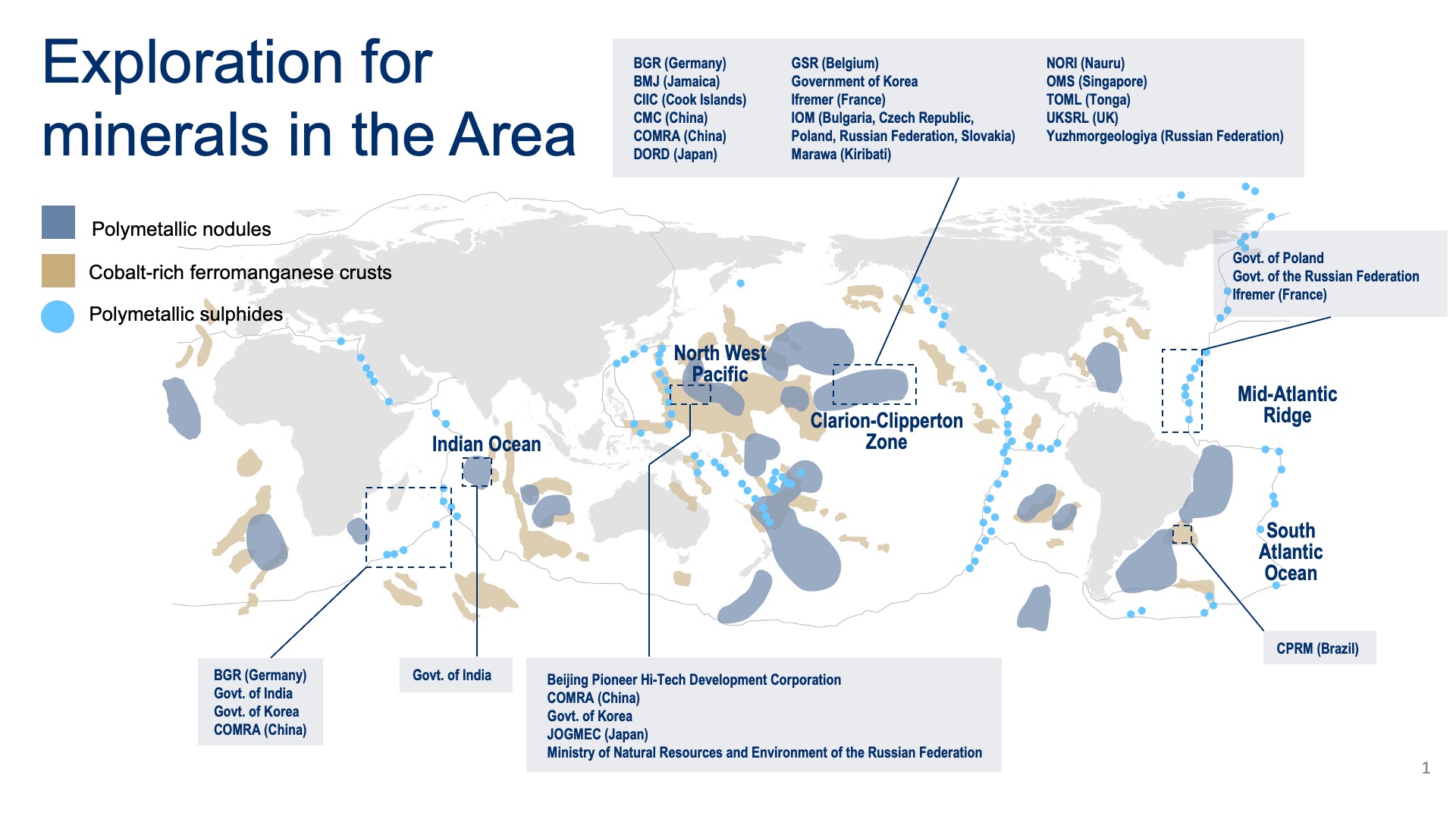
By May 2022, the International Seabed Authority (ISA), which regulates activities in the seabed beyond national jurisdiction (‘the Area’), had issued 31 contracts to explore deep-sea mineral deposits. More than 1.5 million km2 of international seabed, roughly the size of Mongolia, has been set aside for mineral exploration.

Tiếp tục đọc “Deep-sea mining for minerals: What is the issue?”

A Review on Renewable Energy Transition under China’s Carbon Neutrality Target

mdpi.com

by Fuquan Zhao 1,2, Fanlong Bai 1,2, Xinglong Liu 1,2 and Zongwei Liu 1,2,*

1 State Key Laboratory of Automobile Safety and Energy, Tsinghua University, Beijing 100084, China 2Tsinghua Automobile Strategy Research Institute, Tsinghua University, Beijing 100084, China

*Author to whom correspondence should be addressed. Sustainability 202214(22), 15006; https://doi.org/10.3390/su142215006 Received: 7 October 2022 / Revised: 5 November 2022 / Accepted: 7 November 2022 / Published: 13 November 2022 (This article belongs to the Special Issue Renewable Energy and Sustainable Economy Transition)

Abstract

To achieve their carbon peak and carbon neutrality target, China’s energy transition is seen as the most important instrument. Despite the rapid growth of renewable energy in China, there are still many challenges. Based on the review of the contemporary literature, this paper seeks to present an updated depiction of renewable energy in the Chinese context. The potential, status quo, and related policy of China’s renewable energy are thoroughly investigated. The challenges facing renewable energy development under the carbon neutrality target are analyzed, including enormous transition urgency and pressure, technology, and policy issues. Then, coping strategies are proposed to guide the direction of renewable energy development. Technology paths and policy recommendations are presented. This paper contributes to technology developing and policymaking by providing a comprehensive, thorough, and reliable review of renewable energy development in China.

Keywords: 

renewableenergy transitionpolicy incentivetechnology pathpower system

1. Introduction

In recent years, climate change and energy issues have become the prominent global challenge and a major concern of China. In 2020, president Xi Jinping pledged to achieve carbon peak by 2030 and carbon neutrality by 2060 (referred to as the dual carbon target). China’s energy sector, which heavily relies on fossil energy, especially coal, is the largest contributor to China’s carbon emissions [1]. According to the International Energy Agency (IEA), China’s energy consumption accounts for nearly 90% of China’s total CO2 emissions in 2020 [2]. The carbon neutrality target poses a huge challenge to China’s energy system, causing energy transition to be the key to the overall decarbonization of China’s economy and society.

Despite aggressive energy transition goals, China still faces many challenges in the energy sector. In terms of energy supply, fossil fuel still dominates with the problem of overcapacity to be addressed [1,3,4]. The supply and consumption of renewable energy resources in China are also highly mismatched, the center of renewable energy is in the northwest, and the electricity consumption center is in the east. In terms of energy consumption, the load profile of energy is becoming increasingly complex and the regional energy distribution is becoming more diversified, which demands a higher power system flexibility [5]. Moreover, China’s economy is still growing at a considerable rate and renewable energy cannot independently meet the energy requirement of the economy’s growth. Effective incentives for promoting renewable energy consumption are yet to be formulated [6].

In facing the above difficulties during the energy transition, renewable energy is recognized as the most important instrument and has attracted more and more attention. China has rich reserves of renewable energy. In recent years, the development of renewable energy has been impressively rapid. At present, renewable energy has accounted for nearly 30% of China’s electricity generation [7,8]. China has shown a great commitment to renewable energy. The target of renewable energy generation was set to taking up more than 50% of China’s total installed power generation by the end of the 14th Five-Year Plan [9]. It is estimated that by 2060, China will invest about RMB 122 trillion to build a new power system with clean energy as the main body [10].

There are many studies on the renewable energy transition in China. They can be classified into two groups. The first group of studies focus on quantitative analysis of the development of renewable energy. For example, Zhang et al. adopted the China TIMES model to analyze the required renewable energy supply and electrification rate in achieving carbon peak. The results showed that if emissions peak in 2025, the carbon neutrality goal demands a 45–62% electrification rate and 47–78% renewable energy in primary energy supply in 2050 [11]. Another study predicted that by 2050, renewable energy would account for 60% of the total energy consumption and 90% of the total power generation and the electrification rate would be close to 60% [12]. Liu et al. studied the latest hourly wind and solar data from 2007–2014 and provided the optimal wind/solar ratio for hybrid wind-solar energy systems [13]. Wen et al. presented an approach for the quantitative analysis of energy transition. They explained whether China’s cumulative carbon emissions can match the emission allowances under the global 2 °C target and provided directions for the low-carbon transition.

Tiếp tục đọc “A Review on Renewable Energy Transition under China’s Carbon Neutrality Target”

Why 2023 will be a watershed year for climate litigation

theguardian.com

Isabella Kaminski Wed 4 Jan 2023 13.08 GMT

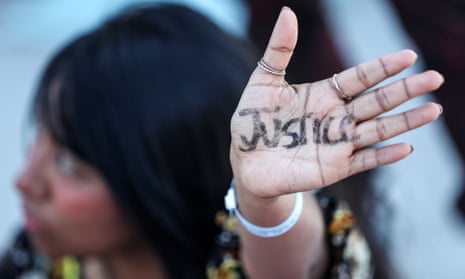
An Amazon Indigenous protester stages a demonstration calling for climate justice at Cop27 in Sharm El-Sheikh, Egypt.

An Amazon Indigenous protester stages a demonstration

  • Judgments across public and private sector expected to throw light on worst perpetrators and force action

Over the past 12 months, courts from Indonesia to Australia have made groundbreaking rulings that blocked polluting power plants and denounced the human rights violations of the climate crisis. But 2023 could be even more important, with hearings and judgments across the world poised to throw light on the worst perpetrators, give victims a voice and force recalcitrant governments and companies into action.

Although the bulk of climate lawsuits have been filed in the US, most have been thrown out of court or bogged down in procedural arguments. This year will, however, finally see a case go to trial when a group of children and young people between the ages of five and 21 square off against the state of Montana.

Over two weeks in June, they will argue that the US state is failing to protect their constitutional rights, including the right to a healthy and clean environment, by supporting an energy system driven by fossil fuels. They will also say climate breakdown is degrading vital resources such as rivers, lakes, fish and wildlife which are held in trust for the public.

“Never before has a climate change trial of this magnitude happened,” says Andrea Rodgers, senior litigation attorney with Our Children’s Trust, which is behind the case. “The court will be deciding the constitutionality of an energy policy that promotes fossil fuels, as well as a state law that allows agencies to ignore the impacts of climate change in their decision-making.”

She said the trial would be watched around the world and “is set to influence the trajectory of climate change litigation going forward”.

Other cases against US states could also be given permission to go to trial.

In Canada, a ruling is expected this year in the country’s first climate lawsuit to have had its day in court. Seven young people, fronted by now-15-year-old Sophia Mathur, made history last autumn when they challenged the Ontario government’s rollback of its 2030 greenhouse gas emissions reduction target.

And in Mexico, young people have led several important court cases challenging the slow pace of the country’s clean energy system. The supreme court is due to decide whether they are allowed to seek justice in at least one case.

Tiếp tục đọc “Why 2023 will be a watershed year for climate litigation”

Định vị du lịch làng nghề

baotintuc.vn

Hiện nay, ở một số địa phương, du lịch làng nghề vẫn chưa được khai thác tương xứng tiềm năng, còn “bỏ qua” khá nhiều điểm nhấn thu hút du khách. Thực tế này đòi hỏi cần có những giải pháp phối hợp đồng bộ hơn giữa các ngành, hiệp hội, doanh nghiệp và cả những người thợ làng nghề để phát triển sản phẩm du lịch gắn với làng nghề đạt hiệu quả cao, vừa bảo tồn nghề truyền thống, vừa định vị thêm các điểm đến du lịch hấp dẫn.

Làng nghề cùng các sản phẩm được hình thành từ hoạt động lao động sản xuất của người dân làng nghề, những giá trị hữu hình và vô hình kết tinh trong sản phẩm chính là chất liệu, tài nguyên hình thành nên nhiều sản phẩm du lịch, góp phần tạo dựng, phát triển thương hiệu du lịch của từng địa phương.  

Theo thống kê của Hiệp hội Làng nghề Việt Nam, hiện cả nước có khoảng 5.400 làng nghề, trong đó trên 2.000 làng nghề truyền thống, thuộc nhiều nhóm ngành nghề khác nhau, hiện diện ở khắp các địa phương.

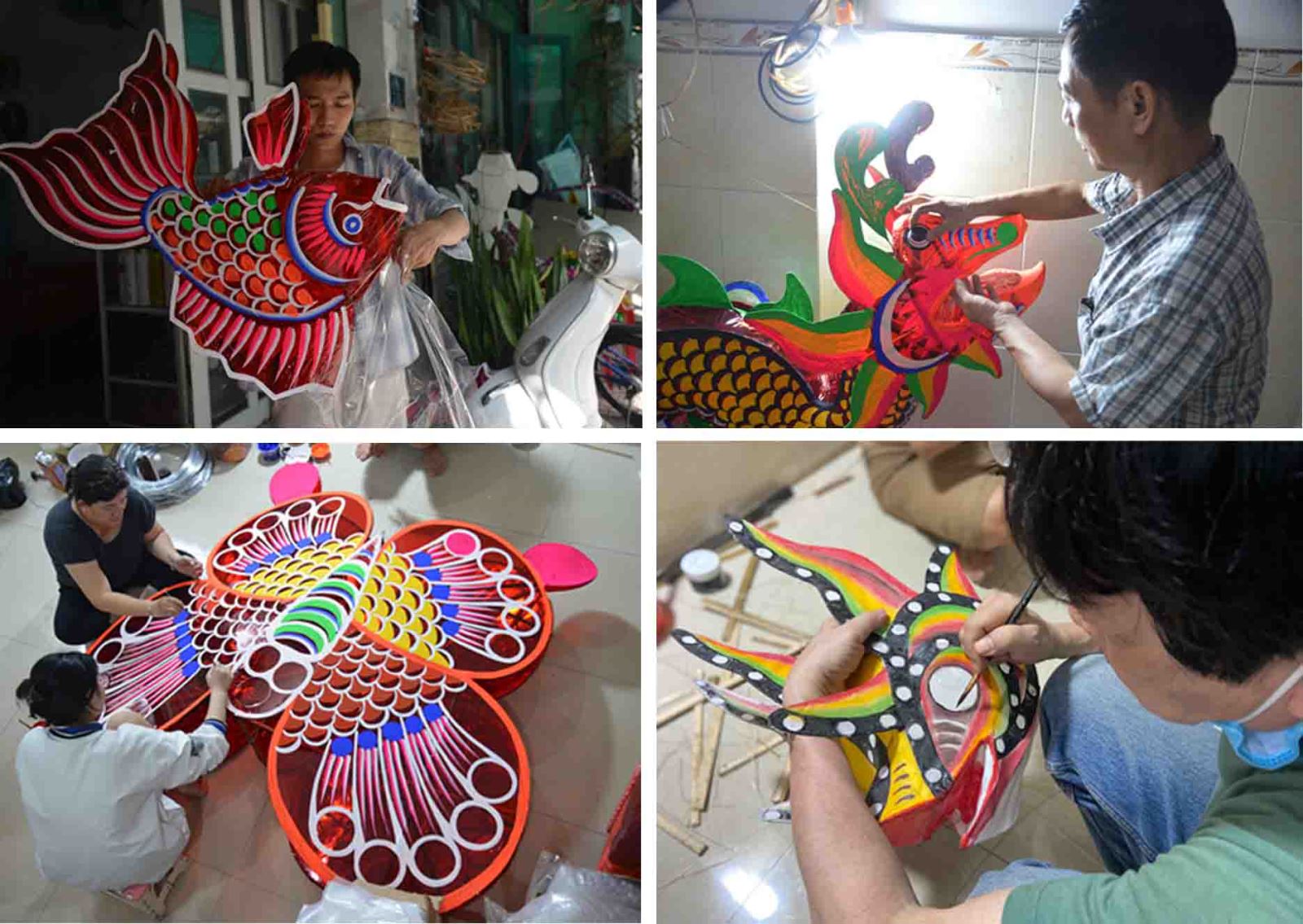
Làng lồng đèn truyền thống Phú Bình (TP Hồ Chí Minh) nhộn nhịp mùa Trung thu.

Các tỉnh, thành phố Nam Bộ, gồm khu vực Đông Nam Bộ và Đồng bằng sông Cửu Long là nơi có hệ thống làng nghề phong phú, đa dạng. Trải qua nhiều thăng trầm, nhiều làng nghề vẫn được duy trì, phát triển, phản ánh đặc trưng văn hóa làng nghề Việt Nam nói chung, đồng thời thể hiện nét riêng của từng địa phương. Nhiều chuyên gia nhận định, hầu hết các làng nghề tồn tại đến nay có từ lâu đời, gắn liền với lịch sử, dựa trên các yếu tố cơ bản là vùng nguyên liệu và giao thông, đặc biệt là đường thủy. Vì vậy, làng nghề không chỉ phản ánh mối quan hệ giữa “nghề” với “nghiệp” mà còn chứa đựng những yếu tố tinh thần đậm nét, phản ánh qua các tập tục, tín ngưỡng, lễ hội liên quan đến nghề sản xuất truyền thống.

Đề cập về làng nghề ở Đông Nam Bộ, Tiến sĩ Trần Minh Đức, Trường Đại học Thủ Dầu Một cho biết, Đông Nam Bộ gồm Thành phố Hồ Chí Minh và các tỉnh Đồng Nai, Bình Dương, Bình Phước, Tây Ninh, Bà Rịa – Vũng Tàu đang duy trì được hệ thống các làng nghề phong phú và đa dạng. Có thể kể đến Thành phố Hồ Chí Minh với các làng nghề: mành trúc Tân Thông Hội, chằm nón Tằm Lanh, bánh tráng Phú Hòa Đông, đan bồ An Nhơn Tây, chiếu Nam Đa Phước, dệt Bảy Hiền, lồng đèn Phú Bình…

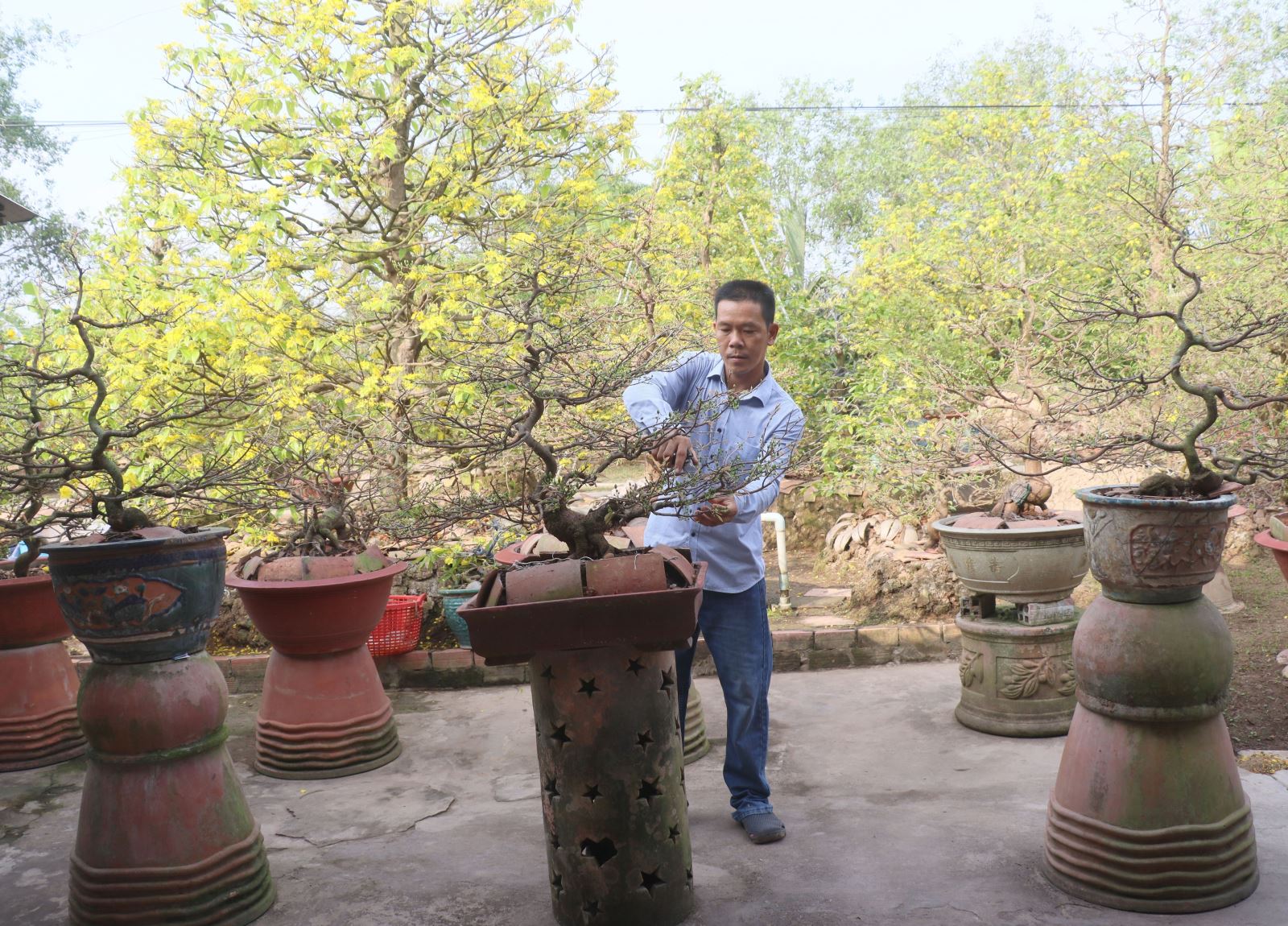
Nghề trồng mai tại Phước Định (huyện Long Hồ, tỉnh Vĩnh Long) đã trở thành nghề mang lại thu nhập chính cho người dân.

Tiếp tục đọc “Định vị du lịch làng nghề”

Critical Minerals in World War 2

Arizona.edu

How Minerals Made Civilization, the UA Lowell Institute for Mineral Resources’ YouTube video series on the role of mineral resources in history, is launching a trilogy about how mineral resources influenced the war.  Part 1, posted today, covers mineral resources during the interwar buildup: how mineral resources figured in national (and transnational) politics in the 1930s, how resource-poor nations sought to build up their supplies, and how the struggle for resources eventually culminated in the outbreak of the war. From the video, here are a few fun facts you may not have known:

  •  Coins for combat: During the early to mid-1930s, both Germany and Japan reissued old silver coinages in nickel so they would have a nickel supply for gun steels when the war broke out.
  •  Coal, meet hydrogen: Coal-to-oil conversion was invented too late to change the outcome of World War 1, but it was about to play a major role in supplying Germany in the next war.
  •  Why we use molybdenum in steels: The Nazi-Soviet Pact of 1939 redirected Soviet manganese exports from the USA to Germany, so American metallurgists developed improved molybdenum-alloy steels as a substitute using molybdenum from Arizona and Colorado.

Tiếp tục đọc “Critical Minerals in World War 2”

Tăng học phí: Làm sao để người nghèo còn cơ hội vào đại học

tuoitre.vn TRẦN HUỲNH

Chính phủ vừa đồng ý phương án các trường đại học thực hiện lộ trình tăng học phí phù hợp theo nghị định 81. Việc tăng học phí là bất khả kháng nhưng vẫn khiến không ít người lo ngại.

Học sinh đang tìm hiểu về chương trình đào tạo, học phí tại gian tư vấn của một trường đại học trong Ngày hội tư vấn tuyển sinh - hướng nghiệp năm 2023 của báo Tuổi Trẻ - Ảnh: DUYÊN PHAN
Học sinh đang tìm hiểu về chương trình đào tạo, học phí tại gian tư vấn của một trường đại học trong Ngày hội tư vấn tuyển sinh – hướng nghiệp năm 2023 của báo Tuổi Trẻ – Ảnh: DUYÊN PHAN

Nghị định 81 cho phép từ năm học 2022 – 2023 các cơ sở giáo dục công lập được tăng học phí theo lộ trình, nhưng do ảnh hưởng của dịch COVID-19, Chính phủ đã yêu cầu giữ ổn định học phí trong hai năm học vừa qua.

Việc này đã gây khó khăn cho các trường trong cân đối nguồn lực để nâng cao chất lượng giáo dục trong điều kiện đầu tư hạn chế, ngân sách chi thường xuyên bị cắt giảm hằng năm.

Nếu chương trình không được thiết kế tinh giản, lược bớt những môn học không giúp cải thiện cơ hội việc làm cho sinh viên mà vẫn hạch toán tính vào chi phí đào tạo là không công bằng.

Ông Hoàng Ngọc Vinh

Băn khoăn học phí các chương trình “đạt kiểm định”

TS Hoàng Ngọc Vinh – nguyên vụ trưởng Vụ Giáo dục chuyên nghiệp (Bộ GD-ĐT) – cho rằng thực hiện tự chủ đại học mà Nhà nước cắt giảm đầu tư, các trường không tăng học phí thì không thể đảm bảo chất lượng giáo dục.

Tiếp tục đọc “Tăng học phí: Làm sao để người nghèo còn cơ hội vào đại học”

Buddha statues get bigger on mainland China in bid to lure tourists

scmp.com Published: 5:00pm, 4 Feb, 2014

Giant statues of sage spring up all over mainland as developers and officials bid to lure tourists

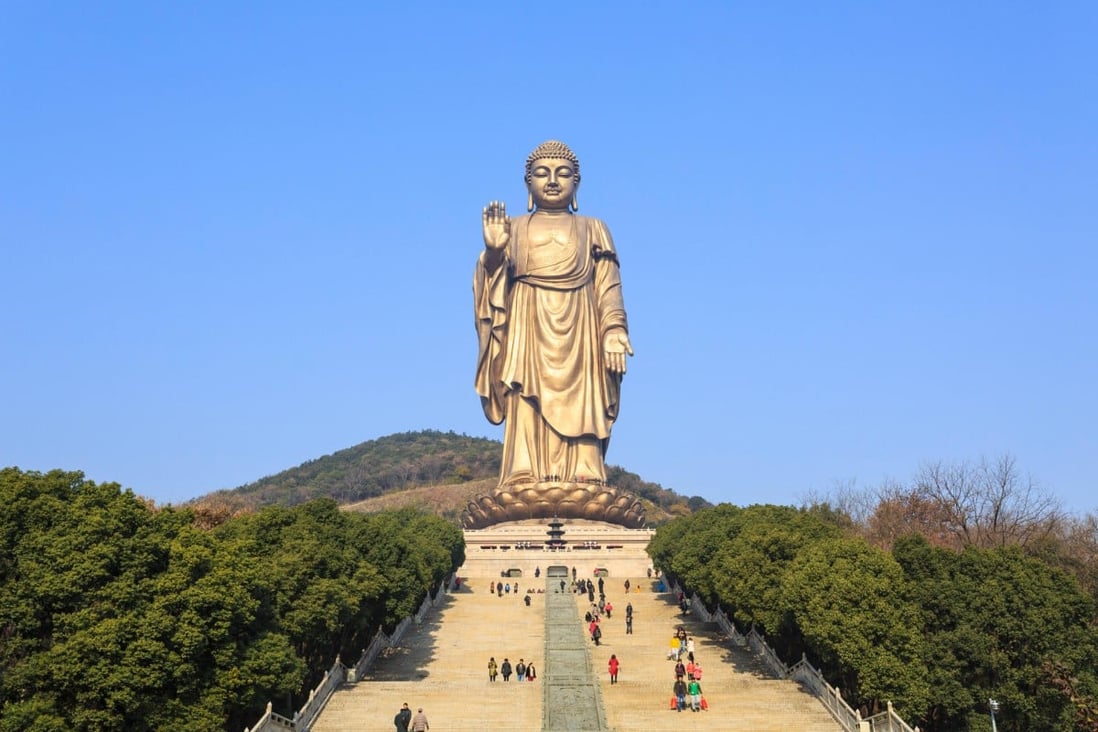
Tourists visit the popular Lingshan Grand Buddha at Wuxi, Jiangsu province, which stands 88 metres high. Photo: Shutterstock

Tourists visit the popular Lingshan Grand Buddha at Wuxi, Jiangsu province, which stands 88 metres high. Photo: Shutterstock

Local officials on the mainland are drawing inspiration from Buddha, but perhaps not in a way he might have intended.

Tourism bureaus and developers are racing to build ever-higher statues of Buddha, in an attempt to copy the success of the Lingshan Grand Buddha in Wuxi, Jiangsu province.

The 88-metre-high attraction drew about 3.8 million visitors last year, generating more than 1.2 billion yuan (HK$1.5 billion). Not a bad return on 725 tonnes of bronze sheet.

Hong Kong’s Tian Tan Buddha, at a modest 34 metres, would barely rise to the knees of the current behemoths such as the 208-metre-high Spring Temple Buddha in Lushan county in Henan province.

At least five others taller than Tian Tan are spread across the mainland and the list is set to grow, including a planned 88-metre-high statue of the bodhisattva Guanyin in Suzhou , Jiangsu province, a 99-metre depiction of the bodhisattva Ksitigarbha in Anhui province, and a 48-metre statue of Amitabha Buddha at Lu Mountain in Jiangxi province.

According to the New Weekly, the Aerosun Corporation, which built the Tian Tan Buddha on Lantau, is developing more than 10 such projects across the country this year.

Tiếp tục đọc “Buddha statues get bigger on mainland China in bid to lure tourists”

Thailand: Moving from punishment to treatment of people who use drugs

news.un.org Health

People who use drugs in Thailand are receiving more help to reduce the harm caused by their habit thanks to a change in formerly punitive drug laws and support from the UN Office on Drugs and Crime (UNODC).

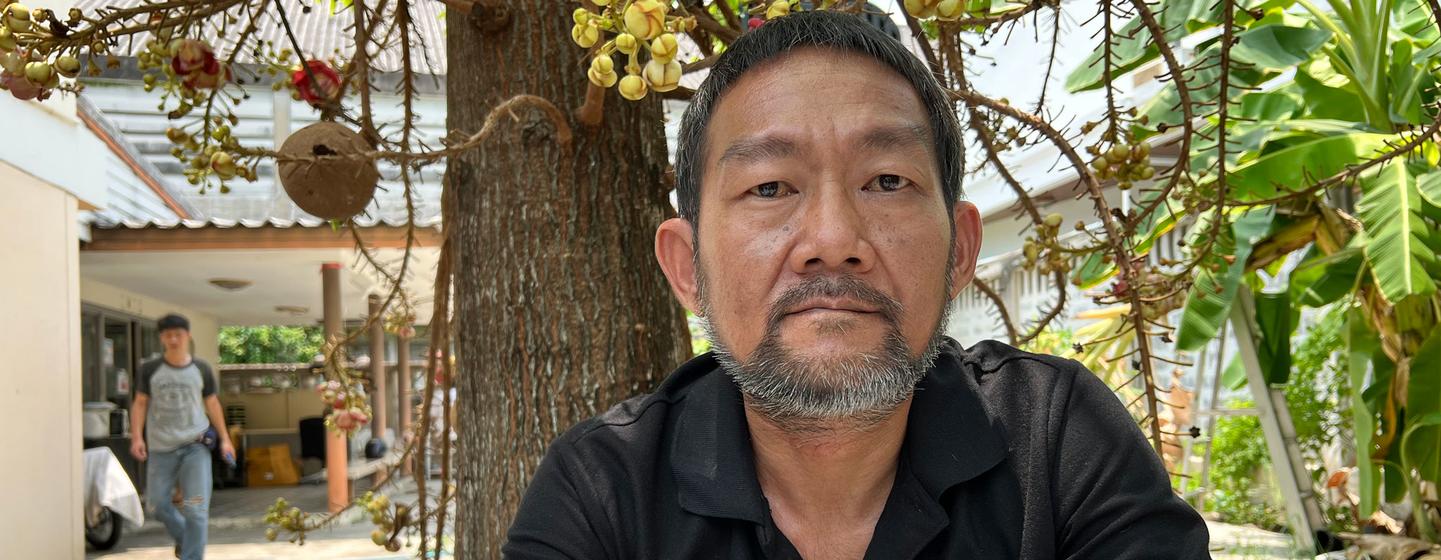
“I first started taking drugs when I was 15,” says 49-year-old Prapat Sukkeaw. “I smoked marijuana, but it was laced with heroin. I felt like I was floating, and it meant that I could forget about all the problems that I faced as a teenager. It was a beautiful feeling.”

Prapat Sukkeaw is one of an estimated 57,000 people who currently injects drugs in Thailand. His drugs of choice, marijuana and heroin, reflect a period in Thailand’s recent history when both illegal narcotics were the main stimulants being trafficked out of the storied Golden Triangle, a remote and somewhat inaccessible region which includes northern Thailand as well as Myanmar and Laos.

49-year-old Prapat Sukkeaw has used drugs since the age of 15.

UN News/Daniel Dickinson

49-year-old Prapat Sukkeaw has used drugs since the age of 15.

Employed by a non-governmental organization (NGO), he has on occasion wanted to give up heroin due to pressure from family and friends. Now, he has recognized that, even if he admits to being addicted, taking drugs “is my preference and my right”. He has now started taking the synthetic drug methamphetamine, as heroin has become progressively more expensive.

Tiếp tục đọc “Thailand: Moving from punishment to treatment of people who use drugs”

Huge increase in transnational crime and synthetic drugs in SE Asia requires cross-border cooperation

United Nations Office on Drugs and Crime

Bangkok (Thailand), 2 June 2023 – A Thai Navy launch travels at high speed down the muddy brown waters of the Mekong River close to the border town of Chiang Saen in the north of Thailand. To the right is Laos, where huge construction projects funded by foreign investment are rising out of the lush undergrowth along the riverbank and ahead to the left are the dense jungles of Myanmar.

This is the storied Golden Triangle where historically opium was grown to produce heroin for export but where, in recent years, the trade of even deadlier and more profitable synthetic drugs has taken over.

Thailand, Laos and Myanmar are at the frontlines of illicit trade in Asia dominated by transnational organized crime syndicates.

RIVER SEIZURE

UN News/Daniel Dickinson | Captain Phakorn Maniam is deployed to the Thai Navy Mekong Riverine Unit

UN News/Daniel Dickinson | Captain Phakorn Maniam is deployed to the Thai Navy Mekong Riverine Unit

RCEP- Regional Comprehensive Economic Partnership  – a boon or a bust for sustainable trade?

gtreview.com ASIA / 18-04-23 / BY ELEANOR WRAGG

As the Regional Comprehensive Economic Partnership (RCEP) machine whirrs into life and trade flows within the bloc increase, could its paucity of explicit ESG provisions lead to a lowering of sustainability ambitions for trade? Eleanor Wragg reports.

Just over a year has passed since RCEP, the world’s largest trade agreement, came into force. Covering a third of the world’s population and linking together least developed countries (LDCs) such as Laos, Cambodia and Myanmar to wealthier nations like Australia, China, South Korea and Japan, the deal promises to inject new impetus into regional integration and cement the position of ‘Factory Asia’ at the centre of the world’s supply chains.

The well-documented linkages between trade liberalisation and increased productivity, wages and employment could help some of RCEP’s poorest countries inch closer to achieving United Nations Sustainable Development Goals (SDGs) 1 – no poverty, and 8 – decent work and economic growth.

However, unlike most recent preferential trade pacts, RCEP does not contain provisions on topics such as the environment or labour rights, raising questions about the extent to which it balances economic interest with social and environmental protections.

A shot in the arm for Asian trade

Thrashed out over eight long years of painstaking negotiations between the 10 Asean member states, Australia, China, Japan, New Zealand, South Korea as well as India – which walked away from talks before they were finalised – RCEP streamlines the tangled web of bilateral trade agreements among its signatories into a bumper megadeal that spans 510 pages of agreement text and thousands upon thousands of pages of associated schedules.

Tiếp tục đọc “RCEP- Regional Comprehensive Economic Partnership  – a boon or a bust for sustainable trade?”

COP28 is a moment of truth for the oil and gas industry’s efforts on climate

IEA.org

Dr Fatih BirolDr Fatih Birol, Executive Director, International Energy AgencyCommentary — 13 May 2023

The COP28 Climate Change Conference in Dubai this year is a unique opportunity for the oil and gas industry to show it’s serious about tackling climate change.  

At a time when the impacts of climate change are increasingly being felt worldwide, oil and gas producers need to secure a new social license to operate. The world needs to see meaningful changes in the operations of both international and national oil companies, with clear and responsible strategies for bringing down their emissions rapidly.

Tiếp tục đọc “COP28 is a moment of truth for the oil and gas industry’s efforts on climate”

China’s “National Unified Market” – Standardizing the Domestic Market to Spur Internal Circulation

china-briefing.com

April 14, 2022Posted by China BriefingWritten by Arendse HuldReading Time:  10 minutes

A new set of opinions from the central government describe how China will build a “national unified market” across a wide range of sectors and fields. The national unified market will seek to break down local protectionism and market segmentation by implementing standards and regulations that are applicable countrywide and integrating infrastructure across regions to increase market efficiency, promote fair competition, and ultimately boost domestic consumption and production. The national unified market is a key implementation of China’s “dual circulation” strategy and will likely act as a catalyst for further nationwide industry standards and market regulations in the coming years.

On April 10, 2022, the Central Committee of the Communist Party of China (CCCPC) and the State Council jointly released the Opinions on Accelerating the Construction of the National Unified Market (the “opinions”). This document outlines the creation of a “national unified market” to improve standardization and consistency in the implementation of regulations across a wide range of industries in China. 

Tiếp tục đọc “China’s “National Unified Market” – Standardizing the Domestic Market to Spur Internal Circulation”

Which countries are most exposed to the EU’s proposed carbon tariffs?

resourcetrade.earth Chris Kardish, Mattia Mäder, Mary Hellmich, and Maia Hall, 20 August 2021

The European Union (EU) is moving ahead with the world’s first border tax on the carbon content of imported goods which aims to strengthen its increasingly ambitious climate targets and policies, but is attracting criticism. How would it work and which trading partners are most vulnerable to its impacts?

Steel mill in Novokuznetsk, Russia. (Sergei Bobylev\TASS via Getty Images)

Contents

The EU is accelerating its climate ambition over the coming decade to support its 2050 long-term strategy of reaching net-zero greenhouse gas (GHG) emissions. Key aspects of this acceleration include raising its emissions reduction target from 40 per cent to at least 55 per cent below 1990 levels by 2030 and implementing a sweeping set of policy changes – especially to its flagship emissions trading system (ETS) which puts a price on pollution by requiring companies to purchase allowances for their emissions.

The costs of the allowances have skyrocketed recently and now hovers around record levels of €50 per tonne of carbon dioxide equivalent or above. This is due – at least in part – to those participating in the market expecting a tighter supply of allowances as the EU increases its climate targets. Prices are expected to continue rising over the coming decade as the EU implements its ambitious climate agenda.

Tiếp tục đọc “Which countries are most exposed to the EU’s proposed carbon tariffs?”

ATLAS of SDGs – Sustainable Development Goals 2023

datatopics.worldbank.org

The Atlas of Sustainable Development Goals 2023 presents interactive storytelling and data visualizations about the 17 Sustainable Development Goals. It highlights trends for selected targets within each goal and introduces concepts about how some SDGs are measured.

Explore stories for the 17 SDGs

The Atlas draws from the World Bank’s World Development Indicators database, as well as from a wide variety of relevant data sources, including international organizations, scientists, and other researchers worldwide.

We hope readers will find this fourth edition in the Atlas series engaging and informative, and will be inspired to discover, understand, and visualize progress towards achieving the SDGs, adopted by all member states of the United Nations in 2015.

Tự Lực Văn Đoàn, hay sống bằng ngòi bút trong kỳ loạn lạc – The Life, Death and Legacy of 7 Pillars of Vietnam’s Quốc Ngữ Literary Wealth

Read this article in English

Saigoneer.com Thứ sáu, 27 Tháng 5 2022. Viết bởi Linh Phạm. Ảnh bìa: Phan Nhi.

Trích or Triết là series về những danh nhân vang bóng một thời trong giới nghệ thuật và văn đàn Việt Nam. Các tác phẩm của họ đã để để lại những bài học mang giá trị xuyên thế kỷ về nhiều vấn đề xã hội hãy còn là nỗi nhức nhối ngày nay.Hồi mới bập bẹ vào nghề viết, tôi tự thấy vốn liếng quốc ngữ của mình còn nhiều khiếm khuyết. Vốn từ tiếng Anh tôi chủ yếu đến từ sách vở, nên để tự trau dồi tiếng Việt, tôi nghĩ cứ phải bắt đầu từ một cuốn sách bất kỳ. Mắt tôi dừng ở quyển Hà Nội Băm Sáu Phố Phường của Thạch Lam. Cuốn này đã ở trên giá sách nhà tôi lâu lắm rồi, hôm nay mới là lần đầu tiên tôi được lướt trên những câu chữ trong đấy.

Còn chưa vào đến câu nào của Thạch Lam, mới đọc lời tựa sách của Khái Hưng thôi, mà nước mắt tôi đã lã chã rơi. Một phần vì giọng văn hay quá, lối viết gãy gọn, gần gũi, mà lại rất đỗi thâm thúy. Phần khác tôi bị xúc động vì họ, những người tôi coi là đồng nghiệp, đã vạch ra một đường hướng văn chương mà tôi có thể theo đuổi suốt cuộc đời.

Logo của nhóm Tự Lực Văn Đoàn.

Thạch Lam và Khái Hưng thuộc Tự Lực Văn Đoàn, một nhóm các cây viết từ thời Pháp thuộc, được thành lập với mục đích “làm giầu thêm văn sản trong nước.” Từ chỗ mê lời văn của các anh, tôi bị cuốn vào câu chuyện của Tự Lực. Một câu chuyện không chỉ về việc viết văn, làm báo, mà còn về vận mệnh của cả một đất nước. Một câu chuyện mà những bi thương trong đó vẫn còn văng vẳng tới tận bây giờ.

“Câu chuyện về Tự Lực Văn Đoàn là cả một cái mâu thuẫn lớn của xã hội Việt Nam,” bác Nguyễn Đình Huynh nói. Nghiên cứu về nhóm Tự Lực đã hơn nửa thế kỷ, bác nhận thấy một kết nối khó tả với ba người đồng hương trong nhóm Tự Lực — ba anh em ruột — Thạch Lam, Hoàng Đạo, và Nhất Linh.

Tiếp tục đọc “Tự Lực Văn Đoàn, hay sống bằng ngòi bút trong kỳ loạn lạc – The Life, Death and Legacy of 7 Pillars of Vietnam’s Quốc Ngữ Literary Wealth”