I'm from Hanoi, Viet Nam.
I'm an author of Dot Chuoi Non (dotchuoinon.com/author/hangbelu/), a blog on Positive thinking, founded by Dr. Tran Dinh Hoanh, an attorney in Washington DC.
I'm a co-founder of Conversations on Vietnam Development - cvdvn.net, a virtual think tank. I am a co-founder of two companies in Viet Nam working on children education services. I advise companies on STEAM education, English language education for children and students in Vietnam.
I'm studying the Buddha's teaching and the teaching of Jesus. I practice mindful living including meditation.
I hold a PhD on Sustainable Energy Systems from University of Lisbon and Aalto University.
I graduated from Hanoi University of Technology on Environmental Engineering. I obtained a Master degree of the same major from Stanford University and Nanyang Technological University.
My English-language blog at: hangbelu.wordpress/.
I play table tennis as a hobby.
Studied Countries: Vietnam, Benin, Brazil, Cambodia, the Dominican Republic, El Salvador, the Philippines, Togo, Uganda
Groundbreaking research from Plan International that has documented girls from birth for eighteen years reveals that globally, girls’ lives have improved significantly over the past two decades but identifies these gains are now at risk with the next wave of challenges approaching.
With improved access to education, girls are dreaming bigger and new laws protecting them from child marriage means they have broader choices in shaping their futures. But significant barriers – including widespread gender-based violence and the ever-worsening impacts of climate change – still stand in the way of equality.
Năm 2025, được ghi nhận là một trong những năm đặc biệt, có diễn biến thiên tai cực đoan, đặt ra áp lực lớn đối với công tác chỉ đạo, điều hành. Tuy nhiên, nhờ cách làm mới, chuyển từ ứng phó sự vụ sang chiến lược dài hạn; lấy khoa học công nghệ, chuyển đổi số làm nền tảng, đã giúp giảm đáng kể tác hại do thiên tai gây ra.
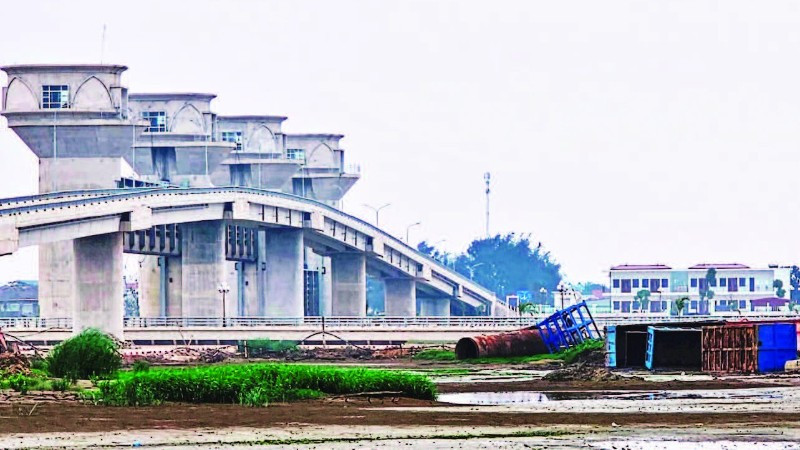
Đập ngăn mặn, trữ ngọt trên sông Lèn, phục vụ sản xuất, đời sống nhân dân các địa phương phía đông bắc tỉnh Thanh Hóa. (Ảnh: MAI LUẬN)
Theo Cục trưởng Cục Quản lý đê điều và Phòng, chống thiên tai (Bộ Nông nghiệp và Môi trường) Phạm Đức Luận: Tại Việt Nam, trong năm 2025, thiên tai đã gây ra những con số thiệt hại lớn, với 468 người chết và mất tích, 741 người bị thương, thiệt hại kinh tế ước tính gần 98.700 tỷ đồng. Đó không chỉ là tổn thất về vật chất, mà còn là những hệ lụy lâu dài đối với đời sống và sinh kế của hàng triệu người dân. Trong năm, đã chứng kiến những cơn bão chồng bão, mưa lớn vượt ngưỡng kỷ lục, sạt lở đất kinh hoàng xảy ra ở nhiều vùng, miền… Trong bối cảnh đó, song song với ứng phó, công tác phòng ngừa và kiểm soát rủi ro thiên tai được đặc biệt chú trọng. Cục Quản lý đê điều và Phòng, chống thiên tai đã tham mưu hoàn thiện cơ chế chỉ đạo phòng, chống thiên tai, không để gián đoạn trong giai đoạn cả nước kiện toàn tổ chức vận hành theo mô hình chính quyền địa phương 2 cấp.
Sino-Russian Arctic cooperation is real but limited – and should not distract from the broader strategic challenges each country poses individually. While the partnership merits attention, some aspects are more symbolic than substantive, with Russia ultimately controlling the pace and direction.
Media narratives often highlight the growing alignment between China and Russia in the Arctic and the potential threat this poses to other states. Yet the partnership remains constrained by diverging priorities, Russia’s wariness of Chinese influence, and China’s reluctance to expose itself to sanctions or engage in risky ventures.
At the same time Russia’s increasing dependence on China since its full-scale invasion of Ukraine in 2022 has given Beijing opportunities to pursue deeper access to the Russian Arctic on its own terms and in areas that align with its long-term objectives. Rather than engaging broadly, China is selective in how and where it invests or participates – a dynamic that could intensify underlying frictions between the two even as global geopolitical shifts continue to draw them closer in the region.
Global warming is heating up the Arctic, and global powers like the United States, Russia and China are manoeuvring to stake a claim to the resources under its melting ice. Some experts say the region, once known as an exception – an island of international cooperation in the midst of geopolitical struggles – is becoming the site of a second cold war.
The Arctic may seem like a frozen and desolate environment where nothing ever changes. But the climate of this unique and remote region can be both an early indicator of the climate of the rest of the Earth and a driver for weather patterns across the globe. William Chapman explains why scientists often describe the Arctic as the “canary in the coal mine” when it comes to climate change
Jul 30, 2025 #AJStartHere #CubanMissileCrisis #IsraelIranTensions Israel and the US – both nuclear-armed states – recently attacked Iran. They said it was to prevent Iran getting a nuclear weapon, something Iran denies it’s trying to do. What determines which countries can, and can’t, have nuclear weapons? And are we seeing a new nuclear race?
Chapters: 01:09 – How the Cuban Missile Crisis led to a new nuclear order. 01:58 – The Nuclear Non-Proliferation Treaty (NPT) and the nine nuclear-armed states. 04:49 – The key factors that affect a country’s calculation on nukes. 05:47 – Security: do nuclear weapons make a country more, or less, safe? 07:22 – The US nuclear umbrella – can it still be trusted? 08:10 – Do nuclear weapons enhance a country’s status? 09:40 – What’s going on with Iran? 14:32 – Who gets to police the global nuclear order? 14:52 – How the nine nuclear-armed states are increasing their spending on nukes.
Giả mạo sinh học trong nông nghiệp được các nhà khoa học định nghĩa là hiện tượng ăn cắp tri thức truyền thống, đa dạng sinh học và nguồn gen thuộc về cộng đồng bản địa ở lãnh thổ A để xác lập quyền độc quyền hợp pháp dưới dạng sáng chế (pa-tăng) ở lãnh thổ B với chủ ý lấy tên gốc ban đầu của giống cây trồng đã biết.
Chống giả mạo sinh học vì thế được xem là cuộc chiến cam go mà nông sản Việt có thể sẽ phải đối mặt trong thời gian tới.
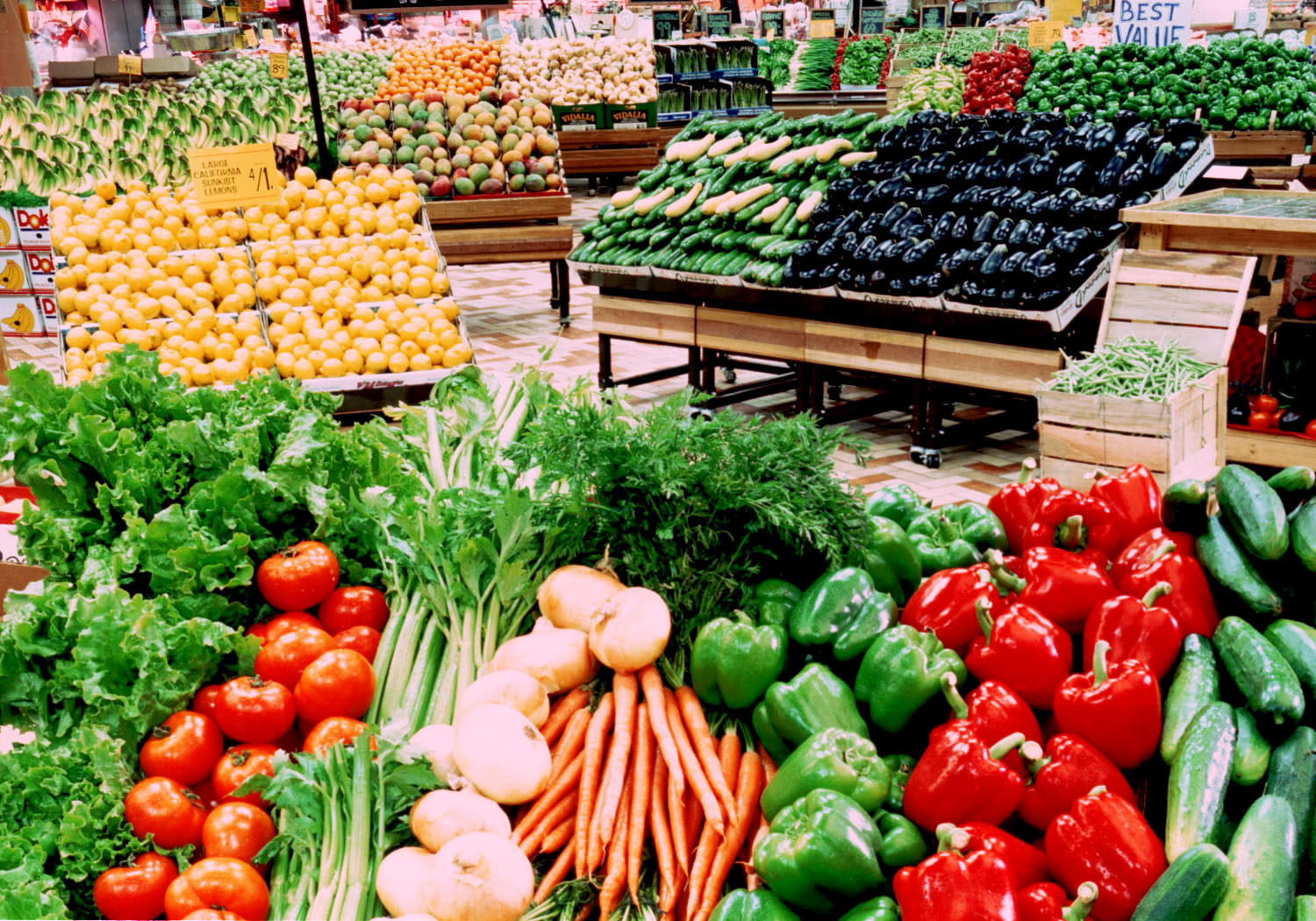
Ảnh minh họa
MẠO DANH THƯƠNG HIỆU NÔNG SẢN ĐẾN MẠO DANH SINH HỌC
Năm 2018, bà con nông dân ở huyện đảo Lý Sơn đã phải lên tiếng bày tỏ quan ngại sâu sắc về việc nhiều tiểu thương, doanh nghiệp mạo danh tỏi Lý Sơn. Điều này được xem là “ảnh hưởng nghiêm trọng” đến danh tiếng đặc sản nổi tiếng của Lý Sơn, một loại tỏi có hương vị cay dịu nhẹ chứ không cay nồng như các loại tỏi khác được trồng ở 3 xã An Bình, An Hải và An Vĩnh thuộc huyện đảo Lý Sơn, tỉnh Quảng Ngãi. Vì thế, sau rất nhiều nỗ lực, ngày 29/6/2020, tỏi Lý Sơn chính thức được bảo hộ dưới hình thức chỉ dẫn địa lý theo Quyết định 2421/QĐ-SHTT của Cục trưởng Cục Sở hữu trí tuệ.
Medicines and cosmetics use substances derived from nature. But Bioprospecting can turn into biopiracy. More and more companies are patenting natural ingredients making billions. It can come at a cost to the environment and traditional communities living in biodiversity-rich regions.
There are tankers that exploit gaps in international law by fraudulently registering under flags of convenience or assuming false identities to avoid enforcement. Indeed, approximately 100+ false-flagged tankers now operate with limited scrutiny in critical regions like the Indian Ocean and South China Sea, bringing new impetus to the questions for coastal states: do they have the legal right to act, and should they exercise that right?
What happens when the river that feeds 70 million people is pushed to the brink?
The Mekong River runs over 5,000 km and across 6 countries: China, Burma, Laos, Thailand, Cambodia, and Vietnam, where it ends with its famous delta.
For hundreds of years, it has provided shelter, food, and all kinds of natural resources to over 60 million people who lived in harmony with the generous mother of all rivers. However, with the rapid growth that South East Asia is experiencing, as witnessed by the ever-increasing constructions and economic development projects, the fragile balance of communities living by and from its waters is at stake.
Facing a threat as well as an opportunity, the future of the Mekong lies in the diversity of its cultures and the beauty of its landscapes, shaped both by the river and its inhabitants.
00:00 – Introduction: Mother of All Rivers 01:33 – Laos: Boatmakers & River Traditions 06:57 – Prosperity and Struggles Along the Mekong 08:33 – Food, Insects & Rice: Life by the River 15:49 – Giant Fish and Ancient Conflicts 22:36 – Cambodia: The Mekong and Tonle Sap Lake 29:35 – Cambodia’s Dependence on the River 35:28 – Vietnam’s Mekong Delta: Nine Dragons of Asia 43:19 – Floating Markets & Rice Harvests 46:09 – Shrimp Farms and Environmental Challenges 50:55 – The Mekong’s Fragile Future
Vietnam is often portrayed as losing influence in Laos and Cambodia to China. But the construction of key infrastructure gives Hanoi some measure of agency.
Vietnam is often portrayed as steadily losing its traditional influence in neighbouring Laos and Cambodia to China. Such assessments overlook an emerging dimension of Hanoi’s statecraft: by building critical infrastructure along its southwestern coast and granting Laos maritime access, Hanoi is transforming its coastline into strategic leverage to counter regional power shifts and consolidate its geopolitical footprint.
Laos – the only country having “special relations” with Vietnam, rooted in shared revolutionary history and deep political trust – has long relied on overland routes to Thailand and the Chinese-built Kunming-Vientiane high-speed train. This has improved connectivity across its mountainous terrain and boosted trade with China, but saddled Vientiane with heavy debts.
Vietnam offers a cheaper alternative: providing direct maritime access to help Laos overcome its landlocked geography. Since 2001, Vung Ang Port in Ha Tinh province — the nearest major port to the Vietnam-Laos border — has been developed with three berths, granting Laos not just access but substantive control. Through the Lao-Viet International Port Company, the Lao government has expanded its stake from 20 per cent to 60 per cent, securing management rights and development priority over the port.
With a designed throughput exceeding 6.5 million tonnes per year, Vung Ang is becoming an important maritime outlet for Laos, handling its minerals exports and other bulk commodities, as well as cargo from northeastern Thailand. The 585km Vientiane-Vung Ang corridor is approximately 200km shorter than the route via Bangkok to Thailand’s Laem Chabang port, saving transport time and logistics costs. Both countries are discussing upgrades to rail and road connectivity along this axis, including the proposed Vientiane-Vung Ang railway and Vientiane-Hanoi expressway.
chinadaily.com By Kerry Brown,Zhang Li and Ivona Rajevac | China Daily | Updated: 2026-02-09 07:32
MA XUEJING/CHINA DAILY
Editor’s note: The Institute of European Studies of the Chinese Academy of Social Sciences released a survey report in Beijing on Feb 4 examining European youth’s perceptions of China and China-EU relations. The report is based on a large-scale survey of nearly 20,000 respondents conducted across 36 European countries. Scholars and policy experts discussed the findings at the briefing. Below are excerpts of the remarks by three of the experts.
Opening their eyes to the real China
Europe stands at a critical juncture in evaluating its stance toward China, especially as the global geopolitical landscape grows increasingly complex in 2026. The survey findings reveal a nuanced mosaic of attitudes. Young Europeans, in particular, are engaging with China not merely through an ideological lens but by examining its tangible economic, technological and social footprint. This growing sophistication reflects both the accessibility of information through digital platforms and the lived realities of globalization, where China’s influence touches supply chains, consumer goods, education and technology.
The perception of China as a significant player in global technology is gaining traction. For European youth, understanding China is no longer a simple matter of curiosity; it is increasingly about engaging with a country that is transforming before their eyes. Long-held notions of China as a technologically backward or peripheral actor are rapidly fading. China’s investments in research and development now far exceed those of the United Kingdom, many European countries, and even the European Union in aggregate. In the 15th Five-Year Plan (2026-30) period, China is set to strengthen its capabilities in life sciences, pharmaceuticals, healthcare and other critical sectors.
From violent westward expansion to interwar isolationism to ruinous military interventions, discover which U.S. foreign policy decisions left the most tarnished legacies.
From securing America’s sovereignty to expanding its continental reach to creating the post-World War II institutions that ushered in unprecedented peace and prosperity, discover which U.S. foreign policy decisions left the most positive legacies.
Chinese-language crypto networks moved $16.1 billion in illicit funds, about 20% of the global crypto crime market.
Telegram “guarantee” platforms act as key hubs linking launderers, criminals and sanctioned actors.
Southeast Asia has become a base for these networks as China tightens enforcement.
Amber Casino and former scam center, owned by Chen Zhi, a Chinese businessman who was deported to China, is seen in Sihanoukville, Cambodia, on Jan. 18, 2026.
Anadolu | Anadolu | Getty Images
Chinese-language money laundering networks funneled an estimated $16.1 billion in illicit funds through cryptocurrency transactions in 2025, according to a report released Tuesday by blockchain data analysis firm Chainalysis.
These networks, known as CLMNs, accounted for roughly one-fifth of the illicit cryptocurrency ecosystem in 2025, which Chainalysis valued at over $82 billion.
The criminal networks primarily operate through various channels and chat groups on the messaging platform Telegram, where launderers advertise their services to prospective customers. These postings often include pictures showing heaps of cash and public testimonials as proof of liquidity and service quality, according to the report.
These Telegram-based channels, known as “guarantee” platforms, function as marketing hubs or informal escrow services that connect vendors with prospective clients. While the platforms do not control the underlying transactions, Chainalysis said they are the main conduits through which illicit deals are arranged.
At a time when other popular parts of Asia are struggling with dwindling tourist numbers, how is Vietnam hitting record numbers of visitors?
Vietnam has kicked off the new tourism year by shattering records. According to the national tourism authority, VNAT, almost 2.5 million international visitors arrived in January – the highest number ever recorded in a single month and an 18.5 per cent jump over the previous year.
While these figures represent an economic triumph, they also highlight a shifting geopolitical map.
Travellers are increasingly bypassing the smouldering border disputes between Thailand and Cambodia in favour of the relative stability found in Hanoi and Ho Chi Minh City. However, this new-found “stability” brings its own set of growing pains.
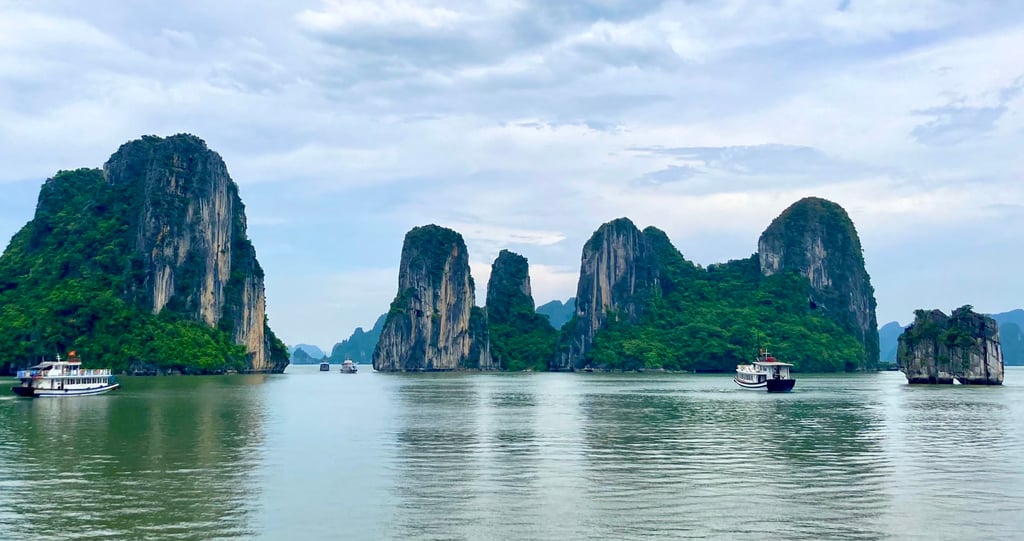
Tourist boats sail through the world-famous waterscape of Halong Bay. Photo: dpa
This surge is being driven by a diversifying demographic.
While most visitors still hail from within Asia, European arrivals are climbing significantly. VNAT credits this boom to eased visa rules – such as the 45-day visa-free stay for German citizens – alongside a rise in direct international flights and Vietnam’s growing reputation as a premier long-haul winter escape.