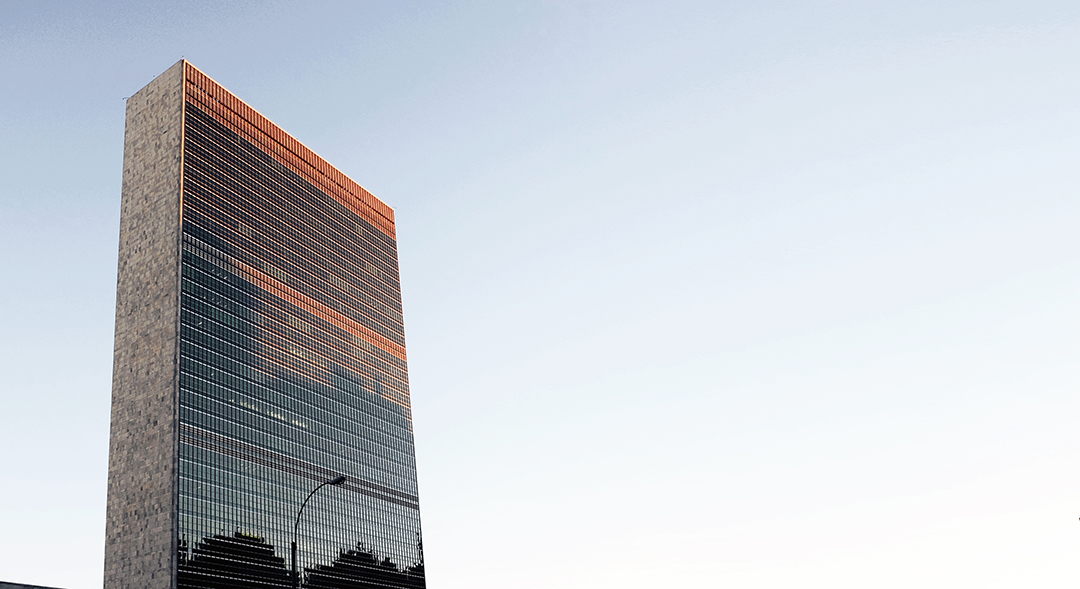
The next meeting of a United Nations working group debating options for reforming investor–state dispute settlement (ISDS) will take place in New York from April 1 to 5.
Two years into the process, it remains unclear whether this work will lead to the desired reforms or what shape these changes may ultimately take.
Meanwhile, countries remain frustrated with the current system, and have extensively voiced their concerns in the ongoing multilateral ISDS reform discussions being held under the Working Group III process within the United Nations Commission on International Trade Law (UNCITRAL). Tiếp tục đọc “Investor–State Dispute Settlement Reform Talks Resume at UNCITRAL”