Chừng nào vẫn còn khoảng trống chính sách về quyền kiểm soát dữ liệu, chừng đó các cơ quan nhà nước vẫn chưa chú trọng nghĩa vụ – trách nhiệm của mình đối với dữ liệu cá nhân của người dân.
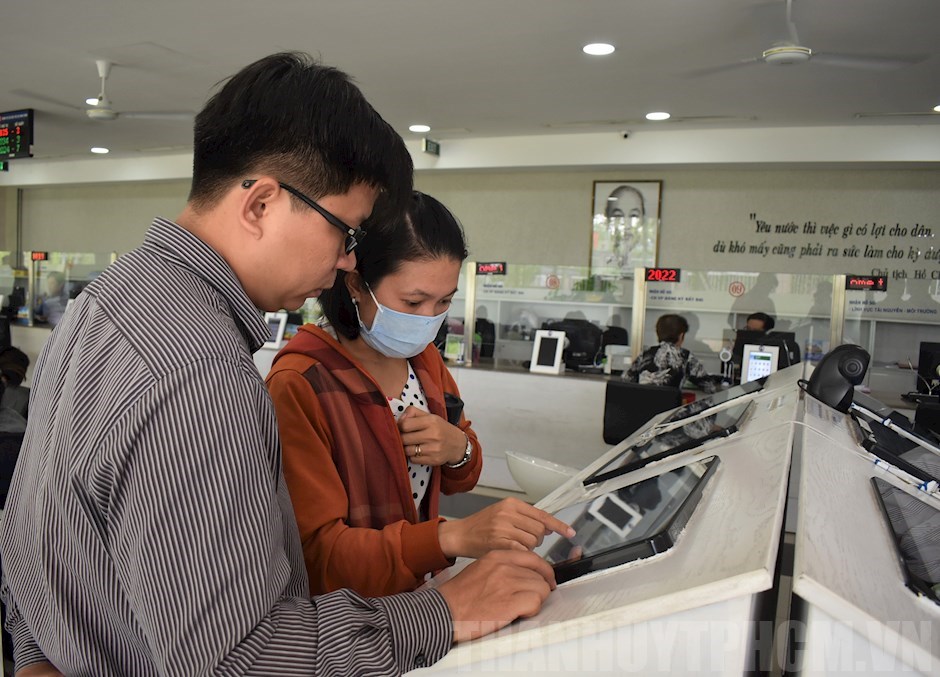
Người dân làm các thủ tục qua cổng dịch vụ công ở TP. Hồ Chí Minh. Ảnh: Thành ủy TP. Hồ Chí Minh.
Vào năm 2020, tỉnh Đồng Tháp thông báo rằng có hiện tượng sử dụng không đúng mục đích thông tin cá nhân của người dân phản ánh kiến nghị qua tổng đài 1022 – nơi để người dân phản ánh, góp ý, kiến nghị về hiệu quả dịch vụ công, tiếp cận thông tin, chính sách của tỉnh. Điều này không chỉ ảnh hưởng đến người dân phản ánh, kiến nghị mà còn cả quá trình tương tác với người dân của tỉnh.
Trong khi Chính phủ Việt Nam nỗ lực ngăn ngừa các đơn vị tư nhân lạm dụng khai thác dữ liệu cá nhân thì dường như lại quên nhìn lại chính mình – các đơn vị nhà nước trong việc sử dụng và quản lý các dữ liệu cá nhân của người dân. Tiếp tục đọc “Bảo vệ dữ liệu cá nhân: Cơ quan nhà nước cần làm gương”→
Cơ chế mua điện trực tiếp đang được trông đợi có thể đem lại một thị trường điện bền vững cho Việt Nam?
Nhà máy LEGO bền vững nhất thế giới sắp được xây dựng tại Bình Dương. Ảnh: Lego
Tháng 3/2022 vừa qua, Tập đoàn đồ chơi LEGO (Đan Mạch) đã tuyên bố một tin vui đối với Việt Nam sau bầu không khí u ám của đại dịch COVID-19 vừa đi qua: họ sẽ khởi công xây dựng một nhà máy trị giá 1,3 tỉ USD tại Bình Dương và đây cũng là dự án có số vốn lớn nhất của nhà đầu tư Đan Mạch tại Việt Nam. Điều đặc biệt, Phó Chủ tịch LEGO Preben Elnef nói rằng đây là nhà máy bền vững nhất của tập đoàn này trên thế giới và hoàn toàn trung hòa về mặt carbon.
Nhưng mong ước đó sẽ không thể thực hiện được nếu nhà máy này không sử dụng 100% năng lượng tái tạo. Sau tuyên bố trên không lâu, đại diện LEGO đã gặp Bộ trưởng Bộ Công thương để đề xuất có cơ chế mua điện trực tiếp từ các nhà sản xuất điện năng lượng tái tạo – gọi tắt là DPPA.
Sam Bankman-Fried speaks onstage at a charity event on June 23 in New York City.
NOVEMBER 11, 2022, 1:22 PM
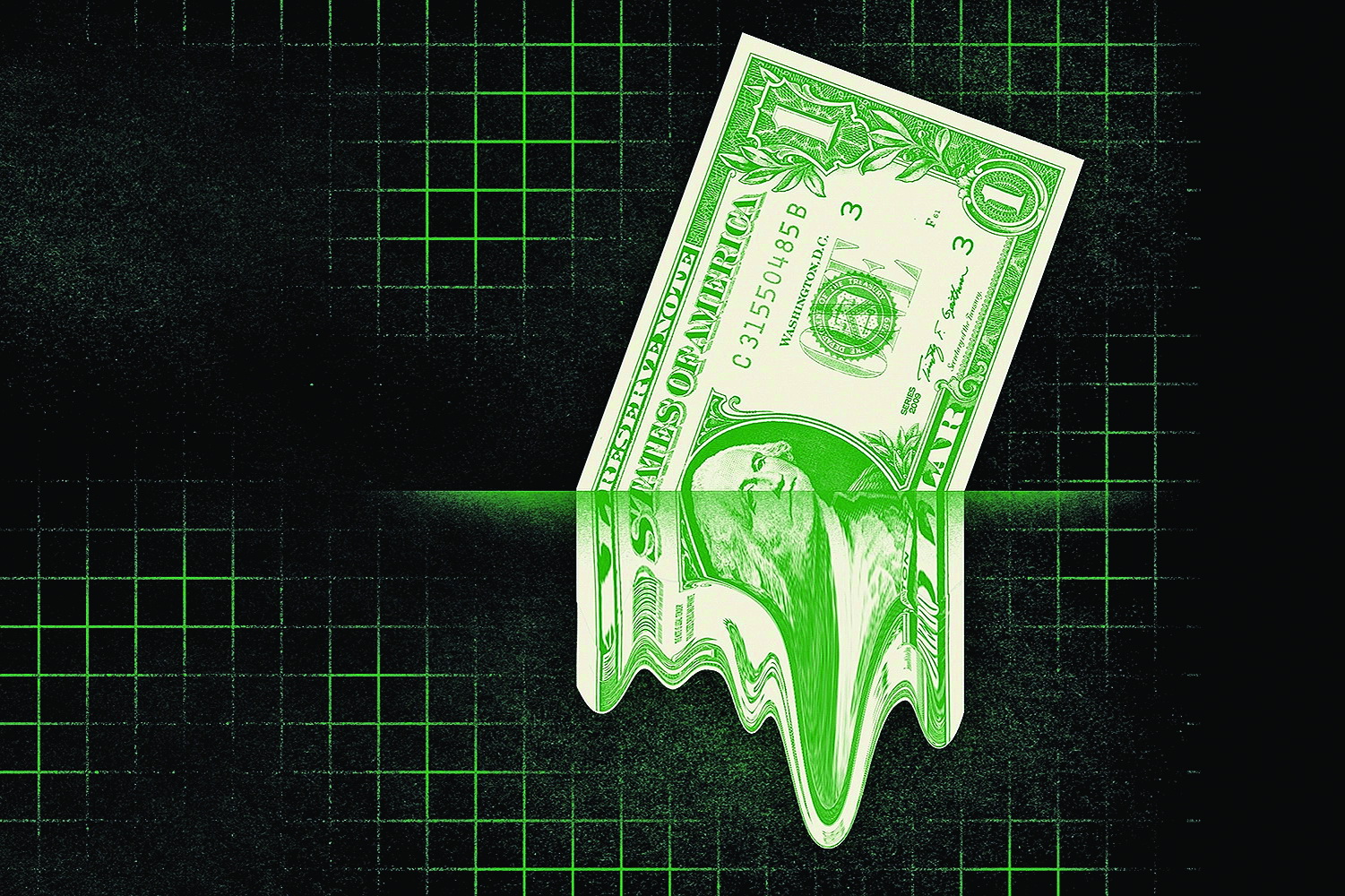
Cryptocurrency has a serious problem: The party’s over. Fresh dollars from naive retail buyers aren’t coming in anymore after the crashes in May and June, despite a round of advertising during the Super Bowl in February reaching every consumer in the United States. Without those fresh dollars, the holders can’t cash out.
Crypto trading firms hold large piles of assets whose “market cap”—their alleged mark-to-market value—supposedly adds up to a trillion dollars. But this number is unrealizable nonsense because the actual dollars just aren’t there. Everyone in the system knows it. What to do?
The regulated U.S.-based exchanges are just the cashier’s desk for the wider crypto casino. The real trading action, as well as price discovery, is on the unregulated offshore exchanges. These include Binance, OKX, and Huobi. Until Tuesday, Nov. 8, they also included Sam Bankman-Fried’s FTX, which cut off customer withdrawals around 11:37 a.m. UTC on Nov. 8 and then revealed around 4 p.m. UTC that it was suffering a “liquidity crisis.” FTX is just the latest casualty in a series of collapses that began with Terraform Labs’s UST stablecoin; that took out Celsius Network, Voyager Digital, and many other crypto trading firms; and that is now gradually driving the price and trading volume of cryptocurrencies to what they should be: zero.
FTX desperately sought more funding, but to no avail; at press time, FTX had been shut down by its Bahamian regulator and put into liquidation, as well as was filing for bankruptcy in the United States and Bankman-Fried has resigned as CEO. But the fall of FTX has been particularly remarkable in part because its founder was unusually feted.
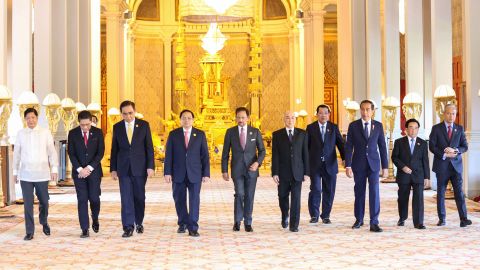
Leaders of Southeast Asian nations make courtesy call to Cambodia’s king before a summit in Phnom Penh on November 10, 2022.Khem Sovannara/AFP/Getty Images
Editor’s Note: A version of this story appeared in CNN’s Meanwhile in China newsletter, a three-times-a-week update exploring what you need to know about the country’s rise and how it impacts the world. Sign up here.
World leaders are converging in Phnom Penh this weekend for the first in a series of international summits in Southeast Asia over the coming week, where divisions between major powers and conflict threaten to overshadow talks.
The first stop is the Cambodian capital where leaders from across the Indo-Pacific will meet alongside a summit of Association of Southeast Asian Nations (ASEAN) leaders, followed next week by a meeting of the Group of 20 (G20) leaders in Bali and of the Asia-Pacific Economic Cooperation forum in Bangkok.
TTCT – Sau gần 10 năm, cuộc đua trong lĩnh vực phát triển và sản xuất chip bán dẫn của Trung Quốc đã thành bại ra sao
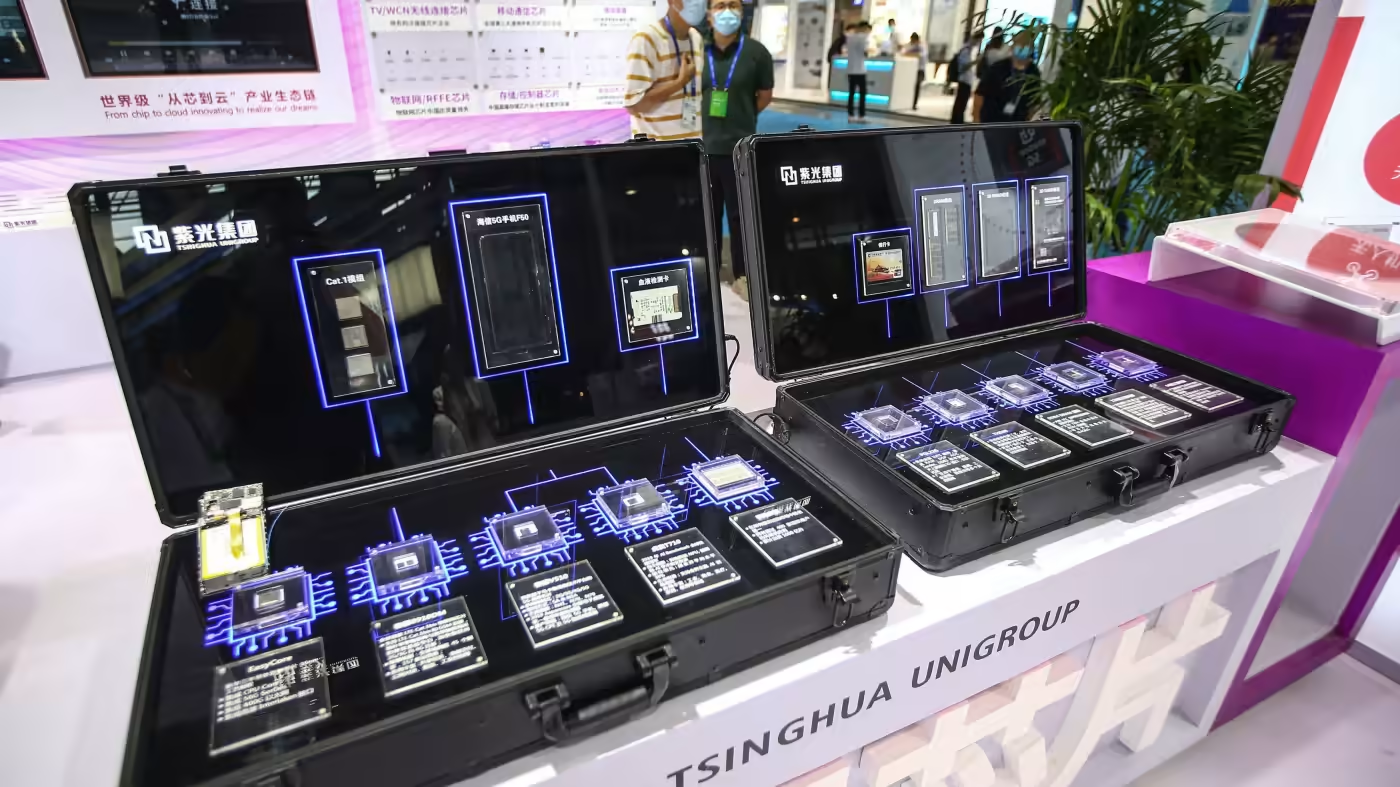
Triển lãm chip của Tsinghua Unigroup. Ảnh: AFP
Sau gần 10 năm, cuộc đua trong lĩnh vực phát triển và sản xuất chip bán dẫn của Trung Quốc đã thành bại ra sao, và con đường sắp tới sẽ thế nào, khi Tổng bí thư Tập Cận Bình lại vừa kêu gọi đất nước của ông “phải giành chiến thắng trong cuộc chiến công nghệ cốt lõi”?
Năm 2020, Trung Quốc chi 350 tỉ USD cho nhập khẩu chip bán dẫn, trong khi tiền nhập dầu mỏ chỉ có 200 tỉ USD, theo số liệu hải quan.
Việc Trung Quốc, vốn cung cấp cho thế giới hầu như tất cả các mặt hàng từ lao động thủ công rẻ tiền cho đến cả các mặt hàng công nghệ cao, là nước nhập khẩu dầu mỏ và nhiên liệu lớn nhất thế giới không có gì lạ.
Song phải chi nhập chip nhiều hơn mua dầu thì đáng chú ý, nhất là khi tính đến 2021 các chính sách chạy đua trong lĩnh vực phát triển và sản xuất chip của nước này đã đi được hơn 7 năm.
TTCT – Cho đến tận cuối tháng 9, truyền thông chính thống vẫn liên tục đưa ra những thông tin lạc quan về bức tranh toàn cảnh nền kinh tế đất nước: tốc độ tăng trưởng ấn tượng, lạm phát tiếp tục được kiềm chế, tỉ giá ổn định…
Cho đến tận cuối tháng 9, truyền thông chính thống vẫn liên tục đưa ra những thông tin lạc quan về bức tranh toàn cảnh nền kinh tế đất nước: tốc độ tăng trưởng ấn tượng, lạm phát tiếp tục được kiềm chế, tỉ giá ổn định… kèm những nhận xét có cánh của các kinh tế gia, các tổ chức tài chính quốc tế về niềm tin vào sự ổn định vĩ mô, thậm chí là sự ngược dòng ngoạn mục so với xu thế chung của kinh tế thế giới.
Ảnh: imf.org
Đột nhiên, cũng từ truyền thông, các chỉ số vĩ mô và niềm tin thị trường quay đầu trong tháng 10. Từ việc điều hành giá xăng dầu kém hiệu quả của Bộ Công Thương đến “quả bom” trái phiếu doanh nghiệp mà giờ hẹn nổ đang lơ lửng ở tương lai rất gần, rồi đỉnh điểm là chỉ số VN-Index rời mốc 1.000 điểm… phản ánh niềm tin của giới đầu tư vào sự ổn định của nền kinh tế xuống dốc không phanh.
The sight of street-side hawkers of gasoline has returned to Hanoi and Ho Chi Minh City after several decades, as gas stations continue to report shortages.
A fuel station on Thuy Khue Road in Hanoi’s Tay Ho District has put up a sign that reads “waiting for inventory.” Residents have to look elsewhere to fuel their vehicles.
Near a fuel station on Yen Phu Road in the capital city, a man pours gasoline into containers to sell at VND25,000-30,000 ($1.01-1.21) per liter, 10-32% higher than retail prices at gas stations.
VNE – By Phan Duong November 6, 2022 | 07:53 pm GMT+7
Two boys the northern Thanh Hoa Province in 2019. Photo by VnExpress/P.D
Bich Thao and her husband are still trying to get a son after seven years and five in vitro fertilization attempts despite knowing sex selection is illegal.
The couple, both 34 and from the northern Vinh Phuc Province, say they have been unlucky in that all five IVF attempts failed either to faulty embryos or a faulty Y (male) chromosome.
Thao married her husband in 2010 and their first child was a girl. With her husband being the oldest son, the expectation is that she, too, will produce a male heir.
Arbitral hubs and institutions in Asia have reached new heights in terms of their growth and popularity, achieving stellar global rankings and an ever-growing number of case filings. Arbitration’s popularity in Asia has been augmented by the generally pro-arbitration stance taken by the countries in the region. This chapter examines recent developments in Singapore and other parts of Asia, tracking the continued growth and overall maturation of Asia’s arbitration scene.
Discussion points
The growing profile of the arbitral seats and institutions in Asia
Steps taken by arbitral institutions to enhance and update their rules to compete with other international arbitral institutions
Pro-arbitration stance of jurisdictions across the region, including support for the arbitral process and the enforcement of arbitral awards
Referenced in this article
Bloomberry Resorts and Hotels Inc and another v Global Gaming Philippines LLC and another ([2021] SGCA 9)
CAJ and another v CAI and another appeal ([2021] SGCA 102)
CKG v CKH ([2021] SGHC(I) 5)
CNX v CNY ([2022] SGHC 53)
National Oilwell Varco Norway AS (formerly known as Hydralift AS) v Keppel FELS Ltd (formerly known as Far East Levingston Shipbuilding Ltd) ([2022] SGCA 24)
Phoenixfin Pte Ltd and others v Convexity Ltd ([2022] SGCA 17)
The ‘Navios Koyo’ ([2021] SGCA 99)
Westbridge Ventures II Investment Holdings v Anupam Mittal ([2021] SGHC 244)
Arbitral hubs and institutions in Asia have reached new heights in terms of their growth and popularity. In the 2021 Queen Mary University of London and White & Case International Arbitration Survey (the QMUL Survey),[1] Singapore and Hong Kong ranked first and third respectively as the most popular arbitral seats in the world. This marks a first for Singapore, and it shares its position with London – a global powerhouse in the field. Singapore was also named the most preferred seat in the Asia-Pacific, and, along with Hong Kong, ranked in the top-five most preferred seats in all regions.
Republish our articles for free, online or in print, under Creative Commons licence.
As world leaders assemble for the United Nations climate change conference (COP27) in Egypt, it’s hard to be optimistic the talks will generate any radical departure from the inexorable rise in global carbon emissions over the past two centuries.
After all, before last year’s Glasgow talks, experts warned the summit was the world’s last chance to limit global warming to 1.5℃ this century. And yet, a UN report last week found even if all nations meet their climate goals this decade, the planet would still heat by a catastrophic 2.5℃.
Bethany TietjenResearch fellow in climate policy, The Fletcher School, Tufts University
Disclosure statement
Bethany Tietjen does not work for, consult, own shares in or receive funding from any company or organisation that would benefit from this article, and has disclosed no relevant affiliations beyond their academic appointment.
Partners
Tufts University provides funding as a founding partner of The Conversation US.
Republish our articles for free, online or in print, under Creative Commons licence.
You may be hearing the phrase “loss and damage” in the coming weeks as government leaders meet in Egypt for the 2022 U.N. Climate Change Conference.
It refers to the costs, both economic and physical, that developing countries are facing from climate change impacts. Many of the world’s most climate-vulnerable countries have done little to cause climate change, yet they are experiencing extreme heat waves, floods and other climate-related disasters. They want wealthier nations – historically the biggest sources of greenhouse gas emissions – to pay for the harm.
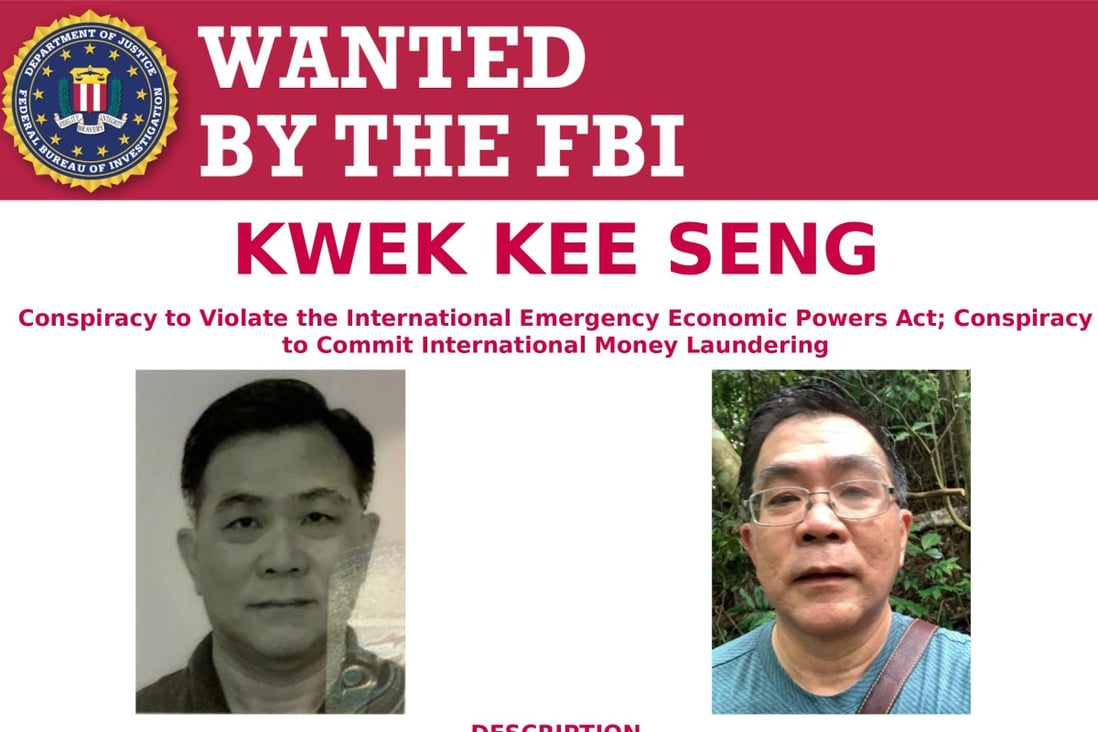
US State Department on Thursday offered US$5 million for information on Kwek Kee Seng, blaming him for numerous fuel deliveries to North KoreaReward comes as the US urges strict enforcement of UN sanctions on North Korea after it launched a volley of missiles
FBI wanted poster for Kwek Kee Seng. Photo: FBI via AP
A Singaporean businessman wanted by the United States for violating sanctions on North Korea is currently in the city state where he is under investigation, the Singapore police said.
In a statement issued late on Saturday, the Singapore Police Force (SPF) said they have sought clarification from their US counterparts over the reward as they have kept them informed about the ongoing probe by local authorities.
TTCT – Tổng nợ của khu vực tư nhân đang tăng cao và tiềm ẩn nhiều rủi ro nếu một cú sốc kinh tế bất chợt xuất hiện.
Tiền đồng mất giá kết hợp với lãi suất tăng mạnh có thể khiến doanh nghiệp tư nhân bị tổn thương. Những diễn tiến càng đáng lo ngại khi khối nợ của khu vực tư nhân ngày càng phình to trên cả phương diện tín dụng ngân hàng và trái phiếu doanh nghiệp.
Ảnh: Foreign Policy
Số liệu của Hãng FiinRatings cho thấy dư nợ trái phiếu doanh nghiệp tính đến thời điểm cuối tháng 9-2022 là hơn 1,3 triệu tỉ đồng (tương đương hơn 13% GDP năm 2021).
Trong số đó, nếu loại bỏ các trái phiếu ngân hàng thì dư nợ trái phiếu của các doanh nghiệp phi ngân hàng là 908,8 ngàn tỉ đồng. Riêng các doanh nghiệp bất động sản phát hành khoảng 455 ngàn tỉ đồng. Quy mô trái phiếu như vậy chiếm khoảng 4% tổng dư nợ tín dụng toàn hệ thống ngân hàng.







 CVD
CVD 