Chuyển đổi xe xăng sang xe điện – Dục tốc bất đạt

  • Báo TTCT – Từ xe xăng sang xe điện: Thượng Hải cần tới 18 năm
  • Báo TTCT – Xe điện: Thí nghiệm, môi trường và thị trường
  • Báo VNE – Thách thức khi Hà Nội loại bỏ xe máy xăng

***

Từ xe xăng sang xe điện: Thượng Hải cần tới 18 năm

NGUYỄN THÀNH TRUNG – 27/07/2025 10:09 GMT+7

TTCTTrong kế hoạch chuyển đổi sang xe điện ở các đô thị lớn, nhìn ra thế giới, không ít bài học của các quốc gia đi trước có thể sẽ hữu ích cho Việt Nam.

Hiếm có nước nào chuyển đổi xe xăng sang xe điện nhanh và thành công như Trung Quốc. Ảnh: AFP

Theo kế hoạch từ ngày 1-7-2026, xe gắn máy chạy xăng dầu sẽ bị cấm lưu thông trong vành đai 1 ở thành phố Hà Nội. Từ ngày 1-1-2028, phạm vi hạn chế được mở rộng sang vành đai 2, bao gồm cấm xe máy và hạn chế xe ô tô cá nhân sử dụng nhiên liệu hóa thạch.

Nhìn ra thế giới, không ít bài học của các quốc gia đi trước có thể sẽ hữu ích cho Việt Nam.

Tiếp tục đọc “Chuyển đổi xe xăng sang xe điện – Dục tốc bất đạt”

Swapping gas for batteries

USAID – Wednesday, December 18, 2024

Language

How USAID Supports Vietnam’s Journey to Net Zero

With over 70 million scooters and motorcycles on the roads in Vietnam, over 90% of households own one, two wheelers in Vietnam are ubiquitous. They form the backbone of the shipping sector, easily navigating the chaotic traffic and narrow back alleys to deliver goods. However, this contributes to air that is clouded with exhaust for Vietnamese citizens.

Emissions in Vietnam have multiplied fivefold in the last 20 years. As pollution worsened, the demand for electric vehicles (EV) skyrocketed. Vietnam is now home to the third largest two-wheeler EV market in the world—but the sector still lags far behind that of the gasoline-powered two wheelers. Improved government policies and a two wheel EV ecosystem are needed to support Vietnam’s EV shift, reduce emissions, and clean up its air.

Tiếp tục đọc “Swapping gas for batteries”

Vietnam’s forests have been cleared to supply the world’s timber industry (2 parts)

pulitzercenter.org – APRIL 4, 2023

Vietnam’s Forests Have Been Cleared To Supply the World’s Timber Industry

author image

In Central Vietnam’s factory, wood chips are accumulated in the rear of a three-wheel vehicle used to transport acacia wood to the processing machine. Image by Thanh Nguyen.

Vietnam is ranked the fifth-largest country in the world, second in Asia, and the largest in Southeast Asia in furniture exports. Vietnamese furniture has been directly exported to 120 countries and territories.

However, behind this impressive figure is that series of natural forests that have been cut down and quickly. These forest land areas have been occupied for growing short-term timber trees.

Deforestation makes natural disasters in Vietnam more severe, local people suffer the most from the consequences.

An investigation will be published on Mekong Eye.

Tiếp tục đọc “Vietnam’s forests have been cleared to supply the world’s timber industry (2 parts)”

Clean energy investment is extending its lead over fossil fuels, boosted by energy security strengths

iea.org

Global investment in clean energy is on course to rise to USD 1.7 trillion in 2023, with solar set to eclipse oil production for the first time

Investment in clean energy technologies is significantly outpacing spending on fossil fuels as affordability and security concerns triggered by the global energy crisis strengthen the momentum behind more sustainable options, according to a new IEA report.

About USD 2.8 trillion is set to be invested globally in energy in 2023, of which more than USD 1.7 trillion is expected to go to clean technologies – including renewables, electric vehicles, nuclear power, grids, storage, low-emissions fuels, efficiency improvements and heat pumps – according to the IEA’s latest World Energy Investment report. The remainder, slightly more than USD 1 trillion, is going to coal, gas and oil.

Annual clean energy investment is expected to rise by 24% between 2021 and 2023, driven by renewables and electric vehicles, compared with a 15% rise in fossil fuel investment over the same period. But more than 90% of this increase comes from advanced economies and China, presenting a serious risk of new dividing lines in global energy if clean energy transitions don’t pick up elsewhere.

Tiếp tục đọc “Clean energy investment is extending its lead over fossil fuels, boosted by energy security strengths”

Europe’s pursuit of securing critical raw materials for the green transition

Chathamhouse.org

The UK and EU are beginning to secure supply of critical raw materials necessary for the twin transitions to a digital and net-zero economy.

EXPERT COMMENT

4 APRIL 2023 5 MINUTE READ

It was possibly a coincidence when both the UK and the EU published their updated strategy documents on critical raw materials in the same week. The UK government published the Critical Minerals Refresh on 13 March 2023 which reinforces the government’s commitment to the Critical Minerals Strategy. Three days later, the European Union’s Critical Raw Materials Act and the EU Net-Zero Industry Act (NZIA) were released alongside each other on 16 March 2023.

10 per cent of domestic demand for mining and extraction and at least 40 per cent for processing and refining is outlined in the EU CRM Act. 

These different policies aim to ensure the sustainable supply of critical raw materials which are vital to the digital economy and net-zero transition. The key issues addressed in the strategies include the dependency on imports of critical materials – such as lithium, cobalt, nickel and rare earth metals – and key technologies – such as batteries and solar photovoltaics – as well as increased vulnerability to price volatility and potential supply disruptions.  

Tiếp tục đọc “Europe’s pursuit of securing critical raw materials for the green transition”

Creating the new hydrogen economy is a massive undertaking

It is also a delicate one


economist.com

Oct 9th 2021

NEW YORK

Today’s hydrogen business is, in global terms, reasonably small, very dirty and completely vital. Some 90m tonnes of the stuff are produced each year, providing revenues of over $150bn—approaching those of ExxonMobil, an oil and gas company. This is done almost entirely by burning fossil fuels with air and steam—a process which uses up 6% of the world’s natural gas and 2% of its coal and emits more than 800m tonnes of carbon dioxide, putting the industry’s emissions on the same level as those of Germany.Listen to this story

Enjoy more audio and podcasts on iOS or Android.

Tiếp tục đọc “Creating the new hydrogen economy is a massive undertaking”

Reshore, Reroute, Rebalance: A U.S. Strategy for Clean Energy Supply Chains

CSIS.org

May 19, 2021DOWNLOAD THE REPORT

Clean energy technologies are now big business. Vast sums of money in clean energy supply chains promise to rearrange the geopolitics of industrial competition and energy security. Further, to achieve their increasingly ambitious climate goals, countries are likely to do far more to reshape industrial sectors, compressing in a few years a process that normally takes decades.

Tiếp tục đọc “Reshore, Reroute, Rebalance: A U.S. Strategy for Clean Energy Supply Chains”

Clean Energy Can Help Southeast Asia Recover After COVID-19

WRI.org

Prior to the devastating impacts of COVID-19, Southeast Asia was becoming an economic powerhouse. Manufacturing, industry and services expanded across the region in recent decades. Energy demand also grew an average of 6% per year, one of the fastest growth rates in the world. But despite the global decline in renewable energy prices, Southeast Asian countries have largely embraced fossil fuels to meet their growing energy needs.
Tiếp tục đọc “Clean Energy Can Help Southeast Asia Recover After COVID-19”

Top 10 Priorities for President Biden to Tackle the Climate Crisis

WRI.org

Former U.S. Vice President Joseph R. Biden and his running mate Kamala Harris are widely recognized as having won the 2020 U.S. presidential election, with a majority in the Electoral College and a resounding majority in the popular vote. The Democratic Party has retained control of the U.S. House of Representatives, while the results for the U.S. Senate are very close and the outcome is undetermined at this time. In this WRI Commentary, WRI U.S. Director Dan Lashof suggests a 10-point plan for the new administration.


DOWNLOAD

President-elect Biden will be sworn into office in the midst of four deeply intertwined crises: the health crisis, the economic crisis, the racial injustice crisis and the climate crisis. He has promised to build back better by taking bold action on all four simultaneously, including making unprecedented investments in health care, infrastructure and clean energy.
Tiếp tục đọc “Top 10 Priorities for President Biden to Tackle the Climate Crisis”

How Can Governments Attract Private Investment for the Green Energy Transition?

The world is not on track to avoid the catastrophic impacts of climate change. With 2030 just a decade away, and governments are under pressure to speed up the clean energy transition.

The good news is that: a) the technologies and the capital are available to accelerate the green energy transition, and b) the private sector is ready to invest billions of green dollars into decarbonization and clean energy.

But how can governments provide the institutional and regulatory frameworks that make it attractive for private companies and investors to invest in and deploy the needed solutions and technologies to accelerate the clean energy transition?
Tiếp tục đọc “How Can Governments Attract Private Investment for the Green Energy Transition?”

TẠI SAO CẦN ĐẦU TƯ VÀO NĂNG LƯỢNG TÁI TẠO NGAY BÂY GIỜ?

English: 3 Reasons to Invest in Renewable Energy Now

Man installing panels

Ảnh: Roland Balik: Các nghiên cứu chỉ ra rằng các khoản đầu tư cho năng lượng tái tạo mang lại doanh thu cao và tạo ra nhiều việc làm.

Khi thảm kịch đại dịch Covid-19 của nhân loại trở nên tệ hơn, các hạn chế toàn cầu để ngăn chặn sự lây lan của vi rút bao gồm lệnh ở tại nhà, đóng cửa kinh doanh và lệnh cấm đi lại – có thể góp phần cho một cuộc suy thoái kinh tế tồi tệ nhất kể từ Đại suy thoái – The Great Depression tại Mỹ trước thế chiến thứ II. Virus đã gây ra tác động không thể quên cho ngành năng lượng: năng lượng sử dụng toàn cầu dự đoán sẽ giảm 6% trong trong năm 2020; ngành công nghiệp năng lượng tái tạo cũng không đứng ngoài cuộc

Theo như ước tính của Wood Mackenize , công suất lắp đặt toàn cầu của năng lượng mặt trời và pin tích điện năm 2020 dự kiến sẽ giảm gần 20% so với dự báo trước COVID -19, công suất lắp đặt tua bin gió dự kiến giảm 4,9 GW, tương đương 6%. Việc giảm công suất lắp đặt năng lượng tái tạo và các biện pháp tiết kiếm năng lượng dẫn đến mất 106,000 việc làm trong tháng 3 tại Hoa Kỳ, so với mất 51,000 việc làm trong lĩnh vực dầu khí trong cùng thời gian. Phân tích cũng chỉ ra rằng 15% tổng lượng lao động trong lĩnh vực năng lượng sạch của Mỹ có thể bị mất việc trong những tháng tới- nghĩa là hơn nửa triệu việc làm. Tiếp tục đọc “TẠI SAO CẦN ĐẦU TƯ VÀO NĂNG LƯỢNG TÁI TẠO NGAY BÂY GIỜ?”

Phát triển ngành Năng Lượng Việt Nam: Góc nhìn chiến lược

T.S Đào Thu Hằng

Tóm lược

Bài báo đóng góp những kiến nghị để cải tiến và đổi mới ngành năng lượng và giao thông của Việt Nam, hai lĩnh vực nhìn chung được coi quan trọng nhất đối với các chính sách về năng lượng và khí hậu.

Trong nhiều năm, Việt Nam vẫn đi sau thế giới về năng lượng tái tạo – đặc biệt là điện gió, điện mặt trời, và hiệu quả năng lượng, và phần lớn dựa vào than và dầu. Việt Nam định ra cho ngành năng lượng một phần rất nhỏ trong Đóng góp quốc gia tự quyết định (Nationally Determined Contribution – NDC) để giảm thiểu phát thải carbon, mặc dù ngành năng lượng chiếm đến một nửa lượng khí thải của quốc gia, và điều này gần như loại trừ hoàn toàn ngành công nghiệp năng lượng khỏi NDC. Việt Nam cũng đã gần như chưa hề để tâm đúng mức tới giảm phát thải trong giao thông vận tải, một ngành vẫn gần như phụ thuộc hoàn toàn vào xăng dầu. Ngoài ra, Việt Nam chưa tìm ra cách hiệu quả để tạo ra sự cạnh tranh trên thị trường năng lượng, khiến cho giá năng lượng phù hợp hơn với thực tế thị trường và hiệu quả hơn.

Đầu tư trực tiếp nước ngoài (Foreign direct investment – FDI) vào lĩnh vực năng lượng còn yếu. Việt Nam cần hỗ trợ về vốn từ các nhà đầu tư quốc tế và các tổ chức cho vay để tạo ra một bước tiến lớn trong ngành năng lượng. Nằm trên lộ trình của Sáng kiến ​​Vành đai và Con đường của Trung Quốc (Belt and Road Initiative – BRI), Việt Nam có thể hưởng lợi từ các dự án BRI, nếu các dự án đó phù hợp với những đánh giá và mong muốn của Việt Nam. Vốn Hỗ trợ Phát triển Chính thức (ODA) từ các nước khác tài trợ cũng có thể giúp ích. Nhưng quan trọng nhất, môi trường pháp lý phải được cải thiện để tạo ra sự cạnh tranh và do đó, có được lợi nhuận hợp pháp trên thị trường. Tiếp tục đọc “Phát triển ngành Năng Lượng Việt Nam: Góc nhìn chiến lược”

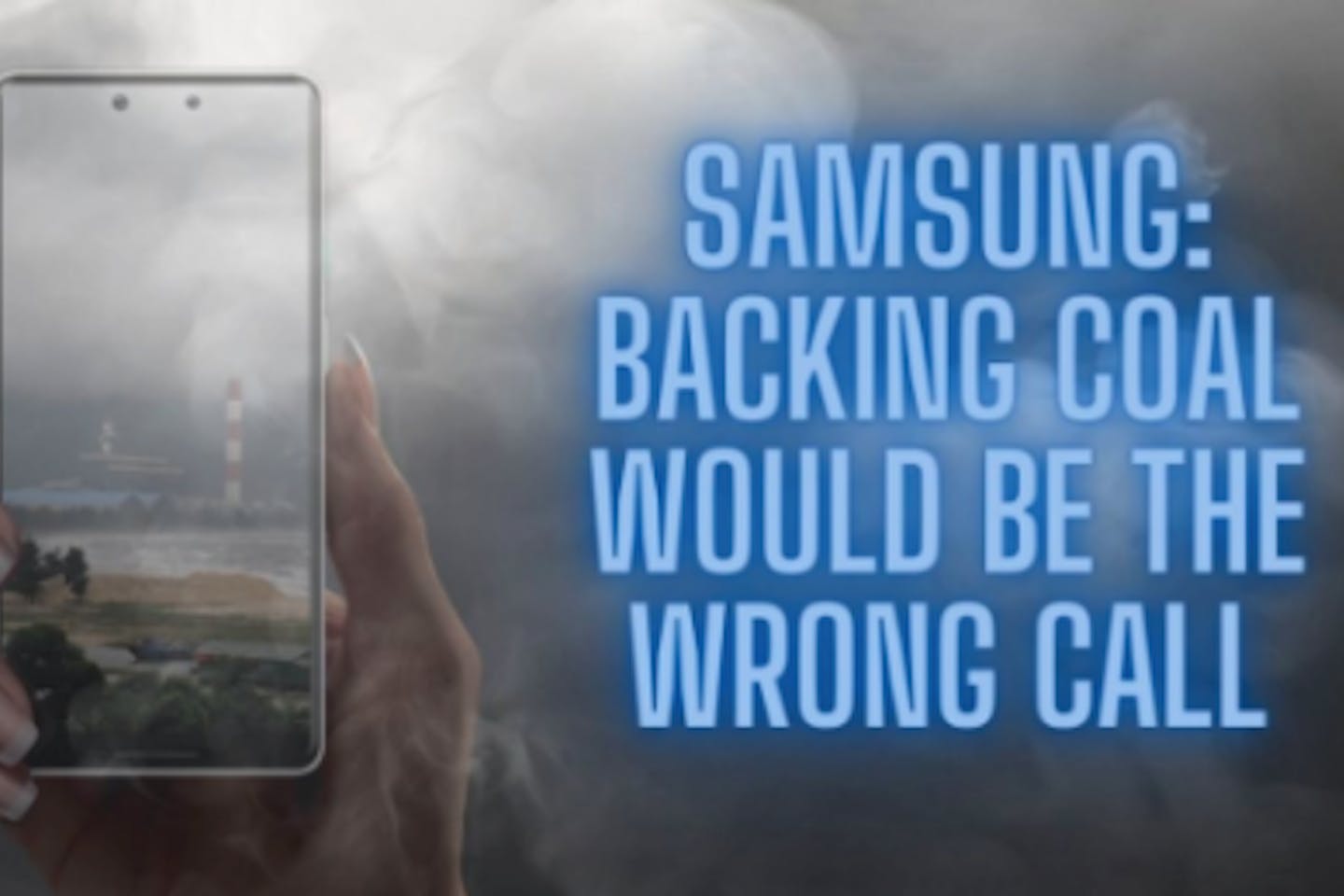
Samsung targeted by NGOs for proposal to build coal power station in Vietnam

Famous for innovation in consumer electronics and a progressive approach to sustainability, Samsung has been called out by NGOs for links to the construction of the controversial Vung Ang 2 coal-fired power plant in Vietnam.
News that electronics giant Samsung’s construction arm could be building a controversial coal-fired power station in Vietnam has surprised environmentalists, and prompted a campaign that highlights the environmental and social impact of the project.News emerged on Monday (10 August) that Samsung Construction & Trading (C&T) is considering participation in the 1,200 megawatt Vung Ang 2 coal project in Vietnam’s Ha Tinh province.

The proposed plant has been repeatedly targeted by NGOs in recent years for its potential to pollute and exacerbate the climate crisis, and a number of companies including Standard Chartered BankOCBC Bank and DBS have withdrawn from Vung Ang 2, citing conflicts with tightened climate policies.

Campaigners have also pointed out that Vung Ang 2 has air pollution standards far lower than those in Korea, which is one of the world’s biggest investors in overseas coal projects.

A collective of green groups including Greenpeace, Solutions for Our Climate and Market Forces said in a campaign due to run in international media this week that Samsung’s involvement in Vung Ang 2 goes against group-level sustainability pledges, which include reducing greenhouse gas emissions, and will tarnish the company’s brand image.

“Innovation is such a big focus for Samsung. It seems odd that a company so focused on building the next new thing wants to build 19th century technology,” Bernadette Maheandiran, a researcher for investments watchdog Market Forces, told Eco-Business.

The campaign launches less than a month after environmental protests prompted Samsung Securities, the conglomerate’s financial investment arm, to withdraw from the Adani Abbot Point coal terminal in Australia. Prostesters had called for a boycott of Samsung products. Tiếp tục đọc “Samsung targeted by NGOs for proposal to build coal power station in Vietnam”

The role of commercial and industrial clean energy demand in Vietnam’s power sector

Renewable Energy in Manufacturing

by Rachel Posner Ross and Evan Scandling

Introduction

At a time when Vietnam’s electricity demand is surging in response to commercial, industrial, and population growth, a common concern has emerged that rising economic activity will shift carbon emissions from China and other manufacturing hubs to Vietnam. However, our experience through the Clean Energy Investment Accelerator (CEIA) initiative in Vietnam indicates that private-sector demand for renewables has the potential to overcome policy barriers and catalyze significant scaling up of clean energy deployment in emerging markets. Vietnam’s 2019-2020 rooftop solar boom and anticipated surge in wind and solar virtual power purchase agreements for corporate offtakers in 2020 and beyond are the results of public-private collaboration on issues that simultaneously advance government and private-sector interests, offering important lessons for other markets in pursuit of sustainable development.

Background

Vietnam is a developing economy with a population of nearly 100 million and annual GDP growth of 6 to 7 percent, making it one of Asia’s fastest-growing economies, which has been true for decades. Foreign direct investment (FDI) was close to $18 billion in 2018, which accounted for approximately 24 percent of total investment in the economy.1 More than 10,000 foreign companies are estimated to operate or have supply chain manufacturing in Vietnam, including many of the world’s largest companies from a variety of sectors.2 For decades, Vietnam has been home to labor-intensive industries such as apparel and footwear production. Many of the world’s

Download full paper here

This report is produced by the Center for Strategic and International Studies (CSIS), a private, tax exempt institution focusing on international public policy issues. Its research is nonpartisan and nonproprietary. CSIS does not take specific policy positions. Accordingly, all views, positions, and conclusions expressed in this publication should be understood to be solely those of the author(s). © 2020 by the Center for Strategic and International Studies. All rights reserved

Hitachi Completes Acquisition of ABB Power Grids to Tackle Renewable Energy’s Rise

greentechmedia.com

The deal, worth up to $7.8 billion, follows moves by rivals GE and Siemens to refocus on clean energy integration and distributed energy digitization.

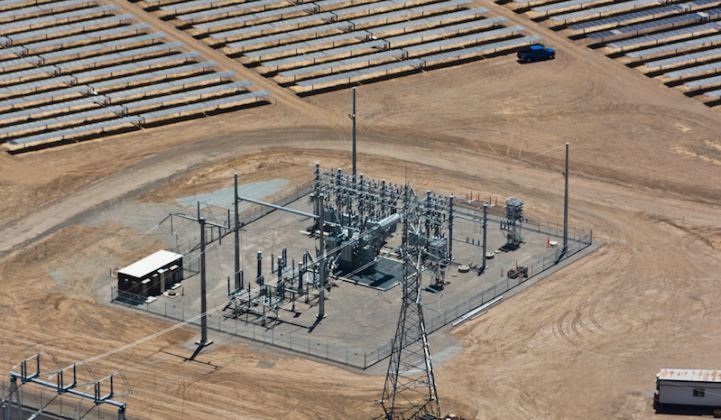
Hitachi ABB Power Grids will combine high-voltage transmission with distributed energy assets and digital control systems.

Hitachi ABB Power Grids will combine high-voltage transmission with distributed energy assets and digital control systems.