Climate change and modern slavery are linked:

What’s the issue?

antislavery.org

Climate change and modern slavery are linked closely together in a vicious circle.

Climate-induced disaster, environmental degradation and growing scarcity of resources are affecting many communities, driving millions of people into poverty and forcing many to migrate in search of work, food or safety. In many cases, victims of the climate emergency will be left more vulnerable to forms of modern slavery, including human traffickingforced labour and child slavery.

Three of the ways that climate change and modern slavery are linked:

  • When people are forced to migrate, they face greater risks of human trafficking and forced labour. People who lose their livelihoods, income and ties to their community are often made vulnerable to exploitation, and in the worst cases, modern slavery, as they are forced to migrate. By 2050, the World Bank estimates that more than 143 million people will have been forced from their homes in sub-Saharan Africa, South Asia and Latin America because of climate change
  • The same industries that drive climate change leave people vulnerable to forced migration. Extractive industries and agricultural businesses in particular contribute to the emissions that drive climate change, while also profoundly damaging the land and water that ordinary people rely upon. This pushes many more people into poverty and forces them to leave their homes and communities, making them more vulnerable to people traffickers and at risk of slavery
  • Many victims of the climate emergency are exploited by businesses that contribute to the problem. Many of the people forced into migration by the climate emergency find themselves trafficked into forced labour, some within the very industries that are degrading the environment – completing a vicious circle in which climate change drives, and is driven by, modern slavery

Tiếp tục đọc “Climate change and modern slavery are linked:”

Nô lệ thời hiện đại được xếp hạng là ngành công nghiệp tội phạm lớn nhất thế giới

English: Modern Day Slavery Rated World’s Largest Single Crime Industry

Slavery is still prevalent in a variety of disguises—including human trafficking, child soldiers, forced and early child marriages, domestic servitude and migrant labour—both in the global South (read: developing nations) and the global North (read: Western industrialized nations)

Liên Hiệp Quốc, ngày 25 tháng 2 năm 2019 (IPS) – Sau một nghiên cứu toàn diện về vấn đề nô lệ thời hiện đại, tổ chức lao động quốc tế ILO có trụ sở tại Geneva, Thụy sĩ kết luận rằng có hơn 40 triệu người đang là nạn nhân của chế độ nô lệ, bao gồm 25 triệu người bị cưỡng bức lao động và 15 triệu người là nạn nhận của hôn nhân cưỡng bức – với ít nhất 71% số đó phụ nữ và các bé gái.

Số liệu báo cáo hiện tại thậm chí còn cao hơn con số được đưa ra trong nghiên cứu bước ngoặt năm 2017 có tiêu đề “Ước tính toàn cầu về chế độ nô lệ hiện đại – Global Estimates of Modern Slavery”, là một nỗ lực hợp tác của Walk Free Foundation, với tổ chức di trú Quốc tế (the International Organization for Migration- IOM).

Mạng lưới Safe Haven có trụ sở ở Chicago đã miêu tả nạn buôn người là một “ngành công nghiệp tội phạm quốc tế lớn nhất – vượt qua cả buôn bán ma túy và vũ khí trái phép.”

Hoa Kỳ nghiêm cấm nhập khẩu nô lệ châu Phi bằng đạo luật của Quốc Hội vào năm 1807. Nhưng phải mất thêm 58 năm trước khi có một lệnh cấm hoàn toàn chế độ nô lệ năm 1865 sau khi kết thúc cuộc nội chiến.
Tiếp tục đọc “Nô lệ thời hiện đại được xếp hạng là ngành công nghiệp tội phạm lớn nhất thế giới”

Fishermen ‘kept like slaves’ in Taiwan

channelnewsasia

 
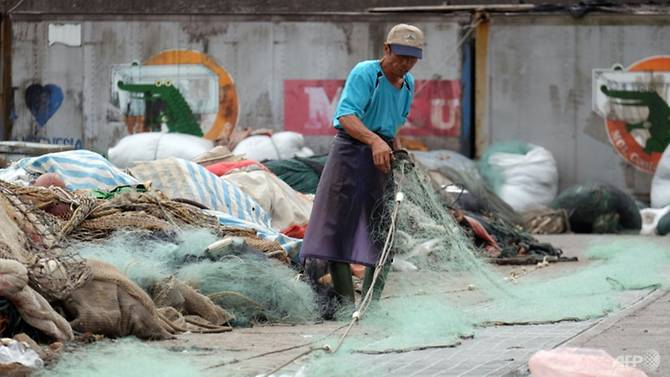
According to rights groups, exploitation of migrant workers is frequently reported in Taiwan, where around 600,000 foreigners are hired as caregivers, fishermen, construction and factory workers. (Photo: AFP/Sam Yeh)

TAIPEI: A group of foreign fishermen in Taiwan were locked in tiny windowless rooms around the clock to stop them escaping while not at sea, prosecutors said in the island’s latest abuse case involving migrant workers. Tiếp tục đọc “Fishermen ‘kept like slaves’ in Taiwan”

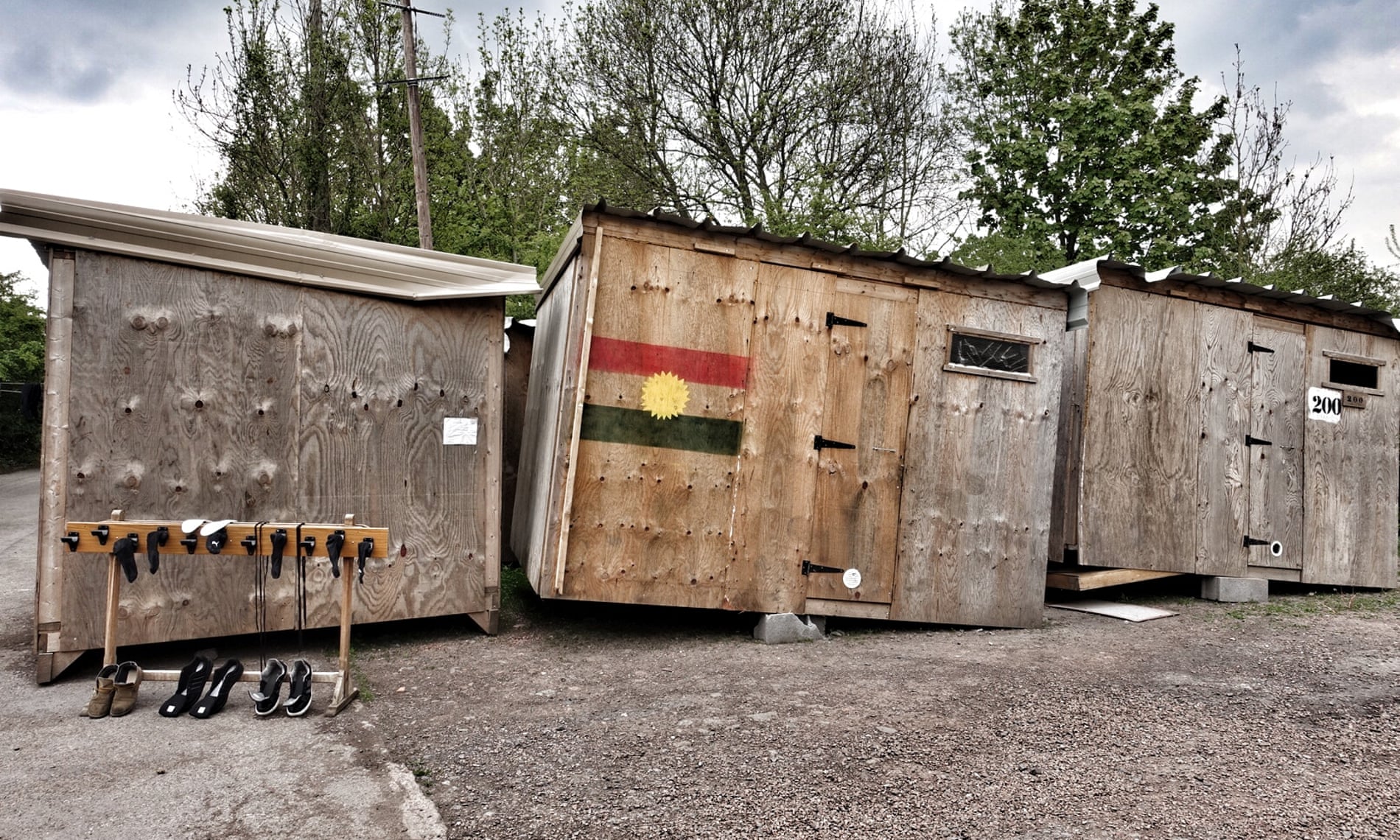
Inside Vietnam City, the French holding camp for vulnerable UK-bound migrants

Hidden in woodland, camp houses up to 100 Vietnamese people allegedly on their way to work illegally in Britain

theguardian – by 

Slavery report sounds alarm over Vietnamese nail bar workers

Independent commissioner calls for licensing to prevent trafficked migrants having to work in slavery-like conditions

Nail bar
The study analyses the experiences of more than a dozen individuals who experienced modern slavery in a nail bar. Photograph: Graham Turner for the Guardian

Britain’s nail bars have such a high risk of modern slavery that a licensing scheme should be introduced to prevent trafficked Vietnamese migrants being employed in slavery-like conditions, Britain’s independent anti-trafficking commissioner is proposing. Tiếp tục đọc “Slavery report sounds alarm over Vietnamese nail bar workers”

The race to rescue Cambodian children from orphanages exploiting them for profit

Despite good intentions, Australians and others from western countries are often propping up Asian orphanages that separate children from families. Now there’s new efforts to tackle some of the consequences of ‘voluntourism’

A family in Battambang, Cambodia, supported by the Cambodian Children’s Trust which works to keep families together and stop children going to orphanages.
A family in Battambang, Cambodia, supported by the Cambodian Children’s Trust which works to keep families together and stop children going to orphanages. Photograph: Tara Winkler

Much was hidden from the tourists visiting Sinet Chan in her rundown Cambodian orphanage.

When they returned to their hotels, cameras full and best intentions sated, they remained oblivious to the reality of what they had just supported.

Chan, the nine-year-old who sang and danced for them, was being starved. She and the other children hunted and ate mice to survive. Tiếp tục đọc “The race to rescue Cambodian children from orphanages exploiting them for profit”