Báo cáo tội phạm Crypto 2025 – The 2025 Crypto Crime Report

How crypto is scaling traditional crime types, like drug trafficking, money laundering, and fraud.

Download repport https://go.chainalysis.com/2025-Crypto-Crime-Report.html

Ransomware 

Darknet Markets 

Market Manipulation 

Scams 

Stolen Funds 

Extremism 

Organized Crime

Báo cáo tội phạm mạng hoạt động ở Đông Nam Á – Compound crime: Cyber scam operations in Southeast Asia

Repurposed hotels, casinos, and private compounds across Cambodia, Laos, Myanmar and the Philippines have become centres of global fraud. These compounds are operated by organized criminal networks that exploit hundreds of thousands of people, many of whom are trafficked and forced to perpetrate online scams. Victims include not only those defrauded online but also the scam workers themselves, subjected to threats, violence, sexual exploitation and extreme working conditions. 

The report details how cyber scams —including ‘pig-butchering’ romance-investment scams, crypto fraud, impersonation and sextortion— now generate tens of billions of dollars annually.  

Download report https://globalinitiative.net/analysis/compound-crime-cyber-scam-operations-in-southeast-asia/

Thống kê và xu hướng tội pham Crypto 2025 – Crypto Crime Report: 2025 Statistics & Trends

Crypto crime is escalating fast and shifting in form. In 2024 alone, $51 billion flowed into illicit wallets, with $40 billion laundered and over $2 billion stolen outright. Bitcoin is no longer king in the shadows; stablecoins now dominate criminal crypto flows. This report breaks down who’s losing money, how it’s being funneled, and why tracking these shifts is critical. The insights ahead reveal patterns that can help spot emerging threats and shape stronger policy.

How much cryptocurrency has been stolen in the world

How many Bitcoins have been stolen?
How much Ethereum was stolen?
How much Solana has been stolen?
The biggest crypto rug pulls
Cryptocurrency money laundering statistics
The biggest crypto scams in history
Insights & Implications:
Methodology:
References:

Download report https://coinledger.io/research/crypto-crime-report

Vì sao băng nhóm tội phạm Crypto ở Đông Nam Á nở rộ –  Why scam gangs in Southeast Asia are a growing global threat

Griffith.edu.au May 19, 2025 By Dr Hai Thanh Luong

From fake job offers to cryptocurrency fraud and online romance scams, Southeast Asia has become a global hub for transnational scam operations. 

These aren’t isolated crimes, they are organised, cross-border and industrial-scale criminal enterprises that exploit vulnerable people and expose the limits of international law enforcement.

New research shows this surge in scams represents more than just a regional issue. It’s a transnational emergency, and it demands an urgent, coordinated response.

Why Southeast Asia?

Several factors have turned Southeast Asia into a hotbed for scam syndicates. 

The collapse of rule of law in parts of Myanmar has created ungoverned spaces where criminal operations flourish. 

Meanwhile, countries like Cambodia, Laos and the Philippines offer a fertile environment for transnational crime due to weak governance, corruption, and limited oversight.

These scam centres don’t just target foreign victims. They also lure and trap workers—many of them young people from poorer nations—under the false promise of legitimate employment. Once inside, many are subjected to forced labour, abuse and trafficking.

This has become a humanitarian crisis as scam compounds across Southeast Asia have held thousands of people against their will, forcing them to commit fraud under threat of violence.

The rise of digital technologies has only made these operations harder to trace and easier to scale. From encrypted messaging to unregulated cryptocurrency, scam networks have globalised rapidly, while enforcement efforts remain stuck behind borders.

Why national responses aren’t working

One of the key challenges in confronting this crisis is the fragmented nature of law enforcement. 

Scams that begin in one country can target victims in another, while using platforms, payment systems, and communication tools hosted across multiple jurisdictions.

But many national police forces are not equipped to act beyond their borders. And transnational criminal syndicates have exploited the lack of international coordination to operate with relative impunity.

Even where political will exists, legal mismatches and diplomatic bottlenecks prevent timely investigations, arrests or prosecutions. 

Countries tend to focus inward, launching isolated crackdowns that fail to dismantle the broader networks.

This mismatch between the global nature of the threat and the localised nature of responses is precisely what allows these scams to thrive.

What needs to happen

To seriously confront this growing criminal economy, regional governments must prioritise coordinated responses, cross-border investigations, and robust intelligence sharing.

This includes:

  • Building shared databases and real-time intelligence channels to track trends, suspects and operations;
  • Developing harmonised legal tools to enable prosecutions and asset recovery across jurisdictions;
  • Working with tech and financial platforms to shut down scam infrastructure;
  • Protecting and rehabilitating victims, particularly those trafficked into scam compounds.

ASEAN, Interpol, and UNODC all have a role to play. But meaningful cooperation remains patchy, slow and overly politicised. Tackling scams as a global crisis, not just a regional one, will require serious investment and political leadership.

A crisis we can’t ignore

Scams are often dismissed as digital annoyances or consumer issues. 

The response to this crisis cannot be local, slow or siloed. The fight against transnational scams cannot be won in isolation. 

Only by working together can states dismantle the criminal networks exploiting the region’s vulnerabilities.

But what we are seeing in Southeast Asia is a complex ecosystem of transnational organised crime, often underpinned by exploitation and violence.

Billions of dollars are being stolen. Thousands of people are being trafficked and abused. And public trust in digital systems is eroding as scams become more sophisticated.

“Một loại ung thư” – UN cảnh báo tập đoàn tội phạm mạng Châu Á mở rộng khắp thế giới – ‘A cancer’: UN warns Asia-based cybercrime syndicates expanding worldwide

Al Jazeera

Agency says gangs caused $37bn in losses in Asia as they gain new footholds in Africa, South America, and Middle East.

Tiếp tục đọc “Vì sao băng nhóm tội phạm Crypto ở Đông Nam Á nở rộ –  Why scam gangs in Southeast Asia are a growing global threat”

What is ZeroTrust Strategy?

TĐH: Traditional cybersecurity strategies are no longer sufficient for today’s cyberwar. The Zero Trust strategy is a new concept in cyberwar. To help understand this concept, I post here a paper by the US Department of Defense entitle “DOD Zero Trust Strategy.” This concept will involve not just DOD or military institutions, but also many private enterprises and individuals. Indeed, it involves the entire nation. I select the DOD presentation to post because, by nature of its job, DOD is probaly concerned about cybersecurity more than anyone else. Below is the Foreword of the DOD paper.

DOD ZERO TRUST STRATEGY

Download full paper >>

Foreword


Our adversaries are in our networks, exfiltrating our data, and exploiting the Department’s users. The rapid growth of these offensive threats emphasizes the need for the Department of Defense (DoD) to adapt and significantly improve our deterrence strategies and cybersecurity implementations. Defending DoD networks with high-powered and ever-more sophisticated perimeter defenses is no longer sufficient for achieving cyber resiliency and securing our information
enterprise that spans geographic borders, interfaces with external partners, and support to millions of authorized users, many of which now require access to DoD networks outside traditional boundaries, such as work from home. To meet these challenges, the DoD requires an enhanced cybersecurity framework built upon Zero Trust principles that must be adopted across the Department, enterprise-wide, as quickly as possible as described within this document.

Tiếp tục đọc “What is ZeroTrust Strategy?”

German court rules YouTube could be accountable for illegal content

By Laura Kabelka | EURACTIV.com

 euractive.com – 3 Jun 2022

“We need to examine the full details of today’s ruling to better understand how it impacts our viewers and the platform,” a YouTube spokesperson told EURACTIV. [Michael Vi/Shutterstock]

Online video sharing platforms such as YouTube could be liable for content uploads that infringe copyrights if they fail to act immediately, according to a ruling from Germany’s top court on Thursday (2 June).

The ruling is part of a larger fight of the creative and entertainment industry against illegally uploaded material, where large online platforms play an important role. Even if third parties posted the uploads, online platforms could find themselves in court.

“We need to examine the full details of today’s ruling to better understand how it impacts our viewers and the platform,” a YouTube spokesperson told EURACTIV. 

According to Germany’s Federal Court of Justice, this would also apply to shared hosting services that stored data and provided access to online users. 

Tiếp tục đọc “German court rules YouTube could be accountable for illegal content”

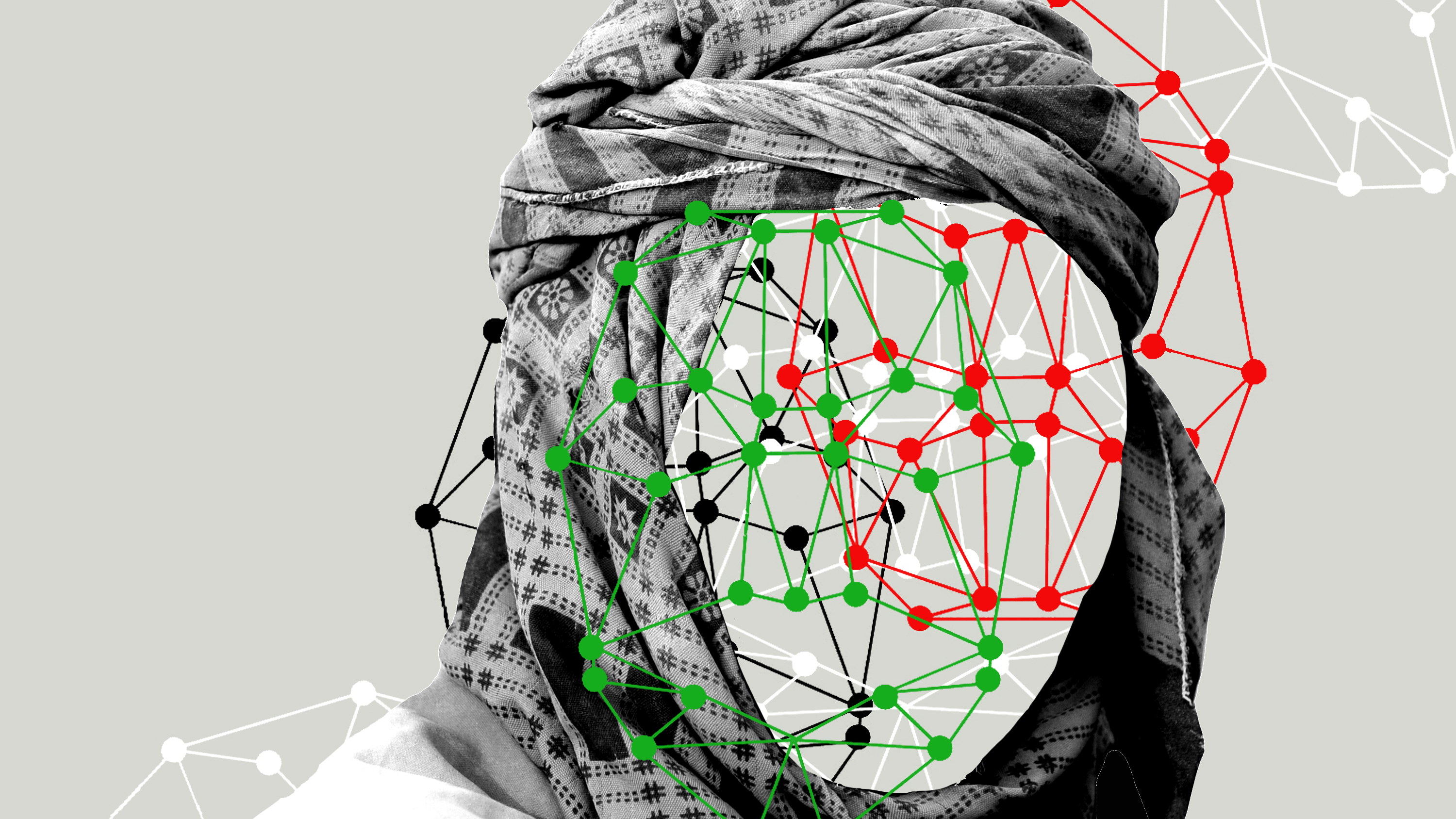
This is the real story of the Afghan biometric databases abandoned to the Taliban

technologyreview.com

By capturing 40 pieces of data per person—from iris scans and family links to their favorite fruit—a system meant to cut fraud in the Afghan security forces may actually aid the Taliban.By 

August 30, 2021

afghans targeted by biometric data

ANDREA DAQUINO

As the Taliban swept through Afghanistan in mid-August, declaring the end of two decades of war, reports quickly circulated that they had also captured US military biometric devices used to collect data such as iris scans, fingerprints, and facial images. Some feared that the machines, known as HIIDE, could be used to help identify Afghans who had supported coalition forces.

According to experts speaking to MIT Technology Review, however, these devices actually provide only limited access to biometric data, which is held remotely on secure servers. But our reporting shows that there is a greater threat from Afghan government databases containing sensitive personal information that could be used to identify millions of people around the country. 

MIT Technology Review spoke to two individuals familiar with one of these systems, a US-funded database known as APPS, the Afghan Personnel and Pay System. Used by both the Afghan Ministry of Interior and the Ministry of Defense to pay the national army and police, it is arguably the most sensitive system of its kind in the country, going into extreme levels of detail about security personnel and their extended networks. We granted the sources anonymity to protect them against potential reprisals. 

Related Story

Tiếp tục đọc “This is the real story of the Afghan biometric databases abandoned to the Taliban”

An ninh mạng hay an toàn dữ liệu cho Việt Nam?

TS – 11/05/2018 08:00 – Hảo Linh

Việt Nam không thể chống đỡ những cuộc tấn công của các nhóm tin tặc chuyên nghiệp và được sự hậu thuẫn của chính phủ các nước khác nếu không thể làm chủ được các thiết bị phần cứng và phần mềm trong hệ thống mạng.


Catalog gián điệp của Cơ quan an ninh Mỹ NSA cho thấy cơ quan này có vô vàn các công cụ cài cắm vào hầu hết các thiết bị phần cứng và giải pháp phần mềm trong hệ thống mạng.

Hệ thống mạng của Việt Nam rất dễ bị tổn thương

Giữa năm 2016, sau chiến thắng của Philippines trước Tòa án Trọng tài thường trực PCA, bác bỏ tuyên bố của Trung Quốc về đường chín đoạn trên Biển Đông, Philippines và Việt Nam trở thành mục tiêu tấn công của các nhóm tin tặc Trung Quốc. Nổi cộm lên vào thời điểm đó, là một loạt sân bay lớn của Việt Nam (bao gồm cả sân bay Nội Bài và Tân Sơn Nhất) bị vô hiệu hóa toàn bộ màn hình hiển thị và loa phát thanh, thay vào đó là những thông tin xúc phạm và xuyên tạc về chủ quyền biển đảo của Việt Nam. Cùng với đó là thông tin cá nhân của 400.000 khách hàng hạng Bông Sen Vàng của Vietnam Airlines bị phát tán trên mạng và bản thân trang web của hãng hàng không này cũng bị thay đổi giao diện và nội dung.

Tiếp tục đọc “An ninh mạng hay an toàn dữ liệu cho Việt Nam?”

The energy-sector threat: How to address cybersecurity vulnerabilities

Electric-power and gas companies are especially vulnerable to cyberattacks, but a structured approach that applies communication, organizational, and process frameworks can significantly reduce cyber-related risks.
In our experience working with utility companies, we have observed three characteristics that make the sector especially vulnerable to contemporary cyberthreats.First is an increased number of threats and actors targeting utilities: nation-state actors seeking to cause security and economic dislocation, cybercriminals who understand the economic value represented by this sector, and hacktivists out to publicly register their opposition to utilities’ projects or broad agendas.
Tiếp tục đọc “The energy-sector threat: How to address cybersecurity vulnerabilities”

Làn sóng phản đối bủa vây Huawei

  • TRƯỜNG SƠN
  • 25.02.2019, 09:29

TTCT – Nước Mỹ dưới triều Tổng thống Donald Trump đã “tuyên chiến” với Huawei và liên tục kêu gọi các nước khác, nhất là đồng minh của Washington, cũng cấm cửa hãng công nghệ viễn thông hàng đầu Trung Quốc. Vì đâu nên nỗi?

Cả thế giới lo ngại “gián điệp số” đánh cắp công nghệ từ Trung Quốc

Huawei là một công ty sản xuất chip giá rẻ cho các nhà cung cấp thiết bị viễn thông lớn nhất thế giới trước khi phát triển không ngừng và vươn vai thành gã khổng lồ công nghệ Trung Quốc. Tiếp tục đọc “Làn sóng phản đối bủa vây Huawei”

Ván cờ thế Huawei – 6 kỳ

***

Ván cờ thế Huawei – kỳ 1: Đòn đáp trả của Bắc Kinh

15/12/2018 11:41 GMT+7

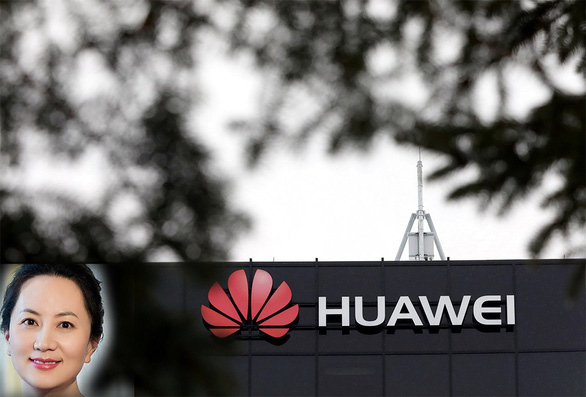
TTO – Việc Trung Quốc và Canada bắt giữ công dân của nhau cho thấy vụ việc bà Mạnh Vãn Chu – giám đốc tài chính toàn cầu (CFO) Tập đoàn Huawei – bất ngờ bị bắt tại Vancouver đang trở thành một ván cờ đầy cân não giữa các tay chơi lớn.

Ván cờ thế Huawei - kỳ 1: Đòn đáp trả của Bắc Kinh - Ảnh 1.

Thông tin chính quyền Canada bắt giữ bà Mạnh Vãn Chu – giám đốc tài chính toàn cầu của Tập đoàn Huawei (Hoa Vi) của Trung Quốc – đã thu hút sự chú ý của công luận ngay vào thời điểm thế giới vừa tạm thở phào khi Mỹ và Trung Quốc tạm đình chiến thương mại trong ba tháng. Tiếp tục đọc “Ván cờ thế Huawei – 6 kỳ”

Microsoft uncovers more Russian hacking ahead of midterms

Microsoft has uncovered new Russian hacking efforts targeting U.S. political groups ahead of the midterm elections.

The company said Tuesday that a group tied to the Russian government created fake websites that appeared to spoof two American conservative organizations: the Hudson Institute and the International Republican Institute. Three other fake sites were designed to look as if they belonged to the U.S. Senate. Tiếp tục đọc “Microsoft uncovers more Russian hacking ahead of midterms”

Làn sóng tội phạm tiền ảo đang diễn ra

English: The Crypto Crime Wave Is Here

Từ những vụ cướp có vũ trang, các giao dịch ma túy cho đến lừa đảo của giới văn phòng, tội phạm liên quan đến tiền ảo đang tăng vọt — và việc thực thi pháp luật đang phải thay đổi để theo kịp

Một buổi chiều thứ bảy tháng 11, Louis Meza có kế hoạch gặp một người bạn và là người đam mê tiền ảo ở Ruby tại Quảng trường Thời đại ở New York. “Chúng ta sẽ có một khoảng thời gian tuyệt vời,” Meza nói trong tin nhắn. “Và nhân tiện, tôi sẽ đưa anh về bằng taxi Uber vào cuối đêm.”

Là cựu nhân viên bán hàng tại Grubhub- dịch vụ cung cấp thực phẩm, Meza được mô tả bởi bạn bè là cởi mở và lịch sự – chơi bài xì, 35 tuổi với một chuỗi kinh doanh và hứng thú với rủi ro. Hai người đàn ông đã biết nhau khoảng 15 năm. Họ gặp nhau vào lúc 7.40 tối, bạn của Meza nói rằng anh ấy đang đi đến tàu điện ngầm. Meza khăng khăng đòi một chiếc Uber và hộ tống người bạn của mình — được liệt kê trong các tài liệu của tòa án là “nạn nhân” – lên một chiếc xe tải nhỏ màu xám đang đợi bên ngoài. Theo văn phòng luật sư quận Manhattan, một tay súng núp ở ghế sau xe xuất hiện và yêu cầu nạn nhân đưa ví, chìa khóa, điện thoại di động và ổ USB -chứa ether, một loại tiền ảo. Nạn nhân đã bàn giao mọi thứ trừ ổ đĩa, thứ không có trên người; tay súng kéo gọng súng lên đầu nạn nhân. “Mật khẩu có 24 từ của mày ở đâu?” Hắn liên tục lặp lại. Sau hai giờ, nạn nhân đã trốn thoát. Anh này được tìm thấy ở Harlem, nơi mà theo các công tố viên, anh đã gọi 911 từ một cửa hàng bán đồ ăn. Nạn nhân đã thực hiện một “đầu tư rất nhỏ” vào tiền ảo đầu năm 2010, kể từ đó đã lên tới 1,8 triệu đô la. Anh này giữ ether trong ổ USB ở  căn hộ của mình, cùng với một mảnh giấy có chứa cụm mật khẩu cần thiết để truy cập. Khi anh về nhà, cả ổ đĩa và cụm từ chứa mật khẩu đều biến mất. Tiếp tục đọc “Làn sóng tội phạm tiền ảo đang diễn ra”

Quốc hội thông qua Luật An ninh mạng với hơn 86% đại biểu tán thành

VNE – Thứ ba, 12/6/2018, 09:59 (GMT+7)

423 trong tổng số 466 đại biểu Quốc hội có mặt tại hội trường đồng ý thông qua dự thảo Luật An ninh mạng.

Ông Võ Trọng Việt (bìa phải), Chủ nhiệm Uỷ ban Quốc phòng An ninh, cơ quan thẩm tra dự án Luật An ninh mạng cùng các đại biểu tại phiên làm việc của Quốc hội sáng 12/6. Ảnh: Hoàng Phong

Ông Võ Trọng Việt (bìa phải), Chủ nhiệm Uỷ ban Quốc phòng An ninh, cơ quan thẩm tra dự án Luật An ninh mạng cùng các đại biểu tại phiên làm việc của Quốc hội sáng 12/6. Ảnh: Hoàng Phong

AN NINH MẠNG VÀ KHÁI NIỆM QUY TẮC (NORMS)

Những yêu cầu về quy tắc để đảm bảo và ổn định không gian mạng đã trở nên phổ biến. Những lời kêu gọi này thường cung cấp kiến thức chi tiết về an ninh mạng nhưng hiếm khi nói nhiều khái niệm về các quy tắc – là những quy tắc gì, quy tắc làm việc như thế nào, chuyển đi ra sao và tại sao bất cứ ai cũng thích điều này hơn so với các chính sách công vụ khác. Kết quả là, các cuộc thảo luận chính sách và báo chí truyền thông thường áp dụng thuật ngữ cho các công cụ chính sách – thực tế không phải là quy tắc. Việc gộp chung lại như vậy có thể hiểu được, nhưng chúng có thể tạo ra nhầm lẫn không cần thiết và làm giảm giá trị quá trình xây dựng quy tắc. Các tài liệu học thuật liên quan mô tả các điểm cơ bản của khái niệm quy tắc và cách chúng hoạt động như thế nào, trong khi rút ra những bài học từ những phạm vi lĩnh vực chính sách khác – mà các quy tắc đã hoặc chưa được sử dụng thành công. 

QUY TẮC LÀ GÌ (VÀ KHÔNG LÀ GÌ)?

 Theo định nghĩa tiêu chuẩn hiện nay, quy tắc là “một tập hợp mong muốn đối với thái độ phù hợp của những người tham gia có đặc tính nhất định”.  Một số điểm của định nghĩa này đáng đem ra thảo luận. Tiếp tục đọc “AN NINH MẠNG VÀ KHÁI NIỆM QUY TẮC (NORMS)”

Malaysian police adopt Chinese AI surveillance technology

Startup Yitu targets Southeast Asia with wearable face-recognition cameras

Yitu opened its first overseas office in Singapore in January to tap Southeast Asia’s growing market for AI-driven surveillance technology. REUTERS/Edgar Su   © Reuters

asia.nikkei.com

KUALA LUMPUR — Chinese surveillance and security startup Yitu Technology has made its first foray into Malaysia, supplying wearable cameras with artificial intelligence-powered facial-recognition technology to a local law enforcement agency. Tiếp tục đọc “Malaysian police adopt Chinese AI surveillance technology”