No. It is not. Vietnam is a one-party socialist state that differs from the Soviet Union’s model. Interestingly, now, Vietnam’s economy is capitalist more than most of the so-called capitalist countries.
The total value of Vietnam’s annual exports and imports is approaching 1,000 billion USD, while Vietnam’s GDP is only around 500 billion USD. This indicates the extremely high openness of Vietnam’s economy. Although 1,000 billion USD may not be a large figure compared to economic powers like the US, China, or Germany when compared to what Vietnam had just 10 years ago, it represents significant growth and openness. This reflects a fundamental shift in economic management thinking from a Soviet-style model to a free market economy in Vietnam.
Sụt lún nghiệm trọng đang xảy ra tại TP.HCM thực tế đã được nghiên cứu và cảnh báo cách đây hơn 15 – 20 năm. Tuy nhiên, chính sách phát triển đô thị ở đây khi tính đến nguy cơ sụt lún vẫn xìu xìu ển ển.
TP.HCM đang ‘chìm dần’ và ‘chìm’ nhanh thứ 2 thế giới. Nếu Việt Nam tiếp tục chậm trễ trong quy hoạch và xây dựng, Việt Nam sẽ giống Indonesia khi phải di dời thủ đô do thành phố Jakarta đang chìm dần. Tương lai có thể tệ hơn khi TP.HCM bị lún nhiều gấp 4 lần Jakarta.
30 năm trước (1995) anh Hoành và anh Hữu Thọ (cựu tổng biên tập báo Nhân Dân, sau đó là Trưởng Ban Văn Hóa Tư Tưởng Trung Ương Đảng) đã nói chuyện với nhau rất dài về vấn đề suy đồi đạo đức và gia tăng dối trá ở VN.
Dối trá không chỉ là vấn đề cá nhân, như chúng ta đã thấy trong lịch sử, đôi khi đó là chính sách của quốc gia, ví dụ như trường hợp Huyền Trân Công chúa.
Không thể tập trung vào trị “bệnh dối trá” vì đó là đi sai đường – vì đường đó hấp dẫn thêm dối trá, theo Luật Hấp Dẫn. Phải tập trung vào Hấp Dẫn thành thật. Rốt ráo hơn, phải tập trung vào tĩnh lặng để chữa mọi tật nguyền của chính mình và đất nước.
Trước hết cần khẳng định: Không quá lời khi coi dối trá là hiểm họa đối với đất nước, bởi khi “bệnh” này phổ biến trong đội ngũ công quyền, khi cấp dưới “vô tư” nói dối cấp trên mà không thấy ngượng, thậm chí còn được coi là chuyện thường-thì không chỉ sự thật bị bóp méo, cấp trên không nắm được thực trạng, bản chất vấn đề để có quyết sách đúng, mà niềm tin của nhân dân, của quần chúng vào chế độ cũng bị xói mòn nghiêm trọng. Giả dối vừa là biểu hiện của sự suy thoái tư tưởng chính trị, đạo đức, lối sống, vừa là nguyên nhân hàng đầu dẫn đến “tự diễn biến”, “tự chuyển hóa”…
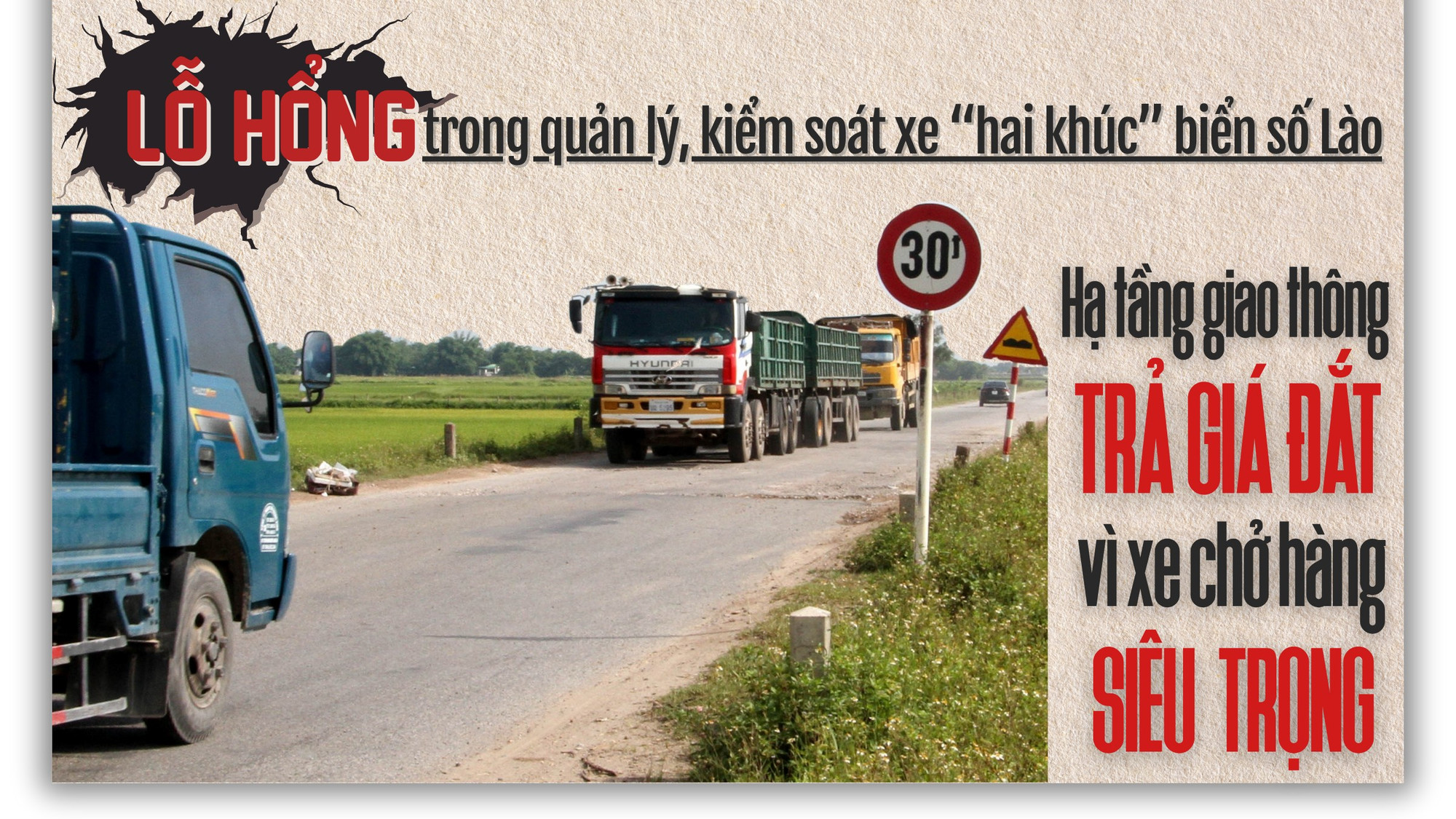
Việc ký kết Hiệp định tạo điều kiện thuận lợi cho phương tiện cơ giới đường bộ qua lại biên giới Việt Nam và Lào và Nghị định thư thực hiện Hiệp định trên vào năm 2010 giữa Chính phủ nước Cộng hòa xã hội chủ nghĩa Việt Nam và Chính phủ nước Cộng hòa Dân chủ nhân dân Lào đã mở ra cơ hội hợp tác giao thương phát triển kinh tế giữa Lào và Việt Nam; tạo tiền đề cho doanh nghiệp, người dân hai nước được tham gia vào hoạt động xuất, nhập khẩu hàng hóa qua lại với nhau.
Tuy nhiên, hiện nay công tác quản lý, kiểm soát các phương tiện xe ôtô kéo rơmoóc nhiều cụm trục còn gọi xe “hai khúc” biển số Lào tại các tỉnh Nghệ An, Hà Tĩnh đã bộc lộ những lỗ hổng, gây ra nhiều hệ quả tiêu cực đối với hạ tầng giao thông, sự công bằng cạnh tranh trong hoạt động kinh doanh vận tải.
Để làm rõ vấn đề này phóng viên Thông tấn xã Việt Nam có chùm bài phản ánh thực trạng trên.
It has many names. In Hebrew: “separation wall.” In Arabic: “wall of Apartheid.” In the media: “West Bank barrier,” “security fence,” “Apartheid wall,” or simply, “The Wall.” Whatever you call it, upon completion, it will encircle the West Bank stretching 708 kilometers (440 miles).[1]
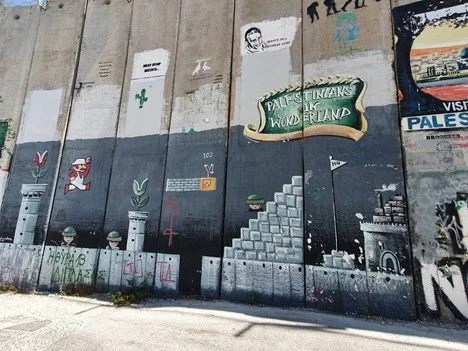
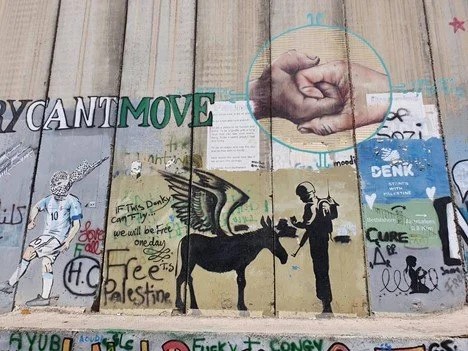
Grey concrete slabs eight meters high and three meters thick snake around the landscape, annexing Palestinians from their farmland, communities, and places of work. About 80 percent of Palestinians separated from their land by the wall have not received permits from Israeli authorities to cultivate their fields.[2]
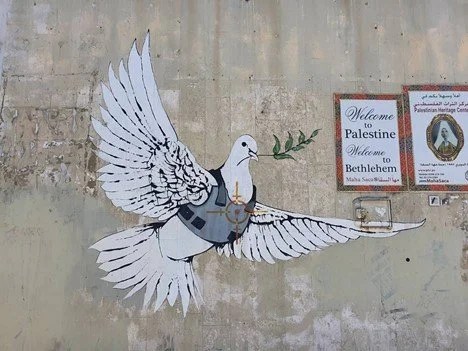
In 2007, the section of the wall in the Palestinian town of Bethlehem attracted the attention of the England-based street artist and political activist known as “Banksy.” He and other graffiti artists transplanted an annual, London-based pop-up art display known as “Santa’s Ghetto” to Bethlehem where Banksy painted four stencils on the wall. Some of the art born out of this project can still be seen today. While other pieces have been painted over, the site remains what could be the world’s largest fluid art installation. Over the course of just a few months in 2021, new art constantly appeared.
Almost exactly 10 years ago, a remarkable thing happened in a conference hall on the outskirts of Paris: After years of bitter negotiations, the leaders of nearly every country agreed to try to slow down global warming in an effort to head off its most devastating effects.
The core idea was that countries would set their own targets to reduce their climate pollution in ways that made sense for them. Rich, industrialized nations were expected to go fastest and to help lower-income countries pay for the changes they needed to cope with climate hazards.
So, has anything changed over those 10 years? Actually, yes. Quite a bit, for the better and the worse. For one thing, every country remains committed to the Paris Agreement, except one. That’s the United States.
Hi, it’s Josh Sanburn, producer for More To The Story
About a decade ago, I reported on executions around the US. This was a time when states were beginning to encounter problems obtaining the drugs needed to carry out lethal injections. Activists opposed to capital punishment were pressuring pharmaceutical companies to stop the sale of common lethal injection drugs to states. This led to an era of experimentation with different drug combinations and even different methods. Tiếp tục đọc “Executions are rising in the US. This reverend witnesses them.”→
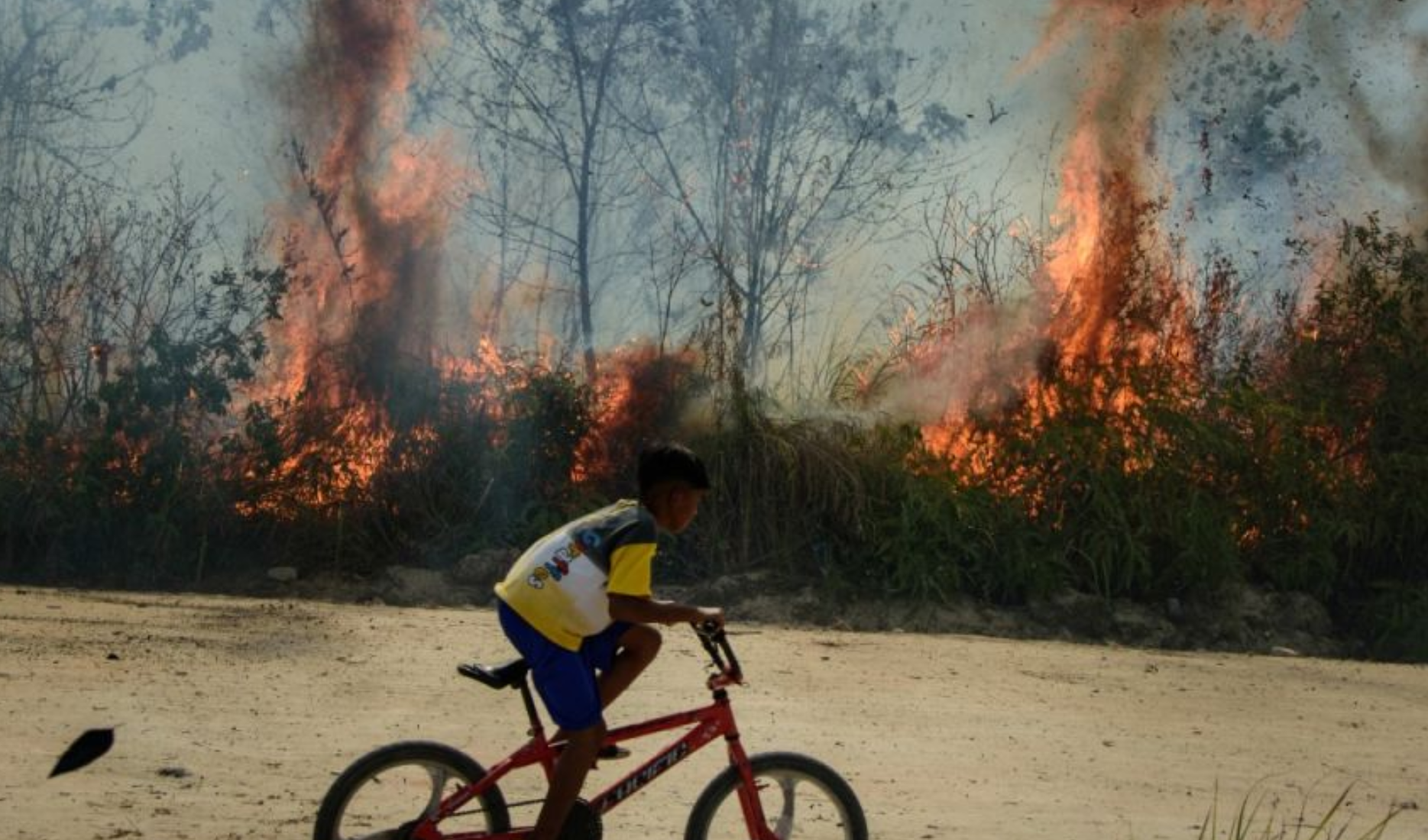
Forests directly cool the planet, like natural evaporative air conditioners. So what happens when you cut them down?
In tropical countries such as Indonesia, Brazil and the Congo, rapid deforestation may have accounted for up to 75% of the observed surface warming between 1950 and 2010. Our new research took a closer look at this phenomenon.
Using satellite data over Indonesia, Malaysia and Papua New Guinea, we found deforestation can heat a local area by as much as 4.5°C, and can even raise temperatures in undisturbed forests up to 6km away.
More than 40% of the world’s population live in the tropics and, under climate change, rising heat and humidity could push them into lethal conditions. Keeping forests intact is vital to protect those who live in and around them as the planet warms.
VTV.vn – Nghiên cứu mới do Đại học Leeds (Anh) cho biết hoạt động phá rừng ở Đông Nam Á đang gây ra số ca tử vong liên quan đến nắng nóng cao nhất trong các vùng nhiệt đới.
(Ảnh minh họa: The Nation)
Theo báo cáo được công bố trên tạp chí Nature Climate Change, mỗi năm có khoảng 15.680 người dân nông thôn ở Đông Nam Á tử vong do các biến chứng liên quan đến nắng nóng trầm trọng hơn bởi phá rừng, so với 9.890 người ở châu Phi nhiệt đới và 2.520 người ở châu Mỹ.
Trong giai đoạn 2001 – 2020, Đông Nam Á đã mất khoảng 490.000 km² thảm thực vật, trong khi khu vực Trung và Nam Mỹ mất tới 760.000 km² rừng nhiệt đới. Tuy nhiên, theo Tiến sĩ Carly Reddington, tác giả chính của nghiên cứu, mật độ dân số cao khiến số ca tử vong do nắng nóng ở Đông Nam Á lớn hơn đáng kể. Mặc dù ở Nam Mỹ, diện tích rừng bị mất nhiều hơn, nhưng ít người sinh sống tại các khu vực này.
Nghiên cứu cũng ghi nhận rằng trong 20 năm qua, biến đổi khí hậu kết hợp với phá rừng đã làm nhiệt độ trung bình ở Đông Nam Á tăng thêm 0,72°C. Các khu rừng không chỉ hấp thụ khí CO₂ mà còn giúp làm mát tự nhiên – tán cây tạo bóng râm, còn lá cây bốc hơi nước, làm giảm nhiệt độ xung quanh. Khi rừng bị chặt hạ, hiệu ứng làm mát này biến mất, khiến mặt đất khô, tối màu và hấp thụ nhiệt mạnh hơn, dẫn tới “nhiệt độ địa phương tăng cao, đôi khi còn vượt cả mức nóng lên toàn cầu”, bà Reddington giải thích.
(Ảnh: AFP)
Nhóm nghiên cứu đã kết hợp dữ liệu vệ tinh với hồ sơ y tế để ước tính mối liên hệ giữa phá rừng, nhiệt độ và tử vong do nắng nóng. Họ nhận thấy các cộng đồng nghèo, dân tộc thiểu số và người lao động ngoài trời là những nhóm chịu ảnh hưởng nặng nề nhất, do hạn chế về cơ sở hạ tầng, dịch vụ y tế và khả năng tiếp cận các biện pháp làm mát.
Một nghiên cứu trước đó tại Berau (Đông Kalimantan, Indonesia) cho thấy phá rừng trong giai đoạn 2002 – 2018 đã gây ra hơn 100 ca tử vong do nắng nóng mỗi năm, đồng thời rút ngắn thời gian làm việc an toàn trong ngày tới 20 phút.
Tiến sĩ Reddington nhấn mạnh: “Phá rừng nhiệt đới không chỉ là vấn đề môi trường, nó đang trực tiếp đe dọa sức khỏe con người, đặc biệt ở những cộng đồng ít khả năng thích ứng. Bảo vệ rừng không chỉ cứu hành tinh mà còn cứu mạng sống”.
Các chuyên gia y tế và khí hậu trong khu vực, như Phó giáo sư Kimberly Fornace (Đại học Quốc gia Singapore) và Giáo sư Winston Chow (Đại học Quản lý Singapore), đều đồng tình rằng để giảm thiểu hậu quả do chặt, phá rừng, cần tăng cường nghiên cứu y tế địa phương, cảnh báo sớm nắng nóng và đầu tư vào tái trồng rừng.
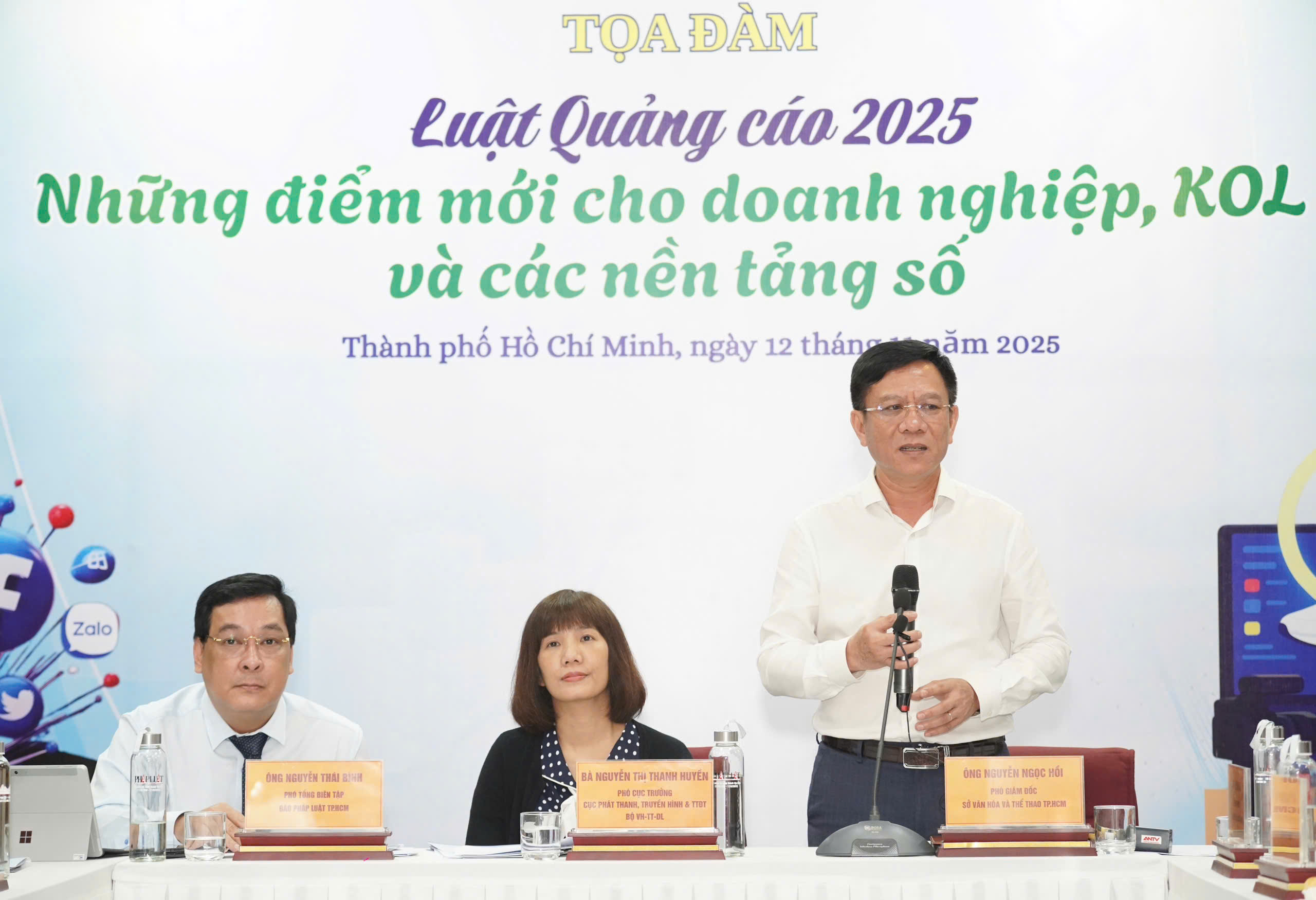
Sáng nay (12.11), Báo Pháp Luật TP.HCM tổ chức tọa đàm “Luật Quảng cáo 2025: Những điểm mới cho doanh nghiệp, KOL và các nền tảng số”.
Quốc hội đã thông qua luật Quảng cáo sửa đổi năm 2025, có hiệu lực từ ngày 1.1.2026. Hiện nay, Bộ Văn hóa, Thể thao và Du lịch đang chủ trì lấy ý kiến góp ý dự thảo Nghị định quy định chi tiết và hướng dẫn thi hành luật. Luật Quảng cáo 2025 được đánh dấu là bước ngoặt trong quản lý hoạt động quảng cáo, đặc biệt là trên không gian mạng và với người có ảnh hưởng (KOL, KOC, influencer).
Báo Pháp Luật TP.HCM tổ chức tọa đàm “Luật Quảng cáo 2025: Những điểm mới cho doanh nghiệp, KOL và các nền tảng số”
Phát biểu khai mạc tọa đàm, ông Nguyễn Thái Bình, Phó tổng biên tập Báo Pháp Luật TP.HCM cho biết: Trong thời đại thông tin lan tỏa mọi nơi, hoạt động quảng cáo đang chuyển dịch mạnh từ kênh truyền thống sang không gian số – nơi mỗi dòng nội dung, mỗi đoạn video đều có thể tác động đến hàng triệu người. Đáng chú ý, với luật Quảng cáo 2025, lần đầu tiên xuất hiện khái niệm “người chuyển tải sản phẩm quảng cáo”, đặt KOL (Key Opinion Leaders), KOC (Key Opinion Consumer) và influencer vào khung pháp lý rõ ràng, góp phần bảo vệ người tiêu dùng và doanh nghiệp. Tuy nhiên, quá trình áp dụng luật sẽ phát sinh nhiều vướng mắc do chính sách này tác động trực tiếp đến hàng trăm nghìn chủ thể, từ các thương hiệu, doanh nghiệp nhỏ, nhà sáng tạo nội dung đến các nền tảng xuyên biên giới.
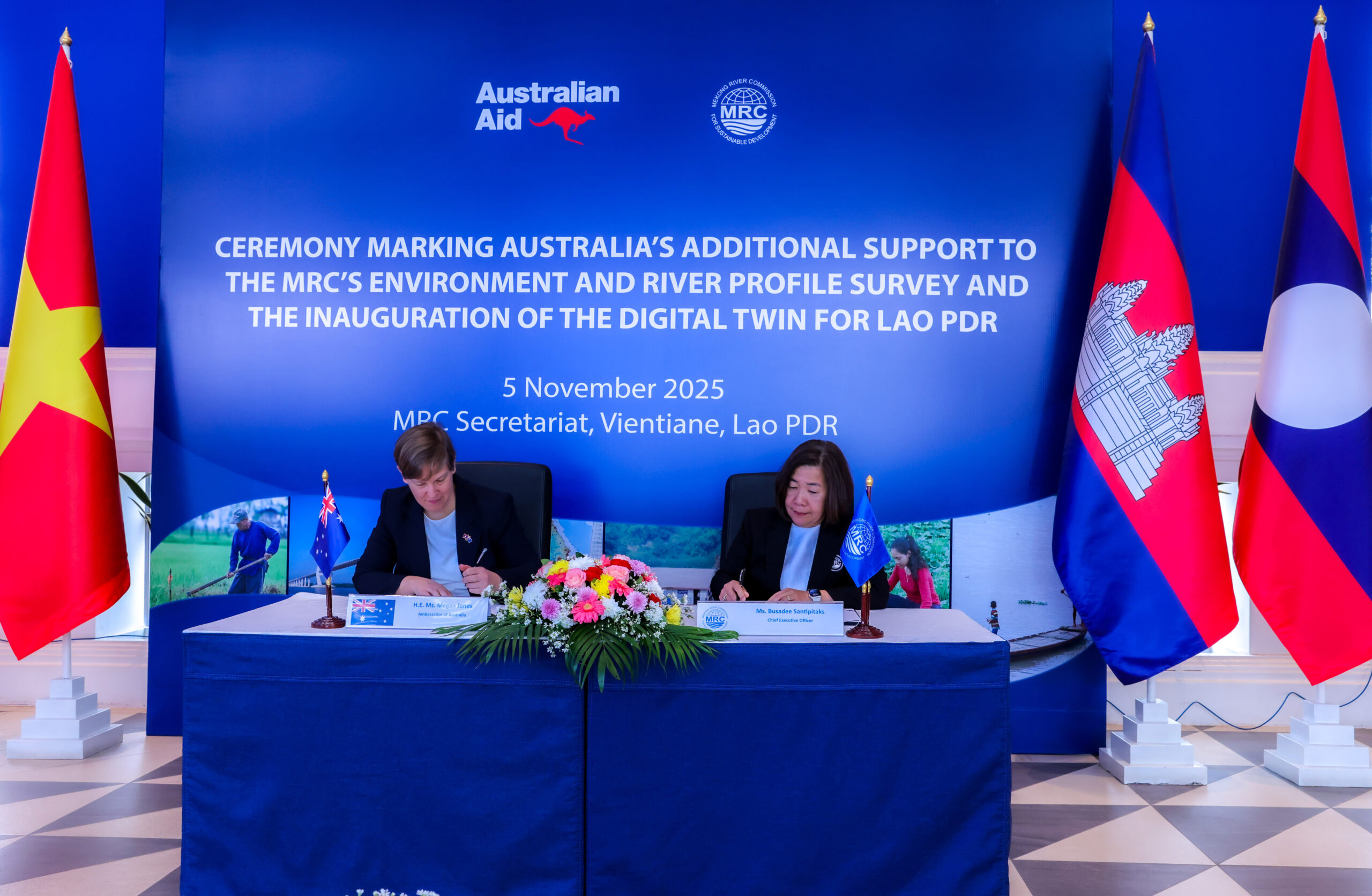
Vientiane, Lao PDR, 6 November 2025 – The Mekong River Commission (MRC) and the Government of Australia have reinforced their long-standing partnership through additional Australian support and the use of new digital innovations to enhance water monitoring and management in the Mekong region.
At a ceremony held today at the MRC Secretariat in Vientiane, Australia formalised an additional USD 1.71 million to support the MRC’s Environment and River Profile Survey, a key program that helps the MRC to enhance monitoring of river conditions, improve forecast changes, and better assess the health of the basin. This ensures the MRC can continue gathering and analysing data effectively that inform decisions on the river’s management and protection.
Australia’s support for the Environment and River Profile Survey builds on its core support to the MRC under the Mekong-Australia Partnership, which seeks to strengthen water security, economic resilience and sustainable growth in the sub-region. “Australia is proud to support this project as it will benefit the MRC, its member countries, and the river’s communities, economy, and environment” said H.E. Ms Megan Jones, Australian Ambassador to Lao PDR.
Joining the event was His Excellency Dr Linkham Douangsavanh, Minister of Agriculture and Environment of Lao PDR. Together with the MRC and Australia, he witnessed the formal launch of a new “Digital Twin” platform, a real-time modelling tool that integrates hydrological, meteorological and spatial data to help visualise how changes in rainfall, flow or land-use could affect communities and ecosystems.
“With this Digital Twin platform, we are giving our communities and partners a window into the river’s future,” said Dr Douangsavanh. “When we see what may come, we can plan better, respond faster and protect the peoples and their livelihoods and nature that depend so much on the Mekong.”
“Today we harness new digital capabilities and advanced capabilities so that we can ensure shared benefits for the sustainable development of the Mekong River Basin. The MRC is grateful for this timely support from Australia that has allowed this to happen,” said H.E. Ms Busadee Santipitaks, Chief Executive Officer of the MRC Secretariat.
About the Mekong River Commission
The MRC is an intergovernmental organisation established in 1995 to boost regional dialogue and cooperation in the Lower Mekong River Basin. Based on the Mekong Agreement among Cambodia, Lao PDR, Thailand, and Viet Nam, the MRC serves as both a regional platform for water diplomacy and a knowledge hub – to manage water resources and support sustainable development of the region.
[1/3]A logo on a Vinfast electric car and Vietnam’s national flag sticker at the ’80 Years Journey of Independence – Freedom – Happiness’ expo ahead of the country’s Independence Day celebration, at the National Exhibition Center in Hanoi, Vietnam, August 31, 2025. REUTERS/Athit Perawongmetha/File Photo Purchase Licensing Rights, opens new tab
Summary
Hanoi backs national champions with ‘preferential’ policies
Vingroup encouraged to bid for $70 billion railway, sources say
Central bank, finance ministry, Fitch flag financial risks
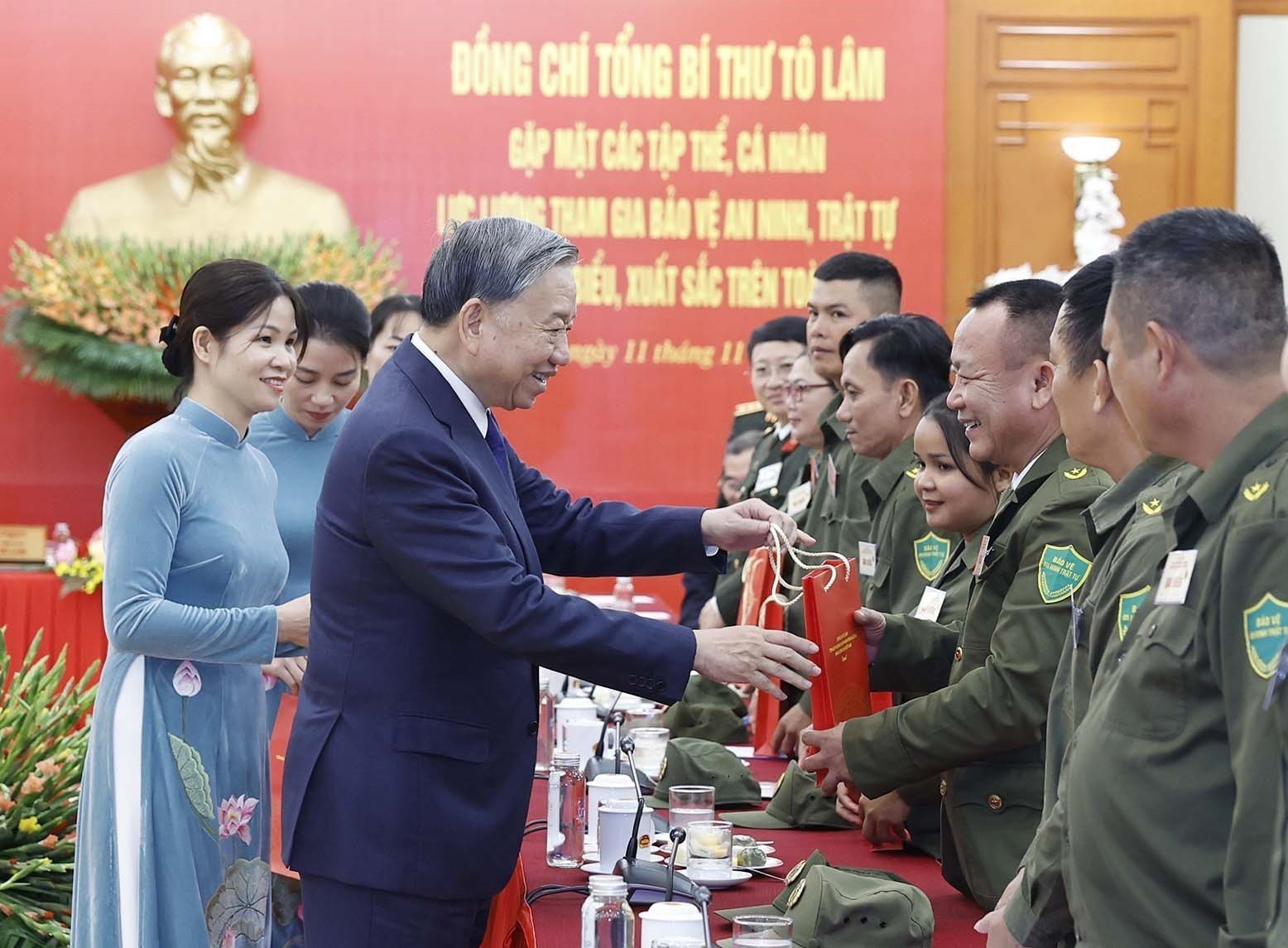
Chiều 11.11, tại trụ sở Trung ương Đảng, Tổng Bí thư Tô Lâm đã gặp mặt 70 tập thể, cá nhân lực lượng tham gia bảo vệ an ninh, trật tự ở cơ sở tiêu biểu, xuất sắc trên toàn quốc.
Cùng dự cuộc gặp có Trưởng ban Tổ chức Trung ương Lê Minh Hưng, Trưởng ban Nội chính Trung ương Phan Đình Trạc; Thường trực Tiểu ban Văn kiện Đại hội XIV của Đảng Nguyễn Văn Nên; Bộ trưởng Bộ Công an Lương Tam Quang; Trưởng ban Tuyên giáo – Dân vận Trung ương Trịnh Văn Quyết; Chánh văn phòng Trung ương Đảng Phạm Gia Túc cùng đại diện Văn phòng Trung ương Đảng, Văn phòng Tổng Bí thư, đại diện lãnh đạo, các đơn vị thuộc Bộ Công an…
Tổng Bí Thư Tô Lâm tặng quà các đại biểu
Phát biểu tại buổi gặp mặt, Tổng Bí thư Tô Lâm bày tỏ vui mừng gặp mặt đại diện tập thể, cá nhân tiêu biểu, xuất sắc của lực lượng tham gia bảo vệ an ninh, trật tự ở cơ sở trên toàn quốc; chúc các lực lượng tham gia bảo vệ an ninh, trật tự ở cơ sở tiếp tục hoàn thành xuất sắc nhiệm vụ, phục vụ nhân dân ở ngõ xóm, làng bản, nơi cư trú mà Đảng, Nhà nước, Bộ Công an và nhân dân đã tin cậy giao phó.
Tổng Bí thư bày tỏ, lực lượng tham gia bảo vệ an ninh, trật tự ở cơ sở đã phát huy vai trò, trách nhiệm, thường xuyên bám nắm địa bàn; cung cấp nhiều thông tin giá trị; chủ động hỗ trợ, phối hợp với công an xã tuyên truyền, vận động nhân dân tự giác chấp hành chủ trương, đường lối của Đảng, chính sách, pháp luật của Nhà nước và ngăn chặn kịp thời các vụ việc, các hành vi vi phạm pháp luật, góp phần giữ bình yên cho nhân dân.
Đặc biệt, trong thiên tai, lũ lụt, hỏa hoạn, hình ảnh lực lượng tham gia bảo vệ an ninh, trật tự cơ sở không quản hiểm nguy, gác lại khó khăn của bản thân, gia đình, cùng chính quyền địa phương và công an xã hỗ trợ nhân dân khắc phục hậu quả thiên tai, được nhân dân đánh giá cao.
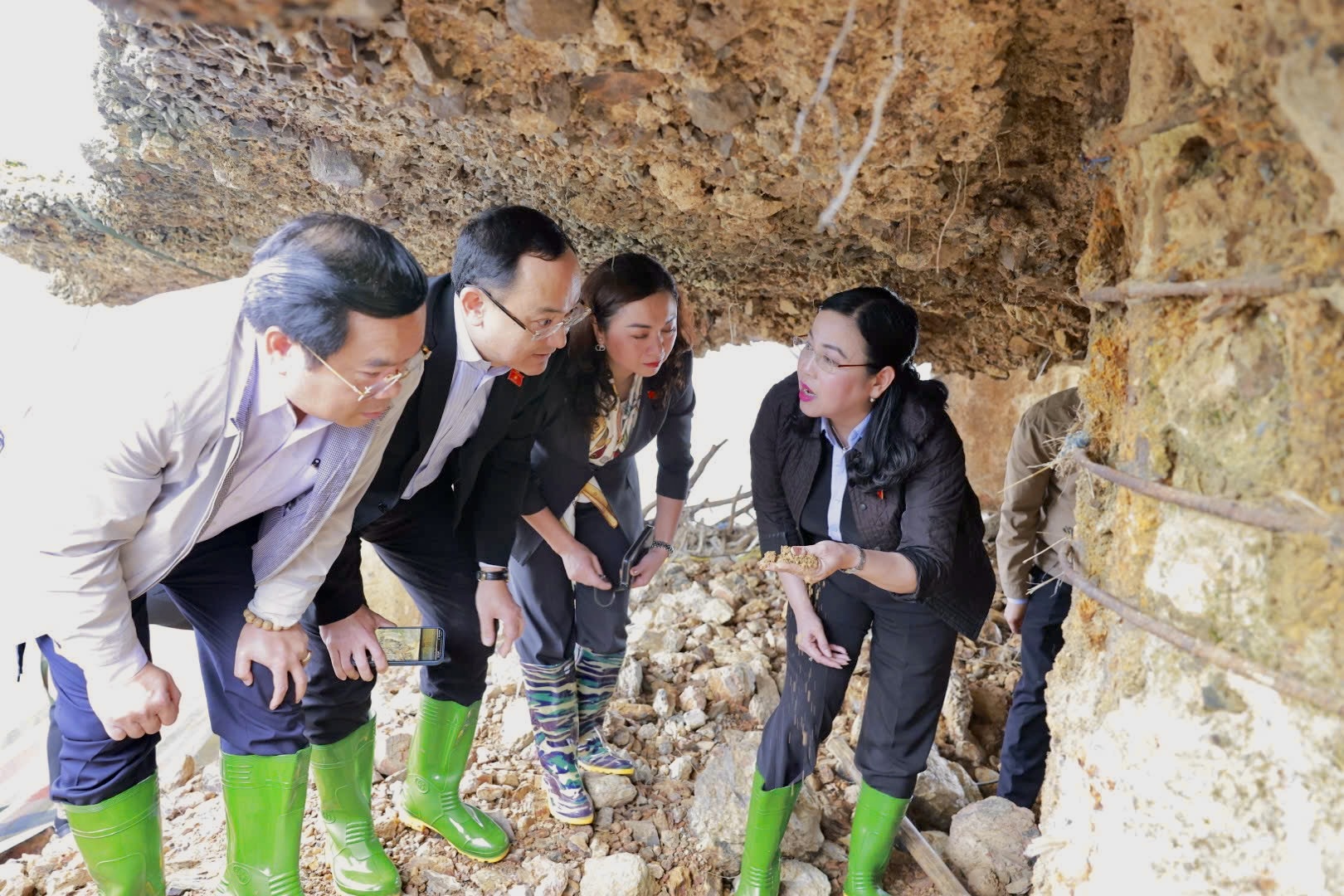
Chủ nhiệm Ủy ban Khoa học, Công nghệ và Môi trường của Quốc hội trực tiếp khảo sát thực trạng vụ cầu sông Lô ‘trơ móng, lộ cốt thép rỉ sét’.
Ngày 11.11, Đoàn khảo sát của Ủy ban Khoa học, Công nghệ và Môi trường của Quốc hội do bà Nguyễn Thanh Hải, Chủ nhiệm Ủy ban, làm việc tại tỉnh Phú Thọ về tình trạng xuống cấp cầu sông Lô.
Mục đích buổi làm việc nhằm thu thập thông tin thực tiễn, trực tiếp phục vụ công tác lập pháp của Quốc hội đang trong quá trình thẩm tra dự án luật Xây dựng (sửa đổi).
Chủ nhiệm Ủy ban Khoa học, Công nghệ và Môi trường của Quốc hội Nguyễn Thanh Hải (bìa phải) cùng đoàn công tác trực tiếp khảo sát thực trạng cầu sông Lô
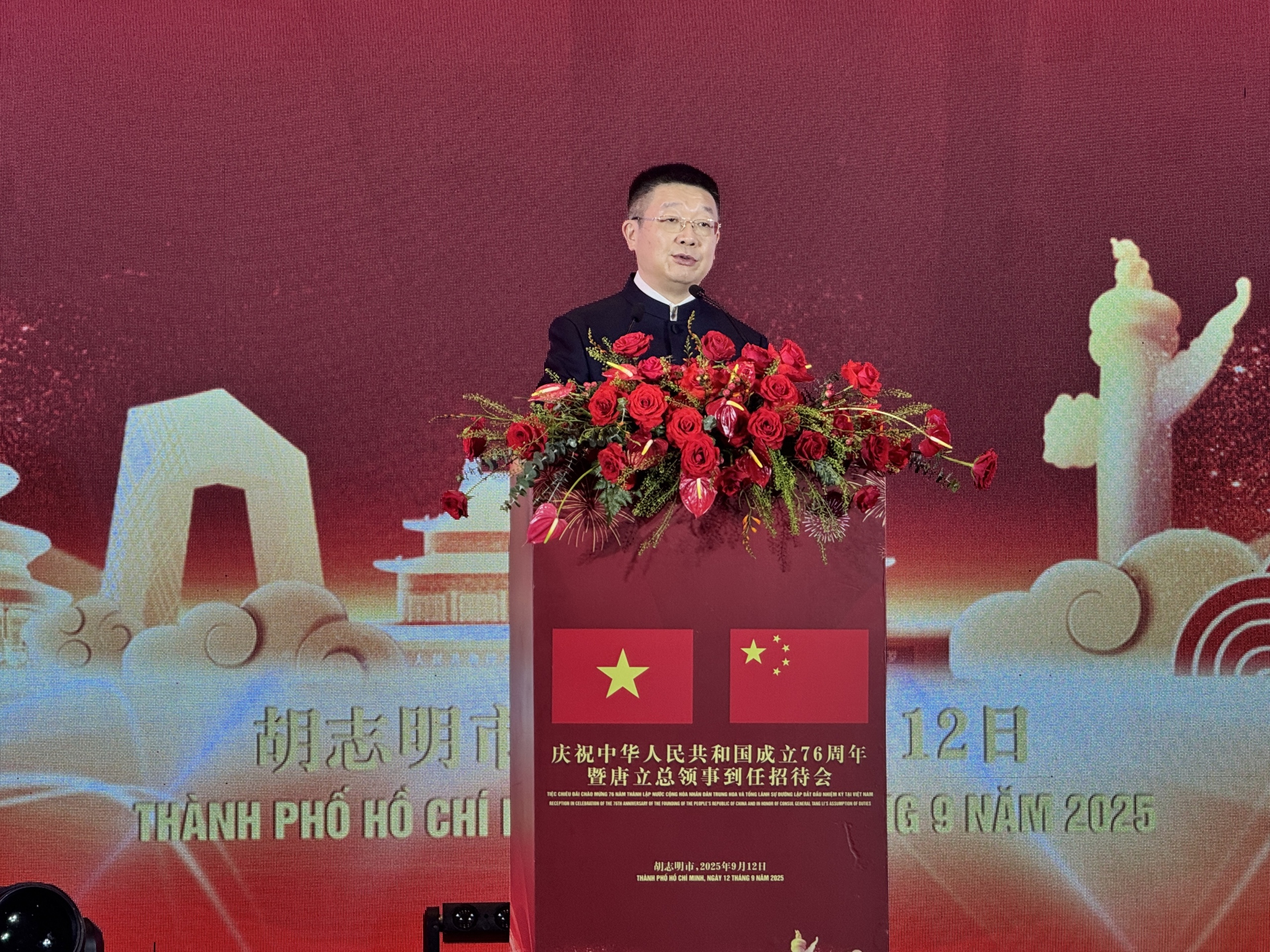
Tối 12.9, Tổng lãnh sự quán Trung Quốc tại TP.HCM tổ chức lễ kỷ niệm 76 năm Quốc khánh nước CHND Trung Hoa (1.10.1949 – 1.10.2025) với sự tham dự của nhiều quan khách.
Phát biểu tại buổi lễ, Tổng lãnh sự Trung Quốc tại TP.HCM Đường Lập nhấn mạnh những thành tựu phát triển của đất nước, vai trò lãnh đạo của Đảng Cộng sản Trung Quốc và quan hệ hợp tác toàn diện với Việt Nam.
Tổng lãnh sự Trung Quốc tại TP.HCM Đường Lập chia sẻ tại buổi lễ
Ông Đường Lập nhắc lại các cuộc trao đổi cấp cao giữa lãnh đạo Trung Quốc và Việt Nam trong thời gian gần đây diễn ra thường xuyên, phản ánh đầy đủ tính chiến lược và trình độ cao của quan hệ Trung – Việt. Hai bên dựa trên phương châm “16 chữ vàng” và tinh thần “4 tốt”, xác định mục tiêu tổng thể “6 cái hơn”, thúc đẩy không ngừng việc xây dựng cộng đồng chia sẻ tương lai Trung – Việt có ý nghĩa chiến lược.