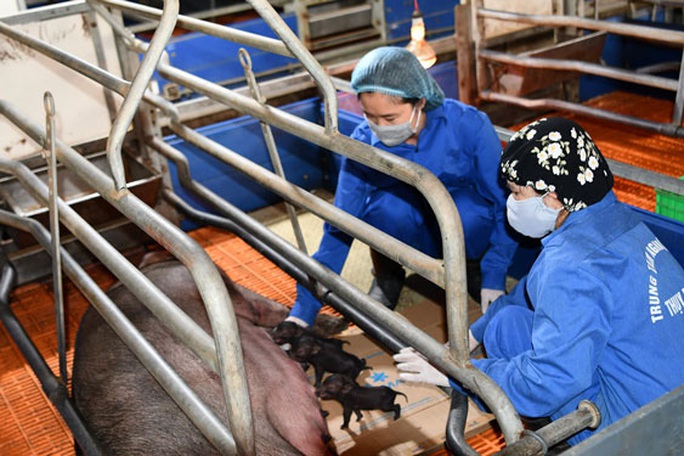
Ngày 14-3, Bộ Nông nghiệp và Phát triển nông thôn công bố các nhà khoa học của Viện Chăn nuôi trực thuộc bộ đã nghiên cứu thành công và làm chủ công nghệ nhân bản heo ỉ từ tế bào soma mô tai (trưởng thành).
Những chú heo ỉ vô tính đầu tiên của Việt Nam ra đời khỏe mạnh, phát triển tốt. Ảnh: VĂN GIANG
Cụ thể, vào ngày 10-3 vừa qua, 4 chú heo con đã chào đời khỏe mạnh, phát triển tốt từ công nghệ này, khẳng định bước tiến vượt bậc về khoa học và công nghệ của Việt Nam trong lĩnh vực nhân bản động vật. Tiếp tục đọc “Việt Nam lần đầu tiên nhân bản vô tính heo”→
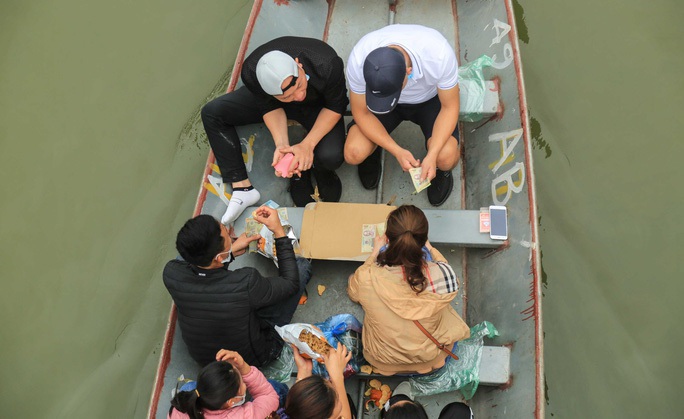
(NLĐO) – Thú rừng thui nằm lổn ngổn trên quày, chủ hàng vung dao chặt thịt chó mời chào du khách, dưới bến thuyền thanh niên tụ tập đánh bài, quán nhậu xập xình bia rượu…
Những tưởng sự trần trụi trên chỉ có ở nơi chốn xô bồ. Nhưng không, đấy là chùa Hương. Chùa Hương trong mùa hành hương mà vậy đấy.
Đánh bài trên đường vào chùa Hương. Ảnh: Ngô Nhung
Được xây dựng đã hơn 3 thế kỷ, chùa Hương với nhiều danh thắng và truyền thống tín ngưỡng đã trở thành nét văn hóa in sâu trong tâm linh của người Việt, đặc biệt là người dân các tỉnh phía Bắc. Lễ hội chùa Hương là một trong những lễ hội lớn nhất trong năm của Việt Nam. Ấy vậy mà từ lâu, những trò bán buôn đã làm vấy bẩn chốn này. Tiếp tục đọc “Chùa Hương bị vấy bẩn đến phản cảm!”→
Thanh Hương – 15/03/2021 11:45Do thời gian gấp, EVN mới chỉ góp ý vào các định hướng lớn của Quy hoạch Điện VIII. Bao trùm lên các góp ý này là sự lo lắng về việc thực thi sau này.
Từng được coi là có vai trò chủ đạo và giờ đây là đóng vai trò chính trong việc đảm bảo cấp điện cho nền kinh tế cũng như quản lý hệ thống truyền tải xương sống của quốc gia, những ý kiến góp ý của Tập đoàn Điện lực Việt Nam (EVN) với Dự thảo Đề án Quy hoạch Điện VIII được giới chuyên môn rất quan tâm bởi sự liên quan mật thiết hơn cả.
DV – Nguyễn An Thanh Thứ tư, ngày 10/03/2021 19:08 PM (GMT+7)
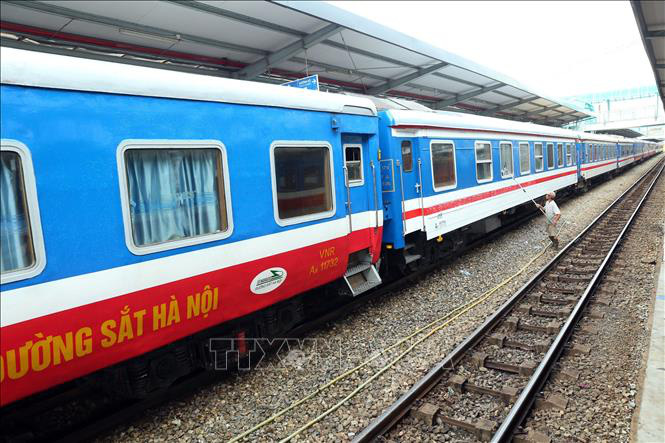
Ngành đường sắt Việt Nam cần được cải tổ mạnh mẽ. Ảnh minh hoạ – TTXVN.
Các đại gia bất động sản đang hè nhau đẩy ga đường sắt trung tâm khỏi thành phố Hà Nội, Nha Trang, TP.Hồ Chí Minh. Vị trí quy hoạch cầu đường sắt được thay bằng cầu đường bộ. Ngành đường sắt đối diện nguy cơ mất 3.200 tỷ vốn chủ sở hữu. Vị thế đường sắt bị coi thường khiến chi phí logistic, chi phí sản xuất đội cao.
Trong khi đường sắt đang “hấp hối” thì ngược lại chi phí logistics của Việt Nam đã hơn 20% GDP, gấp đôi các nước khác. Điều này khiến cho chi phí sản xuất của nền kinh tế bị đội lên cao, sức hấp dẫn đầu tư và tính cạnh tranh của nền kinh tế bị ảnh hưởng nghiêm trọng. Tiếp tục đọc “Đường sắt “hấp hối” và nhức nhối chi phí logistics hơn 20% GDP”→
QĐND Online – 76% người dân Liên Xô ngày 17-3-1991 đã bày tỏ ủng hộ việc duy trì Liên bang, mà không hề biết rằng, họ đang bỏ phiếu ủng hộ cho Liên Xô sụp đổ.
Mikhail Gorbachev – Tổng thống đầu tiên và cũng là duy nhất của Liên Xô.
Sắp tới, ngày 17-3, tròn 30 năm ngày Liên Xô tổ chức cuộc trưng cầu dân ý lịch sử dẫn đến sự sụp đổ của cường quốc này (17-3-1991 – 17-3-2021). Tờ “Pronedra” của Nga mới đây đăng bài viết của tác giả Yulia Yakobson với nhan đề “Liên Xô sụp đổ và vai trò của Mikhail Gorbachev trong việc làm tan rã một nhà nước rộng lớn”. Tiếp tục đọc “Liên Xô sụp đổ và vai trò của Mikhail Gorbachev”→
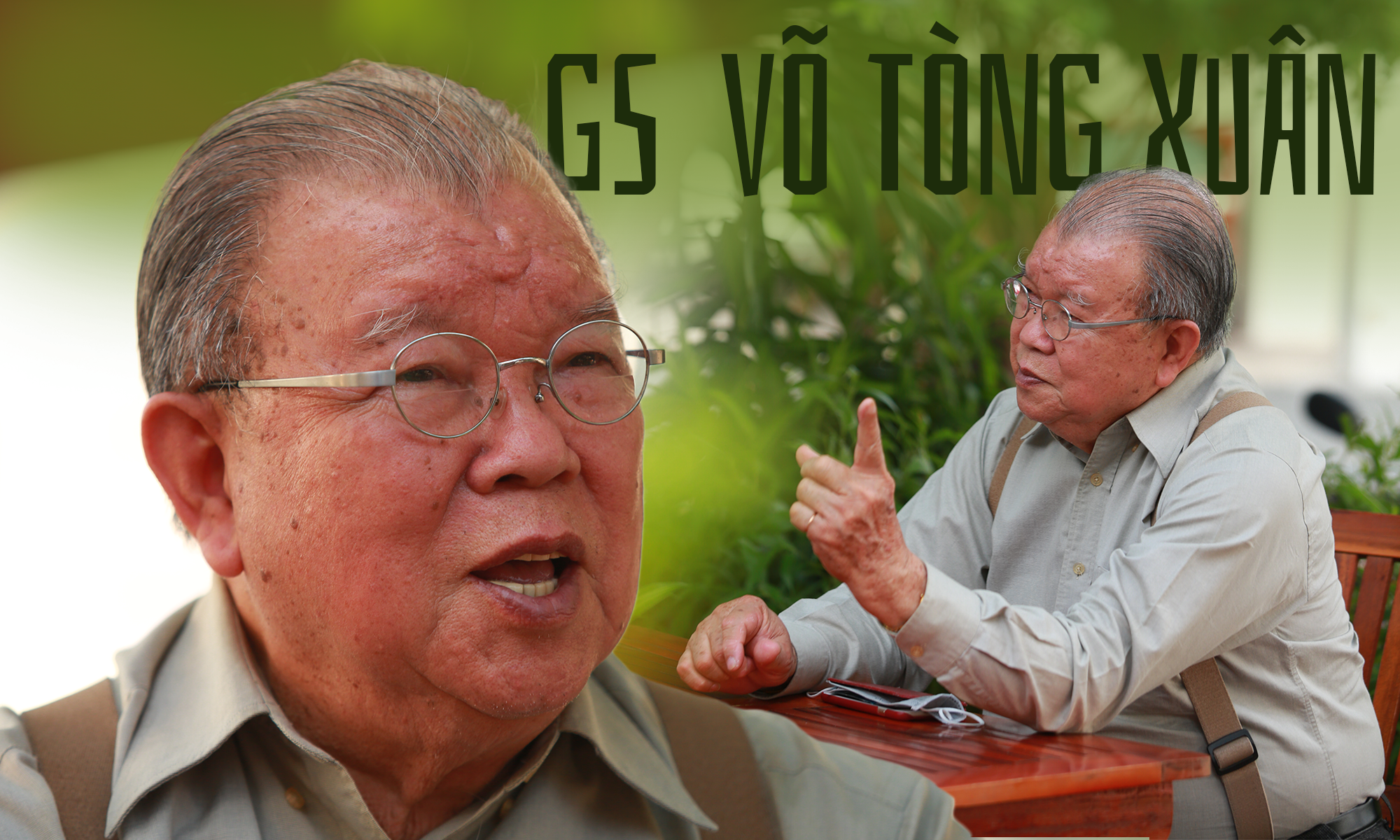
soha – Tháng 11 năm 2017, Thủ tướng Chính phủ Nguyễn Xuân Phúc quyết định ban hành nghị quyết số 120. Bản nghị quyết còn có tên gọi đặc biệt khác: “Thuận thiên”, về Phát triển bền vững Đồng bằng sông Cửu Long (ĐBSCL) thích ứng với biến đổi khí hậu.
Theo lời kể của vị giáo sư “cây lúa” Võ Tòng Xuân, 2 chữ “thuận thiên” ấy được bắt đầu từ một cuộc trò chuyện ngắn ngủi trên bàn ăn giữa Thủ tướng và ông. Một điều ít ai biết, GS Võ Tòng Xuân đã ấp ủ nó để được “thưa” suốt 30 năm.
4 năm sau cuộc gặp ấy, trong cuộc trò chuyện với chúng tôi, ông lão 80 tuổi tóc bạc phơ vẫn ngày ngày cần mẫn với công việc nghiên cứu, giảng dạy cho hàng nghìn sinh viên nông nghiệp. Và vẫn tự hào khi nhắc về 80 năm cuộc đời trăn trở cho con đường “thuận thiên”…
Bắt đầu cuộc trò chuyện này, tôi muốn biết từ khi nào “thuận thiên” xuất hiện trong suy nghĩ của giáo sư, thưa ông?
GS Võ Tòng Xuân: Khi 15.000 hecta vùng đất thấp ngập mặn, lúa chết sạch, Sóc Trăng bà con kêu thấu trời xanh.
Một thời Việt Nam ta tự hào vì 9 con rồng đổ mình ra biển Đông, nhưng đến thập kỷ 1960 con rồng Ba Thắc (Sóc Trăng) thực sự đã chết. Thập kỷ 1980 thì tới lượt con rồng Ba Lai (Bến Tre) mười mấy cây số đều bị lấp, không còn đủ chảy nước chảy thành một lòng sông…
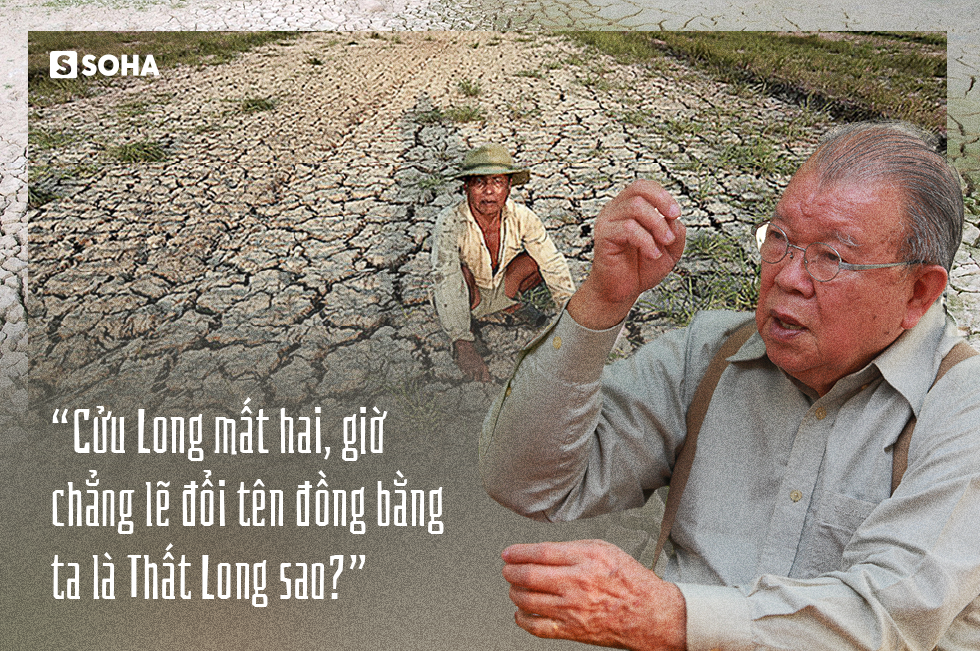
Khi ấy, tôi nói đùa với đồng nghiệp: “Cửu Long mất hai, giờ chẳng lẽ đổi tên đồng bằng ta là Thất Long sao?”. Nhưng nói xong, chỉ thấy nhói tận tâm.
Suốt một thời gian dài từ 2000 đến nay, tôi đã chứng kiến ĐBSCL trải qua những mùa khô và hạn hán khốc liệt như thế đấy! Đi đến đâu, gặp bất kỳ người nông dân nào, cũng chỉ nước mắt và lời kêu than không thể nào đau lòng hơn.
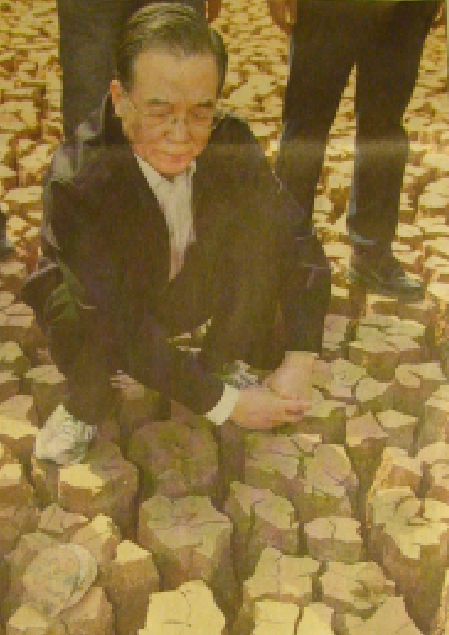
Cho đến một buổi sáng tháng 3/2010, tôi tình cờ đọc trực tuyến trên tờ Bangkok Post bản tin về Thủ tướng Trung Quốc Ôn Gia Bảo ngồi giữa thửa ruộng Vân Nam. Xung quanh bốn bề đất nứt như gót chân người, không còn lấy một giọt nước.
Dưới bức ảnh, Thủ tướng Ôn Gia Bảo nhắn: “Tôi không dám vào viếng một nhà nông dân nào. Vô đó, tôi chắc chắn họ không còn nước mời tôi uống”.
Ngày 25/3/2010, tôi đi viếng vùng nhiễm mặn Sóc Trăng cũng thấy tình trạng cạn khô như vậy.
Khi đó tôi mới vỡ lẽ.
Vỡ lẽ về điều gì, thưa ông?
GS Võ Tòng Xuân: Suốt thời gian dài, chúng ta nói, thượng nguồn Trung Quốc xây đập thuỷ điện chằng chịt, chặn đứng nguồn nước Mê Kông gây hạn hán, ngập mặn. Việt Nam, Thái Lan, Campuchia nhiều năm nay vẫn kiện cáo, đòi mở đập để “giải cứu” cây lúa miền dưới.
Nhưng thực tế không phải vậy!
Rõ ràng lúc Việt Nam đang gặp hạn thì trên Vân Nam họ cũng thế! Từ sau năm 2015, mực nước sông Mê Kông mùa khô liên tục rơi xuống còn 1.600 m3 – 1.800 m3/s, trong khi trước đây nó từng đạt 40.000 m3/s vào mùa mưa và 2000 m3/s vào mùa khô.
Chúng ta kiện, chúng ta đòi mở nước nhưng Trung Quốc họ đã không còn đủ nước cho cả đất nước họ nữa rồi. Mà cho là có năm dư, khi xuống tới đường ranh Thái Lan – Lào, hàng ngày hàng nghìn trạm bơm vẫn lấy nước đổ vào cho vùng hạn Đông Bắc Thái Lan thì đến lượt Việt Nam liệu có còn nước không?
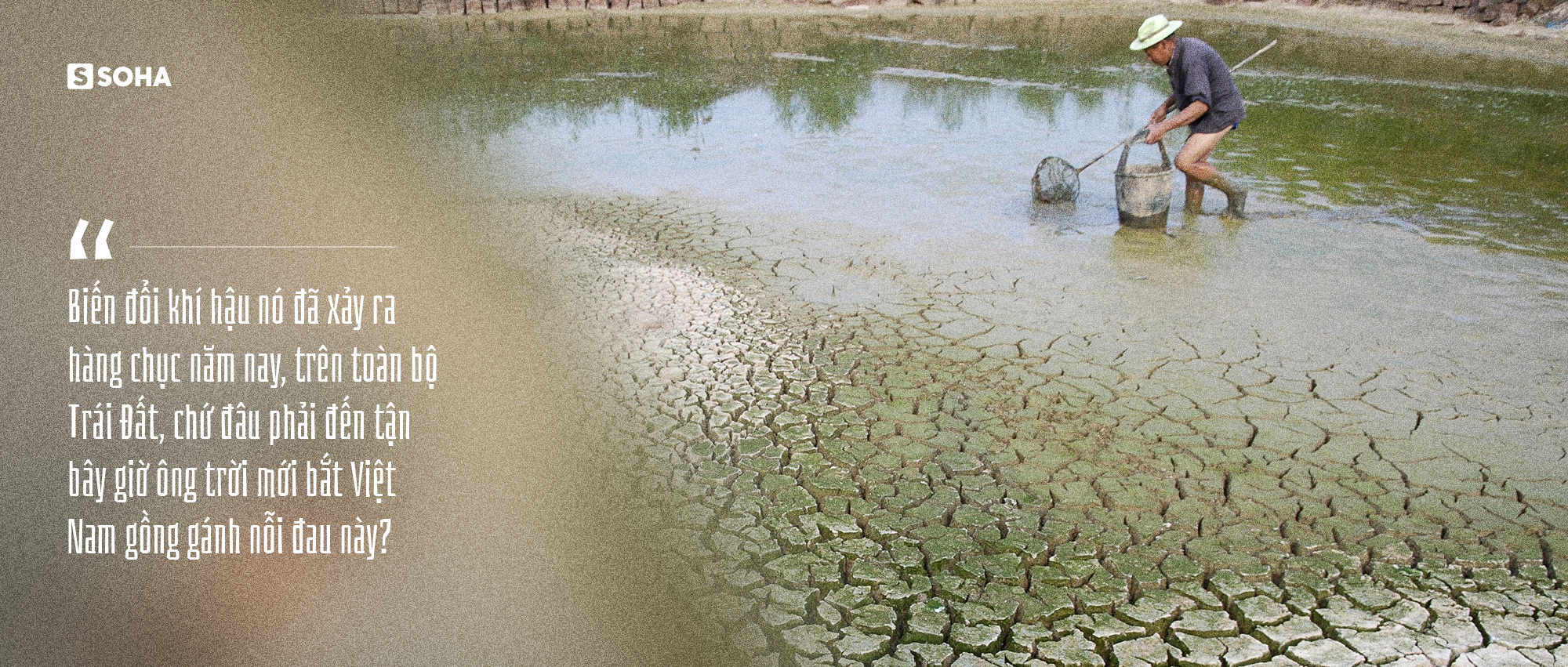
Đó là tình hình chung thế giới! Và cái biến đổi khí hậu nó đã xảy ra hàng chục năm nay, trên toàn bộ Trái Đất, chứ đâu phải đến tận bây giờ ông trời mới bắt Việt Nam gồng gánh nỗi đau này?
Có thời điểm vì sợ thiếu lương thực, Bộ Nông nghiệp và Hải Quan đề nghị nước ta tạm ngưng xuất khẩu gạo. Hơn một tháng trời, nước ngoài không đợi được, họ liền quay sang Thái Lan mua gạo.
Lúc đó, tôi lên tiếng khẳng định luôn: “Nước ta không bao giờ thiếu lúa gạo!”.
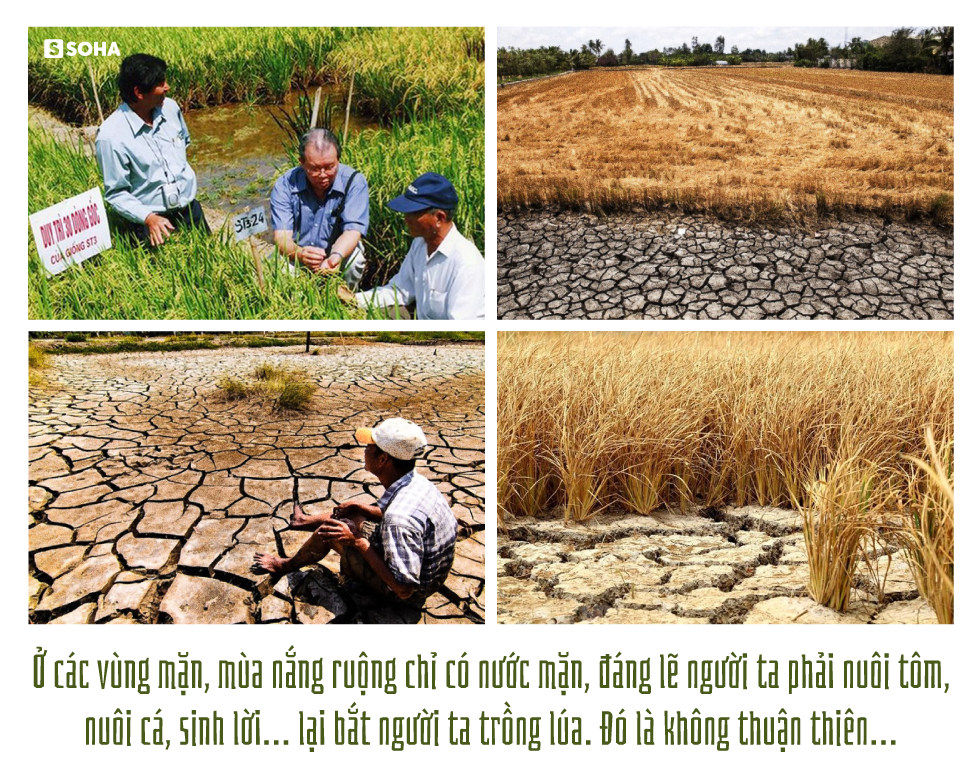
Để chứng minh điều này, tôi đã đi dọc các tỉnh ven biên giới Campuchia. Ở đó, khoảng 1,2 triệu hecta đất vùng nước ngọt quanh năm, nước mặn không thể ngập tới, cây lúa vẫn phát triển tốt, thậm chí còn cho năng suất rất cao.
Chỉ duy khoảng 15.000 hecta ở vùng ven biển của mấy ông nông dân “cãi trời”, chính quyền đã cảnh báo nhưng vẫn chăm chăm làm lúa thì giờ mới than trời kêu đất.
Truyền thông không nhìn thấy được bức tranh toàn cảnh nên đã gây ra rất nhiều hiểu lầm.
Tháng 9/2017, tôi được mời tham dự Hội nghị về Phát triển bền vững ĐBSCL thích ứng với biến đổi khí hậu tại Cần Thơ, do Thủ Tướng Nguyễn Xuân Phúc chủ trì. Nhân dịp này tôi mới rút ruột rút gan ra trình bày với Thủ Tướng:
“Nông dân miền Tây mình đang mắc vòng kim cô rất lớn! Thưa Thủ tướng…”
Thủ tướng thấy lạ bèn hỏi lại: “Kim cô gì thầy? Nhờ thầy nói rõ!”
“Kim cô chính là lúa.”.
Tôi giải thích tiếp: “Giờ này chúng ta thặng dư nhiều lúa rồi nhưng Nhà nước cứ buộc nông dân trồng lúa, vùng mặn cũng phải làm. Đó chính là ta đi ngược với thiên nhiên, chống thiên nhiên.”
Thủ tướng hỏi: “Chống như thế nào thầy?”
“Ở các vùng mặn, mùa nắng ruộng chỉ có nước mặn, đáng lẽ người ta phải nuôi tôm, nuôi cá, sinh lời… lại bắt người ta trồng lúa. Đó là không thuận thiên…”
Lúc ấy, Thủ tướng vỡ lẽ.
Kết thúc kỳ họp, Thủ Tướng đồng ý dùng 2 chữ “thuận thiên” làm tôn chỉ cho nghị quyết mới.
Tháng 11/2017 thì nghị quyết 120 do Chính phủ ban hành đã nhấn mạnh tầm quan trọng của 2 chữ “Thuận thiên”.
Bởi khi ấy, nếu nông dân tiếp tục “cãi trời”, ĐBSCL sẽ đi vào thế khó. Thuận thiên thì không những biến nguy thành cơ mà còn là cơ hội “vàng” cho Tây Nam Bộ vươn lên làm giàu.
Trước Thủ tướng Chính phủ Nguyễn Xuân Phúc, Giáo sư đã bao giờ đề cập đến con đường “thuận thiên” này lần nào khác?
GS Võ Tòng Xuân: Thú thật, hơn 50 năm “ăn nằm” với cây lúa, tôi chưa bao giờ thôi nghĩ về nó.
Thời kỳ đất nước giải phóng, chúng ta đề ra chính sách đảm bảo an ninh lương thực, chú trọng việc trồng lúa.
Tại kỳ họp thứ 1 Quốc hội Khóa VII (1981-1987) do Chủ tịch Hội đồng Bộ trưởng Phạm Văn Đồng chủ trì, Chánh phủ báo cáo đã mở rộng sản xuất lương thực vùng Đồng Tháp Mười và vùng lúa Tứ Giác Long Xuyên.
Đến lúc đại biểu Quốc Hội tham luận, tôi đăng ký xin thưa: “2 vùng vừa báo cáo không chỉ không cho kết quả như ý muốn mà còn làm nãn lòng nhân dân”.
Bởi thời điểm đó, những vùng này đất rất phèn, cây tràm đã sống thành rừng mà giờ ta lại chỉ đạo phá rừng, trồng lúa.
Mọi người cứ nghĩ Nam Bộ “cò bay thẳng cánh” thì đâu đâu cũng trồng lúa được. Không phải! Đó là cưỡng trời, là đi ngược thiên nhiên. Bao nhiêu vốn đầu tư nhưng sẽ không lấy lại được bao nhiêu!
Nghe xong, chủ tịch Phạm Văn Đồng nhìn tôi, trách: “Tại sao đến giờ đồng chí mới nói?”.
Lúc đó, tôi thưa: “Dạ! Đây là dịp đầu tiên cháu mới có được môi trường Quốc hội để phát biểu”. Sau đó, ông cười rồi lập tức kêu Ông Phan Xuân Đợt (Bộ trưởng Lâm Nghiệp bấy giờ) và ông Nguyễn Đăng (nguyên Thứ trưởng Bộ Nông nghiệp) đưa ra phương án, nhanh chóng sửa sai vấn đề này ngay.
Đến cuối năm 1989, nước ta bắt đầu xuất khẩu gạo. Ngặt cái, trồng lúa ở miền Bắc thì cứ như chống giặc vậy! Vụ đông xuân thì chống rét, hạ chống hạn, thu đông thì chống bão lũ… Lúc đó tôi mới thấy sao nông dân mình khổ quá! Suốt đời cứ chống, đi đánh thế thì bao giờ mới có ăn. Tôi liền nghĩ đến phương án giảm trồng lúa.
Năm 1990, tôi đổi tên “Trung tâm Nghiên cứu và Phát triển lúa” của mình thành “Trung tâm Nghiên cứu và Phát triển Hệ thống Canh tác”. Trong những lần ra nước ngoài, tôi vận động Australia giúp kinh phí chi Viện Lúa Quốc tế (IRRI) và Canada tài trợ chương trình nghiên cứu khoa học. Về nước tôi mời các khoa Nông nghiệp của đại học Việt Nam thành lập Mạng Lưới nghiên cứu hệ thống canh tác xoay quanh cây lúa cho từng vùng. Chủ yếu là để giảm bớt một, hai vụ lúa nhằm luân canh cây trồng khác hoặc nuôi tôm, cá.
Nhưng cuối cùng dự án đó mãi mãi không thực hiện được…
Sang kỳ họp Quốc hội thứ 8, tôi tiếp tục đề cập vấn đề cắt giảm nhu cầu trồng lúa, chuyển sang canh tác cây ăn quả, thâm canh tôm, cá giá trị cao. Lúc đó, một đại biểu Quốc Hội đứng lên phản bác rất gay gắt: “Mình là con người, con người phải ăn cơm ăn gạo, chỉ có con khỉ mới ăn quả”.
Vậy đó, họ nói tôi như thế đó!
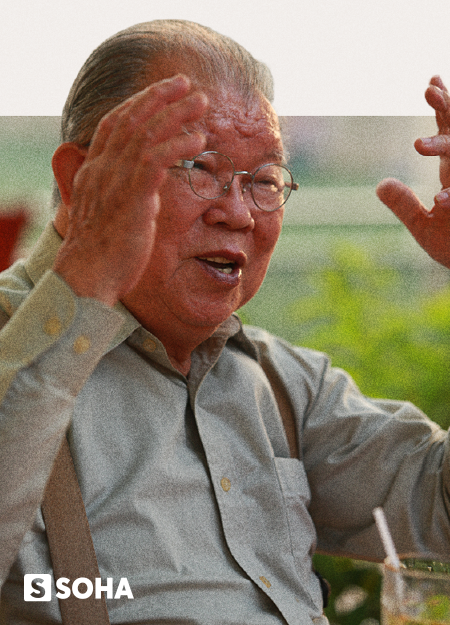
Tôi về, đi ra đồng thì ông nông dân vẫn hỏi: “Bây giờ mình dư nhiều gạo, xuất khẩu nhiều quá rồi, sao nhà nước còn khuyến khích trồng lúa?”. Có lúc tôi không biết trả lời họ câu hỏi đó sao cho phải…
Một đời người nghiên cứu về cây lúa nhưng năm lần bảy lượt ông lại ủng hộ quan điểm Việt Nam không nên tiếp tục trồng nhiều lúa. Điều đó có mâu thuẫn quá không, thưa ông?
GS Võ Tòng Xuân: Đúng! Đúng là có lúc tôi từng mâu thuẫn như thế!
Thời điểm năm 1975, chính sách đảm bảo an ninh lương thực khiến dân ta không có lựa chọn nào ngoài chuyện trồng lúa. Miền Bắc thì tập trung lo đê điều, Trung Bộ, Tây Nguyên và Nam Bộ thì thuỷ lợi, ngọt hoá. Hơn 70% kinh phí nhà nước cấp cho ngành nông nghiệp khi ấy chỉ để xây thủy lợi, làm lúa nước.
Dân phá rừng trồng lúa, thậm chí nhà nào có vườn hoa đẹp phải cuốc lên, có vườn trái cây đều đào gốc, trồng rau, khoai. Nhiều gia đình thèm có một cái cây ăn trái lắm, phải lén đắp mô ở trong ruộng, chỗ này một ít, chỗ kia một ít để có cây nhãn, cây xoài ăn chơi.
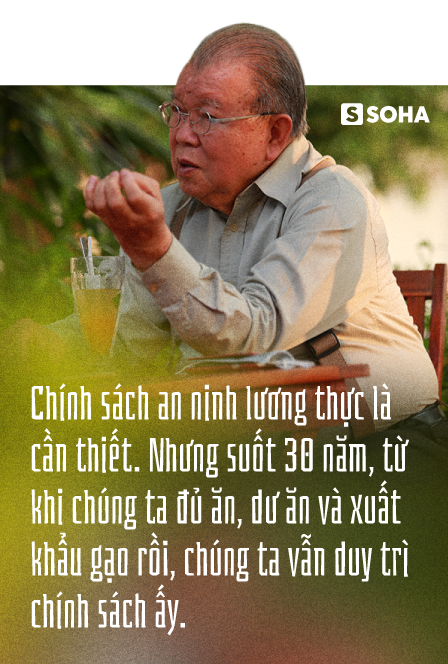
Bởi khi ấy, chúng ta còn quá ám ảnh cái đói sau 2 cuộc thế chiến! Cái chính sách an ninh lương thực là cần thiết. Nhưng suốt 30 năm, từ khi chúng ta đủ ăn, dư ăn và xuất khẩu gạo rồi, chúng ta vẫn duy trì chính sách ấy, vẫn trồng lúa mọi nơi, thậm chí còn tốn nhiều tiền để ngọt hóa vùng mặn để trồng thêm.
Nếu tôi vì bản thân mình thì tôi đã nhắm mắt cho qua. Nhưng không phải! Tôi đã chứng kiến nhiều câu hỏi không biết trả lời thế nào từ những nông dân như thế rồi.
Đúng như ý nguyện của Bác Hồ “Nông dân ta giàu thì nước ta giàu”, tôi nghĩ đã đến lúc nhà nước ta, các doanh nghiệp và cả người nông dân đều cần thay đổi.
Con đường thay đổi đó thực hiện như thế nào?
GS Võ Tòng Xuân: Trước đây, người Việt hay có quan niệm: “Không học thì đi làm nông dân”. Bởi ngày xưa, ông bà ta chỉ làm nông theo hình thức tự phát, kinh nghiệm, bắt chước.
Nhưng giờ Việt Nam đã qua cái thời “thất học ra đồng”! Chúng ta có rất nhiều cơ sở để tri thức hoá người nông dân như các nước châu Âu.
Nói vậy không phải là bắt ông nông dân phải đi học đại học, cao đẳng. Mà ông ấy chỉ cần qua các lớp đào tạo do doanh nghiệp, nhà nước địa phương tổ chức nhằm làm sao cho nguyên liệu do nông dân làm ra đạt đủ tiêu chuẩn yêu cầu thì xem như đã qua lớp và được cấp giấy chứng nhận đủ điều kiện “hành nghề ”.
Thứ hai, trong tương lai gần, với tình trạng hạn mặn và sạt lở diễn ra mạnh mẽ ở ĐBSCL như hiện nay, để phát triển toàn diện thì cần phải giảm lúa gạo. Tại vùng ven biên giới Campuchia, là vùng luôn luôn có đủ nước ngọt và không bị nước mặn xâm nhập, thì chúng ta nên thiết kế 1.2 triệu hecta lúa, trồng 2-3 vụ/năm để đảm bảo an ninh lương thực và xuất khẩu một phần.
Còn những tiểu vùng gần biển thì nên trồng lúa vào mùa mưa, mùa nắng có thể kết hợp nước mặn với nước ngọt trộn lại để nuôi tôm, nuôi cá thâm canh hoặc chuyển đổi cơ cấu cây trồng chịu mặn. Vùng giữa thì bắt đầu lên liếp đất để hạn chế nước mặn và có rảnh mương dự trữ nước trong mùa mưa để tưới cho cây trồng trong mùa nắng.
Thứ 3, nhà nước cần nắm được các khuynh hướng nông nghiệp trên thế giới. Từ đó, tạo điều kiện liên kết vùng, nông dân-nông dân (dồn điền -PV), nông dân-doanh nghiệp, doanh nghiệp-doanh nghiệp để sản xuất trên diện tích lớn bằng cơ giới và công nghệ 4.0.
Ngược lại, phía doanh nghiệp phải được đào tạo thành nhà doanh nhân giỏi, là đơn vị tiên phong trong chế biến sản phẩm có thương hiệu, năng nổ khám phá và sẵn sàng tìm đầu ra cho sản phẩm.
Cuối cùng là công cuộc chiếm lĩnh thị trường 100 triệu dân trong nước. Sự thật là những năm qua, ngành nông nghiệp đang dần chiếm được tình cảm của người tiêu dùng Việt bởi những sản phẩm an toàn vệ sinh, ngon, hấp dẫn, không kém sản phẩm ngoại nhập.
Vậy trong 3 năm thực hiện nghị quyết 120, con đường “thuận thiên” ấy đã để lại cho chúng ta tín hiệu đáng mừng như thế nào rồi, thưa GS?
GS Võ Tòng Xuân: Nông dân các tỉnh ven biển ĐBSCL đã và đang phấn khởi với những vùng chuyển đổi mà Đảng và Nhà nước quy hoạch mới, hàng ngàn hecta lúa-tôm đã đem lại lợi tức gấp 4-5 lần trồng lúa độc canh trước đây.
Bến Tre ngoài cây dừa đã trồng thêm cây ăn trái như bưỡi, xoài, sầu riêng bằng bón phân hữu cơ sinh học chống mặn tốt. Trên các cánh đồng lúa bát ngát ở Châu Đốc (An Giang), Tháp Mười (Đồng Tháp) cũng bắt đầu nhen nhóm những vườn xoài, chuối. Nhiều doanh nghiệp như Vinamit, vua chuối Út Huy, công ty Cỏ May (Đồng Tháp), Trung An (Cần Thơ),… đã áp dụng nông nghiệp “sạch”, chiếm lĩnh thị trường thế giới bằng con đường “chất lượng thắng số lượng.”
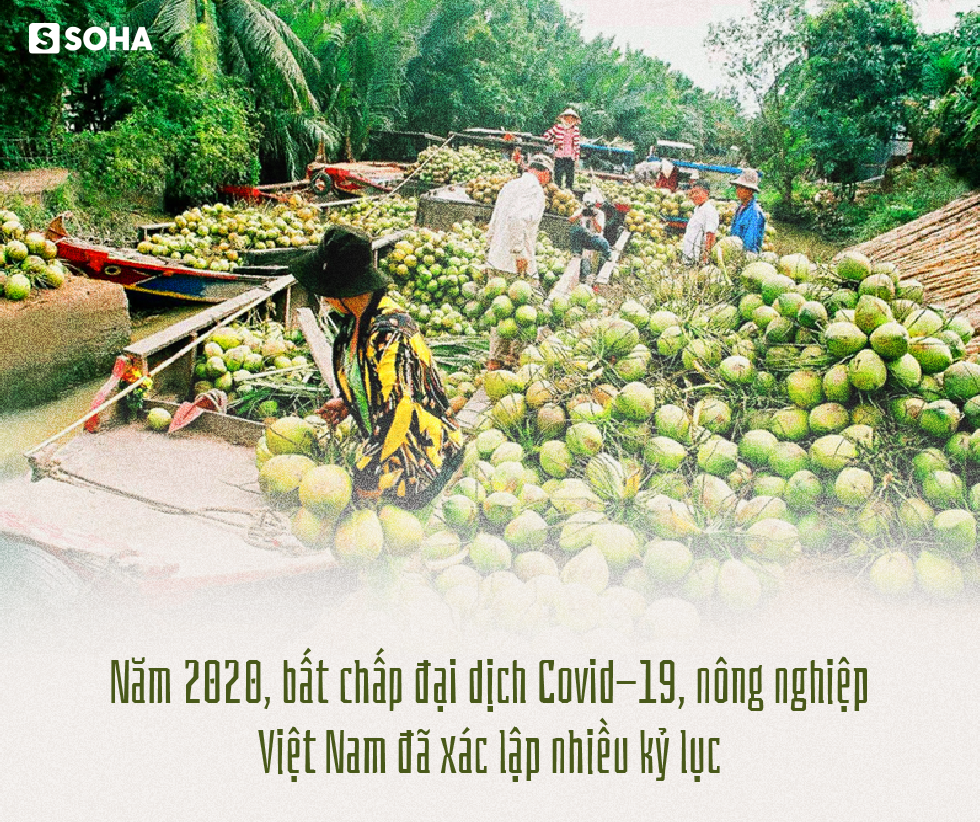
Năm 2020, bất chấp đại dịch Covid-19 chúng ta đã xác lập nhiều kỷ lục khi sản phẩm nông nghiệp Việt Nam đã vươn xa tới gần 190 thị trường thế giới, xuất khẩu nông sản đạt mốc 41,2 tỷ USD, cao nhất từ trước đến nay.
Nhiều loại quả như vải thiều, chôm chôm, thanh long, vú sữa, xoài, nhãn… đã có mặt tại những thị trường khó tính nhất như Mỹ, Australia, Nhật Bản, Hàn Quốc…, giá trị còn tăng gấp 20-30 lần so với trong nước.
Về gạo, khối lượng gạo xuất khẩu giảm 3,5% nhưng tăng 9,3% về giá trị, trong đó gạo chất lượng cao chiếm 85% gạo xuất khẩu. Một khoảng thời gian, chúng ta đã vượt hẳng qua Thái Lan. Như hôm qua (ngày 22/2), tôi vừa xem giá gạo thì Việt Nam đạt 536 USD/ tấn, cao hơn hẳng nước bạn.
Đó đều là tín hiệu đáng mừng!
Và từ năm 2020 trở đi, với điều kiện thuận lợi của Hiệp định Thương mại tự do EVFTA, CPTPP… nông sản Việt vào thị trường EU không bị đánh thuế, thì chúng ta có quyền hy vọng con đường đến top 15 nền nông nghiệp hàng đầu thế giới.
Ở tuổi 81 này, GS còn điều gì trăn trở cho cuộc sống và nền nông nghiệp Việt Nam?
GS Võ Tòng Xuân: Năm 1991, tôi sang Mỹ, có dịp gặp một vài anh bạn người Việt gốc Hoa làm chủ chuỗi siêu thị Á Châu. Ngồi nghe tâm sự, các anh ấy đều nói:“Bây giờ thầy phải làm thế nào đi thầy? Tụi con thèm bán gạo Việt lắm mà Việt Nam không có giống gạo ngon nào, siêu thị tụi con toàn phải mua gạo Thái Lan”.
Câu hỏi ấy cứ theo tôi mãi!
Năm 2019, khi Hồ Quang Cua – sinh viên của tôi, lai tạo thành công “giống gạo ngon nhất thế giới” ST25, tôi mới có thể tự tin giới thiệu với các siêu thị Á Châu.
80 năm cuộc đời, tôi đã đặt chân đến trên 80 nước để mang về những cải tiến cho nền nông nghiệp Việt Nam. Tôi vui khi hoàn thành được những hoài bão. Nhưng sẽ càng hạnh phúc hơn nhiều nếu đi đâu đâu trên khắp thế giới này tôi đều thấy nông sản Việt Nam, thấy người ta hào hứng lựa chọn nó, tôi hay tưởng tượng đến những nụ cười sung sướng của người nông dân đã và đang sản xuất nguyên liệu an toàn, chất lượng để cung cấp cho nhà doanh nghiệp, cùng nhau làm ra những sản phẩm có thương hiệu nổi trội.
Đó là những người tiếp tay làm nên sự giàu có của chính họ và của đất nước Việt Nam.
Bây giờ, mỗi ngày tôi vẫn làm việc bình thường. Nói chuyện với bạn hôm nay, lát nữa sẽ về Cần Thơ để mai gặp sinh viên. Kế hoạch cuối tuần này thì lên Nhà máy đường Gia Lai tính chuyện hợp tác với người dân tộc tại Huyện Eatun trồng cây mía,… Ngày nào còn sức khỏe và trí óc minh mẫn, ngày ấy tôi sẽ còn truyền đạt kiến thức, kinh nghiệm và kỹ năng cho thế hệ sau bấy lâu.
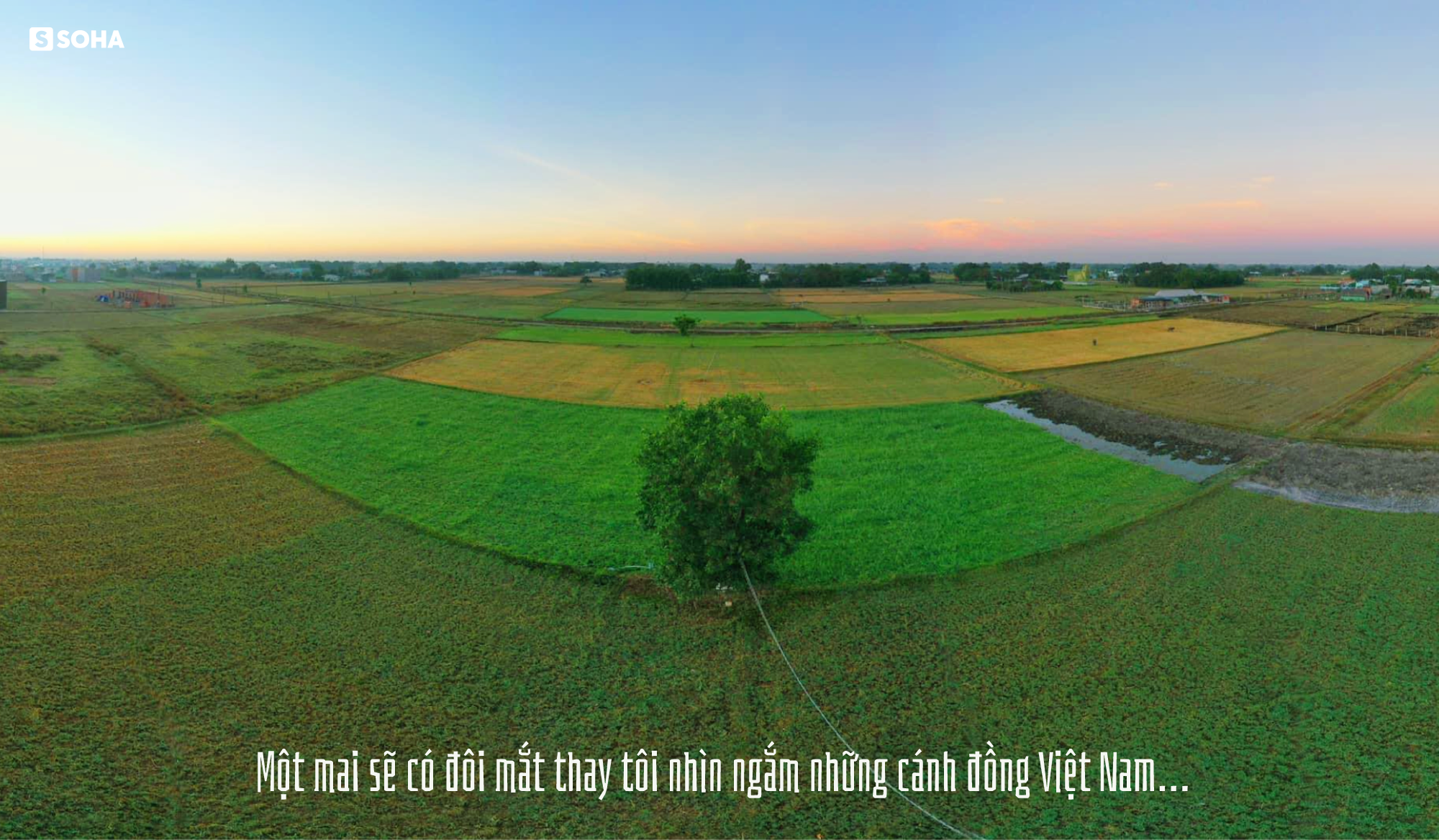
Như Khổng Tử, Trang Tử, Lão Tử của ngày xưa mong muốn tìm người tiếp nối. Tôi chỉ mong một mai sẽ có đôi mắt thay tôi nhìn ngắm những cánh đồng Việt Nam phát triển thế nào…
11 March (IEEFA Vietnam): Vietnam’s recently published draft power development plan for 2021-2030 (PDP8) has failed to acknowledge the importance of developing a more flexible system that can accommodate a changing technology mix, according to a new report from the Institute for Energy Economics and Financial Analysis (IEEFA).
“After a decade filled with disappointments from the fossil fuel industry, planners successfully tested the dynamism of renewable energy in Vietnam’s fast-growing market,” says report author IEEFA Director of Energy Finance Studies Asia, Melissa Brown.
“Many conventional coal and gas-power projects failed to progress during the development process, only managing to meet half of the targeted capacity for 2016-2020.
“Solar power developers however over-delivered by five times, and they have done so in a fraction of the time.
“This evidence would surely inform the next stage of Vietnam’s power development.
Một trong những quy định tại Nghị định 117/2020/NĐ-CP quy định xử phạt hành chính trong lĩnh vực y tế (có hiệu lực từ 15.11.2020) đã quy định về xử phạt với hành vi lựa chọn giới tính thai nhi.
Phạt tiền từ 10 – 12 triệu đồng đối với hành vi dùng vũ lực để ép buộc người mang thai loại bỏ thai nhi vì lý do lựa chọn giới tính- Ảnh minh họa: Shutterstock
Quyền tiếp cận đất đai của phụ nữ thông qua hoạt động cấp giấy chứng nhận quyền sử dụng đất là yếu tố quan trọng đảm bảo thực hiện quyền bình đẳng giới. Tuy nhiên, thực tế triển khai quy định này cho thấy còn nhiều vướng mắc, bất cập. Bài viết phân tích, đánh giá thực trạng quy định và thực hiện quyền tiếp cận đất đai của phụ nữ thông qua hoạt động cấp giấy chứng nhận quyền sử dụng đất và đề xuất giải pháp để thực hiện tốt hơn quyền tiếp cận đất đai của phụ nữ. Tiếp tục đọc “Quyền tiếp cận đất đai của phụ nữ thông qua hoạt động cấp giấy chứng nhận quyền sử dụng đất”→
TS – 01/03/2021 07:15 – Vịnh Nha Trang, một trong những vịnh đẹp nhất thế giới, được đánh giá là có đa dạng sinh học cao so với nhiều vùng ven bờ khác ở Việt Nam, đã giảm tới 90% lượng san hô khỏe mạnh, phong phú so với bốn thập niên trước.
Rạn san hô khu vực Hòn Mun, vịnh Nha Trang. Nguồn: Ảnh do Ban Quản lý vịnh Nha Trang cung cấp/ Báo Người Lao động.
Đây là kết quả nghiên cứu được công bố vào năm ngoái của nhóm các nhà khoa học tại Viện Sinh thái học và Tiến hóa, Viện Hàn lâm Khoa học Nga và Viện Hải dương học tại Nha Trang công bố trên tạp chí Marine and Freshwater Research1. Tiếp tục đọc “Suy giảm 90% san hô ở Vịnh Nha Trang”→
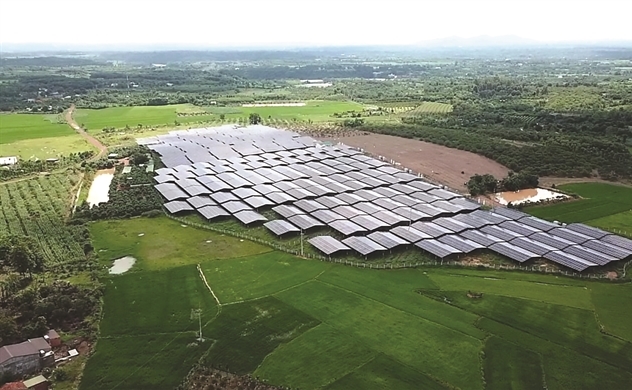
Tính đến ngày 1.1.2021 cả nước đã có 101.029 công trình điện mặt trời mái nhà. Ảnh: TL.Biến tướng trong đầu tư điện mặt trời kết hợp sản xuất nông nghiệp.
Trong 3 tháng cuối năm 2020, khu vực Tây Nguyên đặc biệt là các tỉnh Đắk Lắk, Gia Lai, Đắk Nông, Bình Phước xuất hiện nhiều nhóm nhà đầu tư thuê đất của dân để làm dự án điện mặt trời áp mái và hứa hẹn người dân chỉ cần ký giấy tờ do bên họ chuẩn bị sẵn thì sẽ nhận được tiền thuê đất hằng tháng khoảng 30 triệu đồng/ha.
Nhóm đầu tư này mua gom đất nông nghiệp của các hộ dân, rồi làm thủ tục xin đấu nối với Điện lực Đắk Lắk (PC Đắk Lắk). Điều kiện để được đấu nối là phải có dự án nông nghiệp (chăn nuôi, trồng trọt), tận dụng tầng mái công trình lắp pin năng lượng. Theo quy định của Tập đoàn Điện lực Việt Nam (EVN), các công trình điện mặt trời trên 1 MWp (điện đấu lưới) phải được Bộ Công Thương phê duyệt. Vì vậy, nhóm nhà đầu tư này thành lập thêm nhiều công ty con, chia nhỏ dự án (dưới 1 MWp) nhằm lách luật. Tiếp tục đọc “Băm đất nông nghiệp làm điện mặt trời”→