French President Emmanuel Macron and U.S. President Joe Biden stand together onstage during an official state arrival ceremony on the South Lawn of the White House on December 1, 2022. Elizabeth Frantz/ReutersEuropeans consider vast U.S. subsidies for cars, clean energy, and semiconductors a danger to their economies. Read the analysis
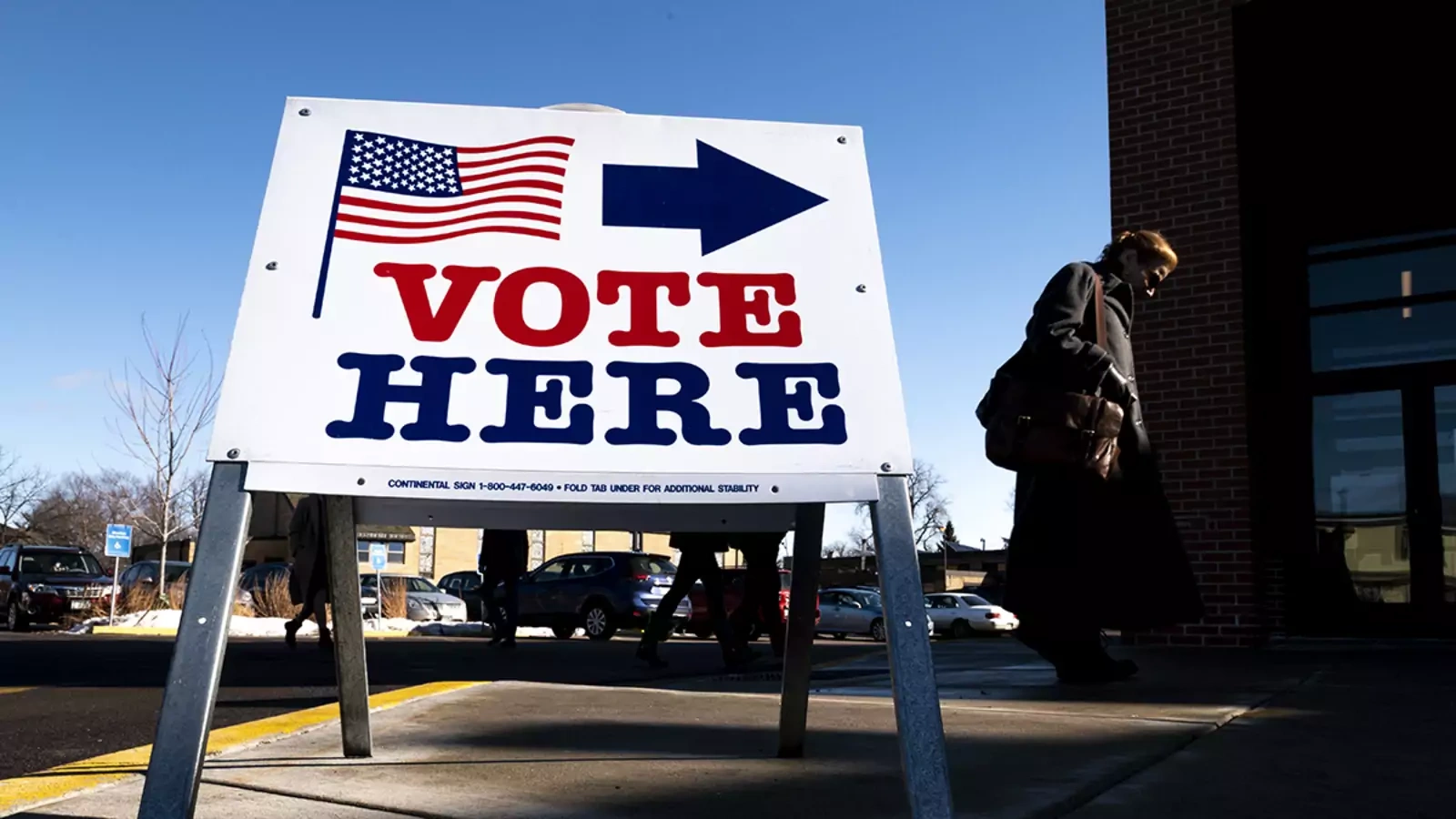
Europeans need a more substantial plan to support Ukraine, not just to ensure their own security, but also to signal their long-term commitment and head off U.S. criticism of European free-riding on Ukraine ahead of the 2024 U.S. elections. Read the opinion
For years, controversy has surrounded FIFA’s choice of the 2022 World Cup host. Thanks to new Qatargate revelations, scathing headlines will haunt this year’s World Cup well after the final showdown between Argentina and France this weekend.
Last Friday, allegations emerged that the Qatari government has bribed current and former members of the European Parliament and their staff to tone down criticism in the lead-up to the prestigious tournament and win other favours. European Parliament’s Bureau met without Eva Kaili, who has been implicated in the Qatargate scandal, on 12 December. Photo: Daina Le Lardic/European Parliament
Intellectual property (IP) law reform and enforcement in Vietnam has been at the center of a broad range of trade agreements the country has signed onto. But change has been slow, and enforcement has been lacking. Here’s how a spat between a cartoon wolf and a cartoon pig could change that.
The owners of the UK’s Peppa Pig, EOne, are suing Vietnam’s Sconnect, the owners of popular YouTube cartoon Wolfoo, alleging trademark and copyright infringement. More specifically, EOne is alleging Sconnect created Wolfoo to look and feel like Peppa Pig to imply the two cartoons were connected.
In its complaint, EOne claims that parts of Wolfoo’s audio have been taken directly from episodes of Peppa Pig and that images of Peppa Pig herself appear on items like clocks and watering cans in the background of Wolfoo videos.
This is currently before the courts in the UK.
But the courts have not been EOne’s only means of recourse.
YouTube, for example, took down 2,000 Wolfoo videos from August to October this year for copyright infringement at the request of EOne. This cost Sconnect US$2 million in lost revenue up to October, according to their own estimates.
In response, Sconnect has made overtures to the Vietnamese government looking for support. It has also countersued in Vietnam and has launched a lawsuit in Russia where, earlier in the year, a copyright infringement case brought by EOne was dismissed in response to sanctions imposed over the war in the Ukraine.
UAV – Bóng ma sát thủ từ trên không – Kỳ 1: Máy bay ném bom thời thế chiến
03/12/2022 11:07 GMT+7
TTO– Chiến sự Nga – Ukraine đã chứng minh vai trò quan trọng của vũ khí máy bay không người lái trên chiến trường hiện đại.
Từ chức năng trinh sát ban đầu, loại máy bay này đã biến thành sát thủ tấn công từ trên không và có thể định hình cuộc chiến trong tương lai.
Tại triển lãm hàng không ở Thổ Nhĩ Kỳ vào đầu tháng 9-2022, lần đầu tiên nước chủ nhà đã giới thiệu thế hệ máy bay không người lái (UAV) siêu thanh Bayraktar Kizilelma. UAV mới có tính năng tàng hình, bay gần 980km/h với tốc độ tối đa Mach 1.
Chuyến bay đầu tiên dự kiến được thực hiện vào đầu năm 2023. Đến cuối tháng 9, báo chí Pháp đưa tin Tổng cục Vũ khí Pháp đang thử nghiệm thế hệ UAV mới AVATAR trang bị súng trường tấn công.
Chất nổ Torpex phát nổ sớm đã phá hủy máy bay BQ-8 giết chết Kennedy và Willy ngay lập tức.
The electric-car startup brought me to its Vietnam headquarters to drive its first EV meant for the U.S. market. It was the most bizarre experience of my life.
I was in Vietnam to sample the automotive fruits of VinFast; the fast-moving automotive startup had just begun selling electric cars in its home country and was already promising to bring them to the United States. I definitely learned something about VinFast, but it wasn’t exactly what the company wanted me to see.
Full Disclosure: VinFast flew me from Columbus, Ohio, to San Francisco, put me in a really nice hotel for one night, then flew me and at least 100 other journalists, influencers, YouTubers, TikTokers, VinFast reservation holders (called VinFirst), VinFast employees, and other persons of interest from SFO to Vietnam on a chartered plane, all so we could sample the company’s new EVs. We stayed at two private-island resorts and spent a night in Hanoi at the same hotel where Donald Trump and Kim Jong Un met for the first time.
Giang Thi So slowly wrote down some new words in a small notebook under her classmate’s weak light torchlight. After travelling 20 kilometres and studying for over an hour, her own torch had already run out of battery.
Giang Thi So learns to write at the evening class in Dak Nong Province
“It has been raining for some days and there was no sunlight so I couldn’t charge it,” she said. “We don’t have access to the electricity grid so we depend on solar power.”
So is attending an illiteracy course organised by authorities for the Mong Ethnic Group in Dak R’mang Commune, Dak Glong District in the central highlands province of Dak Nong. The class is held every Friday evening at 7 pm in the classroom of a local primary school. The students are all adults who mostly farm.
Earthquakes can be induced by dams. Globally, there are over 100 identified cases of earthquakes that scientists believe were triggered by reservoirs (see Gupta 2002). The most serious case may be the 7.9-magnitude Sichuan earthquake in May 2008, which killed an estimated 80,000 people and has been linked to the construction of the Zipingpu Dam.
How Do Dams Trigger Earthquakes?
In a paper prepared for the World Commission on Dams, Dr. V. P Jauhari wrote the following about this phenomenon, known as Reservoir-Induced Seismicity (RIS): “The most widely accepted explanation of how dams cause earthquakes is related to the extra water pressure created in the micro-cracks and fissures in the ground under and near a reservoir. When the pressure of the water in the rocks increases, it acts to lubricate faults which are already under tectonic strain, but are prevented from slipping by the friction of the rock surfaces.”
Given that every dam site has unique geological characteristics, it is not possible to accurately predict when and where earthquakes will occur. However, the International Commission on Large Dams recommends that RIS should be considered for reservoirs deeper than 100 meters.
Depth of the reservoir is the most important factor, but the volume of water also plays a significant role in triggering earthquakes.
RIS can be immediately noticed during filling periods of reservoirs.
RIS can happen immediately after the filling of a reservoir or after a certain time lag.
Many dams are being built in seismically active regions, including the Himalayas, Southwest China, Iran, Turkey, and Chile (see map). International Rivers calls for a moratorium on the construction of high dams in earthquake-prone areas.
By 2015, the dam industry had choked more than half of the Earth’s major rivers with some 57,000 large dams. The consequences of this massive engineering program have been devastating. The world’s large dams have wiped out species; flooded huge areas of wetlands, forests and farmlands; and displaced tens of millions of people.
Courtesy of James Syvitski at Colorado University, who produced the video with Bob Stallard of the USGS and Albert Kettner at CSDMS. Data from Alex de Sherbinin (CIESIN, University of Colorado), and Bernhard Lehner (Department of Geography, McGill University).
The “one-size-fits-all” approach to meeting the world’s water and energy needs is also outdated: better solutions exist. While not every dam causes huge problems, cumulatively the world’s large dams have replumbed rivers in a massive experiment that has left the planet’s freshwaters in far worse shape than any other major ecosystem type, including tropical rainforests. In response, dam-affected communities in many parts of the world are working to resolve the legacies of poorly planned dams. Elsewhere (and especially in North America), communities are starting to take down dams that have outlived their usefulness, as part of a broader river restoration movement.
A map shows the location of an earthquake epicenter in Kon Tum Province (red star), April 18, 2022. Photo courtesy of the Institute of GeophysicsRecent earthquakes in the Central Highlands are a cause for concern, says the Institute of Geophysics, calling for extensive studies and research to ascertain causes and draw up response plans.
In a report released Wednesday, it said that the earthquakes that occurred from March 2021 to April 2022, with magnitudes of 1.6 to 4.5 on the Richter scale in Kon Plong District, Kon Tum Province and other nearby areas were not “severe” but there was a need to evaluate risks and dangers.
“To ascertain the causes of the earthquakes and to have a foundation for predicting seismic trends and earthquakes’ intensity in the future so that the risk of damage to residential structures and hydropower plants can be evaluated, there needs to be surveys and research on Kon Tum and neighboring areas’ geological characteristics,” the Voice of Vietnam cited the report as saying.
International Backers Plan New Infrastructure, Military Aid for Ukraine
At a conference in Paris yesterday, donor nations pledged to provide Ukraine (AP) more than $1 billion worth of financial aid and donations of health, food, and other supplies. The support aims to meet Ukraine’s humanitarian needs and help repair infrastructure damaged by Russia’s ongoing bombardment. The conference was attended (NYT) by representatives of multinational organizations and some fifty countries. In a video address, Ukrainian President Volodymyr Zelenskyy told attendees that power outages are affecting around twelve million Ukrainians as winter arrives. Separately, U.S. officials said Washington is preparing to send Ukraine a Patriot missile defense system, while European Union (EU) finance ministers are set to approve around $19 billion in loans to Ukraine today.
Công nghệ kỹ thuật số đã và đang thay đổi mạnh mẽ trẻ em và thanh thiếu niên. Internet và các phương tiện truy cập Internet, như là máy tính bảng, điện thoại thông minh, cùng với các nền tảng truyền thông xã hội và ứng dụng nhắn tin, đã trở thành một phần quan trọng của cuộc sống giới trẻ khắp thế giới. Công nghệ kỹ thuật số đã thay đổi cách giáo dục và học tập của trẻ em và thiếu niên, cách giới trẻ kết bạn và duy trì tình bạn, cách giới trẻ dùng thời gian rảnh, và sự tham gia của giới trẻ trong xã hội rộng lớn hơn.
Báo cáo của UNICEF về Tình hình trẻ em thế giới năm 2017: Trẻ em trong Thế giới kỹ thuật số chỉ ra rằng cứ 3 người dùng Internet thì có 1 người nhỏ hơn 18 tuổi và 71% người từ 15 đến 24 tuổi đang trực tuyến, họ trở thành nhóm tuổi kết nối nhiều nhất trên thế giới. Tuy nhiên, cái gọi là khoảng cách kỹ thuật số là rất lớn: 346 triệu thanh niên là không có Internet, trong đó thanh niên Châu Phi bị ảnh hưởng nhiều nhất (60% không có Internet so với 4% ở Châu Âu). Những người trẻ thiếu kỹ năng kỹ thuật số, sống ở vùng sâu vùng xa hoặc nói ngôn ngữ thiểu số cũng đang bị bỏ lại phía sau trong việc khai thác những cơ hội mà công nghệ kỹ thuật số có thể mang lại. Những lợi ích này bao gồm việc tiếp cận với giáo dục, đào tạo, và cả việc làm, thứ có thể giúp phá vỡ chu kỳ của cái nghèo đói trong nhiều thế hệ, và giúp tiếp cận tin tức và thông tin để bảo vệ sức khỏe, bảo vệ an toàn và các quyền của người trẻ.
Cùng với những cơ hội đáng kể thời đại kỹ thuật số mang lại, còn có một loạt các rủi ro và tác hại. Công nghệ kỹ thuật số đã làm tăng quy mô bóc lột và lợi dụng tình dục trẻ em. Tội phạm tình dục trẻ em đã tăng khả năng tiếp cận trẻ em thông qua hồ sơ mạng xã hội không được bảo vệ và diễn đàn trò chơi trực tuyến. Những tiến bộ công nghệ đã cho phép các cá nhân phạm tội và các đường dây buôn bán người thoát khỏi phát hiện thông qua các nền tảng được mã hóa và việc tạo ra các danh tính giả, đồng thời cho phép tội phạm truy đuổi nhiều nạn nhân cùng một lúc.
The Governments of the Socialist Republic of Viet Nam, together with the International Partners Group, consisting of the European Union, the United Kingdom of Great Britain and Northern Ireland, the United States of America, Japan, the Federal Republic of Germany, the Republic of France, the Italian Republic, Canada, the Kingdom of Denmark and the Kingdom of Norway;
Recognising the need to accelerate action towards the objectives and long-term goals of the United Nations Framework Convention on Climate Change (UNFCCC) and the Paris Agreement, including through the implementation of the Glasgow Climate Pact, to minimise the worst adverse impacts of climate change for countries, people and the environment;
Noting that limiting global warming to 1.5°C to mitigate the worst adverse impacts of climate change requires rapid, deep and sustained reductions in global greenhouse gas emissions, including reducing global carbon dioxide emissions by 45% by 2030 relative to the 2010 level and to net zero around mid-century as well as deep reductions in other greenhouse gas emissions, emphasising climate change adaptation and achieving net zero emissions as an opportunity for sustainable development;
Recognising that for Viet Nam, as an independent, sovereign and fast developing lower middle income country heavily affected by the impacts of climate change, it will be key to embrace the opportunities brought about by the fast decreasing cost of renewable energies as an opportunity for sustainable development and to tackle related challenges such as poverty, inequality and unemployment, which are exacerbated by the impact of the COVID-19 pandemic and climate change, and that vulnerable groups and some important economic sectors may be impacted by the energy transition, including thermal electricity generation, coal mining, heavy industry and transport;
Recognising the need for new, predictable, long-term and sustainable support from partner countries, multilateral organisations and investors in finance, technology and capacity building for Viet Nam to exploit fully the opportunities of the transition in accordance with the national framework of public debt and external debt management to contribute significantly to the implementation of the NDC of Viet Nam, its commitment to reach to net zero greenhouse gas emissions by 2050 and its development orientation to become a high-income developed country by 2045;
The current war in Ukraine, which has shown the impotence of the UN Security Council when one of its permanent members goes to war in violation of the UN Charter, has brought renewed energy to the debate over reforming the Council. Security Council reform has been an ongoing topic of discussion in the UN General Assembly since the early post-Cold War period, with reform pressures tending to intensify in response to an international crisis that exposes the structural weaknesses of the Security Council.
The new momentum for changing the status quo took off on 27 February, when the Security Council referred the situation in Ukraine to the General Assembly following its own failure to adopt a draft resolution deploring Russia’s aggression against Ukraine. This was the Security Council’s first use of a “Uniting for Peace” resolution in 40 years. Two months later, through an initiative led by Liechtenstein, the General Assembly decided by consensus (A/RES/76/262, adopted on 26 April) that it would meet whenever a veto is cast in the Security Council. It has now convened twice in accordance with this new procedure: following vetoes by China and Russia on the Democratic People’s Republic of Korea in May, and after a Russian veto on Syria in July.
Security Council Reform: What Does It Mean, What Would It Require?
TTCT – Trên mạng Internet những ngày này lan truyền hình ảnh vệ tinh cho thấy hầu hết các thành phố lớn của Ukraine chìm trong bóng tối. Các cuộc tấn công của Matxcơva vào hạ tầng năng lượng Kiev đang ảnh hưởng thế nào tới cục diện chiến sự?
Ekaterina Martynyuk thắp nến trong căn hộ của bà ở Kherson, Ukraine, ngày 15-11, cả thành phố đã cúp điện và nước từ khi quân Nga rút đi năm ngày trước. Ảnh: Getty Images
Từ 23-11, lần đầu tiên trong lịch sử Ukraine, ba nhà máy điện hạt nhân còn lại của nước này (Rivne, Khmelnytsky và Nam Ukraine) được đặt ở chế độ khẩn cấp, hầu hết các nhà máy nhiệt điện tạm thời cúp điện, 11 khu vực chìm trong bóng tối, bao gồm Kiev, Lvov và Odessa.
Hệ thống nước và sưởi ấm đã ngừng hoạt động ở nhiều thành phố. Kiev mất điện 70%. Thông tin liên lạc và giao thông một số nơi cũng gián đoạn. Thị trưởng Kiev Vitaly Klitschko kêu gọi người dân, những ai có thể, tạm thời sơ tán về vùng quê để trụ qua mùa đông 2022 này.
US Department of Energy officials announced a history-making accomplishment in nuclear fusion Tuesday: For the first time, US scientists produced more energy from fusion than the laser energy they used to power the experiment.
A so-called “net energy gain” is a major milestone in a decadeslong attempt to source clean, limitless energy from nuclear fusion – the reaction that happens when two or more atoms are fused together.
The experiment put in 2.05 megajoules of energy to the target and resulted in 3.15 megajoules of fusion energy output – generating more than 50% more energy than was put in. It’s the first time an experiment resulted in a meaningful gain of energy.
Teachers of Nguyen Dinh Chieu Special School for the Visually Impaired in Ho Chi Minh City have made Braille textbooks for their students during the last three months. Photo: Ngoc Phuong – Pho Huong / Tuoi Tre
Instead of having a normal summer break, teachers at Nguyen Dinh Chieu Special School for the Visually Impaired in Ho Chi Minh City used their free time to prepare Braille books for a new curriculum for blind students.