Vietnam feels impact of Russia-Ukraine war in energy prices, defence industry

channelnewsasia.com

Vietnam’s state utility EVN says it could run out of cash by May unless it raises electricity prices.
Vietnam feels impact of Russia-Ukraine war in energy prices, defence industry
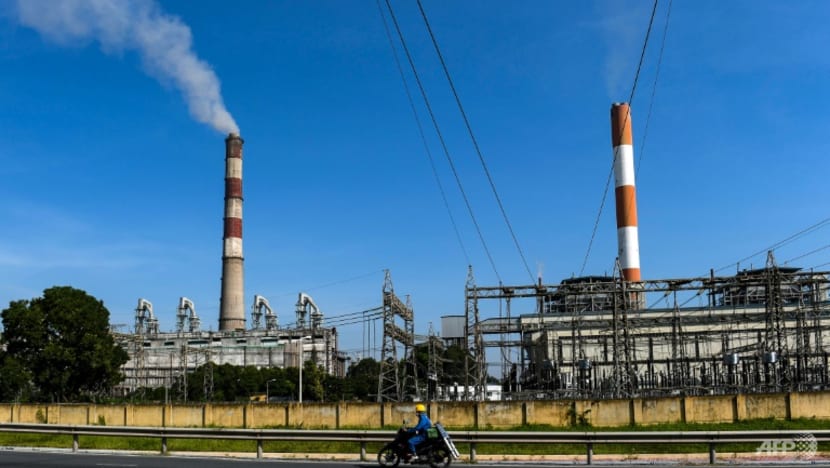
After China and India, Vietnam has the world’s third-largest pipeline of new coal power projects (Photo: AFP/STR)

HANOI: Vietnam may be thousands of kilometres away from the Russia-Ukraine war, but it is feeling the effects of the conflict, particularly in energy prices and its defence industry.

The Southeast Asian country is seeking to hike electricity prices for the first time since 2019 amid the ongoing global energy crisis, following record losses by its state utility.

Vietnam produces around 40 million tonnes of coal each year and imports another 29 million tonnes or so, with most of the coal going towards fuelling the country’s power plants.

However, the cost of doing so has increased exponentially.

“Because of the conflict between Russia and Ukraine, the price of coal in the global market in 2022 has increased by sixfold since 2020, and by 2.6-fold since 2021,”  said chairman of Vietnam Valuation Association Nguyen Tien Thoa. 

Vietnam’s state utility EVN has forecast it could run out of cash by May this year unless it raises electricity prices. This comes as the firm expects combined losses of nearly US$4 billion for 2022 and this year.

Tiếp tục đọc “Vietnam feels impact of Russia-Ukraine war in energy prices, defence industry” →
Mosquito-borne diseases become climate reality in warming Pacific

Aljazeera.com

Disease surveillance by the WHO shows mosquito-borne diseases such as malaria and dengue fever are rising sharply.

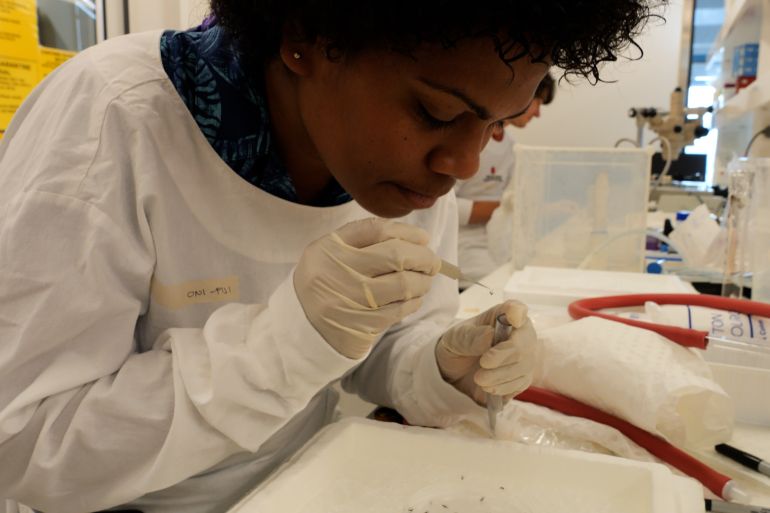
A researcher at a mosquito control laboratory in Brisbane She is wearing a white lab coat and latex gloves and is putting a mosquito into a tube
Experts say countries need to invest in new ways to control mosquitoes [Courtesy of QIMR Berghofer Medical Research Institute]

By Catherine Wilson

Published On 22 Feb 202322 Feb 2023

Climate change forecasters have warned for years that the warmer and wetter world created by the climate crisis will drive a surge in mosquito-borne diseases, such as malaria and dengue fever.

Experts say that in the Pacific Islands, such predictions are now becoming a reality.

Tiếp tục đọc “Mosquito-borne diseases become climate reality in warming Pacific” →

Philippines files 10 protests against China in 2 months over South China Sea row

There has been a series of incidents between the Philippines and China over disputed territory in the South China Sea. PHOTO: AFP

UPDATED 7:13 CH 27 THG 2, 2023 SGT

MANILA – The Philippines has filed 10 diplomatic protests against China over alleged “violations” in the South China Sea barely two months into 2023, underscoring renewed tensions between the two nations over the disputed waters.

These form part of the 77 diplomatic protests filed against China under President Ferdinand Marcos Jr, the Philippines’ Department of Foreign Affairs said in a statement on Monday.

Tiếp tục đọc “Philippines files 10 protests against China in 2 months over South China Sea row” →

The raging debate about smartphones and teenage mental health

February 27, 2023

Annie Flanagan for The New York Times
The phone in the room
Digital technology has caused the biggest changes to teenage life in many decades. Typical American teenagers spend about half of their waking hours on their smartphones. They are on the phones when they are alone at home and when they are hanging out with friends.
Tiếp tục đọc “The raging debate about smartphones and teenage mental health” →

TÌNH HÌNH LAO ĐỘNG VIỆC LÀM VIỆT NAM NĂM 2022

gso.gov.vn

Thị trường lao động quý IV năm 2022 tiếp tục phục hồi nhưng chậm dần. Lực lượng lao động, số người có việc làm và thu nhập bình quân của người lao động trong quý IV năm 2022 tiếp tục tăng so với quý trước và cùng kỳ năm trước. Tuy nhiên, tỷ lệ thất nghiệp, tỷ lệ thiếu việc làm trong độ tuổi lao động và tỷ lệ lao động phi chính thức lại tăng lên so với quý trước.

Tính chung cả năm, thị trường lao động Việt Nam vẫn có nhiều điểm sáng, lực lượng lao động, số người có việc làm và thu nhập của người lao động đều tăng lên; tỷ lệ thất nghiệp, tỷ lệ thiếu việc làm và tỷ lệ lao động phi chính thức đều có xu hướng giảm. Điều này cho thấy dưới sự chỉ đạo, điều hành quyết liệt của Chính phủ và cả hệ thống chính trị nhằm phục hồi kinh tế, hỗ trợ người lao động, doanh nghiệp đang gặp khó khăn do ảnh hưởng của dịch Covid-19, nền kinh tế Việt Nam nói chung và thị trường lao động nói riêng năm 2022 đang từng bước phục hồi.

Tiếp tục đọc “TÌNH HÌNH LAO ĐỘNG VIỆC LÀM VIỆT NAM NĂM 2022” →

Khoảng trống trong ‘tấm khiên’ bảo vệ người tiêu dùng tài chính

Lưu Minh Sang (*) – Thứ Ba, 3/01/2023

Kinh tế Sài Gòn Online – Người tiêu dùng tài chính là nhóm đối tượng dễ bị tổn thương vì phần lớn họ luôn phải đối diện với rất nhiều rủi ro trong quá trình sử dụng các sản phẩm dịch vụ tài chính, như là nạn nhân của các vụ lừa đảo phát hành trái phiếu, thao túng chứng khoán, cưỡng ép mua bảo hiểm, cho vay nặng lãi… trong năm nay. Thế nhưng, tấm khiên bảo vệ quyền lợi của họ đang bị thủng nhiều chỗ…

Sơ hở là có thể mất tiền

Tại Việt Nam, người tiêu dùng tài chính đang đối diện đầy đủ những rủi ro trải dài ở hầu hết các lĩnh vực tài chính, từ ngân hàng, chứng khoán đến bảo hiểm và công nghệ tài chính. Nhìn một cách khái quát, người tiêu dùng tài chính đang đối diện với sáu nhóm rủi ro chính như sau:

Tiếp tục đọc “Khoảng trống trong ‘tấm khiên’ bảo vệ người tiêu dùng tài chính” →

Từ ‘Brexit’ đến ‘Bregret’

Nguyễn Vũ – Thứ Bảy, 10/12/2022

Kinh tế Sài Gòn Online – Tiếng Anh liên tục đẻ ra từ mới. Mấy năm rồi, báo chí cả tỉ lần dùng từ “Brexit” để chỉ quá trình nước Anh ra khỏi Liên minh châu Âu (EU), một từ ngắn gọn thay cho cách diễn đạt dài dòng, nói lên ai cũng hiểu, khỏi cần chú thích. Nay nảy sinh một từ mới – “Bregret” – một cách chơi chữ kết hợp hai từ British và regret để nói đến tình cảnh nước Anh bây giờ, hối tiếc đã vội vàng dứt áo ra khỏi EU, để lại nhiều hậu quả nặng nề cho nền kinh tế.

Tiếp tục đọc “Từ ‘Brexit’ đến ‘Bregret’” →

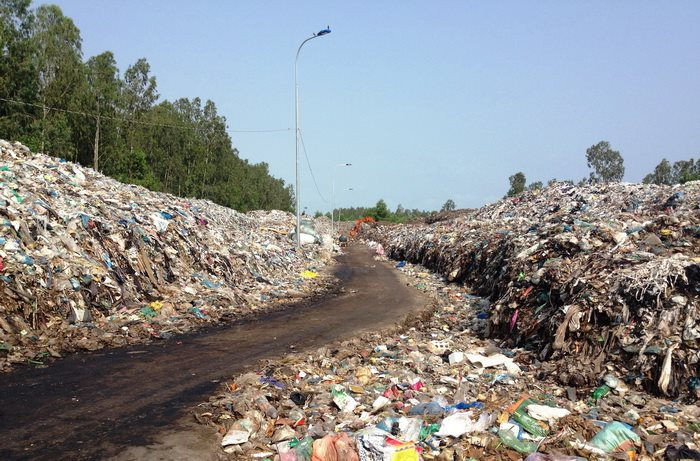
Hơn 900 bãi chôn lấp rác, Việt Nam xử lý cách nào?

Tống Minh – 09:55 11/04/2020

(TN&MT) – Theo thống kê của Tổng cục Môi trường (Bộ Tài nguyên và Môi trường – TN&MT), tại Việt Nam hiện có hơn 900 bãi chôn lấp chất thải sinh hoạt, trong đó chưa đến 20% bãi chôn lấp hợp vệ sinh. Tình trạng ô nhiễm môi trường từ hàng trăm bãi chôn lấp này là hiện hữu.

Vẫn khó xử lý, cải tạo

Trong hơn 900 bãi chôn lấp chất thải sinh hoạt, ngoài 20% bãi chôn lấp hợp vệ sinh, còn lại là các bãi chôn lấp không hợp vệ sinh hoặc các bãi tập kết chất thải cấp xã. Một số bãi rác này hiện đã “đóng cửa”.

Việt Nam có hơn hơn 900 bãi chôn lấp chất thải sinh hoạt, có nguy cơ gây ô nhiễm môi trường

Tiếp tục đọc “Hơn 900 bãi chôn lấp rác, Việt Nam xử lý cách nào?” →

What is ZeroTrust Strategy?

TĐH: Traditional cybersecurity strategies are no longer sufficient for today’s cyberwar. The Zero Trust strategy is a new concept in cyberwar. To help understand this concept, I post here a paper by the US Department of Defense entitle “DOD Zero Trust Strategy.” This concept will involve not just DOD or military institutions, but also many private enterprises and individuals. Indeed, it involves the entire nation. I select the DOD presentation to post because, by nature of its job, DOD is probaly concerned about cybersecurity more than anyone else. Below is the Foreword of the DOD paper.

DOD ZERO TRUST STRATEGY

Download full paper >>

Foreword


Our adversaries are in our networks, exfiltrating our data, and exploiting the Department’s users. The rapid growth of these offensive threats emphasizes the need for the Department of Defense (DoD) to adapt and significantly improve our deterrence strategies and cybersecurity implementations. Defending DoD networks with high-powered and ever-more sophisticated perimeter defenses is no longer sufficient for achieving cyber resiliency and securing our information
enterprise that spans geographic borders, interfaces with external partners, and support to millions of authorized users, many of which now require access to DoD networks outside traditional boundaries, such as work from home. To meet these challenges, the DoD requires an enhanced cybersecurity framework built upon Zero Trust principles that must be adopted across the Department, enterprise-wide, as quickly as possible as described within this document.

Tiếp tục đọc “What is ZeroTrust Strategy?” →

War Propaganda

historians.org

From What Is Propaganda? (1944) By Ralph D. Casey (Published July 1944)

The Nazis prepared for war from the moment Hitler came into power in 1933. In the feverish building up of German striking power, they had the support of the professional military men. The Nazis not only produced the weapons of war; they geared their economy for the strain of a future conflict. They carried on political intrigues to promote their purposes. Their propaganda machine had long been a going concern when Hitler felt ready to strike at Poland, the first step in an ambitious plan to lay the world at his feet.

Military, economic, political, and propaganda weapons were forged for the fray. Britain and France and, soon after, other peaceful nations were compelled to forge them to resist the Nazi onrush.

Today’s war is four-dimensional. It is a combination of military, economic, political, and propaganda pressure against the enemy. An appeal to force alone is not regarded as enough, in the twentieth century, to win final and lasting victory. War is fought on all four fronts at once—the military front, the economic front, the political front, and the propaganda front.

To understand how this four-dimensional warfare has come about, we have to look at history. We have to go back to the rise of nationalism in the eighteenth century.

Before the American and French revolutions took place at the end of the eighteenth century, many armies fought in the pay of monarchies, such as the Bourbons, Hapsburgs, and Hohenzollerns, or of individual leaders. They were mercenary armies. They did not fight for patriotic motives. They did not fight for causes. They fought because fighting was their business. No fight, no pay!

Tiếp tục đọc “War Propaganda” →

Word war: In Russia-Ukraine war, information became a weapon

APnews.com

By DAVID KLEPPERFebruary 23, 2023

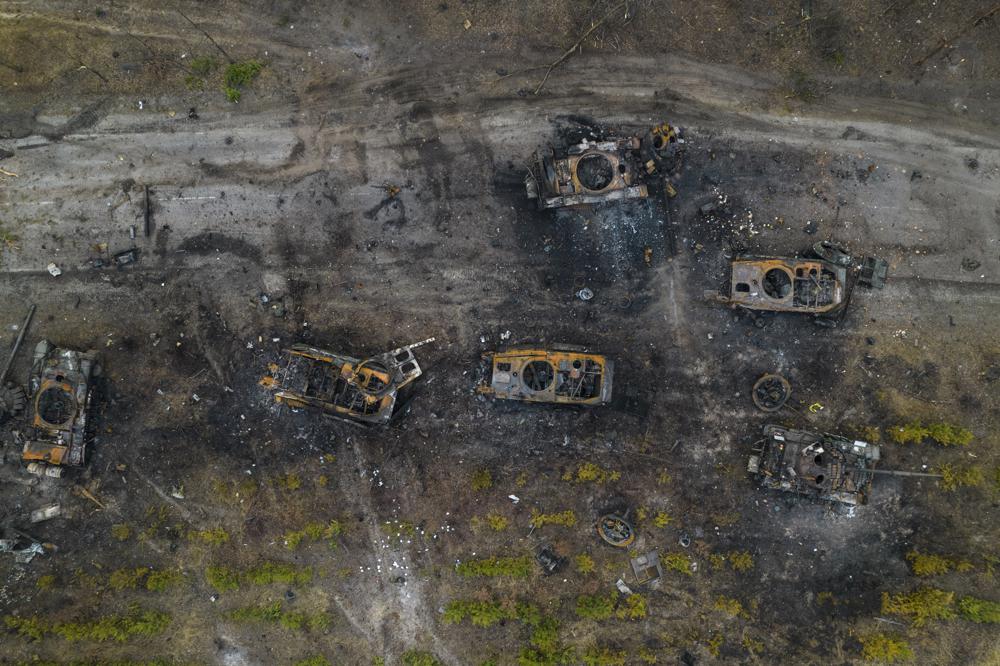
FILE - Destroyed Russian armored vehicles sit on the outskirts of Kyiv, Ukraine, March 31, 2022. In the year since Russia invaded Ukraine, disinformation and propaganda have emerged as key weapons in the Kremlin's arsenal. (AP Photo/Rodrigo Abd, File)

FILE – Destroyed Russian armored vehicles sit on the outskirts of Kyiv, Ukraine, March 31, 2022. In the year since Russia invaded Ukraine, disinformation and propaganda have emerged as key weapons in the Kremlin’s arsenal. (AP Photo/Rodrigo Abd, File)

WASHINGTON (AP) — Russia’s invasion of Ukraine is the deadliest conflict in Europe since World War II, and the first to see algorithms and TikTok videos deployed alongside fighter planes and tanks.

The online fight has played out on computer screens and smartphones around the globe as Russia used disinformation, propaganda and conspiracy theories to justify its invasion, silence domestic opposition and sow discord among its adversaries.

Now in its second year, the war is likely to spawn even more disinformation as Russia looks to break the will of Ukraine and its allies.

MORE WAR COVERAGE

Tiếp tục đọc “Word war: In Russia-Ukraine war, information became a weapon” →

A Human Approach to World Peace

The 14th Dalai Lama of Tibet

When we rise in the morning and listen to the radio or read the newspaper, we are confronted with the same sad news: violence, crime, wars, and disasters. I cannot recall a single day without a report of something terrible happening somewhere. Even in these modern times it is clear that one’s precious life is not safe. No former generation has had to experience so much bad news as we face today; this constant awareness of fear and tension should make any sensitive and compassionate person question seriously the progress of our modern world.
 
It is ironic that the more serious problems emanate from the more industrially advanced societies. Science and technology have worked wonders in many fields, but the basic human problems remain. There is unprecedented literacy, yet this universal education does not seem to have fostered goodness, but only mental restlessness and discontent instead. There is no doubt about the increase in our material progress and technology, but somehow this is not sufficient as we have not yet succeeded in bringing about peace and happiness or in overcoming suffering.
 
We can only conclude that there must be something seriously wrong with our progress and development, and if we do not check it in time there could be disastrous consequences for the future of humanity. I am not at all against science and technology – they have contributed immensely to the overall experience of humankind; to our material comfort and well-being and to our greater understanding of the world we live in. But if we give too much emphasis to science and technology we are in danger of losing touch with those aspects of human knowledge and understanding that aspire towards honesty and altruism.
 
Science and technology, though capable of creating immeasurable material comfort, cannot replace the age-old spiritual and humanitarian values that have largely shaped world civilization, in all its national forms, as we know it today. No one can deny the unprecedented material benefit of science and technology, but our basic human problems remain; we are still faced with the same, if not more, suffering, fear, and tension. Thus it is only logical to try to strike a balance between material developments on the one hand and the development of spiritual, human values on the other. In order to bring about this great adjustment, we need to revive our humanitarian values.
 
I am sure that many people share my concern about the present worldwide moral crisis and will join in my appeal to all humanitarians and religious practitioners who also share this concern to help make our societies more compassionate, just, and equitable. I do not speak as a Buddhist or even as a Tibetan. Nor do I speak as an expert on international politics (though I unavoidably comment on these matters). Rather, I speak simply as a human being, as an upholder of the humanitarian values that are the bedrock not only of Mahayana Buddhism but of all the great world religions. From this perspective I share with you my personal outlook – that:

Tiếp tục đọc “A Human Approach to World Peace” →

Lãng phí thực phẩm – bài toán khó của phát triển bền vững tại Việt Nam

Hồ Nguyên Thảo

Thứ Ba, 6/09/2022

Kinh tế Sài Gòn Online – Việt Nam hiện đứng thứ hai trong khu vực châu Á – Thái Bình Dương về nạn lãng phí thực phẩm, với hơn 8 triệu tấn thực phẩm bị thất thoát hay vất bỏ mỗi năm khi vẫn còn ăn được hoặc tận dụng được, gây tổn hại khoảng 3,9 tỉ đô la Mỹ mỗi năm, gần 2% GDP hiện nay. Tỷ lệ lãng phí thực phẩm của Việt Nam hiện cao gấp hai lần các nền kinh tế tiên tiến và giàu có trên thế giới.

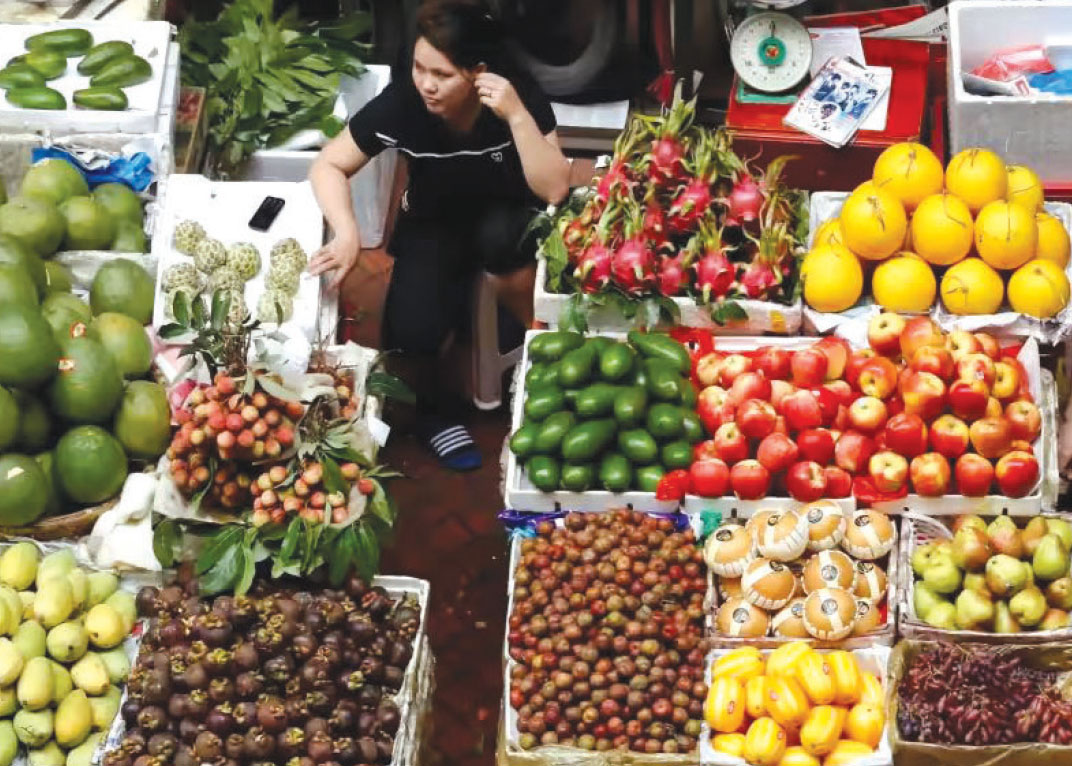
Sự gia tăng của tầng lớp trung lưu tại Việt Nam khiến hàng hóa tiêu dùng tăng nhanh, cùng với đó là nạn lãng phí thực phẩm nhiều gấp đôi các nước phát triển. Ảnh: Reuters

Chống lãng phí thực phẩm đòi hỏi sự tham gia trên nhiều lĩnh vực của người dân, doanh nghiệp và nhà nước. Và đây cũng là một mục tiêu phát triển bền vững mà Liên hiệp quốc đề ra.

Tiếp tục đọc “Lãng phí thực phẩm – bài toán khó của phát triển bền vững tại Việt Nam” →

Từ dược thiện đến phát triển kinh tế dược liệu

Đỗ Quang Tuấn Hoàng – Thứ Năm, 26/01/2023

Kinh tế Sài Gòn Online – Hơn 2.000 năm trước, Hippocrates – người sáng lập trường y học Hippocrates – đã nói: “Hãy để thức ăn là thuốc của bạn”. Lời khuyên của bậc thánh hiền ấy vẫn còn nguyên giá trị cho đến ngày nay. Khái niệm biến thức ăn thành thuốc đang ngày càng được chấp nhận rộng rãi.

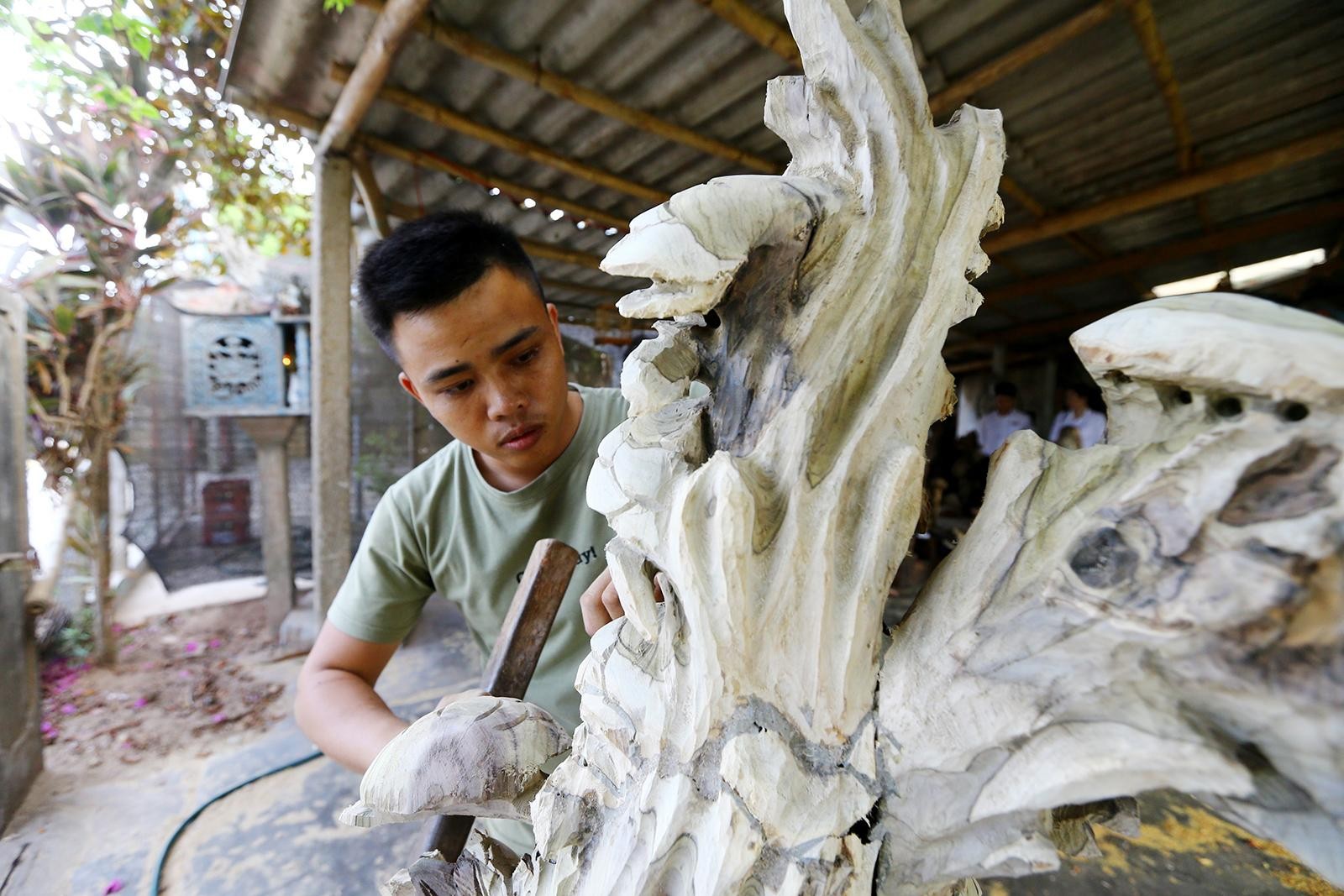
Người Mông hoa bán đương quy, dược thiện ở chợ Bắc Hà, tỉnh Lào Cai. Ảnh: Đỗ Quang Tuấn Hoàng

Bải hoải sau ba ngày đi rừng, về đến nhà của anh Giàng A Chinh, người Mông đen ở tổ 1, phường Hàm Rồng, thị xã Sa Pa, tỉnh Lào Cai, chúng tôi được vợ anh là Phạm Thị Hạnh, người Xa Phó đun ngay cho một nồi nước tắm.

Tiếp tục đọc “Từ dược thiện đến phát triển kinh tế dược liệu” →

Cần những cải cách táo bạo với tài chính vi mô –

Bold Reforms Can Unleash the Power of Microfinance in Viet Nam

English version on ADB blog:

(ĐTCK) Thị trường vốn của Việt Nam đang đi theo một quỹ đạo tích cực, trong đó thị trường trái phiếu doanh nghiệp tăng trưởng nhanh hơn đáng kể so với các quốc gia láng giềng, còn lĩnh vực ngân hàng phát triển lành mạnh, được phản ánh trong triển vọng tích cực từ xếp hạng của Moody hồi đầu năm nay.

Việt Nam đặt ra mục tiêu mở rộng tín dụng vi mô tới 70% dân số trưởng thành

Việt Nam đặt ra mục tiêu mở rộng tín dụng vi mô tới 70% dân số trưởng thành

Hơn nữa, công nghệ tài chính (Fintech) đang tăng tốc, với việc Ngân hàng Nhà nước Việt Nam đã cấp phép cho hơn 40 công ty cung cấp dịch vụ trung gian thanh toán.

Tiếp tục đọc “Cần những cải cách táo bạo với tài chính vi mô –” →