Món vốn nhỏ giúp phụ nữ nghèo tiếp cận tài chính toàn diện và bứt phá

PNVN – 20/10/2022 11:00

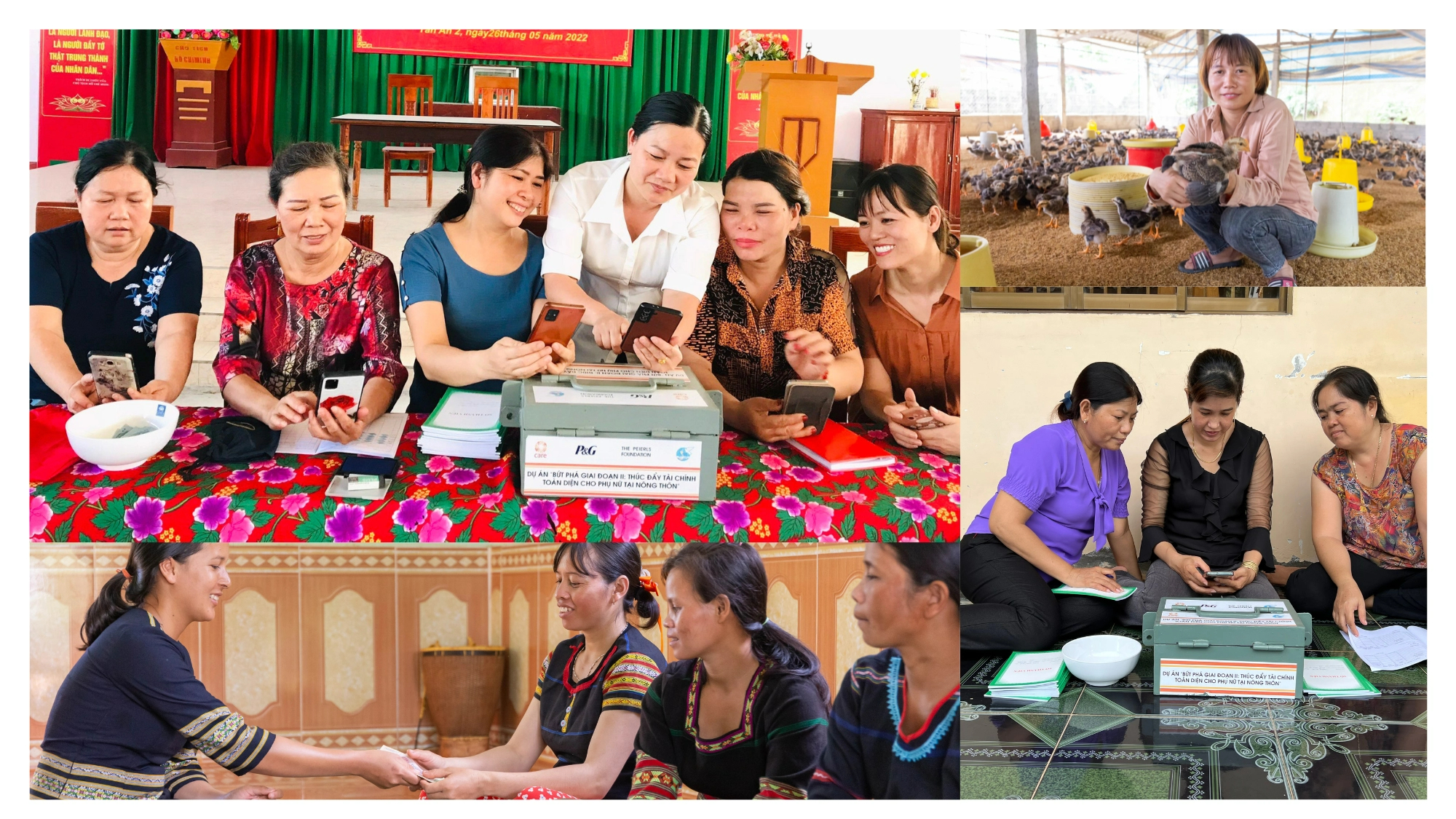
Trong chuyến công tác tại huyện Yên Thế, tỉnh Bắc Giang, chúng tôi có dịp tham dự một buổi sinh hoạt của nhóm tiết kiệm và cho vay tại thôn/bản – VSLA. Vào mỗi kỳ sinh hoạt, các cô, các chị rộn ràng rủ nhau biểu diễn các tiết mục văn nghệ, tổ chức – tham gia các trò chơi giải trí, trò chuyện với nhau về tin thức, thời sự, những chính sách mới của Đảng, Nhà nước, của địa phương; chia sẻ về công việc, về cuộc sống, chăm sóc gia đình, nuôi dạy con cái… 

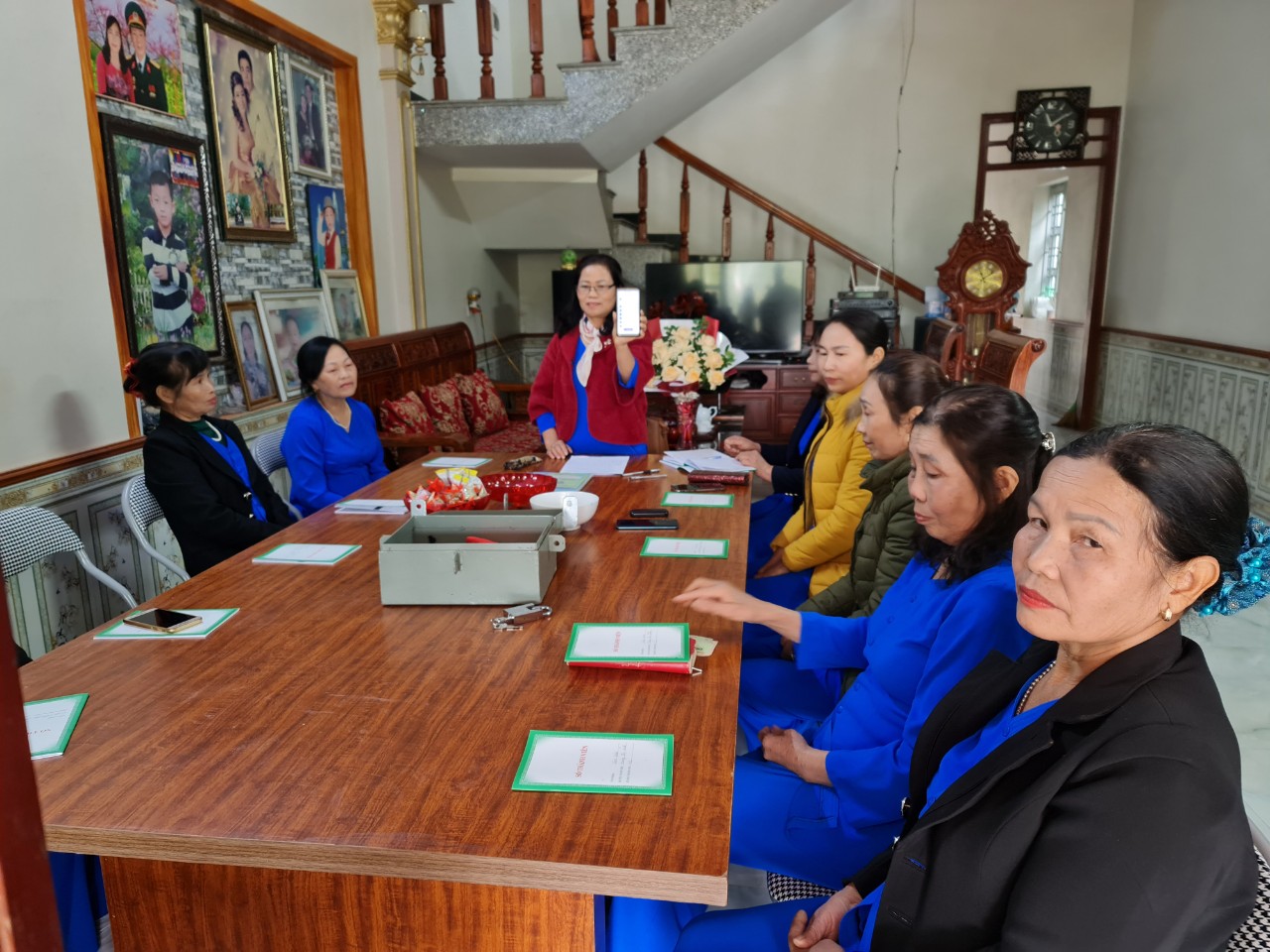
Món vốn nhỏ giúp phụ nữ nghèo tiếp cận tài chính toàn diện và bứt phá - Ảnh 1.
Một buổi sinh hoạt của nhóm VSLA tại huyện Yên Thế, tỉnh Bắc Giang

Đặc biệt, quan trọng hơn, từ nguồn tiền tiết kiệm của bản thân và các thành viên khác trong nhóm, các thành viên đã hỗ trợ cho nhau vay để phát triển kinh tế, giải quyết khó khăn, sắm sửa đồ dùng, trang thiết bị gia đình… Các bước xét duyệt cho vay đơn giản có sự đồng ý của tất cả thành viên. Đây là một trong những mô hình VSLA hoạt động dựa trên nguyên tắc ba tự: tự nguyện tham gia, tự quản lý và tự chịu trách nhiệm. Từ đó, thúc đẩy nguyên tắc công khai, minh bạch và bình đẳng đối với tất cả các thành viên.

Tiếp tục đọc “Món vốn nhỏ giúp phụ nữ nghèo tiếp cận tài chính toàn diện và bứt phá” →

Full text of China’s Arab Policy Paper

Updated: Jan 13,2016 9:18 PM     Xinhua

Download from China Gov’s website >>

China’s Arab Policy Paper

January 2016

Foreword

Friendship between China and Arab states dates back to ancient times. Over two thousand years ago, land and maritime Silk Roads already linked the Chinese and Arab nations. In the long stretches of history, peace and cooperation, openness and inclusiveness, learning from each other, mutual benefit and win-win results have always been the main theme of exchanges between China and Arab countries.

The founding of the People’s Republic of China and the independence of Arab countries created a new era for China-Arab friendly exchanges. From 1956 to 1990, China established diplomatic relations with all 22 Arab countries. China firmly supports Arab national liberation movement, firmly supports Arab countries’ struggle to uphold sovereignty and territorial integrity, pursue and safeguard national interests, and combat external interference and aggression, and firmly supports Arab countries’ cause of developing the national economy and building up the countries. Arab countries have given China strong support in restoring its lawful seat at the United Nations and on issues like the Taiwan question.

Tiếp tục đọc “Full text of China’s Arab Policy Paper” →

Cửa hẹp đến trường của trẻ mầm non

VNE – Thứ sáu, 10/3/2023, 06:00 (GMT+7)

HÀ NỘI – Sắp phải đi làm sau 6 tháng nghỉ thai sản, Nhung, 31 tuổi, tìm chỗ gửi con, nhưng với đồng lương phụ bếp eo hẹp, gửi tư không thể, trường công không nhận.

Giữa những cánh cửa im lìm trong một dãy trọ cấp bốn ở thôn Nhuế, Kim Chung, huyện Đông Anh, Hà Nội trưa 8/3, duy nhất cửa phòng của Vũ Thị Nhung mở, nơi cô đang cho con ăn bột. Bé Bơ, hơn 5 tháng tuổi, ăn loáng hết đĩa bột. Nết ăn, nết ngủ của con khiến Nhung bớt phần nào nỗi lo đi gửi trẻ những ngày sắp tới. Nhưng người mẹ quê Ba Vì, Hà Nội còn nhiều trăn trở khác.

Nhung là phụ bếp trong khu công nghiệp, lương 4,2 triệu đồng một tháng. Chồng cô là đầu bếp chính, tổng lương cả hai vợ chồng được hơn chục triệu. “Đi gửi trường tư có mà hết lương nhỉ?”, Nhung nhắc không dưới ba lần trong cuộc nói chuyện với phóng viên.

Nhung, 31 tuổi đang tập cho con gái 5 tháng tuổi ăn dặm, ti sữa ngoài để sắp tới đi làm, trong căn phòng trọ ở thôn Nhuế, Đông Anh, hôm 8/3. Ảnh: Phan Dương
Nhung, 31 tuổi đang tập cho con gái 5 tháng tuổi ăn dặm, ti sữa ngoài để sắp tới đi làm, trong căn phòng trọ ở thôn Nhuế, Đông Anh, hôm 8/3. Ảnh: Phan Dương

Tiếp tục đọc “Cửa hẹp đến trường của trẻ mầm non” →

Ara-Tay: Cà phê arabica “tử tế đến từng hạt” của người Thái – Sơn La

ĐỖ QUANG TUẤN HOÀNG  –  Thứ hai, 12/07/2021 16:50 (GMT+7)

LĐCT – Từ những phụ nữ Thái đen chỉ biết trồng, hái và bán cà phê xô, sau ba năm bà con đã làm chủ quy trình chăm sóc, thu hái, chế biến, đánh giá đúng kỹ thuật theo tiêu chuẩn cà phê đặc sản.

Ara-Tay: Cà phê arabica “tử tế đến từng hạt” của người Thái - Sơn La
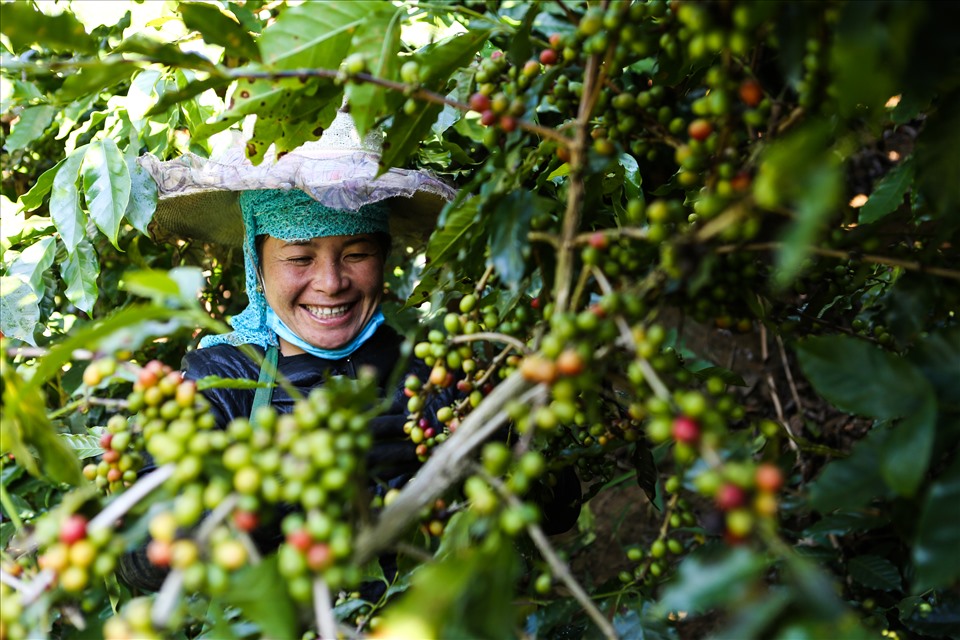
Cầm Thị Mòn đã làm cuộc cách mạng cho cây cà phê arabica ở xã Chiềng Chung và Mường Chanh, huyện Mai Sơn, tỉnh Sơn La. Ảnh: Giang Phạm

Xã Chiềng Chung nằm ở độ cao từ 1.000m đến 1.300m so với mực nước biển. Nhiệt độ chênh lệch giữa ngày và đêm trên 10 độ C. Đêm từ 16 độ C đến 20 độ C, ngày từ 27 độ C đến 32 độ C. Tháng 4 đến tháng 5 nóng nhất, tháng 6 đến tháng 8 là mùa mưa. Nhiệt độ trung bình là 24,02 độ C; hằng năm có sáu tháng có nhiệt độ trung bình 24,02 độ C. Ông Lò Văn Mầng, 98 tuổi, người Thái đen ở bản Lọng Nghịu, cho biết: Nhận thấy thổ nhưỡng, khí hậu tốt nên từ trước năm 1945, người Pháp đã mang cây cà phê arabica lên trồng ở đất này.

Đến nay, gần một nửa sản lượng cà phê arabica của Việt Nam được trồng ở tỉnh Sơn La, tập trung ở xã Chiềng Chung và Mường Chanh của huyện Mai Sơn. Nhưng mãi đến gần đây thương hiệu cà phê arabica Sơn La mới được nhiều người biết đến.

Tiếp tục đọc “Ara-Tay: Cà phê arabica “tử tế đến từng hạt” của người Thái – Sơn La” →

What’s in a label?


10/03/2023: Transparency International

This week, we at Transparency International faced an unexpected turn as the Russian Federation announced it would designate our organisation as “undesirable”. It claimed that we “interfere in the internal affairs of the Russian Federation, which poses a threat to the foundations of the constitutional order”

. Corruption is an issue that knows no borders. It is the essential mission of Transparency International to call attention to and fight against it everywhere. It is our specific mandate to combat transnational corruption, when deficiencies in one country enable abuses in others – to global detriment.

Daniel Eriksson, CEO of Transparency International Tiếp tục đọc “What’s in a label?” →

Why did China help Saudi Arabia and Iran resume diplomatic ties?

Photo: Ministry of Foreign Affairs of the People's Republic of China

Critical Questions by Jon B. Alterman, CSIS

Published March 10, 2023

On Friday, March 10, Saudi Arabia and Iran announced their agreement to reestablish diplomatic relations based on talks held in Beijing. China has portrayed itself as the broker of the agreement, and China’s senior diplomat congratulated the two countries on their “wisdom.”

Q1: Why did the two countries reestablish relations now?

A1: The agreement seems to have been moved forward during President Ebrahim Raisi’s visit to Beijing last month. For months, Saudi Arabia has put pressure on Iran through its reported support for Iran International, a foreign-based Persian-language broadcaster critical of the regime that is received in Iran. Since President Raisi took office in August 2021, he announced it was a priority to reduce tensions with regional neighbors. Saudi Arabia and Iran have had a wide variety of differences throughout the region, often fought through proxies. They span from Lebanon to Syria to Iraq to Yemen. Iran has supplied weapons to Houthi forces in Yemen that have threatened Saudi populations both on the border and in interior areas. Saudi Arabia has been increasingly interested in finding a way to end the conflict in Yemen, and this agreement is likely to move that forward.

Tiếp tục đọc “Why did China help Saudi Arabia and Iran resume diplomatic ties?” →

The United Nations declaration on the rights of peasants and other people working in rural areas

globalagriculture.org

The UNDROP Declaration (1) adopted by the General Assembly of the United Nations on December 17, 2018 reaffirms the UN Declarations on the right to development (2) , the rights of indigenous peoples (3) and the universality of all human rights. It recognises the special relationship and interaction among peasants and other groups working in rural areas and their contribution to conserving and improving biodiversity as well as their own and world-wide food security.

Article 1 of the Declaration defines peasants as any person who engages in small-scale agricultural production for subsistence and/or for the market, who relies significantly on family, household or other non-monetarized labour and who has a special dependency on the land.

It recognises that peasants and people working in rural areas, including youth and the ageing, are migrating to urban areas due to a lack of incentives and the drudgery of rural life, due to insecure land tenure, discrimination and the lack of access to productive resources, financial services and information. The Declaration is based on a concern that peasants and rural workers are burdened with environmental degradation and climate change and suffer disproportionately from poverty, hunger and malnutrition. This Declaration is an important contribution to the advancement of a paradigm for development where the agency of peasants, indigenous and forest peoples is at its foundation.

Tiếp tục đọc “The United Nations declaration on the rights of peasants and other people working in rural areas” →

CFR Daily News Brief March 9, 2023

Image
Daily News BriefMarch 9, 2023
Top of the Agenda

The Netherlands Announces Chip Export Curbs After U.S. Urging

The Dutch government announced that it will impose export restrictions (FT) on “the most advanced” semiconductor technology, citing security concerns. While it did not name China in the announcement, the restrictions come after U.S. officials urged the Dutch and Japanese governments to limit chip exports to China over fears that the tech could be used to make weapons and commit human rights abuses. Washington announced its own curbs on chip exports in October.  

U.S.-China tensions over technology access came up as U.S. intelligence officials testified to Congress yesterday during an annual hearing on security threats. CIA Director William Burns called tech innovation (Reuters) “the main arena for competition” with China. Additionally, Director of National Intelligence Avril Haines said China will increasingly try to undercut U.S. influence (CNN), though it will likely try to prevent tensions from spiraling into conflict.
Tiếp tục đọc “CFR Daily News Brief March 9, 2023” →

Mang cái chữ đến với phụ nữ vùng cao

PNVN – 29/10/2022 12:00 – Bích Nguyên

Hàng chục lớp học xóa mù chữ đã được tổ chức tại huyện Sốp Cộp, tỉnh Sơn La, mang lại cơ hội học tập, xóa nghèo thông tin, cung cấp kiến thức để phát triển kinh tế, nâng cao chất lượng sống cho những phụ nữ dân tộc thiểu số có hoàn cảnh khó khăn.

Đi học chữ vì quá khổ

Thời điểm này, lớp học xóa mù chữ ở bản Pu Hao, xã Mường Lạn, huyện Sốp Cộp, tỉnh Sơn La, do Đồn Biên phòng Mường Lạn tổ chức vẫn sáng đèn mỗi đêm. Tất cả học viên của lớp đều là phụ nữ Mông ở các độ tuổi khác nhau. Khuôn mặt mỗi người đều ánh lên niềm vui tươi, hứng khởi. Họ chăm chú  lắng nghe từng lời giảng của thầy giáo Biên phòng, dõi theo từng nét chữ của thầy giáo rồi chép lại vào vở.

Tiếp tục đọc “Mang cái chữ đến với phụ nữ vùng cao” →

Người Mỹ không còn thích ăn cá tra Việt Nam?

Chí Nhân – 21/02/2023 07:54 GMT+7

TN – Mỹ, thị trường xuất khẩu cá tra lớn nhất của Việt Nam, liên tục sụt giảm trong thời gian gần đây và hiện đã rớt xuống hạng 3 sau Trung Quốc và EU.

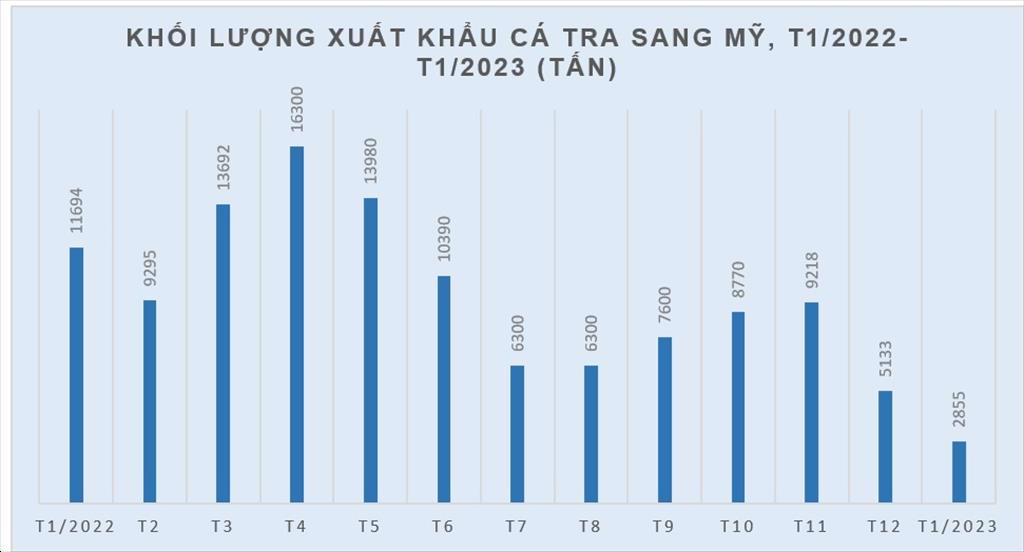
Hiệp hội Chế biến và xuất khẩu thủy sản Việt Nam (VASEP) cho biết: Tất cả các thông số chính của xuất khẩu cá tra sang Mỹ trong tháng 1.2023 đều ở mức âm sâu. Cụ thể, khối lượng xuất khẩu giảm 76% so với cùng kỳ năm trước và giảm 44% so với tháng trước.

Giảm 81% Mỹ xếp sau Trung Quốc và EU về nhập khẩu cá tra Việt Nam - Ảnh 1.
Thị trường Mỹ giảm mạnh

Giá trị xuất khẩu sang Mỹ trong tháng 1 chỉ đạt 9,84 triệu USD, giảm 81% so với cùng kỳ năm trước và 40% so với tháng trước. Giá trung bình xuất khẩu chỉ đạt 2,97 USD/kg, giảm 34% so với cùng kỳ 2022.

Tiếp tục đọc “Người Mỹ không còn thích ăn cá tra Việt Nam?” →

Người Việt vẫn mê tiền ảo?

Mai Phương – 09/03/2023 13:50 GMT+7

TN – Người Việt vẫn nằm trong top truy cập các sàn tiền ảo, tiền số lớn trên thế giới dù đã có nhiều người bị thua lỗ nặng nề.

Một khách sạn ở Phan Thiết mới đây thực hiện niêm yết, thanh toán tiền phòng bằng tiền ảo (Pi). Sau khi phát hiện, Công an Bình Thuận đã kiểm tra và buộc phải dừng niêm yết. Chủ khách sạn thừa nhận việc niêm yết và cho thanh toán tiền ảo từ cuối tháng 2.2023 do học cách làm của một số khách sạn ở P.Q đem về áp dụng. Chủ khách sạn cho hay đã niêm yết 0,5Pi/phòng/đêm và chỉ trao đổi chứ không mua bán đồng Pi.

Người Việt vẫn mê tiền ảo? - Ảnh 1.
Nhiều người vẫn kỳ vọng đồng Pi sẽ có giá trị

Tiếp tục đọc “Người Việt vẫn mê tiền ảo?” →

Doanh nghiệp xoay xở kiếm đơn hàng

Mai Phương – Nguyên Nga

12/01/2023 06:35 GMT+7

Giảm nhân viên, giãn giờ làm khi đơn hàng sụt giảm vẫn đang là câu chuyện diễn ra ở nhiều doanh nghiệp, nhiều địa phương trên cả nước khi bước sang năm mới.

Đơn hàng giảm hơn 50%

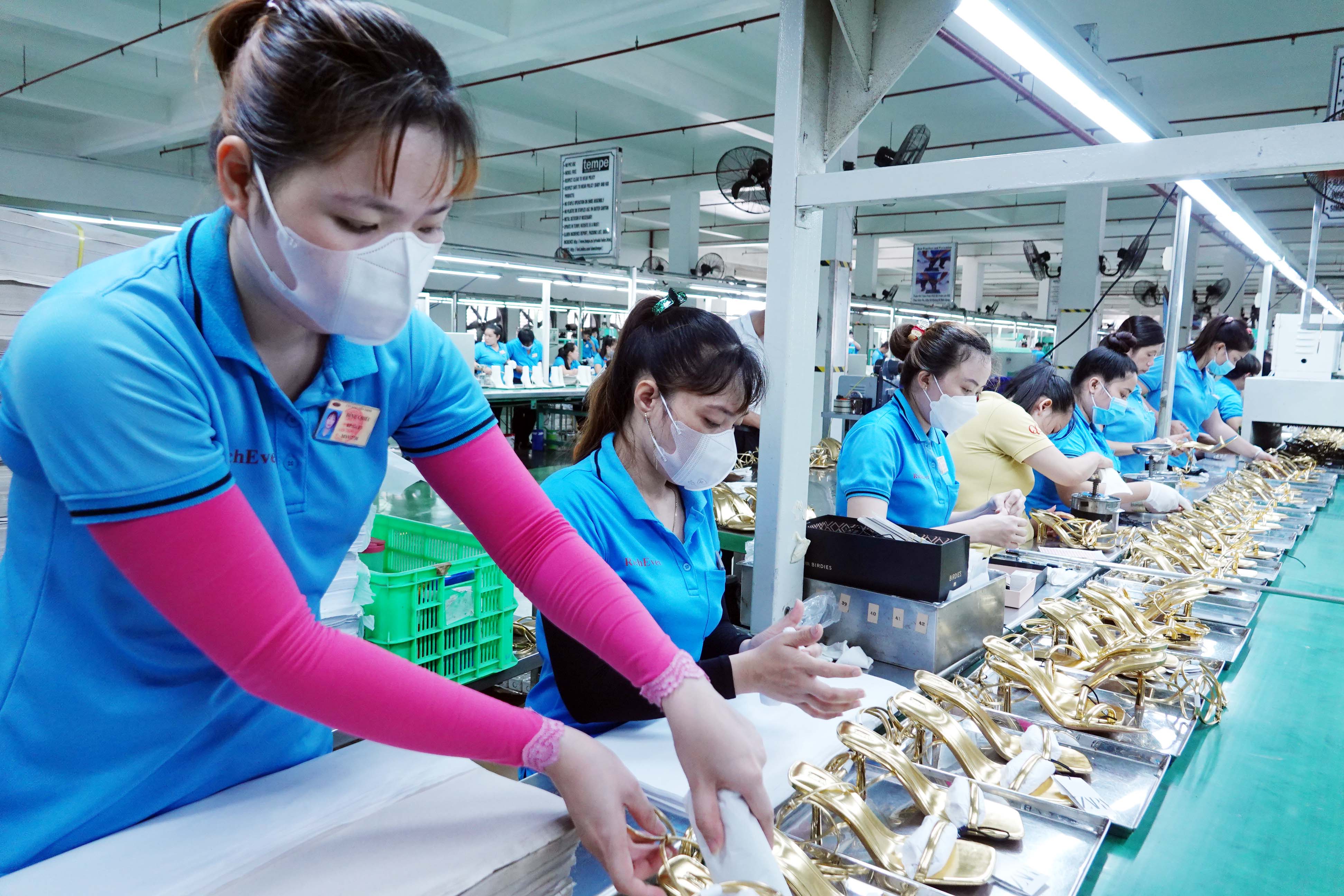
Lượng đơn hàng sản xuất tại Công ty giày Pousung VN (Đồng Nai) đã sụt giảm từ quý 4/2022 và kéo dài đến nay. Theo ông Lê Nhật Trường, Chủ tịch Công đoàn Công ty Pousung, ước tính tỷ lệ giảm khoảng 30 – 35% so với trước. Tình hình này có thể kéo dài đến hết quý 1/2023 và kéo sang cả quý 2/2023. Tuy nhiên, với đặc thù là một doanh nghiệp (DN) lớn nên công ty vẫn sắp xếp đảm bảo hoạt động sản xuất cho công nhân như không tăng ca, cho nghỉ luân phiên một ngày trong tuần và không tuyển dụng thêm lao động mới. Tổng cộng đến hiện tại, công ty vẫn có 22.300 lao động, giảm khoảng 5% so với một năm trước. Dù vậy, tính chung cả năm 2022, công ty vẫn đạt kết quả cao hơn năm 2021, vốn bị ảnh hưởng bởi dịch Covid-19, nên công nhân được nhận lương thưởng đón Tết Quý Mão tăng cao hơn 30%.

Dù vẫn còn khó khăn nhưng nhiều doanh nghiệp nỗ lực tìm ra phương hướng để duy trì sản xuất
ĐÀO NGỌC THẠCH

Tiếp tục đọc “Doanh nghiệp xoay xở kiếm đơn hàng” →

Annual Threat Asessment of the US Intelligence Community (Office of Director of National Intelligence)

February 6, 2023

Read full report >>

FOREWORD


During the coming year, the United States and its allies will confront a complex and pivotal international security environment dominated by two critical strategic challenges that intersect with each other and existing trends to intensify their national security implications. First, great powers, rising regional powers, as well as an evolving array of non-state actors, will vie for dominance in the global order, as well as compete to set the emerging conditions and the rules that will shape that order for decades to come. Strategic competition between the United States and its allies, hina, and Russia over what kind of world will emerge makes the next few years critical to determining who and what will shape the narrative perhaps most immediately in the context of Russia’s actions in Ukraine, which threaten to escalate into a broader conflict between Russia and the West. Second, shared global challenges, including climate change, and
human and health security, are converging as the planet emerges from the COVID-19 pandemic and confronts economic issues spurred by both energy and food insecurity. Rapidly emerging or evolving technologies continue to have the potential to disrupt traditional business and society with both positive and negative outcomes, while creating unprecedented vulnerabilities and attack surfaces, making it increasingly challenging to predict the impact of such challenges on the global landscape.

These two strategic challenges will intersect and interact in unpredictable ways, leading to mutually reinforcing effects that could challenge our ability to respond, but that also will introduce new opportunities to forge collective action with allies and partners, including non-state actors. The 2023 Annual Threat Assessment highlights some of those connections as it provides the IC’s baseline assessments of the most pressing threats to U.S. national interests. It is not an exhaustive assessment of all global challenges. This assessment addresses both the threats from U.S. adversaries and functional and transnational concerns, such as weapons of mass destruction and cyber, primarily in the sections regarding threat actors, as well as an array of regional issues with larger, global implications.

Russia’s unprovoked full-scale invasion of Ukraine has highlighted that the era of nation-state competition and conflict has not been relegated to the past but instead has emerged as a defining characteristic of the current era. While Russia is challenging the United States and some norms in the international order in its war of territorial aggression, China has the capability to directly attempt to alter the rules-based global order in every realm and across multiple regions, as a near-peer competitor that is increasingly pushing to change global norms and potentially threatening its neighbors. Russia’s military action against Ukraine demonstrates that it remains a revanchist power, intent on using whatever tools are needed to try to reestablish a perceived sphere of influence despite what its neighbors desire for themselves, and is willing to push back on Washington both locally and globally. Besides these strategic competitors, local and regional powers are seeking to exert their influence, often at the cost of neighbors and the world order itself. Iran will
remain a regional menace with broader malign influence activities, and North Korea will expand its WMD capabilities while being a disruptive player on the regional and world stages.

At the same time, as the nations of the world strive to recover from the COVID-19 pandemic, they are beset by an array of shared, global issues. The accelerating effects of climate change are placing more of the world’s population, particularly in low- and middle-income countries, under threat from extreme weather, food insecurity, and humanitarian disasters, fueling migration flows and increasing the risks of future pandemics as pathogens exploit the changing environment. Efforts by Russia, China, and other countries to promote authoritarianism and spread disinformation is helping fuel a larger competition between [ 5 ] democratic and authoritarian forms of government. This competition exploits global information flows to gain influence and impacts nearly all countries, contributing to democratic backsliding, threats of political instability, and violent societal conflict through misinformation and disinformation.

Regional and localized conflicts and instability will continue to demand U.S. attention as states and nonstate actors truggle to find their place in the evolving international order, attempt to navigate great power competition, and confront shared transnational challenges. Regional challengers, such as Iran and North Korea, will seek to disrupt their local security environment and garner more power for themselves, threatening U.S. allies in the process. In every region of the world, challenges from climate change, demographic trends, human and health security, and economic disruptions caused by energy and food insecurity and technology proliferation will combine and interact in specific and unique ways to trigger events ranging from political instability, to terrorist threats, to mass migration, and potential humanitarian emergencies.

The 2023 Annual Threat Assessment Report supports the Office of the Director of National Intelligence’s transparency commitments and the tradition of providing regular threat updates to the American public and the United States Congress. The IC is vigilant in monitoring and assessing direct and indirect threats to U.S. and allied interests. As part of this ongoing effort, the IC’s National Intelligence Officers work closely with analysts from across the IC to examine the spectrum of threats and highlight the most likely and impactful near-term risks in the context of the longer-term, overarching threat environment. The National Intelligence Council stands ready to support policymakers with additional information in a classified setting.

Read full report >>

Những biệt phủ của người Dao giữa đại ngàn Thượng Cửu

Tác giả: Nguyễn Cảnh Dũng

PNVN – 14/10/2022

Từng được mệnh danh là “hoang đảo giữa đại ngàn” với cái đói, cái nghèo ngự trị nhưng chỉ trong ít năm, bản Sinh Tàn của người Dao ở xã Thượng Cửu, huyện Thanh Sơn (Phú Thọ) đã thay đổi đến chóng mặt.

Sinh Tàn, xã Thượng Cửu là bản cao và xa nhất của huyện miền núi Thanh Sơn, tỉnh Phú Thọ. Chỉ ít năm trước, bản Sinh Tàn với hơn 70 nóc nhà của đồng bào người Dao vẫn là “ốc đảo” giữa đại ngàn. Không điện, không nước sạch, không sóng điện thoại và đường nối bản với trung tâm cũng chỉ là lối mòn như sợi chỉ xuyên rừng.

Tiếp tục đọc “Những biệt phủ của người Dao giữa đại ngàn Thượng Cửu” →

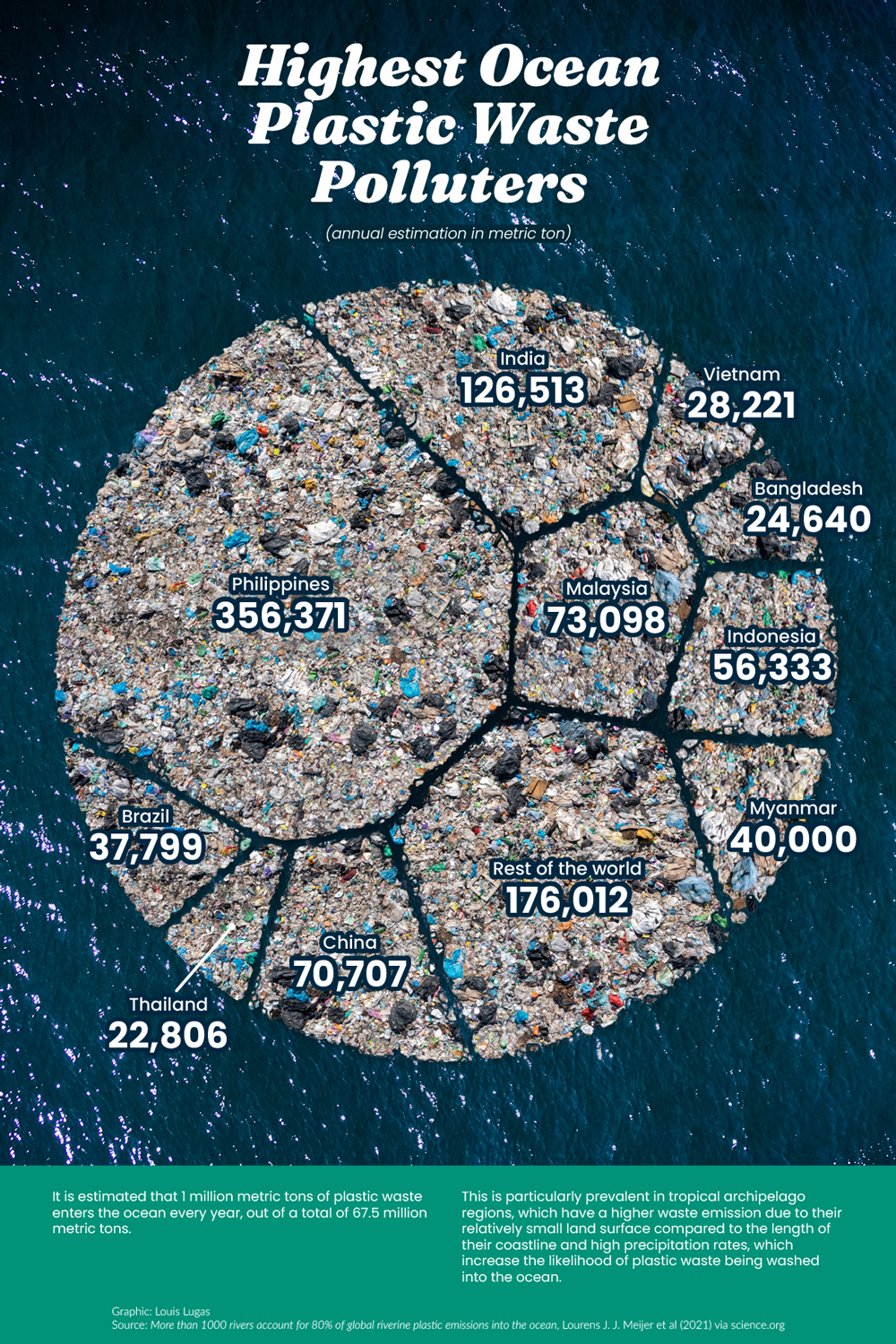
Which Countries Pollute the Most Ocean Plastic Waste?

visualcapitalist.com

#1 Philippines 
#2 India
#3 Malaysia 
#4 China 
#5 Indonesia
#6 Myanmar
#7 Brazil
#8 Vietnam
#9 Bangladesh 
#10 Thailand

Many high-income countries generate high amounts of plastic waste, but are either better at processing it or exporting it to other countries. Meanwhile, many of the middle-income and low-income countries that both demand plastics and receive bulk exports have yet to develop the infrastructure needed to process it.

Ocean plastic waste polluting countries

Visualized: Ocean Plastic Waste Pollution By Country

Tiếp tục đọc “Which Countries Pollute the Most Ocean Plastic Waste?” →