Kinhtedothi – Tình trạng cắt điện luân phiên tại các địa phương đang khiến hoạt động sản xuất, kinh doanh của doanh nghiệp đảo lộn, ngưng trệ, chi phí đội lên cao… Để đảm bảo duy trì sản xuất, doanh nghiệp mong muốn ngành điện có phương án cân đối nguồn điện ưu tiên cho những ngành đặc thù.
Sản xuất ngưng trệ, đội chi phí
Những ngày này, anh Nguyễn Văn Chữ – Chủ tịch chuỗi thực phẩm sạch Organic Green như ngồi trên đống lửa khi nhìn vào lịch cắt điện luân phiên dày đặc. Bởi doanh nghiệp của anh hoạt động trong lĩnh vực sản xuất, chế biến và kinh doanh thực phẩm sạch, vì vậy nguồn điện rất cần cho các kho bảo quản thực phẩm tươi sống.
Anh Chữ chia sẻ, mặc dù cơ sở đã trang bị máy phát điện nhưng chỉ đủ duy trì một số hoạt động cơ bản và khu văn phòng, không đảm bảo được hệ thống cấp đông, bảo quản sản phẩm. Nếu mất điện lâu, doanh nghiệp có thiệt hại tới hàng chục tỷ đồng. Bởi mặt hàng thực phẩm tươi sống cần được bảo quản trong nhiệt độ thấp, nếu không được bảo quản sẽ bị giã đông và ảnh hưởng chất lượng.
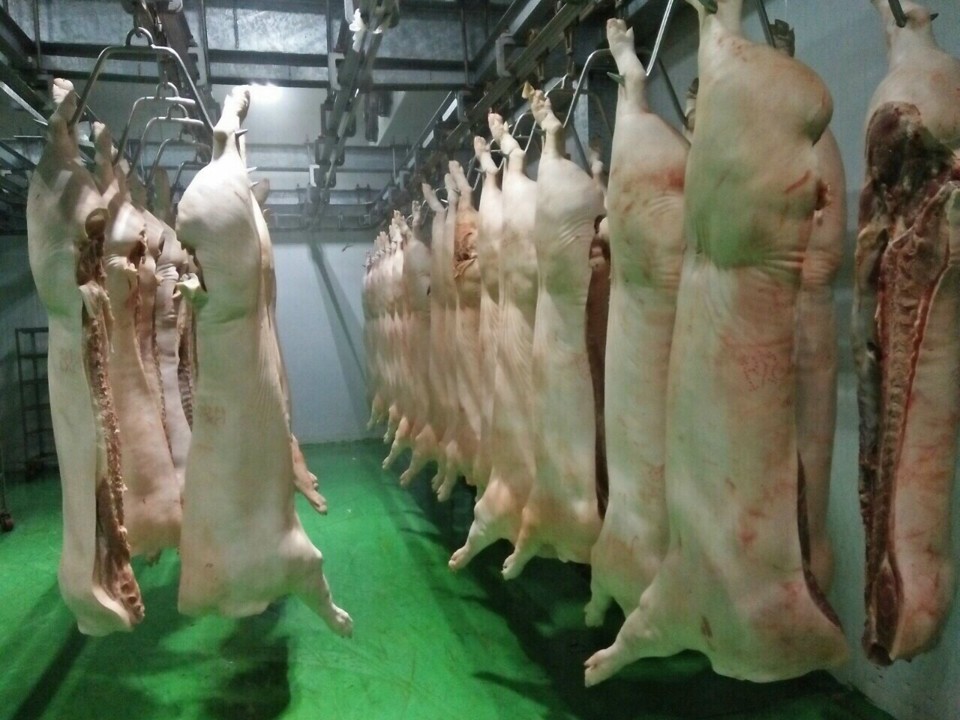
Kho bảo quản thực phẩm tại chuỗi thực phẩm Organic Green
Ngoài ra, cũng vì mất điện, nên nhà máy sản xuất thức ăn chăn nuôi của doanh nghiệp này cũng phải tạm dừng hoạt động. Ngừng hoạt động khiến công ty không đủ hàng giao cho các đại lý. “Lịch cắt điện không phải chỉ luân phiên 1-2 tiếng, mà cắt cả ngày cả đêm, nên ảnh hưởng nghiêm trọng đến hoạt động sản xuất kinh doanh của Công ty” – anh Chữ bức xúc.
Hydroelectric reservoirs’ water levels are lower than annual averages, according to a May 10 report from Vietnam Electricity Group (EVN), and 10 are either close to or under the ‘dead level’.
Current water levels at Lai Chau hydroelectric reservoir. (Photo: kinhtedothi.vn)
Hanoi (VNS/VNA) – Hydroelectric reservoirs‘ water levels are lower than annual averages, according to a May 10 report from Vietnam Electricity Group (EVN), and 10 are either close to or under the ‘dead level’.
During the monitoring of the national electricity system in April and early May, prolonged intense heat waves across a wide area led to a significant increase in electricity consumption.
Even though the early May heatwave in the northern region only lasted a few days, it resulted in very high levels of power capacity and electricity consumption throughout the country.
For instance, the total power consumption on May 6, albeit a Saturday, reached 43,300 megawatts, while the total energy consumption reached 895 million kilowatts per hour (kWh).
Forecast for the upcoming months of May, June, and July indicates that the northern region will enter the peak period of hot weather, resulting in an increasing trend of electricity consumption, surpassing the planned operation of the national power system approved by the Ministry of Industry and Trade.
Meanwhile, the hydrological situation of reservoirs in recent months has experienced unfavourable fluctuations, significantly lower than the multi-year average.
Many hydropower reservoirs across the country are facing water shortages, with several hydropower reservoirs in the central and southern regions experiencing low water levels.
According to the EVN, 10 are close or under the “dead level”, which means that the total consumption is under 4,500 megawatts.
These reservoirs are Lai Chau, Tri An, Ialy, Ban Chat, Huoi Quang, Trung Son, Buon Kuop, Buon Tua Srah, Srepok 3, and Song Ba Ha.
The remaining electricity production in the entire system is 4.5 billion kWh, which is 1.6 billion kWh lower than the planned amount and 4.1 billion kWh lower than the same period in 2022.
According to the forecast by the National Centre for Hydro-Meteorological Forecasting (NCHMF), as El Nino is expected to occur in the later months of 2023, there will be higher temperatures and lower rainfall compared to the multi-year average, which will further contribute to a decreasing trend in water inflow to reservoirs during the second half of the year.
To deal with this situation, EVN asked its customers to tighten energy-saving consumption, especially in the noon and evening hours.
EVN recommends putting air conditioners at a reasonable level, between 26 to 27 degrees Celsius, and avoiding using multiple high-capacity electrical devices simultaneously./.
The coast guards of the Philippines, US and Japan are holding their first ever joint exercises.
They’re taking place as tensions are rising in the Indo-Pacific region.
Al Jazeera’s Barnaby Lo reports from the South China Sea.
TN – Bản Máy là xã biên giới thuộc H.Hoàng Su Phì, Hà Giang. Đây là xã nằm trong danh sách đặc biệt khó khăn, do ở địa bàn hẻo lánh, đi lại khó khăn, thời tiết khí hậu khắc nghiệt, kinh tế chủ yếu tự cung tự cấp.
Xã Bản Máy có 4 thôn bản, trong đó cụm Mã Tẻn là khó khăn nhất. Từ trung tâm xã, chỉ có cách đi xe máy (thời tiết nắng ráo) hoặc đi bộ (trời mưa, mùa đông mây mù), với quãng đường gần 7 km mới tới trung tâm của thôn là điểm trường mầm non Mã Tẻn (thuộc Trường mầm non Bản Máy), nằm cách đường biên khoảng 300 m theo đường chim bay. Từ vị trí này có thể nhìn rõ người, xe bên Trung Quốc.
Mã Tẻn nằm trên vùng núi cao, mây mù bao phủ nhiều tháng trong năm – NGUYỄN ĐỘC LẬP
T. cận tôi trai Hà Nội, song có dịp được đi & sống ở nhiều vùng đất trở thành thân quen, rồi yêu quý – và một trong những vùng đất đó là Bình Định. Một sinh viên của tôi làm phim tốt nghiệp về “Võ Bình Định”, tôi rất vui, bảo: “Thầy mới chỉ biết đôi chút về Trời văn Bình Định thôi, phim của em giúp thầy và nhiều người hiểu thêm về Đất Võ Bình Định đáng tự hào”… Mấy Hội thảo Khoa học về cụ Quỳnh Phủ Nguyễn Diêu – người thầy của Đào Tấn vĩ đại, về Tổng đốc Lê Đại Cang, may được ông Tổng BT tạp chí Văn Hiến Nguyễn Thế Khoa chiếu cố mời về cùng với tham luận và làm phim nên càng có dịp thâm nhập sâu hơn vào kho tàng văn hóa Bình Định. Một dạo, có lớp tập huấn về Biến đổi khí hậu do Thái Lan và Diễn đàn “Nhà báo Môi trường” tổ chức tại Quy Nhơn, được mời tham dự và làm phim cho họ, tôi có điều kiện hiểu thêm về giá trị của Môi trường “xứ Nẫu” nói riêng và Biển miền trung Trung bộ nói chung…
TN – Gần 80 năm sau ngày lập nước, Lai Châu vẫn là tỉnh khó khăn, đi lại xa xôi vất vả và có mật độ dân số thấp nhất toàn quốc. Trong 7 tỉnh biên giới phía bắc, Lai Châu có chiều dài đường biên thứ 3, nhưng sự khó khăn trong quản lý, bảo vệ biên giới thì vẫn… đứng đầu cả nước.
Qua một đêm, tôi tới TP.Lai Châu (tỉnh Lai Châu), thêm nửa ngày nữa mới tới huyện lỵ Mường Tè và lên Đồn biên phòng Pa Vệ Sử (đóng ở xã Pa Vệ Sử, H.Mường Tè, Lai Châu), nghỉ qua đêm để sáng hôm sau lên mốc 42 – nóc nhà biên cương, đi lại khó khăn vất vả nhất toàn quốc.
Mốc “3 ngày 2 đêm”
Đại tá Nguyễn Văn Hưng, Chính ủy Bộ đội biên phòng (BĐBP) Lai Châu, bảo: Ở Lai Châu, có 2 cột mốc cao nhất nhì VN là mốc 79 và 42. Mốc 79 tuy cao nhất (2.880,69 m) nhưng đi lại vẫn dễ hơn so với mốc 42 (2.856,5 m); bộ đội đi tuần tra, thường là đi bộ 3 ngày 2 đêm…
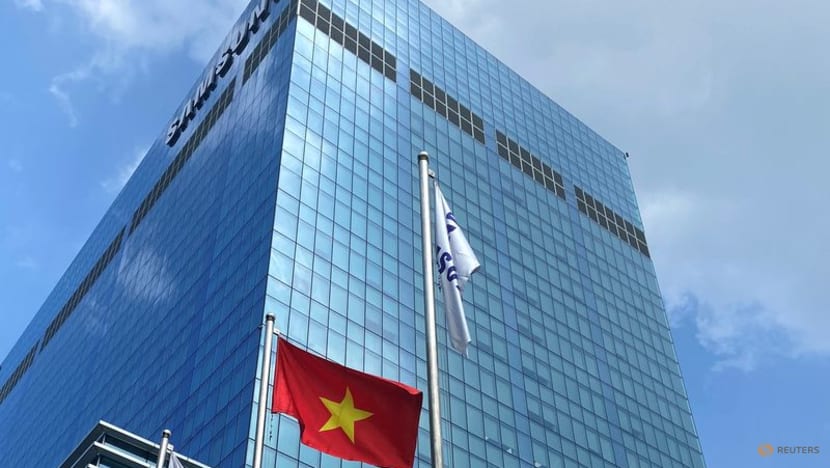
FILE PHOTO: Samsung centre building is seen in Hanoi Vietnam May 29, 2023. REUTERS/Francesco Guarascio
HANOI, June 5 (Reuters) – Vietnam’s rolling power cuts have hit industrial parks in the country’s northern provinces where top global manufacturers such as Foxconn and Samsung have factories, officials said on Monday, as a surge in consumption amid a heatwave stretched the power supply system.
The frequent and often unannounced power cuts prompted EuroCham, which represents European companies in the country, to send a letter on Monday to the industry and trade ministry urging quick measures to address the emergency.
Some industrial parks in the northern provinces of Bac Ninh and Bac Giang have been facing blackouts, said two local investment officials, declining to be named as they were not authorised to speak to media.
“We are working with EVN later today to discuss the situation and possible measures to limit the impacts,” one of the officials said, referring to the country’s state utility Electricity of Vietnam.
The provinces house production facilities of Samsung Electronics , Foxconn, Canon Inc and Luxshare, among others.
Long power cuts made life harder for residents and enterprises in suburban areas of Hanoi amid the scorching weather on Saturday.
Residents sought ways to escape the heatwave while many enterprises suspended their operations during the blackouts.
In particular, part of Lai Yen Commune, Hoai Duc District suffered a power outage, causing many enterprises and business establishments to close.
The Trung Yen gas station in the Lai Yen Industrial Cluster in the namesake commune erected the ‘out of gasoline’ sign from the early morning until afternoon on Saturday due to the power cut.
Hue, a chef in the Lai Yen Industrial Cluster, said it was extremely hot during power cuts and she could not prepare meals for workers.
Two ventilation fans, an evaporative cooler, and an industrial fan are normally needed while she is cooking.
“I cannot cook without electricity. I have to buy noodles for workers. After the meal, they cannot do anything [as there is no power],” she complained.
A student in Hanoi does research at the Vietnam Development Information Center in Hanoi, Vietnam. Photo: Huong Lan Vu / World Bank
Nhân Ngày Quốc tế Thanh niên 12 tháng 8, chúng ta cùng nhìn lại những tiến bộ đã đạt được trong việc đảm bảo con đường kinh tế tốt hơn cho thanh niên Việt Nam. Để thực hiện được điều này đòi hỏi phải tận dụng tất cả tiềm năng vốn con người qua việc xây dựng nền giáo dục đào tạo chất lượng cao và tạo cơ hội việc làm tốt hơn nhằm đáp ứng nguyện vọng cũng như tài năng của thế hệ trẻ ngày nay.
Theo ILOSTAT, tại Việt Nam, năm 2021 chỉ có 9% nghề đòi hỏi tay nghề cao. Trong khi đó, cũng dữ liệu từ ILOSTAT cho thấy các công việc đòi hỏi tay nghề cao chiếm hơn một nửa số nghề nghiệp ở Vương quốc Anh. Tại nước láng giềng Singapore, gần 65% người lao động có tay nghề cao (dữ liệu không bao gồm những việc làm không được phân loại).
Báo cáo tóm tắt: Tại đây: Sức khỏe tâm thần và tâm lý xã hội của trẻ em và thanh niên tại một số tỉnh và thành phố ở Việt Nam
Các thông điệp chính
Mặc dù tỷ lệ mắc các vấn đề sức khỏe tâm thần được báo cáo trong các nghiên cứu tài liệu có sẵn là tương đối thấp, quan điểm chung cho rằng vấn đề sức khỏe tâm thần và tâm lý xã hội đều đang gia tăng ở Việt Nam, đặc biệt trong trẻ em và thanh thiếu niên.
Kỳ vọng và áp lực lớn từ gia đình và nhà trường về việc học tập tốt, về các chuẩn mực xã hội (bao gồm cả kết hôn sớm) thường đặt các em gái vào vị thế bất lợi so với các em trai, và sự tăng tiếp xúc với Internet là những yếu tố nguy cơ tiềm tàng đối với sức khỏe tâm lý xã hội, dẫn đến tình trạng cô lập xã hội, lo lắng, buồn phiền, lo âu, trầm cảm, cảm giác tuyệt vọng và trong một số trường hợp là tự tử.
Các yếu tố bảo vệ bao gồm môi trường gia đình gắn kết, mạng lưới xã hội và bạn bè tốt, giáo viên hỗ trợ và có tấm gương để noi theo; gia đình có nền tảng kinh tế – xã hội tốt cũng như sự sẵn có của các dịch vụ cũng giúp giảm nhẹ các gánh nặng lên trẻ em, từ đó giúp giải tỏa những căng thẳng tiềm ẩn.
Trong khi các dịch vụ sức khỏe tâm thần và tâm lý xã hội mới được cung ứng thông qua các trung tâm bảo trợ và công tác xã hội, các bệnh viện tâm thần và các phòng ham vấn tâm lý học đường, chất lượng và độ bao phủ của các dịch vụ này còn giới hạn và thường tập trung vào những rối loạn tâm thần nặng.
Trong tương lai, điều then chốt là đẩy mạnh và nâng cao số lượng và chất lượng nguồn nhân lực cũng như số lượng và loại hình dịch vụ, đặc biệt là những dịch vụ hướng đến các vấn đề sức khỏe tâm thần không phải thể nặng.
Nâng cao nhận thức của tất cả các cấp về sức khỏe tâm lý xã hội của trẻ em và thanh thiếu niên cũng là một việc làm cần thiết, và tất cả những điều này không thể được thực hiện nếu không có khung chính sách, phân bổ ngân sách hợp lý và sự hợp tác giữa các ban ngành khác nhau
HÀ NỘI – 8h, Thu Hương mở ứng dụng đặt xe rồi cầm gậy đi ra cửa, nơi tài xế taxi công nghệ chờ chở cô đến văn phòng.
Nơi làm việc của cô là trụ sở UNDP Việt Nam (Chương trình phát triển Liên Hợp Quốc). Đào Thu Hương bật máy tính, xử lý những công việc quen thuộc mỗi sáng như kiểm tra email, tin nhắn, đọc báo cáo, trao đổi với đồng nghiệp trên mạng xã hội. Nhìn cô làm việc, nhiều người không tin Hương bị khiếm thị từ năm 10 tuổi.
“Máy tính của tôi phát tiếng cả ngày nên cơ quan cho một phòng làm việc riêng để nghe, không ảnh hưởng đến các người khác”, Thu Hương, 38 tuổi, giải thích.
Thu Hương (ngoài cùng bên trái) với trẻ em Hà Giang trong một chương trình của Liên Hợp Quốc, năm 2021. Ảnh: UNDP cung cấp
THE PALE BLUE DOT OF EARTH “That’s here. That’s Home. That’s us.”Image: NASA / JPL
“Hãy nhìn lại cái chấm đó. Cái Chấm đó chính là đây. Là nhà. Là chúng ta. Trên cái Chấm có tất cả những người thương yêu của bạn, có tất cả những ai bạn biết, những ai bạn từng nghe nhắc tới, và cả mọi con người đã từng tồn tại, từng sống trọn vẹn cuộc đời của họ. Cái Chấm đó là tổng hòa hỗn hợp của vui sướng và bất hạnh của mọi con người chúng ta, là hàng ngàn tôn giáo tín ngưỡng, mọi ý thức hệ, các học thuyết kinh tế, mọi thợ săn và thợ rèn, mọi anh hùng và kẻ hèn hạ, mọi nhà sáng lập và kẻ huỷ diệt nền văn minh, tất cả vua chúa và thường dân, tất cả đôi lứa đang yêu, tất cả ai làm cha mẹ và những đứa trẻ đầy triển vọng, mọi nhà phát minh và nhà thám hiểm, các thầy giảng các giáo viên, tất cả các chính trị gia tham nhũng, các “siêu sao”, các “lãnh đạo tối cao”, tất cả những vị thánh và kẻ tội đồ trong lịch sử loài người chúng ta đều sống ở đó – ở trên một cái Chấm hạt bụi lơ lửng trong một vệt nắng.
Trái Đất là một sân khấu siêu nhỏ trong một vũ đài vũ trụ mênh mông. Hãy nghĩ về những dòng sông đầy máu dưới tay của những vị tướng và hoàng đế, để mà trong vinh quang và chiến thắng, họ có thể trở thành những bá chủ nhất thời của một phần tí ti trong cái dấu Chấm đó. Hãy nghĩ về sự tàn khốc vô tận mà cư dân ở một góc tí ti này giáng xuống người dân ở một góc tí ti khác mà những con người ở đó thì đều giống nhau đến mức khó có thể phân biệt được, hãy nghĩ về mức độ nhầm lẫn thường xuyên của những con người đó, về sự háo hức tàn sát nhau về lòng căm thù sục sôi như thế.
Sự giả tạo của chúng ta, tự huyễn hoặc về cái sự quan trọng của chính mình, cái sự ảo tưởng rằng chúng ta có đặc quyền trong Vũ trụ bị thách thức bởi điểm Chấm mờ này. Hành tinh Trái Đất của chúng ta chỉ là một cái đốm lẻ loi, bao trùm bởi bóng tối vũ trụ bao la. Trong cái sự mù mờ của chúng ta, trong vũ trụ vô tận này, không hề có một dấu vết nào cho thấy sẽ có sự giúp đỡ đến từ một nơi nào khác (ngoài cái Chấm này) để cứu rỗi chúng ta khỏi chính mình.
Cho đến nay trong mọi nơi mà ta từng biết đến, Trái Đất là thế giới duy nhất cho phép sự sống neo đậu và trú ẩn. Không một hành tinh nào khác, ít nhất là trong tương lai gần, mà loài người chúng ta có thể di cư đến. Vâng, đến thăm thì được, chứ định cư thì chưa đâu. Dù muốn hay không, thì Trái Đất vẫn là nơi cho ta cư trú ở thời điểm hiện tại.
Người ta nói thiên văn học là một trải nghiệm khiêm nhường và để xây dựng chí khí. Có lẽ không có cách bày tỏ nào tốt hơn về sự tự phụ ngu xuẩn của loài người bằng hình ảnh xa xôi về thế giới nhỏ bé của chúng ta. Đối với tôi, hình ảnh cái Chấm này nhấn mạnh trách nhiệm của chúng ta để đối xử tử tế với nhau hơn, để giữ gìn và trân trọng cái Chấm xanh mờ nhạt này, ngôi nhà duy nhất mà con người chúng ta biết đến.”
— Carl Sagan, Pale Blue Dot, 1994
Look again at that dot. That’s here. That’s home. That’s us. On it everyone you love, everyone you know, everyone you ever heard of, every human being who ever was, lived out their lives. The aggregate of our joy and suffering, thousands of confident religions, ideologies, and economic doctrines, every hunter and forager, every hero and coward, every creator and destroyer of civilization, every king and peasant, every young couple in love, every mother and father, hopeful child, inventor and explorer, every teacher of morals, every corrupt politician, every “superstar,” every “supreme leader,” every saint and sinner in the history of our species lived there–on a mote of dust suspended in a sunbeam.
The Earth is a very small stage in a vast cosmic arena. Think of the rivers of blood spilled by all those generals and emperors so that, in glory and triumph, they could become the momentary masters of a fraction of a dot. Think of the endless cruelties visited by the inhabitants of one corner of this pixel on the scarcely distinguishable inhabitants of some other corner, how frequent their misunderstandings, how eager they are to kill one another, how fervent their hatreds.
Our posturings, our imagined self-importance, the delusion that we have some privileged position in the Universe, are challenged by this point of pale light. Our planet is a lonely speck in the great enveloping cosmic dark. In our obscurity, in all this vastness, there is no hint that help will come from elsewhere to save us from ourselves.
The Earth is the only world known so far to harbor life. There is nowhere else, at least in the near future, to which our species could migrate. Visit, yes. Settle, not yet. Like it or not, for the moment the Earth is where we make our stand.
It has been said that astronomy is a humbling and character-building experience. There is perhaps no better demonstration of the folly of human conceits than this distant image of our tiny world. To me, it underscores our responsibility to deal more kindly with one another, and to preserve and cherish the pale blue dot, the only home we’ve ever known.
In Japanese folklore there are both toilet gods and toilet demons. The toilet gods are household deities, the toilet demons are water demons. Let’s look at the gods first, then the demons.
Toilet Gods
There is only very limited livestock on Japan farms. Human waste has traditionally been collected in cesspits and used as fertilizer. This meant that there was a risk of falling into a cesspit and possibly drowning. Protection was needed against this dreadful fate. Also, since the collected waste was used for fertilizer, the toilet was connected with fertility in general.
The kawaya no-kami or toilet god was asked for help. Special rituals at the new year asked for the kawaya no-kami to bring a good harvest. Keeping the toilet clean was thought to lead to more attractive children.
The specific name and rituals associated with the toilet god vary with location. The name is Takagamisama around Nagano, Setchinsan in Hiroshima, Kamu-taka on Ishigaki Island, Sechinbisan in Ōita, and Usshimasama in Ehime. In some places the family sit in front of the toilet on a straw mat and eat a rice cake, in other places they would put an offering of food into the toilet.
In far northern Japan the Ainu people believed that their toilet god, the Rukar Kamuy, would be the first deity to provide help in times of danger. The Rukar Kamuy is one of many Kamuy or household gods. There is Apasamn Kamuy the husband and wife god and goddess who keep evil spirits out of the house entrance. Cisepannokianpa Kamuy and Cisepennokianpa Kamuy, the husband and wife god and goddess of the eaves of the roof, protect the house from earthquakes and typhoons. Cisekor Kamuy, a male god, sits in the east corner of the house and watches over everything. He is the husband of Apehuci Kamuy, the goddess of fire. Colpep Kamuy is the god of containers, thanks are given to this god when containers are retired.
Để các dự án năng lượng tái tạo được sớm phát lên lưới, trách nhiệm không chỉ nằm ở EVN mà còn của Bộ Công Thương, UBND các tỉnh và nhất là các chủ đầu tư.
Được mở đường, nhà đầu tư vẫn lừng khừng
Đến nay có 85 dự án điện tái tạo (gồm 8 dự án điện mặt trời và 77 dự án điện gió), với tổng công suất hơn 4.700MW đã và đang đầu tư, xây dựng và lỡ hẹn giá ưu đãi vì giá FiT cho điện gió kết thúc vào tháng 31/10/2021 và điện mặt trời kết thúc vào tháng 12/2020.
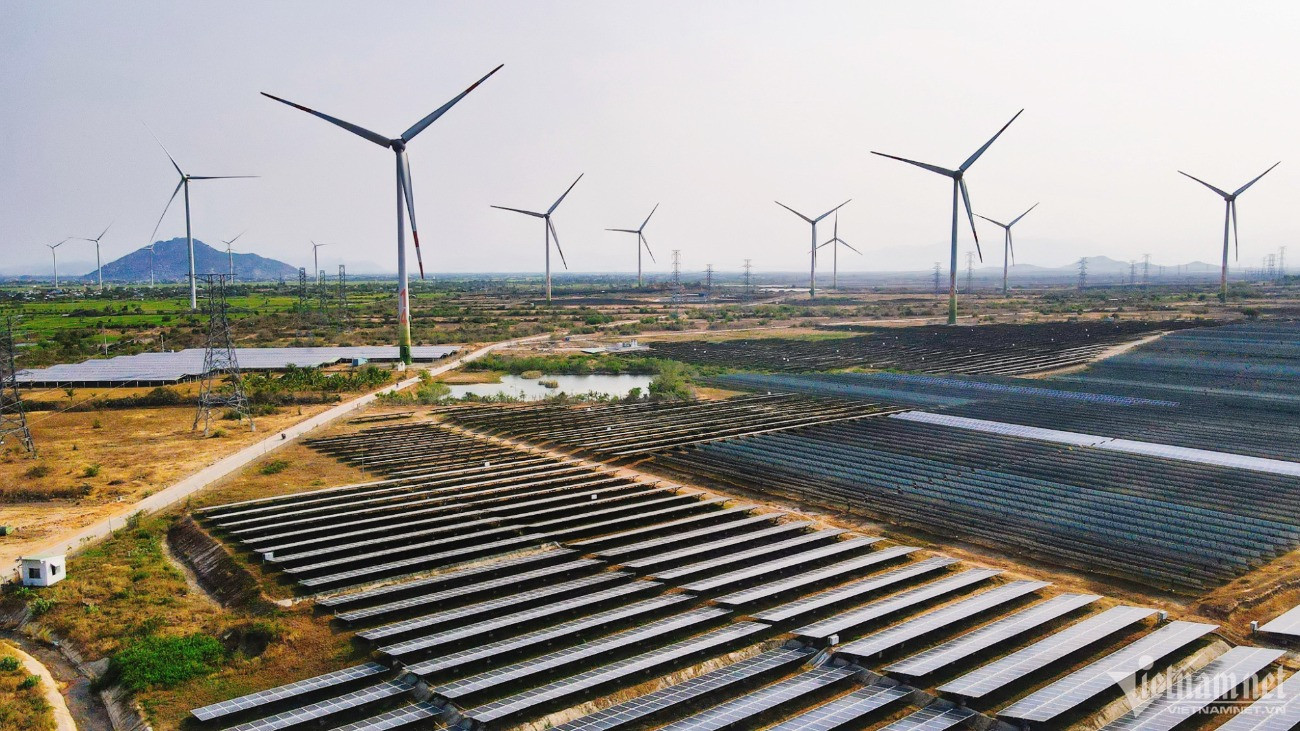
Nhiều dự án điện gió, điện mặt trời lỡ hẹn giá FiT. Ảnh: Thạch Thảo
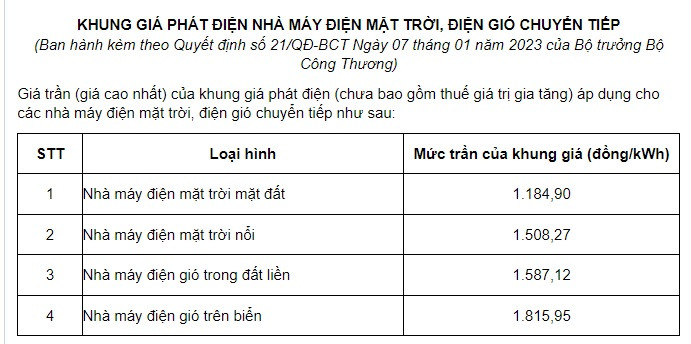
Mãi đến ngày 7/1/2023, Bộ trưởng Công Thương mới ban hành quyết định về khung giá phát điện nhà máy điện mặt trời, điện gió chuyển tiếp. Sự chậm trễ này rõ ràng có phần trách nhiệm của Bộ Công Thương.
Nhưng từ đó đến giữa tháng 5/2023, rất ít chủ đầu tư gửi hồ sơ đàm phán đến Công ty mua bán điện thuộc EVN (EPTC) vì nhà đầu tư “chê” mức giá đó là quá thấp.
Căn cứ mức giá trần này, mỗi kWh điện mặt trời mặt đất có giá tạm tính là 592,45 đồng; điện mặt trời nổi là 754,13 đồng; điện gió trong đất liền là 793,56 đồng; điện gió trên biển là 907,97 đồng.