International Women’s Day
UNDP – Administrator’s Statement on International Women’s Day, 8 March. Theme: “The Time is Now: Rural and Urban Activists Transforming Women’s Lives” Tiếp tục đọc “International Women’s Day 2018: The Time is Now”
Conversations on Vietnam Development

UNDP – Administrator’s Statement on International Women’s Day, 8 March. Theme: “The Time is Now: Rural and Urban Activists Transforming Women’s Lives” Tiếp tục đọc “International Women’s Day 2018: The Time is Now”
TS – 07/03/2018 08:00 – Ann Hibner Koblitz*
Gần như tất cả các nền văn hóa trên thế giới đều có những nữ khoa học, nữ bác sĩ và nhà phát minh nữ nhưng vì nhiều lí do, tên tuổi của những người phụ nữ này vẫn bị khuất lấp hoặc không được ghi nhận. Đến thời kì “làn sóng nữ quyền lần thứ hai” trỗi dậy vào giữa những năm 1960 đến cuối những năm 1980, những nhà sử học theo chủ nghĩa nữ quyền đã khôi phục lại tên của vô vàn những người phụ nữ vĩ đại trong quá khứ, bao gồm các nhà khoa học và phát minh nữ. Những học giả này đã thách thức các định kiến giới trong những trang sử của hàng thế kỉ đã xóa đi những đóng góp của người phụ nữ trong rất nhiều lĩnh vực bởi các nhà sử học nam.

Nhà toán học Miryam Mirakhani. Ở Iran, quê hương cô, nghiên cứu toán học được coi là một nghề nữ tính. Trong ảnh là bìa của một tờ báo ngày tại Iran vinh danh Mirakhani sau khi cô qua đời. Tiếp tục đọc “Phụ nữ trong khoa học: Những góc nhìn”
Download báo cáo tại đây
1. Lời tựa
Giảm nghèo là một mục tiêu bao trùm của World Bank, và với 75% người nghèo trên toàn thế giới sống ở khu vực nông thôn, phát triển nông thôn là cấu phần quan trọng để tiến tới hoàn thành mục tiêu giảm nghèo. Theo yêu cầu của Giám đốc Ngân hàng Thế giới – WB, Wolfensohn, bộ phận phụ trách vấn đề nông thôn của WB đã soạn thảo chiến lược phát triển nông thôn sửa đổi, Tiếp cận Người nghèo ở nông thôn. Chiến lược này được thiết kế dựa trên liên kết chặt chẽ với các vùng và các cơ quan ban ngành có hoạt động liên quan đến vấn đề nông thôn. Các mục tiêu chủa chiến lược mới này nhằm hồi phục các hoạt động của WB ở nông thôn bằng cách a) Điều chỉnh khung chiến lược; và b) thiết lập các chương trình bao gồm các kế hoạch hành động cụ thể và khả thi. Chiến lược phát triển nông thôn mới đưa ra một tình hình nông thôn khác so với trước đây, và một dân số nông thôn đang phải đối mặt với nhiều vấn đề mới, đặc biệt là các thách thức và cơ hội mà người nghèo phải đối mặt trong bối cảnh toàn cầu hóa. Tầm nhìn và cách thực thi của chiến lược phát triển mới được xây dựng dựa trên bài học thành công trong quá khứ cũng như kết hợp các ý tưởng mới từ các mô hình phát triển khác. Tiếp tục đọc “Hoạt động phi nông nghiệp trong phát triển nông thôn: Chiến lược Nông thôn, Ngân Hàng Thế Giới, 2001”
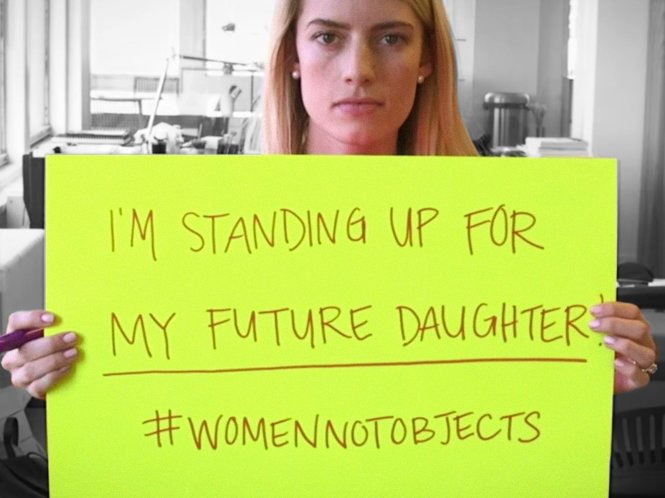 |
| Chiến dịch #WomenNotObjects: “Tôi lên tiếng vì con gái tương lai của mình”. Ảnh: refinery29.com |
Việc Hãng hàng không Vietjet sử dụng những cô gái trẻ ăn mặc hở hang tiếp đón đoàn cầu thủ Việt Nam đoạt giải á quân U-23 AFC trở về ngày 28-1 cho thấy nhận thức về phụ nữ trong cộng đồng các nhà tiếp thị và xã hội cần thay đổi.
Phụ nữ không phải đồ vật
Không khó để giải thích sự xuất hiện trên máy bay của tám cô gái đi catwalk trong trang phục y như trong bộ hình lịch bikini mà Vietjet vừa chụp đầu năm 2018.
Đây là kế hoạch tiếp thị có chuẩn bị, thống nhất với thương hiệu gắn liền với bikini của hãng hàng không đang dùng hashtag là #vietjetbikini trên mạng xã hội. Tiếp tục đọc “Tiếp thị hay truyền bá và củng cố định kiến giới ?”
What is the Carbon-Free City Handbook?
The Handbook is a resource for city leaders around the world to take real and meaningful action toward their commitments with ready-to-implement, no regrets solutions that have proven success.
Debris remaining in pond and destruction from 1998 Hurricane Mitch in Savanna Bight village Guanaja Bay Islands Honduras
Why it Matters
Cities are at the forefront of climate change risk and opportunity. Nearly 600 cities making climate commitments, but they will only get us so far and must be substantiated with on-the-ground solutions that enable cities to make rapid progress toward near-term decarbonization, and put them on a path to full climate-neutrality.
The Handbook, developed with support from Rockefeller Brothers Fund, is an actionable resource for city mayors, chief sustainability officers, and other leaders who are in the drivers seat in making key decisions that shape their community’s future.
Download the handbook here https://www.rmi.org/carbonfreecities/


Download bản tóm tắt tiếng Việt
Download bản đầy đủ tiếng Việt
***
[/Trích ]
Mục lục
Tóm tắt
Giới thiệu
Bối cảnh: Sự phát triển của ngành dệt may ở Việt Nam Tiếp tục đọc “Xây dựng một tương lai tốt đẹp hơn: Việt Nam bùng nổ mạnh ngành sản xuất hàng may mặc đã thực sự đem lại lợi ích cho phụ nữ?”
The world is transforming in many different ways.
These shifts – from climate change, to migration, to new technology and urbanisation – will have a significant impact on the management of water resources and related services such as sanitation. This impact will be both positive and negative, throwing up a variety of new opportunities and challenges, for people and economies.
But how can we make the most of the opportunities and face the challenges?
Here, we outline 10 things to know about the future of water and sanitation up to 2030, to do just that.
This publication is accompanied by the working paper Future flows: global trends to watch on water and sanitation. Tiếp tục đọc “10 things to know about the future of water and sanitation”
English: Three ways Universities and their students are revolutionalizing Sustainability
Là những nơi đi đầu về tri thức và sáng tạo, các trường đại học được trông đợi là nơi kiến tạo tương lai bền vững. Đây là nơi mà những chuyên gia nghiên cứu về những vấn đề mới nổi và đưa ra những ý tưởng mới. Đây cũng là nơi tập trung vô số những sinh viên trẻ giàu lý tưởng và dễ thích nghi, là những người được huy động để bảo vệ tương lai của chính họ. Vì vậy, một cách tự nhiên, nhiều ý tưởng bền vững cấp tiến được được sản sinh từ trường đại học.
Các trường đại học trên toàn thế giới hiện đang nỗ lực cắt giảm xu hướng lãng phí cũng như thúc đẩy một không gian khuyến khích ý thức về môi trường. Sau đây là ba lĩnh vực liên quan đến cuộc sống trong khuôn viên mà các trường đại học đang tìm cách trở nên xanh hơn.

1. Thúc đẩy lối sống bền vững thông qua các sáng kiến về giao thông
Một trong những vấn đề cấp bách có liên quan đến sự bền vững về môi trường trong các trường đại học là việc di chuyển, đi lại. Trong một nghiên cứu năm 2011 bởi Complete College America cho biết có 75% sinh viên đại học ở Mỹ đến trường bằng ô tô, xe buýt và các loại phương tiện thải các bon khác. Nhìn chung, ngành giao thông là một trong những ngành đóng góp khí thải nhà kính nhiều nhất ở Mỹ. Tiếp tục đọc “Cách mạng bền vững: ba xu hướng trường đại học và sinh viên toàn cầu đang thực hiện”
 |
| Dũng speaks at the first meeting of the National Steering Committee for the ten year (2016-2025) Zero Hunger Action Programme in Hà Nội yesterday. — Photo toquoc.vn |
HÀ NỘI — Poverty alleviation and hunger eradication has been a consistent priority for Viet Nam and the country is committed to achieving these goals in co-operation with the international community, Deputy PM Trịnh Đình Dũng said in Hà Nội yesterday.
Dũng was speaking at the first meeting of the National Steering Committee for the ten year (2016-2025) Zero Hunger Action Programme. Tiếp tục đọc “Nation zeroes in on hunger elimination”
Published on Monday, 04 December 2017

ADB.org_Southern Meghalaya in far northeastern India is one of the wettest places on Earth, crisscrossed by fast-flowing rivers and mountain streams. Here bridges aren’t built – they’re grown, ensuring connectivity in a remote area.
Local tribes identified a species of Indian rubber tree with an incredibly strong root system that flourishes in this region. The roots of the ficus elastic grow on huge boulders along the riverbanks, or even in the middle of the rivers.
To make the roots grow in the right direction, local tribes use different techniques from simply pulling the roots to tying or twisting them, until over time the roots formed the desired architectural structure.
Root bridges, also used in Indonesia, are a great example of how green infrastructure can provide alternative solutions to deliver sustainable connectivity. The normal course in Meghalaya would have been a bridge, but that would have been difficult and expensive in such areas.
Green infrastructure not yet core part of urban infrastructure planning
Unfortunately, this approach is the exception rather than the rule. Green infrastructure today falls short of being a part of urban infrastructure core planning and asset inventory. It lacks provisions for long-term maintenance and management, as is done for other essential services.
When I studied architecture and urban planning in Chandigarh, an Indian city designed in 1966 by the famous Swiss-French architect Le Corbusier, I realized that cities are like people. They have interlinked systems with dependencies on nature – land, air, and water. Tiếp tục đọc “The architecture of resilience”
By Susan Minnemeyer, Nancy Harris and Octavia Payne
 Cantonal Hojancha was once a major cattle ranching region. Most of this area was cleared for pasture only 30 years ago. Now, many of the residents have moved into the service industry, and the pasture land has slowly converted back to forest. Photo by Aaron Minnick (World Resources Institute)
New analysis from The Nature Conservancy, WRI and others estimates that stopping deforestation, restoring forests and improving forestry practices could cost-effectively remove 7 billion metric tons of carbon dioxide annually, or as much as eliminating 1.5 billion cars—more than all of the cars in the world today!
In fact, forests are key to at least six of the study’s 20 “natural climate solutions,” which could collectively reduce 11.3 billion metric tons of greenhouse gas emissions per year. That’s as much as halting global oil consumption, and would get us one-third of the way toward limiting global warming to 2 degrees C (3.6 degrees F) above pre-industrial levels — the threshold for avoiding catastrophic effects of climate change — by 2030.
 Mikaela Weisse, , , , and –

Global Forest Watch released new satellite-based data showing how forests around the world changed in the year 2015. The data, produced through the analysis of roughly a million satellite images by the University of Maryland and Google, measures the death or removal of trees at least 5 meters tall within 30×30 meter areas. This can capture any number of sustainable or unsustainable activities, from the clearing of natural forests to the harvest of tree plantations, but when analyzed appropriately with other contextual data and information can serve as a proxy for deforestation (typically defined as the permanent conversion of forest land for another use). Tiếp tục đọc “Global Tree Cover Loss Remains High. Emerging Patterns Reveal Shifting Contributors.”
Only about half of the world’s women are in the labour force compared to about 75 percent of men
By Belinda Goldsmith
VIENNA, Nov 27 (Thomson Reuters Foundation) – Women need to be given a greater role in industries in poorer nations to meet the global goal of cutting poverty by 2030, the head of the United Nations industrial development agency said on Monday after being voted in for a second term.
Tiếp tục đọc “Give women greater role in industry to cut poverty, urges UN executive”

‘Growth should be more inclusive’
By Son Luong / Tuoi Tre News
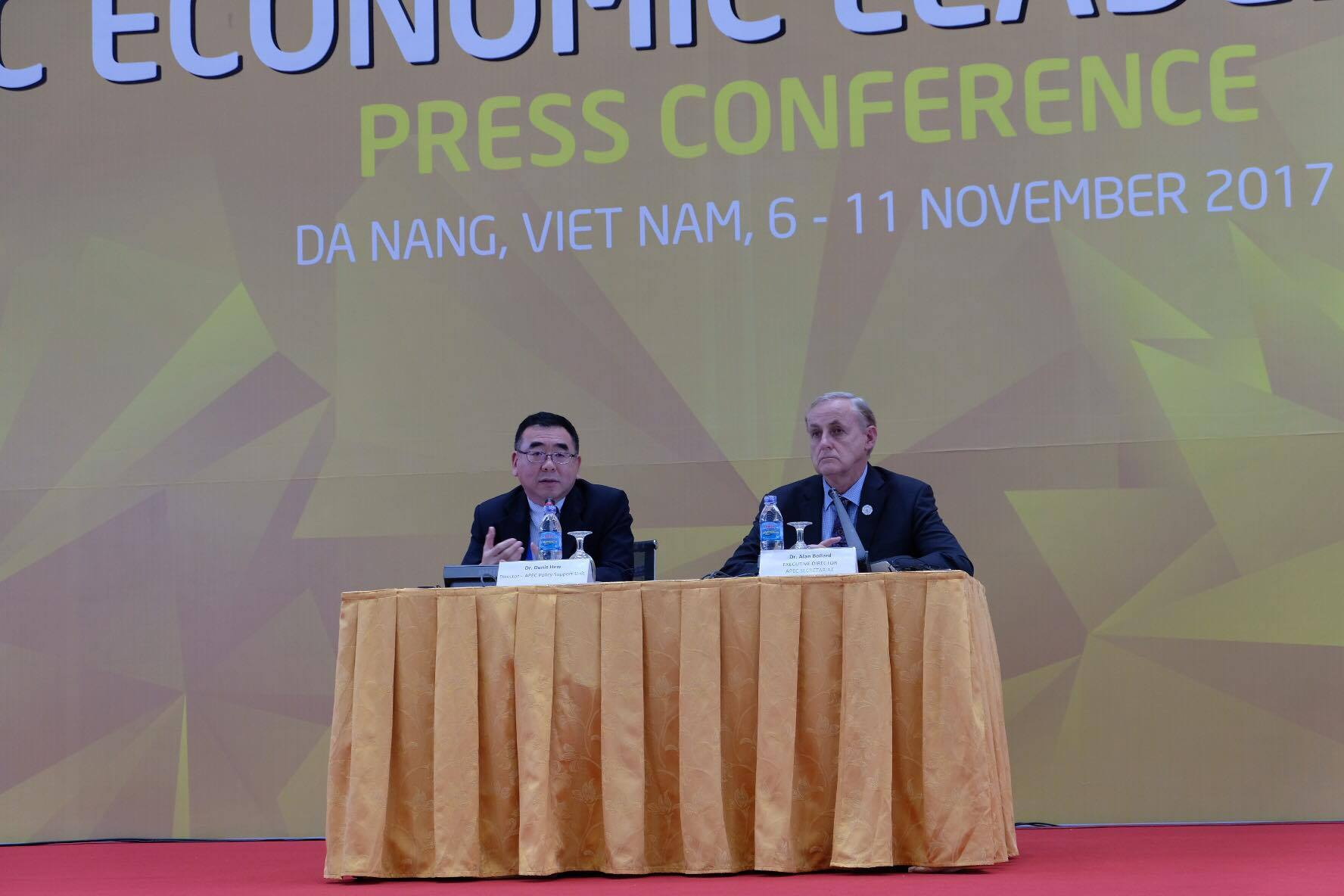 |
| Denis Hew, Director at APEC Secretariat Policy Support Unit (L) and Alan Bollard, Executive Director of the APEC Secretariat, address a news conference in Da Nang, central Vietnam, November 7, 2017. Photo: Son Luong/Tuoi Tre News |
Editor’s note: Denis Hew, Director of the APEC Secretariat Policy Support Unit, spoke to Tuoi Tre News on the challenges to be addressed at the ongoing 2017 Asia-Pacific Economic Cooperation (APEC) Economic Leaders’ Week in the central city of Da Nang.
What are the topline points of the APEC summit most relevant to Vietnam? Tiếp tục đọc “Vietnam action agenda must focus on inclusion: APEC Secretariat”


 CVD
CVD 