The cancer patient who inspired French movement to block reintroduction of pesticide

theguardian.com

Fleur Breteau tells of how case was merely a symptom of a wider problem contaminating food and water systems

Kim Willsher in ParisFri 8 Aug 2025 17.20 BST

On the day French MPs gave themselves a round of applause for approving legislation to reintroduce a banned pesticide last month, a figure rose from the public gallery to shout: “You are supporters of cancer … and we will make it known.”

Fleur Breteau made it known. Her outburst and appearance – she lost her hair during chemotherapy for breast cancer – boosted a petition against the “Duplomb law” to well over 2m signatures.

On Thursday, France’s constitutional court struck down the government’s attempt to reintroduce the pesticide acetamiprid – a neonicotinoid banned in France in 2018 but still used as an insecticide in other EU countries as well as the UK – in a judgment that took everyone by surprise. The ruling said the legislature had undermined “the right to live in a balanced and healthy environment” enshrined in France’s environmental charter.

Tiếp tục đọc “The cancer patient who inspired French movement to block reintroduction of pesticide”
Pest Migration from Southeast Asia Threatens Crops in Southern China, Research Found

laotiantime.com By Kheuakham Chanlivong May 8, 2025

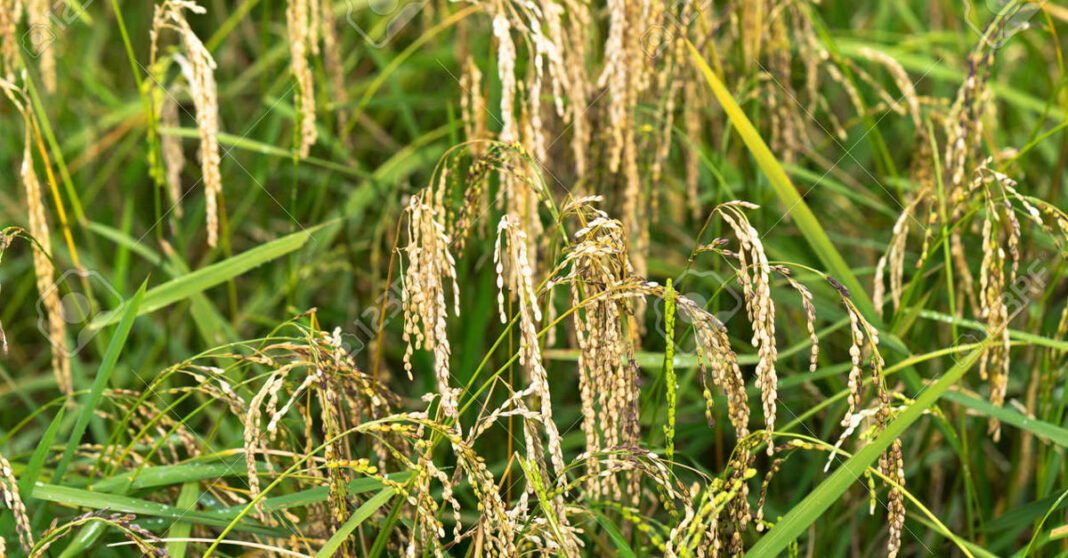
Rice field (Photo: 123RF)

Southern China is facing a surge in agricultural pests migrating from neighboring Southeast Asian countries, including Laos, Myanmar, and Cambodia. This pest migration, driven by climate-related factors, poses a growing threat to regional food security.

recent study highlights the role of extreme weather in this phenomenon. Researchers found that the ongoing El Niño event, marked by unusually warm ocean temperatures in the Equatorial Pacific, is contributing to hotter and more humid conditions, which are ideal for pest breeding.

In addition to favorable breeding conditions, strong seasonal winds are carrying these pests into Southern China, facilitating their rapid spread and increasing the risk of crop damage. 

While wind is a major factor in their movement, scientists note that insect migration is also influenced by environmental stressors such as extreme heat, drought, and the presence of predators.

Insects migrate in response to immediate environmental cues, the study explains. They may move to escape harsh conditions, find food, avoid overcrowding, or locate new habitats suitable for reproduction.

The problem isn’t confined to China. In Laos, climate change is also taking a toll. The country has experienced record-breaking heatwaves, reaching 43.2 degrees Celsius in 2024, along with persistent water shortages and weakened agricultural infrastructure. 

These factors have led to crop failures, livestock losses, and growing food insecurity. An estimated 82 percent of households lack access to safe water, compounding the crisis for rural communities.

Globally, climate change is expected to worsen food insecurity. Rising temperatures and shifting rainfall patterns are already making it more difficult to grow crops in traditional farming regions. 

By 2100, nearly 30 percent of the world’s food crops may be exposed to climate conditions they have never encountered before. While much of the focus is on staple crops like rice and wheat, many other plants grown in equatorial regions could also suffer under the changing climate.

How U.S. Corporations sterilized thousands worldwide – No sperm, no kids

AJ+ – 14-3-2025

Tens of thousands of former farmworkers claim they’ve been rendered sterile by a highly toxic pesticide known as DBCP, unable to ever have children.

Though DBCP was banned by the U.S. government in the 70s, U.S. fruit companies continued to use it abroad in poorer countries with fewer regulations.

Decades later, these farmworkers are still fighting for justice, filing lawsuits against some of the world’s biggest corporations. Yara travels to Costa Rica to investigate one of the most devastating occupational health disasters in history.

Fruits of spoil: Laos’ forests disappearing as fruit farms flourish (2 parts)

Fruits of spoil: Laos’ forests disappearing as fruit farms flourish

Mekong eyes – 16 December 2024 at 9:27 (Updated on 16 December 2024 at 15:40)

The country’s improved railway connectivity facilitates fruit exports to China but has also sparked a boom in foreign-owned banana and durian farms, leading to forest clearance

A Chinese-owned banana plantation on land that was once forested, located in Attapeu province, southern Laos, in August 2024.

The report was produced with support from the Pulitzer Center’s Rainforest Investigations Network (RIN) and Internews’ Earth Journalism Network as part of the “Ground Truths” collaborative reporting project on soils. 

ATTAPEU, LAOS — The new high-speed railway has enabled faster fruit exports from Laos to China, attracting more investment in large-scale plantations. However, this growth has come at the cost of deforestation.

Bananas and the “king of tropical fruit” – durians – are very popular in China, but they typically ripen within a few days of harvesting.

However, that problem was resolved with the launch of the Laos-China Railway in 2021, which has enabled landlocked Laos to deliver its fruit quickly to China’s 1.4 billion consumers.

Tiếp tục đọc “Fruits of spoil: Laos’ forests disappearing as fruit farms flourish (2 parts)”

Phở, bún Việt vào danh sách ‘bị theo dõi’ ở châu Âu

12/04/2023 | 18:55

TPO Ngày 12/4, Thương vụ Việt Nam tại Bỉ và EU cho biết đã đưa ra cảnh báo với các doanh nghiệp sản xuất liên quan đến việc Ủy ban châu Âu (EC) đang lập hồ sơ theo dõi dư lượng 2-chloroethanol (dư lượng thuốc trừ sâu) có trong sản phẩm bún, phở, bánh đa nhập khẩu từ Việt Nam. Nếu doanh nghiệp Việt Nam không quản lý tốt dư lượng này thì có khả năng EC sẽ đưa các sản phẩm vào diện kiểm tra an toàn thực phẩm như đang áp dụng với mỳ ăn liền.

Phở, bún, bánh đa Việt Nam lại vào danh sách bị EC theo dõi hàm lượng thuốc trừ sâu.

Tiếp tục đọc “Phở, bún Việt vào danh sách ‘bị theo dõi’ ở châu Âu”

Popular weedkiller Roundup on trial again as cancer victims demand justice

theguardian.com

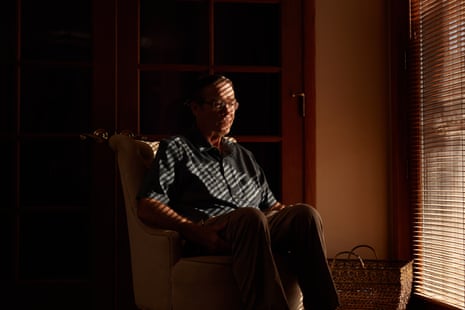
Mike sitting in the living room of his Phoenix home. Contemplating what his latest biopsy results will reveal.
Mike Langford in the living room of his Phoenix home, contemplating what his latest biopsy results will reveal. Photograph: Matt Williams/The Guardian

A long list of upcoming trials complicating Bayer’s efforts to escape the costly, ongoing litigation over the health effects of Roundup

Cancer has taken an unrelenting toll on 72-year-old Mike Langford. After being diagnosed with non-Hodgkin lymphoma (NHL) in 2007 he suffered through five recurrences despite multiple rounds of chemotherapy and a stem cell transplant. Now he struggles with chemo-related neuropathy in his arms and legs, and new tests show the cancer is back.

Langford blames his cancer on his longtime use of the popular weed-killing product Roundup, which he applied countless times over decades using a backpack sprayer around his five-acre California property and a vacation lake home. He alleges in a lawsuit that Monsanto, the longtime Roundup maker now owned by the German company Bayer AG, should have warned of a cancer risk.

Last month, a San Francisco judge ruled that Langford’s health is so poor that he is entitled to a speedy hearing of his claims. A trial is set for 7 November in San Francisco county superior court.

“I’ve had it so long. I’m very angry,” Langford told the Guardian a day after doctors biopsied an enlarged lymph node. “The future doesn’t look too terribly promising,” he said, trying to hold back tears. He learned last week that the preliminary biopsy results show a return of NHL.

Tiếp tục đọc “Popular weedkiller Roundup on trial again as cancer victims demand justice”

EU warns of pesticide residues found in Vietnamese agricultural products

nongnghiep.vn

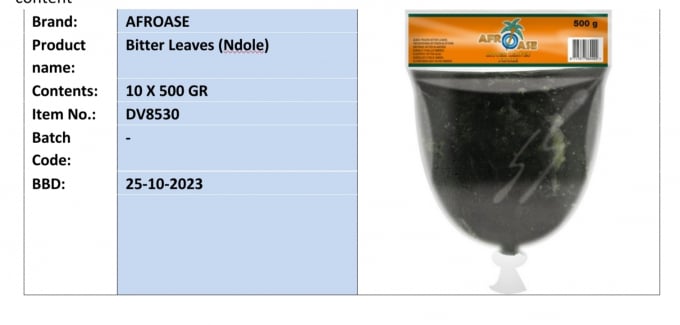
(VAN) The EU has warned that bitter leaves and some other agricultural products exported from Vietnam have exceeded the maximum residue level of many active ingredients and banned substances.

According to the Vietnam Sanitary and Phytosanitary Notification Authorities and Enquiry Point (SPS Vietnam Office), RASFF – Rapid Alert System for Food and Feed of the European Union (EU) has just sent a warning notice, stating that the product of frozen ground bitter leaves of An Van Co., Ltd. Thinh (Address: 60 Ly Thuong Kiet, Ward 1, Bao Loc City, Lam Dong Province) was found to have exceeded the maximum residue level (MRL) of many active ingredients and banned substances.

The product of frozen ground bitter leaves receives warning from the EU.

In which, some active ingredients have high residue levels such as: Thiamethoxam (54 mg/kg); Tebuconazole (26 mg/kg); Propiconazole (34 mg/kg); Diniconazole (86 mg/kg).

The country issuing the notification is the Netherlands, which has notified the consignee. Finland has initiated the recall of the product.

In addition to frozen ground bitter leaves, Vietnam has also received warning on tea exported to Hong Kong. This product contains three banned substances and pesticide residues exceeding EU regulations, including: Chlorfluazuron (0.11 mg/kg); Imidacloprid (0.15 mg/kg) and Chlorpyrifos (0.043 mg/kg).

Being the focal point for transparent information about SPS measures and regulations to WTO members, the Vietnam SPS Office has notified this issue to the Plant Protection Department and related units.

Tiếp tục đọc “EU warns of pesticide residues found in Vietnamese agricultural products”

“Mua chai thuốc trừ cỏ độc hại cũng dễ như mua chai nước”

TRẦN MẠNH 5/12/2021 7:00 GMT+7

TTCT “Không thể có nông sản an toàn mà vẫn cấp phép tràn lan cho sản xuất và kinh doanh hóa chất độc hại, không thể có nền nông nghiệp sinh thái chỉ dựa vào lời kêu gọi của lãnh đạo cấp cao ngành nông nghiệp. Cần phải mạnh tay với chất cấm, loại bỏ chất độc ra khỏi ruộng đồng VN thì mới có nông sản sạch, mới có thể tăng giá trị nông sản trong thời gian tới” – TS Nguyễn Đăng Nghĩa, giám đốc Trung tâm nghiên cứu và tư vấn nông nghiệp nhiệt đới, trao đổi với TTCT.

TS Nguyễn Đăng Nghĩa. Ảnh: NVCC

Tiếp tục đọc ““Mua chai thuốc trừ cỏ độc hại cũng dễ như mua chai nước””

[Bài 9] Tỉnh bị doanh nghiệp thuốc bảo vệ thực vật… ghét nhất

Bí quyết những huyện ít dùng thuốc trừ sâu

20/07/2021

NNỞ miền Bắc, Phú Thọ có lẽ là tỉnh bị các doanh nghiệp thuốc bảo vệ thực vật ghét nhất bởi lẽ làm IPM chặt quá khiến họ tiêu thụ hàng rất khó khăn.

“Liệu cơm, gắp mắm” trong làm IPM

Ghét đến mức trước đây có nhiều công ty thuốc bảo vệ thực vật (BVTV) đến đặt vấn đề với Chi cục BVTV Phú Thọ để tổ chức 50 – 70 cuộc hội thảo mỗi năm, có khi kéo dài cả tuần ở cả ba cấp tỉnh, huyện, xã nhưng mấy năm nay không có cuộc nào cấp tỉnh, còn huyện xã chỉ cỡ dưới 10 cuộc.

Theo thống kê mới nhất từ Sở NN-PTNT Phú Thọ, toàn tỉnh hiện có 118.187 ha đất canh tác nhưng lượng thuốc BVTV sử dụng chỉ hơn 71,5 tấn, tương đương với mức bình quân 0,6 kg/ha/năm, trong đó có 0,21 kg là thuốc sinh học.

Ông Phan Văn Đạo, Chi cục trưởng Chi cục Trồng trọt và BVTV Phú Thọ kiểm tra sâu bệnh trên bưởi. Ảnh: Dương Đình Tường.

Tiếp tục đọc “[Bài 9] Tỉnh bị doanh nghiệp thuốc bảo vệ thực vật… ghét nhất”

Chuỗi bài về Thuốc trừ sâu

Thứ năm, 16/7/2020, 02:00 (GMT+7) VNExpress

Vòng xoáy thuốc trừ sâu trên những cánh đồng

Năm 1956, thuốc bảo vệ thực vật gần như không tồn tại ở Việt Nam. Nửa đầu năm 2020, nước ta nhập khẩu thuốc trừ sâu nhiều hơn xăng.

Từ đầu năm 2020 cho đến ngày 15/6, Tổng cục Hải quan công bố Việt Nam đã nhập khẩu 308 triệu USD thuốc trừ sâu và nguyên liệu sản xuất mặt hàng này. Để so sánh, trong cùng kỳ, Việt Nam nhập 249 triệu USD tiền xăng.

Tiếp tục đọc “Chuỗi bài về Thuốc trừ sâu”

Thuốc lậu rao bán trên facebook, tràn ra đồng ruộng – 4 kỳ

***

Thứ Ba 26/05/2020 , 08:20 (GMT+7)

Thuốc lậu rao bán trên facebook, tràn ra đồng ruộng

Thuốc BVTV lậu Trung Quốc, trong đó nhiều hoạt chất độc bị cấm, vẫn tràn vào Việt Nam, rao bán cả công khai lẫn lén lút khiến nông dân dần bị lệ thuộc.

Một vòng kim cô đang xiết chặt trên đầu người nông dân Việt, không có lối thoát bởi nếu đã trót dùng thì các loại khác hầu như vô tác dụng cho đến một ngày bản thân thứ thuốc “thần kỳ” kia cũng bị sâu kháng lại. Hậu quả là bệnh tật tràn lan còn nông sản thì nhiễm độc.

Bài I: Vòng kiểm tra để loại bỏ người cài cắm

Mất cả tết vì mua thuốc trên mạng

“Tôi biết bộ đôi có tên Xuân (Vũ Minh Xuân) và Liên (Nguyễn Thị Liên) qua mạng facebook, thấy họ rao thuốc BVTV Tàu (cách dân gian vẫn gọi hàng xuất xứ Trung Quốc) nên lúc đầu đặt mua 50 gói trị nấm, giá mỗi gói 46.000 đồng, trả tiền trước rồi nhưng khi nhận hàng ở bưu điện lại bắt trả lần hai. Gọi điện thì họ bảo có sự nhầm lẫn, cứ thanh toán sau sẽ trả lại nhưng chờ mãi không thấy nên tôi phải mua thêm 100 gói nữa.

Thuốc nấm 'Tàu' mà anh Đức đã mua của Xuân. Ảnh: NNVN.
Thuốc nấm “Tàu” mà anh Đức đã mua của Xuân. Ảnh: NNVN.

Tiếp tục đọc “Thuốc lậu rao bán trên facebook, tràn ra đồng ruộng – 4 kỳ”

Nên chăng phải đánh thuế thuốc BVTV thật cao để giảm lượng sử dụng?

Thuốc độc ở chính trong ta:

NN – 30/07/2018, 07:05 (GMT+7)Sản xuất nhỏ lẻ, giá thuốc rẻ mạt và thiếu sự giám sát của chính quyền cơ sở là những nguyên nhân chính gây ra tình trạng “rải thảm” hóa chất BVTV…

Bà Nguyễn Thị Bên ở xã Nhân Nghĩa, huyện Lý Nhân, tỉnh Hà Nam khi thử máu thấy nhiễm độc thuốc sâu nặng

Sản xuất lớn cần phải đánh giá tác động môi trường

Tồn tại nhất hiện nay là khâu quản lý sử dụng thuốc BVTV và hoạt động kinh doanh buôn bán thuốc BVTV ở cấp xã, phường tuy nhiên cũng cần phải cải tiến hơn nữa ở khâu đăng ký. Tiếp tục đọc “Nên chăng phải đánh thuế thuốc BVTV thật cao để giảm lượng sử dụng?”

‘Khủng khiếp’, bình quân mỗi người Việt tiêu thụ 0,9-1kg thuốc BVTV/năm

Thuốc độc ở chính trong ta:

NN – 27/07/2018, 08:42 (GMT+7) Hiện có khoảng 200 doanh nghiệp tham gia sản xuất kinh doanh thuốc BVTV, khoảng 100 nhà máy sản xuất thuốc BVTV và hơn 30 ngàn đại lý buôn bán thuốc BVTV. Đáng chú ý là thực sự chỉ khoảng 15-20 doanh nghiệp chi phối...

Lợi ích nhóm

Theo ông Trương Quốc Tùng – nguyên Phó Chủ tịch Thường trực Hội Khoa học Kỹ thuật Bảo vệ Thực vật (BVTV) Việt Nam, lịch sử dùng thuốc BVTV ở nước ta được bắt đầu ở miền Bắc vào năm 1955. Nó tỏ ra là phương tiện quyết định, nhanh chóng dập tắt các dịch sâu bệnh trên diện rộng. Nếu không có thuốc BVTV nhiều dịch hại cây trồng có thể làm giảm 40-60% năng suất trên diện rộng, cục bộ có thể mất trắng.

08-37-56_dsc_0465
Vỏ bao thuốc BVTV vứt bừa bãi ở một vùng trồng rau sạch

Tiếp tục đọc “‘Khủng khiếp’, bình quân mỗi người Việt tiêu thụ 0,9-1kg thuốc BVTV/năm”

Glyphosate: The key points in an endless debate

DW_The European Union is deciding about the future of glyphosate — a controversial herbicide that may be linked with cancer. DW offers an overview on the most important points of the debate.

Bottles of RoundUp herbicide (picture-alliance/AP Photo/J. Roberson)

Despite warnings over potential risks to human health and the environment, farmers around the world are dependent on chemical giant Monsanto’s herbicide Roundup. Active ingredient: glyphosate.

In June 2016, European Union member states delayed a final decision on renewal for the weed killer, instead extending the license for 18 months. In October and November 2017, the European Commission again pushed back a vote on the issue.

The European Commission must make a decision, as the current license is due to expire on December 15. Although the European Commission on Food Safety had been pushing for a 10-year renewal of the license for glyphosate, this has been pedaled back to a five-year renewal. Tiếp tục đọc “Glyphosate: The key points in an endless debate”

Scant oversight, corporate secrecy preceded U.S. weed killer crisis

 vietnamnet

Last update 17:01 | 09/08/2017

As the U.S. growing season entered its peak this summer, farmers began posting startling pictures on social media: fields of beans, peach orchards and vegetable gardens withering away.

U.S., weed killer crisis, crop damage, investigation
John Weiss looks over his crop of soybeans, which he had reported to the state board for showing signs of damage due to the drifting of Monsanto’s pesticide Dicamba, at his farm in Dell, Arkansas, U.S. July 25, 2017.

The photographs served as early warnings of a crisis that has damaged millions of acres of farmland. New versions of the herbicide dicamba developed by Monsanto and BASF, according to farmers, have drifted across fields to crops unable to withstand it, a charge authorities are investigating. Tiếp tục đọc “Scant oversight, corporate secrecy preceded U.S. weed killer crisis”