Fukushima’s Nuclear Wastewaters Have Been Released. Now What?

34,303 views Oct 10, 2023 #Radioactive#CNAInsider#Japan

Japan has completed phase one of wastewater release from the Fukushima-Daiichi nuclear disaster. Despite assurances from the government and IAEA representatives that the water’s radioactive particles, specifically Tritium, are not harmful, many in Japan and the region are not appeased.

Insight’s Genevieve Woo travels across Fukushima to find out what has happened since the release. She finds fishermen off the coast of Japan who are worried about their livelihoods. Meanwhile, China and Hong Kong seafood curbs continue. What repercussions will the wastewater have on Japan and its neighbours? What has happened one month after the water release? And does the data support further release of waters?

00:00 Introduction

01:30 Activists protest discharge of radioactive water

05:34 Treating radioactive wastewater before release

08:07 Fukushima’s fishermen unhappy

13:00 Impact on Fukushima’s tourism industry

17:59 People living near the plant react to the release

23:42 How much radiation is there really?

28:18 Distrust towards TEPCO and the Japanese government

35:08 China’s import ban on Japanese seafood

37:13 Does the rest of Japan have fears about the wastewater release?

42:41 Japan’s future nuclear power plans

=============== ABOUT THE SHOW: Insight investigates and analyses topical issues that impact Asia and the rest of the world.

Southeast Asia’s Clean Energy Transition: A Role for nuclear Power?

Edited by David Santoro & Carl Baker

Read & Download >>

TABLE OF CONTENTS


EXECUTIVE SUMMARY
David Santoro & Carl Baker 1
1 INDONESIA POWER SECTOR
Elrika Hamdi 5
2 MALAYSIA ENERGY LANDSCAPE AND REQUIREMENTS 2022-2050
Sabar Hashim 19
3 MYANMAR’S ENERGY LANDSCAPE
Shwe Yee Oo 39
4 RE-ENERGIZING THE PHILIPPINES’ NUCLEAR POWER PROGRAM: OPPORTUNITIES
AND CHALLENGES
Julius Cesar Trajano 59
5 SINGAPORE’S ENERGY JOURNEY: NET-ZERO, NEW PERSPECTIVES & NUCLEAR?
Denise Cheong & Victor Nian 75
6 THAILAND’S ENERGY LANDSCAPE AND THE POTENTIAL ROLE AND PLACE OF
NUCLEAR TECHNOLOGY
Doongnyapong Wongsawaeng 93
7 ENERGY LANDSCAPE AND REQUIREMENTS OF VIETNAM
Nguyen Nhi Dien 107
ABOUT THE AUTHORS 127

Read & Download >>

Thiếu điện là nguy cơ hiện hữu trong cả ngắn hạn và dài hạn

dantri.com Thứ năm, 12/10/2023 – 06:05

(Dân trí) – Thiếu điện trong giai đoạn từ ngắn hạn đến dài hạn (từ 2024 đến 2050) là nguy cơ hiện hữu. Trong 6 chỉ tiêu đảm bảo an ninh năng lượng quốc gia, có 3 chỉ tiêu biến động theo chiều hướng bất lợi.

Nhận định này được Đoàn giám sát của Ủy ban Thường vụ Quốc hội đưa ra trong báo cáo giám sát chuyên đề “Việc thực hiện chính sách, pháp luật về phát triển năng lượng giai đoạn 2016-2021”. Đây là nội dung được cho ý kiến tại phiên họp của Ủy ban Thường vụ Quốc hội sáng 12/10.

3/6 chỉ tiêu về an ninh năng lượng “biến động bất lợi”

Đoàn giám sát cho biết trong giai đoạn 2016-2021, ngành điện đã đạt nhiều kết quả đáng ghi nhận.

Sản lượng điện sản xuất toàn hệ thống hàng năm đều tăng trưởng, năm sau cao hơn năm trước, đảm bảo cung cấp điện cơ bản đầy đủ. Hệ thống điện vận hành an toàn, ổn định.

Tiếp tục đọc “Thiếu điện là nguy cơ hiện hữu trong cả ngắn hạn và dài hạn”

China’s Three Gorges Dam: This Dam affected Earth’s Rotation

The Three Gorges Dam is a hydroelectric gravity dam that spans the Yangtze River, in Central China. It is the world’s largest hydroelectric power station, but all that power comes with great responsibility. According to NASA, the dam delays the rotation of the Earth by 0.06 microseconds. This happens when the dam raises trillions of pounds of water 574 feet (175 m) above sea level increasing the Earth’s moment of inertia and thus slowing its rotation. Will the dam cause major consequences in our future or will the very minor delay not be noticeable for thousands of years?

China’s plan for the ‘world’s riskiest’ mega dam high in the Himalayas

As China seeks to meet its targets of becoming carbon neutral by 2060, it is turning its sights to some of the wildest reaches of the Tibetan Plateau where it plans to build a hydropower plant so ambitious that it could produce three times as much power as Three Gorges.

Experts believe it could be the riskiest mega structure ever built. Not only is the location prone to massive landslides and some of the most powerful earthquakes ever recorded, it’s also precariously close to the disputed border between India and China. Meaning any major project could further escalate discontent in a tense territorial dispute between the world’s two most populous countries.

The Role of Concessional Climate Finance in Accelerating the Deployment of Offshore Wind in Emerging Markets

Offshore wind will be critical to achieve the world’s decarbonization and sustainable development goals. Although the cost of offshore wind has dropped dramatically over the past decade, there will be an initial cost premium when developing offshore wind in emerging markets due to a variety of risks and constraints in establishing a new market. Concessional climate finance could help countries overcome this initial cost barrier to help reduce costs for future projects and lay the foundation for the development of successful offshore wind markets.  

This report from World Bank’s Energy Sector Management Assistance Program (ESMAP) and International Finance Corporation (IFC), finds that concessional climate financing is essential to unlock offshore wind in emerging markets and estimates that US$15 billion in concessional climate financing, consisting of both grants and loans, could catalyze offshore wind deployment across ten emerging market countries.   

Full report https://www.esmap.org/concessional-finance-for-offshore-wind?deliveryName=DM195051

Aging dams and missed warnings: A lethal mix of factors caused Africa’s deadliest flood disaster in Libya

cnn.com

By Nadeen Ebrahim and Laura Paddison, CNN Updated 12:08 PM EDT, Fri September 15, 2023

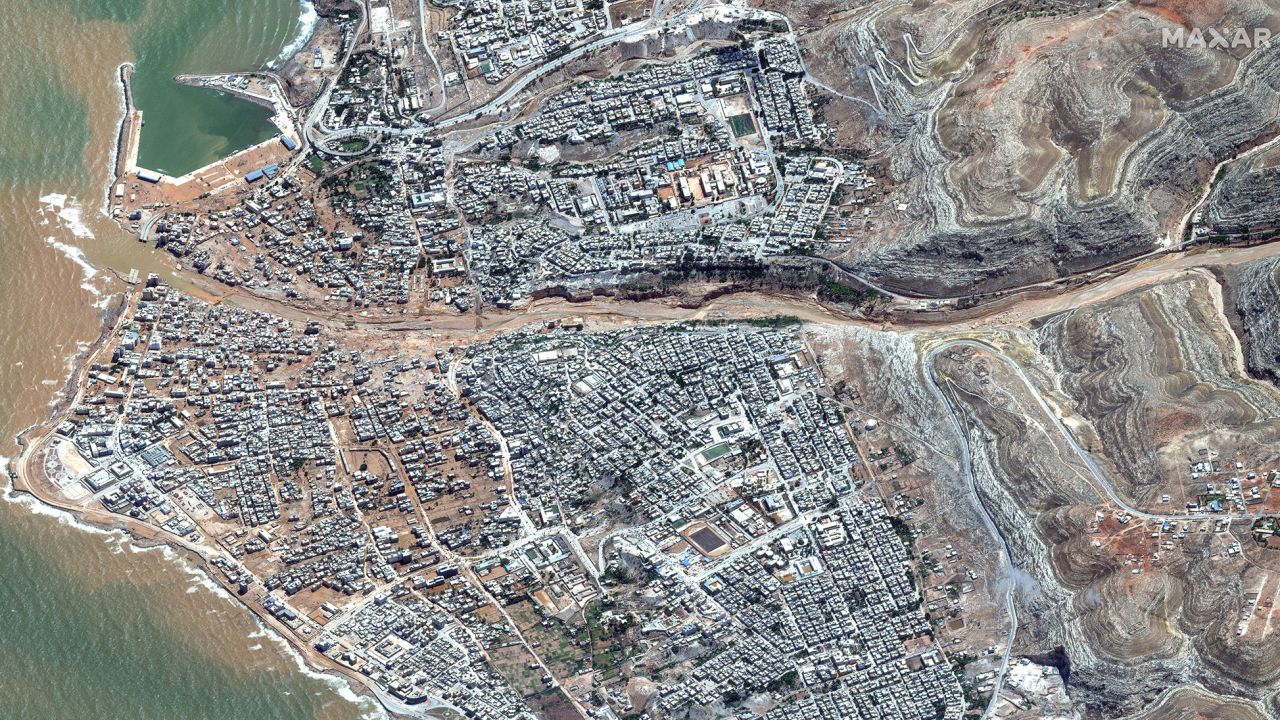
A satellite image shows the town of Derna in the aftermath of the floods in eastern Libya on Wednesday.

A satellite image shows the town of Derna in the aftermath of the floods in eastern Libya on Wednesday.Maxar Technologies/ReutersCNN — 

It started with a bang at 3 a.m. Monday as the residents of Derna were sleeping. One dam burst, then a second, sending a huge wave of water gushing down through the mountains towards the coastal Libyan city, killing thousands as entire neighborhoods were swept into the sea.

More than 5,000 people are believed to have been killed with thousands more missing, though estimates from different Libyan officials and aid groups have varied and the toll is expected to rise.

The eastern Libyan city of Derna, the epicenter of the disaster, had a population of around 100,000 before the tragedy. Authorities say that at least 10,000 remain missing. CNN could not independently verify the figures.

Buildings, homes and infrastructure were “wiped out” when a 7-meter (23-foot) wave hit the city, according to the International Committee of the Red Cross (ICRC), which said Thursday that dead bodies were now washing back up on shore.

But with thousands killed and many more still missing, there are questions as to why the storm that also hit Greece and other countries caused so much more devastation in Libya.

Experts say that apart from the strong storm itself, Libya’s catastrophe was greatly exacerbated by a lethal confluence of factors including aging, crumbling infrastructure, inadequate warnings and the impacts of the accelerating climate crisis.

Tiếp tục đọc “Aging dams and missed warnings: A lethal mix of factors caused Africa’s deadliest flood disaster in Libya”

Draft natural gas rules in the Philippines ignore high costs and economic consequences

IEEFA.org September 04, 2023 Sam Reynolds

Key Findings

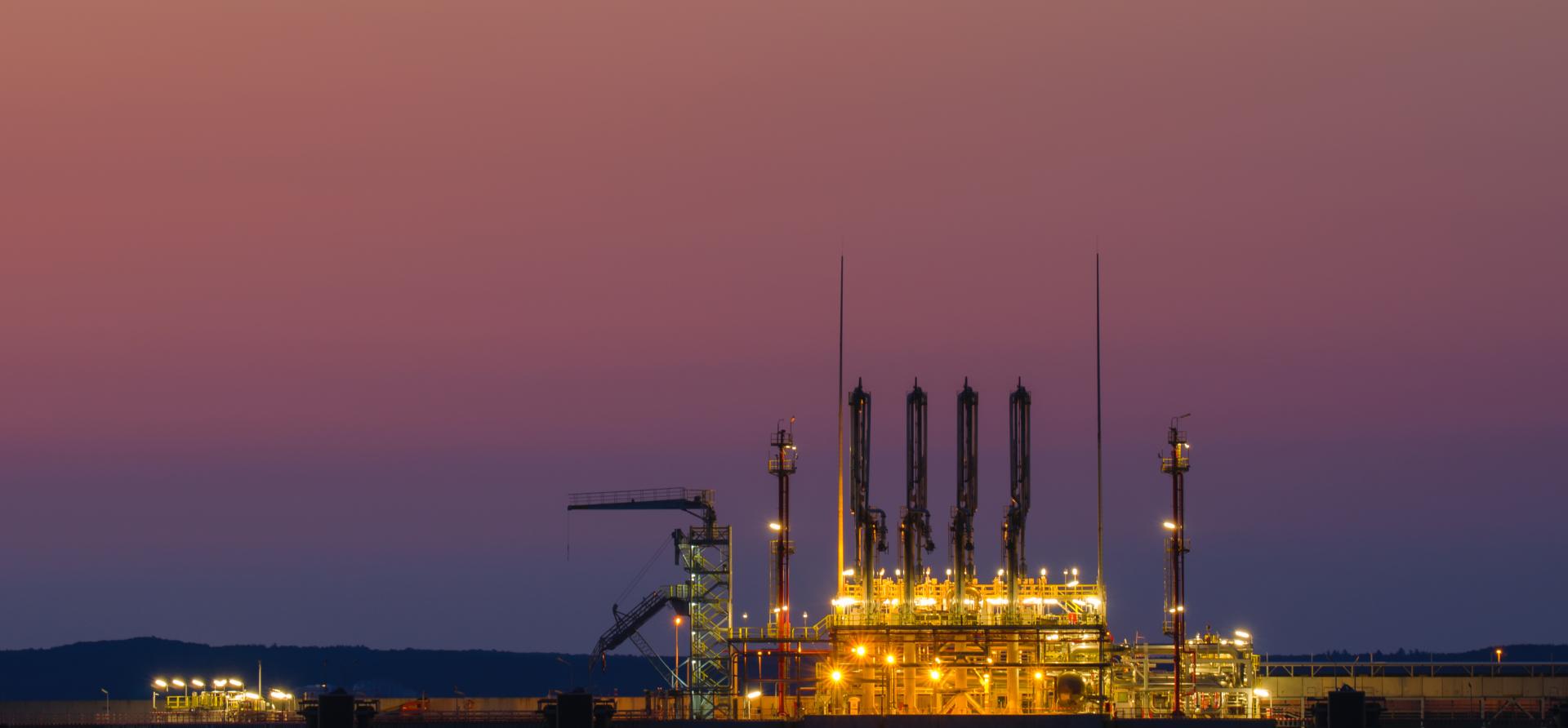
The Philippines spent nearly US$90 million on its first two shipments of liquefied natural gas (LNG). The price tag for just two cargoes should be a warning sign for the exorbitant LNG import bills to come. 


The Department of Energy’s draft circular aiming to make the country “a major player” in Asia “through the development and operation of LNG facilities” could increase the country’s dependence on one of the most expensive fuels available. 

Tiếp tục đọc “Draft natural gas rules in the Philippines ignore high costs and economic consequences”

Court says renewable firms can seize Spain’s property after subsidy cuts

Climate Change News | 4 August 2023

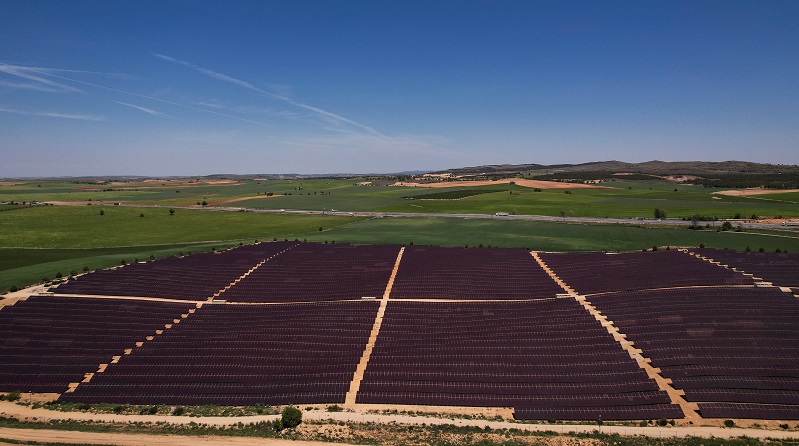
A Spanish solar plant in 2022 (REUTERS/Guillermo Martínez)

London’s High Court has ruled that two investors in Spanish solar energy plants are entitled to seize a Spanish property in London to enforce a judgment in a long-running dispute over renewable energy incentives.

The court’s interim charging order – meaning it is not yet final and can be objected to by the debtor – was issued on Wednesday but made public on Friday.

->

Renewables Competitiveness Accelerates, Despite Cost Inflation

IRENA.org

Abu Dhabi, United Arab Emirates, 29 August 2023 – The fossil fuel price crisis has accelerated the competitiveness of renewable power. Around 86 per cent (187 gigawatts) of all the newly commissioned renewable capacity in 2022 had lower costs than fossil fuel-fired electricity.

Renewable Power Generation Costs in 2022, published by the International Renewable Energy Agency (IRENA) today shows that the renewable power added in 2022 reduced the fuel bill of the electricity sector worldwide. New capacity added since 2000 reduced the electricity sector fuel bill in 2022 by at least USD 520 billion. In non-OECD countries, just the saving over the lifetime of new capacity additions in 2022 will reduce costs by up to USD 580 billion. 

Tiếp tục đọc “Renewables Competitiveness Accelerates, Despite Cost Inflation”

‘Shadow fleet’ oil tankers pose growing risk in SEA

southeastasiaglobe.com

An armada of poorly regulated, scrapyard-ready tankers is hauling sanctioned oil through the region’s bustling shipping lanes. With that, they’re carrying an ever-present threat of environmental catastrophe

IAN HOLLINGER AUGUST 29, 2023

‘Shadow fleet’ oil tankers pose growing risk in SEA
Smoke rises from the oil tanker Pablo after it suffered from multiple explosions on 1 May off the coast of Malaysia. The ship was registered to Gabon and was part of the so-called “ghost fleet” of little-regulated tankers. Photo courtesy of the Malaysian coast guard.

On the morning of 3 May, residents of Batam, Indonesia, the largest city of the country’s Riau Islands, woke up to beaches black with oil. 

Tiếp tục đọc “‘Shadow fleet’ oil tankers pose growing risk in SEA”

Fossil Fuel Subsidies: WHY DO WE CARE ABOUT FOSSIL FUEL SUBSIDIES?

IFM.org

Why do we care about fossil fuel subsidies?

Subsidies are intended to protect consumers by keeping prices low, but they come at a substantial cost. Subsidies have sizable fiscal consequences (leading to higher taxes/borrowing or lower spending), promote inefficient allocation of an economy’s resources (hindering growth), encourage pollution (contributing to climate change and premature deaths from local air pollution), and are not well targeted at the poor (mostly benefiting higher income households). Removing subsidies and using the revenue gain for better targeted social spending, reductions in inefficient taxes, and productive investments can promote sustainable and equitable outcomes. Fossil fuel subsidy removal would also reduce energy security concerns related to volatile fossil fuel supplies.

BACK TO TOP

Measuring Fossil Fuel Subsidies

Tiếp tục đọc “Fossil Fuel Subsidies: WHY DO WE CARE ABOUT FOSSIL FUEL SUBSIDIES?”

Trillions Wasted on Subsidies Could Help Address Climate Change

worldbank.org

WASHINGTON, June 15, 2023 – Trillions of dollars are wasted on subsidies for agriculture, fishing and fossil fuels that could be used to help address climate change instead of harming people and the planet, a World Bank report says.

The report, Detox Development: Repurposing Environmentally Harmful Subsidies, says global direct government expenditures in the three sectors are $1.25 trillion a year—around the size of a big economy such as Mexico. To subsidize fossil fuel consumption, countries spend about six times what they pledged to mobilize annually under the Paris Agreement for renewable energies and low-carbon development.

Tiếp tục đọc “Trillions Wasted on Subsidies Could Help Address Climate Change”

Fossil Fuel Subsidies Surged to Record $7 Trillion

IMF.org

Credit: Marcin Jozwiak/Unsplash

Scaling back subsidies would reduce air pollution, generate revenue, and make a major contribution to slowing climate change

Simon BlackIan ParryNate Vernon

August 24, 2023

Fossil-fuel subsidies surged to a record $7 trillion last year as governments supported consumers and businesses during the global spike in energy prices caused by Russia’s invasion of Ukraine and the economic recovery from the pandemic.

Tiếp tục đọc “Fossil Fuel Subsidies Surged to Record $7 Trillion”