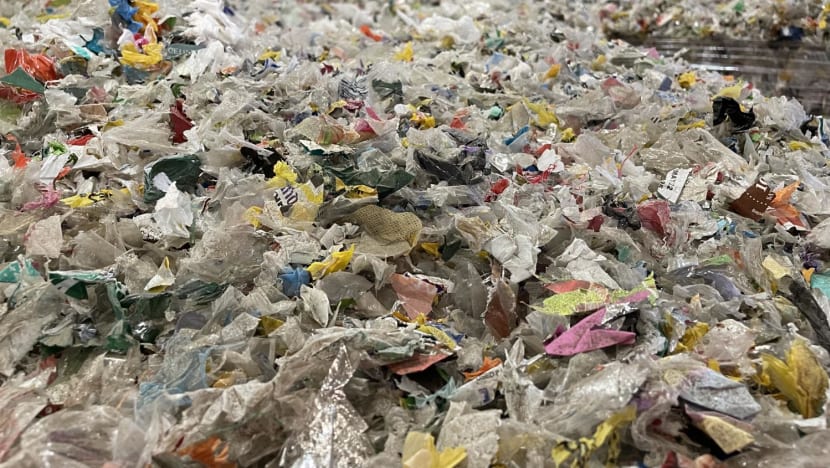
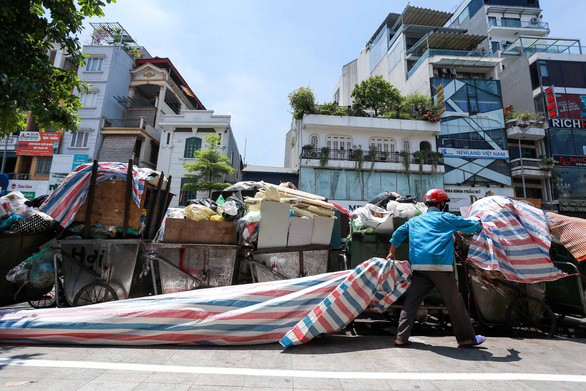
Xu hướng gọi đồ ăn trực tuyến trong giai đoạn dịch COVID-19 làm gia tăng chóng mặt lượng rác thải nhựa, tạo áp lực nặng nề đến môi trường toàn cầu.
Theo thống kê của Bộ Tài nguyên và Môi trường, bình quân mỗi hộ gia đình sử dụng khoảng 1 kg túi nilon mỗi tháng. Lượng chất thải nhựa và túi nilon hiện tại chiếm khoảng từ 8 – 12% chất thải rắn sinh hoạt, nhưng chỉ có khoảng từ 11 – 12% trong số đó được xử lý tái chế. Số còn lại chủ yếu được chôn lấp, đốt và thải ra ngoài môi trường. Vậy đâu là giải pháp để xử lý rác thải nhựa thông minh và hiệu quả.
SYDNEY: Take a walk around Sydney’s city centre and chances are, it won’t take long before you find a recycling bin or a product made from recycled material.
While it may seem insignificant, it is a sign of how Australia’s packaging landscape is changing.
After years of largely neglecting the buildup of plastic waste in Earth’s environment, the U.N. Environment Assembly will meet in February and March in the hopes of drafting the first international treaty controlling global plastics pollution.
Discarded plastic is currently killing marine life, threatening food security, contributing to climate change, damaging economies, and dissolving into microplastics that contaminate land, water, the atmosphere and even the human bloodstream.
The U.N. parties will debate how comprehensive the treaty they write will be: Should it, for example, protect just the oceans or the whole planet? Should it focus mainly on reuse/recycling, or control plastics manufacture and every step of the supply chain and waste stream?
The U.S. has changed its position from opposition to such a treaty under President Donald Trump, to support under President Joe Biden, but has yet to articulate exactly what it wants in an agreement. While environmental NGOs are pushing for a comprehensive treaty, plastics companies, who say they support regulation, likely will want to limit the treaty’s scope.
At the end of February, the United Nations Environment Assembly (UNEA) will tackle a challenging task: the creation of a landmark treaty to control plastic pollution worldwide. While most nations have agreed to participate, the scope and timing of such an agreement aren’t settled, with many countries, environmental NGOs, and the plastics industry expressing widely different ideas as to what should be included.
Từ Thái Lan đến Bali, khách du lịch – phần lớn đến từ Trung Quốc và các nền kinh tế đang phát triển nhanh chóng khác – đang gia tăng chóng mặt, đẩy các hệ sinh thái nhạy cảm đến điểm tan vỡ.
Một số quốc gia đang cố gắng kiểm soát sự bùng nổ, chẳng hạn như đóng cửa một vài điểm đến phổ biến để các khu vực bị thiệt hại được chữa lành.
Vịnh Maya ở Thái Lan thu hút 5.000 khách du lịch mỗi ngày trước khi chính phủ đóng cửa khu vực để hệ sinh thái phục hồi (Ảnh: Shutterstock)
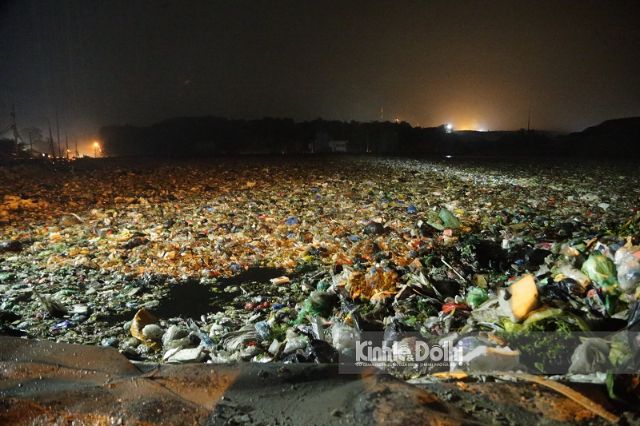
KTĐT – Ngày 1/11, do ảnh hưởng của mưa bão kéo dài, Công ty TNHH MTV Môi trường Đô thị Hà Nội (Urenco) đã có văn bản hỏa tốc gửi các đơn vị có liên quan về việc tạm dừng tiếp nhận rác ô chôn lấp rác thải tại bãi Nam Sơn để phòng tránh sự cố chất thải. Có thể nói, quyết định trên khiến nhiều người không khỏi hoang mang lo lắng, song dưới góc độ chuyên môn, đây là điều đã được dự báo từ lâu.
Bãi rác Nam Sơn dừng tiếp nhận rác do các hồ chứa nước rác đã quá tải (Ảnh: https://kinhtedothi.vn/)
The pop-up art installation in the heart of Times Square is meant to raise environmental awareness, coinciding with New York State’s ban on all plastic carryout bags.
Kể từ ngày 1/1/2021, Trung Quốc sẽ không còn chấp nhận chất thải đến từ nước khác, đối với Việt Nam, Thái Lan và Indonesia có thể sẽ cảm thấy đây là gánh nặng từ chính sách mới
Mặc dù ba quốc gia này đã thực hiện nhiều biện pháp để đối phó với rác thải nhưng do còn nhiều tham nhũng, và các chính sách yếu có thể khiến các quốc gia bị chôn vùi trong rác
Trung Quốc, quốc gia đã từng là vua cứu cánh của thế giới, đang đóng cửa đối với tất cả các hoạt động nhập khẩu chất thải trong ngày đầu tiên của năm mới. Thông báo gần đây đã gây ra sự lo lắng tương tự đối với các nước xuất khẩu rác thải vào năm 2018, khi Trung Quốc ban hành chính sách “Chiến dịch thanh kiếm toàn quốc” đó là cấm nhập khẩu 24 loại rác thải rắn, bao gồm cả rác thải nhựa Tiếp tục đọc “Đông Nam Á đối phó với bãi đổ rác khi Trung Quốc thực thi lệnh cấm nhập khẩu rác thải”→
On January 1, China will no longer be accepting waste from other countries, with Vietnam, Thailand and Indonesia likely to feel the brunt of the new policy
Although the three countries have taken steps to deal with mounting trash, corruption and weak policies could doom them to remain buried in refuse
A river canal in Ho Chi Minh City choked by mostly plastic waste. Photo: Sen Nguyen
China, which used to be the world’s salvage king, is shutting its door to all waste imports starting the first day of the new year. The recent announcement triggered the same kind of anxiety among waste-exporting countries as in 2018, when China enacted its “Operation National Sword” policy, which banned the import of 24 types of solid waste, including plastic waste.
The 2018 policy switch caused the world’s major waste-exporting countries – Europe, Britain, the US and Australia – to scramble for alternative destinations, including
nations like Thailand, Vietnam, and Indonesia, which quickly became overwhelmed by the volume of refuse they received. Soon after, these countries began to impose their own bans and restrictions on waste imports.
With China’s latest announcement about a blanket waste ban, concerns have been raised about the effects this might have on Southeast Asian countries, where limited waste-management capacities are common.
Plastic pollution plagues Southeast Asia amid Covid-19 lockdowns
, which borders China and was one of the countries most affected by Beijing’s 2018 waste policy, might not be ready for more imported waste. According to a national report released last month, various types of solid waste imported for manufacturing do not only not meet the national technical standard in regards to
but also put more pressure on waste-management services in the country.
Meanwhile, most of the domestically made solid waste processing equipment is unsynchronized, incomplete and not yet common in the country – going by the National Environmental Status Report in 2019 issued by the Ministry of Natural Resources and Environment. No specific national guidelines exist on what technology to use to treat municipal solid waste.
Since 2018, the Vietnamese government has kept a tight rein of its scrap imports through various policies, including amending the country’s technical standard to ensure only quality scrap is allowed in and cracking down on illegal shipments of thousands of containers of paper, plastic and metal scrap. Vietnam imported 9.2 million tons of scrap in the same year, a 14 per cent year-on-year increase, according to Vietnam customs statistics.
More than 71% of wards and communes in Ho Chi Minh City have been recognised as “clean” areas – one of the outstanding results of the 200-day emulation movement held to celebrate its upcoming municipal Party Congress.
The movement also had a positive spill-over effect, helping the city take steps towards becoming “a rubbish-free city”.
Located in the heart of the downtown area, Nguyen Thai Binh Market in District 1 used to be a pollution black spot. Today, though, it’s become much cleaner. After every market session, under the supervision of the market’s management board, traders voluntarily clean up any waste around their area.
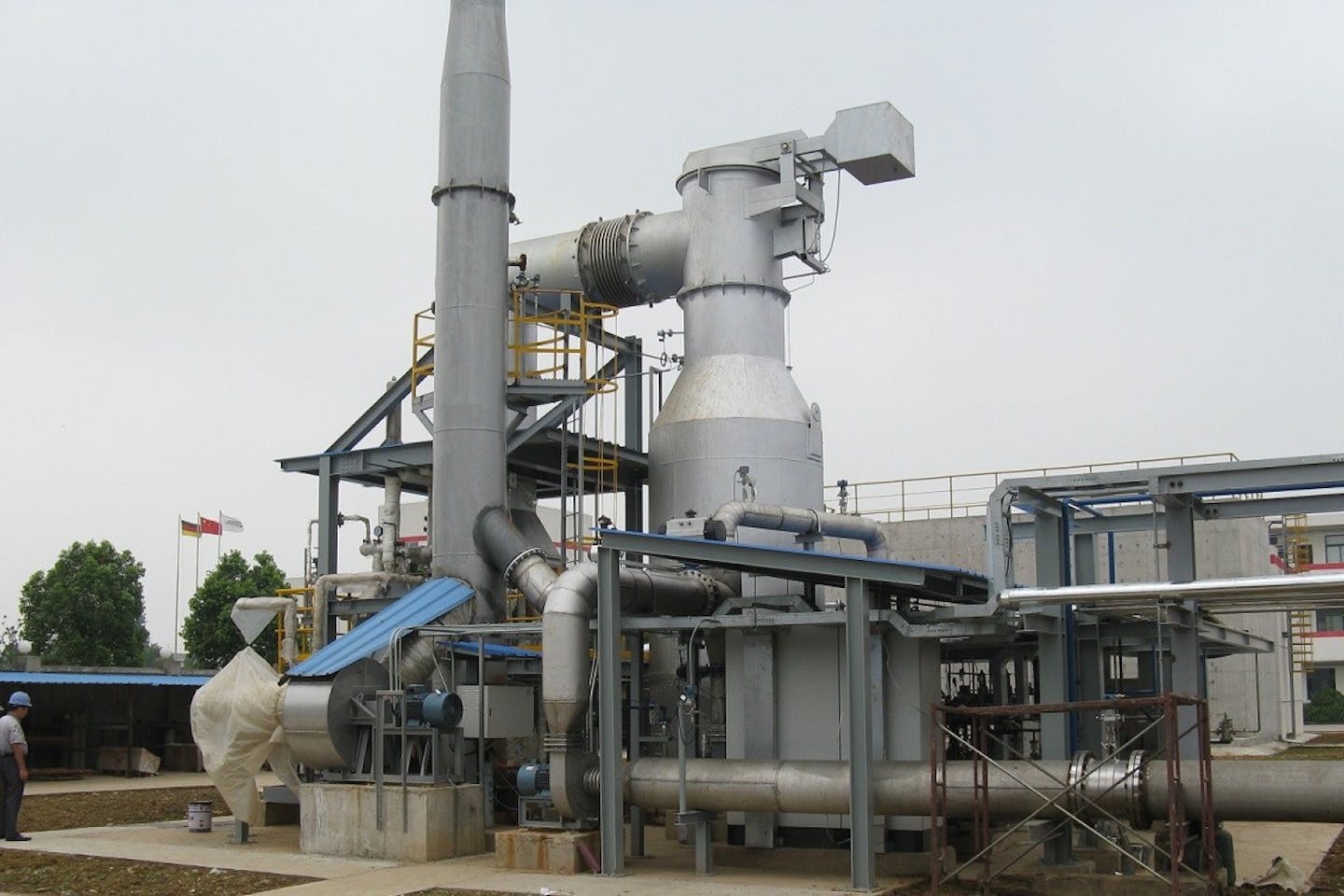
Several provinces may be investing too much in incineration, overlooking improvements in waste sorting and recycling.
A liquified waste incinerator in China. Image: Fast Future Industrial ServicThe vision to make China an “ecological civilisation” has been espoused at the highest political level. It includes, among other things, efficiently using resources, reducing waste and using extracted materials in a circular manner. Reaching these objectives will require timely and well-planned investments in waste-management capacity.China has invested largely in incineration over the past decade to help manage the massive growth in the amount of municipal solid waste, produced by homes and businesses. The latest government data, from 2018, shows that 99 per cent of collected waste was managed, up from 67 per cent in just 10 years. Tiếp tục đọc “Is China building more waste incinerators than it needs?”→
The slow development of a waste collection, transport and treatment system in Vietnam is caused mostly by limited financial resources.
According to the Directorate General of Environment, 13,000 tons of waste is generated every day in HCM City, including 8,300 tons of domestic waste, 1,500-2,000 tons of industrial waste, 1,200-1,600 tons of waste from construction works, 22 tons of medical waste and 2,000 tons of sludge of different kinds.
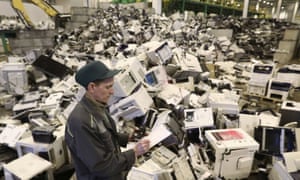
A fast growing mountain of toxic e-waste is polluting the planet and damaging health, says new report
A worker at an electronic and electric equipment recycling and reuse plant, belonging to Ecopolis Corporation, in Moscow. Photograph: Sergei Karpukhin/Tass
At least $10bn (£7.9bn) worth of gold, platinum and other precious metals are dumped every year in the growing mountain of electronic waste that is polluting the planet, according to a new UN report.
A record 54m tonnes of “e-waste” was generated worldwide in 2019, up 21% in five years, the UN’s Global E-waste Monitor report found. The 2019 figure is equivalent to 7.3kg for every man, woman and child on Earth, though use is concentrated in richer nations. The amount of e-waste is rising three times faster than the world’s population, and only 17% of it was recycled in 2019.
Electronic and electrical goods, from phones and computers to refrigerators and kettles, have become indispensable in modern societies and enhance lives. But they often contain toxic chemicals, and soaring production and waste damages human health and the environment, and fuels the climate crisis.
The report blames lack of regulation and the short lifespan of products that are hard or impossible to repair. Experts called the situation a “wholly preventable global scandal”.
People in northern Europe produced the most e-waste – 22.4kg per person in 2019. The amount was half as much in eastern Europe. Australians and New Zealanders disposed of 21.3kg per person, while in the US and Canada the figure was 20.9kg. Averages across Asia and Africa were much lower, at 5.6kg and 2.5kg per person respectively.E-waste contains materials including copper, iron, gold, silver and platinum, which the report gives a conservative value of $57bn. But most are dumped or burned rather than being collected for recycling. Precious metals in waste are estimated to be worth $14bn, but only $4bn-worth is recovered at the moment. Tiếp tục đọc “$10bn of precious metals dumped each year in electronic waste, says UN”→
Tahir Gasanin operates the mechanical claw that feeds the burner at a “waste-to-energy” power plant with five tons of garbage at a time.Credit…Casper Hedberg for The New York Times
By Amy Yee Sept. 21, 2018
LINKOPING, Sweden — In a cavernous room filled with garbage, a giant mechanical claw reaches down and grabs five tons of trash. As a technician in a control room maneuvers the spiderlike crane, the claw drops its moldering harvest down a 10-story shaft into a boiler that is hotter than 1,500 degrees Fahrenheit. A fetid odor emanates from plastic trash bags discarded by hundreds of thousands of homes.
Stretch of road laid at DEEP C Industrial Zone in Hai Phong.
Ambassador of Belgium to Vietnam, H.E. Paul Jansen, attended the inauguration of the first asphalt road using recycled plastics on October 1 in the northern city of Hai Phong, together with representatives from the Hai Phong People’s Committee and related departments.
Dow and DEEP C Industrial Zones completed the 200-meter section of road enhanced with recycled plastics at the DEEP C Industrial Zone in the city. The project is a collaborative effort between Dow and DEEP C to provide innovative solutions to address plastics waste and advance a circular economy in Vietnam. Tiếp tục đọc “Asphalt road using recycled plastics laid”→