Trồng Rừng Vững Đất: Phim tài liệu

Dự án Forest Symphony (thuộc chương trình Hạnh phúc Xanh do Quỹ Sống bền vững triển khai) tiếp tục thực hiện chiến dịch “Trồng rừng vững đất” năm 2023. Với thông điệp “một cây khỏe, triệu người vui”, chiến dịch kêu gọi cộng đồng chung tay trồng thêm 10ha rừng mới (tương đương 44.000 cây) tại tỉnh Sóc Trăng trong năm nay và cùng nhau hướng đến mục tiêu phủ xanh 50ha rừng ngập mặn trong năm năm.

Một số giải pháp nhằm giảm phát thải khí nhà kính trong nông nghiệp Việt Nam

icasp.org.vn

Trong số các loại KNK gây biến đổi khí hậu toàn cầu, có 3 loại KNK được ghi nhận phát thải chủ yếu trong lĩnh vực nông nghiệp là khí các bô níc (CO2), khí mê tan (CH4) và khí ô xít nitơ (N2O). 

Nông nghiệp Việt Nam đóng góp khoảng 30% tổng lượng phát thải khí nhà kính (KNK) toàn quốc. Phát thải KNK trong nông nghiệp tập trung chủ yếu trong 3 lĩnh vực chính: trồng lúa nước phát thải 49,7 triệu tấn CO2 quy đổi (CO2e), chiếm 50%; chăn nuôi phát thải 18,5 triệu tấn CO2e, chiếm 19%; quản lý đất và sử dụng phân bón phát thải 13,2 triệu tấn CO2e, chiếm 13%. Các loại KNK phát thải chính trong lĩnh vực nông nghiệp bao gồm khí CH4, N2O và CO2. Nghiên cứu về cơ chế phát thải của từng loại KNK trong từng lĩnh vực sản xuất nông nghiệp cụ thể đã tạo cơ sở khoa học cho đề xuất các giải pháp nhằm xử lý hiệu quả phát thải KNK trong nông nghiệp. Cụ thể, giải pháp chuyển đổi đất lúa và áp dụng tưới tiêu chủ động (nông lộ phơi), giải pháp cải thiện chế độ dinh dưỡng cho trâu bò và sử dụng các công nghệ xử lý chất thải chăn nuôi bằng khí sinh học, thu gom và sản xuất phân bón hữu cơ, giải pháp quản lý đất và sử dụng phân đạm hợp lý đã được đề xuất áp dụng nhằm giảm phát thải KNK trong nông nghiệp. Tuy nhiên, để các công nghệ giảm phát thải KNK trong nông nghiệp được áp dụng rộng rãi, nhà nước cần có chính sách hỗ trợ các nghiên cứu để việc đầu tư các công nghệ vừa giúp giảm phát thải KNK lại vừa thực sự đem lại hiệu quả kinh tế cho nông dân.

Tổng quan về phát thải KNK trong lĩnh vực nông nghiệp

Tiếp tục đọc “Một số giải pháp nhằm giảm phát thải khí nhà kính trong nông nghiệp Việt Nam”

As work begins on the largest US dam removal project, tribes look to a future of growth

FILE - The Iron Gate Dam powerhouse and spillway are seen on the lower Klamath River near Hornbrook, Calif., on March 2, 2020. This dam, along with three others on the Klamath River, are scheduled to be removed by the end of 2024. Crews will work to restore the river and surrounding land. (AP Photo/Gillian Flaccus, File)

1 of 4 | 

FILE – The Iron Gate Dam powerhouse and spillway are seen on the lower Klamath River near Hornbrook, Calif., on March 2, 2020. This dam, along with three others on the Klamath River, are scheduled to be removed by the end of 2024. Crews will work to restore the river and surrounding land. (AP Photo/Gillian Flaccus, File)

FILE - The Klamath River winds runs along state Highway 96 on June 7, 2021, near Happy Camp, Calif. Work has begun on removing four dams along the Klamath River, the largest dam removal project in history. All the dams are scheduled to come down by the end of 2024. (AP Photo/Nathan Howard, File)

2 of 4 | 

FILE – The Klamath River winds runs along state Highway 96 on June 7, 2021, near Happy Camp, Calif. Work has begun on removing four dams along the Klamath River, the largest dam removal project in history. All the dams are scheduled to come down by the end of 2024. (AP Photo/Nathan Howard, File)

FILE - Demian Ebert, the Klamath program manager for PacifiCorp, looks at a tank holding juvenile chinook salmon being raised at the Iron Gate Hatchery at the base of the Iron Gate Dam on March 3, 2020, near Hornbrook, Calif. The Iron Gate Dam is one of four dams along the Klamath River scheduled to be removed by the end of 2024. Once the dams are gone, crews will work to restore the river and surrounding land. (AP Photo/Gillian Flaccus, File)

3 of 4 | 

FILE – Demian Ebert, the Klamath program manager for PacifiCorp, looks at a tank holding juvenile chinook salmon being raised at the Iron Gate Hatchery at the base of the Iron Gate Dam on March 3, 2020, near Hornbrook, Calif. The Iron Gate Dam is one of four dams along the Klamath River scheduled to be removed by the end of 2024. Once the dams are gone, crews will work to restore the river and surrounding land. (AP Photo/Gillian Flaccus, File)

FILE - Jamie Holt, lead fisheries technician for the Yurok Tribe, right, and Gilbert Myers count dead chinook salmon pulled from a trap in the lower Klamath River on June 8, 2021, in Weitchpec, Calif. Work has begun on the largest dam removal project in history along the Klamath River. Four dams will be removed by the end of 2024. (AP Photo/Nathan Howard, File)

4 of 4 | 

FILE – Jamie Holt, lead fisheries technician for the Yurok Tribe, right, and Gilbert Myers count dead chinook salmon pulled from a trap in the lower Klamath River on June 8, 2021, in Weitchpec, Calif. Work has begun on the largest dam removal project in history along the Klamath River. Four dams will be removed by the end of 2024. (AP Photo/Nathan Howard, File)

BY ADAM BEAMUpdated 11:05 AM GMT+7, July 31, 2023Share

Tiếp tục đọc “As work begins on the largest US dam removal project, tribes look to a future of growth”

Trung Quốc đã giảm thiểu ô nhiễm không khí như thế nào?

vietcleanair.vn

Nửa thập kỷ trước, Bắc Kinh từng là thành phố thuộc nhóm ô nhiễm không khí nhất thế giới. Tính trên toàn Trung Quốc, tình trạng khói mù dày đặc xuất hiện ở 25/31 tỉnh thành, bao phủ hơn 100 thành phố lớn hoặc cấp trung, lan rộng trên diện tích 1,4 triệu km2 và ảnh hưởng đến hơn 800 triệu người.

Cuộc “khủng hoảng” khói mù này buộc chính phủ Trung Quốc khởi động “cuộc chiến tổng lực” với các biện pháp mạnh tay hơn và mang tính hệ thống, thông qua Kế hoạch hành động phòng chống ô nhiễm không khí giai đoạn 2013-2017, được ban hành vào tháng 9/2013.

Kế hoạch này đặt ra mục tiêu hàm lượng PM10 (bụi mịn đường kính 10 micromet trở xuống) tại các thành phố từ cấp địa khu trở lên phải giảm ít nhất 10% so với năm 2012, hàm lượng PM2.5 tại khu vực Kinh Tân Hà phải giảm khoảng 25%. Riêng đối với Bắc Kinh, hàm lượng PM2.5 phải giảm từ mức gần 90 xuống còn khoảng 60 microgram/m3 sau 5 năm theo kế hoạch.

Đây không phải những mục tiêu dễ đạt được. Tuy nhiên, theo số liệu chính thức được công bố cuối năm 2017, Bắc Kinh dường như đã đạt được mọi mục tiêu lớn được đề ra trong kế hoạch hành động năm 2013. Ngoài việc hàm lượng PM2.5 giảm xuống còn 58 microgram/m3 (tương đương giảm 35,6% so với năm 2013), hàm lượng lưu huỳnh điôxit (SO2), nitơ điôxit (NO2), PM10 trong không khí cũng lần lượt giảm 70%, 18% và 22%.

Trung Quốc đã làm gì để thoát khỏi tình trạng ô nhiễm không khí

    1. Minh bạch thông tin về ô nhiễm không khí

Tiếp tục đọc “Trung Quốc đã giảm thiểu ô nhiễm không khí như thế nào?”

Ô nhiễm không khí tại Hà Nội chủ yếu là ô nhiễm bụi ‘tử thần’

tienphong.vn

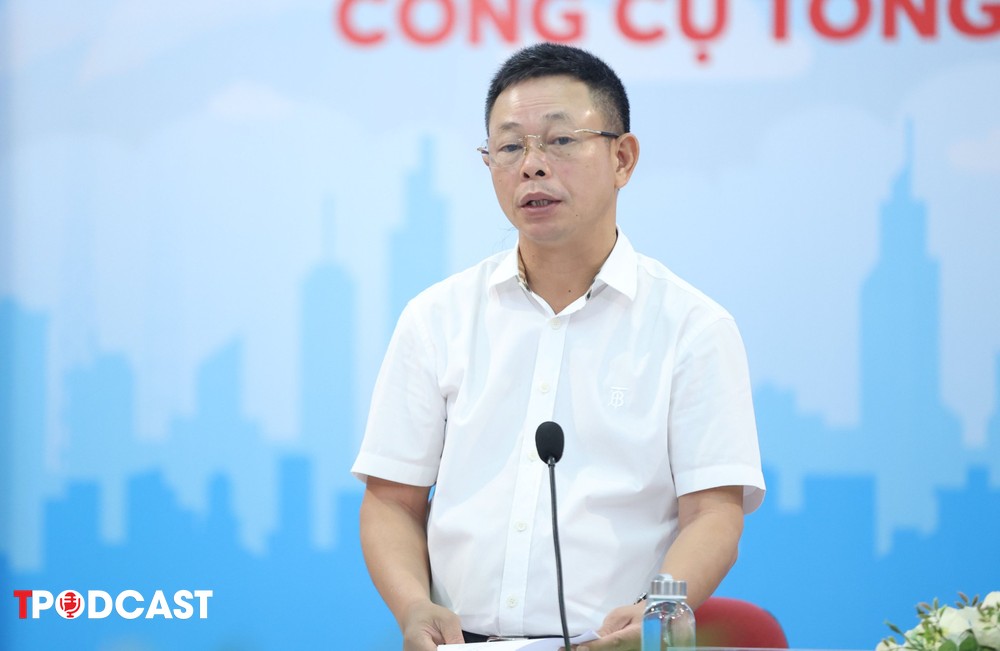
TPO – Báo cáo môi trường quốc gia về môi trường không khí cho thấy, ô nhiễm không khí tại Hà Nội cũng như các tỉnh miền Bắc chủ yếu là ô nhiễm bụi PM2,5, – loại bụi được coi là tử thần trong không khí khi có thể đi sâu vào phổi – thông tin trên được cho biết tại Tọa đàm “Quản lý Chất lượng không khí: Công cụ tổng thể kiểm soát giảm thiểu ô nhiễm”, do Báo Tiền Phong phối hợp Trung tâm Truyền thông Tài nguyên và Môi trường – Bộ Tài nguyên và Môi trường tổ chức sáng 28/7.

Sáng nay, 28/7, Báo Tiền Phong phối hợp với Trung tâm Truyền thông Tài nguyên và Môi trường – Bộ Tài nguyên và Môi trường tổ chức Tọa đàm “Quản lý Chất lượng không khí: Công cụ tổng thể kiểm soát giảm thiểu ô nhiễm”.

Tọa đàm được thực hiện trong bối cảnh, ô nhiễm không khí là vấn đề môi trường rất nghiêm trọng tại Việt Nam những năm qua, đặc biệt là các thành phố lớn như Hà Nội, TPHCM. Ô nhiễm môi trường không khí không chỉ ảnh hưởng trực tiếp đến sức khỏe con người mà còn tác động đến sự phát triển kinh tế xã hội của đất nước.

Thiệt hại do ô nhiễm không khí vô cùng lớn

Phát biểu mở đầu buổi Tọa đàm, Nhà báo Phùng Công Sưởng – Phó Tổng biên tập Báo Tiền Phong nhận định, chúng ta đều đang sống ở các thành phố lớn, nơi mà mỗi mùa đông, chúng ta đều cảm nhận rõ rệt bầu không khí ô nhiễm. Hình ảnh bầu trời mù mịt, khói bụi bao phủ đã trở nên quen thuộc ở Hà Nội và nhiều thành phố lớn những năm qua.

Tiếp tục đọc “Ô nhiễm không khí tại Hà Nội chủ yếu là ô nhiễm bụi ‘tử thần’”

Khai thác nước ngầm quá mức (Bài 1): Thực trạng và định hướng quản lý khai thác nước ngầm bền vững

Khai thác nước ngầm quá mức (Bài 2): “Lợi bất cập hại”

Khai thác nước ngầm quá mức (Bài 3): Cần những giải pháp cấp bách

moitruong.net.vn

Theo nhận định của các chuyên gia, ở Việt Nam, nguồn nước ngầm hiện nay đã và đang đứng trước nguy cơ cạn kiệt và ô nhiễm nghiêm trọng, ảnh hưởng đến an ninh nguồn nước và môi trường.

Nước ngầm, một cách gọi khác của “nguồn nước dưới đất”, là một dạng tài nguyên nước được phân bổ hoàn toàn dưới bề Trái Đất được tích trữ trong không gian rỗng của đất hay trong những khe nứt của lấp đất đá trầm tích. Ở Việt Nam hiện nay, việc khai thác nước ngầm đang diễn ra quá mức, và đang đứng trước nguy cơ bị cạn kiệt, cần được bảo vệ.

khai-thac-nuoc-ngam.png
Nguồn nước ngầm đang đứng trước nhiều thách thức cần được bảo vệ để phát triển bền vững

Tiếp tục đọc “Khai thác nước ngầm quá mức (Bài 1): Thực trạng và định hướng quản lý khai thác nước ngầm bền vững”

Deep-sea mining for minerals: What is the issue?

IUCN.org

What is the issue?
Why is this important?
What can be done?
More information

  • Deep-sea mining is the process of retrieving mineral deposits from the deep seabed – the ocean below 200m.
  • Depleting terrestrial deposits and rising demand for metals mean deep-sea mining may begin soon, even thoughresearch suggests that it could destroy habitats and wipe out species.
  • Deep-sea mining should be halted until the criteria specified by IUCN are met, including the introduction of assessments, effective regulation and mitigation strategies.
  • Comprehensive studies are neededto improve our understanding of deep-sea ecosystems and the vital services they provide to people, such as food and carbon sequestration.

What is the issue?

Deep-sea mining is the process of extracting and often excavating mineral deposits from the deep seabed. The deep seabed is the seabed at ocean depths greater than 200m, and covers about two-thirds of the total seafloor. Research suggests deep-sea mining could severely harm marine biodiversity and ecosystems, but we still lack the knowledge and means to implement protections.

Despite this, there is growing interest in the mineral deposits of the seabed. This is said to be due to depleting terrestrial deposits of metals such as copper, nickel, aluminium, manganese, zinc, lithium and cobalt. Demand for these metals is also increasing to produce technologies like smartphones, wind turbines, solar panels and batteries.

featured image

ISA, 2021

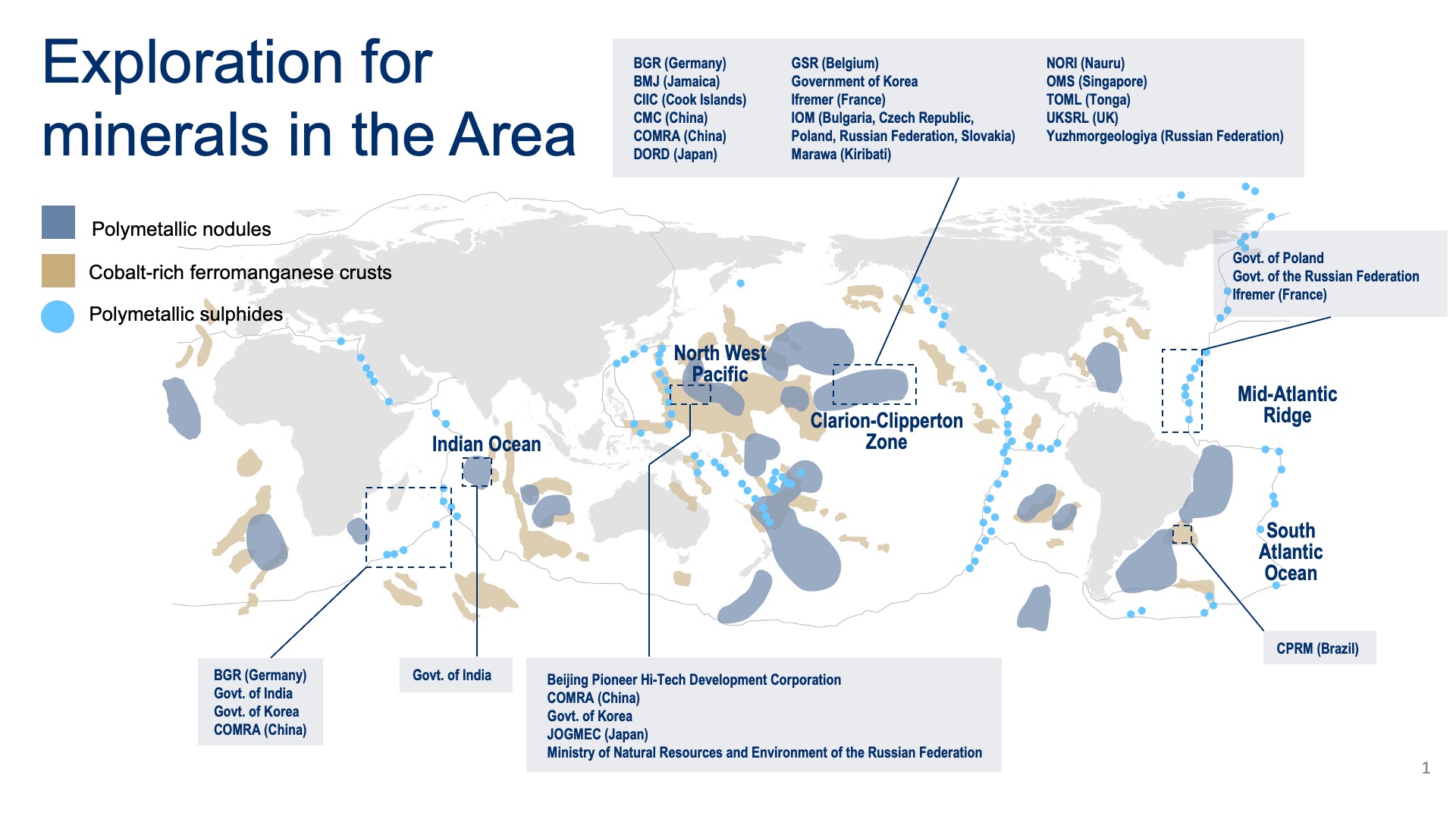
By May 2022, the International Seabed Authority (ISA), which regulates activities in the seabed beyond national jurisdiction (‘the Area’), had issued 31 contracts to explore deep-sea mineral deposits. More than 1.5 million km2 of international seabed, roughly the size of Mongolia, has been set aside for mineral exploration.

Tiếp tục đọc “Deep-sea mining for minerals: What is the issue?”

Asia’s Sinking Cities: Ho Chi Minh City | Vietnam

CNA Insider – 3/2/2021

Climate change has threatened to erase major cities in Vietnam, including its biggest metropolis, Ho Chi Minh City. A historic downpour which sank many parts of the city late last year was seen as a mere tip of the iceberg. It’s predicted that by 2050, the city will go underwater if no concrete measures are taken to prevent the phenomenon of rising sea levels, land subsidence, weak soil foundation due to groundwater extraction, rapid developments and population growth. What has been done to respond to the gradual sinking of the city? Can it survive a looming threat to its existence?

Which countries are most exposed to the EU’s proposed carbon tariffs?

resourcetrade.earth Chris Kardish, Mattia Mäder, Mary Hellmich, and Maia Hall, 20 August 2021

The European Union (EU) is moving ahead with the world’s first border tax on the carbon content of imported goods which aims to strengthen its increasingly ambitious climate targets and policies, but is attracting criticism. How would it work and which trading partners are most vulnerable to its impacts?

Steel mill in Novokuznetsk, Russia. (Sergei Bobylev\TASS via Getty Images)

Contents

The EU is accelerating its climate ambition over the coming decade to support its 2050 long-term strategy of reaching net-zero greenhouse gas (GHG) emissions. Key aspects of this acceleration include raising its emissions reduction target from 40 per cent to at least 55 per cent below 1990 levels by 2030 and implementing a sweeping set of policy changes – especially to its flagship emissions trading system (ETS) which puts a price on pollution by requiring companies to purchase allowances for their emissions.

The costs of the allowances have skyrocketed recently and now hovers around record levels of €50 per tonne of carbon dioxide equivalent or above. This is due – at least in part – to those participating in the market expecting a tighter supply of allowances as the EU increases its climate targets. Prices are expected to continue rising over the coming decade as the EU implements its ambitious climate agenda.

Tiếp tục đọc “Which countries are most exposed to the EU’s proposed carbon tariffs?”

“The Mekong is Dying”: How China’s River Diplomacy Neglects Locals, Exacerbates Climate Change

File image of the aerial view of the Jinghong Hydropower Station on the Lancang River, the Chinese part of the Mekong River, in Jinghong city, Xishuangbanna Dai Autonomous Prefecture, southwest China’s Yunnan province. Imaginechina Limited / Alamy Stock Photo

Chinaglobalsouth.com

The rainy season would usually start in May, but this was late June and it was still not raining much. Niwat Roykaew, who grew up on the bank of the Mekong River in Thailand’s northern Chiang Rai province, noticed. 

Born and raised in the Chiang Khong district, Roykaew, 63, was taught to observe the Mekong River to tell the season. But, in the past two decades, the river has become unpredictable like it has “pulsated out of tune”.

Niwat Roykaew is a Thai activist who campaigns for China to share data about water restrictions by its dams upstream.

“The water would get high for two days, then on the third day it would suddenly drop, even during the rainy season,” said Roykaew. 

Local residents like him knew that this delay could mean another year of drought. Since at least 2019, that’s what has happened: the monsoon rain is late, and when it comes, it departs early.

The Mekong River’s water levels in the lower basin, including in Thailand, are now very unstable, being heavily affected both by climate change and hydropower dams upstream that are mostly powered by China, according to local residents, activists, and experts.

Tiếp tục đọc ““The Mekong is Dying”: How China’s River Diplomacy Neglects Locals, Exacerbates Climate Change”

A Thirst for Sand:

The rising demand for sand to resume post-pandemic growth drives unregulated and illegal sand mining in the Mekong River, where people living along its banks have lost their houses and fortunes to severe erosion.

By Le Dinh Tuyen, Pratch Rujivanarom, Teng Yalirozy and Lay Sopheavotey

mekongeye.com

One October morning in Vietnam’s Dong Thap province, 72-year-old Nguyen Thi Cam sat on the banks of the Mekong River, staring at dredgers hoovering up sand in the distance.

“My house was over there before,” she said, pointing to a raft floating about 50 meters from the riverbank.

“After running away from erosion twice, the house is now located here,” she said of the old, dilapidated building by the river, where the shore was jagged and looked as if it could collapse at any time.

For more than a decade, sand mining had eaten away at the foundations of Cam’s old houses. A 25-hectare islet where she used to source corn and vegetables had disintegrated too.

The insatiable hunger for sand has intensified in the Mekong region – the home to Cambodia, Laos, Myanmar, Thailand and Vietnam – in the past decade due to urbanization and growing construction sectors that promise development in these countries.

Many expressways are planned or have been built, especially in Cambodia and Vietnam, where road networks are seen as the main source of investment. Infrastructure projects – ranging from airports and ports to railways – will likely be revived in the post-Covid-19 pandemic era for economic recovery.

The demand for real estate is strong in Thailand as the growing number of middle-class seek new houses and condominium units, while the sector remains one of the most profitable investment opportunities.

Tiếp tục đọc “A Thirst for Sand:”

Traditional forest ritual protects Mother Nature

VNN – May 03, 2023 – 08:35

RITUAL: Under shaggy vines, Sui Dơih (centre) – the celebrant – prepares offerings including a roasted pig, grilled meat, wine, chicken liver and a piece of raw pork.

For ethnic minorities in the Tây Nguyên (Central Highlands) and mountainous regions across the country, the forest does not simply refer to materials and resources, but also a broad spiritual culture.

Forest worship practices have existed in the consciousness and life of ethnic minorities for a long time, featured in local ceremonies and festivals based on concepts of the universe and animism and represented by sacred forest gods.

Among them is the religious practice of cúng rừng (forest god worship) of the Jrai community in the Central Highlands province of Gia Lai. The event is a major tradition showing attachment to Mother Nature. Tiếp tục đọc “Traditional forest ritual protects Mother Nature”

Thế giằng co trong bảo vệ san hô

Tia sáng – 28/6/23 – Thu Quỳnh

Có lẽ biển khơi giàu tôm cá rồi sẽ chỉ còn là quá khứ, khi san hô, mái nhà sinh sôi trú ngụ của các loài sinh vật biển, đang lâm vào thế giằng co giữa sức ép phát triển kinh tế trong ngắn hạn và bảo vệ môi trường, mà phần thắng thế không thuộc về môi trường.

Rạn san hô Hòn Chồng, Nha Trang. Ảnh: Tkachenko

Ngay sát không gian ồn ào, đông đúc khách du lịch của bờ biển Nha Trang – một trong 29 vịnh đẹp nhất hành tinh, chỉ còn sót lại rạn san hô Hòn Chồng đẹp đẽ hiếm hoi. Nhưng dù là bãi đẻ bãi giống cho tôm cá ngoài biển giờ đây thi thoảng mới bắt gặp một vài con cá bé tẹo lẩn trốn thật nhanh giữa những nhánh san hô, không hề có đàn cá lội đông đúc như những tờ rơi quảng bá rạn san hô Nha Trang. Vừa chỉ cho tôi một số cụm san hô bị tẩy trắng, bị bệnh, giáo sư Konstantin Tkachenko, nhà khoa học ở Đại học Samara, Nga, có 30 năm nghiên cứu san hô nhìn vào nhiệt kế thở dài “30oC là ngưỡng nhiệt độ cuối cùng san hô có thể chịu đựng. Nếu mức nhiệt của nước lên tới 31-32oC liên tục quá bốn tuần thì san hô sẽ bị tẩy trắng không thể phục hồi”. Có nhiều nguy cơ bủa vây quanh những rạn san hô đẹp đẽ này trong khi bản thân chúng lại quá nhạy cảm trước tác động của biến đổi khí hậu, của môi trường và dĩ nhiên là con người…

Tiếp tục đọc “Thế giằng co trong bảo vệ san hô”

Cổ Cò vạn dặm…

QUẢNG NAM ONLINE – QUỐC TUẤN – 17/06/2023 08:00 

Tuyến sông Cổ Cò đoạn qua Quảng Nam kỳ thực chỉ dài chưa đầy 20km, thế nhưng hành trình để dòng sông phục sinh sau bao năm vẫn nghe xa xôi như vạn dặm…

Khung cảnh thường thấy với các dự án dở dang bên dòng sông Cổ Cò chưa nạo vét xong. Ảnh: Q.T

Những lời hứa bỏ lại

Loáng một cái đã hết nửa năm 2023, thời gian cũng vùi vào cát những lời cam kết về tiến độ phục sinh dòng sông Cổ Cò.

Trong số những “lời hứa” mà các bên liên quan ký kết thực hiện vào một ngày cuối năm 2021, chỉ có việc bàn giao mặt bằng toàn bộ cầu Ông Điền là về đích vượt thời hạn. Phần còn lại, đã 6 tháng hoặc hơn một năm trôi qua nhiều “lời hứa” vẫn ngủ quên theo con nước của dòng sông này.

Thực ra, những động thái cố gắng lay thức nhịp thở của Cổ Cò vẫn luôn thường trực nhưng con đường thông dòng của sông cũng dùng dằng tựa như số phận thăng trầm trăm năm của Cổ Cò.

Tiếp tục đọc “Cổ Cò vạn dặm…”