Sản xuất gạch không nung thu lãi lớn – Chiến lược phát triển sản xuất gạch không nung ở Việt Nam

Sản xuất gạch không nung thu lãi lớn

Văn Nam – Thứ Tư,  2/3/2016, 21:09 (GMT+7)

Sản xuất gạch không nung tại Bình Định – Ảnh: Thu Hiền

(TBKTSG Online) – Các nhà máy sản xuất gạch không nung sử dụng nguyên liệu tro xỉ than nhiệt điện, xi măng, đá tạp, cát hiện đang thu lãi lớn do giá thành chỉ bằng nửa giá bán trong khi sản phẩm làm ra cung không đủ cầu.

Hiện nay trên cả nước có khoảng 25 nhà máy sản xuất gạch không nung với tổng công suất 250 triệu viên/năm.

Tiếp tục đọc “Sản xuất gạch không nung thu lãi lớn – Chiến lược phát triển sản xuất gạch không nung ở Việt Nam”

Greenpeace launches high tech investigation into radiation impacts of Fukushima disaster on Pacific Ocean

Press release – 25 February, 2016

greenpeace – Tokyo, 25 February 2016 – Greenpeace Japan today announced it is conducting an underwater investigation into radiation contamination from the Fukushima Daiichi nuclear plant into the Pacific Ocean. The survey will be conducted from a Japanese research vessel using a one of a kind Remotely Operated Vehicle (ROV), fitted with sensitive gamma radiation spectrometer and sediment sampler.

On the opening day of the investigation, Mr Naoto Kan, the former Prime Minister of Japan and leader at the time of the nuclear accident, joined the crew of the Greenpeace flagship, the Rainbow Warrior. As the country nears the fifth anniversary of the Fukushima disaster Mr. Kan called for a complete phase out of nuclear power.

“I once believed Japan’s advanced technology would prevent a nuclear accident like Chernobyl from happening in Japan. But it did not, and I was faced with the very real crisis of having to evacuate about 50 million people at risk from the Fukushima Daiichi nuclear accident. I have since changed my mind,” said Mr. Kan on board the Greenpeace ship, Rainbow Warrior. “We do not need to take such a big risk. Instead we should shift to safer and cheaper renewable energy with potential business opportunities for our future generations.”

Tokyo Electric Power Company (TEPCO) has produced over 1.4 million tonnes of radioactive contaminated water in an effort to cool the hundreds of tonnes of molten reactor fuel in Fukushima Daiichi reactor units 1, 2 and 3 [1]. In addition to the initial releases of liquid nuclear waste during the first weeks of the accident and the daily releases from the plant ever since, contamination  also flows from land, particularly the forests and mountains of Fukushima, and will continue to contaminate the Pacific Ocean for at least 300 years.(2)

“The Fukushima disaster is the single largest release of radioactivity into the marine environment in history. There is an urgent need to understand the impacts this contamination is having on the ocean, how radioactivity is both dispersing and concentrating and its implications,” said Shaun Burnie, Senior Nuclear Specialist with Greenpeace Germany.

“TEPCO failed to prevent a multiple reactor meltdown and five years later it’s still an ongoing disaster. It has no credible solution to the water crisis they created and is failing to prevent the further contamination of the Pacific Ocean.”

Tiếp tục đọc “Greenpeace launches high tech investigation into radiation impacts of Fukushima disaster on Pacific Ocean”

Four billion people affected by severe water scarcity

Date:February 15, 2016

Source:University of Twente
Summary: There are four billion people worldwide who are affected by severe water scarcity for at least one month a year. That is the conclusion after many years’ extensive research. This alarming figure is much higher than was previously thought.

FULL STORY

Sciencedaily – There are four billion people worldwide who are affected by severe water scarcity for at least one month a year. That is the conclusion of University of Twente Professor of Water Management, Arjen Hoekstra, after many years’ extensive research. This alarming figure is much higher than was previously thought. His ground-breaking research was published in Science Advances.

Professor Hoekstra’s team is the first research group in the world to identify people’s water footprint from month to month and to compare it to the monthly availability of water. “Up to now, this type of research concentrated solely on the scarcity of water on an annual basis, and had only been carried out in the largest river basins,” says Hoekstra.

He defines severe water scarcity as the depletion of water in a certain area. “Groundwater levels are falling, lakes are drying up, less water is flowing in rivers, and water supplies for industry and farmers are threatened. In this research, we established the maximum sustainable ‘water footprint’ for every location on earth, and then looked at actual water consumption. If the latter is much greater than what is sustainable, then there can be said to be severe water scarcity.”

More than previously thought

Until now, it had always been assumed in the scientific community that 2 to 3 billion people were affected by severe water scarcity. “Previous research looked at the availability of water on an annual basis, but that paints a more rosy and misleading picture, because water scarcity occurs during the dry period of the year,” explains Hoekstra. In his research, he describes for each place the number of months in a year that people are affected by severe water scarcity. That varies from zero to twelve months per year. Tiếp tục đọc “Four billion people affected by severe water scarcity”

Requiem for a river: Can one of the world’s great waterways survive its development?

economist – GUO, the driver, pulls his car to a merciful halt high above a crevasse: time for a cigarette, and after seven hours of shuddering along narrow, twisting roads, time for his passengers to check that their fillings remain in place. Lighting up, he steps out of the car and dons a cloth cap and jacket: sunny, early-summer days are still brisk 3,500 metres above sea level. Mr Guo is an impish little dumpling of a man, bald, brown-toothed and jolly. He is also an anomaly: a Shanghainese in northern Yunnan who opted to stay with his local bride rather than return to his booming hometown.

The ribbon of brown water cutting swiftly through the gorge below is rich with snowmelt. With few cars passing, its echoing sound fills the air. In the distance, the Hengduan mountains slump under their snowpack as if crumpled beneath its weight. Mr Guo recalls the drivers who have taken a switchback too quickly and fallen to their deaths in the valley below. He tells of workers who lost their footing or whose harnesses failed while building a bridge near his home town of Cizhong, 20 or 30 kilometres south. He pulls hard on his cigarette. “This river”, he says, “has taken so many lives.”

Tiếp tục đọc “Requiem for a river: Can one of the world’s great waterways survive its development?”

ĐBSCL trước thảm họa “tan rã” từ 27 đập thủy điện ở thượng nguồn Mê Kông – 4 bài

ĐBSCL trước thảm họa “tan rã” từ 27 đập thủy điện ở thượng nguồn Mê Kông

ĐBSCL trước thảm họa “tan rã”: Cây lúa bị dồn đến “đường cùng“

Đồng Bằng Sông Cửu Long trước thảm họa thế kỷ: Vòng vây ngày càng khốc liệt

Hãy cứu lấy sông MeKong

***

ĐBSCL trước thảm họa “tan rã” từ 27 đập thủy điện ở thượng nguồn Mê Kông

– 16 LỤC TÙNG 5:20 PM, 19/01/2016
Ngã ba Dung Thăng (Vĩnh Hội Đông, An Phú, An Giang) một thời được xem là kho cá mùa lũ, nay chỉ lơ thơ vài chiếc xuồng nhỏ kiếm cá ăn qua ngày

Theo kế hoạch, các quốc gia thượng nguồn xây dựng 27 đập thủy điện trên sông Mê Kông. Chỉ mới hoàn thành 6 đập, Đồng bằng sông Cửu Long – vùng hạ lưu cuối cùng của sông Mê Kông đã loạng choạng và đứng trước nguy cơ “tan rã”. 

Mùa lũ năm 2015, đỉnh lũ sông Cửu Long đạt mức thấp nhất trong hơn 70 năm qua. Không có lũ, “vùng sông nước” bơi trong biển lo: Nạn sạt lở bờ sông gia tăng, nguồn thủy sản giảm nghiêm trọng, việc gieo trồng ngày một khó khăn… Tiếp tục đọc “ĐBSCL trước thảm họa “tan rã” từ 27 đập thủy điện ở thượng nguồn Mê Kông – 4 bài”

Thái Lan bơm nước, Việt Nam bị đe dọa

09:15 AM – 29/01/2016 TN

Sông Mê Kông tại khu vực biên giới giữa ba nước Thái, Myanmar, Lào – Ảnh: Lam Yên

Sông Mê Kông tại khu vực biên giới giữa ba nước Thái, Myanmar, Lào – Ảnh: Lam Yên

Thái Lan vừa vận hành ba trạm bơm công suất lớn hút nước từ sông Mê Kông mà không hề tham vấn các nước có liên quan.

Bất chấp sự phản đối của dư luận quốc tế và khu vực, Thái Lan vẫn tiến hành dự án “nắn” dòng sông Mê Kông nhằm dẫn nước vào các khu vực hạn hán vùng đông bắc. Tờ Bangkok Post dẫn lời phát ngôn viên Cục Thủy lợi Hoàng gia Thái (RID) Thanar Suwattana cho hay cơ quan này đã tiến hành bước đầu tiên của dự án là vận hành 3 trạm bơm có công suất 12.000 lít/giây mỗi trạm để chuyển nước từ sông Mê Kông đến lưu vực sông Huay Laung ở tỉnh Nong Khai. Tiếp tục đọc “Thái Lan bơm nước, Việt Nam bị đe dọa”

How Can We Create a World Where Plastic Never Becomes Waste?

01/23/2016 09:00 am ET | Updated 4 days ago

Christophe Launay via Getty Images

huffingtonpost -Today nearly everyone, everywhere, every day, comes into contact with plastics. Plastics have become the ubiquitous workhorse material of the modern economy — combining unrivalled functional properties with low cost. And yet, while delivering many benefits, the current plastics economy has drawbacks that are becoming more apparent by the day.

Significant economic value is lost after each use, along with wide-ranging negative impacts to natural systems. How can we turn the challenges of our current plastics economy into a global opportunity for innovation and value capture, resulting in stronger economies and better environmental outcomes? Tiếp tục đọc “How Can We Create a World Where Plastic Never Becomes Waste?”

Malaysia to Ban Bauxite Mining for 3 Months to Cut Pollution

January 6, 2016 — 8:33 AM GMT Updated on January 6, 2016 — 10:52 AM GMT
  • Country supplied more than 40% of China’s imports last year
  • Suspension starts Jan. 15 as government seeks to tighten rules

bloomberg – Malaysia, the biggest shipper of bauxite to China, will stop mining ore for three months to cut river and sea pollution, Natural Resources and Environment Minister Wan Junaidi Jaafar said.

The ban takes effect from Jan. 15 in Pahang, the largest producing state, Wan Junaidi told reporters. Exports will be allowed during the moratorium to reduce port inventories, and after the suspension the government will limit bauxite production to the capacity to ship the material, he said on Wednesday.

Malaysia supplied more than 40 percent of China’s imports of the aluminum-making raw material last year after Indonesia imposed a ban on shipments in January 2014. China produces about half the world’s aluminum used in everything from aircraft to door frames and drink cans. The country’s exports of the metal and its products surged 36 percent in November from the previous month, helping push global prices down 19 percent in 2015. Tiếp tục đọc “Malaysia to Ban Bauxite Mining for 3 Months to Cut Pollution”

6 Shocking Reasons Why You Can Never Trust “Organic” from China

althealthworks.com
by | January 8, 2016

Lu-Guang-Pollution-in-China-07

Polluted water is a growing problem in China, where it may be used to water crops.

Multiple recent reports exposed conventional foods manufactured in China as fake and even toxic: scams involving rice that contains plastic, fake eggs made from chemicals and many food items containing high levels of arsenic.Now that country-of-origin labeling has been removed by Congress (for meat), and companies are struggling to find new sources of food to meet the growing demand for organics in the United States, it’s becoming more likely that your organic food could come from China or other countries rather than U.S. farmers. Tiếp tục đọc “6 Shocking Reasons Why You Can Never Trust “Organic” from China”

Báu vật Sơn Trà

26/12/2015 22:48

NLD – Trong khi voọc ngũ sắc có nguy cơ tuyệt chủng trên thế giới thì tại bán đảo Sơn Trà (Đà Nẵng), chúng lại đang phát triển ổn định, từ 200 con năm 2007, đến nay đã tăng lên khoảng 350 con

Cách trung tâm TP Đà Nẵng chừng hơn 10 km, Khu Bảo tồn thiên nhiên Sơn Trà có một loài động vật vô cùng quý hiếm trên thế giới đang sinh sống. Đó là voọc chà vá chân nâu, còn gọi là voọc ngũ sắc, một trong các loài động vật cần được bảo vệ vô điều kiện, thuộc danh mục nhóm IIB – mức nguy cấp trong Sách đỏ Việt Nam.

Thỏa sức săn ảnh đẹp

Nửa năm nay, TP Đà Nẵng mở tuyến du lịch Sơn Trà cho du khách ngắm voọc ngũ sắc, tìm hiểu về cuộc sống của loài linh trưởng này. Nơi đây còn thu hút rất nhiều tay máy chuyên nghiệp lẫn nghiệp dư săn ảnh những con voọc ngũ sắc tuyệt đẹp.

Một gia đình voọc ngũ sắc ở Sơn Trà Ảnh: HOÀNG HÀ

Tiếp tục đọc “Báu vật Sơn Trà”

Công bố danh sách các loài linh trưởng

30/11/2015 9:06:25 AM

MT – Các chuyên gia linh trưởng trên thế giới đã công bố Danh sách 25 loài linh trưởngnguy cấp nhất toàn cầu, trong đó có ba loài ở Việt Nam – Tổ chức Bảo tồn động thực vật hoang dã quốc tế (FFI) – Chương trình Việt Nam cho biết.

Trong tuần trước, các chuyên gia linh trưởng đã họp tại Singapore để đánh giá hiện trạng tất cả các loài linh trưởng ở Châu Á và thảo luận về Danh sách 25 loài linh trưởng nguy cấp nhất.

Các chuyên gia linh trưởng trên khắp thế giới đã đánh giá các mối đe dọa của 182 loài linh trưởng ở Nam Trung Quốc, Nam Á và Đông Nam Á, bao gồm cả 25 loài phân bố ở Việt Nam.

Kết quả thảo luận cho thấy linh trưởng ở Việt Nam đang ở tình trạng đặc biệt nghiêm trọng. Số loài được xếp ở mức Cực kỳ nguy cấp toàn cầu đã tăng lên từ 7 loài năm 2008 lên 11 loài năm 2015.

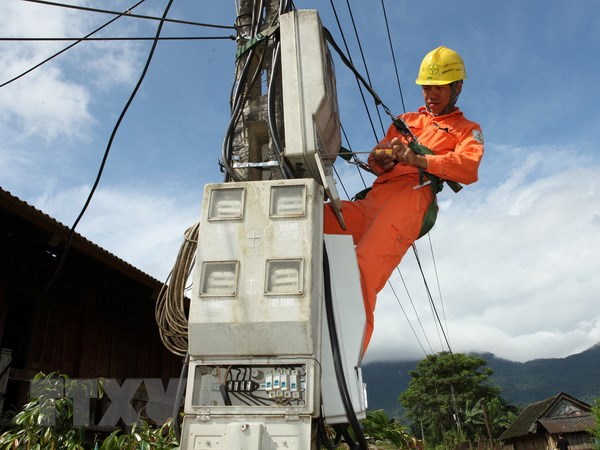
Sơn La còn 313 bản vùng cao chưa có điện lưới quốc gia

ĐIÊU CHÍNH TỚI (TTXVN/VIETNAM+) LÚC : 07/12/15 14:47

(Ảnh minh họa: Ngọc Hà/TTXVN)

 
Theo thống kê của Công ty Điện lực Sơn La, hiện còn 313 bản, với tổng số gần 36.400 hộ đồng bào dân tộc ở vùng cao, vùng sâu, vùng xa của tỉnh Sơn La chưa có điện lưới quốc gia.

Ủy ban Nhân dân tỉnh Sơn La đã chỉ đạo các ngành chức năng, các huyện phối hợp với ngành điện rà soát lại hệ thống lưới điện, các bản và số hộ chưa có điện trên địa bàn toàn tỉnh. Tiếp tục đọc “Sơn La còn 313 bản vùng cao chưa có điện lưới quốc gia”

Cải thiện vệ sinh môi trường tại các thành phố ven biển ở Việt Nam

27 Tháng 7 Năm 2015
  Image

Sông Cầu Rào ở thành phố Đồng Hới trước và sau khi được cải tạo trong dự án.

 Ngân hàng Thế giới

Tóm tắt

WB – Dự án Vệ sinh môi trường các thành phố ven biển thực hiện thoát nước, xây dựng các công trình thu gom và xử lý nước thải và chất thải rắn, và thực hiện một chương trình nâng cao năng lực toàn diện. Trên 800.000 dân sẽ được hưởng lợi, trong đó 250.000 sẽ được hưởng lợi từ việc giảm nhẹ úng lụt. Trên 800.000 dân được hưởng lợi từ dịch vụ xử lý chất thải rắn, 65.000 học sinh được sử dụng công trình vệ sinh sạch đẹp hơn, và 8.452 hộ gia đình được vay vốn từ quỹ quay vòng phục vụ cải tạo công trình vệ sinh trong gia đình. Tiếp tục đọc “Cải thiện vệ sinh môi trường tại các thành phố ven biển ở Việt Nam”

“Vương quốc” pơmu Chư Yang Nia

10/12/2015 13:50 GMT+7

TT – Pơmu ở đây nhiều như mía. Chỉ riêng ở đỉnh Chư Yang Nia này có lẽ phải mất cả tháng trời mới đếm hết pơmu. 

Một cây pơmu cổ thụ có đường kính hơn 1,5m, cao hơn 15m trên đỉnh Chư Yang Nia được đánh dấu - Ảnh: Tiến Thành
Một cây pơmu cổ thụ có đường kính hơn 1,5m, cao hơn 15m trên đỉnh Chư Yang Nia được đánh dấu – Ảnh: Tiến Thành

Vừa lên tới độ cao 1.700m, anh Bùi Văn Hải, kiểm lâm viên trạm 4 thuộc Vườn quốc gia Chư Yang Sin (Đắk Lắk), mở máy định vị GPS, mừng rỡ nói lớn: “Chúng ta đã tới đỉnh Chư Yang Nia, vùng đất của pơmu, mây và sương mù”.

Quả nhiên lẫn trong lớp sương mù, mây và mưa, những cây pơmu có bộ rễ cuồn cuộn bám đầy rêu, thân đỏ sẫm hiện ra, vút cao như chào đón khách. Tiếp tục đọc ““Vương quốc” pơmu Chư Yang Nia”