Nectar Gan, Jessie Yeungand Laura He
After a tumultuous end to a momentous and challenging year, China heads into 2023 with a great deal of uncertainty – and potentially a glimpse of light at the end of the pandemic tunnel.
The chaos unleashed by leader Xi Jinping’s abrupt and ill-prepared exit from zero-Covid is spilling over into the new year, as large swathes of the country face an unprecedented Covid wave.
But the haphazard reopening also offers a glimmer of hope for many: after three years of stifling Covid restrictions and self-imposed global isolation, life in China may finally return to normal as the nation joins the rest of the world in learning to live with the virus.
“We have now entered a new phase of Covid response where tough challenges remain,” Xi said in a nationally televised New Year’s Eve speech. “Everyone is holding on with great fortitude, and the light of hope is right in front of us. Let’s make an extra effort to pull through, as perseverance and solidarity mean victory.” Tiếp tục đọc “China – From the unwinding of zero-Covid to economic recovery: What to watch in 2023 “→
A former member of the US Congress from Maine, Tom Andrews is a Robina Senior Human Rights Fellow at Yale University Law School, an Associate of Harvard University’s Asia Center and has a Washington DC based consulting practice, Andrews Strategic Services. He has worked with the National Democratic Institute for International Affairs and parliamentarians, NGOs and political parties in several countries including Cambodia, Indonesia, Algeria, Croatia, Serbia, Ukraine and Yemen.
Andrews served as General Secretary of “The Nobel Peace Laureate Campaign for Aung San Suu Kyi and the People of Burma” in 2001 and was a consultant for the National Coalition Government of the Union of Burma and the Euro-Burma Network. He has run advocacy NGOs including Win Without War and United to End Genocide, led an education institute at the University of Maine and served in the Maine House of Representatives and the Maine Senate. He lives with his wife and son in Fairfax, Virginia outside of Washington DC.
The mandate of the Special Rapporteur on the situation of human rights in Myanmar was first established in 1992 under the Commission on Human Rights Resolution 58 and extended annually. Human Rights Resolution 25/26 adopted 15 April 2014 broadened the mandate to report on the progress in the electoral process and reform in the run-up to the 2015 election. Human Rights Resolution 31/24 adopted 24 March 2016 broadened the mandate to include identifying benchmarks for progress and priority areas for technical assistance and capacity-building.
_____________
In July 2022, the military junta of Myanmar executed four political prisoners, including a prominent pro – democracy activist and a former member of parliament.
These unconscionable acts are consistent with the junta’s unflinching embrace of violence against the people of Myanmar. In recent months, military forces have systematically bombed and burned villages and massacred innocent civilians, including 11 children in Sagaing Region who were shot and killed when junta forces attacked their school in September. The forces have killed thousands and displaced nearly 1 million people since the coup. Many of the more than 12,000 political prisoners have been tortured and an unknown number have died in custody.
In the midst of this darkness, however, civil society in Myanmar is a shining light and inspiration. Activists, human rights defenders, aid workers, community leaders, journalists, health – care professionals and educators are among those who are taking great personal risks to document atrocities, deliver humanitarian assistance and respond to the needs of displaced and traumatized communities. Human rights organizations, women’s associations, professional networks, trade unions and labour activists, and grass – roots groups are adopting strategies to remain safe and effective in a deadly environment. In many cases, individuals and organizations are operating with little international support and few opportunities to communicate with the outside world.
In the present report, the Special Rapporteur outlines the human rights and humanitarian catastrophe in Myanmar. He also describes the essential and aweinspiring work being done by Myanmar civil society in the most challenging of circumstances. He calls on the international community to view civil society in Myanmar as a vital partner in addressing the crisis in the country, working with grassroots networks to deliver aid and increasing financial and technical support to civil society organizations.
The fate of Myanmar depends on the activists, organizations and networks that have risen to defy military rule, defend human rights and prepare for a free and democratic future. They need and deserve a significant increase in support from the international community.
ISSUED BY:
Special Rapporteur on the situation of human rights in Myanmar
As the clock struck midnight, crowds across the country burst out in cheers, applauses and exchanged hugs as the fireworks exploded to welcome the new year.
00h10Fireworks explode in Saigon Fireworks explode over the Saigon River. Photo by Quynh TranFireworks explode over the Saigon River. Photo by Quynh TranPeople capture photos of exploding fireworks in HCMC. Photo by Thanh TungA girl sits on her parent’s neck to watch the fireworks. Photo by Thanh Tung
2022 PacNet Commentary Index The comprehensive 2022 index includes each PacNet commentary below. Pacific Forum will continue to publish timely insight and analysis in 2023.
PacNet commentaries and responses represent the views of the respective authors. Alternative viewpoints are always welcomed and encouraged. Click here to request a PacNet subscription.ShareTweetForward
Oakland’s Next Mayor Highlights Political Rise of Hmong Americans
new york times – Sheng Thao, the daughter of refugees, will become the most prominent Hmong American politician when she leads the California city of 440,000 residents.
Sheng Thao at Joaquin Miller Park in Oakland last month. Carolyn Fong for The New York Times
Over platters of fried rice, egg rolls and crab rangoon, Sheng Thao took the microphone and asked for support in June from several dozen people gathered at a Hmong restaurant in Wisconsin.
Ms. Thao, 37, was running to become the mayor of Oakland, Calif., but she took a detour to the Upper Midwest because it has some of the nation’s largest communities of Hmong Americans.
When Ms. Thao spoke, Zongcheng Moua, 60, found himself nodding along, never mind that he lived 2,000 miles away from California. Like Ms. Thao’s parents, Mr. Moua landed in a refugee camp in Thailand after fleeing the war in Laos nearly 50 years ago. His siblings, like Ms. Thao’s parents, struggled to adapt to life in the United States after arriving with no money, formal education or language skills.
Editor’s note: There will be no Daily Brief until Tuesday, January 3, in observance of New Year’s Day.
Top of the Agenda
Russia Rejects Ukraine’s Peace Conditions, Bombards Its Power Grid
Russia fired nearly seventy missiles (WaPo) at Kyiv and other Ukrainian cities today in what appeared to be one of its biggest strikes on Ukraine’s energy grid. Ukraine’s military said it shot down fifty-four of the missiles. The attack came hours after Russian Foreign Minister Sergei Lavrov reiterated Moscow’s rejection (Al Jazeera) of Ukrainian President Volodymyr Zelenskyy’s conditions for peace. In recent weeks, Zelenskyy has promoted a peace plan in which Russia would face a war crimes tribunal and give up occupied territories in eastern Ukraine. A Kremlin spokesperson yesterday rejected the possibility (NYT) of ceding the territories, while Lavrov said today that Kyiv’s plans to drive Russia out of eastern Ukraine were an “illusion.”
Good morning. Today we look at some of the most memorable photos published in The Times this year.
Photographers for The New York Times trod around the globe in 2022 to document news, history and everyday life, whether embedded alongside troops on the front lines in Ukraine, chronicling lawmakers in the halls of Congress or reporting from floods and wildfires on several continents.
Near the end of the year, The Times publishes its annual Year in Pictures feature. This edition of The Morning is a tribute to the work of The Times’sphotographers.
The photos
Millions of people fled Ukraine in the early weeks of Russia’s invasion, seeking refuge in other countries. Desperate families shoved their way onto a train leaving the capital, Kyiv, in early March:
Watch Zelensky unveil flag during historic speech to Congress
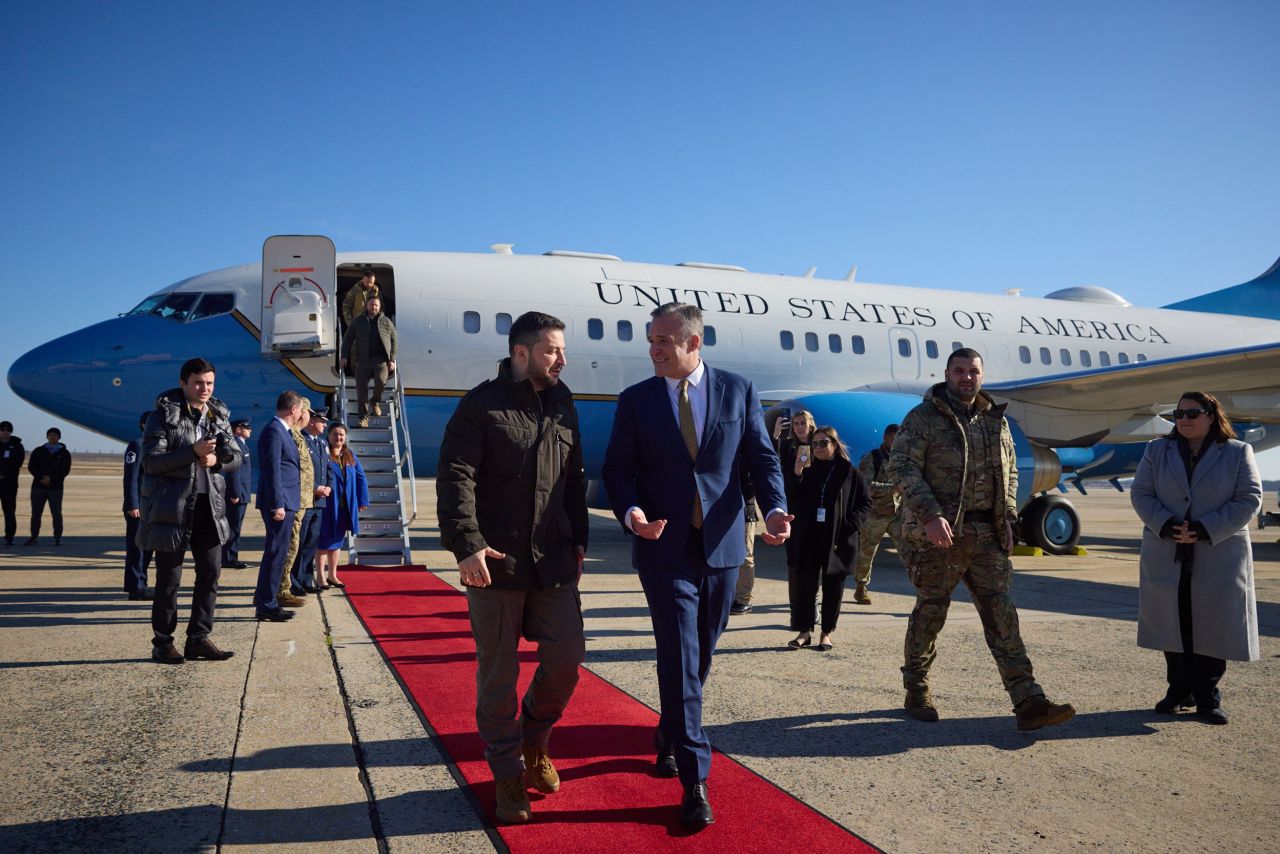
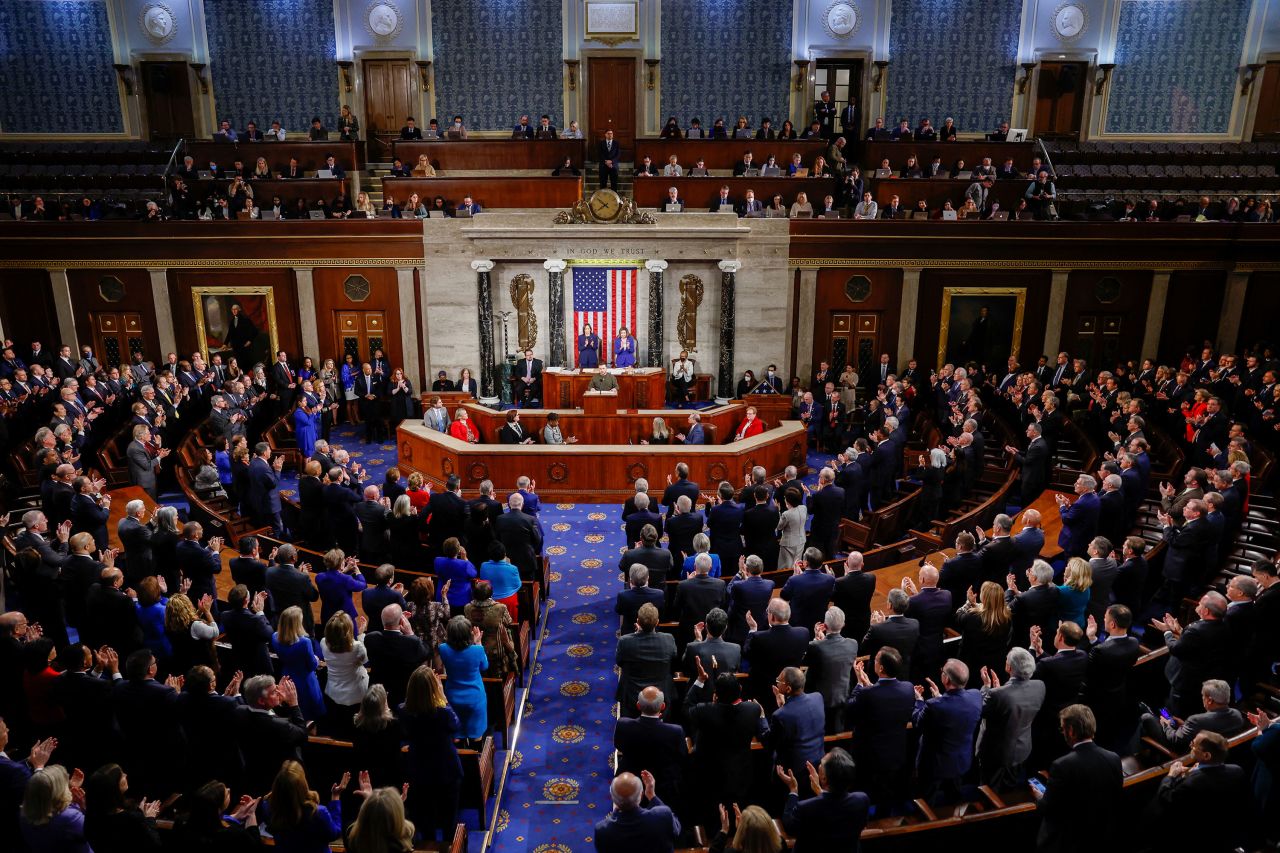
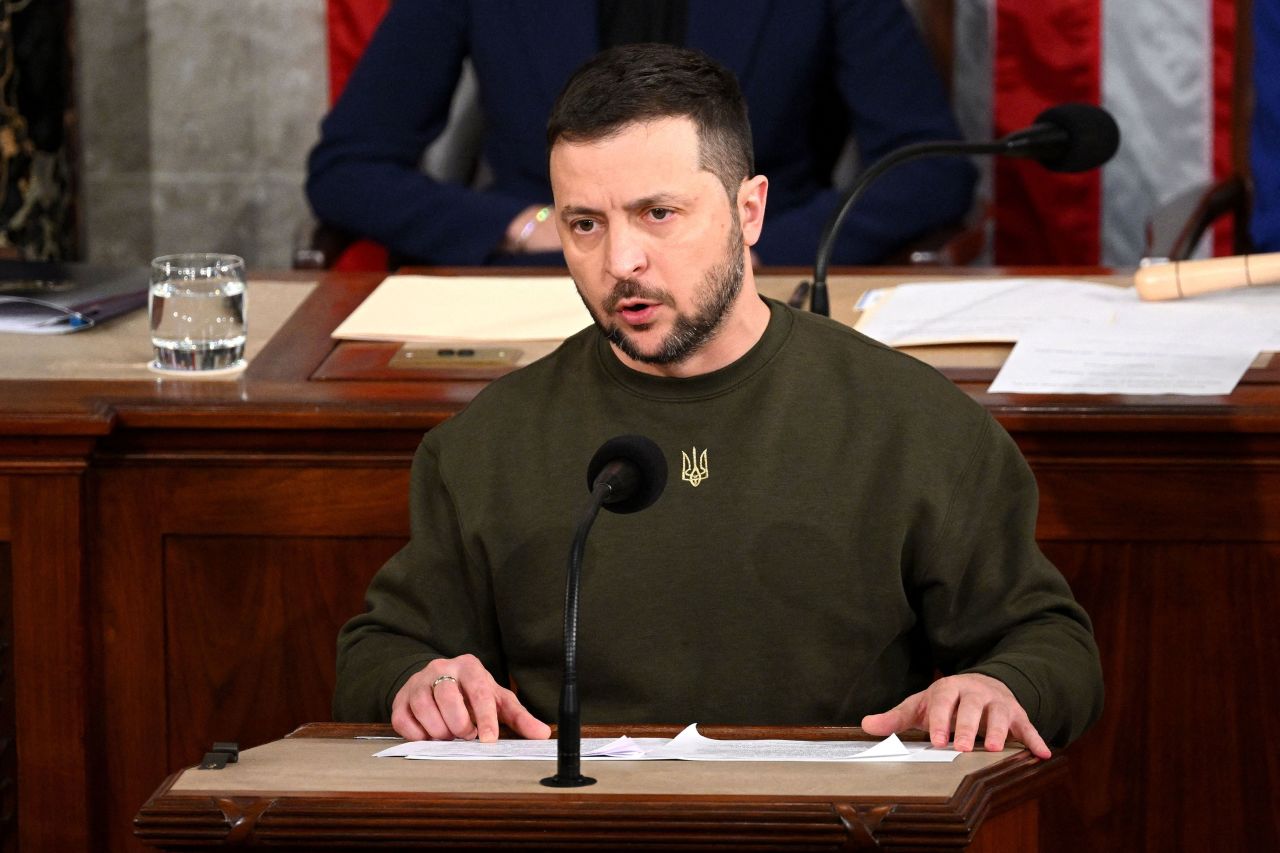
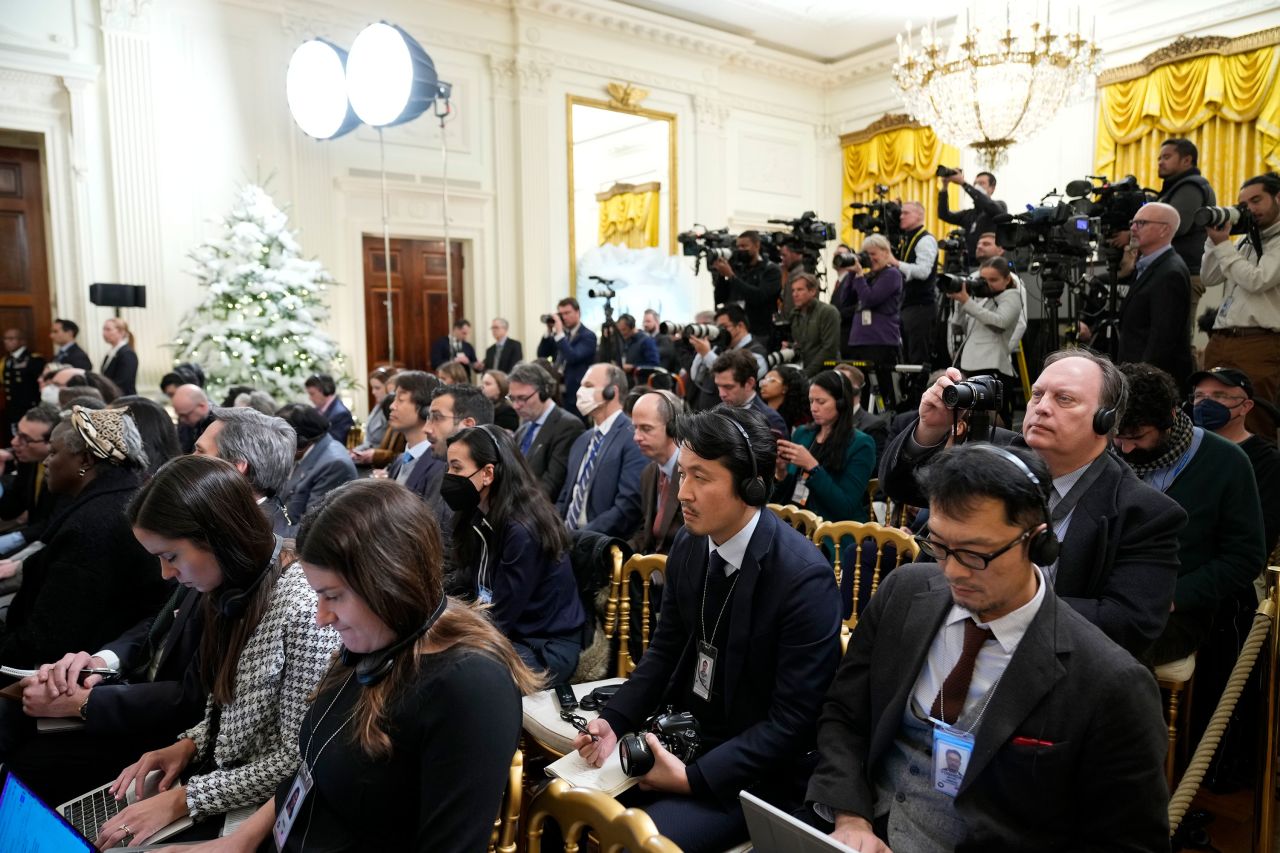
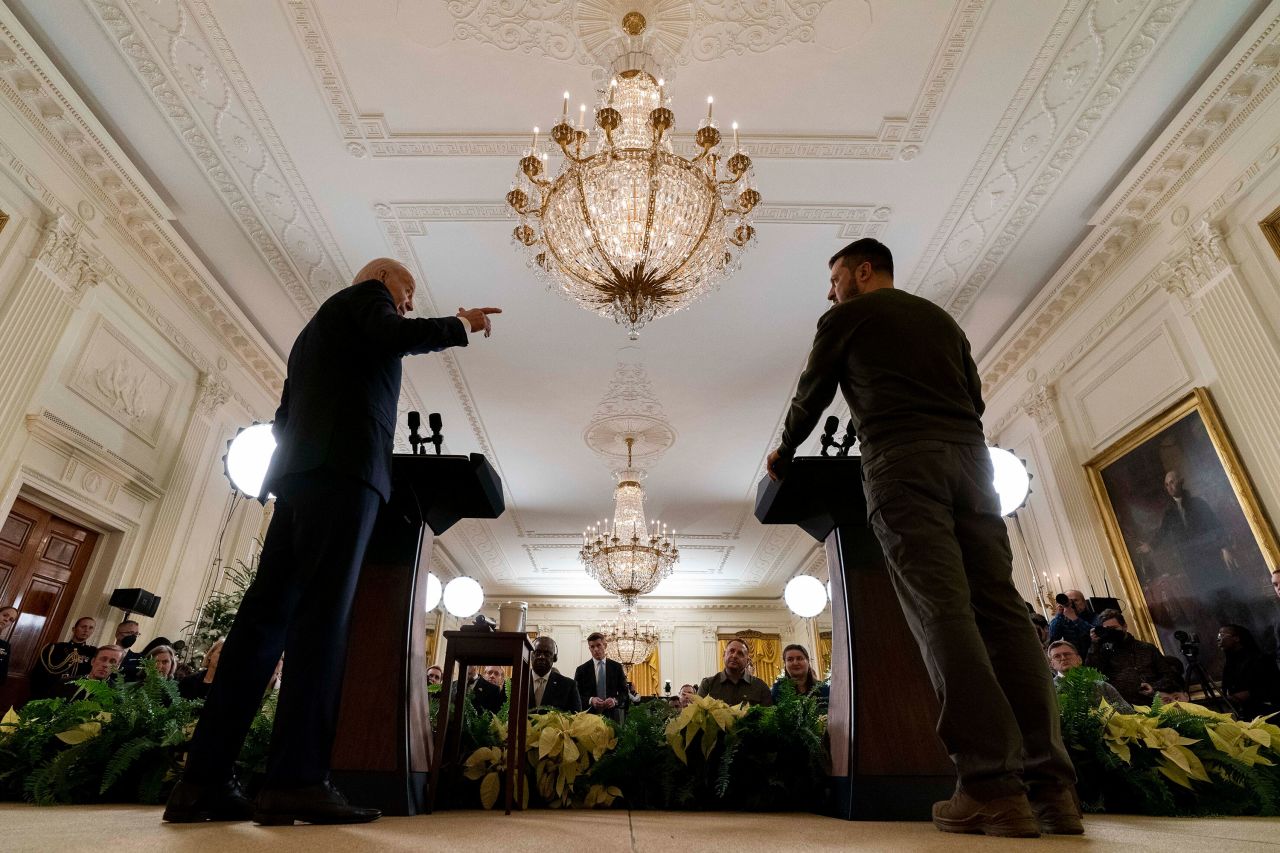
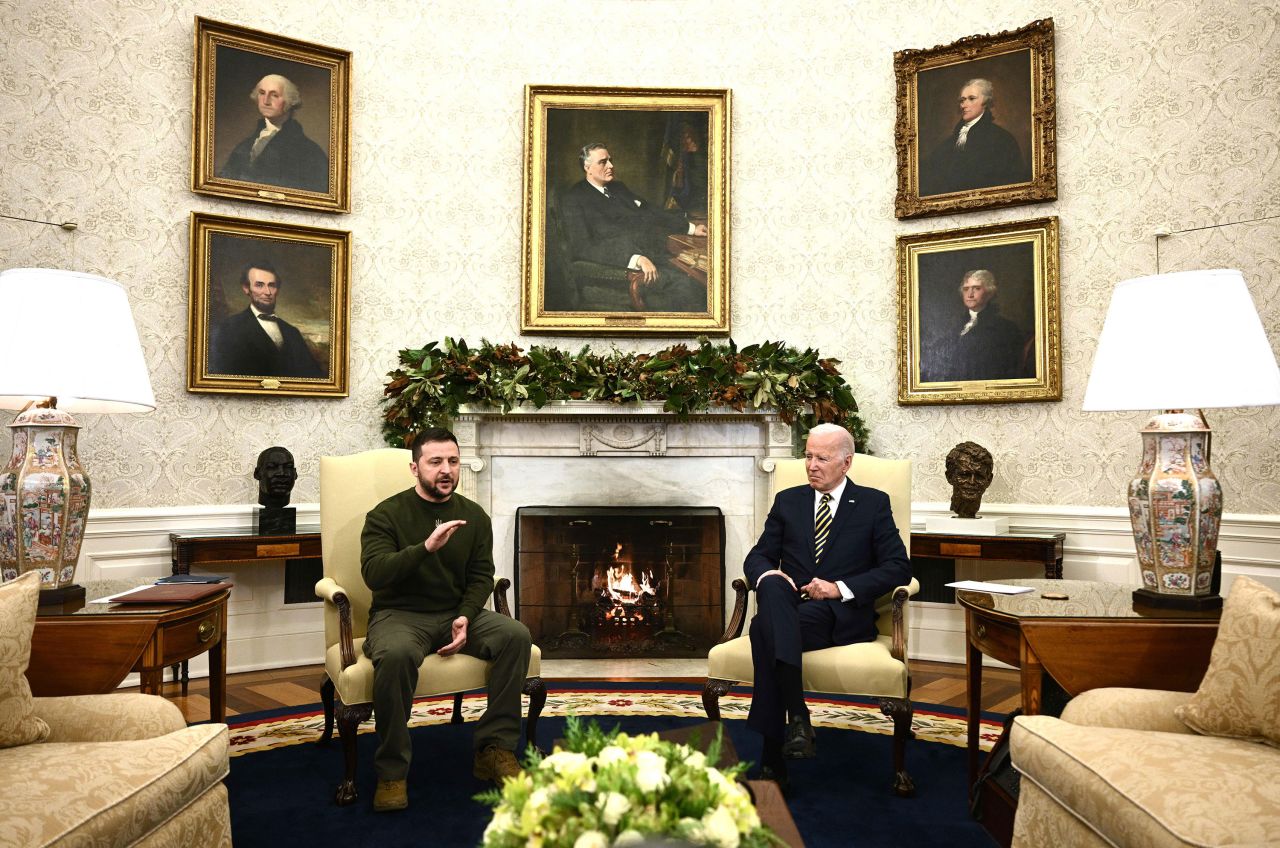
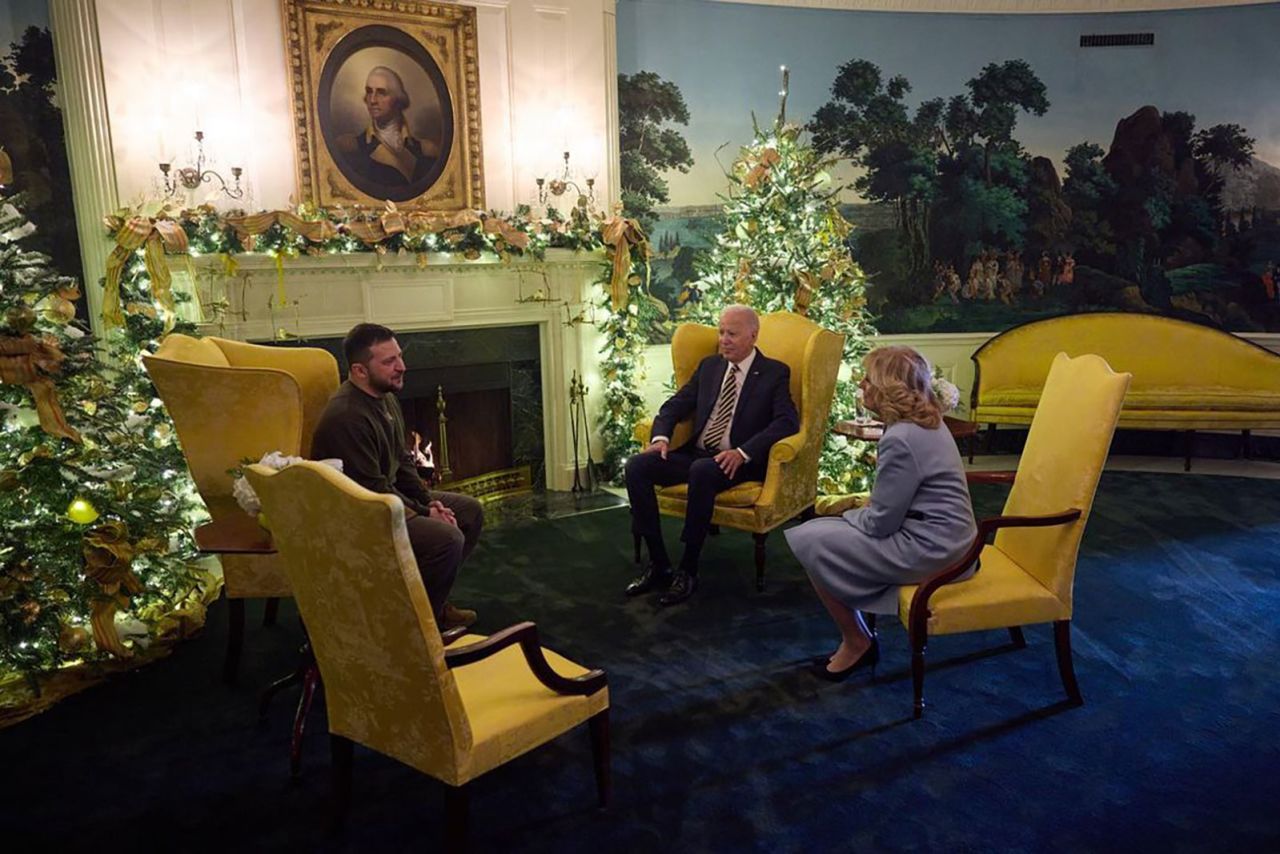
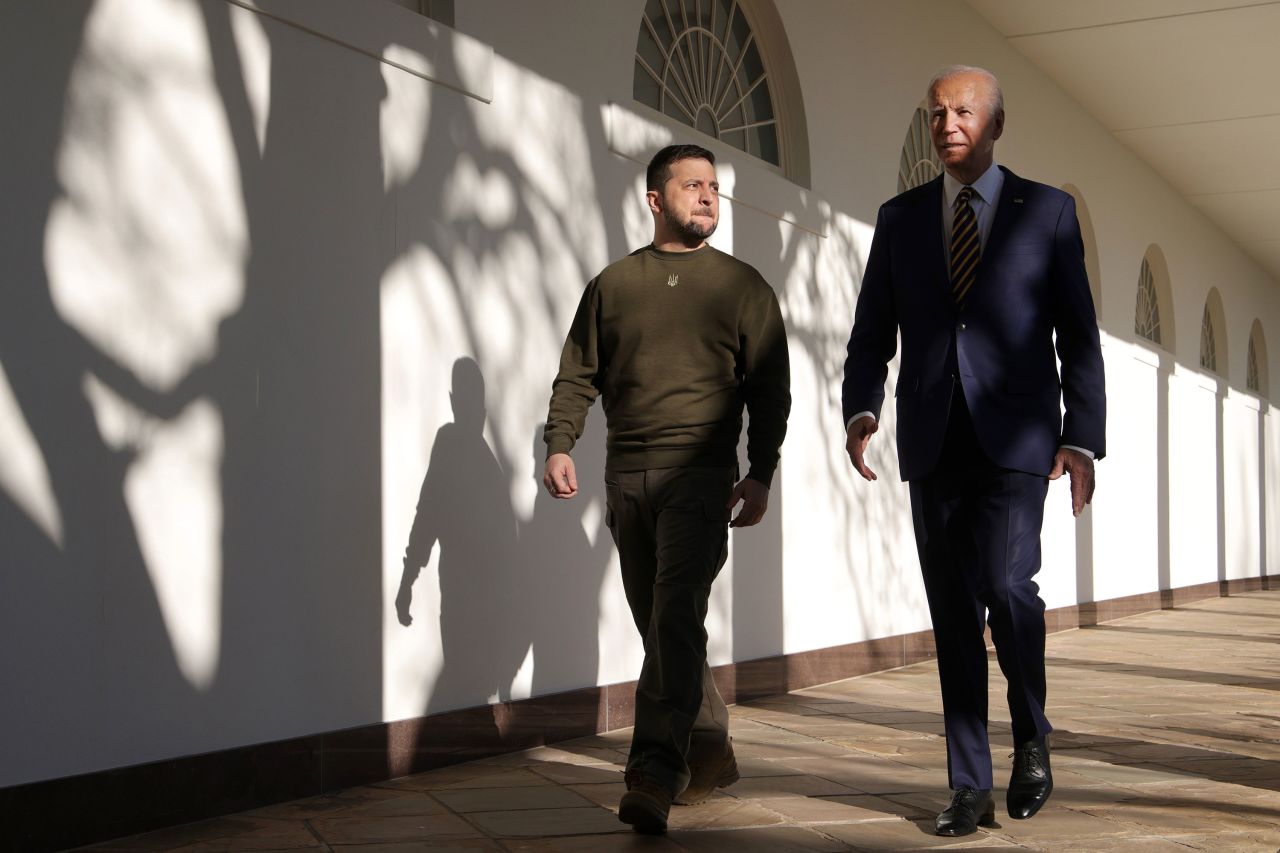
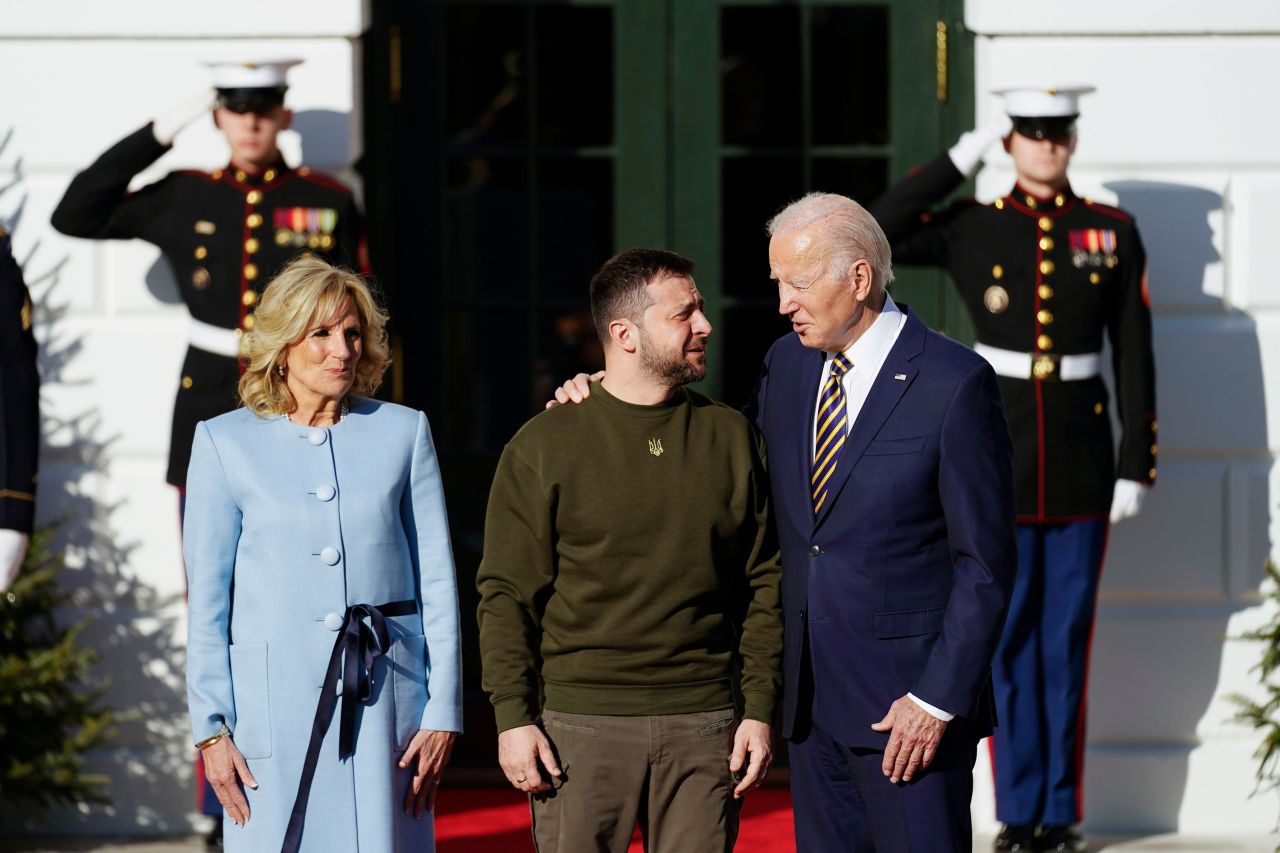
CNN — Three-hundred days after his country was invaded by Russia, Ukrainian President Volodymyr Zelensky jetted to Washington, DC, for talks on what the next 300 days might bring.
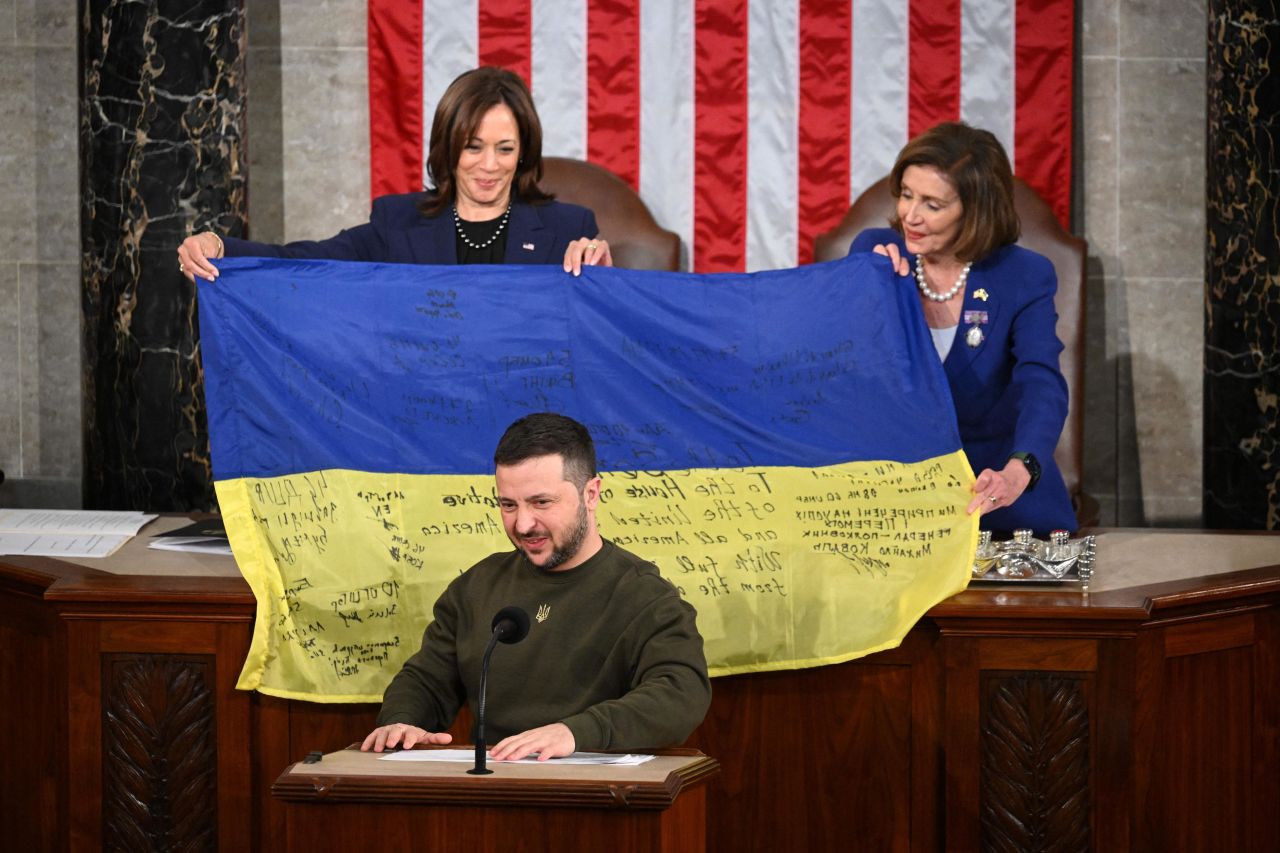
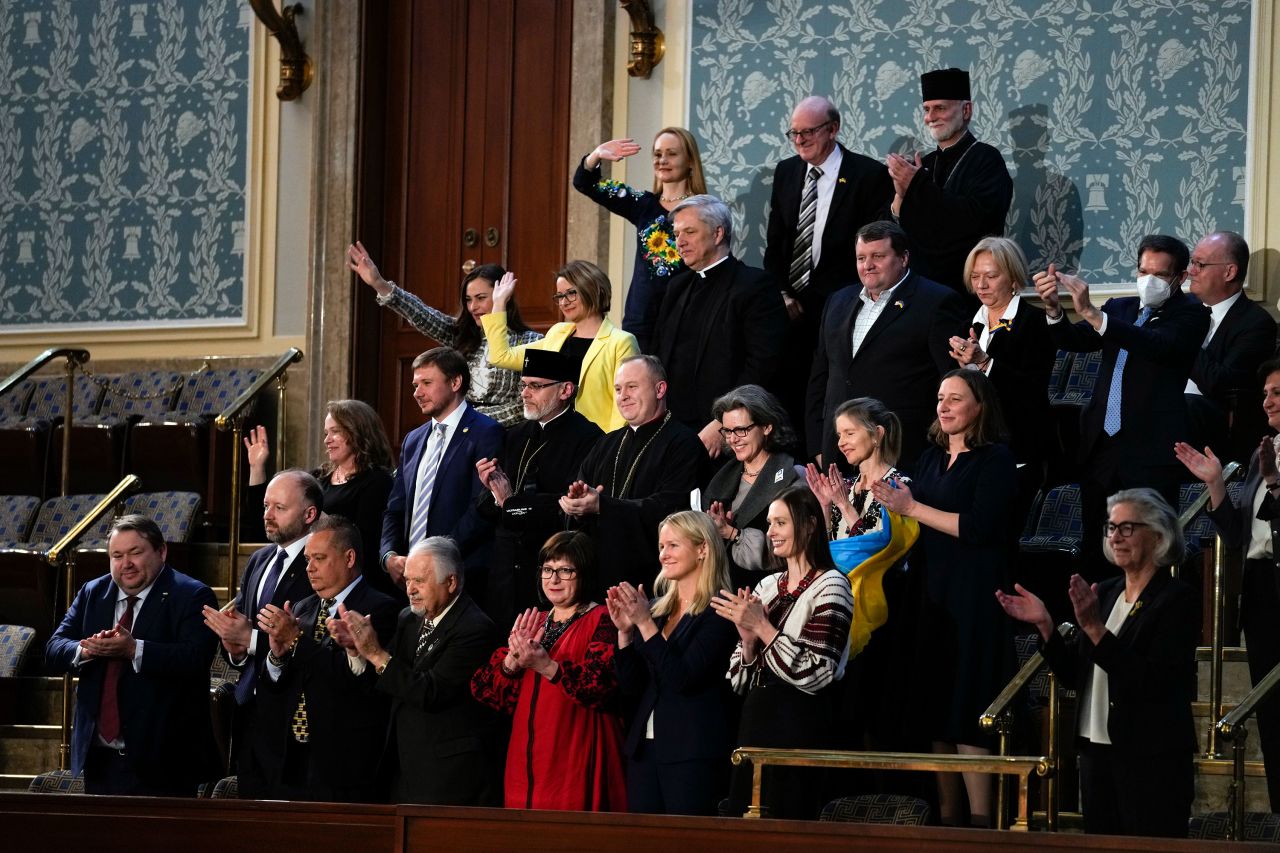
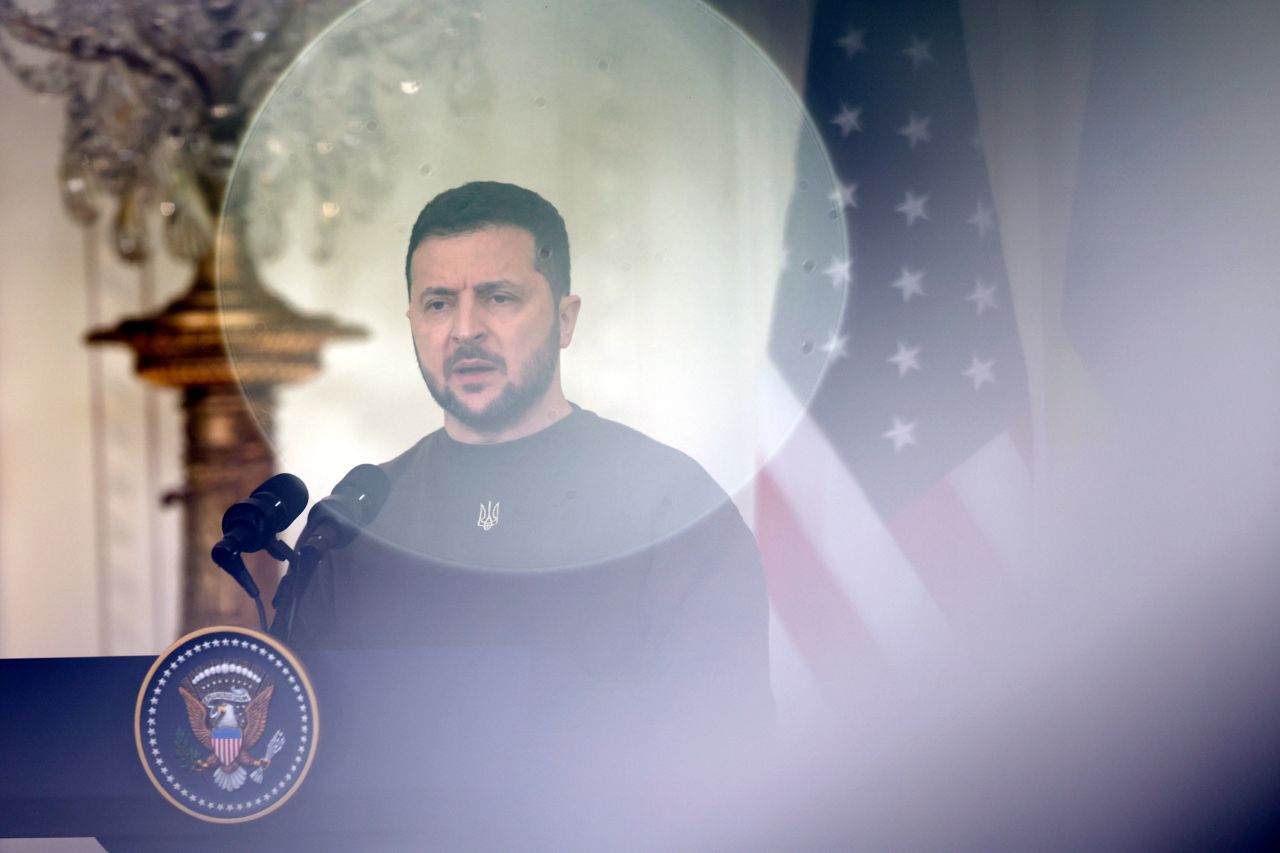
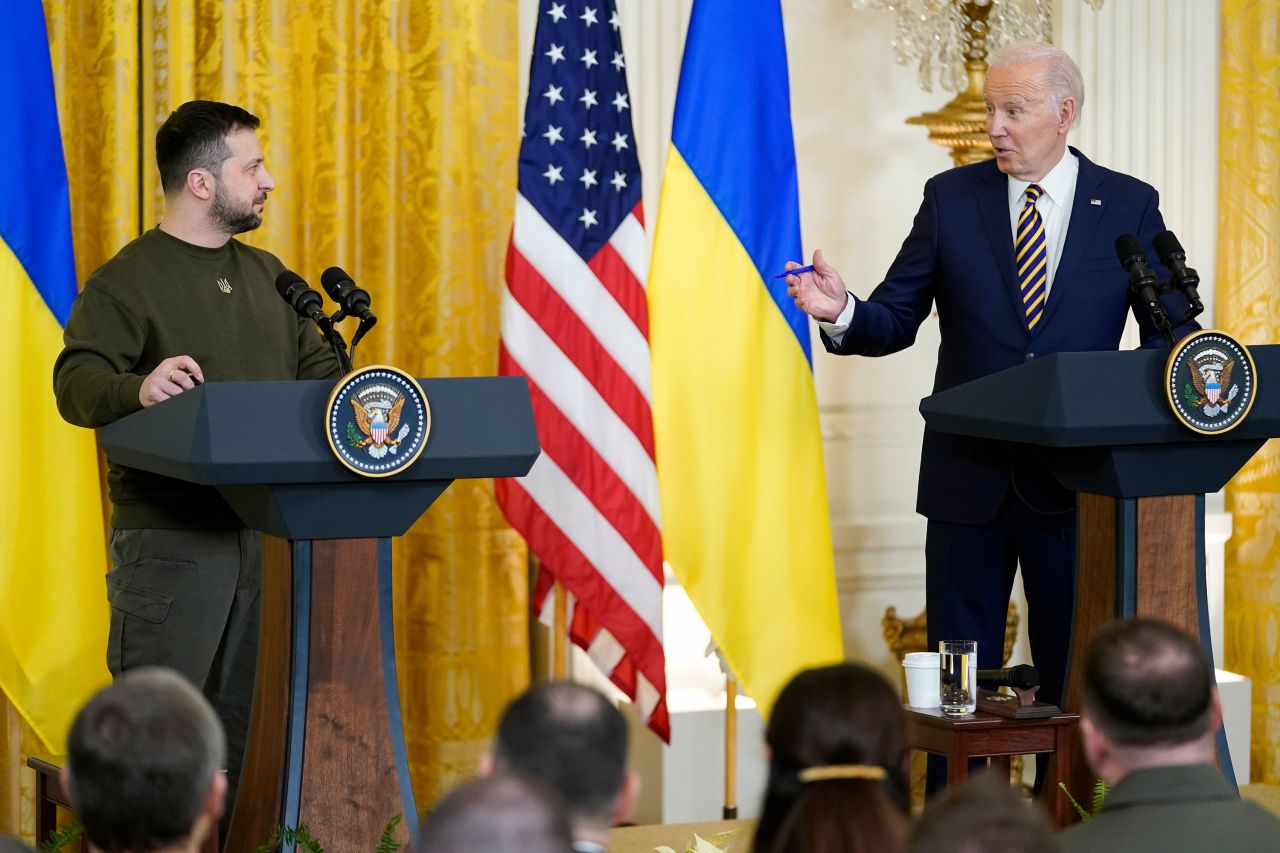
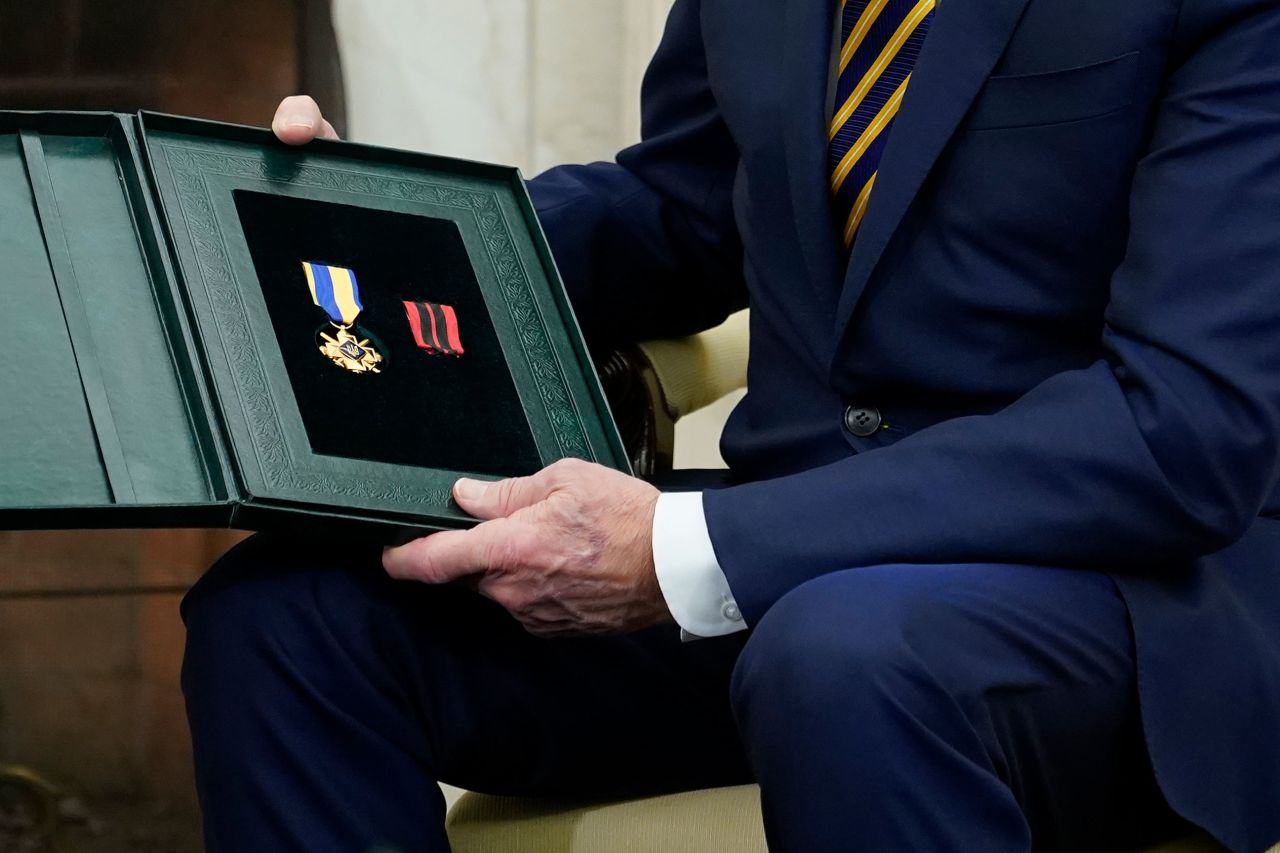
Shrouded in secrecy until the last minute, the historic visit was heavy with symbolism, from Zelensky’s drab green sweatshirt to President Joe Biden’s blue-and-yellow striped tie to the Ukrainian battle flag unfurled on the House floor.
But the trip was about far more than symbols. Biden wouldn’t invite Zelensky to Washington – and endure a risky trip outside Ukraine for the first time since the war began – if he did not believe something real could be accomplished meeting face-to-face instead of over the phone.
Emerging from their talks, both men made clear they see the war entering a new phase. As Russia sends more troops to the frontlines and wages a brutal air campaign against civilian targets, fears of a stalemate are growing.
Yet as Zelensky departed Washington for a lengthy and similarly risky return trip to Ukraine, it wasn’t clear that a pathway to ending the conflict was any clearer.
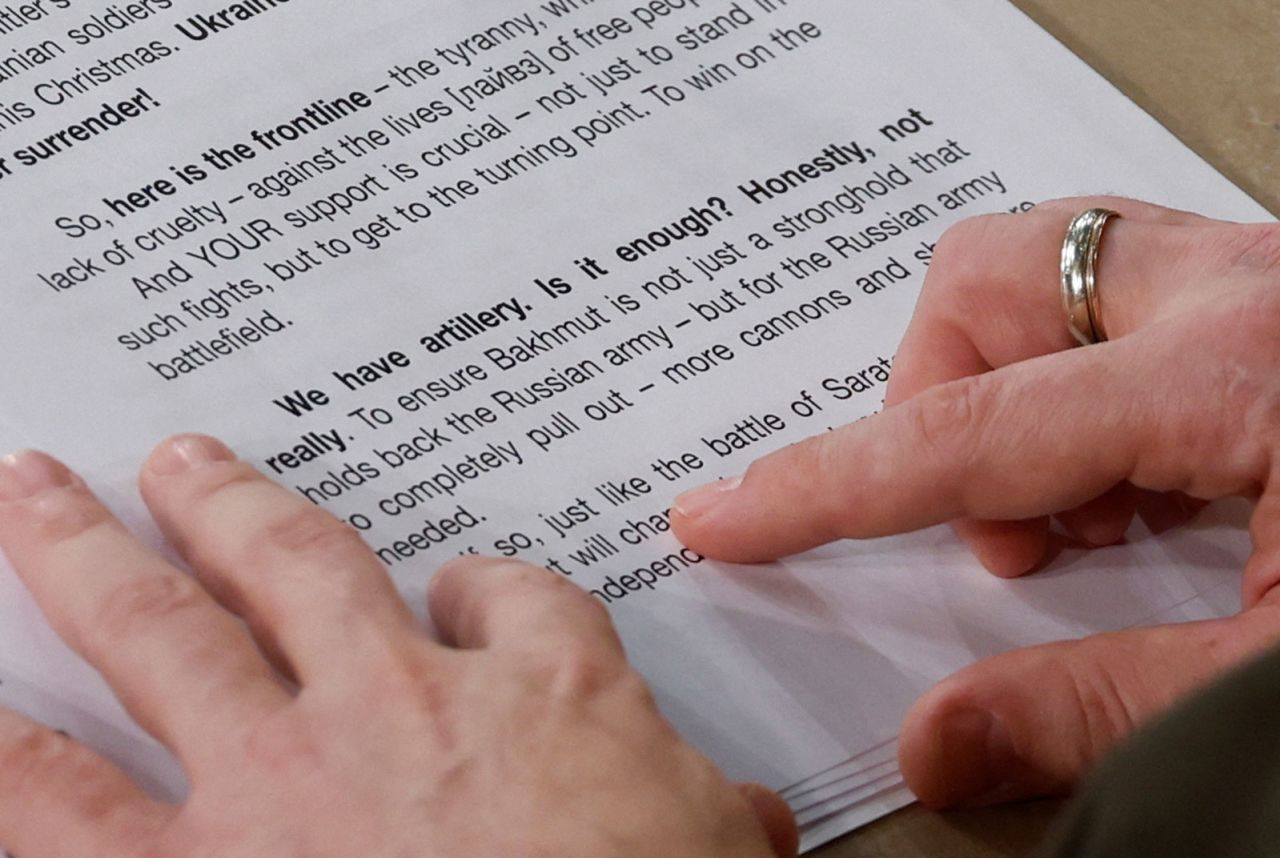
President Volodymyr Zelensky addresses Congress as Rep. Nancy Pelosi and Vice President Kamala Harris hold up a Ukrainian national flag signed by Ukrainian soldiers at the Capitol in Washington on Wednesday, December 21.Mandel Ngan/AFP/Getty Images
Operation Linebacker II saw more than 200 American B-52 bombers fly 730 sorties and drop over 20,000 tons of bombs on North Vietnam over a period of 12 days in December 1972.
CNN — It was one of the heaviest bombardments in history. A shock-and-awe campaign of overwhelming air power aimed at bombing into submission a determined opponent that, despite being vastly outgunned, had withstood everything the world’s most formidable war machine could throw at it.
Operation Linebacker II saw more than 200 American B-52 bombers fly 730 sorties and drop over 20,000 tons of bombs on North Vietnam over a period of 12 days in December 1972, in a brutal assault aimed at shaking the Vietnamese “to their core,” in the words of then US national security adviser Henry Kissinger.
Supporting Taiwan: Congress included the Taiwan Enhanced Resilience Act, which includes a number of important provisions to bolster Taiwan’s defense capabilities. If Taiwan increases its defense spending, the act authorizes up to $2 billion per year in Foreign Military Financing for the next five years. In addition, the act provides $1 billion per year in drawdown authority to provide defense articles to Taiwan. The act also requires the submission of reports assessing Taiwan’s defense capabilities, proposing a multi-year plan to address Taiwan’s capability gaps, explaining undelivered arms exports to Taiwan and other regional partners, reviewing Taiwan’s civil defense and resilience, describing a strategy to counter China’s influence operations against Taiwan, addressing Taiwan’s participation in various international organizations, and listing recent travel by officials to Taiwan. Additional provisions authorize funding for regional stockpiling, enhancing training and interoperability with Taiwan, fast-tracking Foreign Military Sales to Taiwan, and establishing a Taiwan Fellowship Program.
The National Defense Authorization Act (NDAA) for 2023 authorizes $857.9 billion in national defense spending and includes numerous important provisions related to the Indo-Pacific region. Below are five of the top items related to Asia, followed by a full list of relevant NDAA sections.
Supporting Taiwan: Congress included the Taiwan Enhanced Resilience Act, which includes a number of important provisions to bolster Taiwan’s defense capabilities. If Taiwan increases its defense spending, the act authorizes up to $2 billion per year in Foreign Military Financing for the next five years. In addition, the act provides $1 billion per year in drawdown authority to provide defense articles to Taiwan. The act also requires the submission of reports assessing Taiwan’s defense capabilities, proposing a multi-year plan to address Taiwan’s capability gaps, explaining undelivered arms exports to Taiwan and other regional partners, reviewing Taiwan’s civil defense and resilience, describing a strategy to counter China’s influence operations against Taiwan, addressing Taiwan’s participation in various international organizations, and listing recent travel by officials to Taiwan. Additional provisions authorize funding for regional stockpiling, enhancing training and interoperability with Taiwan, fast-tracking Foreign Military Sales to Taiwan, and establishing a Taiwan Fellowship Program.
First Minister Nicola Sturgeon, leader of the Scottish National Party, attends a pro-independence demonstration outside Holyrood, the Scottish Parliament, on November 23, 2022. Peter Summers/Getty Images
The decades-long campaign for Scotland’s independence from the United Kingdom (UK) suffered a setback last month when the UK Supreme Court ruled that no new referendum can be held without London’s approval. Can the Scottish Parliament, controlled by the pro-independence Scottish National Party (SNP) and led by First Minister Nicola Sturgeon, keep the flame alive?
French President Emmanuel Macron and U.S. President Joe Biden stand together onstage during an official state arrival ceremony on the South Lawn of the White House on December 1, 2022. Elizabeth Frantz/ReutersEuropeans consider vast U.S. subsidies for cars, clean energy, and semiconductors a danger to their economies. Read the analysis
Europeans need a more substantial plan to support Ukraine, not just to ensure their own security, but also to signal their long-term commitment and head off U.S. criticism of European free-riding on Ukraine ahead of the 2024 U.S. elections. Read the opinion
The electric-car startup brought me to its Vietnam headquarters to drive its first EV meant for the U.S. market. It was the most bizarre experience of my life.
I was in Vietnam to sample the automotive fruits of VinFast; the fast-moving automotive startup had just begun selling electric cars in its home country and was already promising to bring them to the United States. I definitely learned something about VinFast, but it wasn’t exactly what the company wanted me to see.
Full Disclosure: VinFast flew me from Columbus, Ohio, to San Francisco, put me in a really nice hotel for one night, then flew me and at least 100 other journalists, influencers, YouTubers, TikTokers, VinFast reservation holders (called VinFirst), VinFast employees, and other persons of interest from SFO to Vietnam on a chartered plane, all so we could sample the company’s new EVs. We stayed at two private-island resorts and spent a night in Hanoi at the same hotel where Donald Trump and Kim Jong Un met for the first time.
International Backers Plan New Infrastructure, Military Aid for Ukraine
At a conference in Paris yesterday, donor nations pledged to provide Ukraine (AP) more than $1 billion worth of financial aid and donations of health, food, and other supplies. The support aims to meet Ukraine’s humanitarian needs and help repair infrastructure damaged by Russia’s ongoing bombardment. The conference was attended (NYT) by representatives of multinational organizations and some fifty countries. In a video address, Ukrainian President Volodymyr Zelenskyy told attendees that power outages are affecting around twelve million Ukrainians as winter arrives. Separately, U.S. officials said Washington is preparing to send Ukraine a Patriot missile defense system, while European Union (EU) finance ministers are set to approve around $19 billion in loans to Ukraine today.

 Nectar Gan, Jessie Yeung and Laura He
 After a tumultuous end to a momentous and challenging year, China heads into 2023 with a great deal of uncertainty – and potentially a glimpse of light at the end of the pandemic tunnel.
The chaos unleashed by leader Xi Jinping’s abrupt and ill-prepared exit from zero-Covid is spilling over into the new year, as large swathes of the country face an unprecedented Covid wave.
But the haphazard reopening also offers a glimmer of hope for many: after three years of stifling Covid restrictions and self-imposed global isolation, life in China may finally return to normal as the nation joins the rest of the world in learning to live with the virus.
“We have now entered a new phase of Covid response where tough challenges remain,” Xi said in a nationally televised New Year’s Eve speech. “Everyone is holding on with great fortitude, and the light of hope is right in front of us. Let’s make an extra effort to pull through, as perseverance and solidarity mean victory.” Tiếp tục đọc “China – From the unwinding of zero-Covid to economic recovery: What to watch in 2023 “
After a tumultuous end to a momentous and challenging year, China heads into 2023 with a great deal of uncertainty – and potentially a glimpse of light at the end of the pandemic tunnel.
The chaos unleashed by leader Xi Jinping’s abrupt and ill-prepared exit from zero-Covid is spilling over into the new year, as large swathes of the country face an unprecedented Covid wave.
But the haphazard reopening also offers a glimmer of hope for many: after three years of stifling Covid restrictions and self-imposed global isolation, life in China may finally return to normal as the nation joins the rest of the world in learning to live with the virus.
“We have now entered a new phase of Covid response where tough challenges remain,” Xi said in a nationally televised New Year’s Eve speech. “Everyone is holding on with great fortitude, and the light of hope is right in front of us. Let’s make an extra effort to pull through, as perseverance and solidarity mean victory.” Tiếp tục đọc “China – From the unwinding of zero-Covid to economic recovery: What to watch in 2023 “ 

 Fireworks explode over the Saigon River. Photo by Quynh Tran
 Fireworks explode over the Saigon River. Photo by Quynh Tran
 People capture photos of exploding fireworks in HCMC. Photo by Thanh Tung
 A girl sits on her parent’s neck to watch the fireworks. Photo by Thanh Tung












 CVD
CVD 