(Launch of the Mekong-U.S. Partnership: Expanding U.S. Engagement with the Mekong Region)
Office of the Spokeperson – Bình Yên Đông lược dịch, Mekong-Cuulong
U.S. Department of State – September 14, 2020
Hoa Kỳ, Cambodia, Lào, Myanmar, Thái Lan và Việt Nam tái xác nhận mối quan hệ lâu đời của mình qua việc phát động Hợp tác Mekong-Hoa Kỳ (Mekong-US Partnership (MUSP)) hôm 11 tháng 9. Hoa Kỳ loan báo các kế hoạch, cộng tác với Quốc hội Hoa Kỳ, để gia tăng hỗ trợ cho quyền tự trị, độc lập kinh tế, cai quản tốt, và tăng trưởng khả chấp của các quốc gia đối tác Mekong, quan niệm rằng giữ gìn các giá trị nầy cũng quan trọng cho sự hoàn kết và hiệu quả của ASEAN [Hiệp hội các Quốc gia Đông Nam Á (ĐNA)].
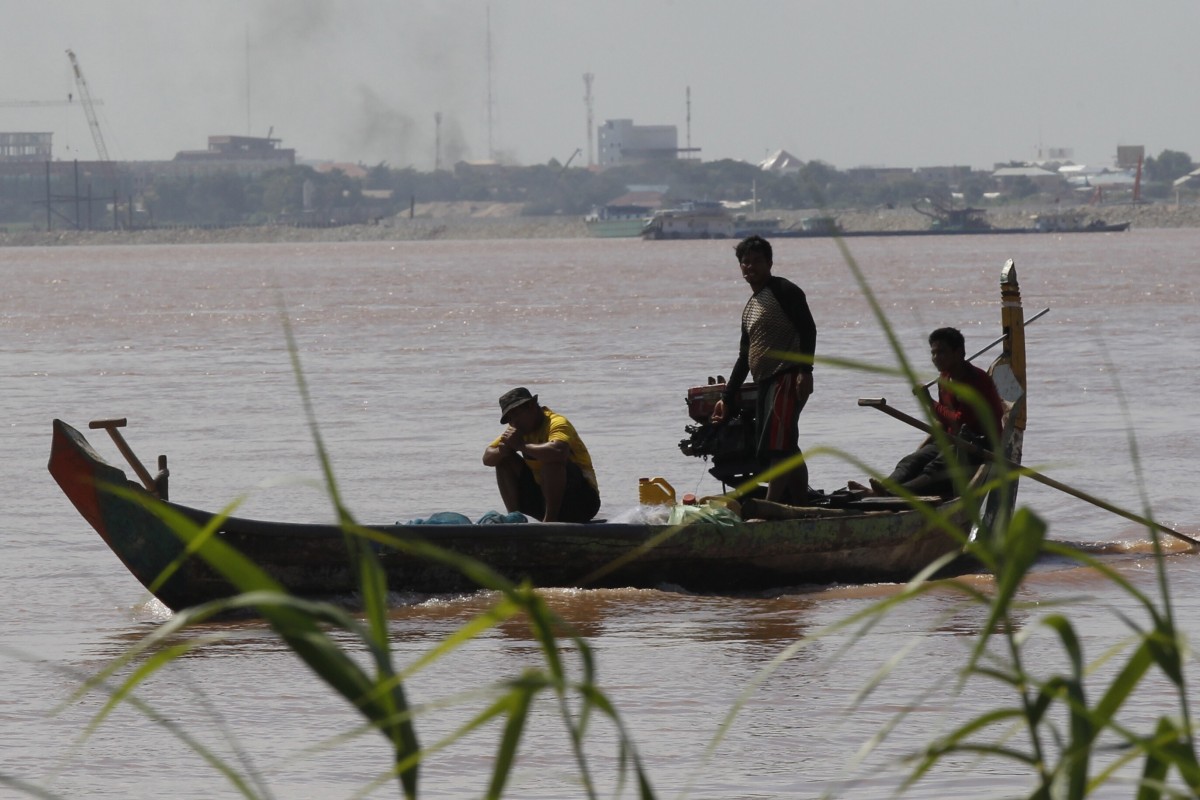
Người dân đi thuyền trên sông Mekong ở Phnom Penh, Cambodia. [Ảnh: EPA]
• Phụ tá Ngoại trưởng Hoa Kỳ Stephen Biegun dùng phiên họp để tố cáo Trung Hoa về hạn hán đang xảy ra ở vùng hạ lưu Mekong
• Tuy nhiên, một viên chức Thái nói phiên họp có mục đích thảo luận các biện pháp để “tăng cường hợp tác qua Sáng kiến Hạ lưu Mekong (Lower Mekong Initiative (LMI))”
Beijing is going all in to back a breakthrough in Chinese semiconductor manufacturing as the nation faces US sanctions on hi-tech goodsBut many newcomers to the industry have little experience and some experts say the ‘whatever it takes’ approach shows tolerance for inefficiency
The US Department of Commerce has written to American suppliers of China’s biggest chip manufacturer, warning them of “unprecedented risks” that their products could be used by the Chinese military.
In his more than four years in office, it was the first time that Duterte addressed the UN body, which marks its 75th anniversary this year [Manuel Elias/UN via AFP]
Philippine President Rodrigo Duterte went on the offensive over the South China Sea on Wednesday, in his first-ever address to the United Nations General Assembly, stressing his country’s legal victory at The Hague in its long-simmering maritime dispute with China.
The souring relationship between Washington and Beijing was forewarned in 2005 ‘responsible stakeholder’ speechFormer State Department official Robert Zoellick provoked anger when he said China should not take access to the US for granted
Former US State Department official Robert Zoellick, who later served as president of the World Bank, gave a speech in 2005 warning of a rise in protectionist sentiment. Photo: AFP
When former deputy secretary of state Robert Zoellick stepped up to the podium to deliver the keynote address at the National Committee on US-China Relations’ annual gala in 2005, he was expected to offer the usual rosy celebration of the relationship reserved for such occasions. That did not happen.
The launch of the “unreliable entities list” ups the ante in the escalating commercial fight with the Trump administration, which has used its own “entity list” to bar Huawei from the US market on national security grounds.
The United States and China are engaged in an escalating trade battle centring on technology.Shanghai, China:
China said Saturday it had launched a mechanism enabling it to restrict foreign entities, a much-anticipated move seen as retaliation to US penalties against Chinese companies such as telecom giant Huawei.
Amid China’s military drills near Taiwan and fears that the South China Sea is becoming a proxy for Washington and Beijing’s deepening rivalry, Asian analysts are considering the worst-case scenario
Caught between superpowers clashing in their own backyard, Southeast Asian nations might find staying neutral is not an option
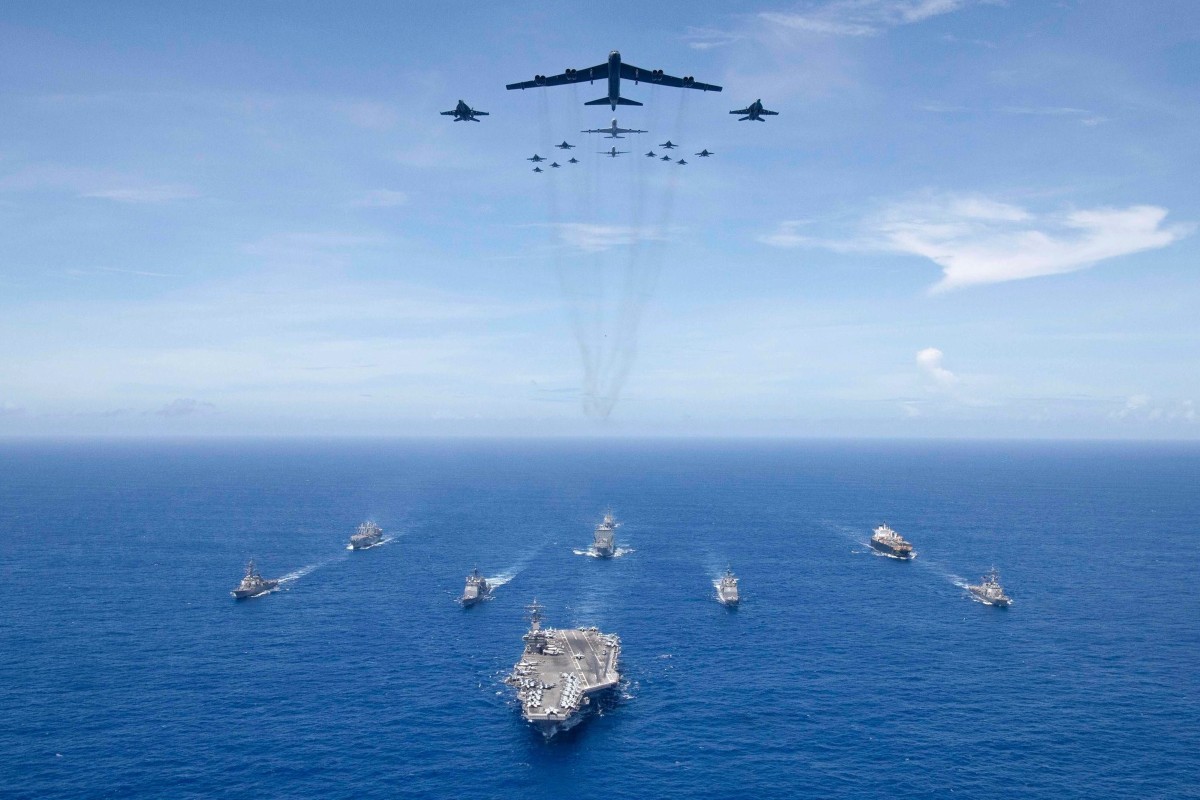
USS Ronald Reagan leads an American carrier strike group. Photo: US Navy
Across Southeast Asia, scenario planning exercises by analysts and policymakers preparing for the unthinkable – a military clash between the world’s two largest economies in their backyard – has taken on added significance in recent weeks.Tensions between the US and China, already fraught over trade,technology and the South China Sea, deepened as Beijing protested against Washington’s ties to Taipei and conducted military activities close to the self-ruled island last week.
The launch of the Mekong-U.S. Partnership reflects the importance of the Mekong region to the United States. Our relationship with Mekong partner countries is an integral part of our Indo-Pacific vision and our strategic partnership with ASEAN. With more than $150 million in initial investments in regional programs, we will build on the good work of the Lower Mekong Initiative and the $3.5 billion in regional U.S. assistance during the last eleven years.
The Mekong-U.S. Partnership is committed to the autonomy, economic independence, good governance, and sustainable growth of Mekong partner countries. The United States has dedicated more than $52 million to fight COVID-19 in the region, building on more than twenty years of Mekong-U.S. cooperation on infectious diseases. We have supported economic growth with more than $1 billion to develop infrastructure in ASEAN countries through the U.S. International Development Finance Corporation (DFC), and plan to invest billions more in the coming years.
The Mekong-U.S. Partnership will also continue to strengthen water security and the work of the Mekong River Commission. It will include $55 million in planned new investments to help our Mekong partners combat transnational crime, including narcotrafficking and trafficking in persons, arms, and wildlife. It will also increase support for energy security and electricity sector development through Asia EDGE (Enhancing Development and Growth), the Japan-U.S.-Mekong Power Partnership (JUMMP), and the Japan-U.S. Strategic Energy Partnership (JUSEP). In all our efforts, the United States intends to work closely with partners like Japan, Australia, South Korea, India, and other good friends of the Mekong.
We need to be candid, however, about the challenges we face, including those from the Chinese Communist Party (CCP), which increasingly threatens the Mekong’s natural environments and economic autonomy.
The CCP’s unilateral decisions to withhold water upstream have exacerbated an historic drought. The United States stands with the region and the Mekong River Commission in calling for transparent data sharing. We encourage countries of the Mekong region to hold the CCP accountable to its pledge to share its water data. That data should be public. It should be released year-round. It should include water and water-related data, as well as land use, and dam construction and operation data. And it should be shared through the Mekong River Commission, the organization that serves the interests of Mekong-region countries, not those of Beijing.
We are also concerned about infrastructure-linked debt and the predatory and opaque business practices of Beijing’s state-owned actors, such as China Communications Construction Company. Concerning also is the boom in trafficking of persons, drugs, and wildlife, much of which emanates from organizations, companies, and special economic zones linked to the CCP.
Countries of the Mekong region have undergone an amazing journey in the last few decades. They deserve good partners. Through the Mekong-U.S. Partnership, we look forward to many more years of collaboration to ensure a peaceful, secure, and prosperous Mekong region.
Luật này quy định về hoạt động đầu tư theo phương thức đối tác công tư; quản lý nhà nước, quyền, nghĩa vụ và trách nhiệm của cơ quan, tổ chức, cá nhân có liên quan đến hoạt động đầu tư theo phương thức đối tác công tư.
Luật này áp dụng đối với các bên trong hợp đồng đầu tư theo phương thức đối tác công tư, cơ quan quản lý nhà nước và cơ quan, tổ chức, cá nhân có liên quan đến hoạt động đầu tư theo phương thức đối tác công tư.
Đề xuất phương pháp xây dựng biểu giá bán lẻ điện sinh hoạt của Việt Nam [Kỳ 1]
05:13 |04/09/2020
– Giá bán lẻ điện ở nước ta là vấn đề nổi cộm từ nhiều năm nay, đặc biệt nó lại rộ lên khi chuẩn bị ban hành biểu giá bán lẻ điện mới. Nguyên nhân chính là do đến nay chưa có một phương pháp xây dựng biểu giá bán lẻ điện nói chung và giá bán lẻ điện sinh hoạt nói riêng, trong đó làm rõ một cách căn cơ và giải đáp một cách thỏa mãn các nguyên tắc, căn cứ, phương pháp xác định biểu giá bán lẻ điện và việc áp dụng các nguyên tắc, căn cứ đó vào việc xác định giá bán lẻ điện trong từng thời kỳ. Trong chuyên đề này, chuyên gia Tạp chí Năng lượng Việt Nam đề xuất phương pháp xây dựng biểu giá bán lẻ điện sinh hoạt của Việt Nam với mục đích góp phần giải quyết một trong những vấn đề nổi cộm của ngành điện nước ta từ nhiều năm nay.
For years, the PRC has imposed significant barriers on American diplomats working in the PRC that are far beyond diplomatic norms. PRC authorities implement a system of opaque approval processes designed to prevent American diplomats from conducting regular business and connecting with the Chinese people. U.S. diplomats’ attempts to host cultural events, secure official meetings, and visit university campuses are regularly obstructed.
In the United States, by contrast, PRC diplomats have enjoyed open access to American society, while ignoring sustained U.S. entreaties to improve the balance. In response to the PRC’s longstanding restrictions on U.S. diplomats and refusal to engage in good faith on fundamental matters of reciprocity and mutual respect, the Department of State is compelled to impose certain new requirements on PRC diplomats.
The Department of State will now require senior PRC diplomats in the United States to receive approval to visit U.S. university campuses and to meet with local government officials. Cultural events with an audience larger than 50 people hosted by the PRC embassy and consular posts outside of mission properties will also require Department of State approval. The Department of State will also take action to help ensure that all official PRC embassy and consular social media accounts are properly identified as PRC government accounts, since the U.S. Embassy is denied unfettered access to PRC social media and PRC citizens are blocked from using Twitter and Facebook, amongst other social media platforms.
The United States insists on reciprocal access to educational and cultural institutions for U.S. diplomats around the world. These new requirements on PRC diplomats are a direct response to the excessive restraints already placed on our diplomats by the PRC, and they aim to provide further transparency on the practices of the PRC government. Should the PRC eliminate the restrictions imposed on U.S. diplomats, we stand ready to reciprocate.
Major General Nguyen Thanh Hong, standing member of the National Assembly’s National Defense and Security Committee, told VietNamNet that the Law on Cyber Security was created to ensure human rights and citizenship.
Good medicine for a number of diseases
As a member actively participating in the assessment process of the Law on Cyber Security who said that “this law creates a legal mechanism to protect the legitimate rights and interests of organizations, individuals, domestic and foreign enterprises,” over a year after the law took effect, what can you say now about your comment?


![In his more than four years in office, it was the first time that Duterte addressed the UN body, which marks its 75th anniversary this year [Manuel Elias/UN via AFP]](https://www.aljazeera.com/wp-content/uploads/2020/09/000_8QH6ZN-1.jpg?resize=770%2C513)





 CVD
CVD 