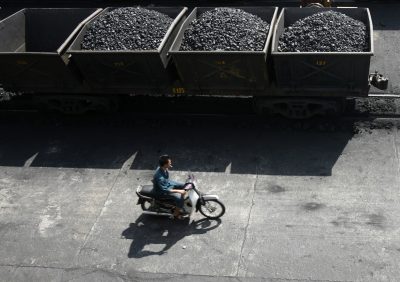
Since 2013, public finance from China, Japan and South Korea accounted for more than 95% of total foreign financing toward coal-fired power plants. This financing enabled the construction and operation of coal power plants in developing countries, where investment in power supply does not match demand. These investments also came at a time when the global carbon budget was already overstretched.
Gần 300 công nhân vệ sinh môi trường của Công ty Minh Quân (nay đổi tên là Tập đoàn Nam Từ Liêm) bị nợ lương nhiều tháng, rơi vào tình cảnh khốn khó giữa mùa Covid-19.
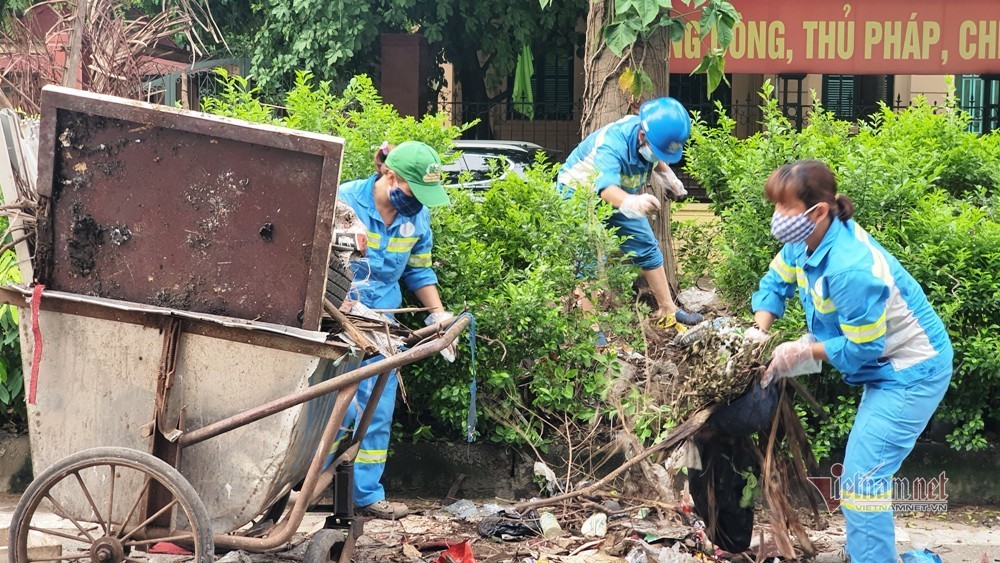
Chiều 23/6, một nhóm công nhân vệ sinh môi trường vẫn cặm cụi dọn dẹp rác dưới cái nắng như đổ lửa trong Khu liên cơ (quận Nam Từ Liêm, Hà Nội).
Chị Nguyễn Thị Phương là Tổ trưởng của Tổ vệ sinh có số lượng 80 công nhân cho hay, Công ty Minh Quân nợ lương gần 300 công nhân (từ tháng 6 đến tháng 12/2020). Hiện tại, công ty mới thanh toán được một phần sau khi người lao động đấu tranh ròng rã nhiều tháng.
Tổ công nhân của chị Phương dọn vệ sinh tại khu vực Khu liên cơ, quận Nam Từ Liêm chiều 23/6
“Đó là giai đoạn vô cùng khốn đốn của nhiều gia đình công nhân vệ sinh – nghề vất vả, khổ cực nhất mà không mấy ai muốn làm”, chị cho hay.
(TN&MT) – Trung tâm giáo dục trải nghiệm thiên nhiên Nature Dance do Trung tâm Bảo tồn đa dạng sinh học Nước Việt Xanh (GreenViet) sáng lập và mở cửa phục vụ công chúng từ cuối năm 2018. Đây là một “dự án cộng đồng” nhằm thực hiện sứ mệnh hình thành lối sống thân thiện với thiên nhiên thông qua hoạt động học tập, khám phá và trải nghiệm tự nhiên.
Trung tâm giáo dục trải nghiệm thiên nhiên đầu tiên của thành phố Đà Nẵng đi vào hoạt động
Climate change is one of the biggest challenges that the world faces. A United Nations report has cautioned that greenhouse gas emissions due to human activity are at a record high, “with no signs of slowing down.” Many nations are recording weather extremes, higher average temperatures and rising seas. Meanwhile, the first wave of increasing numbers of climate refugees points to how a changing environment will reshape human life.
Mục đích của cuốn sách là cung cấp cho học sinh trung học nhiều dự án khác nhau để mở rộng kiến thức về khoa học, đặc biệt là năng lượng tái tạo và phương pháp khoa học. Các dự án có thực hiện cho học sinhtrong các lĩnh vực năng lượng tái tạo bao gồm: nhiên liệu sinh học, năng lượng gió và mặt trời.
Các dự án khoa học được mô tả ở đây ứng dụng cho các ngành hóa học, vật lý, sinh học và toán học. Dưới đây là một số gợi ý để sử dụng hiệu quả cuốn sách này:
Đầu tiên, hãy kiểm tra kiến thức về năng lượng (EQ – energy quotient) của bạn. Hãy để thầy cô của bạn chấm điểm bài kiểm tra bạn đã làm và sau đó quyết định xem bạn có cần cải thiện nền tảng kiến thức về năng lượng của mình hay không. Văn phòng Giáo dục tại Phòng thí nghiệm Năng lượng Tái tạo Quốc gia Hoa Kỳ (NREL) có một thư viện nhỏ mà học sinh có thể sử dụng để cải thiện kiến thức nền của mình. Thư viện cũng rất hữu ích để thu thập tài liệu cơ bản cho một dự án năng lượng được mô tả trong cuốn sách này.
Đọc phần “Cách thực hiện một Dự án Khoa học.”
Quyết định xem bạn muốn thực hiện một báo cáo kỹ thuật hoặc một dự án nghiên cứu hoạt động thực hành trong lĩnh vực nhiên liệu sinh học, năng lượng gió hoặc năng lượng mặt trời.
Chọn một dự án và thảo luận với thầy cô của bạn. Bạn sẽ có thể cần một khu vực trong phòng thí nghiệm của bạn trong suốt một khoảng thời gian. Giáo viên của bạn sẽ giúp bạn với thiết bị và vật liệu sẵn có.
Sử dụng Ý tưởng để Nghiên cứu để quyết định một dự án. Trong nhiều trường hợp, các đề xuất được đưa ra cho nghiên cứu. Đừng cố gắng thử mọi góc độ có thể (biến số); đừng cố gắng trả lời mọi câu hỏi. Thảo luận về sự tiến triển của bạn một cách thường xuyên với thầy cô giáo. Thường thì những người không trực tiếp tham gia vào dự án có cái nhìn sâu sắc và những đề xuất đáng xem xét.
Hãy nhớ rằng dự án dài bao lâu không thể hiện chất lượng của công việc. Một dự án nghiên cứu luôn đưa ra câu trả lời cho câu hỏi ban đầu và đưa ra thêm một hoặc hai câu hỏi cho nghiên cứu trong tương lai,
Giữ một cuốn sổ ghi chép nghiên cứu và viết vào sổ tay của bạn một cách thường xuyên. Khi bạn hoàn thành dự án của mình, các mục sổ ghi chép có thể được sử dụng để viết báo cáo.
Hãy nhớ thông báo kết quả của bạn với những người khác thông qua báo cáo nghiên cứu và / hoặc trưng bày áp phích
Author: Thang Nam Do, ANUVietnam needs to address environmental challenges to fully reap the benefits from its new free trade and investment agreements with the European Union. On 8 June, Vietnam’s National Assembly ratified the EU–Vietnam Free Trade Agreement and Investment Protection Agreement, following the European Parliament’s approval in February. Ratifying the agreement clears the path for Vietnam to expand exports to the potentially lucrative EU market and to attract more investment from the economic bloc.
A fast growing mountain of toxic e-waste is polluting the planet and damaging health, says new report
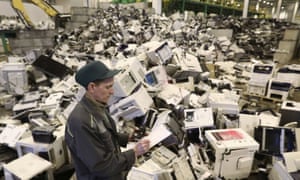
A worker at an electronic and electric equipment recycling and reuse plant, belonging to Ecopolis Corporation, in Moscow. Photograph: Sergei Karpukhin/Tass
At least $10bn (£7.9bn) worth of gold, platinum and other precious metals are dumped every year in the growing mountain of electronic waste that is polluting the planet, according to a new UN report.
A record 54m tonnes of “e-waste” was generated worldwide in 2019, up 21% in five years, the UN’s Global E-waste Monitor report found. The 2019 figure is equivalent to 7.3kg for every man, woman and child on Earth, though use is concentrated in richer nations. The amount of e-waste is rising three times faster than the world’s population, and only 17% of it was recycled in 2019.
Electronic and electrical goods, from phones and computers to refrigerators and kettles, have become indispensable in modern societies and enhance lives. But they often contain toxic chemicals, and soaring production and waste damages human health and the environment, and fuels the climate crisis.
The report blames lack of regulation and the short lifespan of products that are hard or impossible to repair. Experts called the situation a “wholly preventable global scandal”.
People in northern Europe produced the most e-waste – 22.4kg per person in 2019. The amount was half as much in eastern Europe. Australians and New Zealanders disposed of 21.3kg per person, while in the US and Canada the figure was 20.9kg. Averages across Asia and Africa were much lower, at 5.6kg and 2.5kg per person respectively.E-waste contains materials including copper, iron, gold, silver and platinum, which the report gives a conservative value of $57bn. But most are dumped or burned rather than being collected for recycling. Precious metals in waste are estimated to be worth $14bn, but only $4bn-worth is recovered at the moment. Tiếp tục đọc “$10bn of precious metals dumped each year in electronic waste, says UN”→
PETITION FOR THE REVIEW AND INDEPENDENT ASSESSMENT OF THE CAN GIO TOURIST CITY PROJECT IN HO CHI MINH CITY, VIETNAM
KIẾN NGHỊ XEM XÉT LẠI VÀ ĐÁNH GIÁ ĐỘC LẬP TOÀN BỘ DỰ ÁN KHU ĐÔ THỊ DU LỊCH LẤN BIỂN CẦN GIỜ – TPHCM
Kính gửi: Thủ tướng Chính Phủ nước CHXHCN Việt Nam
Ủy ban Thường vụ Quốc Hội nước CHXHCN Việt Nam
UBND Thành phố Hồ Chí Minh
Chúng tôi kí tên dưới đây, là các cá nhân và tổ chức xã hội yêu môi trường, hoạt động trong các lĩnh vực liên quan, đồng kiến nghị Thủ tướng Chính phủ, Ủy ban Thường vụ Quốc Hội, UBND TPHCM xem xét lại và đánh giá độc lập toàn bộ dự án Khu Đô thị du lịch lấn biển Cần Giờ 2.870 ha, vì những lí do sau đây:
1. Quyết định phê duyệt Báo cáo Đánh giá tác động môi trường dự án Khu Đô thị du lịch lấn biển Cần Giờ của Bộ Tài nguyên Môi trường cho thấy các tác động của dự án lên môi trường chưa được đánh giá khách quan, toàn diện. Đặc biệt, những vấn đề quan trọng nhất đã chưa được đánh giá đầy đủ trước khi phê duyệt, như: tác động của việc thực hiện dự án đến Khu Dự trữ sinh quyển rừng ngập mặn Cần Giờ, vấn đề xói lở, bồi tụ và dòng chảy các khu vực xung quanh dự án, các biện pháp giảm thiểu thích đáng các tác động tiêu cực của dự án.
Nguy cơ Khu Đô thị lấn biển Cần Giờ tác động xấu lên rừng ngập mặn Cần Giờ sẽ kéo theo hàng loạt ảnh hưởng tiêu cực khác lên khu vực đô thị TPHCM, nơi hiện tại người dân và chính quyền vốn đang phải đối mặt với nhiều gánh nặng về ô nhiễm môi trường, ngập lụt, sụt lún, v.v. Tiếp tục đọc “XEM XÉT LẠI VÀ ĐÁNH GIÁ ĐỘC LẬP DỰ ÁN KHU ĐÔ THỊ DU LỊCH LẤN BIỂN CẦN GIỜ”→
Indonesia and the Philippines account for most of the world’s coconut production. But as the palm oil industry expands, helped along by generous government subsidies, coconut farmers are struggling to adapt.
In 2010, palm oil overtook coconut oil as the top-selling oil in most Philippine grocery stores. Most of it was imported from Indonesia or Malaysia, but now the Philippines is trying increase its own production.
Oil palm is a much more industrialized crop than coconut, which is dominated by smallholders. But while the low price of palm oil has given it an advantage, demand has risen for high-quality coconut products due to health and sustainability concerns.
Some coconut farmers say they need the same kind of support from the government that palm oil companies get if they are going to survive.
GENERAL NAKAR, Philippines — Lucio Tena, 64, has been growing coconuts on his 20-hectare (49-acre) farm in General Nakar, on the east coast of the Philippine island of Luzon, for more than four decades. But the situation facing farmers like him today is the worst he’s experienced in his lifetime. Tiếp tục đọc “Coconut farmers in Southeast Asia struggle as palm oil muscles in on them”→
Ground-mounted PV systems promote biodiversity according to a new study published in Germany. Scientists collected data from 75 MW of solar plants nationwide and found the areas they were located in showed greater diversity and more intact habitat structures and found panels provide a refuge for animals.
Rare plant and animal species settle below or next to ground-mounted solar plants.
The issue of vast fields of solar panels restricting other types of land use is still a controversial one for the PV industry but, as the head of Germany’s Federal Association of New Energy Industry Robert Busch said: “Germany is not a plains country but for the climate and energy targets the federal government needs a lot more renewable energy, unless it is … all just lip service.” Tiếp tục đọc “Solar farm is good for biodiversity”→
TTO – Rác xử lý không cẩn thận làm cả bãi rác đổ ập xuống vườn hoa màu khiến dân bức xúc. Càng bức xúc hơn khi vụ việc xảy ra đã 1 tuần nhưng không được xử lý.
Gần như toàn bộ núi rác nghìn tấn đổ xuống vườn dân ở thung lũng
Bằng thiết bị ghi hình từ trên cao, phóng viên Tuổi Trẻ Online ghi nhận không phải một phần bãi tập trung rác của TP Đà Lạt (bãi rác Cam Ly, P.5, Đà Lạt) mà gần như toàn bộ khu tập trung rác đổ xuống vườn dân.
Núi rác sạt một đường dài từ đỉnh xuống thung lũng, nơi có vườn hoa của dân trông như suối rác.
Ghi nhận mỗi ngày có khoảng 200 tấn rác đổ về bãi rác Cam Ly. Như vậy lượng rác đổ xuống vườn dân lên đến hàng ngàn tấn rác.
At least three supermarket chains in Vietnam are using banana leaves to wrap vegetables. Photo by VnExpress/Nghe Nguyen
Several Vietnamese supermarkets have started using banana leaves to wrap vegetables in an effort to reduce plastic waste.
Shoppers at Lotte Mart in Ho Chi Minh City’s District 7 were recently surprised to see scallions, okra and other vegetables produce wrapped in banana leaves.
Garment factory in Dhaka, Bangladesh. Photo by Tareq Salahuddin/Wikimedia Commons
Think about how many sweaters, scarves and other clothes were given as gifts this holiday season. How many times will people wear them before throwing them out?
Beneath the Arizona desert sun on September 26, 1991, amid reporters
and flashing cameras, eight men and women entered a huge
glass-enclosed structure and sealed shut the outer door. Their 3.15
acre miniature world, called Biosphere II, was designed to re-create
the conditions of the earth (modestly named Biosphere I). Built at a
cost of over $200 million, Biosphere II boasted a self-sustaining environment
complete with rain forest, ocean, marsh, savanna, and desert
habitats. The eight “Bionauts” intended to remain inside for two
years. Within sixteen months, however, oxygen levels had plummeted
thirty-three percent, nitrous oxide levels had increased 160-fold, ants
and vines had overrun the vegetation, and nineteen of the twenty-five
vertebrate species and all the pollinators had gone extinct. Eden did
not last long.1
What went wrong? With a multi-million dollar budget, the designers
of Biosphere II had sought to re-create the level of basic services
that support life itself-services such as purification of air and
water, pest control, renewal of soil fertility, climate regulation, pollination of crops and vegetation, and waste detoxification and decomposition.
Together, these are known as “ecosystem services,” taken
for granted yet absolutely essential to our existence, as the inhabitants
of Biosphere II ruefully learned. 2 Created by the interactions of living
organisms with their environment, ecosystem services provide both
the conditions and processes that sustain human life. Despite their
obvious importance to our well-being, recognition of ecosystem services
and the roles they play rarely enters policy debates or public
discussion. Tiếp tục đọc “Valuing Ecosystem Services”→

.jpg)





 CVD
CVD 