
Vietnam-The Rising Dragon ·Posted by Hoàng Phan4y
Source: Rare earth deposits wordwide and by country | Statista
Conversations on Vietnam Development


(TN) Trong năm 2025, Báo Thanh Niên đã xuất bản hàng trăm ngàn bức ảnh, ghi lại các sự kiện thời sự quan trọng của đất nước, những khoảnh khắc báo chí, cùng hàng ngàn nhân vật và câu chuyện đời sống xã hội trên khắp mọi miền Tổ quốc. Những khung hình với mong muốn phác họa bức tranh toàn cảnh về Việt Nam năm 2025 trong giai đoạn chuyển mình mạnh mẽ sau cuộc cách mạng sắp xếp lại đơn vị hành chính.
16/01/2026 21:53 GMT+7
TTO – Do chưa có nghị định và thông tư hướng dẫn thi hành Luật Hóa chất năm 2025, Sở Công Thương TP.HCM phải tạm dừng tiếp nhận hồ sơ thủ tục hành chính từ doanh nghiệp.

Điều này khiến nhiều doanh nghiệp chịu thiệt hại lớn và đề nghị sớm có giải pháp hỗ trợ.
Trao đổi với Tuổi Trẻ Online ngày 16-1, đại diện Sở Công Thương TP.HCM xác nhận ngày 15-1 sở đã ban hành văn bản tạm dừng tiếp nhận hồ sơ thủ tục hành chính lĩnh vực hóa chất.
15-01-2026 – Nguyễn Lê Vy
phobienphapluat – “Lỗ hổng cốt lõi của cơ chế hậu kiểm hiện nay chính là sự lệ thuộc quá mức vào hồ sơ – giấy tờ, trong khi kiểm soát thực chất và trách nhiệm chuỗi bị làm mờ”, Luật sư Tuấn cho biết.

Sản phẩm Pate Cột đèn của Công ty CP Đồ hộp Hạ Long không đảm bảo anh toàn vệ sinh thực phẩm. Ảnh: Báo Tiền phong
Vụ việc 130 tấn lợn đông lạnh nhiễm bệnh, dương tính với virus tả lợn châu Phi của Công ty CP Đồ hộp Hạ Long bị Phòng Cảnh sát Kinh tế Công an TP Hải Phòng phát hiện và khởi tố vừa qua đã gióng lên một hồi chuông cảnh báo về cơ chế hậu kiểm an toàn thực phẩm, truy xuất nguồn gốc và quản lý chuỗi cung ứng trong kiểm soát an toàn vệ sinh thực phẩm thực chất hiện nay. Để hiểu rõ hơn về vấn đề này, chúng tôi đã trao đổi với Luật sư Nguyễn Văn Tuấn – Giám đốc Công ty Luật TNHH TGS (thuộc Đoàn Luật sư Thành phố Hà Nội).
PV:Xin ông hãy cho biết, từ góc độ pháp lý, vụ phát hiện 130 tấn lợn nhiễm dịch tại Đồ hộp Hạ Long cho thấy những lỗ hổng lớn nào trong cơ chế hậu kiểm an toàn thực phẩm hiện nay?
Tiếp tục đọc “Những lỗ hổng trong công tác hậu kiểm từ vụ 130 tấn lợn bệnh ở Đồ hộp Hạ Long”
PECC2 23/05/2025, 09:58 AM
Trong bối cảnh thế giới đang nỗ lực giảm phát thải khí nhà kính và chuyển dịch sang nền kinh tế carbon thấp, khí thiên nhiên hóa lỏng (LNG) thường được nhắc đến như một “nhiên liệu chuyển tiếp sạch”, thay thế cho than đá và dầu mỏ trong sản xuất điện. Tuy nhiên, mức độ “sạch” của LNG vẫn là một câu hỏi gây tranh cãi, không chỉ vì những con số phát thải CO₂ thấp hơn khi đốt, mà còn bởi các tác động khí hậu tiềm ẩn từ toàn bộ chuỗi cung ứng – đặc biệt là rò rỉ khí metan. Bài viết này sẽ phân tích toàn diện các khía cạnh phát thải của LNG so với các nhiên liệu hóa thạch khác, dựa trên đánh giá vòng đời khí thải (LCA), nhằm đưa ra góc nhìn cân bằng và thận trọng về vai trò thực sự của LNG trong quá trình chuyển đổi năng lượng.
1. Phát thải khí nhà kính: LNG so với than đá và dầu mỏ
Các nhà máy điện tuabin khí sử dụng LNG thải ra khí nhà kính (chủ yếu là CO₂) ít hơn đáng kể so với các nhà máy điện than và dầu, nếu xét trên mỗi kWh điện sản xuất. Theo ước tính trung bình của IPCC, một nhà máy điện chạy khí thiên nhiên phát thải khoảng 490 g CO₂ tương đương mỗi kWh, trong khi con số này với than đá khoảng 820 g CO₂e/kWh và dầu nhiên liệu khoảng 600 g CO₂e/kWh. Sự khác biệt này chủ yếu do khí tự nhiên có tỷ lệ hydro/carbon cao hơn, cho hiệu suất đốt cao và sinh ít CO₂ hơn so với than và dầu cho cùng một lượng nhiệt năng.
Tiếp tục đọc “KHÍ HOÁ LỎNG – LNG, CÓ PHẢI LÀ NHIÊN LIỆU “SẠCH”?”
Thương mại điện tử tại VN tăng trưởng nhanh chóng nhưng lại thiếu kiểm soát. Hàng loạt shop ảo, sản phẩm giả và kém chất lượng được đăng bán online trên các sàn thương mại điện tử, gây ảnh hưởng tới quyền lợi và niềm tin của người tiêu dùng.
Trước thực trạng này, việc hoàn thiện Luật Thương mại điện tử, siết chặt quản lý, xây dựng thị trường minh bạch và thúc đẩy kinh doanh thành thật chính là yếu tố sống còn để thương mại điện tử phát triển bền vững và vươn xa.
An An
Thương mại điện tử tăng tốc mạnh
***
1-11-2025 – Phạm Thu Trang
Tiasang – Làm thế nào để phát triển xanh đi liền với phát triển công bằng?
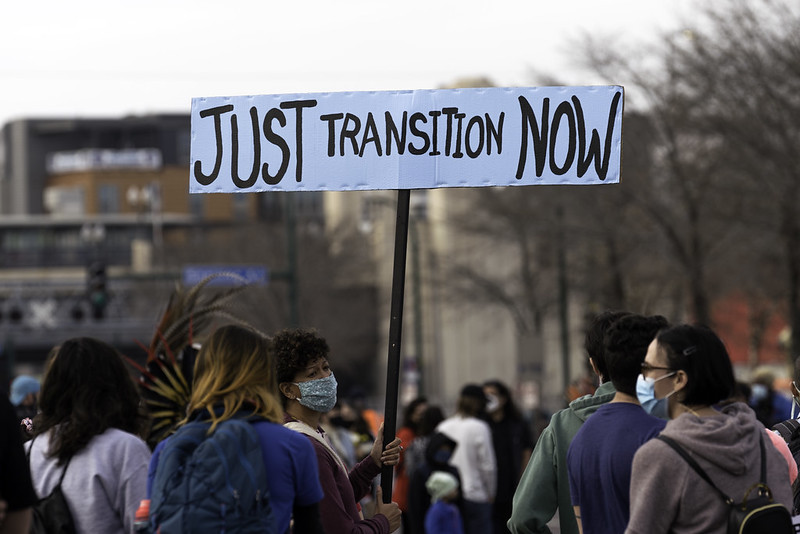
Cam kết đạt phát thải ròng bằng “0” vào năm 2050 và Thỏa thuận Đối tác Chuyển dịch Năng lượng Công bằng (JETP) với gói hỗ trợ trị giá 15,5 tỷ USD là những bước đi thể hiện rõ quyết tâm của Việt Nam tiến vào quỹ đạo phát triển xanh và bền vững.
Cho đến nay, phần lớn các thảo luận và chính sách vẫn xoay quanh ba trục chính: vốn đầu tư, công nghệ và khung pháp lý. Đây là những yếu tố nền tảng để thúc đẩy quá trình chuyển đổi năng lượng và hiện thực hóa tham vọng Net Zero. Tuy nhiên, có một khía cạnh quan trọng lại ít được chú ý đúng mức – đó là tác động xã hội.
Chuyển đổi năng lượng sẽ không chỉ tác động đến nền kinh tế, mà còn ảnh hưởng sâu rộng đến đời sống của người lao động, cộng đồng địa phương và các nhóm yếu thế. Nếu không được tính đến, những tác động này có thể tạo ra bất công mới, làm suy yếu đồng thuận xã hội.
Đó là lý do khái niệm Just Transition – Chuyển đổi công bằng – cần được đặt vào trung tâm của hành trình Net Zero.
Tiếp tục đọc “Hành trình Net Zero của Việt Nam: Một khoảng trống”Sầu riêng bị Trung Quốc trả lại do vượt dư lượng Cadimi – chất gây hại cho sức khỏe con người.
Loạt bài này mổ xẻ trách nhiệm quản lý và giải pháp của cơ quan chức năng khi để doanh nghiệp và nông dân trồng sầu riêng thua lỗ, do không nắm được thông tin và tiêu chuẩn xuất khẩu nông sản theo yêu cầu của thị trường quốc tế.
An An
***
Dương Hưng
02/06/2025 05:49
TP – Sầu riêng là trái cây xuất khẩu quan trọng nhất của Việt Nam, nhưng chỉ sau 2 năm tỏa sáng, loại vua trái cây xuất khẩu này đang rơi vào cuộc khủng hoảng chưa từng có. Đã đến lúc ngành hàng xuất khẩu tỷ USD của Việt Nam cần nhìn thẳng những bất cập, cần một cuộc “đại phẫu” để phát triển bền vững hơn.
Tiếp tục đọc “Đại phẫu ‘vua’ trái cây tỷ USD”BBWV – AI đang làm thay đổi căn bản công thức tăng trưởng của các doanh nghiệp IT Việt Nam, tạo nên một “nghịch lý” trên biểu đồ nhân sự. Thay vì mở rộng quy mô bằng cách gia tăng nhân lực, thị trường đang chứng kiến xu hướng làm nhiều hơn với một đội ngũ tinh gọn nhờ sức mạnh tự động hóa. Đồ thị tuần này sẽ bóc tách những con số biết nói đằng sau sự sụt giảm.
09 tháng 01, 2026 lúc 3:20 PM
Có những cuộc trò chuyện khiến những người làm nội dung như tôi phải suy ngẫm lâu hơn bình thường. Đầu năm 2025, tôi trao đổi nhanh với lãnh đạo một doanh nghiệp IT của Mỹ, với toàn bộ đội ngũ đặt tại Việt Nam. Lo lắng hàng đầu của họ lúc ấy là AI xuất hiện nhanh hơn mọi kịch bản mà họ từng vẽ ra, buộc ban điều hành phải từ nửa kia bán cầu về Việt Nam họp khẩn để bàn lại chiến lược.
Cùng thời gian đó, một lập trình viên 5 năm kinh nghiệm tại công ty IT Nhật ở Việt Nam chia sẻ rằng doanh nghiệp của anh đang cắt giảm nhân sự và đầu tư mạnh cho AI. “Tuy vậy thực tế không hề đơn giản. Đôi khi việc sửa lỗi các dòng code do AI viết còn tốn nhiều thời gian hơn là tự viết từ đầu,” anh nói.https://flo.uri.sh/visualisation/27121961/embed
Những câu chuyện này phản ánh trên đồ thị trung tâm của tuần này: Lý do khiến doanh nghiệp IT tại Việt Nam không mở rộng hoặc cắt giảm tuyển dụng đang thay đổi. Theo khảo sát của ITViec công bố năm 2025, tỉ lệ doanh nghiệp chọn “tăng hiệu suất nhờ AI” làm lý do không tuyển thêm nhân sự tăng từ 5,9% năm 2024 lên 20,2% năm 2025 và dự kiến đạt 34,3% vào năm 2026. Đây là mức tăng mạnh nhất trong tất cả các nhóm lý do, cho thấy AI đang dần đóng vai trò thay thế nhu cầu tuyển mới.
Bức tranh nền của thị trường IT Việt Nam càng làm thay đổi này trở nên rõ nét. Dữ liệu từ 2020 đến 2026 cho thấy tỉ trọng doanh nghiệp “tăng trưởng bùng nổ” (trên 50% quy mô nhân sự) giảm từ khoảng 18,6% xuống 11%. Trong khi đó, nhóm doanh nghiệp không tăng trưởng hoặc thu hẹp quy mô tăng mạnh, từ khoảng 4,9% năm 2021 lên 31% năm 2026.
Song song với việc “không tuyển thêm người”, doanh nghiệp lại tăng đầu tư cho AI. Năm 2026, 47,5% doanh nghiệp ưu tiên tích hợp AI vào các quy trình kinh doanh cốt lõi; 28,8% tập trung cải thiện hiệu quả hoạt động và 25,4% giảm chi phí vận hành. Đáng chú ý, gần hai phần ba doanh nghiệp dự kiến tăng ngân sách AI.
Tuy nhiên, thách thức lớn nhất lại quay về con người. Theo khảo sát của ITviec, 54,3% doanh nghiệp coi mức lương cao là rào cản lớn nhất khi tuyển dụng nhân tài AI; 41% khó tìm ứng viên có kinh nghiệm AI thực tế và 34,3% thiếu kỹ năng AI chuyên sâu. Cấu trúc đội ngũ AI đang hình thành nhưng vẫn nhỏ: 40,5% doanh nghiệp đã có đội AI chuyên trách, 34,2% triển khai theo mô hình liên phòng ban, đa số dưới 10 người.
“Trong 5–10 năm tới, AI sẽ tái định hình các ngành, mang lại hiệu suất vượt trội và mở ra những cơ hội mới. Nhưng sau cùng, chỉ có con người mới đủ tư cách ký duyệt và chịu trách nhiệm sau cùng. Trong thế giới ngày một tự động hoá, để xây dựng niềm tin chúng ta vẫn cần đến con người,” ông Lâm Quốc Vũ, nhà sáng lập kiêm CEO Katalon nhận định với Bloomberg Businessweek Vietnam.
Xét cho cùng, thị trường IT, cùng nhiều thị trường khác mà tôi quan sát, không hẳn đang “ít việc đi”, mà đang đòi hỏi mỗi người làm được nhiều hơn. AI dần trở thành công cụ mặc định, còn tuyển dụng đại trà không còn là lựa chọn ưu tiên. Trong bối cảnh đó, câu hỏi với nhiều nhân sự có lẽ không còn là “mình có còn chỗ đứng trong kỷ nguyên AI hay không”, mà là “mình tạo ra giá trị gì trong một đội ngũ ngày càng tinh gọn”.
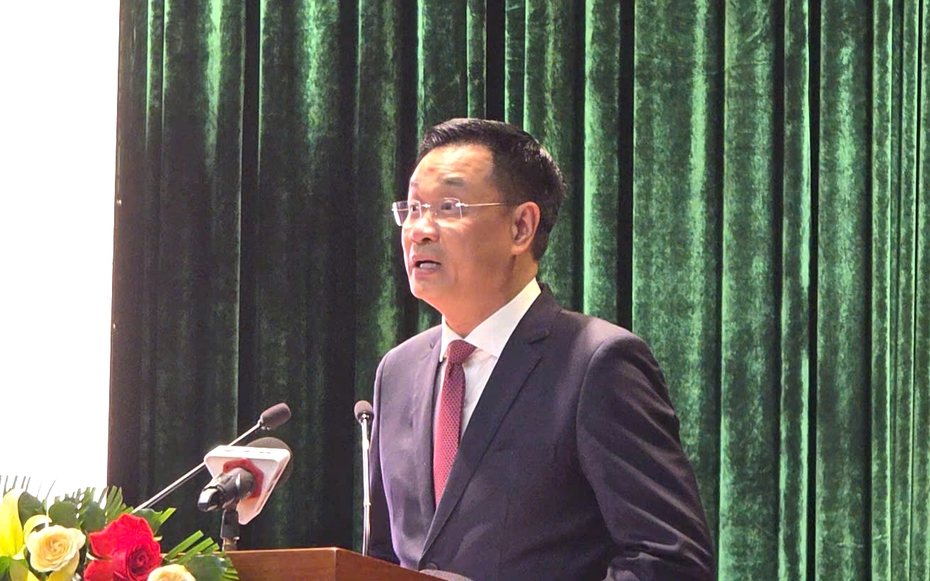
Lần đầu tiên, lãnh đạo cao nhất của Đà Nẵng công khai nhận trách nhiệm và xin lỗi doanh nghiệp vì những chậm trễ, phiền hà trong giải quyết thủ tục hành chính, đồng thời kêu gọi doanh nghiệp phản ánh trực tiếp nếu bị nhũng nhiễu.

Nguyễn Duy Cường
NĐT – Thứ 5, 08/01/2026 19:32 GMT+7
Tiếp tục đọc “Bí thư Thành ủy Đà Nẵng xin lỗi doanh nghiệp vì thủ tục còn chậm, phiền hà”28-12-2025 – Hảo Linh – Trang Bùi
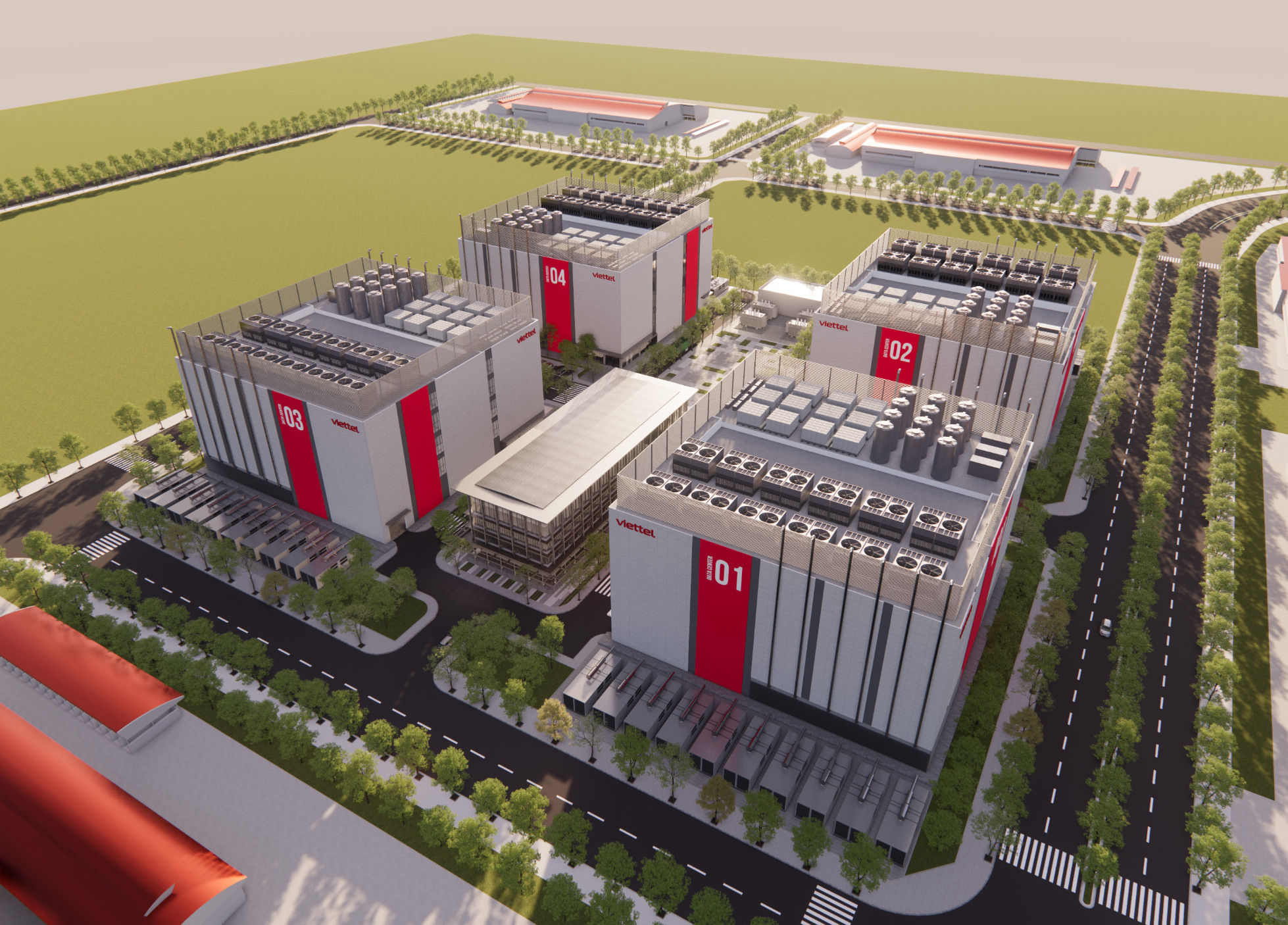
Tiasang – Việt Nam là một “miền đất hứa” trong mắt các nhà đầu tư để đặt trung tâm dữ liệu, nhưng chúng ta chưa sẵn sàng cả về tài nguyên và pháp lí để họ đổ bộ.
Dự án đã khởi công, một phần rừng bị triệt hạ, muôn thú ra đi… Tuy vậy, không bao giờ là quá muộn để dừng lại và thay đổi cho đúng và tốt hơn. Dù muộn còn hơn không, vấn đề hệ trọng này thiết nghĩ Tổng bí thư kiêm Chủ tịch nước [lúc có chuỗi bài này] cần có ý kiến chỉ đạo dừng lại, làm rõ và phải được công khai ĐTM [Đánh giá Tác động Môi trường], công khai phản biện và đưa ra Quốc hội để xem xét một cách thận trọng, thấu đáo.
Thạc sĩ Nguyễn Huỳnh Thuật
Sun Group sẽ trả giá cho những tội lỗi của mình.
Nam mô A-di-đà Phật.
PTH
***
09:19 | Thứ năm, 09/10/2025
Ngày 26.4.2025, Tập đoàn Sun Group tổ chức lễ động thổ dự án Khu dịch vụ thương mại và cáp treo Am Tiên tại thị trấn Nưa, xã Tân Ninh (huyện Triệu Sơn cũ), tỉnh Thanh Hóa. Tuy nhiên, đến ngày 30.5.2025 UBND tỉnh Thanh Hóa mới có quyết định chấp thuận chủ trương đầu tư đồng thời chấp nhận nhà đầu tư dự án “Khu dịch vụ du lịch và trục cảnh quan văn hóa thuộc quần thể khu du lịch Am Tiên” là Công ty TNHH Dịch vụ và Du lịch cáp treo Thanh Hóa (thuộc Tập đoàn Sun Group).
Tiếp đó, ngày 18.8.2025, UBND tỉnh Thanh Hóa phê duyệt kết quả thẩm định báo cáo đánh giá tác động môi trường của dự án do nhà đầu tư lập. Cả hai quyết định đều do Phó chủ tịch Nguyễn Văn Thi ký.
Ngày 11.9.2025, ông Thi bị khởi tố, tạm giam với cáo buộc lợi dụng chức vụ, quyền hạn trong khi thi hành công vụ. Chưa rõ liên quan vụ án gì nhưng nhiều ý kiến đã nhân đó bày tỏ lo ngại việc động thổ dự án du lịch cáp treo Am Tiên đã tác động xấu đến phong thủy núi Nưa – được xem là một trong ba “huyệt đạo thiêng” của nước Việt Nam, khiến cho vùng đất địa linh nhân kiệt Thanh Hóa trở thành điểm nóng tội phạm khi chỉ trong thời gian ngắn từ ngày 1.7 đến ngày 10.9.2025 Viện Kiểm sát nhân dân tỉnh Thanh Hóa phê chuẩn khởi tố 971 bị can liên quan đến các loại tội phạm về trật tự xã hội; tội phạm về kinh tế, sở hữu, môi trường; tội phạm về ma túy; tội phạm tham nhũng kinh tế, chức vụ…
Núi Nưa là vùng huyệt đạo rất thiêng
Núi Nưa là dãy núi giáp giới cả ba huyện (cũ) Triệu Sơn, Nông Cống, Như Thanh thuộc Thanh Hóa. Đây là dãy núi độc lập được cho là bắt nguồn từ dải Trường Sơn, với đỉnh núi Nưa cao 538m so với mực nước biển. Khảo cứu của nhà nghiên cứu lịch sử Phạm Tấn cho biết núi Nưa là tên dân gian, còn tên mà sách xưa nhắc tới là núi Na. Khi chú thích về núi này, giáo sư Hà Văn Tấn ghi: “Núi Na (Na Sơn) tức là núi Nưa ở làng Cổ Định (trước gọi là Cổ Ninh, tục gọi là Kẻ Nưa), huyện Nông Cống, tỉnh Thanh Hóa”.
Sách Đại Nam nhất thống chí của Quốc sử quán triều Nguyễn biên soạn đời Tự Đức (1848 – 1883) viết “ở sở Tinh Mễ, xã Quần Ngọc, phía tây huyện Nông Cống có tên là khu Na Sơn (Núi đuổi ma). Tương truyền núi này có rất nhiều ma quỷ, trước đây có một vị sơn tăng đến đây đọc chú, dần dần quỷ biến mất đi cho nên gọi tên như thế”.
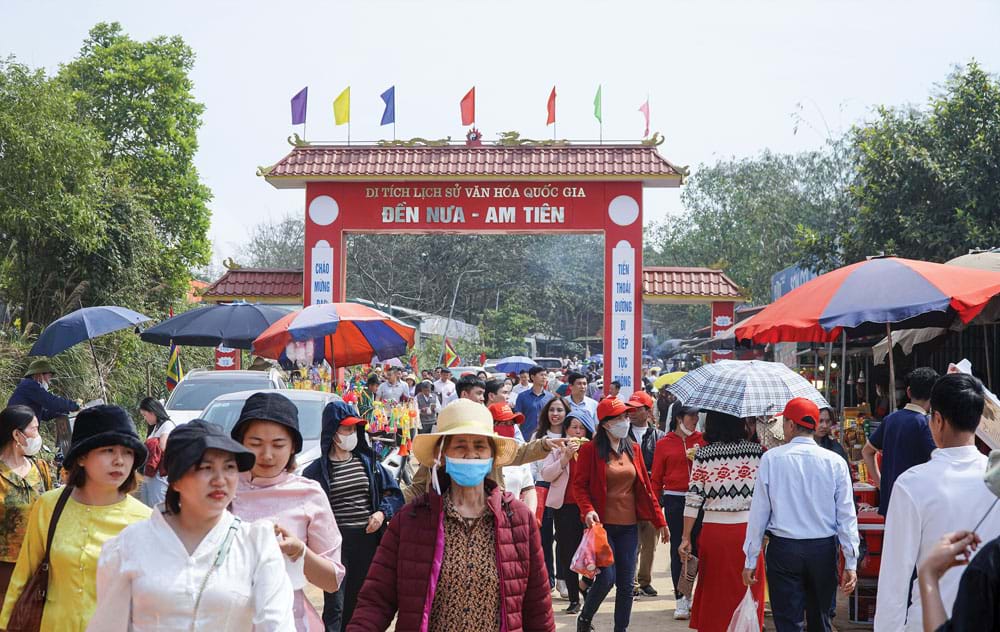
Dự án “Khu dịch vụ du lịch và trục cảnh quan văn hóa thuộc quần thể khu du lịch Am Tiên” có khu vực lập quy hoạch chi tiết thuộc Khu di tích lịch sử, danh lam thắng cảnh quốc gia Địa điểm khởi nghĩa Bà Triệu nhưng lại không có đánh giá tác động của dự án đến di tích lịch sử – văn hóa. Ảnh: Lê Hoàng
Theo sử sách, năm 248, Triệu Thị Trinh (tức Bà Triệu) đã tập hợp nghĩa sĩ, chọn núi Nưa làm căn cứ luyện tập võ nghệ, dấy binh khởi nghĩa, đánh đuổi quân Đông Ngô xâm lược. Ngày nay, dưới chân núi Nưa là khu đền Nưa cổ kính thờ Bà Triệu. Trên đỉnh cao nhất của núi Nưa, nơi sử sách xưa nhắc đến động núi của vị ẩn sĩ thời Trần – Hồ, chính là danh thắng nổi tiếng với giá trị tâm linh sâu sắc mà dân gian quen gọi động Am Tiên (hay đỉnh Am Tiên).
Đây cũng là nơi chứng kiến, ghi nhận rất nhiều truyền thuyết sinh động về ông Tu Nưa (tức ông tu đạo thần tiên trên núi Nưa) và Bà Triệu cùng nghĩa quân trong những ngày đóng căn cứ tại đây. Hầu như các đỉnh cao của hệ thống núi Nưa (dân gian gọi là Ngàn Nưa) đều có dấu chân các đạo sĩ tu tiên với nhiều truyền thuyết linh thiêng như đỉnh Các Sơn, Tượng Sơn, Bể Cạn, núi Sẻ…
Tại đỉnh núi Nưa có mạch nước ngầm chảy ra trong vắt và không bao giờ cạn, đã tạo thành cái giếng tự nhiên rất đặc biệt mà dân gian đặt tên Giếng Tiên, tương truyền là giếng dành riêng cho Bà Triệu tắm. Phía dưới vài trăm mét có hố nước rộng mà dân gian gọi là Ao Hóp, tương truyền là nơi cung cấp nước sinh hoạt cho nghĩa quân Bà Triệu. Trên đỉnh núi Nưa, ngoài động Am Tiên, Giếng Tiên, còn có Bàn Cờ Tiên, Chùa Tiên, Vườn Thuốc Tiên và Vườn Đào Tiên mà sử sách và truyền thuyết đã nhắc đến như một trung tâm của sự tu tiên đắc đạo.
Tương truyền trong dân gian và được ghi chép trong một số tài liệu, Việt Nam có 3 huyệt đạo thiêng: huyệt đạo ở núi Đá Chông (Ba Vì, Hà Nội), huyệt đạo ở núi Bà Đen (Tây Ninh) và huyệt đạo tại Am Tiên (Thanh Hóa). “Theo Đại Nam nhất thống chí, cũng chính ở khu vực Am Tiên trên đỉnh núi Nưa, người xưa và nay thường coi đó là vùng huyệt đạo rất thiêng của Văn hóa Tùng thư”, nhà nghiên cứu Phạm Tấn cho biết.
Tài liệu thuyết minh quy hoạch bảo tồn, tu bổ, tôn tạo và phát huy giá trị di tích lịch sử, danh lam thắng cảnh quốc gia Địa điểm khởi nghĩa Bà Triệu của Sở Văn hóa, Thể thao và Du lịch tỉnh Thanh Hóa cho biết Núi Nưa, Đền Nưa, Am Tiên là thắng cảnh gắn liền với cuộc khởi nghĩa Bà Triệu chống quân Ngô. Từ nơi đền thờ đến đỉnh Am Tiên và toàn bộ vùng núi Nưa trên đất Cổ Định – Tân Ninh từ lâu đã trở thành vùng đất thiêng để khách gần xa hành hương, tưởng nhớ người nữ anh hùng tiền liệt của dân tộc hồi thế kỷ III. Ngày 27.3.2009, Bộ Văn hóa, Thể thao và Du lịch đã công nhận Địa điểm khởi nghĩa Bà Triệu gồm Núi Nưa, Đền Nưa, Am Tiên là di tích lịch sử danh lam thắng cảnh cấp quốc gia.
Bốn tuyến cáp treo và tượng Phật cao 167,5m trên núi Nưa
Báo cáo đánh giá tác động môi trường dự án “Khu dịch vụ du lịch và trục cảnh quan văn hoá thuộc quần thể khu du lịch Am Tiên” cho biết, khu vực lập quy hoạch chi tiết thuộc Khu di tích lịch sử, danh lam thắng cảnh quốc gia Địa điểm khởi nghĩa Bà Triệu (gồm Núi Nưa, Đền Nưa, Am Tiên), với tổng diện tích khoảng 58,62 ha (586.239,2m²), trong đó chuyển đổi 23,62 ha đất rừng phòng hộ.
Quy mô dự án gồm: Khu dịch vụ du lịch 187.898,1m², tầng cao công trình 3 – 12 tầng, phân bố tập trung tại khu vực chân núi và đỉnh núi. Tính chất là các khu vực tổ chức các loại hình, sản phẩm du lịch: du lịch tâm linh, văn hóa, lịch sử; du lịch nghỉ dưỡng; dịch vụ trải nghiệm. Đất công viên cây xanh phân bố tập trung tại khu vực chân núi và xung quanh khu vực dịch vụ du lịch trên đỉnh núi, trong đó đất cây xanh sử dụng công cộng 78.940,3m² và đất cây xanh chuyên đề 283.982,1m². Tính chất là các khu vực tổ chức công viên chủ đề và vui chơi giải trí; khu vực cảnh quan núi Nưa.
Khu vực chân núi phát triển hệ thống công viên chủ đề làng nghề địa phương, công viên chủ đề biểu diễn thực cảnh khởi nghĩa Bà Triệu, công viên nước, phim trường, khu vui chơi trẻ em… Khu vực đỉnh núi bố trí các hoạt động trải nghiệm, khám phá thiên nhiên, các trò chơi, đi bộ, leo núi…
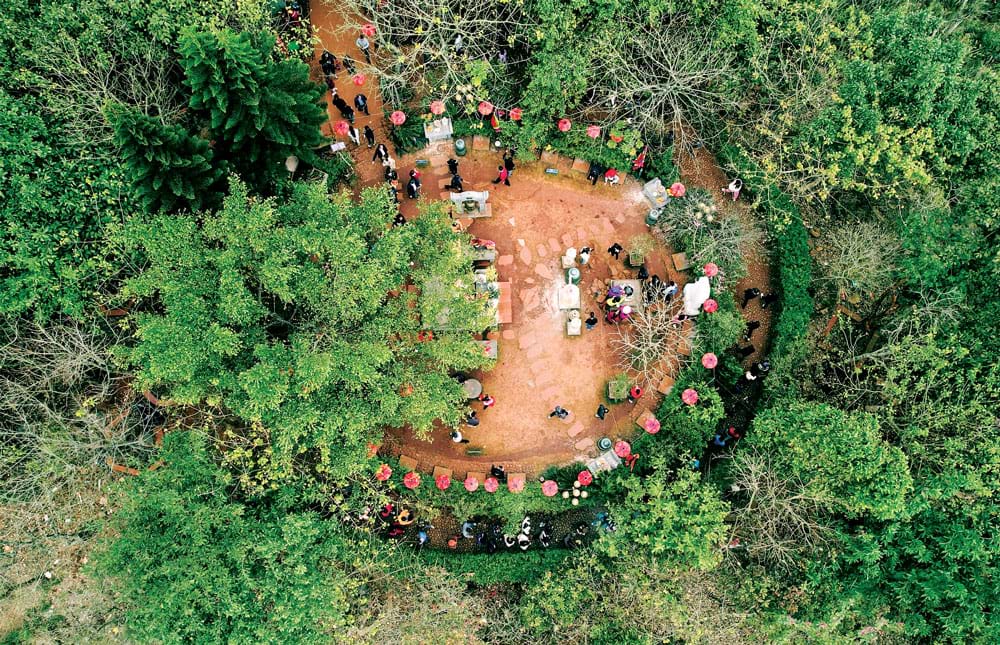
Khu vực huyệt đạo trên đỉnh Am Tiên tại núi Nưa được lưu truyền là rất thiêng. Trong ảnh: Dòng người thiền hành quanh huyệt đạo để cầu nguyện theo tập tục. Ảnh: Lê Dương
Tại lễ động thổ dự án Khu dịch vụ thương mại và cáp treo Am Tiên, Tập đoàn Sun Group thông tin dự án có tổng diện tích gần 400 ha, tổng mức đầu tư trên 35.000 tỷ đồng, gồm ba giai đoạn triển khai. Giai đoạn 1 là khu dịch vụ thương mại và cáp treo quy mô 31,74 ha, tổng mức đầu tư 2.969 tỷ đồng. Sẽ xây dựng 2/4 tuyến trong hệ thống cáp treo một dây, tạo tuyến giao thông trục xương sống kết nối toàn bộ các hợp phần quan trọng của dự án từ chân núi lên đến khu vực chân tượng Phật. Tuyến đầu tiên dài 1,2 km, tuyến thứ hai dài 1,5 km.
Giai đoạn 2 triển khai khu dịch vụ du lịch và trục cảnh quan văn hóa quy mô 58,62 ha, tổng mức đầu tư 9.634 tỷ đồng. Đây là trung tâm của quần thể, mang tới không gian hành hương chiêm bái, thiền định với điểm nhấn là tôn tượng Phật Đại Nhật Như Lai bằng đồng mạ bạc cao nhất thế giới (167,5m bao gồm khối đế), gần đó là tháp cầu nguyện cao 35m.
Giai đoạn 3 hình thành khu du lịch sinh thái nghỉ dưỡng quy mô 295,64 ha, tổng mức đầu tư 22.429 tỷ đồng, nổi bật với “Làng huyền tích” tái hiện hình tượng Bà Triệu qua điêu khắc, biểu tượng voi trắng, chiêng đồng, trống trận… Ngoài ba hợp phần chính, dự án còn tích hợp các không gian lễ hội, sân khấu nghệ thuật có mái che như Vạc Theatre, cầu ánh sáng Chim Lạc, cổng đồng hồ mặt trời tích hợp trình chiếu tương tác… Dự kiến tuyến cáp treo sẽ đưa vào vận hành từ năm 2027, các hạng mục còn lại tiếp tục triển khai song song, hướng tới hoàn thành đồng loạt vào năm 2030.
Ngay sau khi Tập đoàn Sun Group công bố thông tin dự án, nhiều chuyên gia văn hóa, nghiên cứu Phật giáo, phong thủy, kiến trúc sư, nhà báo… đã bày tỏ lo ngại quy mô đồ sộ của dự án có thể ảnh hưởng nghiêm trọng đến long mạch núi Nưa, xâm phạm huyệt đạo thiêng trên đỉnh Am Tiên và làm mờ các giá trị lịch sử, di tích đã ngàn năm gắn với địa điểm cuộc khởi nghĩa Bà Triệu. Nhiều ý kiến đề nghị cẩn trọng xem xét lại dự án nhằm bảo vệ tính nguyên gốc và đặc thù văn hóa tâm linh của địa danh núi Nưa.
Dự án “có thể ảnh hưởng đến di tích lịch sử”
Tại Quyết định chấp thuận chủ trương đầu tư đồng thời chấp nhận nhà đầu tư, UBND tỉnh Thanh Hóa yêu cầu nhà đầu tư có trách nhiệm thực hiện đầy đủ các nội dung về môi trường trong báo cáo đánh giá tác động môi trường, tuyệt đối không để tác động xấu đến khu vực bảo vệ di tích.
Điều 32 Luật Bảo vệ môi trường quy định nội dung của báo cáo đánh giá tác động môi trường bao gồm “Nhận dạng, đánh giá, dự báo các tác động môi trường chính, chất thải phát sinh theo các giai đoạn của dự án đầu tư đến môi trường; quy mô, tính chất của chất thải; tác động đến đa dạng sinh học, di sản thiên nhiên, di tích lịch sử – văn hóa và yếu tố nhạy cảm khác; tác động do giải phóng mặt bằng, di dân, tái định cư (nếu có); nhận dạng, đánh giá sự cố môi trường có thể xảy ra của dự án đầu tư”.
Thế nhưng trong suốt 220 trang của báo cáo đánh giá tác động môi trường dự án “Khu dịch vụ du lịch và trục cảnh quan văn hóa thuộc quần thể khu du lịch Am Tiên” đã đưa ra tham vấn cộng đồng không có nội dung nào đánh giá tác động của dự án đến di tích lịch sử – văn hóa và yếu tố nhạy cảm khác, trong khi khu vực lập quy hoạch chi tiết được báo cáo xác định thuộc Khu di tích lịch sử, danh lam thắng cảnh quốc gia Địa điểm khởi nghĩa Bà Triệu (gồm Núi Nưa, Đền Nưa, Am Tiên).
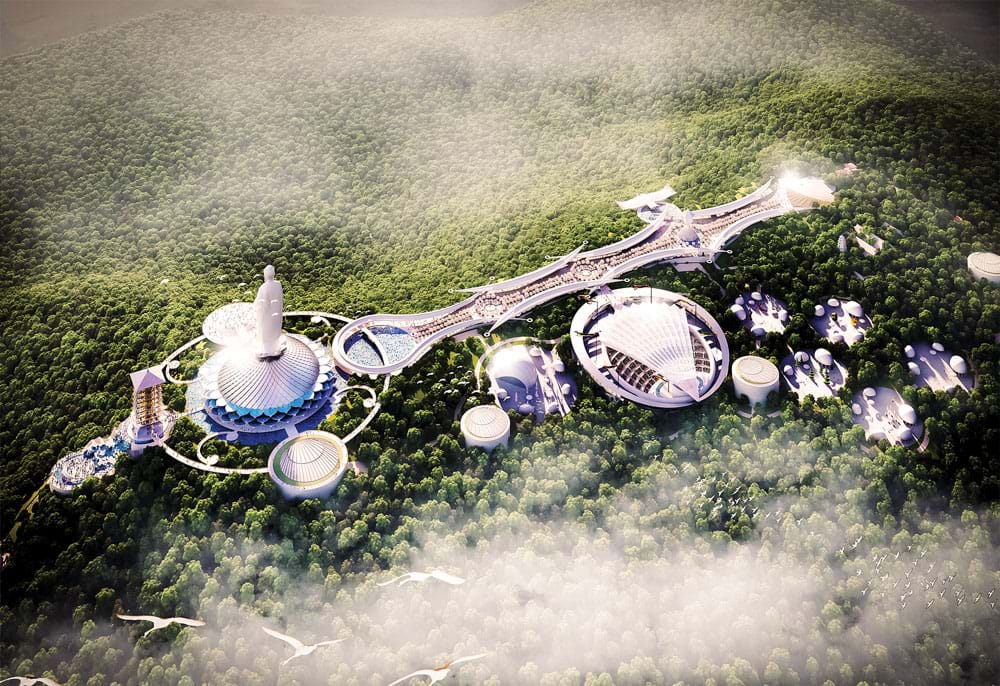
Phối cảnh dự án Khu dịch vụ thương mại và cáp treo Am Tiên trên núi Nưa với điểm nhấn là tôn tượng Phật Đại Nhật Như Lai cao nhất thế giới (167,5m bao gồm khối đế). Ảnh: Sun Group
Theo nguồn tin của chúng tôi, tại văn bản ngày 24.4.2025, Sở Văn hoá, Thể thao và Du lịch tỉnh Thanh Hóa cho biết vị trí, địa điểm thực hiện dự án “Khu dịch vụ du lịch và trục cảnh quan văn hóa thuộc quần thể du lịch Am Tiên” không nằm trong khu vực bảo vệ I của Khu di tích lịch sử, danh lam thắng cảnh Địa điểm khởi nghĩa Bà Triệu (gồm Núi Nưa, Đền Nưa, Am Tiên). Văn bản không cho biết dự án có thuộc khu vực bảo vệ II không – là khu vực được phép xây dựng nhưng phải có sự đồng ý bằng văn bản của Bộ trưởng Bộ Văn hóa, Thể thao và Du lịch, đối với di tích cấp quốc gia.
Trong diễn biến liên quan, tại văn bản ngày 12.5.2025 trả lời tham vấn dự án “Khu dịch vụ du lịch và trục cảnh quan văn hóa thuộc quần thể du lịch Am Tiên”, Sở Nông nghiệp và Môi trường tỉnh Thanh Hóa cho biết dự án có quy mô sử dụng đất lớn, trong đó có 23,62 ha (236.208,1m2) đất rừng phòng hộ, thực hiện dịch vụ du lịch văn hoá, tâm linh kết hợp với du lịch sinh thái, nhân văn, đáp ứng nhu cầu cao của du khách trong và ngoài nước đến chiêm bái, tham quan, nghỉ dưỡng, vui chơi giải trí… “Như vậy, việc thực hiện dự án (thi công xây dựng và hoạt động tham quan đông người) có tác động đến hệ sinh thái đất rừng phòng hộ, có thể ảnh hưởng đến di tích lịch sử, danh lam thắng cảnh quốc gia Địa điểm khởi nghĩa Bà Triệu, phát sinh các sự cố rủi ro môi trường”, văn bản nhận định.
Chuyển mục đích sử dụng 44,3 ha rừng
Ngày 14.8.2025, UBND tỉnh Thanh Hóa đã có quyết định chuyển mục đích sử dụng rừng sang mục đích khác để thực hiện dự án Khu dịch vụ du lịch và trục cảnh quan văn hóa thuộc quần thể khu du lịch Am Tiên tại thị trấn Nưa, huyện Triệu Sơn (nay là xã Tân Ninh, tỉnh Thanh Hóa).
Theo đó, tổng diện tích rừng chuyển mục đích sử dụng rừng sang mục đích khác là 44,3 ha. Trong đó rừng tự nhiên 14,06 ha (rừng phòng hộ) và rừng trồng 30,24 ha (8,33 ha là rừng phòng hộ và 21,91 ha là rừng sản xuất).
Nguyễn Minh – Hoài Nam
***
***
Điều tra độc quyền: Sun Group, Địa Ngục Tự và ma trận chiếm lĩnh rừng quốc gia Tam Đảo
23/09/2019 – 07:00
PNO – Khi được giao nhiệm vụ đi tìm hiểu thông tin về dự án của Tập đoàn Sun Group tại rừng quốc gia Tam Đảo – Tam Đảo II, có giá trị 25.000 tỷ đồng, chúng tôi đã lạc vào ‘rừng thông tin’ chính thống và không chính thống.
Xem clip: Clip sư thầy gạ gẫm phóng viên Báo Phụ Nữ TP.HCM tại link gốc của bài
 |
| Ông Toàn dẫn phóng viên vào thất định làm trò đồi bại |
Lời tòa soạn: Từ Vườn Quốc gia Tam Đảo đến núi Bà Nà, núi rừng tan nát, chim muông cây cỏ bị thiêu rụi bởi mặt trời, nhưng mặt trời không phải từ trên cao, mà từ Sun Group (Tập đoàn Mặt trời).
Họ phá núi, đốn rừng, mở đường để dựng bê tông, xây khu vui chơi, đặt trạm kiểm soát, thu tiền. Sun Group xứng đáng được gọi là “trời”, bởi được che chắn từ hạ giới có tên là im lặng của chính quyền từ trung ương đến địa phương.
Và vẫn “bổn cũ soạn lại”, một mớ hư hư thực thực: trấn yểm long mạch, khởi phát tâm linh… đẻ ra từ liên kết giữa thầy chùa biến thái với doanh nghiệp hòng lùa người ta vào ma trận với đích duy nhất: kiếm tiền…
Đã từ lâu những tiếng nói phản biện, kêu cứu, uất ức về những dự án tàn phá tự nhiên của Sun Group vang lên, nhưng tất cả đều như một trò đùa. Không chặn bàn tay lông lá này lại thì long mạch đúng nghĩa sẽ bị chặt yểm, tà khí sẽ lộng hành, lòng người sẽ nát tan, non nước sẽ tả tơi.
Công bố loạt điều tra độc quyền về sự việc coi trời bằng vung của Tập đoàn Mặt trời, ngoài những con số đớn đau, những tâm sự nát lòng của giới nghiên cứu, chúng tôi cũng có lời xin lỗi bạn đọc về một số chi tiết hơi phản cảm trong bài, nhưng không còn cách nào khác, bởi sự thật chỉ có một thể tồn tại duy nhất. Tiếp tục đọc “Sun Group và ma trận chiếm lĩnh từ rừng quốc gia đến đất thiêng Bà Triệu”
Tội nghiệp Tây Nguyên và anh chị em đồng bào thiểu số.
Lượng xuất khẩu cà phê Việt Nam đang đứng thứ 2 thế giới, nhưng không có tăm tiếng trên thị trường thế giới vì Robusta chỉ được người ta mua để làm cà phê bột hòa tan. Trong khi đó, nước ngầm bị cạn kiệt, và nông dân nghèo không có đủ nước để sinh hoạt.
Và trong trường kỳ, rất có thể toàn Tây Nguyên không có đủ nước để trồng cà phê, đặc biệt với ảnh hưởng của biến đổi khí hậu.
Hi vọng nhà nước thấy cái hại trường kỳ và tìm cách giải quyết vấn đề một cách khoa học và bình đẳng ngay từ bây giờ.
PTH
***
VNEconomy – Chu Khôi, 20/10/2025, 10:33
Giữa bối cảnh nguồn cung cà phê toàn cầu khan hiếm và biến động mạnh, cà phê Việt Nam tiếp tục khẳng định vị thế khi xuất khẩu lập kỷ lục mới, đạt 7 tỷ USD chỉ trong 9 tháng và dự báo cả năm 2025 có thể cán mốc 8 tỷ USD. Đây là con số cao chưa từng có trong lịch sử ngành cà phê Việt Nam…
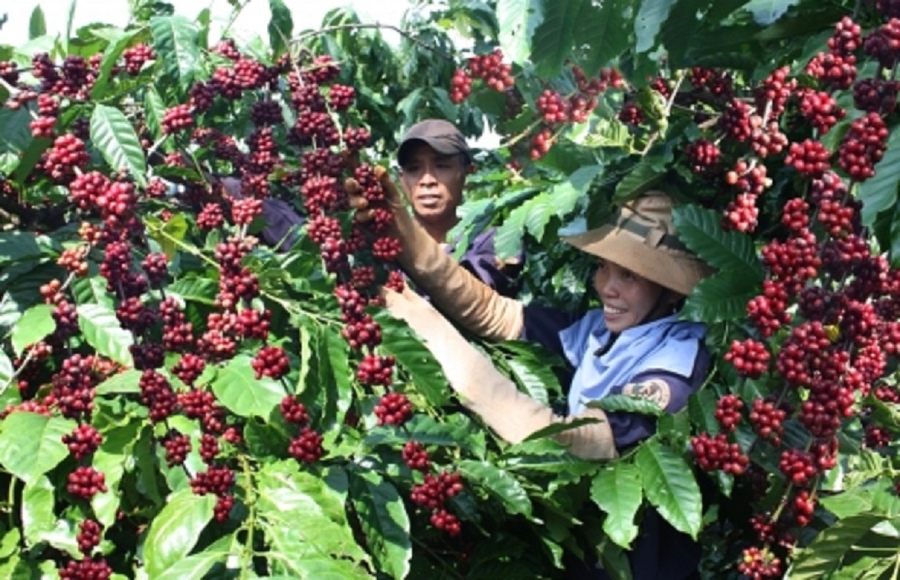
Tiếp tục đọc “Xuất khẩu cà phê kỷ lục khiến Tây Nguyên cạn nước và người nghèo nghèo thêm”
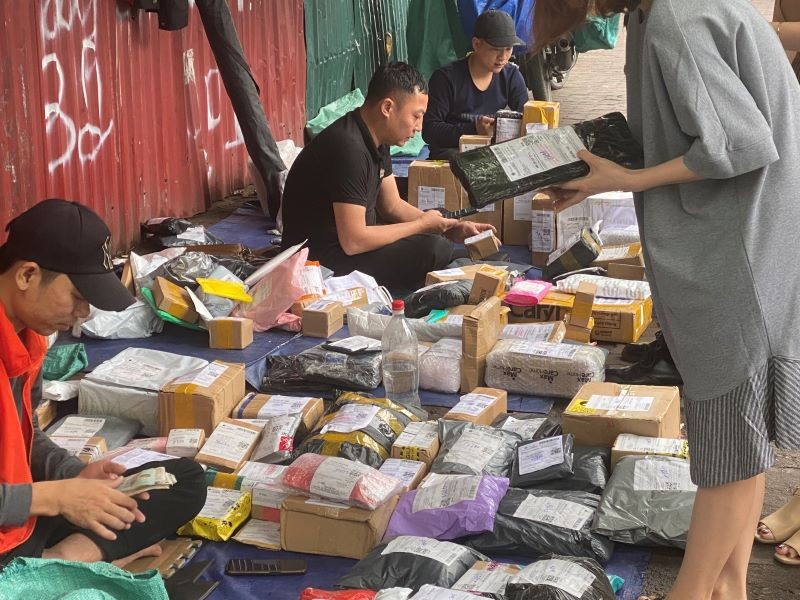
Thương mại điện tử (TMĐT) mang tới trải nghiệm mua sắm tiện lợi, song cũng thải ra môi trường lượng rác thải và khí thải khổng lồ từ khâu đóng gói tới vận chuyển sản phẩm.
Rác thải từ TMĐT là vấn đề môi trường cấp bách, cần được Nhà nước quan tâm và sớm ban hành các quy định cụ thể. Các sàn TMĐT, đơn vị vận chuyển, người bán cũng như người mua cần nâng cao ý thức, chung tay hướng tới giải pháp xanh để bảo vệ môi trường khi tham gia mua bán trực tuyến.
An An
***
Tùng Dương
Thương mại điện tử càng phát triển càng tác động xấu đến môi trường nếu không kiểm soát được rác thải, nhất là rác thải nhựa. Dự báo đến năm 2030, nếu thương mại điện tử Việt Nam có quy mô 100 tỷ USD thì sẽ để lại hơn 800.000 tấn rác thải nhựa và phải tốn rất nhiều nguồn lực để giải quyết vấn đề này.
Miền Tây đang phát triển: mở rộng cảng biển, vùng sinh thái công nghiệp, đường cao tốc, đổi mới đào tạo nghề cho lao động nông thôn…
Bức tranh Phát triển Đồng Bằng sông Cửu Long anh Hoành vẽ mấy năm trước đang dần thành hiện thực.
Mong cho bà con miền Tây có cuộc sống ấm êm.
 CVD
CVD 