By Nguyen Dong January 11, 2021 | 01:27 pm GMT+7 vnexpressA staff stands inside the Hai Van Tunnel 2, January 10, 2021. Photo by VnExpress/Nguyen Dong.
Hai Van Tunnel 2 in central Vietnam has opened to traffic Monday after four years of construction.
Connecting Thua Thien-Hue Province with central hub Da Nang, the tunnel of 6.2 kilometers (3.85 miles) is the longest road tunnel in Southeast Asia and helps reduce traffic pressure on Hai Van Road Tunnel 1.
Năm 2016, chỉ thị đầu tiên về tự do hóa thị trường điện châu Âu (năm 2006) kỷ niệm 20 năm ngày ban hành. Chúng ta có thể rút ra kết luận gì từ hai thập kỷ tự do hóa thị trường điện? Một số nhà quan sát, thậm chí những người có tiếng, [1] cũng đang tranh luận rằng thử nghiệm này là một thất bại.Theo định kỳ, các hội nghị được tổ chức tại Brussels hoặc các thủ đô khác để thảo luận về những cải cách mới được cho là cần thiết để cứu ngành điện châu Âu. Ủy ban Châu Âu đề xuất những thay đổi sau khi tham khảo ý kiến của các bên liên quan trên thị trường. [2]
Bài báo đưa ra một quan điểm lạc quan hơn đó là: tự do hóa ngành điện của châu Âu đã hoàn thành hầu hết các mục tiêu ban đầu của chỉ thị. Phải thừa nhận rằng có thể và sẽ cần phải cải tiến, nhưng chúng ta đã đi được một chặng đường dài. Vì vậy, ly nước đã đầy một nửa. Trong thời điểm nghi ngờ về sự thành công của hội nhập châu Âu, ngành điện cho chúng ta nhiều cơ sở để hài lòng.
The Mekong Delta region is set to get over 300 kilometers of expressways in the next five years as the government seeks to boost connectivity and economic growth.
By Dat Nguyen November 18, 2020 | 08:37 am GMT+7 vnexpressAn aerial view of the Vietnam-Singapore Industrial Parks in southern Binh Duong Province. Photo courtesy of Becamex IDC Corp.Chinese manufacturing companies accounted for 88 percent of $1.57 billion poured into Vietnam’s industrial parks in the first nine months, showing an increasing shifting trend to Vietnam.
Among 20 key investments in the north and south regions, 15 were made by companies from mainland China, Taiwan or Hong Kong, according to a recent report by real estate consultancy Savills.
Companies from Hong Kong participated in eight deals with a total investment of nearly $700 million, while those from mainland China were involved in four deals worth over $300 million.
Companies from Taiwan invested in three deals worth $380 million in the north.
The biggest investments include the $333 million of Taiwanese electronics producer Wistron Corporation and its subsidiary. Wistron is a major laptop producer that has secured land in the northern province of Ha Nam.
The other Chinese companies were in the sectors of electronics, textile and garment, plastic, rubber, and paper.
Among the remaining five non-Chinese investments, two were from Singapore and the rest from Thailand, Japan and South Korea.
Vietnam is seeing rising demand for industrial land amid the establishment and expansion of multinationals as they seek to diversify their supply chains.
The country’s 280 industrial parks posted an occupancy of 70.1 percent in the first 10 months, and another 89 parks are being constructed, according to the Ministry of Planning and Investment.
Data from Savills shows that industrial parks in the northern Bac Ninh Province, the southern Dong Nai and Binh Duong Province are recording high occupancy rate of 94-99 percent, showing a need for an increase in supply.Related News:
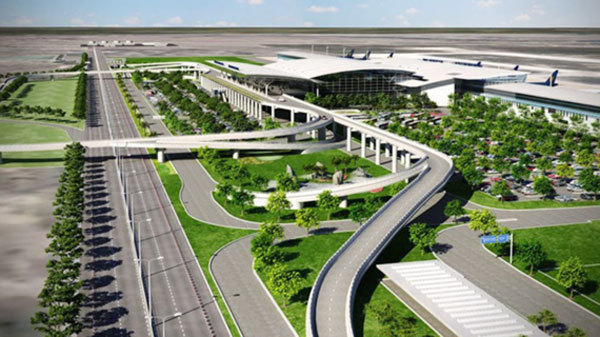
Deputy Prime Minister Trinh Dinh Dung has approved the first phase of the Long Thanh International Airport in the southern province of Dong Nai.
A rendering of the proposed Long Thanh International Airport in the southern province of Dong Nai. – Photo courtesy of Airports Corporation of Vietnam
The project has four component projects such as headquarters of State management agencies, flight management services, essential airport facilities, and other works.
Major works such as airport buildings, the aircraft apron, passenger terminals, and cargo terminals will be built by the Airport Corporation of Vietnam (ACV), which operates 21 airports across the country.
ACV has to raise funding for the construction.
The first phase of the airport, expected to cost more than US$4.6 billion, is projected to be completed by 2025.
The investment was approved by the National Assembly in 2017, which also issued a resolution on compensation and resettlement of and support for affected individuals and organisations.
Prime Minister Nguyen Xuan Phuc urged Dong Nai Province authorities to hand over the required lands in October so that construction of the airport could begin early next year.
He also set a deadline for assessing cleared land for compensation purposes by the end of this month.
The Ministry of Transport should work closely with the province to promptly resolve all challenges to ensure the project remains on schedule, he said.
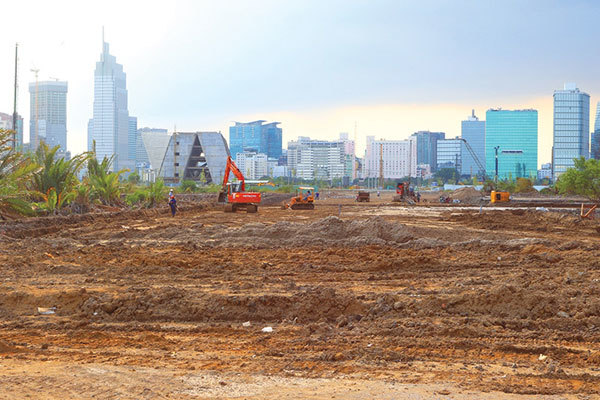
The airport work requires more than 5,000ha of land and more than 364ha elsewhere to build two resettlement sites.
Around 4,800 households and 26 organisations are expected to be relocated to make way for it.
Spread over a total area of more than 5,580ha, the airport will straddle six communes in Long Thanh District. It is expected to cost VNĐ336.63 trillion ($14.47 billion), with the construction divided into three phases.
In the first phase one runway with a length of 4,000m, taxiways, an apron, and a passenger terminal with other auxiliary works involving a total floor area of 373,000 sq.m will be built to serve 25 million passengers and 1.2 million tonnes of cargo each year.
The airport is expected to have four runways, four passenger terminals and other auxiliary works to ensure a capacity of 100 million passengers and 5 million tonnes of cargo a year by 2040.
Tan Son Nhat International Airport in HCM City, the country’s largest, has been seriously overloaded for years, both in the air and on the ground.
The Ministry of Transport said Long Thanh International Airport is a key national project that would have a significant impact on the southern key economic region. VNS
TTO – Trước Quốc hội, Bộ trưởng Bộ Giao thông vận tải Nguyễn Văn Thể thừa nhận việc triển khai các dự án đường sắt đô thị ‘đã bộc lộ nhiều vấn đề, đặc biệt vấn đề chậm tiến độ’.
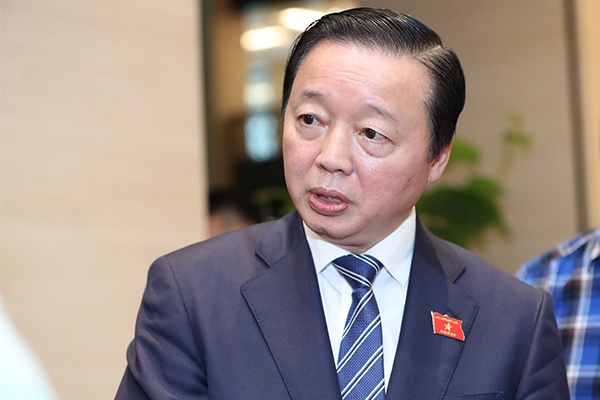
Answering the local press on the sidelines of the National Assembly session, Minister of Natural Resources and the Environment Tran Hong Ha said the principle of his ministry is ‘not to develop small-scale hydropower at any cost’.
Many experts believe that the historic floods in the central region some days ago were the results of climate change. How does the draft of the amended law on environmental protection address the issue?
Minister of Natural Resources and the Environment Tran Hong Ha
The issues related to climate change, natural disasters and floods are mentioned in many laws. The reason behind recent floods is extreme climate change. All the indicators exceed the indicators of the floods in history.
Prime Minister Nguyen Xuan Phuc asked the Ministry of Transport to propose a feasible plan for the North-South high-speed railway, considering this the backbone of the national strategy on railway development by 2050.
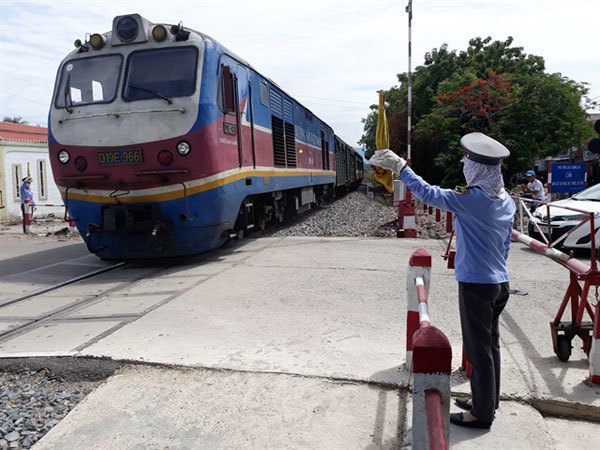
A train in Ninh Phuoc District, Ninh Thuan Province. — VNA/VNS Photo
The high-speed line, inter-provincial, inter-regional and urban railway networks must also be added to the strategy, he said.
He was speaking at a Government meeting on Wednesday on the development strategy for Vietnam’s railway towards 2050.
Further clarifying the legal framework for infrastructure development via wider participation of private investors is expected to help the country attract more funding into the industry.
Infrastructure development at the centre of PPP decree direction. Photo: Le Toan/VIR
The Ministry of Planning and Investment is now compiling two decrees to guide the implementation of the Law on Public-Public Partnership Investment. They include a decree on detailing the law and another one on selecting investors.
By Phuoc Tuan October 9, 2020 | 08:31 pm GMT+7 VNExpressAn intersection between the Ho Chi Minh City – Long Thanh – Dau Giay Expressway with the National Highway 1A in Thong Nhat District, Dong Nai Province. Photo by VnExpress/Phuoc Tuan.
A VND18 trillion ($777 million) expressway is proposed to be built between the southern province of Dong Nai and Lam Dong in the Central Highlands.
The 67-kilometer expressway will have four lanes and allow vehicles to travel at up to 80 kilometers per hour, according to a pre-feasibility report drawn up by the Ministry of Transport’s Thang Long Project Management Unit.
Vận chuyển 1 container tôm từ TP.HCM ra tới Hà Nội mất 80 triệu đồng, gấp đôi chi phí vận chuyển ra nước ngoài. Các chuyên gia, doanh nghiệp cho rằng chi phí logistics hiện quá cao đang cản đường tiêu thụ nông sản Việt.
Minister of Planning and Investment Nguyen Chi Dung has urged localities in the south-east and Mekong Delta regions to develop transport infrastructure by diversifying the sources of and effectively using capital over the next five years.
Vam Cong Bridge across Hau River in the Mekong Delta. VNA/VNS Photo
Speaking at a conference on socio-economic development in the two regions, he called on them to lay out their objectives and priorities for public investment in 2021-25 to ensure “focused and effective investment.”
In recent years both Hanoi and HCM City have undergone rapid development, with many skyscrapers, immense boulevards, and impressive public works taking shape.
Let’s take a look at the amazing architectural feats of the nation’s two largest cities:
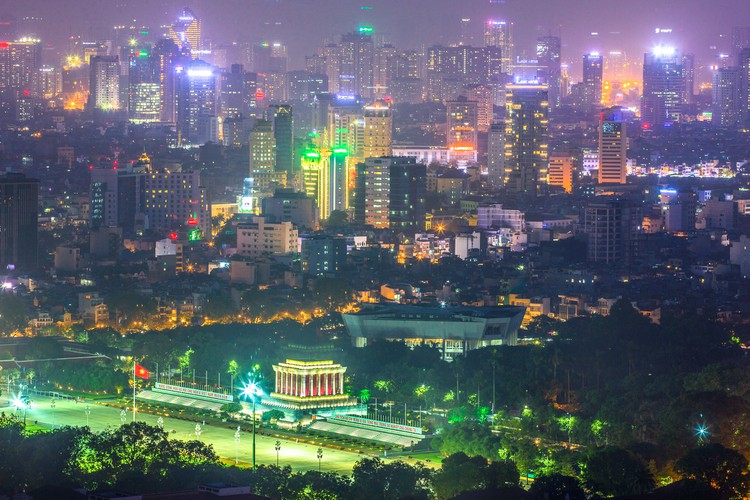
Ba Dinh Square, the country’s largest square, is located on Hung Vuong street directly in front of the Ho Chi Minh Mausoleum. The site is the place where President Ho Chi Minh proclaimed the Declaration of Independence on September 2, 1945, therefore marking the start of the Democratic Republic of Vietnam.
Thursday, August 20, 2020, 10:32 GMT+7 tuoitrenews
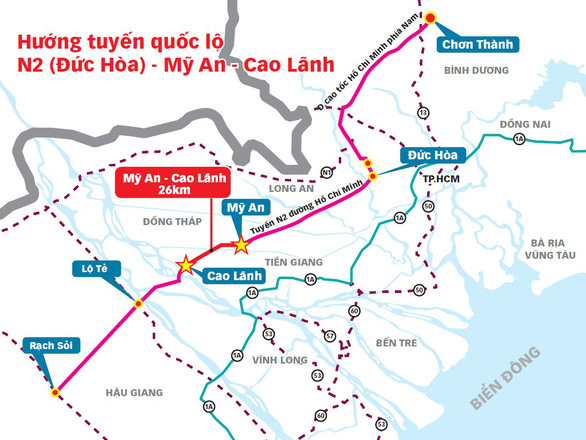
A map details the location of the future My An-Cao Lanh road in the road network of Vietnam’s Mekong Delta region. Graphic: Tuoi Tre
Vietnam’s prime minister has approved a proposal by the Ministry of Planning and Investment and the Ministry of Finance to construct a key road in the Mekong Delta using official development assistance (ODA) loans from South Korea.

 A staff stands inside the Hai Van Tunnel 2, January 10, 2021. Photo by VnExpress/Nguyen Dong.
 An aerial view of the Vietnam-Singapore Industrial Parks in southern Binh Duong Province. Photo courtesy of Becamex IDC Corp.Chinese manufacturing companies accounted for 88 percent of $1.57 billion poured into Vietnam’s industrial parks in the first nine months, showing an increasing shifting trend to Vietnam.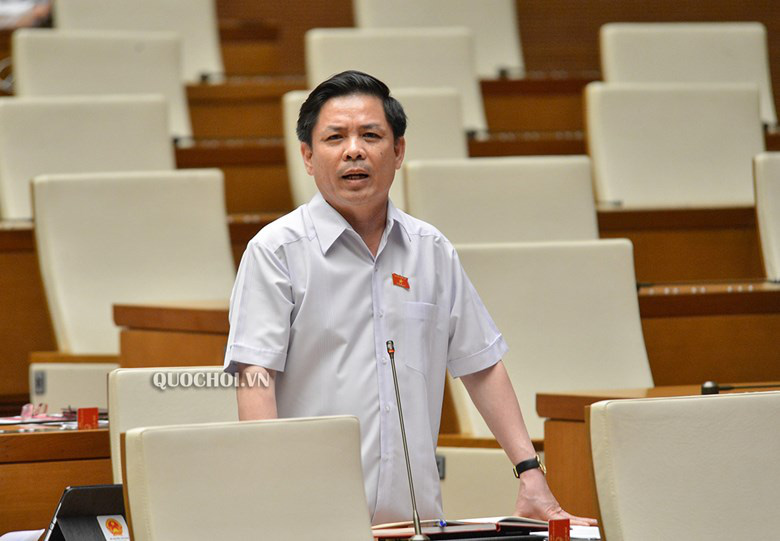
 An intersection between the Ho Chi Minh City – Long Thanh – Dau Giay Expressway with the National Highway 1A in Thong Nhat District, Dong Nai Province. Photo by VnExpress/Phuoc Tuan.


 CVD
CVD