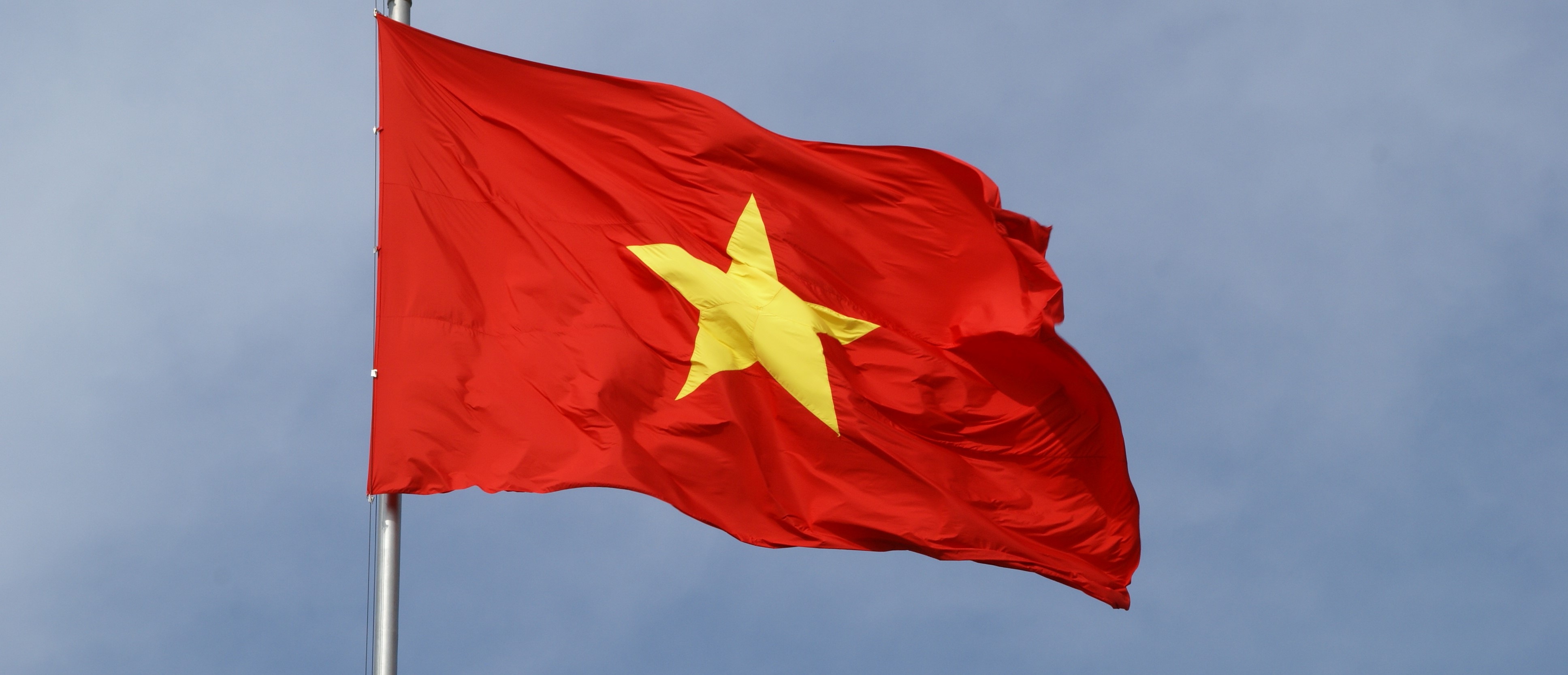
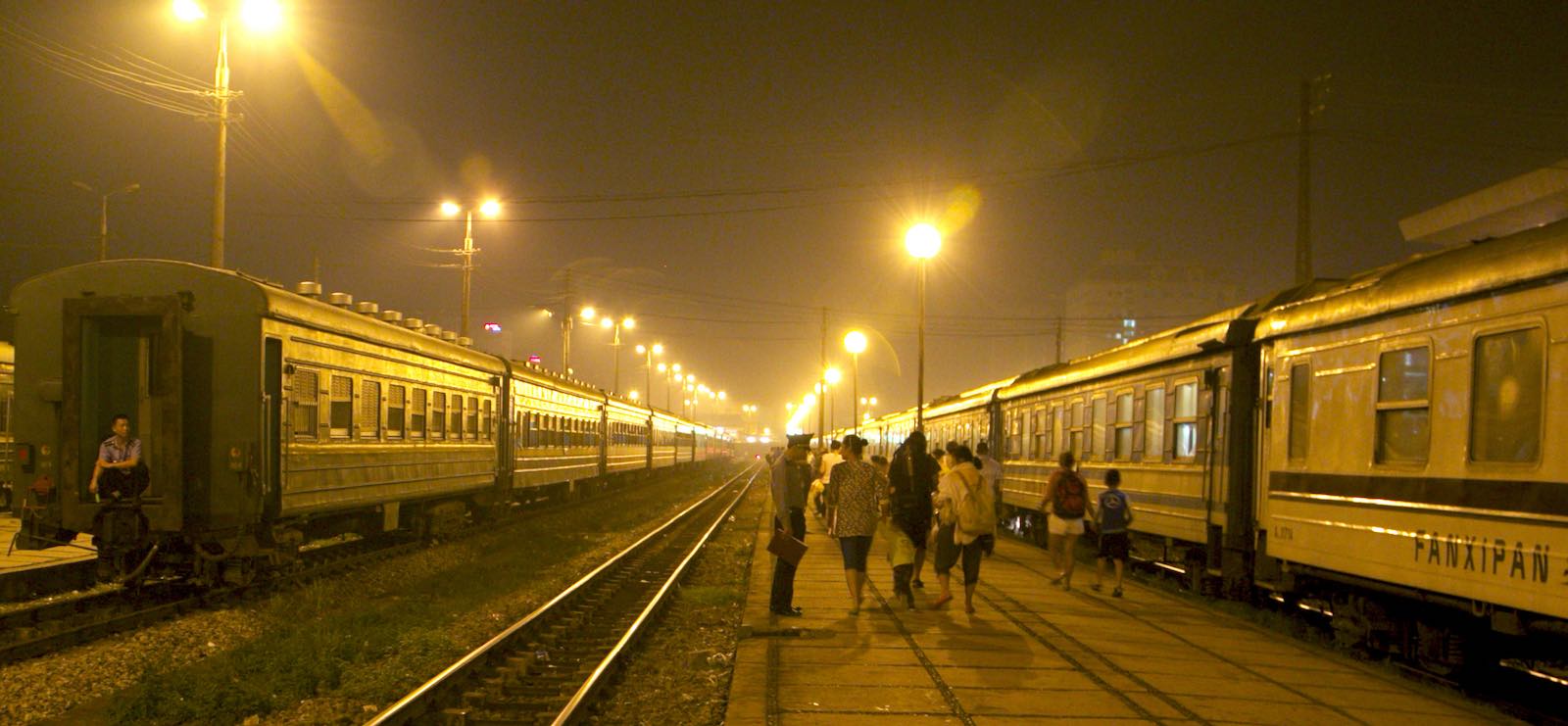
Pham Van Tan, a 31-year-old Vietnamese, was driving a truck loaded with about 20 tonnes of dragon fruit produced in Vietnam’s Da Nang. Once passing the customs checkpoints, the goods will soon be seen in the markets of cities such as Shanghai and Beijing. Tiếp tục đọc “Economic Watch: Trade recovers on China-Vietnam border”
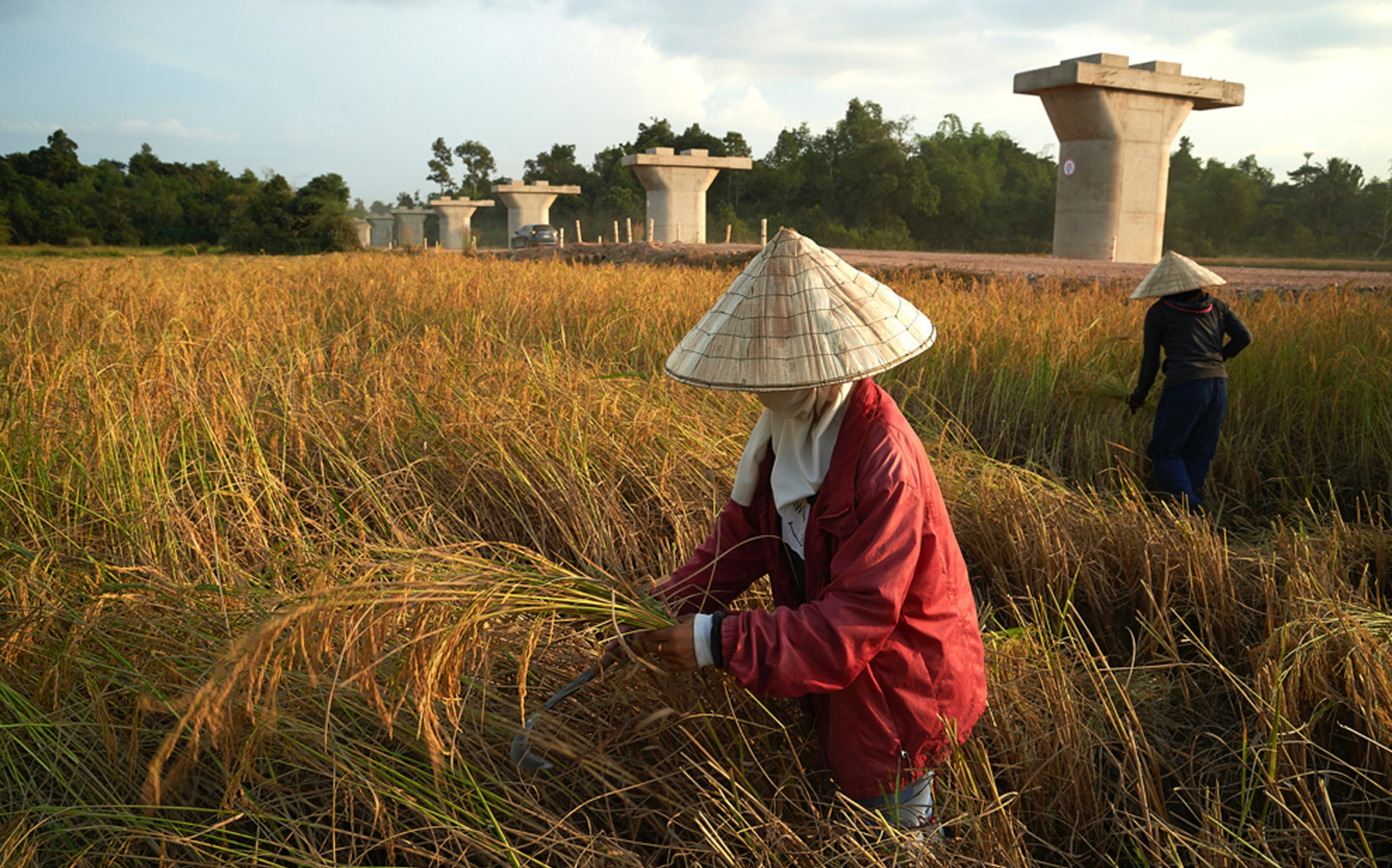
Chuyên mục: China
The History of China’s Green Energy Revolution
Tiếp tục đọc “The History of China’s Green Energy Revolution”
Offshore wind farms could power much of coastal China
February 21, 2020
Source: Harvard John A. Paulson School of Engineering and Applied Sciences
Summary:If China is to meet and exceed its Paris Climate Agreement goal by 2030, it’s going to need to find a way to increase its wind capacity. Researchers found that offshore wind could be a big part of the solution.
Under the Paris Climate Agreement, China committed to rely on renewable resources for 20 percent of its energy needs by 2030. Currently, the country is on track to double that commitment, aiming to hit 40 percent by the next decade. Wind power is critical to achieving that goal. Over the past 20 years, China’s wind power capacity has exploded from 0.3 gigawatts to 161 gigawatts.
But, in recent years, that growth has slowed and the hopes for China’s wind-powered future have dampened.
Why? Location, location, location. Tiếp tục đọc “Offshore wind farms could power much of coastal China”
Banks need to take Belt and Road environmental risks seriously
China’s banks supporting BRI projects should apply environmental risk-management policies and oversight, says Divya Narain

China’s Belt and Road Initiative (BRI) is intended to catalyse the economies of countries around the globe.
Yet BRI projects overlap some of the most ecologically fragile places on earth. The multi-trillion-dollar initiative – to build transcontinental networks of roads, railways and ports, studded with dams, mines, power plants, and solar and wind farms – has its environmental impacts. These include air and water pollution, soil contamination and erosion, habitat and wildlife loss. Tiếp tục đọc “Banks need to take Belt and Road environmental risks seriously”
Coronavirus Exposes Core Flaws, and Few Strengths, in China’s Governance
While China can mobilize a huge national response to the outbreak, its response to the crisis is also a lesson in how the country’s political weak points can carry grave consequences for world health.

Health care workers at the Wuhan Red Cross Hospital on Saturday.Credit…Hector Retamal/Agence France-Presse — Getty Image
By Max Fisher
-
Published Jan. 25, 2020Updated Jan. 26, 2020, 12:45 a.m. ET
It was the initial news reports that first suggested China’s political system might be getting in the way of its ability to confront the coronavirus outbreak.
The outbreak seemed to already be a full-blown crisis, infecting dozens in China and even some abroad, by the time it became widely reported. Tiếp tục đọc “Coronavirus Exposes Core Flaws, and Few Strengths, in China’s Governance”
China holds firm on strategy to build self-sufficient domestic polysilicon industry
pv-magazine.com
The Chinese government will extend duties on U.S. and South Korean polysilicon for another five years from today despite committing to buy $200 billion more American goods and services in the trade deal signed on Wednesday. Poly manufacturer REC Silicon says it expects polysilicon to form part of that trade agreement.

China’s latest trade tariff announcement appears to be at odds with the deal just signed with the U.S.
Image: Nathan Hughes Hamilton/Flickr
China’s Ministry of Commerce (MOFCOM) has announced the anti-dumping duties applied to U.S. and South Korean-made polysilicon will remain in place for another five years from today.
Norwegian poly producer REC Silicon, which manufactures almost all of its current output of the solar module raw material in the U.S., said this morning the extension of duties announced yesterday was expected as part of a pre-planned tariff review independent of the trade deal thrashed out by President Trump and China on Wednesday. Tiếp tục đọc “China holds firm on strategy to build self-sufficient domestic polysilicon industry”
Oldest Confucius Institute in U.S. to Close
The oldest Confucius Institute in the United States is closing. In a letter to students and faculty and staff members at the University of Maryland at College Park, President Wallace D. Loh said the 15-year-old Chinese language and cultural center would shut down because of 2018 legislation that made colleges with the institutes, which are supported by the Chinese government, ineligible for certain Defense Department funding. Maryland is among nearly two dozen American colleges to close their Confucius Institutes in the last two years. And it’s the second in little more than a week —– the University of Missouri also will shutter its center. Colleges have faced pressure over Confucius Institutes from lawmakers who say the agreements lack transparency and amount to Chinese-government propaganda on American campuses. In his letter, Loh said Maryland remained committed to education and scholarship in Chinese language and culture.
What the Philippines and Australia can learn from Vietnam about living with China

Published 5 Oct 2016 11:14 Lowry Institute
It is early days, granted, but the Philippines’ crude and crass new president Rodrigo Duterte appears increasingly intent on reversing his predecessor’s plucky South China Sea policy and pro-Alliance leanings, opting instead for a tilt towards China. Tiếp tục đọc “What the Philippines and Australia can learn from Vietnam about living with China”
Belt and rail: New Vietnam- China train aims to put relations on track
Updating a colonial legacy railway might offer more than a
smoother connection between sometimes tense neighbours.

Last year, China and Vietnam unveiled plans to refurbish a colonial-era railway between the two countries. It was an attempt to update a historical legacy – and also signified new bilateral dynamics in a consequential and sometimes fraught regional relationship. Tiếp tục đọc “Belt and rail: New Vietnam- China train aims to put relations on track”
VN sẽ thế nào nếu TQ đặt căn cứ ở Campuchia?
Tuần này, truyền thông loan tin rằng Campuchia có thể đã bí mật ký thỏa thuận cho phép Trung Quốc sử dụng căn cứ hải quân Ream, đồng thời một dự án quy mô khác ở Dara Sakor cũng bị nghi ngờ là nhằm phục vụ mục đích quân sự.
Bộ đội VN xuất hiện khiến dư luận xứ Cam xôn xao đồn đoán
Trên truyền thông xã hội Campuchia gần đây xôn xao đồn đoán khi thấy sự xuất hiện của một số bộ đội Việt Nam trên khu vực biên giới. Điều đó đã khiến Thủ tướng Hun Sen phải lên tiếng trấn an.
Sự thực tin đồn hậu duệ VN đi đầu phong trào ở Hong Kong
Hong Kong: Học đường biến thành chiến trường và cội rễ sâu xa
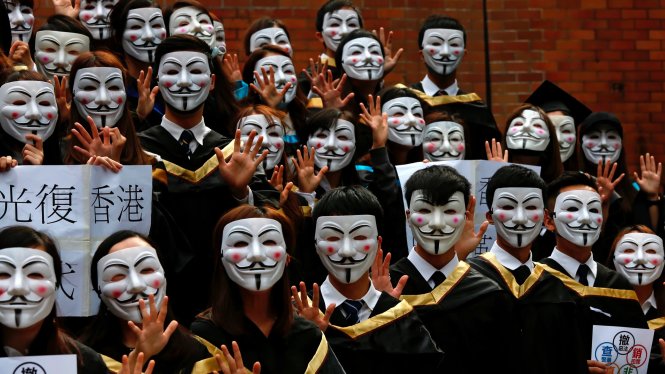
TTCT – Trong khi tám đại học lớn được chính quyền tài trợ ở Hong Kong có lịch sử đấu tranh chính trị đã lâu đời, những cuộc biểu tình do sinh viên khởi phát và đóng vai trò trụ cột khắp vùng lãnh thổ này suốt 5 tháng qua là chưa có tiền lệ. Những trận chiến âm thầm khác diễn ra ngay trong khuôn viên xanh mát của các trường đại học cũng vậy.
![]() |
| Sinh viên Đại học Bách khoa Hong Kong đeo mặt nạ trong lễ tốt nghiệp. Ảnh: Nikkei |
Tiếp tục đọc “Hong Kong: Học đường biến thành chiến trường và cội rễ sâu xa”
Việc Nhật Bản dẫn dắt thương mại tự do tác động không ngờ đến quá trình cải cách kinh tế của Trung Quốc

Giữa lúc mối đe dọa chủ nghĩa bảo hộ tiếp tục lấp ló từ cuộc chiến thương mại Mỹ – Trung Quốc, một cường quốc thương mại khác là Nhật Bản đã đứng lên trở thành người bảo vệ tự do thương mại.
Hiệp định Đối tác Toàn diện và Tiến bộ Xuyên Thái Bình Dương (CPTPP) giữa 11 quốc gia, đại diện cho 13% GDP toàn cầu và 500 triệu người dân, đã có hiệu lực từ ngày 30/12 năm 2018. Một tháng sau đó, Hiệp định Đối tác Kinh tế (EPA) giữa Nhật Bản và Liên minh Châu Âu cũng có hiệu lực, mở ra một khu vực tự do thương mại lớn nhất trên thế giới – đạt gần 1/3 GDP toàn cầu và 635 triệu người. Tiếp tục đọc “Việc Nhật Bản dẫn dắt thương mại tự do tác động không ngờ đến quá trình cải cách kinh tế của Trung Quốc”
Tại sao Trung Quốc theo đuổi sáng kiến Vành đai và Con đường?

Vì “Vành đai và Con đường” (BRI) đã được đưa vào Điều lệ Đảng Cộng Sản Trung Quốc như một sáng kiến đối ngoại đặc trưng của Chủ tịch Tập Cận Bình, thất bại của sáng kiến trên có thể làm giảm uy tín của Đảng Cộng Sản Trung Quốc, đồng thời đặt ra một thách thức lớn dành cho chính quyền Tập Cận Bình, sau khi chính quyền này đã chi hàng tỷ đô la đầu tư ra nước ngoài cho BRI. Tiếp tục đọc “Tại sao Trung Quốc theo đuổi sáng kiến Vành đai và Con đường?”