*Một tuần sau lũ quét xảy ra ở Nghệ An, các địa phương khác tiếp tục bị ảnh hưởng nặng nề bởi lũ quét, và đều xảy ra tại các tỉnh có tỷ lệ rừng tự nhiên bị chặt phá trên diện rộng*
Nghệ An: Lũ ồ ạt đổ về, gần mức 5.000 năm xảy ra 1 lần.
Lũ đổ về quá quá lớn khiến nhiều xã miền núi ở Nghệ An ngập sâu trong nước, người dân tất tả chạy lũ trong đêm. Lưu lượng nước về hồ thủy điện Bản Vẽ gần mức 5.000 năm xảy ra 1 lần.
Đêm 22.7, UBND tỉnh Nghệ An phát thông báo khẩn cho biết lúc 21 giờ cùng ngày, lưu lượng nước thượng lưu về hồ thủy điện Bản Vẽ đạt 9.543 m3/giây, gần đạt lưu lượng đỉnh lũ kiểm tra là 10.500 m3/giây (tần suất 0.02%, tức là 5.000 năm xảy ra 1 lần).
Singapore has come a long way since the 1880s, when only roughly 7% of its native forests remained. Since the 1960s, when the city-state gained independence, it has implemented a number of urban regreening initiatives, and today, nearly 47% of the city is considered green space, providing numerous benefits to human residents and wildlife, like heat mitigation, freshwater conservation and cleanliness, carbon sequestration, coastal climate adaptation, biodiversity protection, and public enjoyment.
To discuss his city’s regreening efforts — from the philosophical to the practical applications of methods and mindset shifts that have allowed the city to revitalize its urban wildlife interface — Anuj Jain, director and principal ecologist at the biomimicry consultancy bioSEA and an adviser to BirdLife International, joins Mongabay’s latest podcast.
Để thực hiện mục tiêu chiến lược phân bố dân số phục vụ cho phát triển kinh tế – xã hội đất nước và củng cố quốc phòng, ngay từ những năm 1960 của thế kỷ trước, Đảng và Nhà nước ta đã quan tâm phân bố lại dân cư và lao động trong cả nước bằng những chính sách cụ thể như: chính sách vận động nhân dân đi xây dựng kinh tế mới, chính sách định canh định cư ổn định di dân tự do, chính sách di dân ổn định biên giới… Gần đây nhất là các chính sách di dân để phục vụ mục tiêu công nghiệp hóa, hiện đại hóa đất nước, mục tiêu dân sinh trên một số địa bàn miền núi, vùng sâu, biên giới, để vừa đảm bảo cho khai hoang phát triển kinh tế, vừa đảm bảo mục tiêu quốc phòng, an ninh. Đánh giá tình hình thực hiện các chính sách di dân của Đảng, Nhà nước qua các thời kỳ, đã có một số công trình nghiên cứu, các ấn phẩm, bài viết về thực hiện chính sách di dân.
Các nghiên cứu về chính sách di dân
1. Các nghiên cứu về tình hình thực hiện chính sách di dân xây dựng kinh tế mới, di dân định canh định cư, di dân ổn định biên giới. Một trong những nghiên cứu đề cập khá toàn diện đến chính sách di dân là công trình của Đặng Nguyên Anh về Chính sách di dân trong quá trình phát triển kinh tế – xã hội ở các tỉnh miền núi [1]. Trong nghiên cứu này, tác giả đã đi sâu tìm hiểu các loại hình di dân nổi bật ở miền núi trong những năm 1990, bao gồm di dân kinh tế mới, định canh, định cư di dân tự do và di dân ổn định biên giới, chỉ ra thực chất của các loại hình di dân này là loại hình di dân nông thôn – nông thôn. Đặc biệt là nghiên cứu đã đánh giá tổng quan về các chính sách di dân trên ba loại hình, phân tích những mặt được và chưa được trong chủ trương chính sách đối với các loại hình di dân nêu trên. Nhấn mạnh mặt được lớn nhất của chính sách di dân là phân bố lại lao động – dân cư, giãn dân đến những vùng vắng dân, thưa dân, vùng còn nhiều tài nguyên đất để phát triển kinh tế, đảm bảo quốc phòng, an ninh, biên giới. Đồng thời chỉ ra mặt hạn chế của chính sách là nhiều quy định của chính sách đã bộc lộ sự bất cập, ít khả thi như chính sách di dân kinh tế mới với quy mô đầu tư dàn trải, thiếu đồng bộ, mang tính bình quân và chưa tính đến những đặc trưng riêng của từng vùng. Công tác định canh định cư mặc dù được lồng ghép trong các chính sách hỗ trợ cho miền núi song chưa đem lại hiệu quả như mong muốn, chưa góp phần ổn định đời sống của đồng bào tộc người thiểu số ở các tỉnh miền núi.
Quá trình đánh giá thực trạng, kiểm định hiệu quả của các chính sách di dân đối với các loại hình di dân, tác giả đã đi sâu phân tích, đánh giá đặc điểm chủ yếu của các cộng đồng di dân, dựa trên kết quả khảo sát mẫu của đề tài với 7 tỉnh tại miền núi phía Bắc và Tây Nguyên. Kết quả cho thấy, người di cư có cuộc sống tương đối ổn định và có mục đích di cư lâu dài, ổn định cuộc sống. Tuy có sự khác nhau giữa các địa phương trong nội dung các chính sách di dân và định hướng phát triển kinh tế – xã hội, song mức độ hiểu biết về chính sách của người dân địa phương và nhận thức của cán bộ quản lý còn nhiều hạn chế. Khả năng tiếp cận được các chính sách hiện hành phụ thuộc rất nhiều vào công tác thông tin, tuyên truyền và sự triển khai thực hiện đến người dân bằng các lợi ích cụ thể, dù dưới loại hình di dân nào. Vì vậy, việc xây dựng và thực hiện một hệ thống chính sách đồng bộ và hiệu quả, phù hợp với tình hình di dân và điều kiện phát triển kinh tế – xã hội ở các tỉnh miền núi hiện nay là rất cần thiết.
Ngoài ảnh hưởng của biến đổi khí hậu, đặc điểm địa lý thì tình trạng mưa lũ ở nước ta trở nên nghiêm trọng hơn phần lớn là do vấn nạn chặt, phá rừng đầu nguồn để khai thác gỗ, phát triển nông nghiệp, thủy điện… Chính điều này gây ra sự suy giảm thảm thực vật ở lưu vực, khả năng cản trở dòng chảy khi mưa lũ giảm, khiến tốc độ di chuyển của mưa lũ nhanh hơn.
Rừng tự nhiên ở xã Phổ Cường (TX.Đức Phổ, Quảng Ngãi) bị chặt phá để trồng keo và bạch đàn. Những chu kỳ từ 4 – 5 năm với việc phát dọn – đốt trụi – trồng mới – khai thác cứ thế tiếp diễn khiến rừng bị ‘tổn thương’ nghiêm trọng.
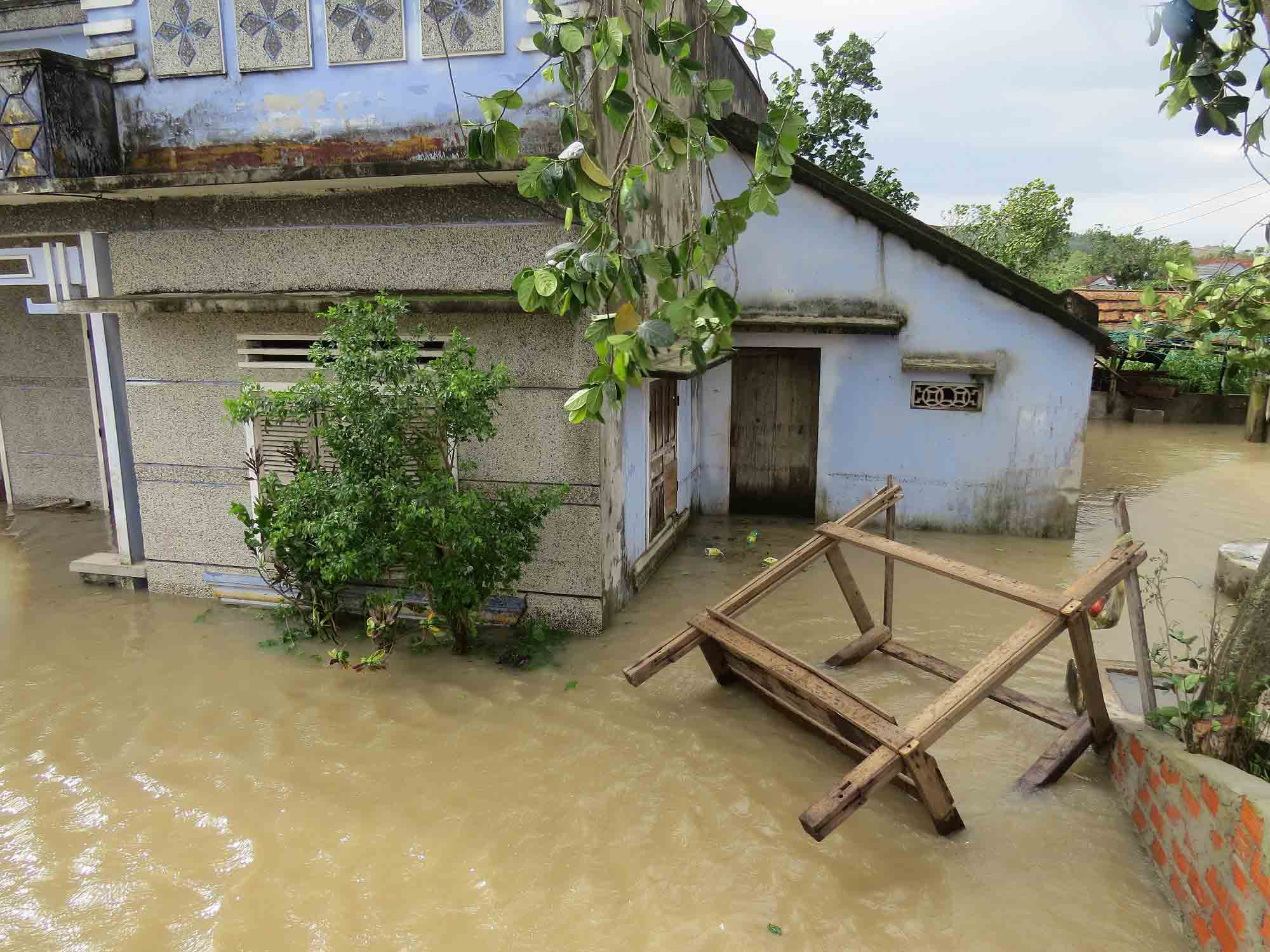
Nước lũ vào nhà
Bão số 6 (Trà Mi) đã tan nhưng người dân Phổ Cường vẫn còn lo lắng bởi chưa hết mùa mưa. Họ lo mưa lớn nước lũ tràn vào nhà gây nhiều thiệt hại. Trong tâm trí của họ vẫn còn ám ảnh đêm mưa vào tiết cuối thu 4 năm trước. Đêm đó, mưa như trút nước. Nửa đêm, nước tràn vào nhà khiến chị Nguyễn Thị Tươi và người thân phải kê cao đồ đạc bởi nền nhà bị ngập sâu hơn 20 cm.
“Mấy đợt trước, nước chỉ ngập ngoài sân rồi vô nhà bếp. Đêm đó ngập cả nhà trên lẫn nhà dưới luôn. Nước ngập là do mưa lớn, rừng phía sau nhà không còn giữ nước như xưa và cả việc làm đường nữa. Tuyến đường trước nhà (đường liên xã từ thôn Mỹ Trang, xã Phổ Cường đi thôn Vĩnh An, xã Phổ Khánh, TX.Đức Phổ) như đê ngăn nước nên rất nhiều nhà bị ngập”, chị Tươi cho biết.
Không có sông suối nhưng nhà của người dân ở thôn Mỹ Trang vẫn bị ngập
Từ đầu năm 2025 tới nay, tình trạng phá rừng ở Đắk Nông diễn biến phức tạp với số vụ tăng cao ở nhiều đơn vị, địa phương.
Theo UBND tỉnh Đắk Nông, từ đầu năm tới nay, tình trạng phá rừng tại địa bàn một số huyện có chiều hướng gia tăng, diễn biến phức tạp.
Tại huyện Đắk Glong, trong 2 tháng đầu năm đã xảy ra 23 vụ phá rừng làm thiệt hại hơn 4,1ha. Diện tích rừng bị thiệt hại chiếm gần 49% toàn tỉnh và tăng 31% so với cùng kỳ năm 2024.
Địa bàn huyện Đắk Song xảy ra 12 vụ phá rừng làm thiệt hại hơn 2,1ha trong thời gian đầu năm. Diện tích thiệt hại chiếm hơn 25% và tăng hơn 82% so với cùng kỳ năm 2024.
Tình trạng phá rừng diễn biến rất phức tạp và tăng cao tại lâm phần quản lý của các công ty lâm nghiệp. Phá rừng đồng loạt tăng tại lâm phần của Công ty TNHH MTV Lâm nghiệp Quảng Sơn (tăng gần 75% so với cùng kỳ), Công ty TNHH MTV Lâm nghiệp Đức Hòa (tăng gần 199% so với cùng kỳ)…
Trong hai tháng đầu năm 2025, diện tích rừng bị thiệt hại tăng 64% so với cùng kỳ năm 2024, với tổng diện tích 145,4 ha. Ngoài thiệt hại do cháy thì tình trạng chặt phá rừng cũng gia tăng mạnh, với mức tăng lên đến 43% so với cùng kỳ năm trước.
Báo cáo kinh tế – xã hội tháng 2 và 2 tháng đầu năm 2025 của Cục thống kê (Bộ Tài chính) cho thấy, diện tích rừng bị thiệt hại trong tháng 2/2025 là 73,1 ha, tăng 34,7% so với cùng kỳ năm trước. Trong đó: Diện tích rừng bị cháy là 17,1 ha, gấp 39,7 lần tập trung ở Cao Bằng 10,0 ha, Bắc Kạn 3,8 ha, Lai Châu 2,0 ha; diện tích rừng bị chặt, phá là 56,0 ha, tăng 4,0%.
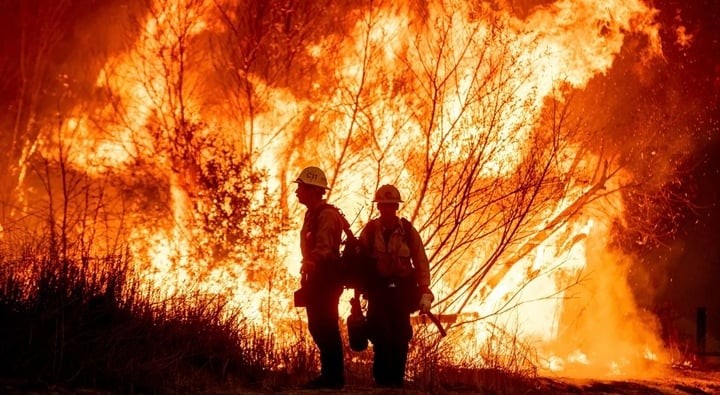
Diện tích rừng bị thiệt hại tăng mạnh (Ảnh minh hoạ).
Tính chung hai tháng đầu năm 2025, diện tích rừng bị thiệt hại là 145,4 ha, tăng 64,0% so với cùng kỳ năm trước, trong đó diện tích rừng bị cháy là 19,4 ha, gấp 27 lần; diện tích rừng bị chặt, phá là 126,0 ha, tăng 43,3%.
Tàu Vịnh Xanh được thiết kế cao hơn quy chuẩn, nhưng không có thiết bị phát tín hiệu cấp cứu tự động, cơ quan giám sát không sớm phát hiện khi tàu bị ngắt GPS.
Tàu Vịnh Xanh 58 chở 46 hành khách và 3 thuyền viên rời bến cảng Bãi Cháy, tỉnh Quảng Ninh lúc 12h55 ngày 19/7, đến 13h30 khi gần hang Đầu Gỗ thì bị giông gió xô lật úp, tất cả người trên tàu rơi xuống biển. Đến 14h05, tàu mất kết nối GPS. Vị trí tàu lật cách bến Tuần Châu hơn một km, cách đất liền ba km.
Tại cuộc họp chiều 20/7, đại tá Hoàng Văn Thuyết, Chính ủy Bộ Chỉ huy quân sự tỉnh Quảng Ninh, cho biết 15h30 đơn vị tiếp nhận tin báo tai nạn đầu tiên, tức sau hai tiếng xảy ra sự cố và sau 10 phút đã triển khai tàu cứu hộ tới hiện trường. Lý do cứu hộ cứu nạn chậm, theo đại tá Thuyết là sau khi tàu lật, trời xuất hiện mưa đá, giông gió tiếp tục đến khoảng 15h nên thông tin tai nạn được báo chậm.
Columbia Climate School identifies 65 ‘Red Zone’ nations across four separate climate scenarios.
43 nations in Sub-Saharan Africa, eight in Latin America and the Caribbean, six in Asia-Pacific, six in the Middle East, and two in Europe are most at-risk.
With support from The Rockefeller Foundation, the “Climate Finance Vulnerability Index” aims to help close the gap between risk assessments and funding allocations.
El Hierro, hòn đảo nhỏ trong quần đảo Canary của Tây Ban Nha, ghi dấu ấn lịch sử vào hè năm ngoái khi sử dụng toàn bộ nguồn năng lượng điện tái tạo trong 28 ngày liên tục.
El Hierro hiện là hòn đảo duy nhất trên thế giới đạt được kỳ tích như vậy. Theo báo cáo, hòn đảo 1,1 triệu năm tuổi này đang trên con đường đạt được khả năng tự cung tự cấp 100% năng lượng sạch nhờ vào gió và nước.
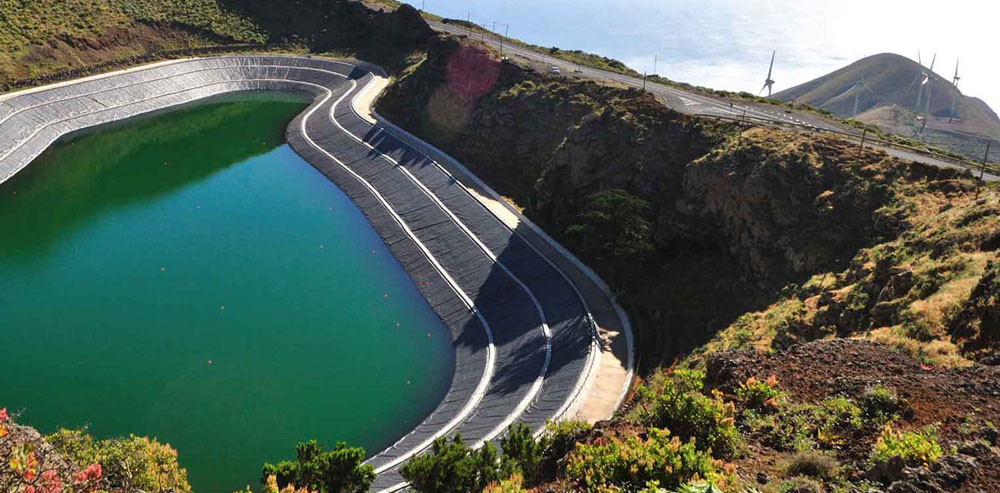
Nhà máy thủy điện Gorona del Viento là nguồn điện chính trên đảo, cung cấp năng lượng cho khoảng 11.000 cư dân. Nhà máy tận dụng địa hình của hòn đảo, kết hợp với những hồ nước ở những độ cao khác nhau tạo ra thủy điện và năng lượng gió từ ngoài khơi Đại Tây Dương.
Nhà máy điện hoạt động bằng cách khai thác năng lượng từ các tua-bin gió công nghiệp, được xây dựng trên sườn đồi. Vào những ngày gió lớn, công suất dư thừa từ trang trại gió 11,5 megawatt (MW), giúp bơm nước ngọt từ một hồ chứa nhỏ gần bến cảng của hòn đảo đến một lưu vực lớn hơn tại một miệng núi lửa cao khoảng 700m so với mực nước biển.
Massive glacial bursts are becoming more frequent and more dangerous due to the climate crisis, experts tell Mukesh Pokhrel, warning: ‘They are not going to stop anytime soon’
Wednesday 16 July 2025 12:25 BST
Up until a disastrous day earlier this month, more than 150 trucks crossed daily over a border bridge between Nepal and China. Known by locals as the Miteri Pul (Friendship Bridge), the Rasuwagadhi crossing served as the main trade route between the two countries, with over $50m of goods passing over it last year alone.
But on the 8 July, floodwaters tore through northern Nepal’s Rasuwa district, sweeping away parts of this critical border highway. According to the National Disaster Risk Reduction & Management Authority, seven people lost their lives, and 20 were missing, including six Chinese nationals.
The Chinese nationals were working on a 200 megawatt hydro project in the Tirsuli River, which was also damaged by the floods. Initial estimates suggest Nepal has sustained losses of over $100m in the incident as a whole.
People swim in the lagoon in Funafuti, Tuvalu, on November 28, 2019. Mario Tama/Getty ImagesSydney, AustraliaCNN —
More than a third of the population of Tuvalu has applied to move to Australia, under a landmark visa scheme designed to help people escape rising sea levels.
The island nation – roughly halfway between Hawaii and Australia – is home to about 10,000 people, according to the latest government statistics, living across a clutch of tiny islets and atolls in the South Pacific.
On June 16, Australia opened a roughly one-month application window for what it says is a one-of-a-kind visa offering necessitated by climate change. Under the new scheme, Australia will accept 280 visa winners from a random ballot between July and January 2026. The Tuvaluans will get permanent residency on arrival in Australia, with the right to work and access public healthcare and education.
More than 4,000 people have applied under the scheme, according to official figures seen by CNN.
“The opening of the Falepili Mobility Pathway delivers on our shared vision for mobility with dignity, by providing Tuvaluans the opportunity to live, study and work in Australia as climate impacts worsen,” Australian Foreign Minister Penny Wong said in a statement.
CNN has reached out to the Tuvalu government.
According to Tuvalu’s Prime Minister Feleti Teo, more than half of Tuvalu will be regularly inundated by tidal surges by 2050. By 2100, 90% of his nation will be regularly under water, he says.
Fongafale, the nation’s capital, is the largest and most populated islet in Tuvalu’s main atoll, Funafuti. It has a runway-like strip of land just 65 feet (20 meters) wide in some places.
“You can put yourself in my situation, as the prime minister of Tuvalu, contemplating development, contemplating services for the basic needs of our people, and at the same time being presented with a very confronting and disturbing forecast,” Teo told the United Nations Oceans Conference this month in Nice, France.
Indonesia received the most funding from China over the last decade, according to a new report by Zero Carbon Analytics. But uncertainties caused by US-driven tariff plans could see Southeast Asian countries retract green investments, said an analyst.
China’s PowerChina Huadong Engineering Corporation Limited constructed the Cirata floating solar plant in West Java, Indonesia. Image: PLN Nusantara
China is the leading source of public clean energy investments in Southeast Asia over the last decade, channeling over US$ 2.7 billion into projects across the region, according to a report by international research organisation Zero Carbon Analytics.
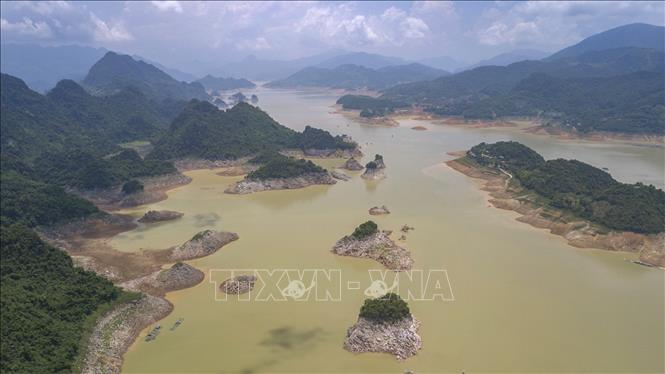
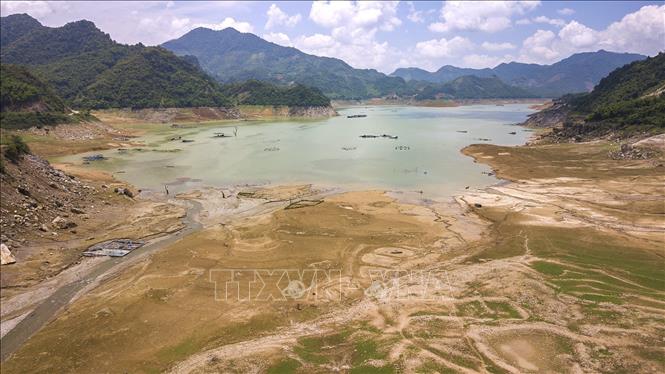
Từ tháng 3/2025, mực nước hồ thủy điện Hòa Bình liên tục xuống thấp đến mức kỷ lục, nhiều nơi trên lòng hồ cạn trơ đáy. Điều này đã ảnh hưởng nghiêm trọng đối với đời sống và sản xuất của người dân tại các xã ven hồ thuộc huyện Đà Bắc.
Đặc biệt, các hộ nuôi cá lồng, các bến cảng, các điểm du lịch cộng đồng, du lịch nghỉ dưỡng ở các xã Vầy Nưa, Hiền Lương và Tiền Phong của huyện Đà Bắc đang bị ảnh hưởng nặng nề do môi trường nước thay đổi bất thường.
Hình ảnh lòng hồ Hòa Bình khi mực nước xuống thấp kỷ lục đã làm những dãy đảo đá trơ trọi xơ xác trên nền màu nước đục ngầu.Nhiều năm qua, hồ Hòa Bình đang đối mặt với nguy cơ sụt giảm lượng nước nghiêm trọng vào mùa khô điều này đang gây ra nhiều tác động tiêu cực đến đời sống và sản xuất của người dân.
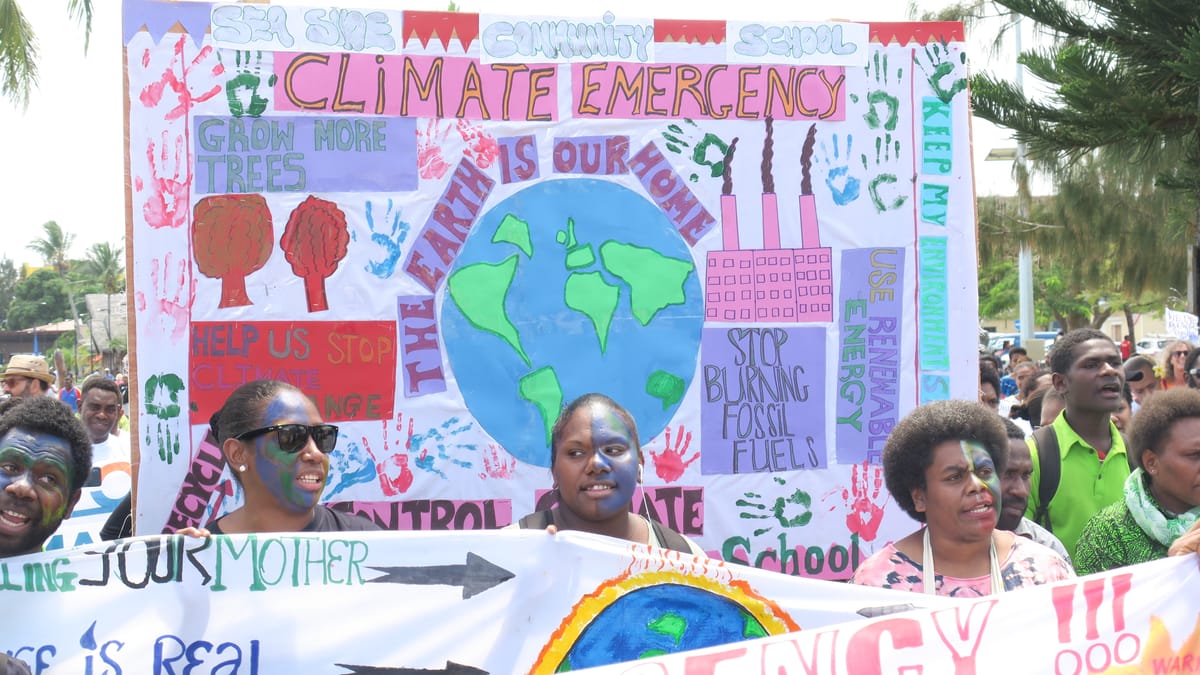
The climate crisis is the single greatest global public health threat of this century, health professionals say. Human rights experts warn it poses an unprecedented risk to human rights. For the world’s poor and most vulnerable people and communities on the frontlines of climate impacts like rising seas, it is an existential crisis threatening their very survival.
Yet the global response to what scientists say is undoubtedly a global emergency has fallen woefully short, through a United Nations governance framework that essentially rests upon voluntary pledges that nations of the world submit – called Nationally Determined Contributions – to reduce their greenhouse gas emissions. Last year, leading climate experts wrote to top UN officials calling for reform of the international climate negotiations, arguing that the “current structure simply cannot deliver the change at exponential speed and scale, which is essential to ensure a safe climate landing for humanity.”