By Simon Jessop, Leigh Thomas and Tommy Wilkes June 23, 20237:05 PM GMT+2Updated 11 days ago

- Summary
Conversations on Vietnam Development

By Simon Jessop, Leigh Thomas and Tommy Wilkes June 23, 20237:05 PM GMT+2Updated 11 days ago
By Vuong Thi Hao Linh 3 July 2023 at 10:53
The 1% of Vietnamese households without electricity rely on decentralized, micro renewable systems for power supply. Are such innovations sustainable?
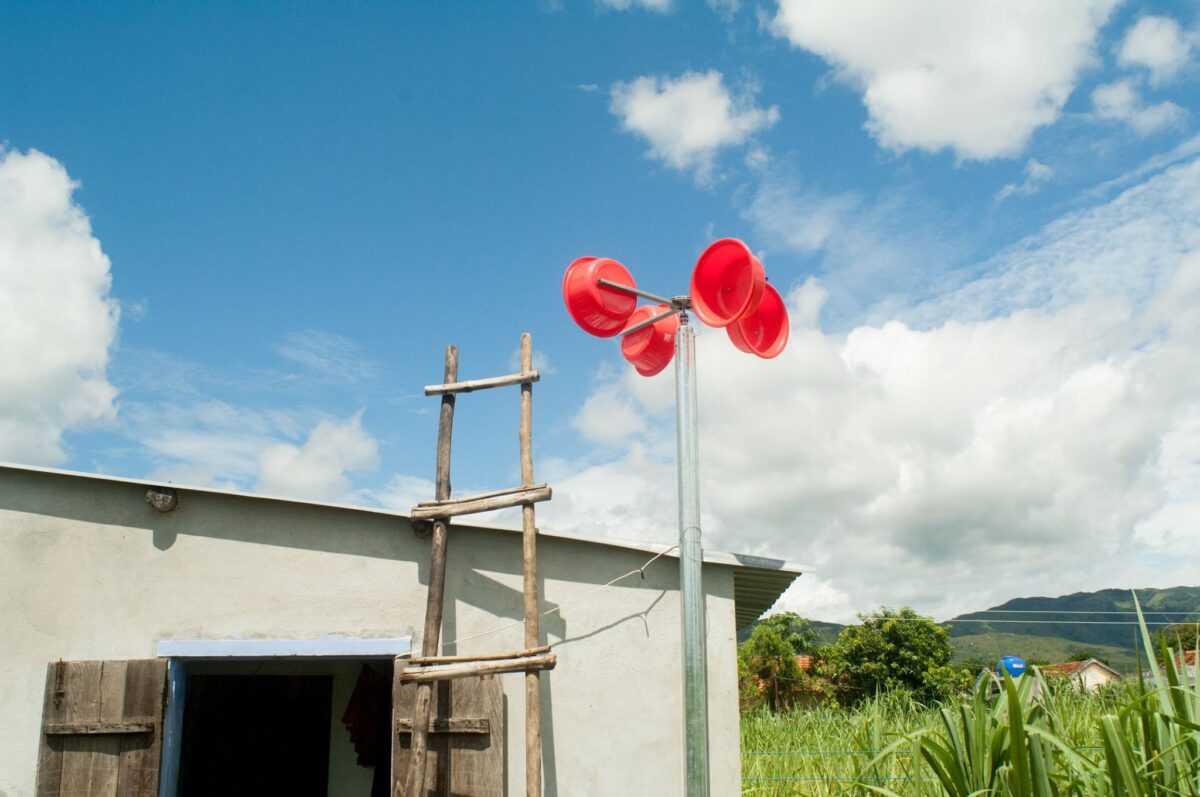
A mini wind turbine set up in the countryside of Vietnam. PHOTO: 1516 energy
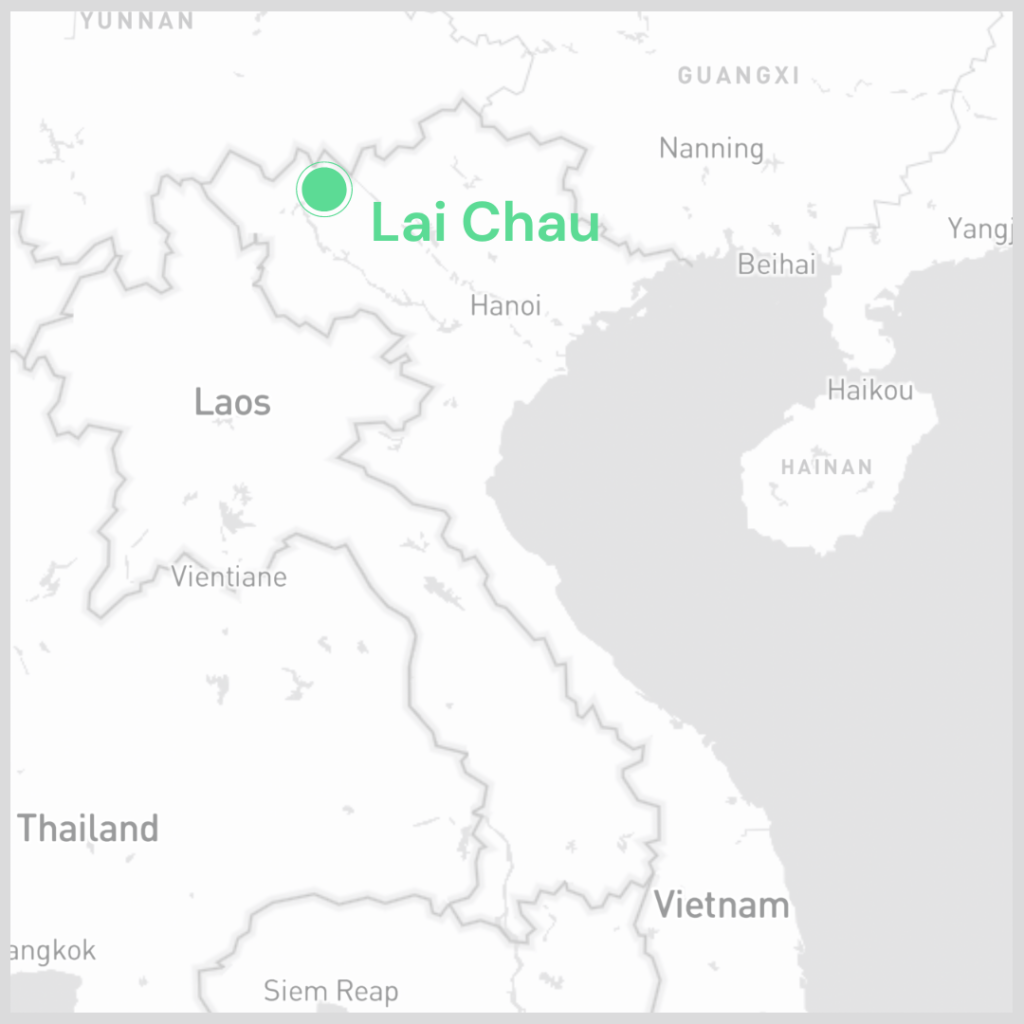
LAI CHAU, VIETNAM – In November 2019, teachers and students at the Pa U elementary boarding school in Muong Te district in Vietnam’s Lai Chau province had electricity for the first time.
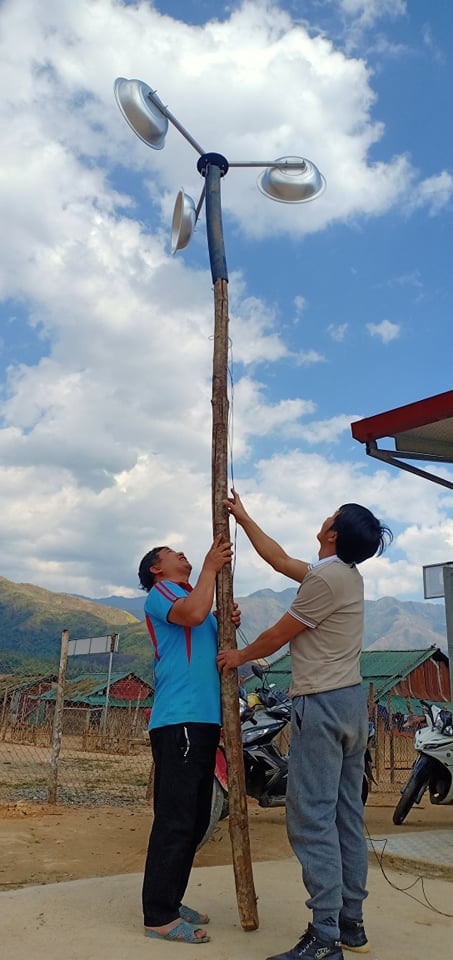
The power came from a rudimentary micro wind turbine system, which was sold and delivered to the school by a local startup named 1516 and assembled by the teachers.
The setup was simple: aluminum tubs affixed to a sturdy wooden rod, linked to a sun box that contains a charge controller, a solar battery and an inverter to generate electricity.
“The children were so excited to see those turbines in action,” recalled teacher Bui Thi Minh Khuyen. Despite a limited output that can only sustain the school’s energy needs until 10pm, the new power supply has made a vast difference.
Previously, the school only had light bulbs powered by cheap solar panels imported from China. Fans, radios, TVs, phones and laptops were luxuries the school could not power.
Tiếp tục đọc “In Vietnam, IKEA-style wind turbines are powering off-grid communities”
Experts stress urgent action as climate change consequences worsen, hoping rising temperatures and extreme weather trigger policy changes and international cooperation.
Shivam Dwivedi Updated 30 June, 2023 11:41 PM IST Published on 30 June, 2023 10:49 PM IST Krishi Jaran

Climate experts are sounding the alarm as the target of keeping long-term global warming within 1.5 degrees Celsius (2.7 Fahrenheit) appears to be slipping away. Despite months of unprecedented heat on both land and sea, nations have failed to set more ambitious goals in the fight against climate change.
According to the EU-funded Copernicus Climate Change Service (C3S), average global surface air temperatures were more than 1.5 degrees Celsius above pre-industrial levels for several days in early June, coinciding with the gathering of envoys in Bonn to prepare for this year’s annual climate talks in November. While temperatures have breached the 1.5-degree threshold temporarily in the past, this was the first time it occurred during the northern hemisphere summer, which began on June 1. Additionally, sea temperatures have broken records in April and May.
Tiếp tục đọc “Climate Nearing Point of No Return: Land & Sea Temperatures Break Records”Emmanuel Macron’s summit meeting has given new momentum to investment in sustainable development and climate financing
MICHAEL JACOBS PARIS 24 JUNE 2023 2517 WORDS Inside Stories

North and South: French president Emmanuel Macron greets Barbadian prime minister Mia Mottley, whose Bridgetown Initiative inspired this week’s New Global Financing Pact Summit in Paris. Ludovic Marin/AFP via Getty Images
When world leaders meet for their much-vaunted “summits,” what do they actually do? The question was posed by last week’s meeting in Beijing between US secretary of state Anthony Blinken and Chinese president Xi Jinping. The meeting lasted a whole thirty-five minutes. It was barely long enough to exchange diplomatic pleasantries, let alone to make progress on the various areas of US–China rivalry, in the South China Sea, on trade, technology and Ukraine. The actual negotiations had clearly happened elsewhere. The summit was mainly an exercise in symbolism: a handshake for the cameras and a carefully worded communique for the record.
Tiếp tục đọc “Summit of ambitions”Published: October 31, 2022 12.34pm GMT
Debt-for-climate swaps allow countries to reduce their debt obligations in exchange for a commitment to finance domestic climate projects with the freed-up financial resources.
Barbados Prime Minister Mia Amor Mottley spoke passionately to the United Nations General Assembly in September about the mounting debt many developing countries are shouldering and its increasing impact on their ability to thrive.
The average debt for low- and middle-income countries, excluding China, reached 42% of their gross national income in 2020, up from 26% in 2011. For countries in Latin America and the Caribbean, the annual payments just to service that debt averaged 30% of their total exports.
At the same time, these countries are facing a “triple crisis of climate change, of pandemic and indeed now the conflict that is leading to the inflationary pressures that lead regrettably to people taking circumstances into their own hands,” Mottley said.
Rising borrowing costs coupled with high inflation and slow economic growth have left developing countries like hers in a difficult position when it comes to climate change. High debt payments mean countries have fewer resources for mitigating and adapting to climate change. Yet climate change is increasing their vulnerability, and that can raise their sovereign risk, increasing the cost of borrowing. Declining productive capacity and tax base can lead to higher debt risks. It’s a vicious cycle.
UN Secretary General Antonio Guterres calling out the deadly fossil fuel industry on climate catastrophe 15th June 2023
EVN mua điện từ nhiều nguồn như thủy điện, nhiệt điện than, điện gió, điện mặt trời, tuabin khí, nhập khẩu. Trong đó, thủy điện đang có giá rẻ nhất, còn nhiệt điện than lại rất đắt do giá than cao.
Điện than đang đắt lên
Thông tin từ Tập đoàn Điện lực Việt Nam (EVN) cho thấy, giá mua điện bình quân các loại hình nguồn trong 3 tháng đầu năm 2023 là 1.844,9 đồng/kWh. Đây là thời điểm giá bán điện vẫn ở mức 1.864,44 đồng/kWh. Như vậy, giá mua điện của EVN gần ngang bằng với giá bán điện của tập đoàn này khi chưa được điều chỉnh tăng.
Nếu cộng thêm các chi phí khác như phân phối, truyền tải, dịch vụ phụ trợ, điều độ… thì giá điện mua vào sẽ cao hơn giá bán ra.
Biểu đồ dưới đây cho thấy nhiệt điện than có giá lên tới gần 2.000 đồng/kWh. Nguyên nhân là giá than vẫn duy trì ở mức cao.

Ngoài ra, EVN còn mua gián tiếp trên thị trường điện. Mức giá cụ thể như biểu đồ dưới đây cho thấy giá điện than cũng lên tới hơn 2.100 đồng/kWh.
VNE – Thứ ba, 30/8/2022, 19:00 (GMT+7)
Nam Thủy Bắc Điều – tham vọng chuyển nước nhiều tranh cãi của Trung Quốc
Nam Thủy Bắc Điều là đại dự án đưa nước từ các con sông miền nam tới miền bắc khô hạn của Trung Quốc, nhưng gây nhiều tranh cãi về môi trường.

Sơ đồ các tuyến dẫn nước trong dự án Nam Thủy Bắc Điều. Nguồn dữ liệu: Global Times
Hãng thông tấn Xinhua của Trung Quốc cho biết dự án Nam Thủy Bắc Điều, hệ thống vận chuyển nước lớn nhất thế giới, đưa nước từ miền nam lên miền bắc Trung Quốc xuyên qua lòng sông Hoàng Hà, được thử nghiệm thành công ngày 25/8. Đợt thử nghiệm được tiến hành nhằm đánh giá quá trình vận hành toàn bộ 155 đơn vị và đưa toàn bộ đại dự án vào hoạt động.
Tiếp tục đọc “Nam Thủy Bắc Điều – tham vọng chuyển nước nhiều tranh cãi của Trung Quốc”
Một học sinh cấp 3 tại Hà Nội sau khi được một huấn luyện viên thể hình (PT) cho một chiếc “bánh lười” – loại bánh trộn cần sa đã mang về… chia cho các bạn cùng sử dụng. Hậu quả, một nhóm học sinh đã bị ngộ độc ngay sau đó.
Thứ sáu, ngày 07/04/2023
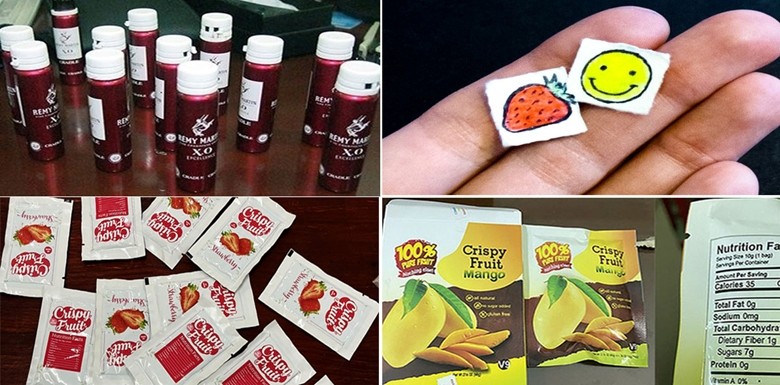 |
| “Nước vui”, “bùa lưỡi”, “bột dâu”, “bột xoài” với hình thức bắt mắt dễ dàng qua mặt lực lượng chức năng. (Ảnh: Cơ quan chức năng cung cấp) |
Đây chỉ là một trong những thí dụ không hề hiếm gặp cho thấy ma túy “thế hệ mới” đã và đang xâm nhập vào học đường hiện nay.
Nguy hiểm rình rập học đường
Theo thống kê của Bộ Công an vào tháng 6/2022, 60% số người sử dụng trái phép chất ma túy lần đầu ở độ tuổi từ 15-25 tuổi, trong đó nhiều người đang là học sinh, sinh viên. Người nghiện ma túy đang có xu hướng ngày càng trẻ hóa đặt ra không ít thách thức cho công tác phòng, chống ma túy cũng như cai nghiện.
Một điều tra viên lâu năm trong lĩnh vực phòng, chống tội phạm ma túy chia sẻ, bản thân anh đã từng chứng kiến nhiều vụ việc “dở khóc, dở cười”.
“Chúng tôi từng nhận được thông tin về việc một nữ học sinh cấp 3 được huấn luyện viên thể hình đưa cho một chiếc bánh lười (loại bánh tẩm cần sa-PV). Tuy nhiên, cô bé không sử dụng ngay mà mang về… chia cho các bạn cùng lớp ăn cùng. Kết quả, cả nhóm học sinh đều bị ngộ độc và phải đưa đi cấp cứu”, điều tra viên kể lại.
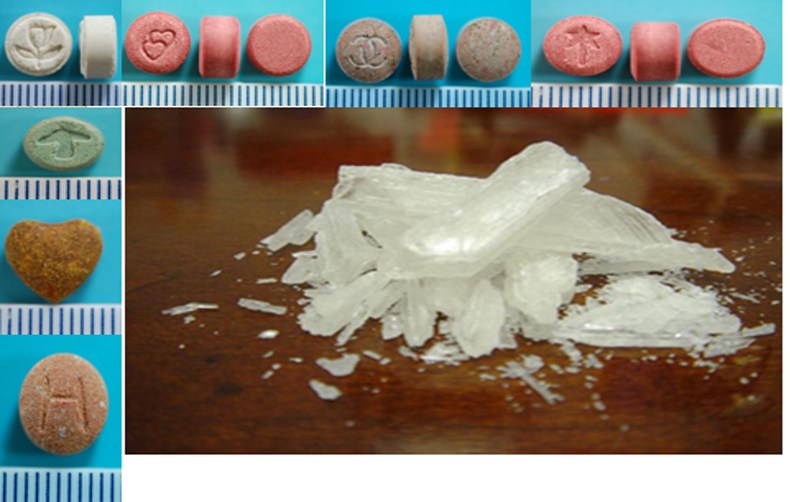 |
| Ma túy tổng hợp cơ quan chức năng thu giữ. (Ảnh: Cơ quan công an cung cấp) |
Các đối tượng tội phạm về ma túy thường lợi dụng tâm sinh lý của học sinh, sinh viên nói riêng; giới trẻ nói chung để lôi kéo, dụ dỗ.
Tiếp tục đọc “Ma túy “thế hệ mới” đã tấn công và xâm nhập học đường như thế nào?”
By Ryan Wiser, Andrew Mills, Todd Levin, Audun Botterud
The impacts of wind and solar on wholesale power markets in the United States have been limited so far. However, the impact will change as the penetration of variable renewable energy (VRE) increases.
Wholesale power prices and the composition and operation of the bulk power system in the United States have witnessed changes in recent years, and concern has grown in some quarters about the effects of VRE on these trends. The U.S. Department of Energy’s “Staff Report to the Secretary on Electricity Markets and Reliability” addressed this concern, but within a much broader context. The study focused on thermal-plant retirements and reliability, and placed a spotlight not only on growth in VRE but also on the effects of other contemporaneous trends such as declining natural gas prices, limited load growth, and regulatory pressures.
As input into the DOE Staff Report, Lawrence Berkeley National Laboratory and Argonne National Laboratory prepared a study (recently made available publicly, here) that focused on the degree to which growth in VRE has impacted wholesale power prices and bulk power system assets to date and how this may change in the future. In the noted report, we did not analyze impacts on specific power plants, instead focusing on national and regional trends. The issues addressed are highly context-dependent, and analyzing the impacts of VRE is complex. Nonetheless, while more analysis is warranted—including additional location-specific assessments—several high-level findings emerged from our study.
Tiếp tục đọc “The Impact of Wind and Solar on Wholesale Power Markets and Generation Assets”
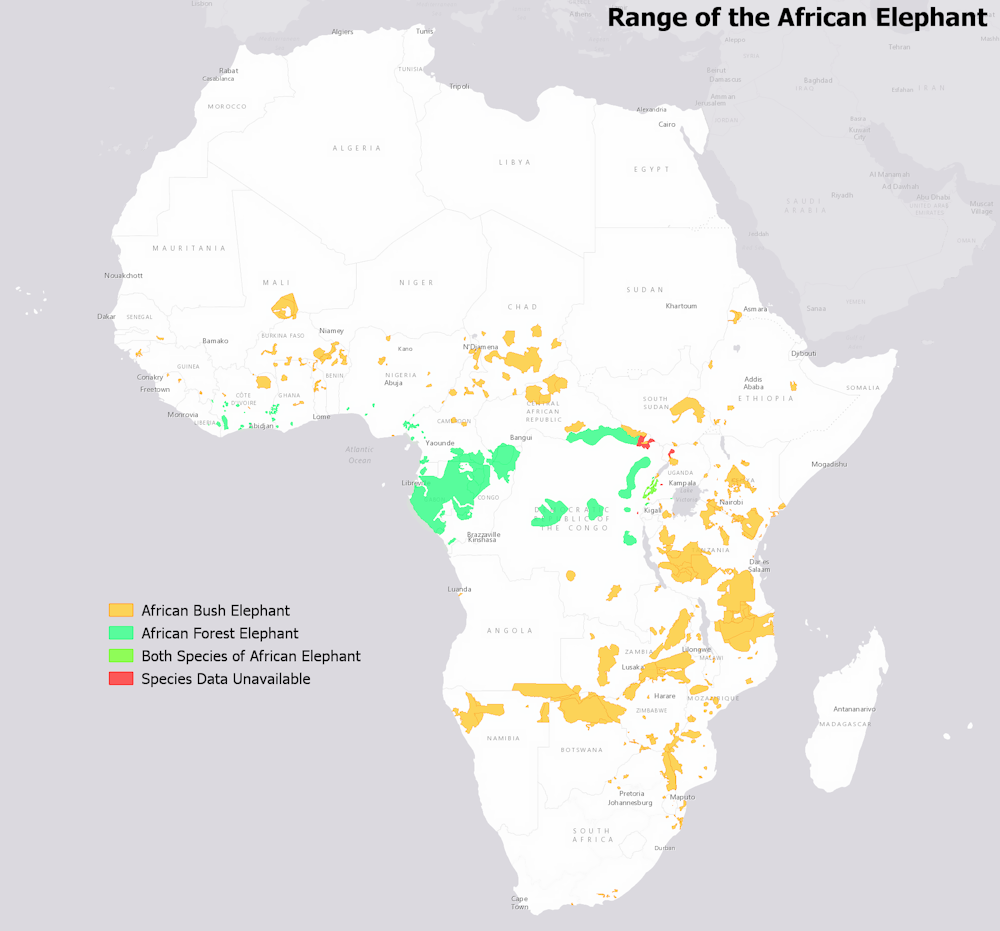
Forest elephant extinction would exacerbate climate change. That’s according to a new study in Nature Geoscience which links feeding by elephants with an increase in the amount of carbon that forests are able to store.
The bad news is that African forest elephants – smaller and more vulnerable relatives of the better known African bush elephant – are fast going extinct. If we allow their ongoing extermination to continue, we will be also worsening climate change. The good news is that if we protect and conserve these elephants, we will simultaneously fight climate change.
Elephants are fascinating animals, and I have studied them for more than 15 years. They are intelligent, sentient, and highly social. But their single most remarkable feature is their size. Evolutionarily, elephants gambled on becoming massive enough to deter predators like lions and tigers.
In exchange, they became slaves to their appetite. Elephants need huge amounts of food everyday, something like 5-10% of their body mass. A typical three-tonne female could eat 200 kg of plant material in one day. Her family may need to consume more than a tonne of food per day.
Tiếp tục đọc “Forest elephants are our allies in the fight against climate change, finds research”
reuters.com By Reuters Staff
ZHENGZHOU, China, April 20 (Reuters) – Severe power shortages in China’s southwestern Yunnan province are likely to cut aluminium production in the country’s fourth-largest producing province, analysts and producers said, but weak demand will cap price rises.
Yunnan, which accounts for about 12% of China’s aluminium capacity, has forced electrolytic aluminium producers to reduce their power usage since September last year after unusually low rainfall reduced hydropower generation.
Hydropower generates about 80% of the province’s electricity, and had attracted investment by energy-intensive aluminium smelters keen to lower their emissions.
The output of the metal in Yunnan jumped by 37% in 2022 from the prior year to 4.2 million tonnes.
Now, however, about 2 million tonnes of capacity, or 20% of the provincial total, is offline, Li Jiahui, an analyst at consultancy Shanghai Metals Market, told a conference in Zhengzhou.
Average rainfall in Yunnan during the first quarter of 2023 was 60% lower than the same period in typical years, the provincial government’s emergency management department said.
Tiếp tục đọc “Drought in China’s Yunnan set to cap province’s aluminium output”
Beneath our feet, remarkable networks of fungal filaments stretch out in all directions. These mycorrhizal fungi live in partnership with plants, offering nutrients, water and protection from pests in exchange for carbon-rich sugars.
Now, new research shows this single group of fungi may quietly be playing a bigger role in storing carbon than we thought.
How much bigger? These microscopic filaments take up the equivalent of more than a third (36%) of the world’s annual carbon emissions from fossil fuels – every year.
As we search for ways to slow or stop the climate crisis, we often look to familiar solutions: cutting fossil fuel use, switching to renewables and restoring forests. This research shows we need to look down too, into our soils.

Mycorrhizal fungi are hard to spot, but their effects are startling. They thread networks of microscopic filaments through the soil and into the roots of almost every plant on earth.
But this is no hostile takeover. They’ve been partnering with plants for more than 400 million years. The length of these complex relationships has given them a vital role in our ecosystems.
Kinhtedothi – Tình trạng cắt điện luân phiên tại các địa phương đang khiến hoạt động sản xuất, kinh doanh của doanh nghiệp đảo lộn, ngưng trệ, chi phí đội lên cao… Để đảm bảo duy trì sản xuất, doanh nghiệp mong muốn ngành điện có phương án cân đối nguồn điện ưu tiên cho những ngành đặc thù.
Sản xuất ngưng trệ, đội chi phí
Những ngày này, anh Nguyễn Văn Chữ – Chủ tịch chuỗi thực phẩm sạch Organic Green như ngồi trên đống lửa khi nhìn vào lịch cắt điện luân phiên dày đặc. Bởi doanh nghiệp của anh hoạt động trong lĩnh vực sản xuất, chế biến và kinh doanh thực phẩm sạch, vì vậy nguồn điện rất cần cho các kho bảo quản thực phẩm tươi sống.
Anh Chữ chia sẻ, mặc dù cơ sở đã trang bị máy phát điện nhưng chỉ đủ duy trì một số hoạt động cơ bản và khu văn phòng, không đảm bảo được hệ thống cấp đông, bảo quản sản phẩm. Nếu mất điện lâu, doanh nghiệp có thiệt hại tới hàng chục tỷ đồng. Bởi mặt hàng thực phẩm tươi sống cần được bảo quản trong nhiệt độ thấp, nếu không được bảo quản sẽ bị giã đông và ảnh hưởng chất lượng.
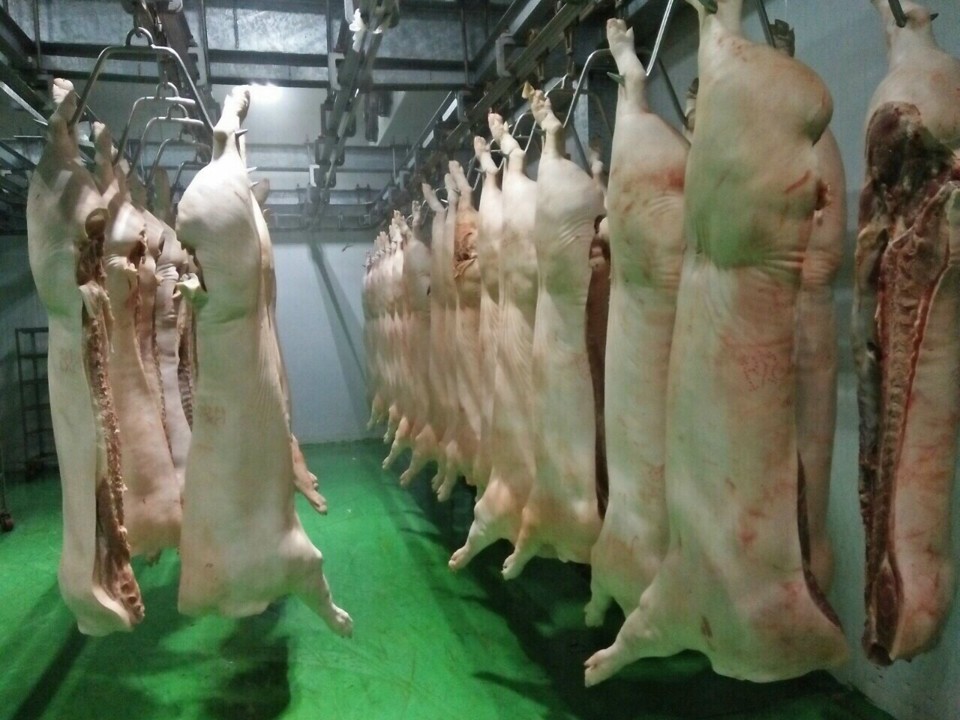
Ngoài ra, cũng vì mất điện, nên nhà máy sản xuất thức ăn chăn nuôi của doanh nghiệp này cũng phải tạm dừng hoạt động. Ngừng hoạt động khiến công ty không đủ hàng giao cho các đại lý. “Lịch cắt điện không phải chỉ luân phiên 1-2 tiếng, mà cắt cả ngày cả đêm, nên ảnh hưởng nghiêm trọng đến hoạt động sản xuất kinh doanh của Công ty” – anh Chữ bức xúc.

