China Sees New Ambiguity With Donald Trump’s Taiwan Call

President Xi Jinping of China, who considers Taiwan an integral part of his country. Credit Pool photo by Nicolas Asfouri

BEIJING — China’s leaders have been markedly reticent about what kind of leader they think Donald J. Trump will be. A pragmatic dealmaker, as his business background might indicate? Or a provocateur who tests the ways of statecraft?

Tiếp tục đọc “China Sees New Ambiguity With Donald Trump’s Taiwan Call”

Đông Nam Á cần tái thiết lập các thỏa thuận thương mại

English: South-east Asia needs a reset on trade deals

Singapore đã ký Hiệp định Thương mại tự do (FTA) song phương với New Zealand vào năm 2000. Sau đó không lâu, các quốc gia khác như Malaysia và Thái Lan đã bắt đầu vào cuộc.

Năm 2003, ASEAN 10 quyết định biến các hiệp định thương mại của mình về hàng hóa, dịch vụ và đầu tư trong những năm 1990 thành Cộng đồng Kinh tế ASEAN (AEC), một bước tiến lớn trong hội nhập kinh tế khu vực.

Trong khi Singapore tăng số lượng thỏa thuận thương mại song phương qua các năm, những quốc gia kém phát triển hơn trong khu vực, như Lào và Campuchia, trở thành một phần của các Hiệp định Thương mại tự do thông qua các thể chế của khu vực của Asean thực hiện các thỏa thuận thương mại với Trung Quốc, Nhật Bản, Hàn Quốc, Ấn Độ, Australia và New Zealand. Tiếp tục đọc “Đông Nam Á cần tái thiết lập các thỏa thuận thương mại”

Cạnh tranh tầm nhìn (toàn cầu)

English: Competing Visions

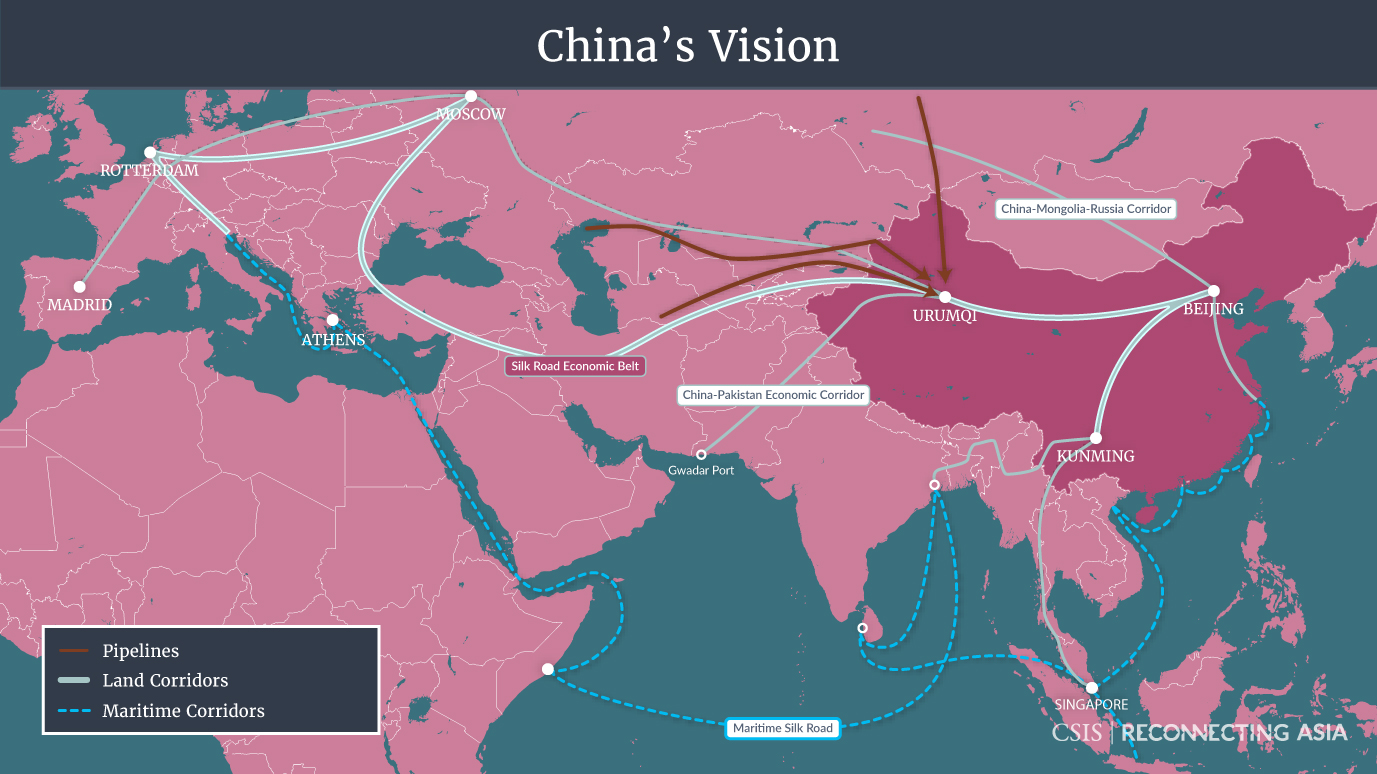
Một cuộc đua địa kinh tế đang diễn ra để định hình tương lai Châu Á. Các cường quốc khu vực đang thúc đẩy các kế hoạch tham vọng về xây dựng các tuyến đường bộ, đường tàu, đường ống dẫn và các cơ sở hạ tầng cứng khác trên khắp khu vực. Dựa các nguồn tin chính thức, các chuyên gia CSIS đã xây dựng các bản đồ dưới đây để minh hoạ cho một số các tầm nhìn cạnh tranh này. Mỗi bản đồ tóm lược một cách chung nhất những ưu tiên chính về cơ sở hạ tầng của các nước lớn trong cuộc đua. Tổng thể, các bản đồ này cho thấy trước một cuộc cạnh tranh rộng khắp như chính khu vực này. Và khi cuộc cạnh tranh diễn ra, các bản đồ dưới đây sẽ được mở rộng và cập nhập.

chinas_vision_10212016

(Bản đồ tầm nhìn Trung Quốc-ảnh) Tiếp tục đọc “Cạnh tranh tầm nhìn (toàn cầu)”

CSIS – Southeast Asia Report – Nov 17, 2016

Engaging Southeast Asia in a Time of Flux

By Amy Searight, Senior Adviser and Director, Southeast Asia Program (@SoutheastAsiaDC), CSIS

Welcome to our rebooted Southeast Asia from Scott Circle newsletter. The newsletter will continue to bring you commentary about U.S. engagement with Southeast Asia and highlights of key developments in the region on a biweekly basis. We are also consolidating our SitRep announcements and program highlights into this one regular update. Tiếp tục đọc “CSIS – Southeast Asia Report – Nov 17, 2016”

South-east Asia needs a reset on trade deals

Since the early 2000s, countries in South-east Asia have seen a plethora of trade pacts.

Singapore signed a bilateral Free Trade Agreement (FTA) with New Zealand in 2000. Soon, others like Malaysia and Thailand got in on the act.

In 2003, the Asean 10 resolved to turn their trade agreements of the 1990s on goods, services and investments into the Asean Economic Community (AEC), a major advance in regional economic integration. Tiếp tục đọc “South-east Asia needs a reset on trade deals”

Who are the future consumers of South-East Asia?

Weforum_As business leaders convene for the Kuala Lumpur meeting of the World Economic Forum, they have many uncertainties to ponder, from the trajectory of China’s economy to whether the new ASEAN Economic Community (AEC) launched at the start of the year will vault South-East Asia up to a new level of economic dynamism.

Demographics and the granularity of growth needs to be part of their thinking. The question today is not so much where to find entire growth markets, but which specific demographic groups have the most potential?

Radical demographic shifts are transforming consumer markets around the world. In the past, market growth was fuelled largely by expanding populations; today, incomes are the force to reckon with.
Tiếp tục đọc “Who are the future consumers of South-East Asia?”

CSIS – Southeast Asia Sit-Rep – September 22, 2016

CSIS Southeast Asia SIT-REP

This issue brings you insight into the role of diplomacy and security in U.S. policy following the arbitral tribunal ruling on the South China Sea, an overview of Cambodia’s deteriorating political situation, analysis on the challenges in Myanmar’s peace process awaiting Aung San Suu Kyi, discussions with Philippine foreign secretary Perfecto Yasay and Japanese defense minister Tomomi Inada, and much more. Links will take you to the full publications, multimedia, or to registration for upcoming programs when available. To jump to a section, select one of the following:

Tiếp tục đọc “CSIS – Southeast Asia Sit-Rep – September 22, 2016”

CSIS – Southeast Asia Sit-Rep – September 8, 2016

CSIS Southeast Asia SIT-REP

This issue features analyses on U.S.-Myanmar relations in coming years in light of State Counselor Aung San Suu Kyi’s visit to Washington and U.S.-Laos cooperation on the Agent Orange war legacy as the two countries expand ties; and includes upcoming CSIS events on Myanmar and the Philippines. Links will take you to the full publications, multimedia, or to registration for upcoming programs when available. To jump to a section, select one of the following: Tiếp tục đọc “CSIS – Southeast Asia Sit-Rep – September 8, 2016”

CSIS – Southeast Asia from Scott Circle – September 1, 2016

Cementing a New Normal in U.S.-Myanmar Relations

By Murray Hiebert (@MurrayHiebert1), Senior Adviser and Deputy Director, and Phuong Nguyen (@PNguyen_DC), Associate Fellow, Southeast Asia Program (@SoutheastAsiaDC), CSIS

September 1, 2016

Aung San Suu Kyi’s visit to the United States on September 13-14 as state counselor and de facto leader of Myanmar will be one of the highlights in U.S.-Myanmar relations since the two countries normalized diplomatic ties in 2012, after the military began political reforms. Now that a democratically elected government has taken office, the next five years will allow the two countries to lay the foundation for a new chapter in their bilateral relations. Tiếp tục đọc “CSIS – Southeast Asia from Scott Circle – September 1, 2016”

Chính sách Hướng Đông của Nga và tác động đối với Đông Nam Á và Biển Đông

NCBĐ – Thứ sáu, 29 Tháng 1 2016 07:45

Một năm trước khi Chính quyền Obama công bố chiến lược tái cân bằng sang châu Á, thì Tổng thống Vladimir Putin đã tuyên bố Nga sẽ “hướng Đông”. Điều gì thúc đẩy chính sách Hướng Đông của Putin và liệu kết quả có như mong đợi? Lập trường của Nga và tác động như thế nào đến tình hình Biển Đông?

Tiếp tục đọc “Chính sách Hướng Đông của Nga và tác động đối với Đông Nam Á và Biển Đông”

CSIS – Southeast Asia Sit-Rep – August 25, 2016

CSIS Southeast Asia SIT-REP

This issue includes a look at the new Malaysian political party that could challenge Prime Minister Najib Razak’s United Malays National Organization, analysis of Vietnam’s latest economic reforms, a podcast assessing U.S.-Taiwan relations, and much more. Links will take you to the full publications, multimedia, or to registration for upcoming programs when available. To jump to a section, select one of the following:

Tiếp tục đọc “CSIS – Southeast Asia Sit-Rep – August 25, 2016”

CSIS – Southeast Asia from Scott Circle – August 18, 2016

Malaysia’s Najib Faces Latest Challenge from Newly Established Party

By Conor Cronin (@ConorCroninDC), Research Associate , Southeast Asia Program (@SoutheastAsiaDC), CSIS

August 18, 2016

Former deputy prime minister Muhyiddin Yassin on August 9 officially registered Malaysia’s newest political party: Parti Pribumi Bersatu Malaysia, or Bersatu for short. The party is the latest salvo in a slow mutiny against Prime Minister Najib Razak that has centered for more than a year around a scandal involving state investment fund 1Malaysia Development Bhd (1MDB). Tiếp tục đọc “CSIS – Southeast Asia from Scott Circle – August 18, 2016”

CSIS – Southeast Asia Sit-Rep – August 11, 2016

CSIS Southeast Asia SIT-REP

This issue includes an assessment of Philippine president Rodrigo Duterte’s achievements and shortfalls during his first month in office, analysis of Duterte’s first State of the Nation address, and much more. Links will take you to the full publications, multimedia, or to registration for upcoming programs when available. To jump to a section, select one of the following:

Tiếp tục đọc “CSIS – Southeast Asia Sit-Rep – August 11, 2016”

Southeast Asia from Scott Circle – August 4, 2016

A Quick but Concerning Start to the Duterte Presidency

By Conor Cronin (@ConorCroninDC), Research Associate, Southeast Asia Program (@SoutheastAsiaDC), CSIS

August 4, 2016

Rodrigo Duterte, the newly minted president of the Philippines, was quick out of the gates after taking office in late June. In an executive order on July 24, Duterte established new freedom of information regulations for the executive branch by circumventing Congress, where freedom of information bills have languished for decades. The president made infrastructure a top priority for his administration, pushing road construction projects around the country along with solutions to many of Manila’s chronic woes such as flooding and the overcrowding of its international airport. Tiếp tục đọc “Southeast Asia from Scott Circle – August 4, 2016”