Tác giả: Đào Thu Hằng
Australia rejects Indigenous referendum in setback for reconciliation
Reuters.com By Praveen Menon, Lewis Jackson, Wayne Cole
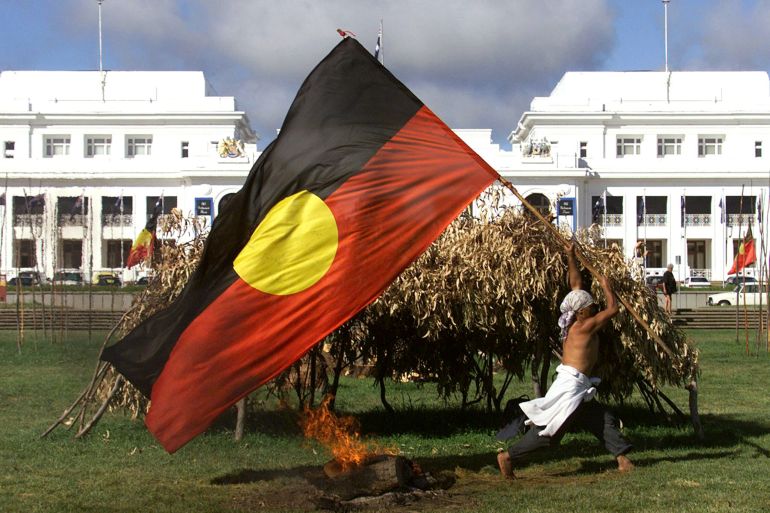
https://www.reuters.com/video/?videoId=RW001014102023RP1&jwsource=emSYDNEY (Reuters) -Australia on Saturday decisively rejected a proposal to recognise Indigenous people in the constitution, in a major setback to the country’s efforts for reconciliation with its First Peoples.
Australians had to vote “Yes” or “No” in the referendum, the first in almost a quarter of a century, on the question of whether to alter the constitution to recognise Aboriginal and Torres Strait Island people through the creation of an Indigenous advisory body, the “Voice to Parliament”.
Nationwide, with almost 70% of the vote counted, the “No” vote led “Yes” 60% to 40%. Australian broadcaster ABC and other TV networks have projected that a majority of voters in all six of Australia’s states would vote against altering the 122-year-old constitution.
Tiếp tục đọc “Australia rejects Indigenous referendum in setback for reconciliation”Timeline: Indigenous Voice, treaty and truth in Australia
Indigenous people’s 60,000 years of connection to their country should be recognised, leaders say.

Published On 13 Oct 202313 Oct 2023
The Australian referendum on an Indigenous Voice to Parliament is part of a long history of Aboriginal people fighting for their voice to be heard.
The referendum was called after Aboriginal and Torres Strait Islander leaders issued the Uluru Statement from the Heart, a petition calling for a First Nations Voice to be enshrined in the Australian constitution.
Tiếp tục đọc “Timeline: Indigenous Voice, treaty and truth in Australia”
Explainer: Australia has voted against an Indigenous Voice to Parliament. Here’s what happened
A majority of Australian voters have rejected the proposal to establish an Aboriginal and Torres Strait Islander Voice to Parliament, with the final results likely to be about 40% voting “yes” and 60% voting “no”.
What was the referendum about?
In this referendum, Australians were asked to vote on whether to establish an Aboriginal and Torres Strait Islander Voice to Parliament. The Voice was proposed as a means of recognising Aboriginal and Torres Strait Islander peoples as the First Peoples of Australia in the Constitution.
The Voice proposal was a modest one. It was to be an advisory body for the national parliament and government. Had the referendum succeeded, Australia’s Constitution would have been amended with a new section 129:
In recognition of Aboriginal and Torres Strait Islander peoples as the First Peoples of Australia:
i. there shall be a body, to be called the Aboriginal and Torres Strait Islander Voice
Tiếp tục đọc “Explainer: Australia has voted against an Indigenous Voice to Parliament. Here’s what happened”
Israelis Dread This Nightmare Will Never End
time.com BY EETTA PRINCE-GIBSON OCTOBER 12, 2023 2:00 AM EDT
Eetta Prince-Gibson is the Israel editor for Moment magazine, the former editor in chief of the Jerusalem Report, and a regular contributor to Haaretz, +61J, and other international publications.
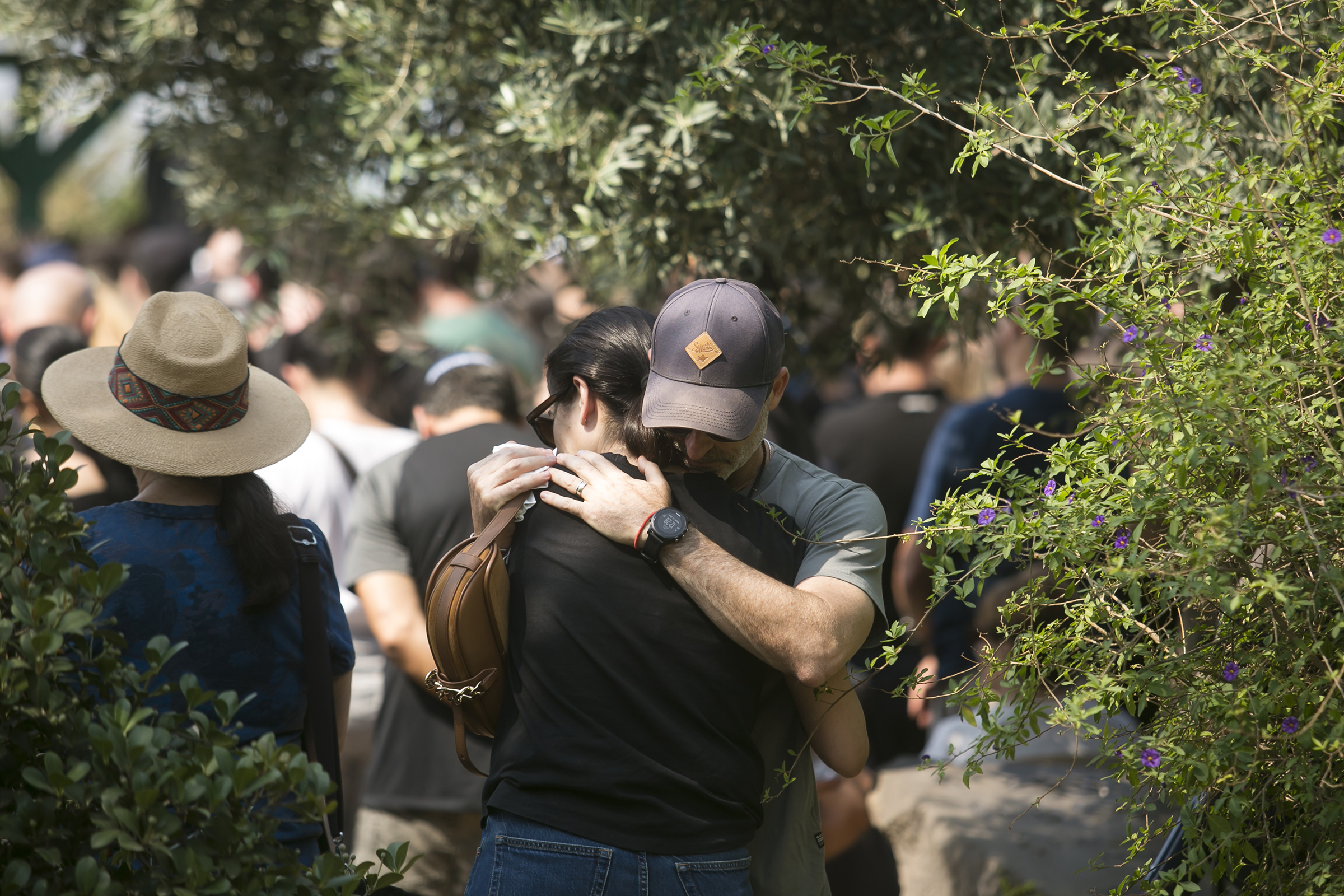
Our government has abandoned us, too. The Prime Minister has not yet visited any of the victims, and few of his 33-seat government have, either. The Prime Minister has gone on television several times to promise revenge and a putative victory, but has not offered words of comfort or hope. The logistical relief that democratic caring governments are supposed to provide is being provided by civil society.
…
I am filled with dread because none of the leaders, on either side, have any long-term answers other than hatred and rejection. None of our supposed leaders are capable of suggesting a plan that will allow both our peoples to be safe from evil, safe in our homes, and safe to live our lives as individuals and as people.”

Blessed rains have washed away the interminable heat and dust of summer. In Jerusalem, where I live, the air is wonderfully fresh and the mornings are brisk and chilly. But the streets are unnervingly quiet. Schools have been closed all week. Most cafes and stores have been closed, too, since no one feels much like sipping artisan espresso or shopping, and many of the regulars have been called up for reserve duty.
Egypt moves to prevent exodus of Palestinians from besieged Gaza
Why Egypt isn’t allowing Gaza refugees despite Israel evacuation order
As Israel pummels besieged Gaza, Egypt resists opening up to refugees
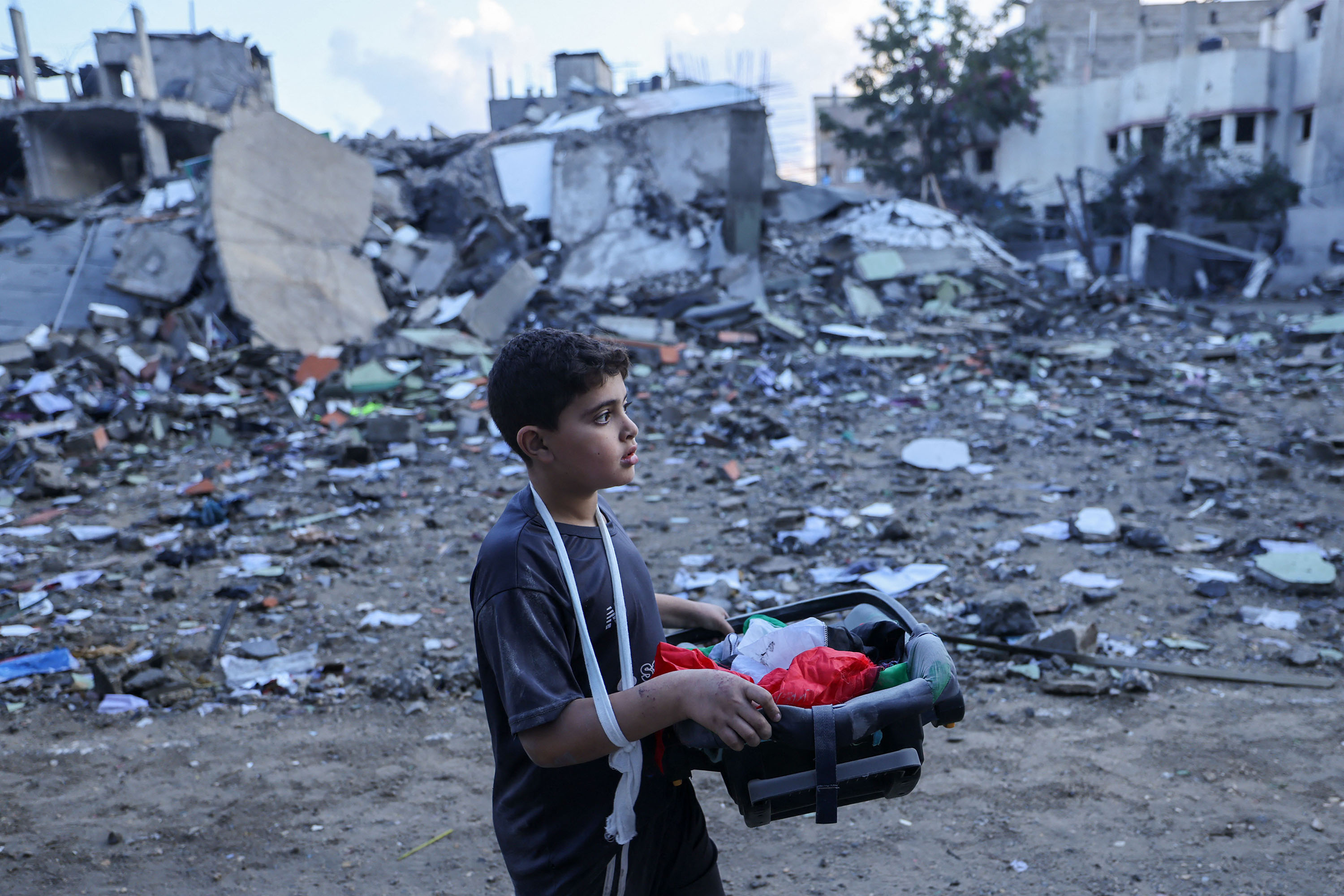
CAIRO — With more than 1,500 people dead in Gaza and hundreds of thousands displaced by the Israeli military’s relentless bombardment of the Gaza Strip, global attention has focused on the Rafah border crossing with Egypt, the only viable way out of the densely populated enclave.
But Cairo, wary of political fallout and security risks, is determined to prevent an exodus of refugees to Egypt — warning it could be a death knell for the Palestinian dream of statehood.
The crossing point at Gaza’s southern edge has been effectively closed since Tuesday after Israeli airstrikes damaged infrastructure in the area.
Tiếp tục đọc “Why Egypt isn’t allowing Gaza refugees despite Israel evacuation order”
History of the Question of Palestine
Historical Timeline
1917 – 1947: British mandate
Palestine was among former Ottoman territories placed under UK administration by the League of Nations in 1922. All of these territories eventually became fully independent States, except Palestine, where in addition to “the rendering of administrative assistance and advice” the British Mandate incorporated the “Balfour Declaration” of 1917, expressing support for “the establishment in Palestine of a national home for the Jewish people”. During the Mandate, from 1922 to 1947, large-scale Jewish immigration, mainly from Eastern Europe took place, the numbers swelling in the 1930s with the Nazi persecution. Arab demands for independence and resistance to immigration led to a rebellion in 1937, followed by continuing terrorism and violence from both sides. UK considered various formulas to bring independence to a land ravaged by violence. In 1947, the UK turned the Palestine problem over to the UN. Read more.
1947 – 1977: Partition plan, 1948, 1967, 1973 wars, inalienable rights
Miền Trung mưa lớn đến 700mm, kéo dài và rất phức tạp
Mưa lớn ở miền Trung liên tục được dự báo cực đoan khi tổng lượng mưa các ngày 13-15/10 có nơi lên đến 700mm. Người dân từ Hà Tĩnh đến Quảng Nam cần chủ động ứng phó với thiên tai phức tạp.
Theo Trung tâm dự báo khí tượng thủy văn quốc gia, đêm qua và sáng sớm nay (13/10), ở khu vực từ Hà Tĩnh đến Quảng Ngãi có mưa vừa, mưa to, cục bộ có mưa rất to. Lượng mưa tính từ 19h tối qua đến 8h sáng nay có nơi trên 170mm như: Hồ Kim Sơn (Hà Tĩnh) 216.6mm, Tân Lâm (Quảng Bình) 201.4mm, Thuận An (Thừa Thiên Huế) 171mm.
Tiếp tục đọc “Miền Trung mưa lớn đến 700mm, kéo dài và rất phức tạp”Heavy rains batter Central Vietnam, cut off roads, shut down schools
SGGP October 13, 2023 at 15:27:32
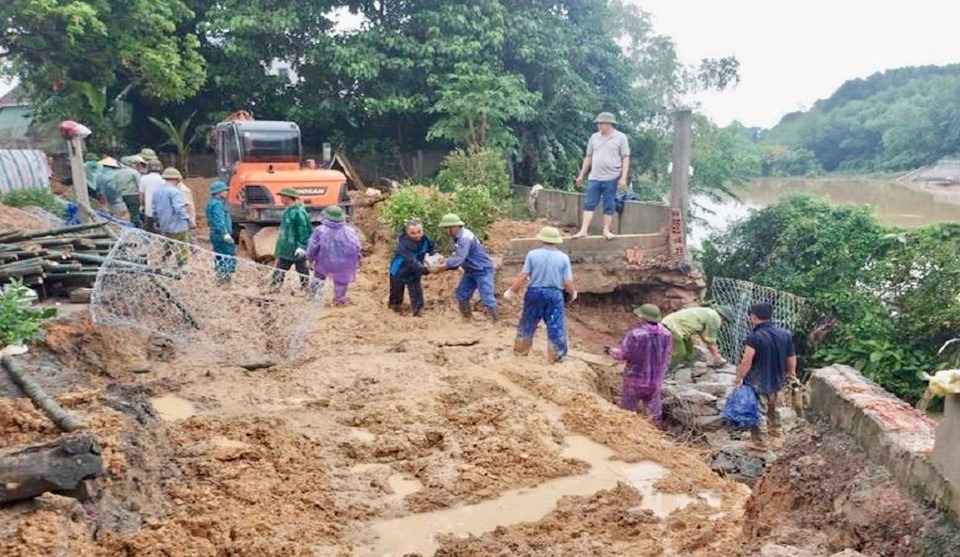
Heavy rains have continuously drenched the Central region of Vietnam, unleashed floods and landslides, marooned vast areas, cut off roads and shut down schools.
Related News
Central region to continue to suffer from widespread flooding
Mekong Delta facing increasingly serious flooding
This afternoon, the Department of Education and Training of Da Nang City announced that students should not go to school because many roads in the city were flooded due to heavy rains.
After the Steering Committee for Natural Disaster Prevention and Control, Search and Rescue and Civil Defense of Da Nang City announced heavy rain will pummel the city from 9 a.m. to 4 p.m. today, the Department of Education and Training of Da Nang City requested heads of schools to let students stay at home for their safety as some roads are deeply flooded.
Tiếp tục đọc “Heavy rains batter Central Vietnam, cut off roads, shut down schools”
Xu hướng ma túy thế giới và những vấn đề đặt ra đối với công tác phòng, chống ở Việt Nam
Cục cảnh sát điều tra tội phạm ma tuý 05/09/2023 |
Do những tác động của xung đột vũ trang, bất ổn chính trị, kinh tế- xã hội tại nhiều quốc gia, khu vực, năm 2023 tình hình ma túy thế giới có những biến động tiêu cực, nổi lên là sự gia tăng số người sử dụng trái phép chất ma túy; hoạt động sản xuất thuốc phiện, cocain, ma túy tổng hợp và các chất hướng thần xảy ra tại nhiều nơi. Đặc biệt là vấn đề sử dụng internet, mạng xã hội và các ứng dụng truyền thông được mã hóa để giao dịch, mua bán ma túy theo những cách thức mới rất khó kiểm soát.
Tình hình ma túy thế giới và một số xu hướng mới nổi
Số liệu khảo sát của Cơ quan Liên hợp quốc về ma túy và tội phạm (UNODC) công bố tháng 8/2023 cho biết: Số người sử dụng ma túy tiếp tục tăng và duy trì ở mức cao trên toàn thế giới, từ 240 triệu người năm 2011 lên 296 triệu người vào năm 2023 (tương đương 5,8% dân số toàn cầu trong độ tuổi 15–64). Trong đó, cần sa là loại ma túy được sử dụng nhiều nhất, ước tính khoảng 219 triệu người; 36 triệu người sử dụng amphetamine; 22 triệu người sử dụng cocaine và 20 triệu người đã sử dụng các chất dạng “thuốc lắc”. Số lượng người tiêm chích ma túy ở mức cao, 13,2 triệu người, tăng 18% so với năm 2013, tiềm ẩn nguy cơ lây nhiễm nhiều loại bệnh và sức khỏe cộng đồng.
Tiếp tục đọc “Xu hướng ma túy thế giới và những vấn đề đặt ra đối với công tác phòng, chống ở Việt Nam”Analysis: Why did Hamas attack now and what is next?
AL JAZEERA A number of factors led to Hamas’s operation in southern Israel.

By Joe Macaro Published On 11 Oct 202311 Oct 2023
On October 7, Hamas launched a massive military operation into Israeli territory. The shooting of thousands of rockets into Israel was followed by an attack by land, air and sea, with fighters penetrating deep into territory under Israeli control. They attacked military installations and temporarily took over various settlements. The death toll among Israelis has exceeded 1,200, including more than 120 soldiers; dozens of Israeli hostages were also taken into the Gaza Strip.
The planning of the operation took somewhere between a few months and two years, per different accounts from Hamas leaders. The depth and magnitude of the attack were unprecedented and took Israel by surprise. It was a reaction to changing regional dynamics and growing Israeli aggression.
Tiếp tục đọc “Analysis: Why did Hamas attack now and what is next?”Thiếu điện là nguy cơ hiện hữu trong cả ngắn hạn và dài hạn
dantri.com Thứ năm, 12/10/2023 – 06:05
(Dân trí) – Thiếu điện trong giai đoạn từ ngắn hạn đến dài hạn (từ 2024 đến 2050) là nguy cơ hiện hữu. Trong 6 chỉ tiêu đảm bảo an ninh năng lượng quốc gia, có 3 chỉ tiêu biến động theo chiều hướng bất lợi.
Nhận định này được Đoàn giám sát của Ủy ban Thường vụ Quốc hội đưa ra trong báo cáo giám sát chuyên đề “Việc thực hiện chính sách, pháp luật về phát triển năng lượng giai đoạn 2016-2021”. Đây là nội dung được cho ý kiến tại phiên họp của Ủy ban Thường vụ Quốc hội sáng 12/10.
3/6 chỉ tiêu về an ninh năng lượng “biến động bất lợi”
Đoàn giám sát cho biết trong giai đoạn 2016-2021, ngành điện đã đạt nhiều kết quả đáng ghi nhận.
Sản lượng điện sản xuất toàn hệ thống hàng năm đều tăng trưởng, năm sau cao hơn năm trước, đảm bảo cung cấp điện cơ bản đầy đủ. Hệ thống điện vận hành an toàn, ổn định.
Tiếp tục đọc “Thiếu điện là nguy cơ hiện hữu trong cả ngắn hạn và dài hạn”What Is Hamas?
The Palestinian militant group has struggled to govern Gaza and remains committed to violently resisting Israel. Its surprise attack against Israel in 2023 threatens a wider conflagration in the Middle East.
WRITTEN BY Kali Robinson UPDATED Last updated October 9, 2023 1:27 pm (EST)
Summary
- A spin-off of the Palestinian branch of the Muslim Brotherhood in the late 1980s, the Islamist militant group Hamas took over the Gaza Strip after defeating its rival political party, Fatah, in elections in 2006.
- The United States and European Union have designated Hamas a terrorist organization because of its armed resistance against Israel, which has included suicide bombings and rocket attacks.
- Israel has declared war on Hamas following its surprise assault on southern Israel in 2023, the deadliest attack on the country in decades.
How do Palestinians view Hamas?
How has Hamas challenged Israel?
How is Hamas’s attack on Israel in 2023 different?
Introduction
Hamas is an Islamist militant movement and one of the Palestinian territories’ two major political parties. It governs more than two million Palestinians in the Gaza Strip, but the group is best known for its armed resistance to Israel. In October 2023, Hamas launched a massive surprise attack on southern Israel, killing hundreds of civilians and soldiers and taking dozens more as hostages. Israel has declared war on the group in response and indicated its military is planning for a long campaign to defeat it.
Dozens of countries have designated Hamas a terrorist organization, though some apply this label only to its military wing. Iran provides it with material and financial support, and Turkey reportedly harbors some of its top leaders. Its rival party, Fatah, which dominates the Palestine Liberation Organization (PLO) and rules in the West Bank, has renounced violence. The split in Palestinian leadership and Hamas’s unwavering hostility toward Israel have diminished prospects for stability in Gaza.
14,000 displaced in Myanmar after record rain sparks floods
Residents of Myanmar’s flood-hit Bago city navigate the city’s submerged streets, salvaging food and belongings from their waterlogged homes, after record rainfall triggered floods that authorities said have displaced 14,000 people. “My house is flooded. This is the first time my house has been flooded in my life,” says Phwar Than Hme, a 101-year-old resident of Bago.
https://www.youtube.com/watch?v=2NC-aNirB5k