| Click here for the PDF version Puede encontrar aquí los números de “Noticias de Acción de las ONG” en español. Priere de trouver ci-joint les bulletins “NGO Action News” en français. للحصول على الترجمة العربية لأنباء عن أعمال المنظمات غير الحكومية، يرجى زيارة هنا Middle East On 18 October, the Cairo Institute for Human Rights Studies published an article expressing dismay over the bombing of Al Ahli Arabi Baptist Hospital in Gaza and calling, among other things, for the ICC to implement an investigation into crimes committed by all parties since 7 October and initiate prosecution of those implicated in crimes. Tiếp tục đọc “United Nations Committee on the Exercise of the Inalienable Rights of the Palestinian People – NGO ACTION NEWS19 October 2023” |
Tác giả: Đào Thu Hằng
I'm from Hanoi, Viet Nam.
I'm an author of Dot Chuoi Non (dotchuoinon.com/author/hangbelu/), a blog on Positive thinking, founded by Dr. Tran Dinh Hoanh, an attorney in Washington DC.
I'm a co-founder of Conversations on Vietnam Development - cvdvn.net, a virtual think tank. I am a co-founder of two companies in Viet Nam working on children education services. I advise companies on STEAM education, English language education for children and students in Vietnam.
I'm studying the Buddha's teaching and the teaching of Jesus. I practice mindful living including meditation.
I hold a PhD on Sustainable Energy Systems from University of Lisbon and Aalto University.
I graduated from Hanoi University of Technology on Environmental Engineering. I obtained a Master degree of the same major from Stanford University and Nanyang Technological University.
My English-language blog at: hangbelu.wordpress/.
I play table tennis as a hobby.
I mourn the loss of Australia’s Indigenous voice vote – and won’t forgive the media’s mendacity
theguardian.com Thomas Keneally

The polls had been favourable until a brutal press campaign kicked in against this kindly, long-overdue change
- Thomas Keneally is the author of the Booker-winning Schindler’s Ark
Wed 18 Oct 2023 13.26 BST
Last Sunday, many in Australia profoundly mourned the loss of the Indigenous voice to parliament referendum, the greatest kindly amendment ever to be proposed for the Australian constitution, those dreary old articles of association by which our states and territories rub along together in far-flung federation.
When the referendum was announced in March this year, it was as a result of a message to mainstream Australia from Indigenous Australia, a statement made at Uluru near Alice Springs by Aboriginal representatives. They suggested constitutional recognition of the Aboriginal race’s ancient discovery and ownership of Australia, and proposed that their community’s disadvantages in modern Australia could be addressed through a group of Aboriginal delegates who would advise on federal laws affecting Aboriginal Australians.
The ownership matter is no longer as controversial as it once was. In the 1970s a Torres Strait Islander named Eddie Mabo was shocked to hear that his garden on Murray Island belonged to the crown. He undertook a long, brave journey from regional courts all the way to the high court, to prove that his tropic garden was not the crown’s, but his own. That decision in 1992 declared that Indigenous Australians had never ceded sovereignty over their land. There were cries that every white-owned house and swimming pool would be imperilled, but the truth was that the decision allowed the Aboriginal people to claim in reality traditional and unalienated, as in not yet purchased under title and built-upon, land. With that decision began the custom of the “welcome to country”: a local tribesman, or at least an Aboriginal Australian, briefly, as a small polite gesture, welcoming people to public events and citing the local tribe and its elders, men and women, past and present. This will continue to be the practice; an acknowledgment of the established fact.
Tiếp tục đọc “I mourn the loss of Australia’s Indigenous voice vote – and won’t forgive the media’s mendacity”24 hours with … climate negotiator Vicente Paolo Yu III
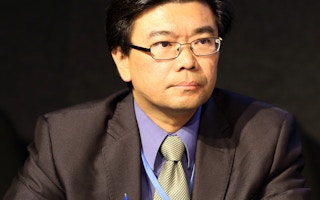
Brokering for the environment for the G77, the biggest negotiating bloc of low-income countries, comes with both challenges and triumphs, says the Filipino lawyer. He shares what it is like to spend sleepless nights at the climate meetings, ahead of COP28.
It is 12 midnight on the last Saturday before the conclusion of the world’s biggest climate summit.
The Conference of the Parties (COP) to the United Nations Framework Convention on Climate Change (UNFCCC) are two-week gatherings that have been held yearly for almost three decades in a bid to make major resolutions to combat worsening impacts of global warming.
The crowd of delegates from nearly 200 countries, dozens of world leaders and hundreds of the biggest companies and nonprofits has dissipated. At the venue, negotiators, however, are huddling in a room to grapple with the final wording of text that could potentially shift the discourse on climate change for the long term. Most of them have not eaten a proper meal, and are surviving on energy bars and the water served for free at the venue.
This is a typical scene into the last hours at the COPs, said Vicente Paolo Yu III, coordinator for the biggest negotiating bloc of low-income countries at the conference, the Group of 77 (G77) and China. The Asian superpower is not classified a developed country under international standards and has provided consistent support to the G77 on climate issues.
Tiếp tục đọc “24 hours with … climate negotiator Vicente Paolo Yu III”Định kiến giới ngay trong sách giáo khoa ảnh hưởng gì đến học sinh?
thanhnien.vn 02/05/2023 17:03 GMT+7
Hàng ngàn học sinh nói sách giáo khoa mang định kiến giới khi nam giới thường gắn với công việc được cho rằng có địa vị cao, trong khi nghề nghiệp của nữ giới có địa vị thấp hơn hoặc chỉ đóng vai trò phụ tá.
Nghề nghiệp của nam giới thường có địa vị cao
Khi khảo sát gần 7.000 học sinh về định kiến giới ở trường học, tổ chức Saigon Children’s Charity (saigonchildren) và Viện Nghiên cứu quản lý phát triển bền vững (MSD) cho hay phần lớn học sinh nói sách giáo khoa thường gắn nhân vật nam với các công việc đòi hỏi sức mạnh hoặc kỹ thuật cao, chẳng hạn như bác sĩ, cảnh sát, luật sư và kỹ sư. Ngược lại, nhân vật nữ thường liên quan đến hoạt động giáo dục hoặc chăm sóc như giáo viên, nội trợ, y tá hoặc thư ký.
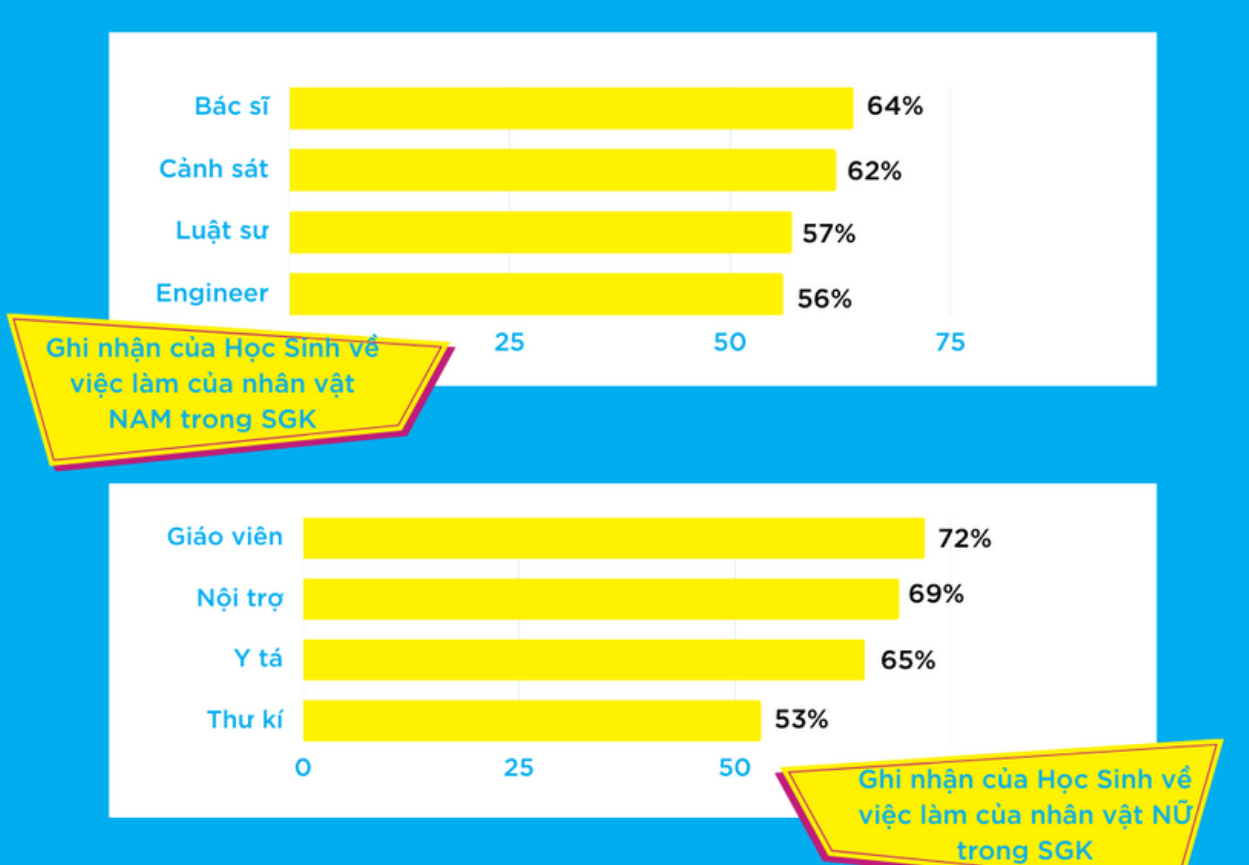
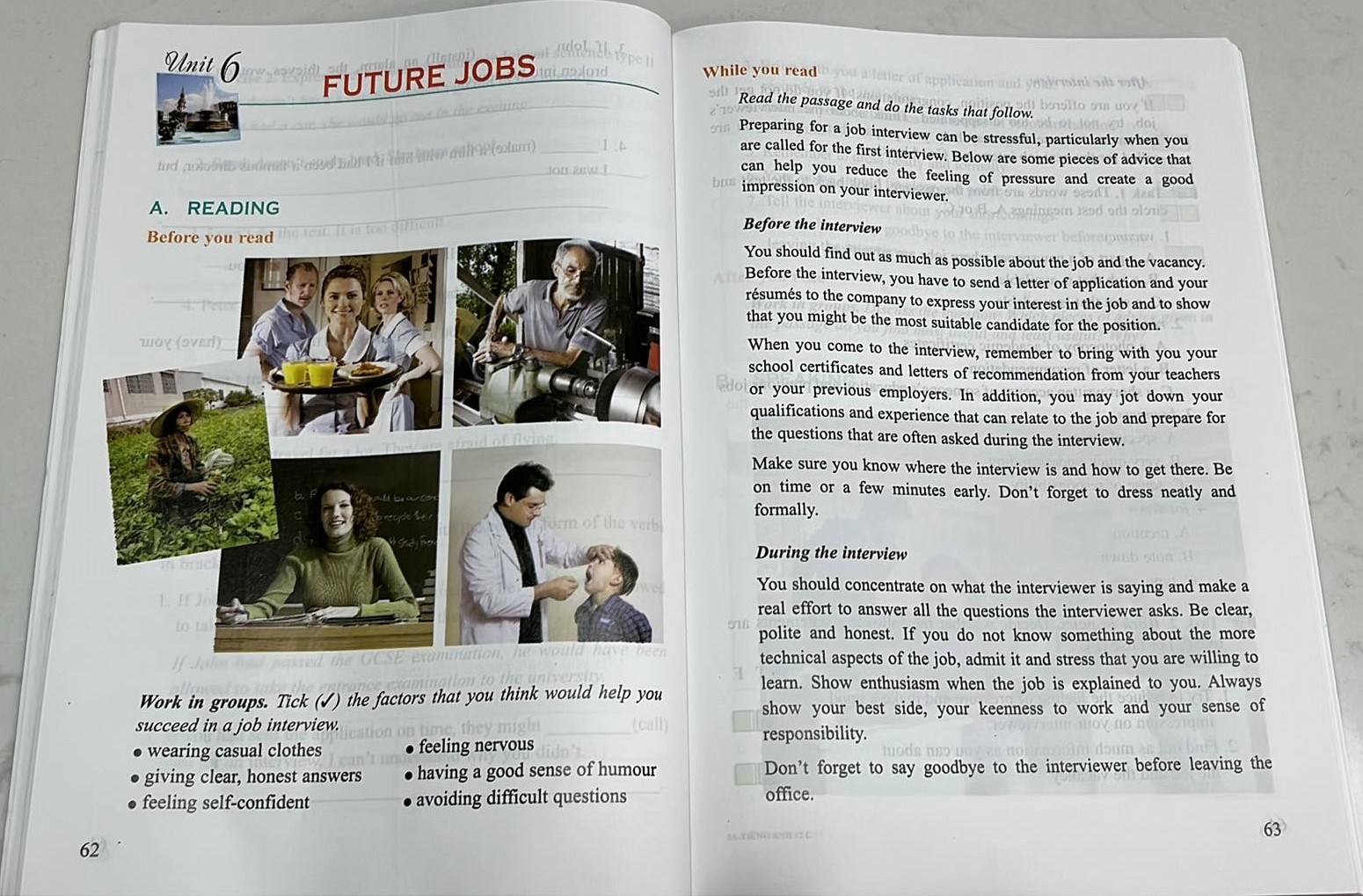
“Những địa vị được miêu tả dành riêng cho hai giới trong sách giáo khoa hàm chứa định kiến, với phần lớn các nghề nghiệp do nam giới đảm nhận là những việc có địa vị cao, trong khi các nghề nghiệp được khắc họa dành cho nữ giới có địa vị thấp hơn hoặc nữ giới chỉ đảm nhận vai trò là phụ tá cho ngành nghề của nam giới”, nhóm nghiên cứu nhấn mạnh trong báo cáo công bố ngày 27.4.
Với kết quả khảo sát như trên, nhóm nghiên cứu chỉ ra rằng việc thể hiện các nghề nghiệp khác nhau trong sách giáo khoa dựa trên giới tính có thể ảnh hưởng đáng kể đến lựa chọn nghề nghiệp và vai trò trong xã hội của học sinh, đặc biệt ở Việt Nam, nơi vai trò giới và thứ bậc xã hội truyền thống vẫn còn ảnh hưởng mạnh mẽ đến kỳ vọng của xã hội.
Điều này cũng ảnh hưởng đến nguyện vọng chọn ngành của nữ sinh, khi các em có thể tự cho rằng khả năng của bản thân bị giới hạn trong một số ngành nghề được cho là “phù hợp” với giới tính, hoặc không có hứng thú để tìm hiểu về các lĩnh vực khác, chẳng hạn như khoa học, công nghệ, kỹ thuật và toán học (STEM).
Tiếp tục đọc “Định kiến giới ngay trong sách giáo khoa ảnh hưởng gì đến học sinh?”
Nhóm ‘nhặt sạn định kiến giới trong sách giáo khoa Tiếng Việt’ đoạt giải nhất Hội thi Sáng kiến Giới
tamviet.tienphong.vn 30/09/2023 | 20:02
TPO – Chiều 30/9, Khoa Giới và Phát triển tại Học viện Phụ nữ Việt Nam đã tổ chức trao giải mùa thứ 3 cho Hội thi Sáng kiến Giới.
Cụ thể, chiều 30/9, Khoa Giới và Phát triển tại Học viện Phụ nữ Việt Nam, đơn vị tổ chức Dự án “Thanh niên tham gia thay đổi định kiến giới, thúc đẩy bình đẳng giới tại Việt Nam”, đã trao giải mùa thứ 3 cho Hội thi Sáng kiến Giới.
| https://image.tienphong.vn/w1000/Uploaded/2023/tpuokbj/2023_09_30/screen-shot-2023-09-30-at-182854-2973.png |
| Tiến sĩ Nguyễn Tuấn Minh, đại diện Ban tổ chức trao giải cho sinh viên. |
Buổi Lễ được dẫn dắt bởi TS. Dương Kim Anh, Phó Giám đốc Học viện Phụ nữ Việt Nam và Trưởng Khoa Giới và Phát triển, cùng ông Đào Ngọc Ninh, Phó viện trưởng Viện Tư vấn Phát triển Kinh tế Xã hội Nông thôn và Miền núi (CISDOMA). Sự kiện diễn ra trong không khí phấn khích của chuỗi hoạt động chào mừng tân sinh viên khóa K11 và kỷ niệm 8 năm thành lập Khoa Giới & Phát triển.
Countries are still falling short in developing textbooks free of gender-based stereotypes
UNESCO.org Global Education Monitoring Report
2020 Gender Report DOWNLOAD PDF
The Beijing Declaration and Platform for Action called on countries to develop curricula, textbooks and teaching aids free of gender-based stereotypes for all levels of education, including teacher training
Textbooks can perpetuate stereotypes by associating certain characteristics with particular groups. Inappropriate images and descriptions can make students from non-dominant backgrounds feel misrepresented, misunderstood, frustrated and alienated.
Textbooks are powerful factors in construction of gender identities. They transmit knowledge and present social and gender norms, shaping the world view of children and young people. Gender norms and values not only shape attitudes and practices but also influence aspirations and dictate expected behaviours and attributes for males and females (Heslop, 2016). In some contexts, textbooks are the first – and sometimes only – books a young person reads, and so can have a lasting impact on their perceptions. That means that, through textbooks, discriminatory norms and values can be challenged. Strategic objective B.4 of the Beijing Declaration and Platform for Action called on countries to develop curricula, textbooks and teaching aids free of gender-based stereotypes for all levels of education, including teacher training, in cooperation with all concerned – publishers, teachers, public authorities and parents’ associations.
WOMEN ARE UNDER-REPRESENTED IN TEXTBOOKS
In many countries, girls and women are under-represented in textbooks, and when they are included, they are depicted in traditional roles. In Afghanistan, women were almost completely absent from grade 1 textbooks published in the 1990s. Since 2001, they have been represented more frequently, but usually in passive and domestic roles, shown as mothers, caregivers, daughters and sisters. They are mostly represented as dependent, with teaching being the only career open to them (Sarvarzade and Wotipka, 2017). A review of 95 primary and secondary compulsory education textbooks in the Islamic Republic of Iran showed that women accounted for 37% of images. About half the images showing women were related to family and education, while work environments appeared in less than 7%. There were no images of women in about 60% of Farsi and foreign language textbooks, 63% of science textbooks and 74% of social science textbooks (Paivandi, 2008).
Tiếp tục đọc “Countries are still falling short in developing textbooks free of gender-based stereotypes”Tan Hoa Village, Vietnam named as Best Tourism Village 2023 by UN World Tourism Organization – Tân Hóa, Quảng Bình được Tổ chức Du lịch thế giới vinh danh “Làng du lịch tốt nhất thế giới” năm 2023.
Tân Hoá village is known as the “seasonal flooded zone” of Quang Binh province, where during the rainy season the flood water can submerge the whole village. Tân Hoá used to be one of the poorest villages in Quang Binh province. Since 2011, when tourism activities were adopted by Tân Hoá village, many people have acquired stable jobs and, subsequently, their quality of life has improved significantly.
The village is situated in the vicinity of Phong Nha-Ke Bang National Park, benefiting from unique natural conditions and a rustic charm. The village has been recognized by the provincial People’s Committee as an ecological and cave tourism area within the Tu Lan cave system. Surrounded by primary forests, limestone mountains, and the tranquil Rao Nan river, Tân Hóa village exhibits a simple and enduring beauty that leaves a lasting impression on visitors.
Tân Hoá Tourism Village is a pioneering tourism business model that promotes collaboration between enterprises and the local community, aiming for mutual benefits. Oxalis Adventure, as its partner, has implemented a clear and comprehensive business strategy based on three fundamental principles: safety, conservation, and involvement of the local people.
The Village and Oxalis Adventure believe that involving local people in the tourism business is a strategic approach rather than just a responsibility. They have gradually trained the local people to become proficient in serving tourists and transitioned from community involvement into community ownership on services that they deliver.
HIGHLIGHTS

The Countries Most in Debt to China
statista.com INTERNATIONAL LOANS by Katharina Buchholz,Mar 29, 2023
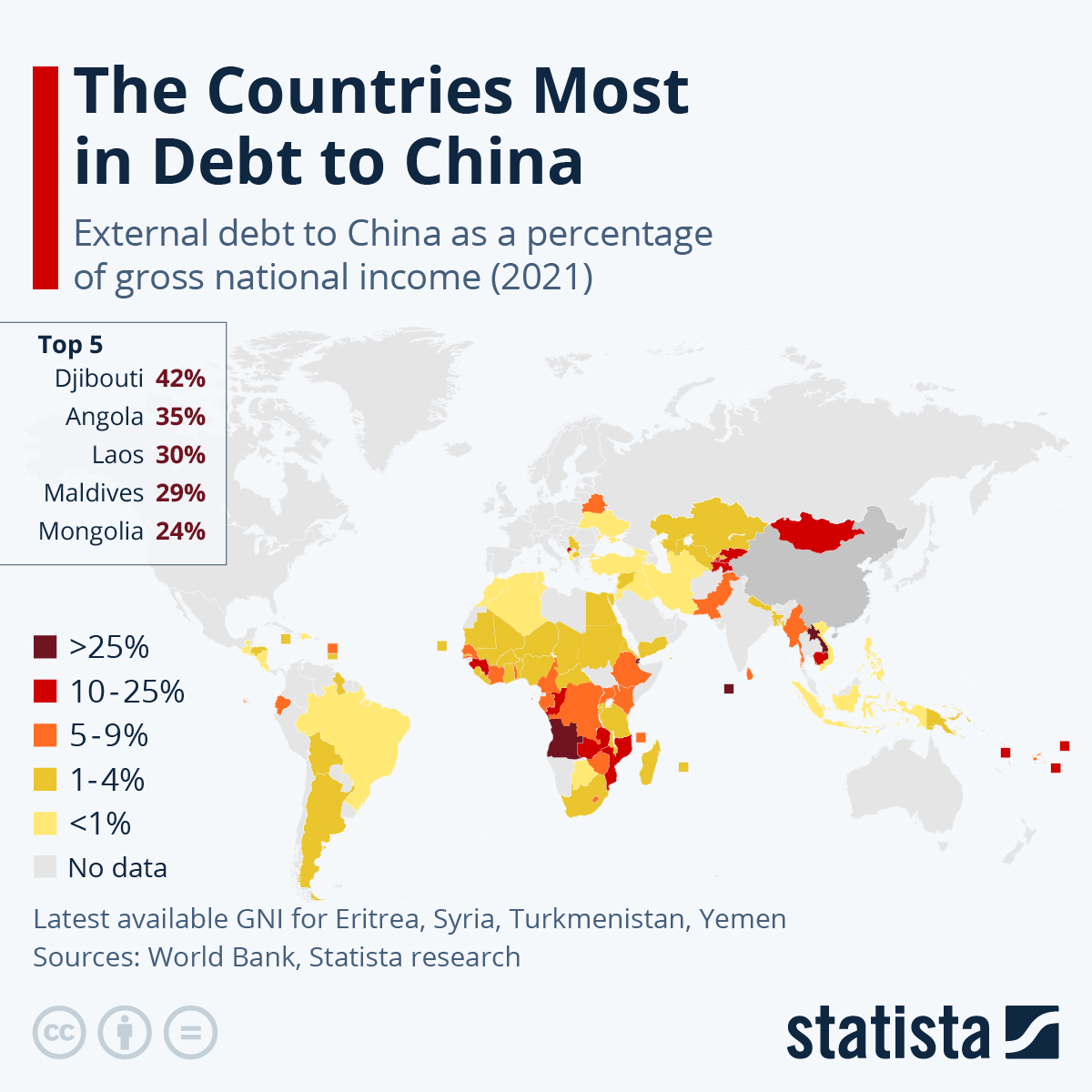
DESCRIPTION This chart shows global debt levels cause by direct loans from China (as percentage of GDP) in 2021.
According to World Bank data analyzed by Statista, countries heavily in debt to China are mostly located in Africa, but can also be found in Central Asia, Southeast Asia and the Pacific. As the new preferred lender to low-income countries, China held 37 percent of these nations’ debt in 2020. Just 24 percent of the countries’ bilateral debt comes from the rest of the world that year.
The “New Silk Road” project, which finances the construction of port, rail and land infrastructure across the globe, has created much debt to China for participating countries. At the end of 2021, of the 98 countries for whom data was available, Pakistan ($27.4 billion of external debt to China), Angola (22.0 billion), Ethiopia (7.4 billion), Kenya (7.4 billion) and Sri Lanka (7.2 billion) held the biggest debts to China. The countries with the biggest debt burdens in relative terms were Djibouti and Angola, followed by the Maldives and Laos, which opened a debt-laden railway line to China last year. The President of the World Bank, David Malpass, has called the level of debt many countries once again hold “unsustainable”.
The Paris Club used to hold the majority of low-income countries’ debt before it was restructured and largely forgiven after the turn of the millennium for qualifying, developing countries. Whether such a process will be available for Chinese debt is unclear. As of 2021, China had officially lent around $180 billion to low and middle-income countries, up from just around $40 billion in 2010.
Chinese loans have higher interest rates than those from international institutions like the International Monetary Fund or The World Bank or bilateral loans from Paris Club countries, and also have shorter repayment windows. Their setup is closer to commercial loans concerning their conditions of repayment, confidentiality as well as their objectives of funding specific infrastructure projects instead of pursuing development goals in general.
The Covid-19 pandemic has complicated the already difficult repayment of Chinese loans even more. According to the Financial Times, the country had to renegotiate loans worth $52 billion in 2020 and 2021 – more than three times the amount that met this fate in the two previous years. One such case was Sri Lanka – also among China’s biggest debtors – which in 2022 was the first Asian country in two decades to default on its debt.
Disinformation surge threatens to fuel Israel-Hamas conflict
By Stephanie Burnett, Stephen Farrell and Hardik Vyas October 18, 20238:39 PM GMT+7 Updated 10 hours ago
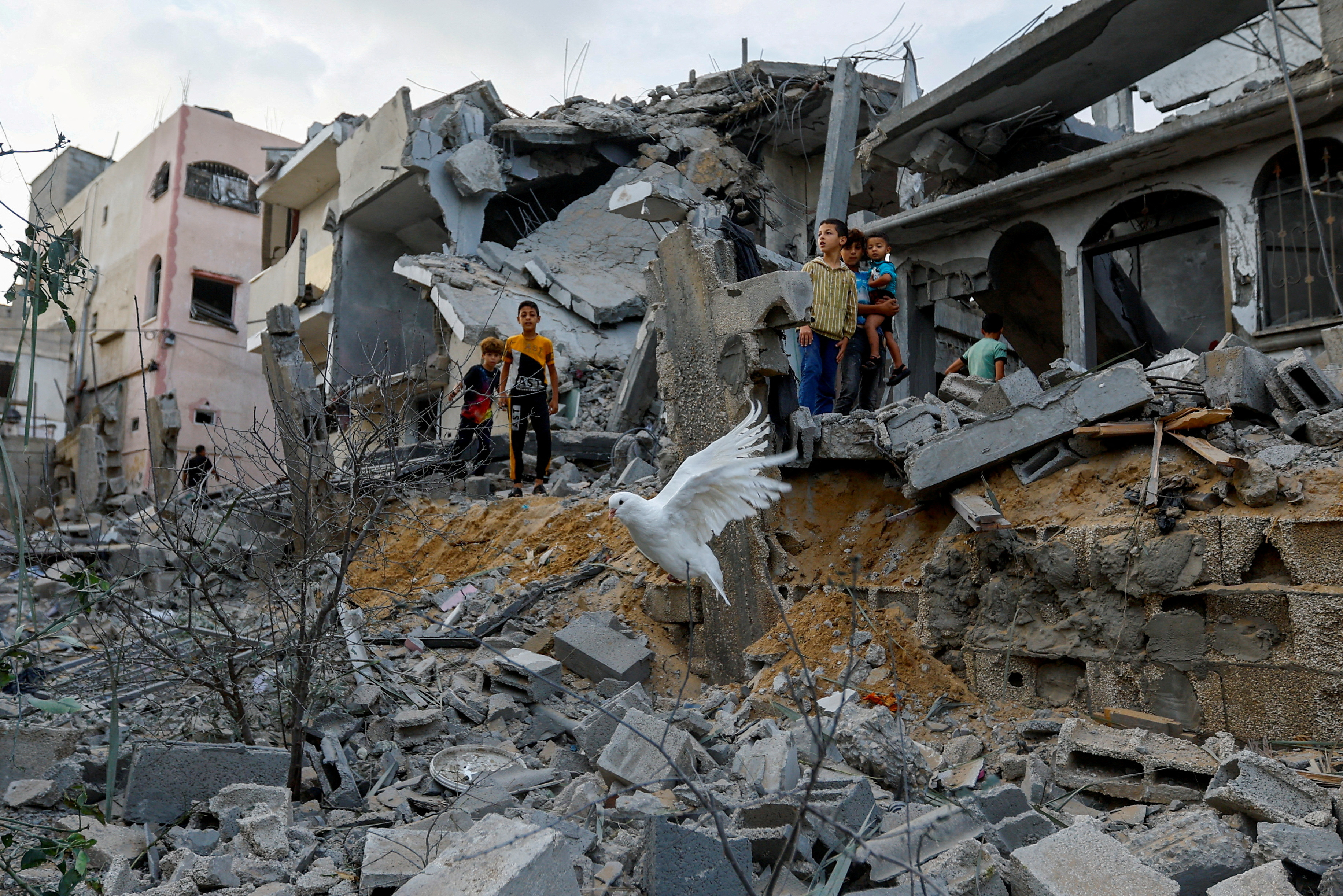
[1/2]A dove flies over the debris of houses destroyed in Israeli strikes, in Khan Younis in the southern Gaza Strip October 11, 2023. REUTERS/Ibraheem Abu Mustafa/File Photo Acquire Licensing Rights
Summary
- Fake or misleading posts proliferate after Hamas attack
- Cyber distortions deepen enmity in region and beyond
- Acrimony online can have real world consequences
AMSTERDAM/LONDON, Oct 18 (Reuters) – As the Israel-Hamas war rages, regulators and analysts say a wave of online disinformation risks further inflaming passions and escalating the conflict in an electronic fog of war.
An explosion at a Gaza hospital that killed hundreds of Palestinians on Tuesday is the latest focus of the surge of activity as supporters of both sides in the battle between Israel and Hamas try to bolster their own side’s narrative and cast doubts on the other’s.
Tiếp tục đọc “Disinformation surge threatens to fuel Israel-Hamas conflict”Which Countries Receive the Most Foreign Aid from the U.S.?
Source: US Agency for International Development Get the data Embed Download image Download SVG
Which Countries Receive the Most Foreign Aid From the U.S.?
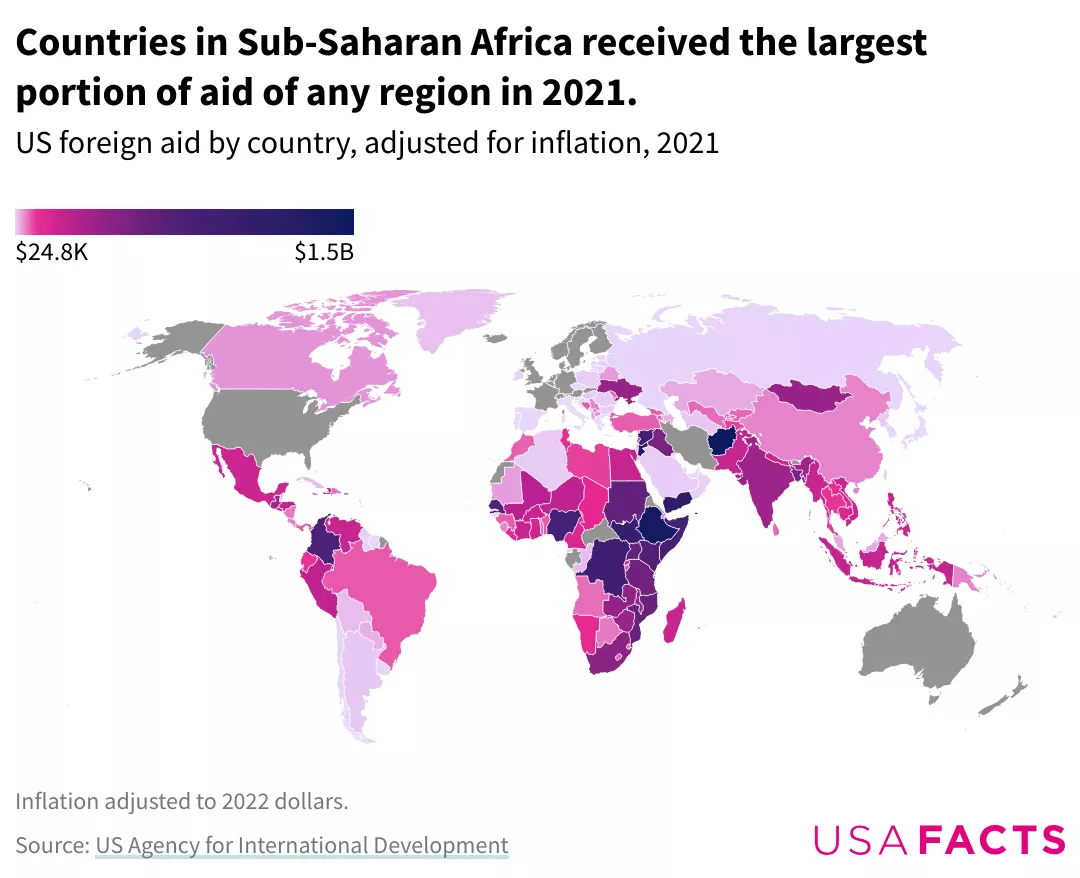
The United States provided more than $50 billion in aid to over 150 countries and territories, regional funds, and NGOs in 2021.
Each year, Congress appropriates foreign assistance based on national security, commercial, and humanitarian interests.
In this map, USAFacts uses data from the U.S. Agency for International Development (USAID) to highlight the countries that received the largest portion of aid.
ADVERTISEMENT
Food Assistance and the War on Drugs
In 2021, the U.S. directed its aid towards nations grappling with internal conflicts and humanitarian crises.
Tiếp tục đọc “Which Countries Receive the Most Foreign Aid from the U.S.?”
Ban on protests supporting Palestinians is disproportionate attack on the right to protest in France
Following the request from the Minister of the Interior Gerald Darmanin asking the prefects in France to ban all pro-Palestinian demonstrations, Jean-Claude Samouiller, President of Amnesty International France said:
“The ban on all demonstrations in support of the Palestinians in France constitutes a serious and disproportionate attack on the right to demonstrate.
Faced with the atrocities committed by Hamas in southern Israel, and also the blockade and very heavy bombings in the Gaza Strip, it is important that civil society actors can mobilize peacefully and publicly, in particular those calling on those engaged in the conflict to respect the rights of civilian populations. This is why there cannot be a systematic ban on the right to peacefully demonstrate support for the rights of the Palestinian populations.
Under international law, a ban on demonstrations can only be considered as a last resort. Authorities should always seek to protect and facilitate the rights to freedom of expression and peaceful assembly in the first place.Jean-Claude Samouiller, President of Amnesty International France
A ban can only be legal if it is motivated by a specific threat and if it is demonstrated that no other less restrictive measure could guarantee public order.”
After blast kills hundreds at Gaza hospital, Hamas and Israel trade blame as rage spreads in region
Wounded Palestinians wait for treatment in al-Shifa hospital in Gaza City, central Gaza Strip, after arriving from al-Ahli hospital following an explosion there, Tuesday, Oct. 17, 2023. The Hamas-run Health Ministry says an Israeli airstrike caused the explosion that killed hundreds at al-Ahli, but the Israeli military says it was a misfired Palestinian rocket. (AP Photo/Abed Khaled)
Hơn 20 năm: những lớp dạy bơi miễn phí cho trẻ em
Hơn 5.000 trẻ em đã biết bơi và thành thạo kỹ năng sinh tồn vùng sông nước qua lớp dạy bơi miễn phí của bà Sáu ở Đồng Tháp
Lớp dạy bơi trẻ em miễn phí ở Hưng Yên
“My people are not threatened by silence. They are completely at home in it.”
Miriam-Rose Ungunmerr-Baumann (Aboriginal activist, educator, artist and 2021 Senior Australian of the year)
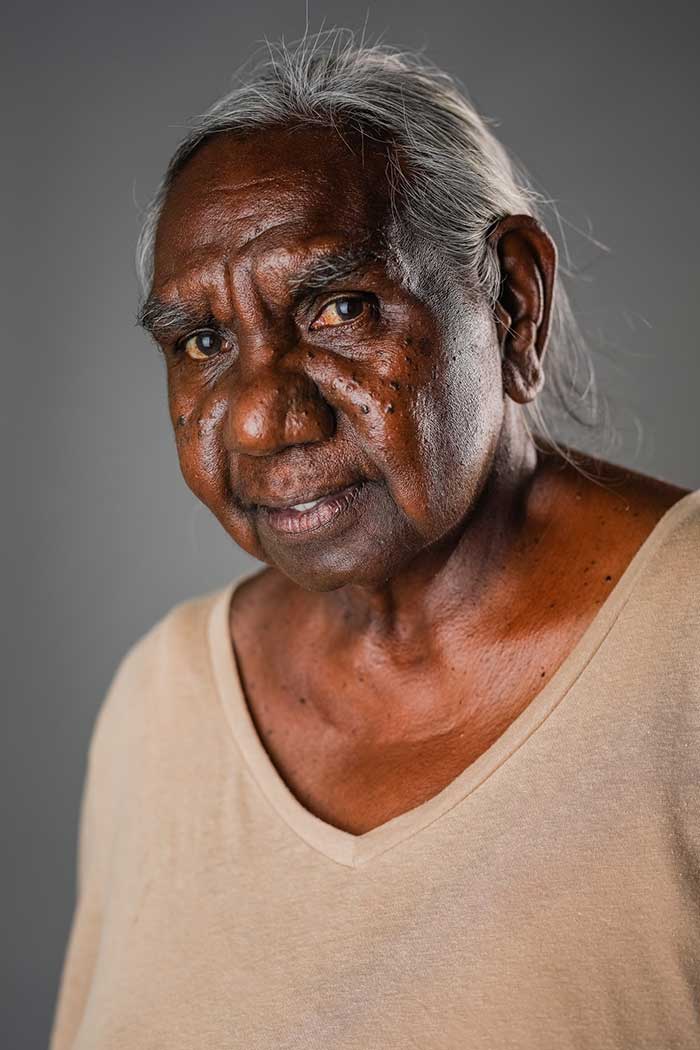
*The Indigenous People of Australia have a depth of spirituality that can enrich our NonIndigenous spirits in so many ways. One of these spiritual gifts is Dadirri. Aboriginal people practice deep listening, an almost spiritual skill, based on respect. ‘Dadirri’ is an Aboriginal word meaning ‘inner deep listening and quiet still awareness and waiting‘*
My people are not threatened by silence. They are completely at home in it. They have lived for thousands of years with Nature’s quietness. My people today recognise and experience in this quietness the great Life-Giving Spirit, the Father of us all. It is easy for me to experience God’s presence. When I am out hunting, when I am in the bush, among the trees, on a hill or by a billabong; these are the times when I can simply be in God’s presence. My people have been so aware of Nature. It is natural that we will feel close to the Creator. Our Aboriginal culture has taught us to be still and to wait. We do not try to hurry things up. We let them follow their natural course – like the seasons. We watch the moon in each of its phases. We wait for the rain to fill our rivers and water the thirsty earth…
When twilight comes, we prepare for the night. At dawn we rise with the sun.
We watch the bush foods and wait for them to ripen before we gather them. We wait for our young people as they grow, stage by stage, through their initiation ceremonies. When a relation dies, we wait a long time with the sorrow. We own our grief and allow it to heal slowly.
We wait for the right time for our ceremonies and our meetings. The right people must be present. Everything must be done in the proper way. Careful preparations must be made. We don’t mind waiting, because we want things to be done with care.
We don’t like to hurry. There is nothing more important than what we are attending to. There is nothing more urgent that we must hurry away for.
We wait on God, too. His time is the right time. We wait for him to make his word clear to us. We don’t worry. We know that in time and in the spirit of dadirri (that deep listening and quiet stillness) his way will be clear.
We are river people. We cannot hurry the river. We have to move with its current and understand its ways.
We hope that the people of Australia will wait. Not so much waiting for us – to catch up – but waiting with us, as we find our pace in this world.
If you stay closely united, you are like a tree, standing in the middle of a bushfire sweeping through the timber. The leaves are scorched and the tough bark is scarred and burnt; but inside the tree the sap is still flowing, and under the ground the roots are still strong. Like that tree, you have endured the flames, and you still have the power to be reborn.
Our culture is different. We are asking our fellow Australians to take time to know us; to be still and to listen to us.–
Miriam-Rose Ungunmerr-Baumann (Aboriginal activist, educator, artist and 2021 Senior Australian of the year)
Full text of the reflection: https://www.dadirri.org.au/wp-content/uploads/2015/03/Dadirri-Inner-Deep-Listening-M-R-Ungunmerr-Bauman-Refl1.pdf?fbclid=IwAR277ZxWsZsLFMb2i8sSmYaSLzrMbBfcrwtDxZPp9eBEWCCADQM1_1yQifI
Learn more about Miriam Rose Foundation: https://www.miriamrosefoundation.org.au/about-miriam-rose-foundation/
From Nazism to the Creation of Israel vs Palestine 1920: The Other Side of the Palestinian Story. Then what is Hamas?
In 1948, the State of Israel was created. For Jews around the world, it is the end of 2000 years of exile. For the 700,000 Palestinians present on these lands, this is the beginning of injustice.
Documentary
Palestine 1920: The Other Side of the Palestinian Story
“A land without a people, and a people without a land” is how the relationship between Palestine and the Jewish people was described by Christian writers in the 1800s. And the 20th-century history of the Middle East has largely been written through these eyes.
But this film from Al Jazeera Arabic looks at Palestine from a different angle. It hears from historians and witness accounts, and features archive documents that show Palestine as a thriving province of Greater Syria and the Ottoman Empire at the dawn of the 20th century. The evidence suggests that its cities had a developing trade and commercial sector, growing infrastructure, and embryonic culture that would enable it to meet the challenges of the decades ahead. However, the political ramifications of the Balfour Declaration, San Remo Conference and British Mandate set in motion a series of events that profoundly affected this vibrant, fledgeling society and led to the events of 1948 and beyond.
This film is the other side of the Palestinian story.
What is the armed Palestinian group Hamas?
Israel has declared war on the Palestinian armed group, Hamas. But where did the group come from, who supports it and what is it fighting for? Here’s what you need to know:
 CVD
CVD