I'm from Hanoi, Viet Nam.
I'm an author of Dot Chuoi Non (dotchuoinon.com/author/hangbelu/), a blog on Positive thinking, founded by Dr. Tran Dinh Hoanh, an attorney in Washington DC.
I'm a co-founder of Conversations on Vietnam Development - cvdvn.net, a virtual think tank. I am a co-founder of two companies in Viet Nam working on children education services. I advise companies on STEAM education, English language education for children and students in Vietnam.
I'm studying the Buddha's teaching and the teaching of Jesus. I practice mindful living including meditation.
I hold a PhD on Sustainable Energy Systems from University of Lisbon and Aalto University.
I graduated from Hanoi University of Technology on Environmental Engineering. I obtained a Master degree of the same major from Stanford University and Nanyang Technological University.
My English-language blog at: hangbelu.wordpress/.
I play table tennis as a hobby.
Friedrich Gustav Emil Martin Niemöller (14 January 1892 – 6 March 1984) was a German theologian and Lutheran pastor. He is best known for his opposition to the Nazi regime during the late 1930s and for his widely quoted 1946 “First they came …“
In Germany they first came for the Communists, and I didn’t speak up because I wasn’t a Communist. Then they came for the Jews, and I didn’t speak up because I wasn’t a Jew. Then they came for the trade unionists, and I didn’t speak up because I wasn’t a trade unionist. Then they came for the Catholics, and I didn’t speak up because I was a Protestant. Then they came for me and by that time no one was left to speak up.
Visitors stand in front of the quotation from Martin Niemöller that is on display in the Permanent Exhibition of the United States Holocaust Memorial Museum. Niemöller was a Lutheran minister and early Nazi supporter who was later imprisoned for opposing Hitler’s regime.
By Khang A Tủa and Alex Nguyễn 29 January 2024 at 18:36 (Updated on 30 January 2024 at 10:29)
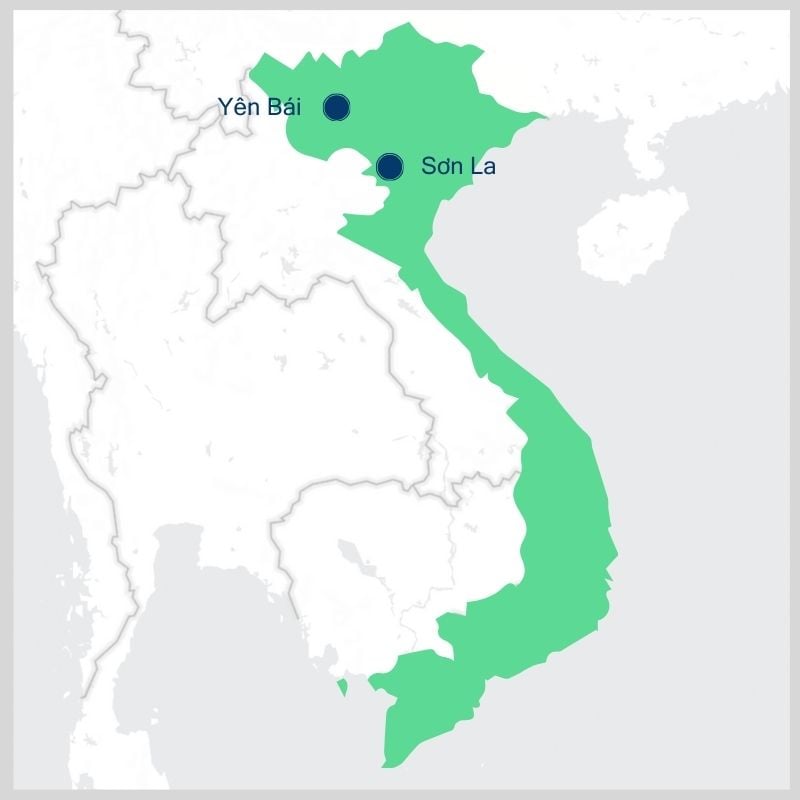
After decades of pursuing development goals, Hmong people in northern Viet Nam face a battle to preserve disappearing indigenous corn
Cúa bua (in Vietnamese), or quav npua (in Hmong) , an indigenous corn variety in Chế Cu Nha, Mù Cang Chải district, Yên Bái province.
YÊN BÁI & SƠN LA, VIET NAM – Early one winter morning, Khang Chờ Dê of Chế Cu Nha hamlet in Yên Bái province was woken by loud knocking on his door. Sào, his relative, needed some red corn kernels, an indigenous crop used by Hmong people in northern Viet Nam for spiritual offerings to ward off bad luck.
The son of a shaman, Dê understood the importance of red corn in ritual practices. He quickly took some kernels from his kitchen, wrapped them up neatly and handed them to his relative.
Back in bed, the 46-year-old farmer pondered the scarcity of the indigenous cúa bua (in Vietnamese), or quav npua (in Hmong)corn seeds in Chế Cu Nha, his family’s ancestral home. For generations, indigenous corn crops have been essential to Hmong spiritual and cultural traditions, as well as helping to strengthening their autonomy in agricultural cultivation.
Norway’s district court in Oslo recently made a decision on fossil fuels that deserves the attention of every person concerned about climate change.
This ruling, which compels energy firms to account for the industry’s entire carbon footprint, could change the way oil and gas licenses are awarded in Norway – and inspire similar legal challenges to fossil fuel production in other countries.
The court ruled that three petroleum production licenses, held by energy companies including Equinor and Aker BP, were invalid largely due to the lack of consideration that had been given to so-called “downstream emissions”. That is, emissions from burning the petroleum that these firms would extract from the North Sea (also called scope 3 emissions).
This case is a big win for environmental campaigners who have tried to make oil and gas companies account for the emissions that come from burning their products. Similar efforts have been defeated in legal challenges elsewhere over the last few years.
Our mission is to share knowledge and inform decisions.
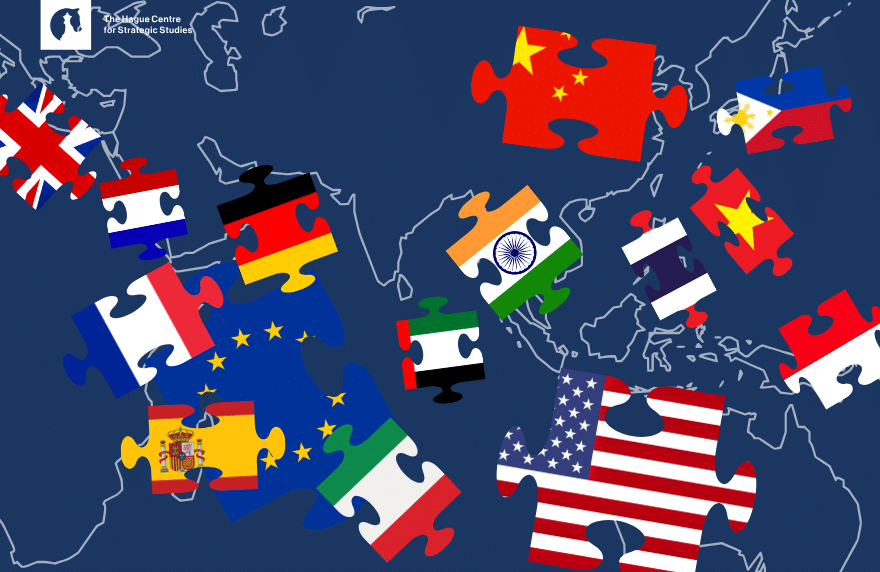
How should Europe strengthen its engagement with the Indo-Pacific? While the continent is highly dependent on trade from the region, it has limited capabilities to protect its interests in the face of growing Sino-American competition. This new HCSS report by Paul van Hooft, Benedetta Girardi and Alisa Hoenig examines how European states can engage in the Indo-Pacific by deepening cooperation with regional powers.
The Indo-Pacific comprises many actors, which are positioned along key chokepoints and share geopolitical and geoeconomic interests in protecting crucial sea lines of communication with Europe. This report does two things to establish pathways for deeper European engagement with Indo-Pacific states:
Based on relevance for maritime security and political affinity with European countries, it assesses the suitability of regional states as partners. Besides the usual suspects Australia, Japan and South Korea, it identifies an “inbetweener” group of countries, with whom cooperation can be fruitful but is not guaranteed, and states with whom engagement is unlikely to yield beneficial results.
It then zooms in on the “inbetweeners” to determine pathways for deepening ties. By comparing bilateral relations between different European and Indo-Pacific states along security, trade and investment, and capacity-building and infrastructure, the authors identify relative strengths and weaknesses of European states. Finally, they also contrast Europe’s involvement with that of China and the United States.
Based on the analysis, the report recommends to strengthen European collaboration with more ambivalent Indo-Pacific states, with a focus on trade and investment and capacity-building in the short- to medium-term.
The research for and production of this report has been conducted within the PROGRESS research framework agreement. Responsibility for the contents and for the opinions expressed, rests solely with the authors and does not constitute, nor should be construed as, an endorsement by the Netherlands Ministries of Foreign Affairs and Defence.
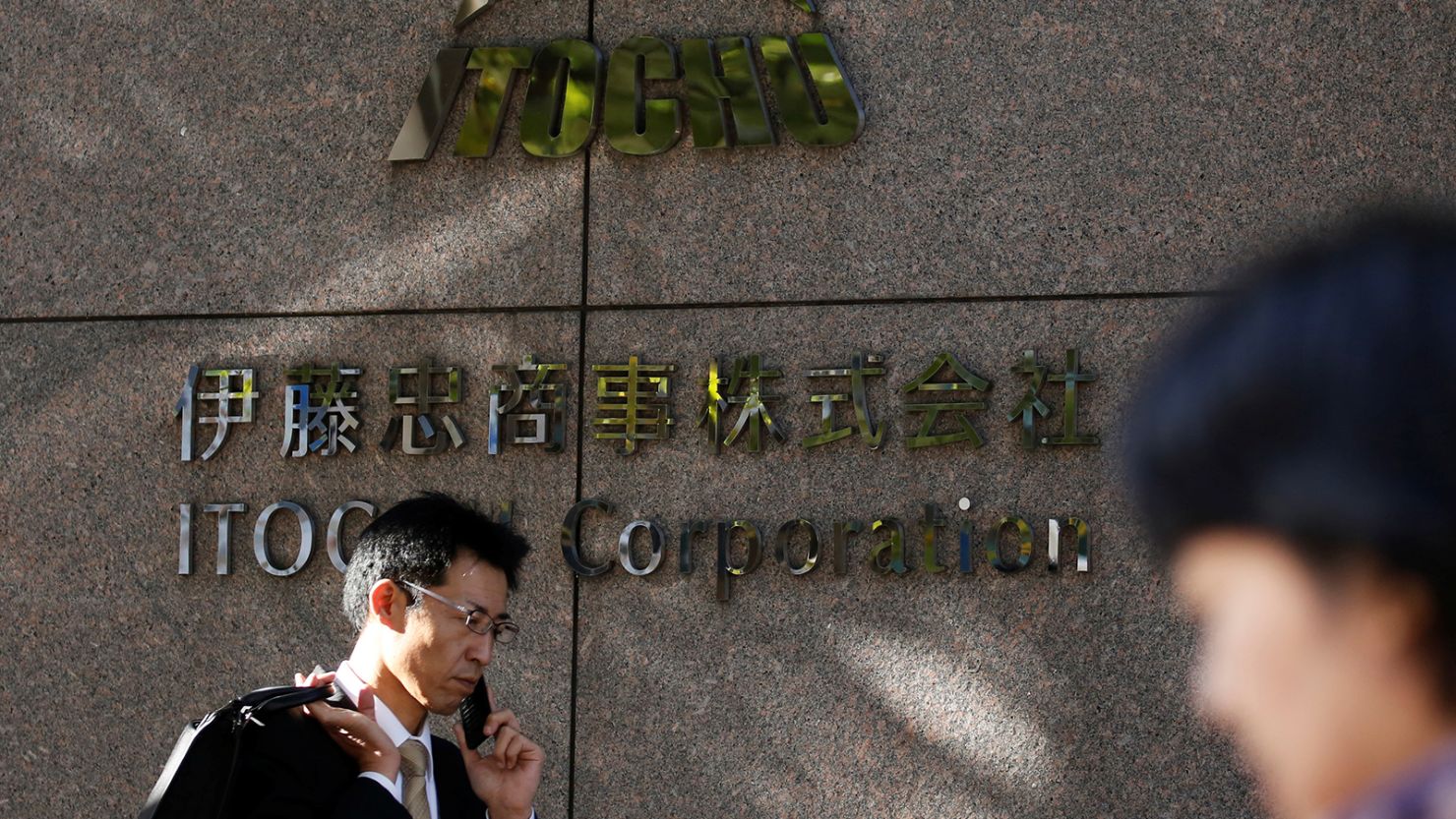
Itochu is one of Japan’s biggest trading houses and is based in Tokyo. Toru Hanai/ReutersHong Kong/TokyoCNN —
One of Japan’s biggest trading firms, Itochu, has decided to end its partnership with a major Israeli defense company due to the war in Gaza.
The sprawling conglomerate, best known outside Japan for its Family Mart chain of convenience stores, said its aviation unit will cut ties with Elbit Systems, which bills itself as Israel’s largest defense contractor, by the end of February.
The decision was made following a January ruling by the International Court of Justice (ICJ) — the top court of the United Nations — and guidance given by Japan’s Foreign Ministry to observe the court’s findings in “good faith,” a spokesperson for Itochu told CNN on Tuesday.
Last month, the ICJ ordered Israel to prevent genocide against Palestinians in Gaza, but stopped short of calling for Israel to suspend its military campaign in the war-torn enclave, as South Africa, which had filed the case to the court, had requested.
The court said Israel must “take all measures” to limit the death and destruction caused by its military campaign, prevent and punish incitement to genocide and ensure access to humanitarian aid
Itochu’s announcement was first made Monday by Tsuyoshi Hachimura, the company’s chief financial officer, during an earnings presentation.
Itochu Aviation, Elbit Systems and Nippon Aircraft Supply signed a cooperation agreement in March 2023, months before war broke out between Israel and Gaza.
Itochu, which reported revenues of $104 billion in 2023, has faced small-scale, student-led protests in Tokyo against its partnership with Elbit since January. Its Family Mart chain has also been the target of calls for boycotts in Muslim-majority Malaysia over the agreement.
Hachimura sought to explain the deal on Monday, telling investors: “The partnership was based on a request from the Japan’s Defense Ministry for the purpose of importing defense equipment for the Self-Defense Force necessary for Japan’s security.”
During a November earnings call, Elbit CEO Bezhalel Machlis said the company had “ramped up production” to support the Israel Defense Forces, which uses its services “extensively.”
— CNN’s Hanako Montgomery and Heather Chen contributed reporting.
A U.S. Army CH-47 Chinook helicopter assigned to the 25th Infantry Division delivers essential medical supplies and logistical equipment for the Lahaina National Guard Role I facility, supporting Maui County authorities to provide immediate security, safety, and well-being to those affected by the wildfires to ensure unwavering support for the community of Maui and first responders. (U.S. Army photo by Spc. Abreanna Goodrich)
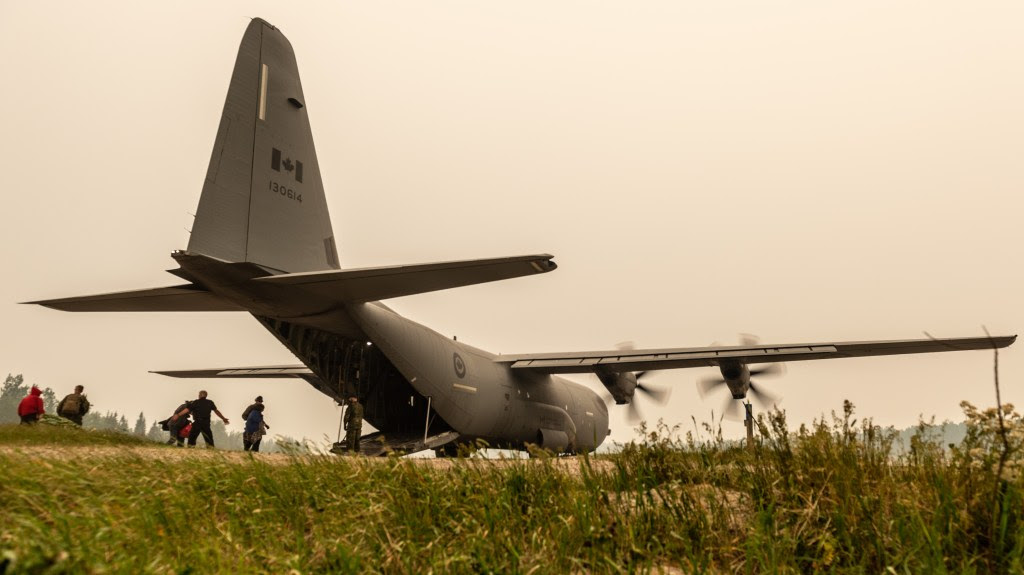
Since June 2022, MiRCH has identified military deployments for floods, storms, droughts, heat, wildfires, and other hazards on every continent, involving the armed services of 68 countries. With the growing severity and frequency of climate hazards, the scale of some MiRCH incidents have been immense, placing enormous pressure on defense forces to provide assistance. For instance, wildfires in Canada burned through a record high of more than 45 million acres in 2023 requiring the Canadian Armed Forces to engage in firefighting for over 100 days. Meanwhile, extreme precipitation and flooding in Libya, East Africa, and elsewhere have displaced millions of people, resulting in the deployment of thousands of military personnel.
The pace and breadth of climate hazards present additional challenges to militaries worldwide. MiRCH has recorded 10 countries where their armed services responded to more than one climate hazard in the same month. In December 2023, India’s southern state of Tamil Nadu was still recovering from the damage caused by Cyclone Michaung when intense rainfall later in the month led to severe flooding in the region again, prompting the Indian Armed Forces to amplify their recovery efforts. Additionally, although defense forces continue to widely perform more traditional disaster relief duties, such as providing logistical support, conducting search and rescue operations, evacuating affected areas, and delivering critical aid and supplies, they are also being deployed for missions beyond these roles. For example, the Swiss army has airlifted water to thousands of livestock during water shortages, the West Virginia National Guard conducted aerial firefighting for the first time, and Indonesia ordered the military to assist farmers in planting rice since drought has reduced production of the staple crop.
Record high temperatures, combined with a strong El Niño event, contributed to unprecedented extreme weather events that required military responses in 2023, from the first Category-5 storm in recorded history to make landfall in the Mexican Pacific to Canada’s historic fire season. As global temperatures continue to rise, climate hazards are projected to further intensify, placing an even greater demand on armed services to provide relief in the future. In the near term, extreme weather events in the next few months could be particularly severe as the current El Niño is expected to continue at least until April.
High Demand Poses Readiness Questions for Militaries
The months-long drought – a 1 in 100 years event – has dried up large parts of the Amazon River, with water levels at their lowest in more than a century.
—
Climate change is the main driver behind the exceptional drought that has been affecting the Amazon River since mid-2023, with the return of El Niño further exacerbating the situation, new research suggests.
A group of scientists from the World Weather Attribution (WWA) group used published peer-reviewed methods to assess the role of climate change and El Niño in influencing the drought, which is affecting an estimated 30 million people that rely on the river for transport, food, and power. They found that climate change-driven high temperatures were the main driver of the historic drought – a 1 in 100 year event on the Standardized Precipitation Index (SPI). On the other hand, the El Niño – a phenomenon that warms the Pacific Ocean and historically a driver of drought – had a “much smaller influence.”
President of Belarus Alexander Lukashenko attends the CSTO Collective Security Council meeting in Minsk, Belarus, 23 November 2023. [EPA-EFE/SERGY GUNEEV / KREMLIN / POOL]
Belarusian propaganda positions the EU as its main enemy, but several other features make it a unique case among its European neighbours.
*The author of this text remains anonymous due to fear of repercussions in their home country.
The most important and, at the same time, the most destructive peculiarity of disinformation in Belarus is strong Russian influence, which has deep historical roots and covers various spheres, from economy and culture to the military sector.
However, nowadays, Russian propaganda is helped by Belarusian colleagues who work to follow the same narrative.
This narrative includes turning EU countries into an economically and politically unstable military threat in the eyes of Belarusians while ignoring benefits and positives.
Innovative aircraft-based technique records carbon emissions not tracked before from the industrial region
Researchers flew an aeroplane over the oil sands in Alberta, Canada, to measure all of their carbon-based emissions. Credit: John Liggio, Andrea Darlington and Andrew Elford
Canada’s controversial oil-producing tar sands generate a substantial amount of unaccounted-for carbon-based emissions that can affect air quality, according to measurements taken by aircraft. The sands release more of these pollution-causing gases than megacities such as Los Angeles, California, and about the same as the rest of Canada’s human-generated sources combined — including emissions from motor traffic and all other industries.
“No rules have been broken, or guidelines exceeded here,” says Janetta McKenzie, an oil and gas analyst for the Pembina Institute, a think tank in Calgary, Canada. “But that speaks to some issues in our rules and our guidelines.”How a dangerous stew of air pollution is choking the United States
The team that conducted the study — led by environmental engineer Drew Gentner at Yale University in New Haven, Connecticut, and chemist John Liggio at the federal agency Environment and Climate Change Canada (ECCC) in Toronto — used an innovative approach to measure all the carbon-based molecules in the air over oil sands in the province of Alberta. The researchers factored out greenhouse gases such as carbon dioxide and instead tracked only molecules important to air quality, many of which haven’t been monitored at the oil sands before. These carbon-based gases can seed particulate pollution in the air and react with other chemicals to form ground-level ozone.
The organization warns that escalating attacks on ships in the Red Sea are adding strain to shipping routes already hit by conflict and climate change.
The UN’s trade and development body, UNCTAD, has raised profound concerns over escalating disruptions to global trade.
It says that recent attacks on ships in the Red Sea, combined with geopolitical tensions affecting shipping in the Black Sea and the impacts of climate change on the Panama Canal, have given rise to a complex crisis affecting key trade routes.
UNCTAD’s head of trade logistics, Jan Hoffmann, outlined the organization’s detailed analysis of the situation at the UN’s daily press briefing on 26 January. He underlined maritime transport’s critical role in international trade, noting that it is responsible for approximately 80% of the global movement of goods.
Disruptions in the Black Sea and Panama and Suez Canals
The Suez Canal, a critical waterway connecting the Mediterranean Sea to the Red Sea, handled approximately 12% to 15% of global trade in 2023. UNCTAD estimates that the trade volume going through the Suez Canal decreased by 42% over the last two months.
Red Sea crisis: Suez Canal traffic plummets
Suez Danal, daily transits, 28-day rolling average, 2016–23 January 2024, Index, Average=100201620172018201920202021202220232024020406080100120140160180200
The ongoing conflict in Ukraine has also triggered substantial shifts in oil and grain trades, reshaping established trade patterns.
Meanwhile, the Panama Canal, another key artery for global trade, is grappling with a severe drought that has diminished water levels, resulting in a staggering 36% reduction in total transits over the past month compared to a year ago.
Mosquito-borne disease once largely limited to Dhaka spreads countrywide as higher rainfall and heat lead to fivefold rise in cases in a year, with children the hardest hit
Corridors in Dhaka Medical College hospital crowded with dengue patients amid a shortage of beds. Bangladesh’s worst outbreak of dengue on record comes after unusually heavy rain, torrid temperatures and high humidity led to an explosion in the mosquito population
All photographs by Fabeha Monir for WHO
In a small, dimly lit control room at the Directorate General of Health Services (DGHS) in Dhaka, data on Bangladesh’s dengue outbreak flashes across multiple computer screens. Government analysts here have been busy collecting and monitoring the impact of the disease across the country since cases were first reported last April.
In 2023, the total reported cases of dengue numbered 321,179, with 1,705 deaths recorded, a massive jump from the year before, when 62,000 people were known to have had the virus, and 281 died. It was the highest number of annual deaths caused by the mosquito-transmitted disease ever recorded in Bangladesh.
We can’t afford to admit her to hospital so I’ve been doing whatever I can to protect her at home
Masuma Begum
The deaths last year included at least 113 children. According to Save the Children, the majority of these deaths were of children under the age of 10, with 38 deaths among those under five.
“Children make up around 30% of all dengue cases in Bangladesh and are particularly vulnerable to the virus because of underdeveloped immune systems,” says Dr Shamim Jahan, Bangladesh director of Save the Children. “Those under five are particularly at risk from developing severe symptoms, such as dehydration and shock.”
Over the past few months, the surge in cases has pushed Bangladesh’s health system to the limit, with hospital corridors overflowing with patients as wards run out of beds.
Wolves and black-billed magpies scavenge at a dump where carcasses are stored in Yellowstone National Park.
PUBLISHED JULY 10, 2020
LARAMIE, WYOMINGTwenty-five years after gray wolves returned to Yellowstone National Park, the predators that some feared would wipe out elk have instead proved to be more of a stabilizing force. New research shows that by reducing populations and thinning out weak and sick animals, wolves are helping create more resilient elk herds.
Released today, the annual Piracy and Armed Robbery Report of the ICC International Maritime Bureau (IMB) raises concern over the first successful Somali based hijacking since 2017.
The IMB annual report recorded 120 incidents of maritime piracy and armed robbery against ships in 2023 compared to 115 in 2022. It reveals that 105 vessels were boarded, nine attempted attacks, four vessels hijacked and two fired upon.
Where the number of 2023 reported incidents has slightly increased compared to 2022, the IMB urges caution for crew safety as the number of crew taken hostage and kidnapped increased from 41 to 73 and from two to 14 in 2022 and 2023 respectively. A further 10 crew were threatened, four injured and one assaulted in 2023.
Alarming first successful hijacking off Somalia since 2017
On 14 December 2023, the report recorded the first successful hijacking of a vessel off the coast of Somalia since 2017.
A process has begun to allow the Vietnam Shipbuilding Industry Corporation (SBIC) to declare bankruptcy, according to Deputy Minister of Transport Nguyen Xuan Sang.
A fishing trawler built by the Ha Long Shipbuilding Company, a subsidiary of SBIC, in 2018. (Photo: SBIC)
Hanoi (VNS/VNA) – A process has begun to allow the Vietnam Shipbuilding Industry Corporation (SBIC) to declare bankruptcy, according to Deputy Minister of Transport Nguyen Xuan Sang.
The Ministry of Transport (MoT) said the bankruptcy was, at this point, an inevitable conclusion and the ministry is now aiming for an overhaul of the corporation’s core businesses while trying to retain as many experienced managers and workers as possible.