I'm from Hanoi, Viet Nam.
I'm an author of Dot Chuoi Non (dotchuoinon.com/author/hangbelu/), a blog on Positive thinking, founded by Dr. Tran Dinh Hoanh, an attorney in Washington DC.
I'm a co-founder of Conversations on Vietnam Development - cvdvn.net, a virtual think tank. I am a co-founder of two companies in Viet Nam working on children education services. I advise companies on STEAM education, English language education for children and students in Vietnam.
I'm studying the Buddha's teaching and the teaching of Jesus. I practice mindful living including meditation.
I hold a PhD on Sustainable Energy Systems from University of Lisbon and Aalto University.
I graduated from Hanoi University of Technology on Environmental Engineering. I obtained a Master degree of the same major from Stanford University and Nanyang Technological University.
My English-language blog at: hangbelu.wordpress/.
I play table tennis as a hobby.
VTV.vn – Nữ đạo diễn chia sẻ về quá trình làm phim “Mưa đỏ” và khát vọng truyền tải giá trị hòa bình cho thế hệ hôm nay.
Trong cuộc trò chuyện với Thời báo VTV, NSƯT, Thượng tá Đặng Thái Huyền – Phó Giám đốc Điện ảnh Quân đội nhân dân và ekip đã khẳng định: Sáng tạo điện ảnh không có giới hạn giới tính, chỉ có sự tận hiến và trách nhiệm với lịch sử. Bộ phim không chỉ tái hiện chiến tranh, mà còn truyền tải giá trị hòa bình, tình yêu và niềm tin cho thế hệ hôm nay.
PV: Sau khi phim Địa đạo: Mặt trời trong bóng tối đạt thành tích khá tốt dịp A50, chị có cảm thấy áp lực doanh thu khi ra mắt Mưa đỏ dịp A80 không?
Đạo diễn Đặng Thái Huyền: Tôi nghĩ rằng việc xuất hiện nhiều phim đề tài lịch sử – chiến tranh là tín hiệu đáng mừng để khích lệ những người làm phim như chúng tôi, và cả thế hệ trẻ có thể tiếp tục xông pha vào dòng phim được xem là “khó, khổ và khô” này. Với tôi, đó không phải áp lực, mà là niềm hạnh phúc và động lực.
Đạo diễn và những nhân viên đoàn phim tại bối cảnh quay.
Robert Calabretta holds his baby photo from before he was adopted out of South Korea to a family in the United States, Thursday, Feb. 15, 2024, at his apartment in New York. (AP Photo/David Goldman)
SEOUL, South Korea (AP) — As the plane descended into Seoul, Robert Calabretta swaddled himself in a blanket, his knees tucked into his chest like a baby in the womb. A single tear ran down his cheek.
The 34-year-old felt like a newborn — he was about to meet his parents for the first time since he was 3 days old.
Most of his life, he thought they’d abandoned him for adoption to the United States. When he finally found them, he learned the truth: The origin story on his adoption paperwork was a lie. Instead, he said, his parents were told in 1986 that their infant was very sick and they thought he had died.
“I am so sorry,” his birth father had written when they found each other, his words interrupted by fits of weeping. “I miss you. How did you endure this cruel world?”
Robert Calabretta sits for a portrait at the restaurant where he works, Feb. 15, 2024, in New York. (AP Photo/David Goldman)
Calabretta is among a growing and vocal community of victims of an adoption system they accuse of searching out children for would-be parents, rather than finding parents for vulnerable children — sometimes with devastating consequences only surfacing today.
South Korea’s government, Western countries and adoption agencies worked in tandem to supply some 200,000 Korean children to parents overseas, despite years of evidence they were being procured through questionable or downright unscrupulous means, an investigation led by The Associated Press found. Those children grew up and searched for their roots — and some realized they are not who they were told.
Their stories have sparked a reckoning that is rocking the international adoption industry, which was built in South Korea and spread around the world. European countries have launched investigations and halted international adoption. The South Korean government has accepted a fact-finding commission under pressure from adoptees, and hundreds have submitted their cases for review.
Nearly 250,000 South Korean children were adopted to the West as “orphans” in the 60 years following the Korean War. Some to loving homes. Others to tragic ends. Raised in places where they looked like nobody else, many were told to forget their past and be grateful.
But the innate desire to understand where you came from has led many Korean adoptees to search for their roots. In the process, they discover lies in their past and families they never knew existed. In this documentary, correspondent Wei Du travels around the world to meet Korean adoptees and accompany a few on their journey to reclaim who they are. Together, they reveal how an “orphan rescue” mission separated families and erased the roots of hundreds of thousands.
00:00 Meet the adoptees 01:44 The lie of Korea’s “orphans” 03:04 A song I no longer recognise 05:15 Why 10,000 Korean children were sent to Sweden 07:11 How Sweden became a hub for Korean adoptions 10:29 Why the US took in so many Korean children 15:06 GI babies: Korea’s children of US soldiers 19:54 Cult leader’s adopted Korean children 24:13 “Saved from prostitution”? The truth of my adoption 27:55 Why this US couple adopted in 2005 32:03 Lies in our adoption stories 38:22 How Sweden pressured Korea to give up more children 42:49 Chase’s biological sister visits for his 20th birthday 46:15 Anna’s life in Sweden: Always different 48:54 Phil’s search for his birth family 52:46 Rebuilding siblinghood: Mary & Chase’s struggle 58:17 Catherine’s complex relationship with her adoptive mother 1:00:47 Catherine and Anna reunite after 50 years 1:06:58 Phil returns to Korea after 50 years 1:08:58 Koroot: NGO supporting Korean adoptees 1:10:15 Were adoption agencies in it for the money? 1:11:53 “A child supply market”: Moses Farrow 1:17:24 Korea investigates human rights violations in adoption 1:19:26 Confronting the orphanage manager who sent him abroad 1:23:41 Adoptees find comfort in each other 1:26:25 Han Tae-soon’s hunt for her kidnapped daughter 1:29:28 The fight for truth continues
NOAA Fisheries announced its Marine Mammal Protection Act comparability determinations in the Federal Register, covering about 2,500 fisheries across 135 nations. Of these, 240 fisheries from 46 nations were denied comparability findings, restricting their ability to export to the United States.
In August 2025, NOAA Fisheries announced its 2025 Marine Mammal Protection Act comparability finding determinations in the Federal Register. These determinations cover approximately 2,500 fisheries in 135 nations seeking to export fish and fish products to the United States. Comparability finding determinations are made for each nation on a fishery-by-fishery basis. A total of 240 fisheries from 46 nations were denied comparability findings.
NOAA Fisheries conducted a detailed analysis of each comparability finding application submitted by harvesting nations. Details regarding each nation’s comparability finding determination are categorized in the lists below. Each harvesting nation’s Comparability Finding Application Final Report can be accessed by clicking on the nation under Lists 1, 2, and 3 below. Additional documents detailing NOAA Fisheries’ evaluation process, the fisheries denied and granted comparability findings for each nation, and the trade information associated with fishery denials (including Harmonized Tariff Codes) can be found at the bottom of this page.
Nations whose fisheries were denied comparability findings are prohibited from importing fish and fish product from those fisheries into the United States beginning January 1, 2026, and may reapply for a comparability finding for the affected fisheries at any time after January 1, 2026. More information on seafood import restrictions and how they will be implemented under this program, is available here.
Channelnewsasia.com
It is an image etched in the minds of generations – the black-and-white footage of Lee Kuan Yew blinking back tears on Aug 9, 1965. But what else lay behind that seminal moment and the familiar story of Singapore’s separation from Malaysia? Over five months, we sifted through hundreds of declassified files in the archives of Singapore, the United Kingdom and Australia. These were telegrams marked “top secret” – unvarnished correspondence between British officials; private and frank memos between leaders; and raw, very personal letters perhaps never meant for public eyes. Some of what we found in the archives was jaw-dropping.
A letter from the night before separation by the British High Commissioner, described how he raced to find the Tunku, pleading for a postponement of the announcement.
There were reports about threats to arrest Lee, and later, a communist plot to assassinate him.
We found a letter in which an Indonesian diplomat expressed “glee” at the separation, mocking Malaysia with an “I told you so”. And perhaps even more shocking to us, the revelation that the British had secretly stored nuclear weapons at Tengah Air Base as part of its Cold War strategy.
The challenge wasn’t finding material but narrowing it down. We focused on the 100 days surrounding independence. Our litmus test for a “must-include” point? If it made us text each other with a “OMG, read this”.
But at the heart of the series is the people behind the letters and behind the history-making decisions – their anxieties, their doubts, their feelings of humiliation and betrayal. And decades on, the poignancy of their children and grandchildren reading the words they had written.
We hope Separation: Declassified lets you see a familiar story anew – not as a chapter in a textbook, but as lived, human history.
Yuxin Peh and Clarisse Goh
Producers, Separation: Declassified
Governments influence a surprising amount of literature. Some of it pretty good
Image: Landmark Media
Nov 3rd 2023|8 min readListen to this story
AI Narrated
“ALL ART is propaganda”, wrote George Orwell in 1940, “but not all propaganda is art.” Few people would argue with the second part of that aphorism. There is nothing artistic about the dreadful ramblings of “Mein Kampf”. But the first seems true only if you are using a broad definition of propaganda. These days great works of art rarely set out to serve the purposes of a government. They may promote causes, but that is not normally why people esteem them. The books on this list, however, partially vindicate the first part of Orwell’s assertion. Governments or ideological groups either encouraged their authors to write them or promoted their writings for political ends. During the cold war Western intelligence agencies subsidised authors, sometimes very good ones. The CIA set up literary magazines in France, Japan and Africa. One purpose was to counter censorship by autocrats. Another was to make global culture friendlier to Western aims. British intelligence services commissioned works of fiction that supported empire. Some writers consciously offered their pens to the state; others did not realise that governments or groups would promote their work. Here are six books, all by authors of merit, that are works of propaganda in one way or another.
TPO – Việt Nam nằm trong nhóm có tỉ lệ cao trẻ bị đuối nước
VNE – Tử vong do đuối nước cao gấp 10 các nước phát triển
DT – Vì sao trẻ em nông thôn có tỷ lệ đuối nước cao gấp 4 trẻ em thành thị?
***
Việt Nam nằm trong nhóm có tỉ lệ cao trẻ bị đuối nước
Hà Minh, 26/07/2025 18:03
TPO – Theo thống kê của Bộ Y tế, mỗi năm, gần 2.000 trẻ em Việt Nam tử vong do đuối nước – nguyên nhân hàng đầu gây tử vong ở trẻ từ 5 đến 14 tuổi. Dù tỉ lệ tử vong do đuối nước ở trẻ có xu hướng giảm,
Việt Nam vẫn nằm trong nhóm nước có tỉ lệ cao nhất tại khu vực Tây Thái Bình Dương, theo báo cáo của Tổ chức Y tế Thế giới (WHO).
[Chú thích: 37 quốc gia và vùng lãnh thổ thuộc khu vực “Tổ chức Y tế Thế giới (WHO) Tây Thái Bình Dương” bao gồm Úc, Brunei, Cam-pu-chia, Trung Quốc (bao gồm cả Hồng Kông và Ma Cao), Quần đảo Cook, Fiji, Pháp (Polynesia thuộc Pháp và Tân Thế Giới), Guam, Nhật Bản, Kiribati, Lào, Malaysia, Quần đảo Marshall, Micronesia, Mông Cổ, Nauru, New Zealand, Niue, Quần đảo Bắc Mariana, Palau, Papua New Guinea, Philippines, Pitcairn, Hàn Quốc, Samoa, Singapore, Quần đảo Solomon, Tokelau, Tonga, Tuvalu, Vanuatu, Việt Nam, và Quần đảo Wallis và Futuna].
Trong mùa hè oi ả, khi trẻ em mong chờ được vui chơi thỏa thích bên ao hồ, sông suối… thì nỗi lo về đuối nước lại một lần nữa trở thành mối nguy hại hiện hữu, cướp đi sinh mạng của không ít em nhỏ. Vụ việc mới xảy ra tại Hà Nội là một minh chứng đau lòng.
Bệnh viện Nhi Trung ương tiếp nhận một bé trai 3 tuổi trong tình trạng hôn mê sâu sau khi được phát hiện dưới ao gần nhà, sau khoảng 30 phút mất tích. Dù đã được cấp cứu tích cực, cháu bé không qua khỏi vì tổn thương não quá nặng. Câu chuyện này không phải cá biệt.
Chuyên gia lo ngại sân bay Long Thành vắng vẻ như bến xe Miền Đông mới do thiếu kết nối giao thông, đường sá chưa thuận tiện cho khách
Bến xe Miền Đông hoạt động tại TP HCM từ trước năm 1975 với tên gọi xa cảng Miền Đông, ban đầu nằm trên đường Lê Hồng Phong (giáp quận 5 và 10 cũ), đến 1981 dời về phường 26, quận Bình Thạnh cũ. Suốt nhiều năm, đây là bến xe lớn nhất thành phố, luôn đông đúc dịp cuối tuần, lễ, Tết. Tuy nhiên, do nằm ở nội đô, khu vực xung quanh thường xuyên quá tải, kẹt xe nghiêm trọng trên các tuyến quốc lộ 13, Nguyễn Xí, Đinh Bộ Lĩnh.
Để giảm ùn tắc và ô nhiễm, năm 2016 TP HCM quyết định xây bến mới, trong định hướng chuyển đầu mối vận tải này ra ngoại thành. Bến Miền Đông mới được xây dựng trên diện tích 16 ha tại quận 9 cũ với tổng vốn 4.000 tỷ đồng, khả năng phục vụ hơn 7 triệu lượt khách mỗi năm, trở thành bến xe liên tỉnh lớn nhất nước.
DT – Khoa học bảo tồn thiên nhiên nhìn từ vụ án “gà lôi trắng”
*Chú thích: Sách đỏ – Sách đỏ Việt Nam là danh sách các loài động vật, thực vật ở Việt Nam thuộc loại quý hiếm, đang bị giảm sút số lượng nghiêm trọng hoặc có nguy cơ tuyệt chủng.”
Hơn 20 năm trước, tôi cùng đồng nghiệp và một số nhà báo điều tra từng thâm nhập các trang trại nuôi gấu lấy mật ở Phúc Thọ, Hà Nội.
Thời kỳ giá mật gấu lên cao, cả nước có đến hơn 4.000 cá thể gấu – nuôi nhốt trong những dãy chuồng sắt bẩn thỉu, hầm hập mùi thuốc thú y – bị bóc lột tối đa để thu lợi cho người nuôi. Hồi đó, nhiều ý kiến cho rằng việc nuôi gấu lấy mật vừa góp phần phát triển kinh tế, vừa giúp bảo tồn loài động vật hoang dã quý hiếm này.
Sau 20 năm, với nhiều nỗ lực của các cơ quan nhà nước và tổ chức phi chính phủ như Trung tâm Giáo dục Thiên nhiên (ENV), Free the Bears, Animals Asia… số lượng gấu nuôi đã giảm hơn 95%.
Nếu ai hỏi phong trào nuôi gấu đó có góp phần bảo tồn gấu không? Câu trả lời là: Không, không và không! Hai loài gấu của Việt Nam (gấu chó và gấu ngựa) hiện nay cực kỳ hiếm gặp trong thiên nhiên hoang dã. Vào thời hoàng kim của mật gấu, người ta vẫn thậm thụt chỉ cho nhau chỗ mua mật gấu tự nhiên vì tin rằng nó tốt hơn mật gấu nuôi.
TPO – Tại thôn Trung Khánh, xã Lâm Trung Thuỷ, huyện Đức Thọ (Hà Tĩnh), liên tiếp phát hiện người dân bị ung thư. Trong khi nguyên nhân vẫn chưa được xác định, nhiều hộ dân đang sống trong tâm trạng hoang mang, bất an.
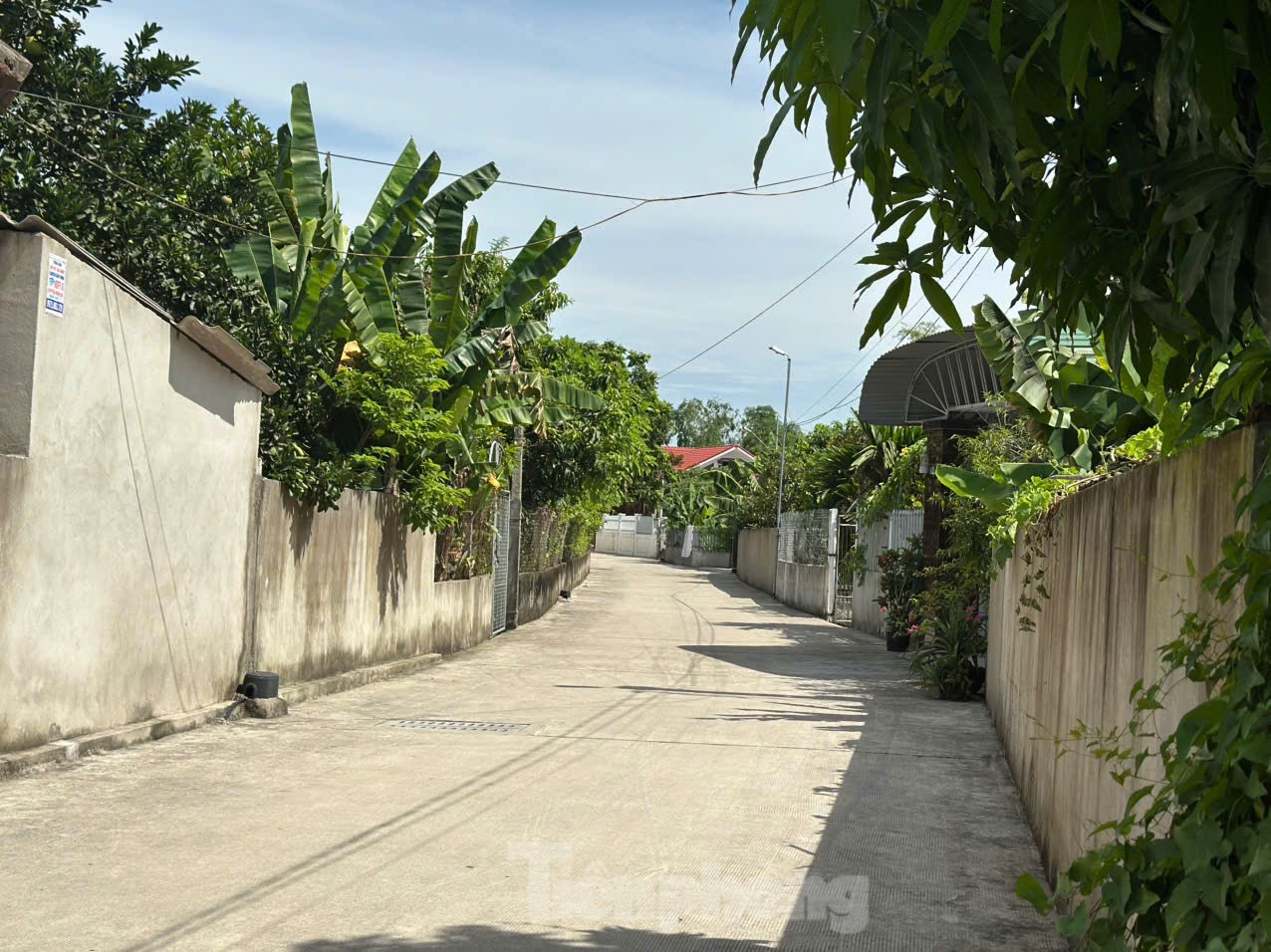
Về thôn Trung Khánh, xã Lâm Trung Thuỷ, huyện Đức Thọ (Hà Tĩnh) những ngày này, không khí ảm đạm bao trùm cả xóm nhỏ. Từ đầu ngõ, câu chuyện về “làng ung thư” đã râm ran. Vốn là vùng quê yên bình, người dân sống bằng nghề nông, thế nhưng khoảng 5 năm trở lại đây, số ca mắc ung thư ở thôn tăng cao bất thường.
Đặc biệt, tại cụm dân cư Nương Dòng, nơi chỉ có hơn 20 hộ dân nhưng đã ghi nhận gần 10 người đang điều trị ung thư và trên 5 người khác đã tử vong vì căn bệnh này.
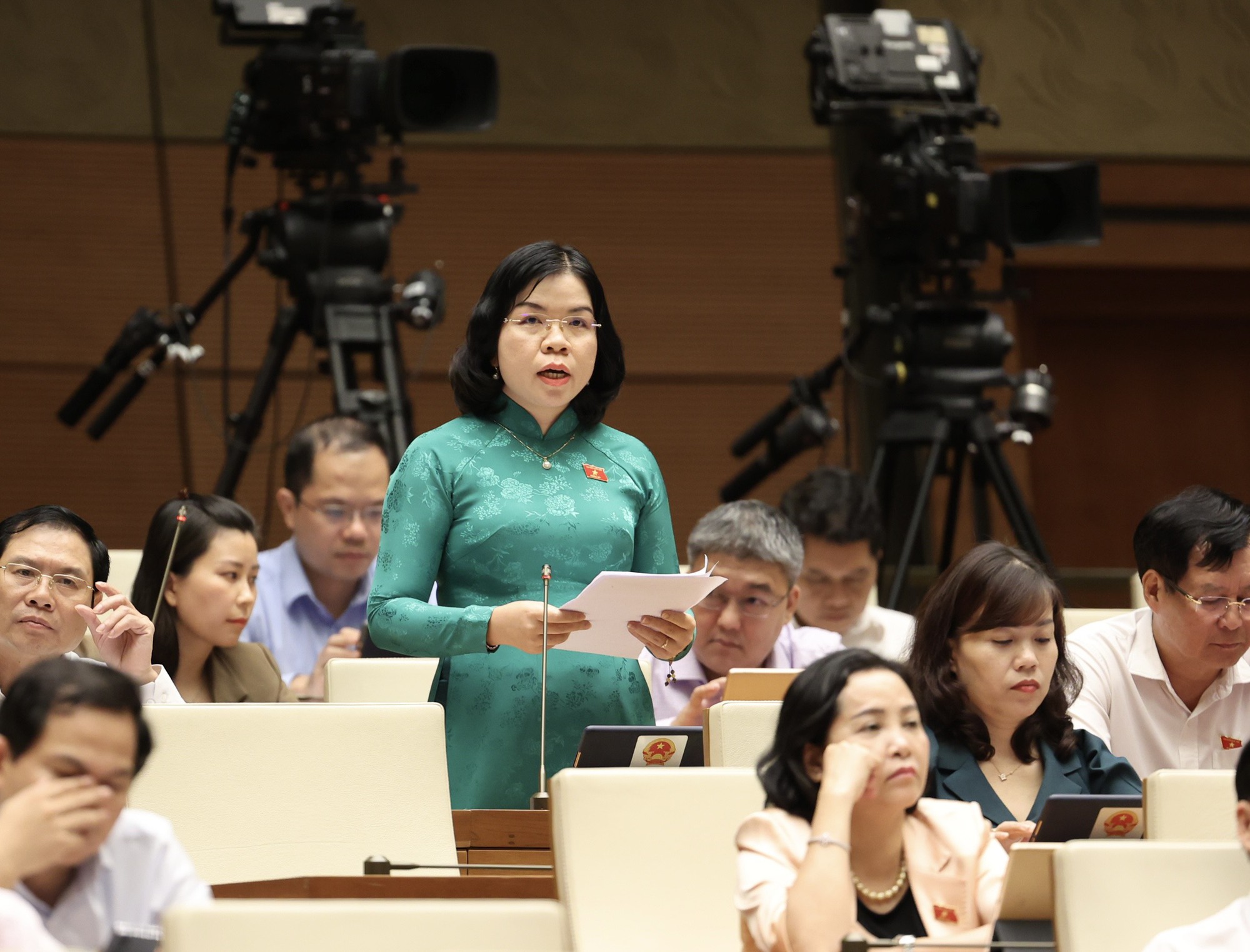
Thông tin trên được đại biểu Nguyễn Thị Ngọc Xuân (đoàn Bình Dương) nêu ra trong thảo luận về dự thảo luật Tài nguyên nước sửa đổi chiều 20.6.2023
Góp ý về việc cấp nước sạch cho người dân, đại biểu Nguyễn Thị Ngọc Xuân cho rằng nước sạch là một loại thực phẩm, hàng hóa đặc biệt, có tác động trực tiếp đến sức khỏe và mọi hoạt động thiết yếu khác của người dân.
Đại biểu Nguyễn Thị Ngọc Xuân (đoàn Bình Dương)
Tuy nhiên tại Việt Nam, tỷ lệ hộ dân được tiếp cận nước máy hiện nay chỉ chiếm khoảng 52%; đặc biệt, tỷ lệ này ở thành thị là 84,2%, trong khi tại nông thôn chỉ đạt 34,8%.
Theo ước tính của Quỹ Nhi đồng Liên Hiệp Quốc (UNICEF), Việt Nam có khoảng 52% trẻ em, tương đương với 17 triệu trẻ em chưa được sử dụng nước sạch. Thiếu nước sạch và vệ sinh kém được xem là nguyên nhân hàng đầu khiến 44% trẻ em bị nhiễm giun và 27% trẻ em dưới 5 tuổi bị suy dinh dưỡng.
On the day French MPs gave themselves a round of applause for approving legislation to reintroduce a banned pesticide last month, a figure rose from the public gallery to shout: “You are supporters of cancer … and we will make it known.”
Fleur Breteau made it known. Her outburst and appearance – she lost her hair during chemotherapy for breast cancer – boosted a petition against the “Duplomb law” to well over 2m signatures.
On Thursday, France’s constitutional court struck down the government’s attempt to reintroduce the pesticide acetamiprid – a neonicotinoid banned in France in 2018 but still used as an insecticide in other EU countries as well as the UK – in a judgment that took everyone by surprise. The ruling said the legislature had undermined “the right to live in a balanced and healthy environment” enshrined in France’s environmental charter.
This newsletter contains images that may be disturbing. Harrowing images of malnourished children in Gaza have intensified international pressure on Israel to increase humanitarian aid to the enclave.This week, Hamas-run health authorities in Gaza said that 93 children were among the 180 people who have already died from hunger-related causes. These deaths come on top of more than 60,000 Palestinians, mostly civilians, the health authorities in Gaza say have been killed since Israel launched its military offensive in the strip in October 2023.
Almost 470,000 people in Gaza are enduring famine-like conditions, according to the World Health Organization (WHO), with 90,000 women and children in need of specialist nutrition treatments. WHO chief Tedros Adhanom Ghebreyesus described the situation as “mass starvation” that was “man-made”, laying the blame squarely at the Israeli blockade.While Israel has denied a policy of starvation, it controls most aspects of how food reaches and is distributed in Gaza. This includes access into Gaza, transport logistics and who is permitted to distribute aid.
Today we’ll unpack the policy on aid entering the territory.
A Palestinian mother sits next to her malnourished son, at a school where they shelter amid a hunger crisis, in Gaza City, July 24, 2025. REUTERS/Mahmoud Issa The policy Israel controls access into Gaza, including for humanitarian organisations, as a result of a blockade by land, air and sea<a
Childcare, red tape and separation from parents stand in the way of school for children of millions of Mekong Delta migrants
HO CHI MINH CITY, VIET NAM – In a 12-square-meter rented apartment lined with pink Hello Kitty wallpaper, Thúy Hằng, 37, continually ponders whether to bring her six-year-old daughter from the rural Mekong Delta to the city.
Hằng works at an Adidas supplier factory and her husband at a wood processing factory. The couple left their two daughters with the grandparents in Đồng Tháp province, when the girls were only infants.
Source: Mapbox
For years, Hằng has dreamed of reuniting with her children. She decorated the room, inquired about schools and had the funds ready, but could not figure out childcare. The couple work until 7-8pm, and public schools close at 4:30pm.
In the past decade, more thanone million people have left the Mekong Delta for industrial zones in Ho Chi Minh City – as the region faces mounting environmental stress.
Once considered Viet Nam’s rice bowl, the delta now grapples with sediment loss, saltwater intrusion and soil erosion – the results of upstream dams, rampant sand mining and climate change.
Kiến nghị của Tập đoàn Điện lực Việt Nam (EVN) về việc cho phép đưa khoản lỗ lũy kế gần 45.000 tỷ đồng vào giá bán lẻ điện bình quân đang làm dấy lên nhiều tranh luận.
Cũng như nhiều lần trước khi tăng giá điện trước đây, xuất hiện câu hỏi: ai sẽ gánh rủi ro về giá điện – Nhà nước, doanh nghiệp hay người dân?
EVN và khoản lỗ 44.792 tỷ đồng
Trong giai đoạn 2022–2023, giá nhiên liệu thế giới leo thang vì bất ổn địa chính trị, chi phí mua điện tăng mạnh, khiến EVN lỗ khoảng 50.000 tỷ đồng. Dù đã cắt giảm chi phí, tái cơ cấu, đến cuối năm 2024, công ty mẹ EVN vẫn còn gánh khoản lỗ hơn 44.792 tỷ đồng. EVN cho rằng khoản lỗ này khiến vốn Nhà nước bị bào mòn, đi ngược nguyên tắc bảo toàn vốn đầu tư.


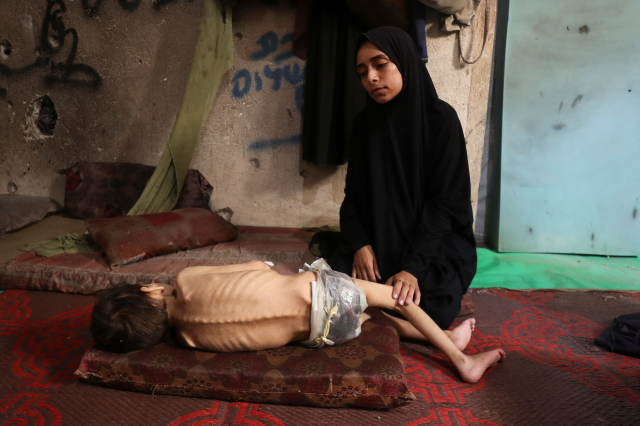 A Palestinian mother sits next to her malnourished son, at a school where they shelter amid a hunger crisis, in Gaza City, July 24, 2025. REUTERS/Mahmoud Issa
 CVD
CVD 