

Andy Ball, Gerald Flynn, Konlaphat Siri 10 Dec 2025
- Satellite analysis has identified 517 suspected riverbank mines in Laos, many likely illegal, with clusters along key Mekong tributaries, raising fears of widespread, unmonitored contamination.
- Officials in Attapeu province confirmed illegal mining remains pervasive despite crackdowns, with most operations missing from official records and many linked to Vietnamese or Chinese supply chains.
- The mining surge, including gold and rare earth extraction, poses major risks to ecosystems and communities in the Mekong Basin, where water testing capacity is weak and signs of declining fish populations and polluted rivers are emerging.
- Researchers say Mekong countries must coordinate regionally and engage China, the main importer of the region’s mining output, while strengthening enforcement and environmental oversight to address a rapidly expanding, largely unregulated mining sector.
See All Key Ideas
BANGKOK — A new satellite analysis from U.S. think tank the Stimson Center has identified 517 suspected mines along rivers in Laos, including major tributaries of the Mekong, Southeast Asia’s longest river, heightening concerns about contamination of waterways that sustain local communities.
Stimson has not ground-truthed the mine sites identified through satellite imagery, but Mongabay spoke by phone with several government officials in Laos’s southern border province of Attapeu, home to 188 mines in the data, who said illegal mining remains widespread despite recent crackdowns.
“We still see officials carrying out inspections and confiscating equipment” from illegal mines in Attapeu, said one government official who spoke to Mongabay on condition of anonymity due to the limited press freedoms in Laos.
The analysis shines new light on the scale of mining in river basins across mainland Southeast Asia. The issue previously caught the spotlight in northern Thailand earlier this year after dangerous levels of arsenic were found to be flowing downstream from unregulated gold mines in Myanmar’s Shan state.
A proliferation of rare earth mines in Laos and Myanmar has also raised concerns about deforestation, displacement of local communities, and the transboundary contamination of rivers flowing downstream into Thailand and Vietnam.

Besides Laos, the analysis flagged 1,868 mines in Myanmar, 17 in Cambodia and one in Malaysia, believed to be a mix of gold, precious metals and rare earth mines. Mongabay reported last month that communities downstream of a cluster of satellite-identified gold mines in the northeastern Cambodian province of Ratanakiri have reported changes in river color, severe skin rashes and declining fish populations.
The mines were identified by Stimson following months of analysis of satellite imagery provided by Earth imaging company Planet Labs that allowed researchers to recognize specific types of excavation sites, processing zones, tailings ponds and leaching pools.
Researchers at the Stimson Center say Mekong countries should be testing water, sediment, alluvial soil and fish to understand the impact mining is having on freshwater ecosystems.
“Laos, Cambodia, and Myanmar lag behind in capacity for water quality testing labs and also mandates and reach of qualified people to test in rivers located far away from labs,” said Brian Eyler, director of the Stimson Center’s energy, water and sustainability program in Southeast Asia. “I fear it will be many years until we fully understand the full extent of contamination that these mines have wrought on local communities and the environment.”

Key Mekong tributaries at risk of contamination
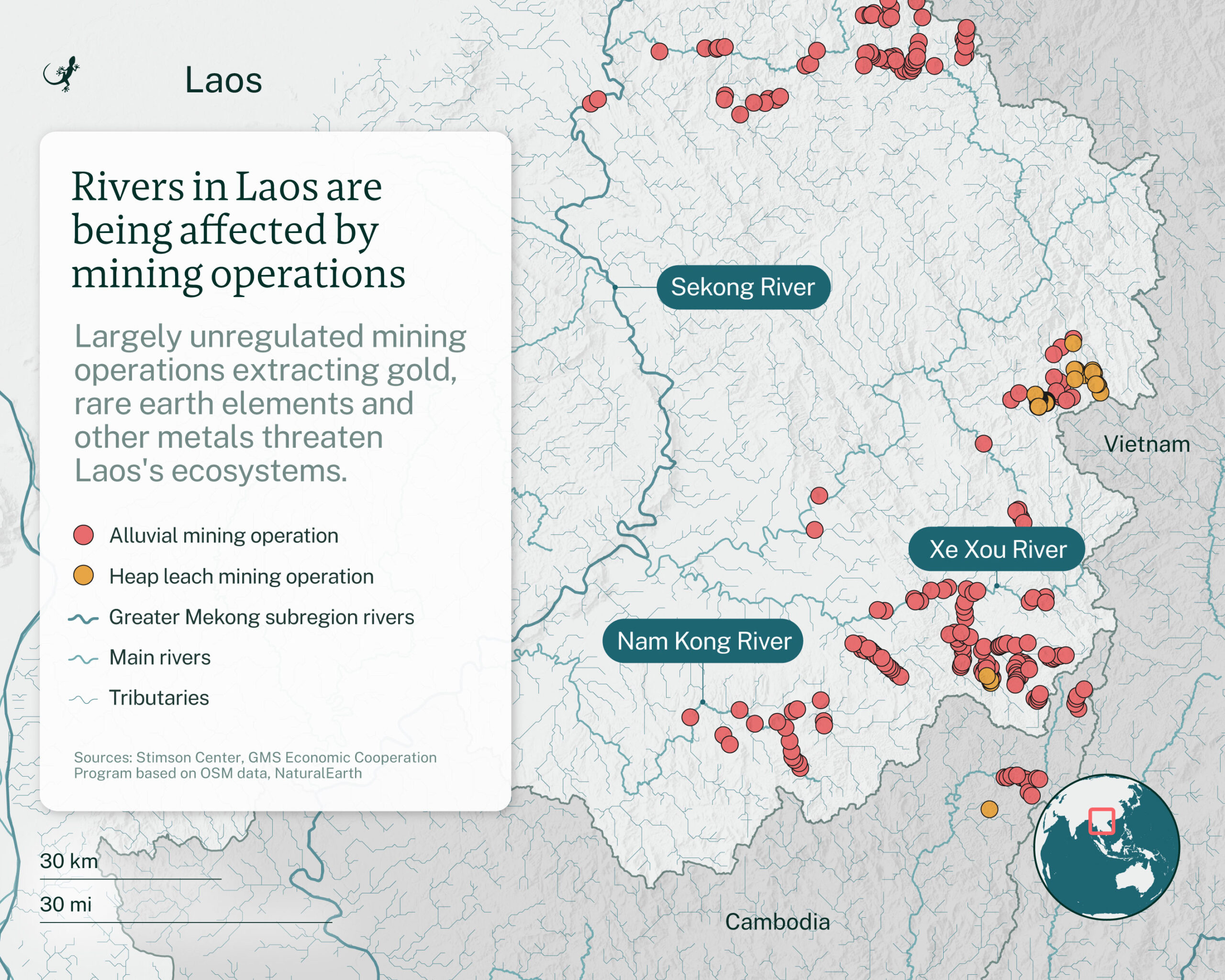
Of the 188 mines in Laos’s Attapeu province, 111 are located in Phouvong district. None of those, however, were included in a Laos government document obtained by Mongabay that supposedly lists all legal mining operations in the country as of 2023, suggesting the mines are either illegal, undocumented or were opened within the last two years.
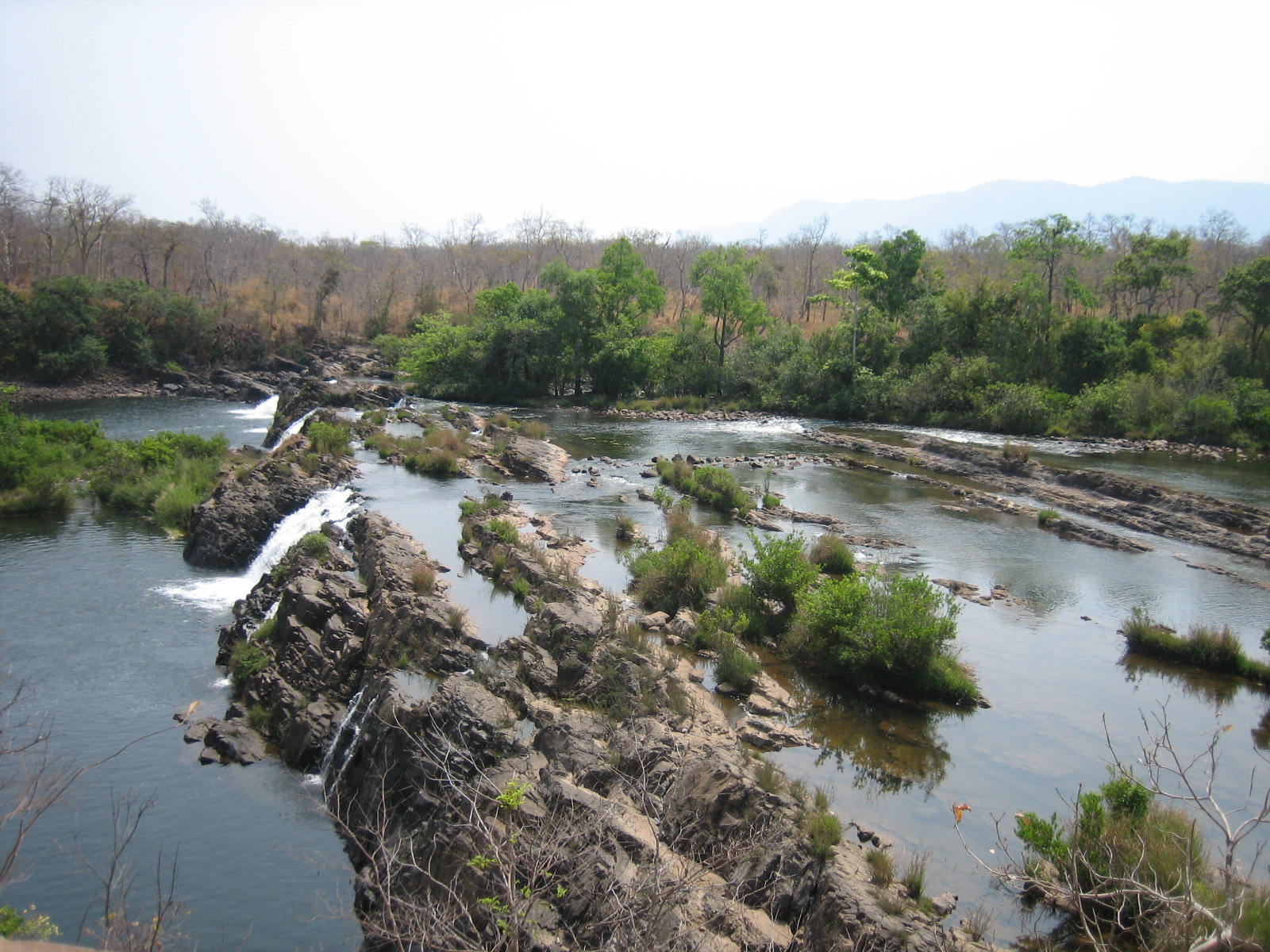
Most of the Attapeu mines lie on the Nam Kong and Xe Xou rivers, as well as smaller streams that feed into them. The two rivers flow into the Sekong, a major tributary of the Mekong.
The Sekong forms part of the ”3S” river basin, along with the Sesan and Srepok rivers, which contribute 25% of the Mekong’s flow. Mongabay reported last month that gold mining in Cambodia’s Ratanakiri province appears to have contaminated the O’Ta Bouk River, which feeds into the Sesan.
The basin is home to an estimated half of the Mekong’s long-distance migratory fish species, as well as the critically endangered Siamese crocodile (Crocodylus siamensis).
But the demand for gold, rare earth elements and other metals, particularly in China, is driving a surge in mining, much it unregulated, in Laos. Of the 517 Laos mines in Stimson’s data, roughly a third appear to have opened in 2024 or 2025. Twenty-six were identified as rare earth mines, while the rest are thought to be for gold, nickel, manganese or copper.
Almost all mineral exports from Laos are bound for China or to Vietnam, which in turn often reexports to China, according to a source familiar with the mining sector in Laos who requested anonymity due to their ongoing work in the country.
“Mekong countries need to come together to address the issue regionally and act as one to bring China, the biggest player in the industry, to the table,” Regan Kwan, a research analyst at the Stimson Center, told Mongabay.
Among the resources being extracted in Laos and shipped to China are rare earth elements, a range of 17 elements whose uses in aerospace, military and communications technology have rendered them critical to national security and prompted geopolitical clashes between the U.S. and China over rare earth supply chains.
“All of this is feeding the perceived global demand for rare earths, but its impacts are directly felt by the communities closest to the mines or downstream of them,” Kwan said. “China needs to recognize its role as the dominant importer of rare earth elements from Myanmar and Laos. Recognizing its role means recognizing its policies can change how mines in Myanmar and Laos operate.”
The Chinese foreign ministry told Reuters that Chinese companies operating across mainland Southeast Asia are required to follow local laws and environmental protections, but didn’t comment on the damages linked to mining operations believed to be controlled by Chinese nationals.
Mongabay emailed questions to the Chinese Embassy in Vientiane, but has not received a reply as of the time this article was published.
Eyler and Kwan of the Stimson Center said they had presented their data to governments across mainland Southeast Asia and that officials in Laos were enthusiastic about addressing the environmental issues associated with illegal mining.
In March, Laotian Prime Minister Sonexay Siphandone banned alluvial gold mining, citing environmental impacts as well as the lack of oversight, regulation or government revenues being earned through permit issuance and taxation.
Mongabay emailed questions to the Ministry of Industry and Commerce, under which mining authorities work in Laos, but has not received a reply.
An official in Attapeu province told Mongabay that local authorities were trying to crack down on illegal mines, but the sheer number of mines in remote areas and limited government resources have made this a challenging task.
“Those who secretly dig along rivers and streams in remote areas — if officials see them, they confiscate their equipment,” said the official, who requested anonymity because they were not authorized to speak with the press. “If they don’t see them, then nothing happens. They are groups of individuals or ordinary businesspeople who have equipment and also hire local villagers to help with the digging.”
The official noted that the Laotian Ministry of Industry and Commerce is working in conjunction with the nation’s environmental police and economic police to ensure that all mining operations, big and small, have the correct paperwork.
Mining another strain on a stressed river system
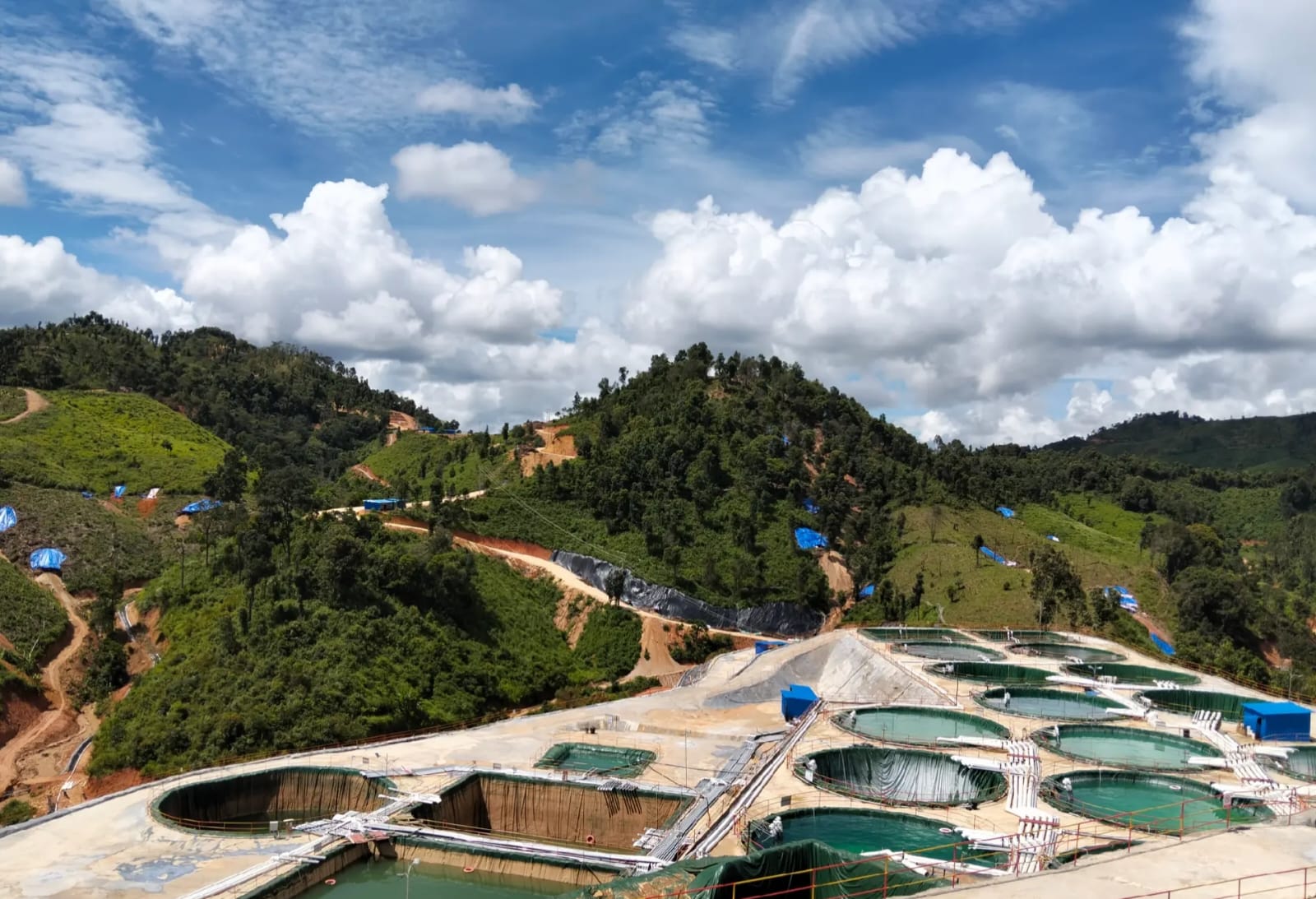
Two of the 188 mines identified in Attapeu province were identified by the Stimson Center as heap leaching operations, larger than the alluvial mines that have been outlawed. The majority of large and small mines in Attapeu are, according to three sources familiar with the Laotian mining sector, suspected to be Vietnamese-controlled or selling minerals to Vietnamese companies.
According an official familiar with the discrepancies between government policy and reality regarding mining in Attapeu’s Phouvong district, who spoke anonymously with Mongabay via phone, both of the larger mines are extracting gold and have been allowed to continue operating deep in the jungle on the outskirts of Dong Ampham National Biodiversity Conservation Area because the Vietnamese investors have secured the paperwork and conducted environmental impact assessments.
“[Unregulated mining was ordered to stop] because [the Xe Xou] is a river that people depend on and they use chemicals for gold extraction,” the second official said. They downplayed the environmental impact of the larger heap leaching gold mines, noting that these two larger mines are farther away from communities.
These larger mines are situated on streams and creeks that flow into the Xe Xou River, and while there’s no evidence so far to suggest the legal mines are contaminating the Xe Xou, another source within the Laos government noted a distinct decline in fish and crab species within the river.
This could also be attributed, at least in part, to the perseverance of smaller, unregulated alluvial mines such as those listed in the Stimson Center’s data set. But larger mining operations typically use higher volumes of toxic chemicals, increasing the risk of river contamination.

A third official, who works on agricultural issues, told Mongabay that fish populations in key rivers across Attapeu, including the Xe Xou, have declined in the past two years since their last field visits to areas downstream of the suspected mining operations identified by the Stimson Center.
“After that, we couldn’t go back into the area because two major companies have taken control of it,” the third official told Mongabay anonymously by phone. “The only people who can enter now are villagers from the outer zones.”
An independent researcher familiar with Laos, who asked not to be named due to the repressive environment for civil society, told Mongabay about a previous incident where inspectors from the Ministry of Energy and Mines were turned away from gold mining operations in Attapeu near the Cambodian border.
Eyler of the Stimson Center noted that while officials in both Laos and Thailand were eager to address the problem, both governments were frank about their lack of tools and resources needed to solve this problem.
“No one has yet been able to put together a full picture of how unregulated mining is harming rivers, people and biodiversity in the region, and our efforts really only scratch the surface to reveal the huge scale of the problem,” Eyler said. “The rivers in the Mekong Region are facing tremendous and complex pressures from multiple forms of exploitation: dams, sand mining, overfishing, chemical runoff from farms, and mining impacts. The interactions between these practices are really understudied.”
Banner image: A woman gathers plants along the banks of the Mekong River while a child plays in the background. Water levels of the mighty Mekong River have dropped drastically due to damming upstream. The drop disrupts the region’s water supply, transport routes and the livelihood of communities in Thailand, Laos, Cambodia and Vietnam. The UN Intergovernmental Panel on Climate Change (IPCC) predicts that more than a billion people will face water shortages due to climate change. Credit Greenpeace / Vinai Dithajohn.
Credits

Philip JacobsonEditor

 CVD
CVD 