
DW.com Holly Young 05/20/2025May 20, 2025
The recent power outage in Spain and Portugal has raised questions about the stability of solar and wind power. It also reignited the debate around the phasing out of nuclear energy.
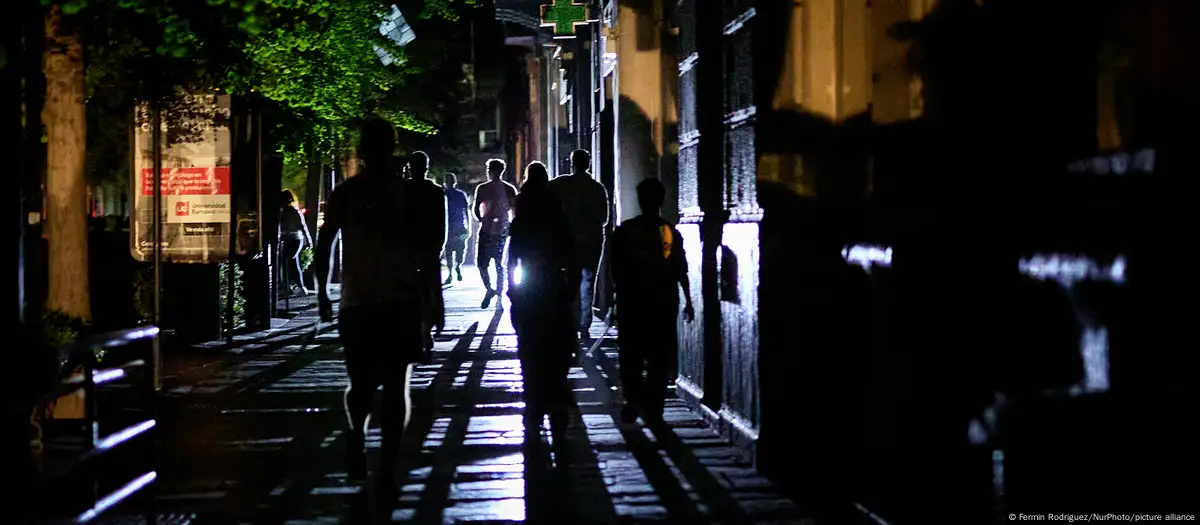
At 12:33 p.m. on April 28, swathes of Spain and parts of Portugal were plunged into darkness: trains were stranded, phone and internet coverage faltered, and ATMs stopped working.
The electricity blackout across the Iberian Peninsula is believed to be one of the worst in Europe’s history.
While most power was restored by the next morning, weeks later the investigation into the blackout is ongoing.
Last week, Spain’s energy minister Sara Aagesen said so far it was clear an abrupt loss of power at a substation in Granada, followed by failures in Badajoz and Seville, led to a loss of 2.2 gigawatts of electricity, but that the precise cause was unknown.
In the wait for answers, some have pointed the finger at Spain’s high reliance on renewables and reignited debates over plans to phase out nuclear power by 2035.
Are renewables to blame for the blackout?
Spain is one of the leaders in Europe’s green energy transition and has ambitious targets for renewables to provide 81% of its electricity by 2030. Last year they accounted for a record 56% of the country’s electricity and solar capacity grew at almost twice the European rate.
Shortly before the blackout, renewables accounted for around 70% of Spain’s electricity production, mostly from solar.
This has been used by members of the opposition party and nuclear advocates to suggest that overreliance on renewables was at fault — which both the country’s grid operator Red Electrica de Espana and Prime Minister Pedro Sanchez have disputed. Nuclear currently provides around 20% of the country’s electricity.
While solar and wind are dependent on weather, nuclear can provide a relatively continuous baseload power. However, Sanchez has said there is no evidence more nuclear capacity would have prevented April 28th’s events.
Using the event to speculate against solar is more politically motivated than factually-based, said Rutger Schlatmann, head of solar energy at Helmholtz Zentrum, an energy research center in Berlin.
Schlatmann points to the fact that the high percentage of renewables in the grid was nothing unique. “This has happened many times before.”
Earlier last month, Spain managed to cover 100% of electricity demand on a weekday with renewables alone.
Schlatmann added that countries like Germany also have experienced a high percentage of electricity from renewables while remaining one of the most stable power systems in the world.
How to improve grid stability?
Experts suggest the Spanish blackout highlights grid stability issues more than problems with renewable energy sources.
“It’s mainly that the system has not adapted on the grid scale enough yet to the massive change towards these renewable sources,” said Schlatmann, adding many electricity grids still reflect the demands of a fossil fuel system.
The grid is often described as the most complex system ever devised by humans — encompassing an intricate network of generators, transmission and distribution lines that all need to be kept in balance to function.
Nuclear, coal and gas power plants have huge steel generators that provide large rotating mass — often referred to as inertia — that can maintain stability if there are fluctuations in the grid.
While removing these from our power grid changes the way a system behaves, it is now possible to replace their stabilizing function, explains Robert Pietzcker, senior scientist at the Potsdam Institute for Climate Impact Research. “You can do virtual inertia, like with these inverters that have grid-forming capabilities.”
Inverters with grid forming capabilities help create a type of “synthetic inertia” and stabilize fluctuations in the electricity system.
The technology to create synthetic inertia — which involves electrical storage and improved control systems — are already available on a commercial scale but aren’t yet implemented on a national or European scale, said Schlatmann.
Other solutions that can also provide stability are flywheels, with the largest in the world today built in Ireland. Flywheels use cylindrical rotors that accelerate at a high speed, storing kinetic energy that can be used quickly when needed.
He highlights Germany as an example of a country with good connections to other countries and a high degree of stability.
Things such as electric vehicles — which can store power and then feed it back into the grid when needed — could also help provide flexibility, added Thomas.
For regions like northern Europe, that may experience periods of little wind and sun, backup capacity, which could be provided by sources such as hydrogen turbines, may be necessary, said Pietzcker.
Investments into renewables going strong, but more needed for grids
Electric vehicles, chips, AI and air conditioning are helping to fuel a rapid growth in electricity demand.
The technological solutions for a low carbon and stable grid are now available, said Pietzcker. “With today’s understanding of systems, you can design stable systems that will be as resilient based on renewables.”
Solar energy around the world: From mini-grids to solar cities
Solar energy is now the cheapest energy source in the world. Rural villages, community initiatives and big cities are all choosing to generate energy form the sun, in all sorts of diverse ways.
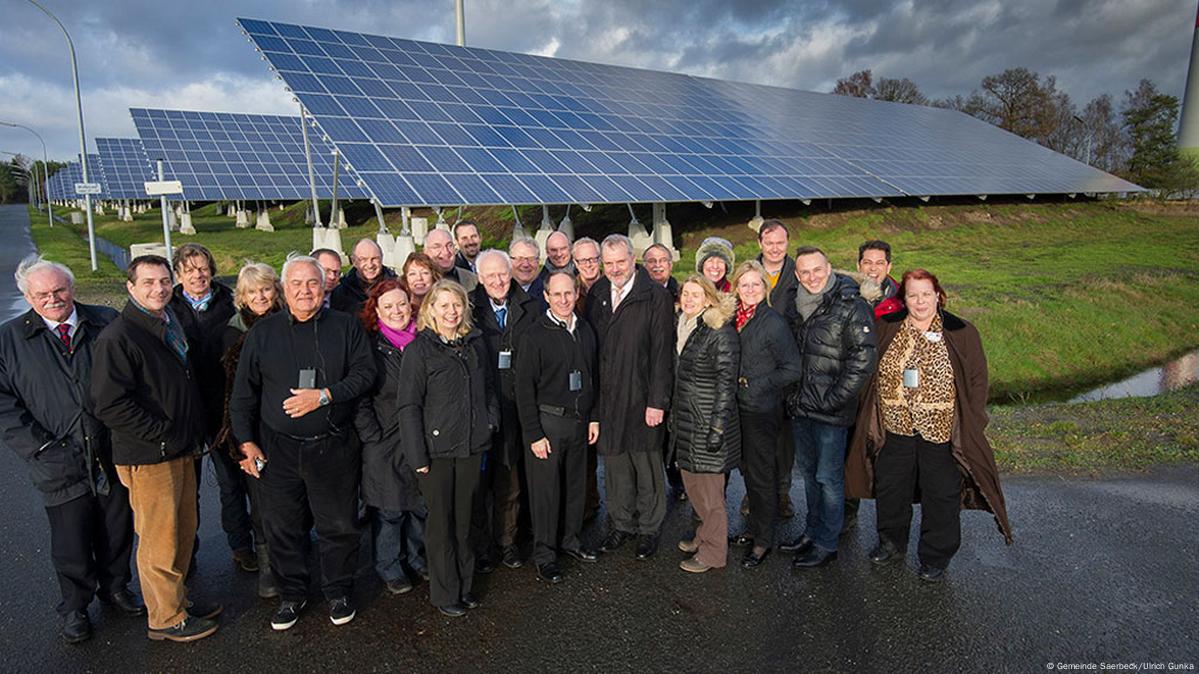
Image: Gemeinde Saerbeck/Ulrich Gunka
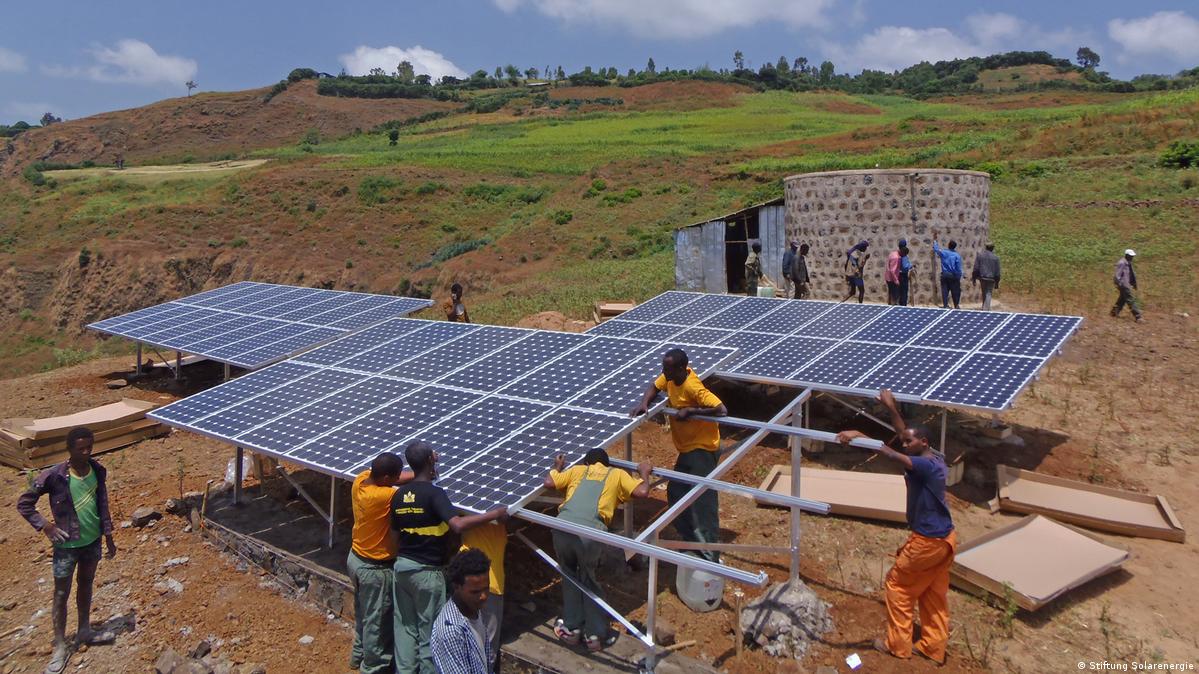
Drinking water from the sun
The village of Rema in Ethiopia operates a solar pump with a connected water tank. The well is far away from the village, and the water used to have to be piped to the village with a diesel pump. But this was often broken or there was not enough fuel. Since 2016, a solar pump has been supplying water to the 6,000 inhabitants, many of whom also need the water for their fields.
Image: Stiftung Solarenergie
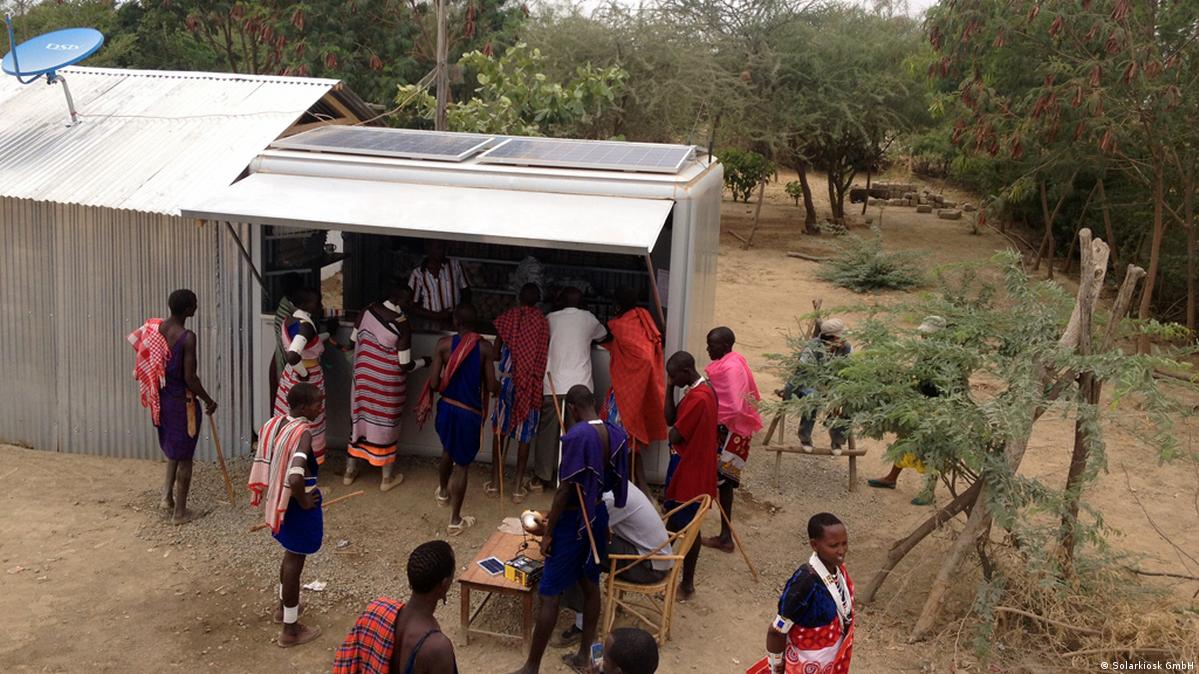
Recharging cellphones without a power grid
Most people in rural regions in East Africa have no access to the power grid. Increasingly, popular solar kiosks like this one in Olkiramatian, Kenya can provide electricity. For a small fee, the solar power from the roof is used to charge cellphones, for example. In this way, people can stay in touch, make money transfers by phone or check the market prices for their vegetables.
Image: Solarkiosk GmbH
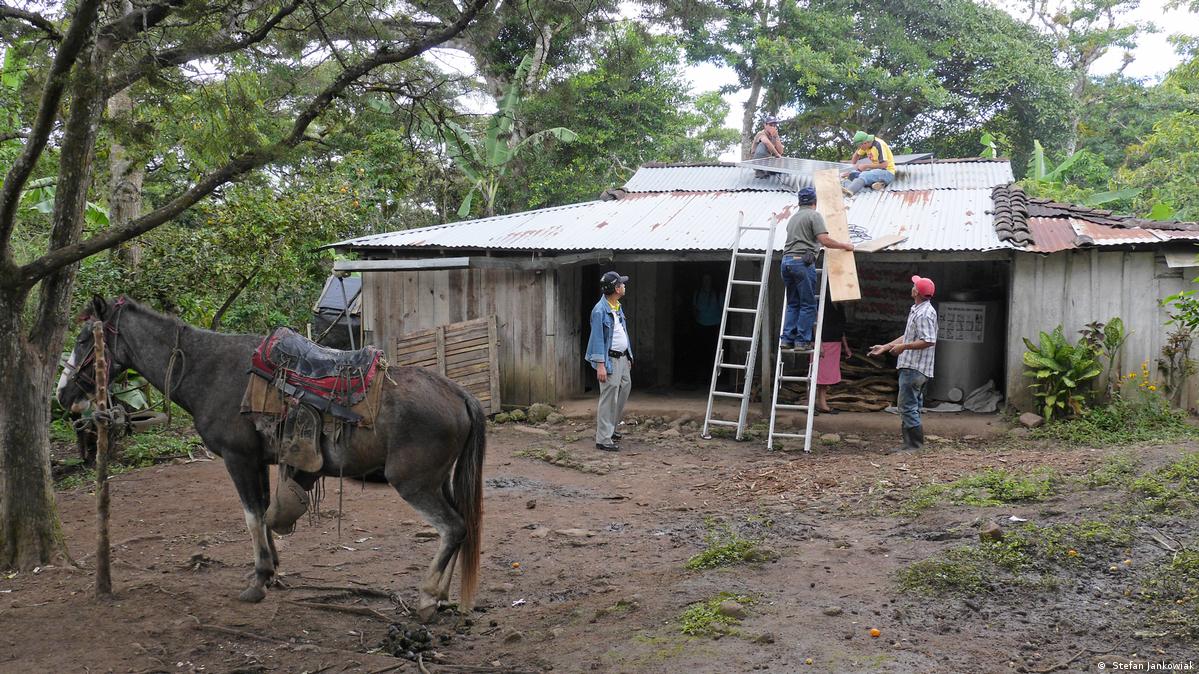
Power for campesinos
Here in Miraflor, in northern Nicaragua, people make their living from coffee cultivation and traditional agriculture. Until 2013, this area had no electricity at all. Then local electricians installed solar panels on the homes of over 600 families. Local farmers or “campesinos” now have enough electricity for light, refrigerators and TV.
Image: Stefan Jankowiak
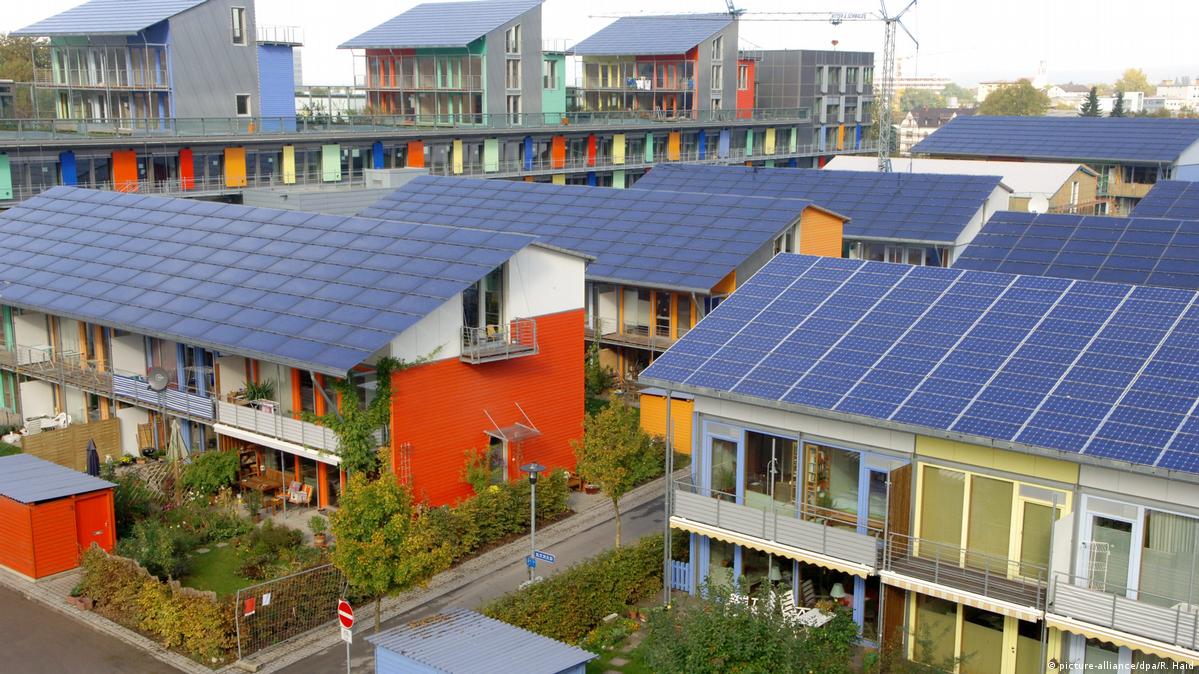
Solar panel communities
This housing development in Freiburg, southern Germany, generates more energy than the residents here consume. Built 20 years ago, it has become a model for urban development. With good insulation, cleverly-utilized ventilation, solar roofs and heat pumps, more and more old houses are now being converted into energy-plus houses. This saves money and helps protect the climate.
Image: picture-alliance/dpa/R. Haid
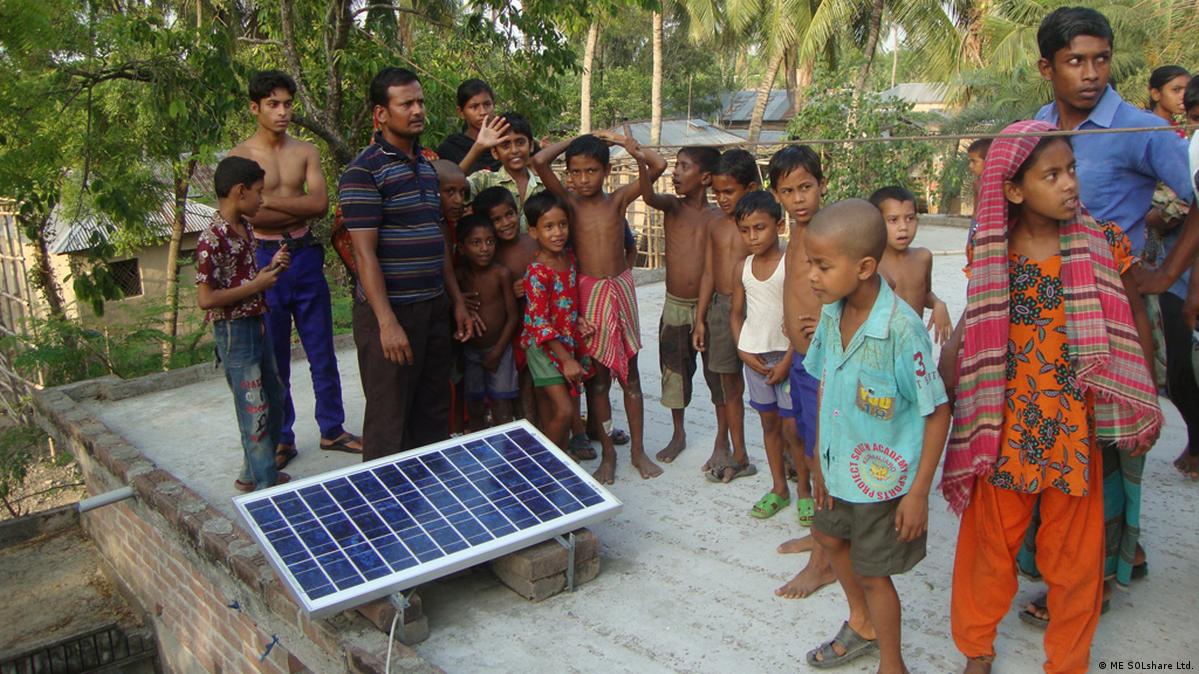
Reaching rural areas with micro-grids
The startup SOLshare gives people in rural Bangladesh access to cheap and clean electricity through self-sufficient micro-grids, and creates an additional source of income for them. Households with solar systems are connected to others who do not yet have access to the grid. Solar power can also replace diesel and kerosene during power outages.
Image: ME SOLshare Ltd.
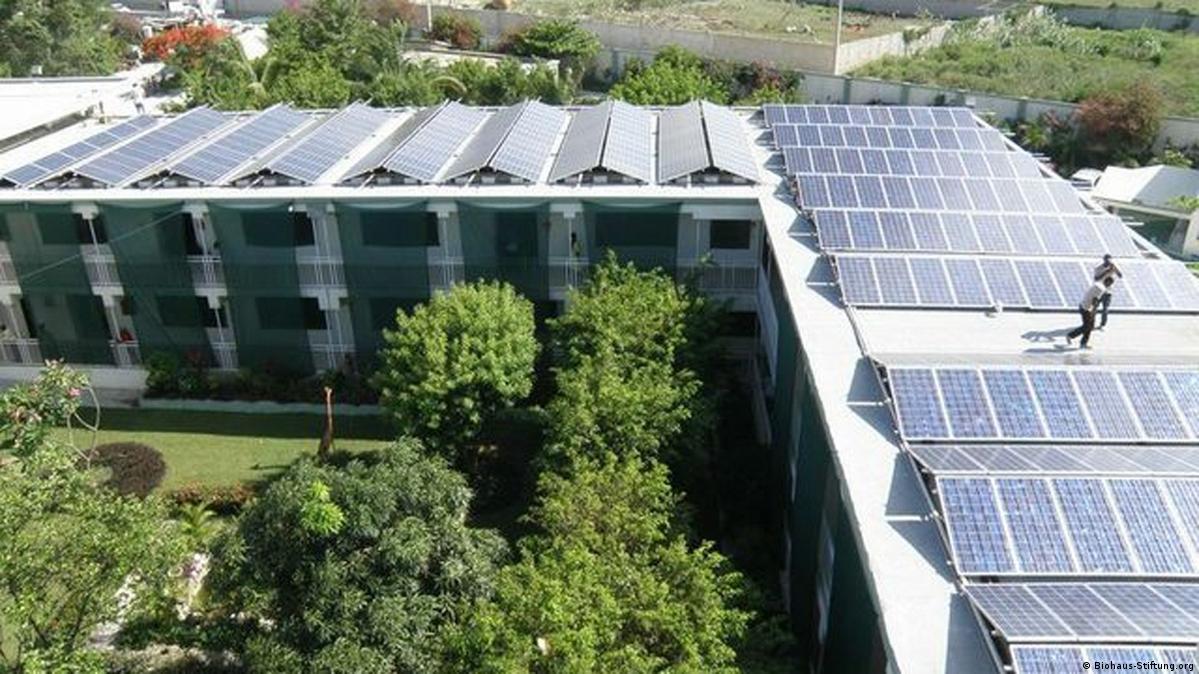
Solar power fighting COVID
This hospital in Tabarre, a suburb of Port-au-Prince, Haiti, is powered by this rooftop solar installation. At 710 kilowatts, it is the largest in the country. Coronavirus patients are cared for here, and all medical equipment runs on solar power. Thanks to the system, around €50,000 ($59,000) is saved on diesel power every year.
Image: Biohaus-Stiftung.org
Mini-grid for an entire village
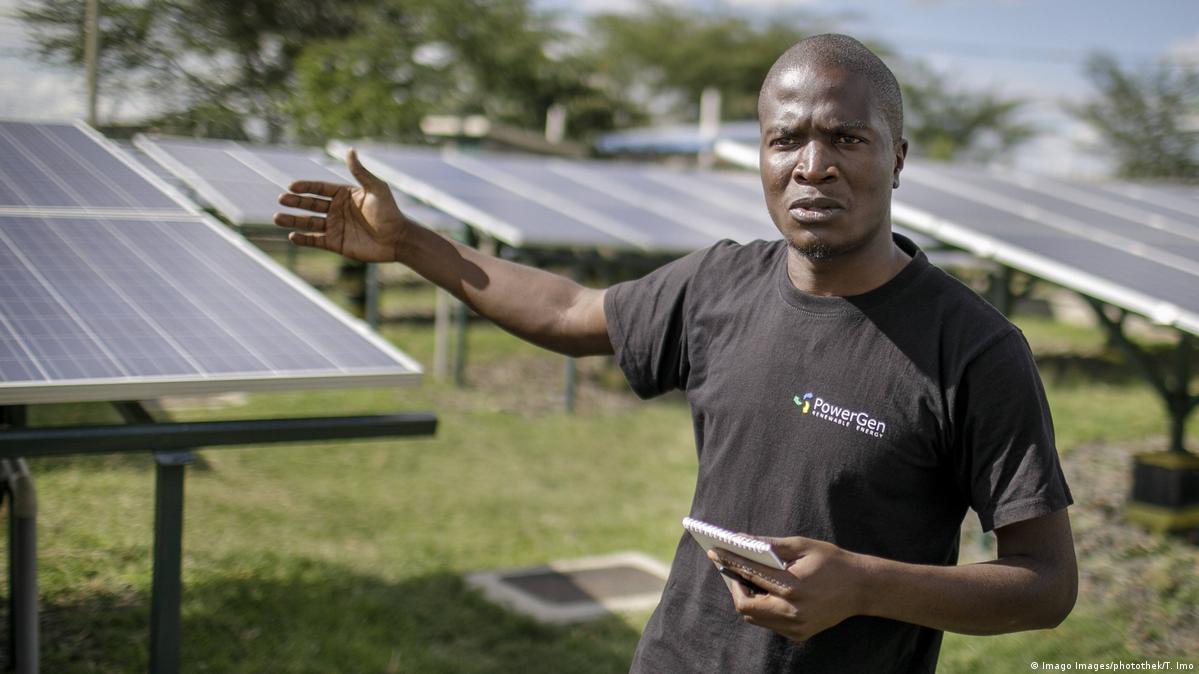
The Kenyan village of Talek has 1,500 inhabitants and has had solar power since 2015. The photovoltaic system with an output of 50 kilowatts is located on a small field, and the batteries are housed in the small building next to it. George Ndubi looks after the private solar power plant with mini-grid, which can supply up to 300 customers with electricity.
Image: Imago Images/photothek/T. Imo
Solar oasis
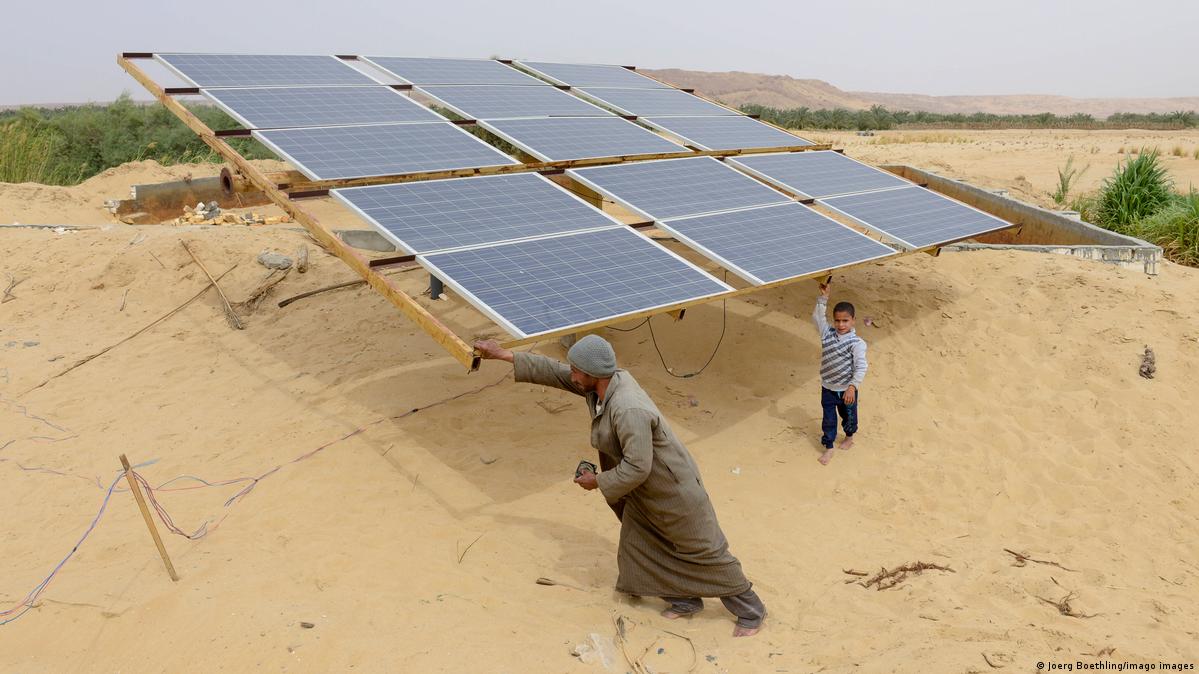
Water is scarce in the Egyptian desert. This makes the solar power plant in the El-Wahat el-Bahariya Oasis all the more important. It powers the water pump, without which farming would be impossible here. As with everywhere else in the desert, the farmers have to keep clearing sand from the solar panels.
Image: Joerg Boethling/imago images
Climate neutral by 2025
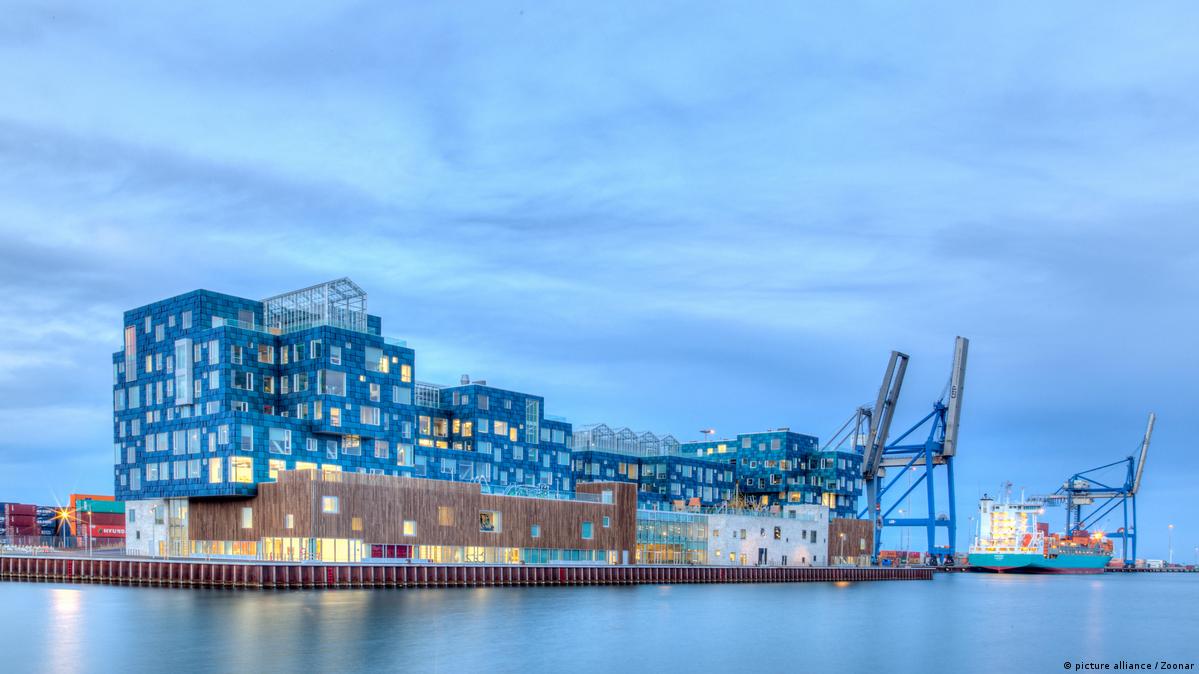
The Danish capital, Copenhagen, wants to be climate neutral by 2025, which is why more and more areas in the city are being used to produce renewable energy. The solar panels on the front of this school, for example, generate electricity. In addition, car traffic in the city is being restricted, e-mobility is being promoted, wind farms are going up and more and more houses are being renovated.
Image: picture alliance / Zoonar
While grid stability is holding back the roll out of renewables in Europe a little, he says in the EU the commission is strongly pushing for more interconnectedness.
The amount of investment in grids globally needs to double by 2030 to over $600 billion (€532 billion) a year, according to the International Energy Agency. The annual investment into grids has stayed almost the same since 2010, while investments into renewables have nearly doubled.
In the wake of Spain’s blackout, Jordi Sevilla, the former president of the country’s grid operator Red Electrica, told Spanish media it was clear that the country’s grid required funding to adapt to the reality of the new generation mix.
Edited by: Sarah Steffen

 CVD
CVD 