
Author Salman Rushdie is in the hospital with serious injuries after being stabbed by a man at an arts festival in New York State on Aug. 12, 2022. The following article was published on the 30th anniversary of the release of The Satanic Verses.
One of the most controversial books in recent literary history, Salman Rushdie’s “The Satanic Verses,” was published three decades ago this month and almost immediately set off angry demonstrations all over the world, some of them violent.
A year later, in 1989, Iran’s supreme leader, the Ayatollah Khomeini, issued a fatwa, or religious ruling, ordering Muslims to kill the author. Born in India to a Muslim family, but by then a British citizen living in the U.K., Rushdie was forced to go into protective hiding for the greater part of a decade.
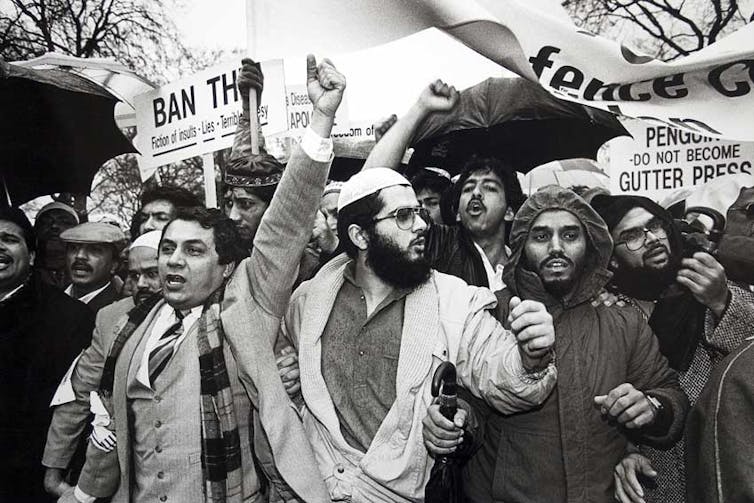
What was – and still is – behind this outrage?
Our mission is to share knowledge and inform decisions.
About us
The controversy
The book, “Satanic Verses,” goes to the heart of Muslim religious beliefs when Rushdie, in dream sequences, challenges and sometimes seems to mock some of its most sensitive tenets.
Muslims believe that the Prophet Muhammed was visited by the angel Gibreel – Gabriel in English – who, over a 22 year period, recited God’s words to him. In turn, Muhammed repeated the words to his followers. These words were eventually written down and became the verses and chapters of the Quran.




 Tôi vừa đọc một bài viết sâu sắc, lý thú của GS Trần Đình Sử: “Nghề văn không sang trọng”. Với kiến giải của một bậc thầy, và với sự phẫn nộ của một người cầm bút chân chính trước những gì đang làm hạ thấp văn chương, GS đã thẳng thừng phang vào thói háo danh đồng thời vạch ra thực chất của lao động chữ nghĩa: “kiếp nhà văn ở đâu cũng thế thôi. Họ nhặt rác để kiếm ăn, để bảo lưu giá trị văn hóa, dựng xây xã hội, phản kháng bất công từ một địa vị thấp.” Và ông kết thúc bài viết trên, mở ra nội dung của một vấn đề lớn khác: “Văn chương rất cần sự cao quý nhưng không cần sang trọng.” Tôi, một đàn em của ông, xin làm một kẻ “ăn theo nói leo”, liều mạng phát triển thêm những gì mà GS chưa kịp nói.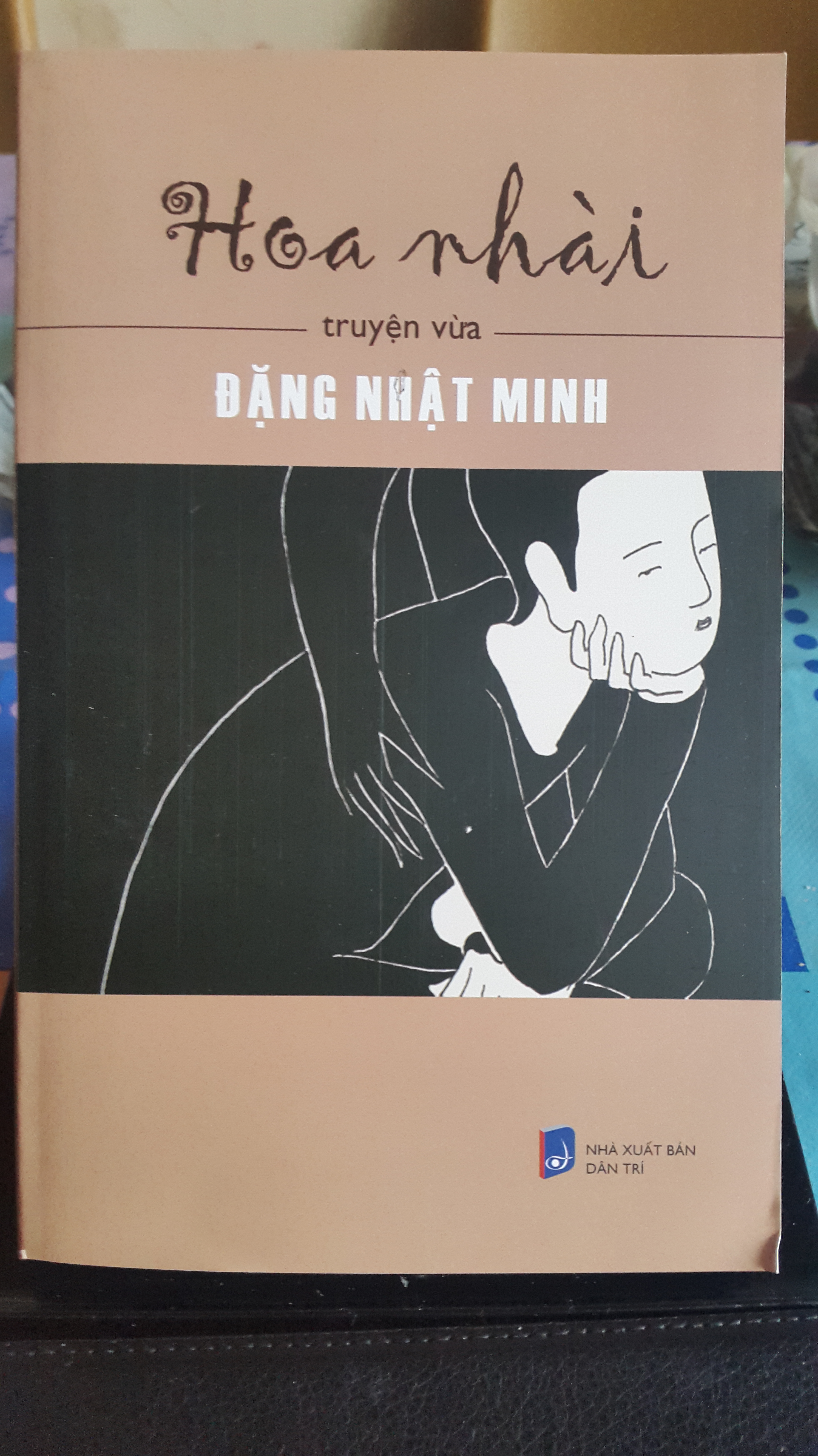


 Khó lượng hóa thế nào là “phá hoại thuần phong mỹ tục” nên những sách bị cấm vì tội này thường rơi vào trường hợp nhạy cảm, gây sốc. Ảnh: Nguyễn An Sa

 CVD
CVD 