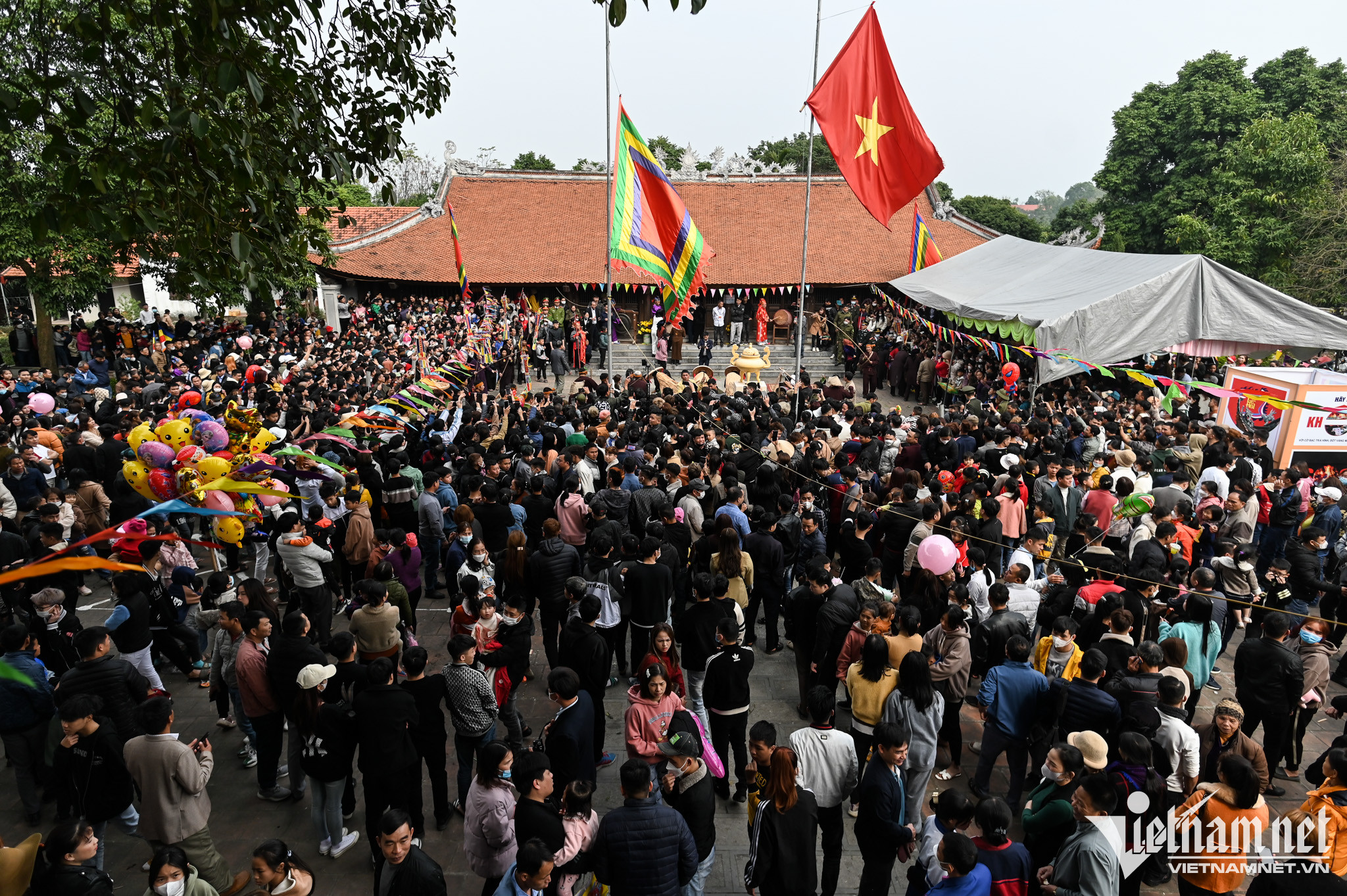
Khi chiếc nồi đất được đập vỡ tại sân đền Đức Bà, hàng trăm thanh niên và cả người trung tuổi xông vào giằng co để cướp bằng được manh chiếu cói tại Lễ hội Đúc Bụt đầu năm mới.
Lễ hội Đúc Bụt (huyện Tam Dương, Vĩnh Phúc) tái hiện hình thức sinh hoạt văn hóa dân gian truyền tích Ngọc Kinh công chúa chiêu tập nghĩa sĩ rèn đúc vũ khí tụ nghĩa được tổ chức sáng 29/1 (mùng 8 tháng Giêng).
TP HCM – Nhiều người chen vào chánh điện chùa Ngọc Hoàng, quận 1 để dâng lễ và rót dầu nhằm mong làm ăn suôn sẻ, bình an…, sáng mùng 9 Tết.
Mùng 9 tháng Giêng (30/1), nhiều người đổ về chùa Phước Hải hay còn gọi là chùa Ngọc Hoàng (đường Mai Thị Lựu, quận 1) để vía Ngọc hoàng. Theo quan niệm dân gian: “Mùng 8 cúng sao, mùng 9 cúng chư thiên, mùng 10 cúng đất”. Do đó vào ngày này nhiều người đổ về chùa cúng vái cầu mong may mắn, bình an cho bản thân và gia đình.
Nguồn gốc người Việt là một vấn đề nóng hổi ở mọi thời điểm lịch sử. Người Việt đến từ đâu luôn là câu hỏi mang tính triết học, xuất phát từ một câu hỏi lớn hơn: ta là ai, ta từ đâu tới, và ta sẽ đi về đâu? Bài viết này sẽ không thảo luận về các câu trả lời nào là đúng hay sai, chính xác hay không chính xác, khoa học hay không khoa học mà trình bày các kiến giải khác nhau về nguồn gốc người Việt như là một tham số khả biến trong hoạt động tri nhận của con người, cố gắng lý giải vì sao người ta lại đặt ra câu hỏi ấy, những bối cảnh lịch sử – văn hóa của các câu hỏi – và cả câu trả lời, cũng như bối cảnh tri thức, động lực chính trị và nền tảng khoa học của các phương thức được sử dụng để giải quyết.
Truyền thuyết Lạc Long Quân Âu Cơ được khởi từ ghi chép trong Lĩnh Nam chích quái. Ảnh: Internet.
Với 54 dân tộc cùng sinh sống trên diện tích đất tương đối nhỏ, Việt Nam là một trong những quốc gia đa sắc tộc nhất trên thế giới. Hiện nay, chỉ có 7 dân tộc có dân số trên một triệu người bao gồm: Kinh, Tày, Thái, Mông, Mường, Nùng và Khơ Me, trong khi có tới 12 dân tộc có dân số dưới 10.000 người và 5 dân tộc có dân số dưới 1.000 người như Brâu, Ơ Đu, Rơ-măm, Si La và Pu Péo.
Dù dân số đông hay ít, mỗi dân tộc đều có tiếng nói và tập quán riêng tạo nên bức tranh văn hóa vật thể và phi vật thể đa dạng. Không dừng lại với 54 dân tộc, nhiều dân tộc còn có những nhánh địa phương, với sự khác biệt thường thấy trong ngôn ngữ, trang phục, tập tục, và điều đó càng làm tăng thêm tính phong phú của bức tranh văn hóa.
Đời sống tinh thần phong phú, óc thẩm mỹ và tài sáng tạo của các dân tộc dựa trên hoàn cảnh sống thực tế của họ, thể hiện qua những tập quán hàng ngày và phục vụ cho chính cuộc sống ở mỗi cộng đồng dân cư. Những yếu tố văn hóa gắn với tín ngưỡng và tôn giáo của các dân tộc ở Việt Nam đóng vai trò rất quan trọng với cộng đồng dân tộc thiểu số. Phần đông các dân tộc có tín ngưỡng “vạn vật hữu linh” và nhiều dân tộc đề cao thờ cúng tổ tiên. Ngoài ra kho tàng văn thơ, sử thi, âm nhạc và các làn điệu hát, múa cũng đóng vai trò quan trọng trong đời sống của họ, nuôi dưỡng tinh thần của mỗi thành viên trong cộng đồng các dân tộc.
Bài minh hoạ dưới đây cung cấp những thông tin cơ bản về 54 Dân tộc đang sinh sống tại Việt Nam và điểm nhấn văn hoá, tinh thần nổi bật của mỗi dân tộc. Những hình ảnh minh họa được lấy từ Bộ tem 54 Dân tộc Việt Nam do Công ty Tem Việt Nam phát hành năm 2005.
Phần này bàn về cách dùng đặc biệt “vợ lẻ” từ thời LM de Rhodes và các giáo sĩ Tây phương sang Á Đông truyền đạo. Cụm danh từ này – cũng như một nhóm từ vựng liên hệ như vợ chính, chính thê, vợ cả, vợ lớn, thiếp, vợ bé, vợ mọn – vợ nhỏ phản ánh truyền thống đa thê của các nước Á Châu từ xa xưa.
Đây là lần đầu tiên cách dùng này hiện diện trong tiếng Việt qua dạng con chữ La Tinh/Bồ (chữ quốc ngữ). Không phải ngẫu nhiên mà các giáo sĩ đều ghi nhận quan sát cá nhân và nhận xét của mình về truyền thống này khi sang Á Đông, chỉ ra một cách biệt rất lớn giữa các văn hoá Á Đông và Đạo Thiên Chúa vào TK 17. Ngoài ra, đây cũng là một nguyên nhân chính dẫn đến việc cấm đạo tại các nước này, nhất là ở VN.
Lễ hội là một phần thiết yếu trong đời sống tinh thần của người Việt Nam, phản ánh những phong tục, tập quán độc đáo của mỗi vùng, mỗi cộng đồng. Lễ hội truyền thống là cơ hội để mọi người giao lưu, trao truyền những đạo lý, những khát vọng cao cả và chia sẻ những câu chuyện về các đối tượng được thờ cúng như các vị thần linh, các vị anh hùng, những người có công. Bên cạnh đó, lễ hội còn là dịp để mọi người bỏ lại những lo toan thường ngày, tìm về chốn tâm linh bình yên.
Bản đồ câu chuyện tại đây thể hiện 17 lễ hội truyền thống tiêu biểu của các cộng đồng người dân tộc thiểu số ở Việt Nam. Những lễ hội này đã được Bộ Văn hóa, Thể thao và Du lịch công nhận là Di sản văn hóa phi vật thể quốc gia.
Danh sách đầy đủ 127 tập quán văn hóa của người dân tộc thiểu số đã được công nhận là di sản văn hóa phi vật thể quốc gia (bao gồm lễ hội truyền thống, diễn xướng dân gian, tri thức bản địa, phong tục, tín ngưỡng xã hội, văn hóa dân gian và nghề thủ công truyền thống) có thể truy cập tại đây.
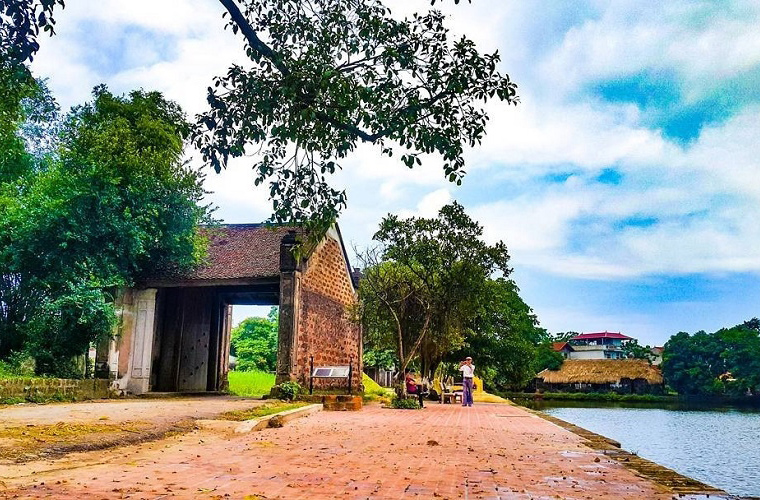
Phần lớn giới nghiên cứu và xã hội đều cho rằng địa danh Đường Lâm gắn liền với sự kiện hai vua Phùng Hưng và Ngô Quyền nằm ở xã Đường Lâm, Sơn Tây, Hà Nội ngày nay. Nhưng khi đối chiếu một cách hệ thống các nguồn sử liệu thời Đường, tôi cho rằng Đường Lâm là một huyện thuộc châu Phúc Lộc (hoặc châu Đường Lâm) tương đương với tỉnh Hà Tĩnh. Con đường từ núi Giăng Màn huyện Hương Sơn nay là một cửa ngõ quan trọng trong giao lộ Đông – Tây qua Hà Tĩnh Nghệ An thế kỷ X-XI, nối liền từ Biển Đông đến sông Mekong, nối liền Giao Châu với Chân Lạp, Khmer và thế giới Nam Á.
Phần lớn giới nghiên cứu và xã hội hiện nay đều cho rằng Đường Lâm gắn liền với sự kiện hai vua Phùng Hưng và Ngô Quyền nằm ở xã Đường Lâm (Sơn Tây, Hà Nội) ngày nay. Ảnh: Cổng làng Đường Lâm. Nguồn: Nhân dân.
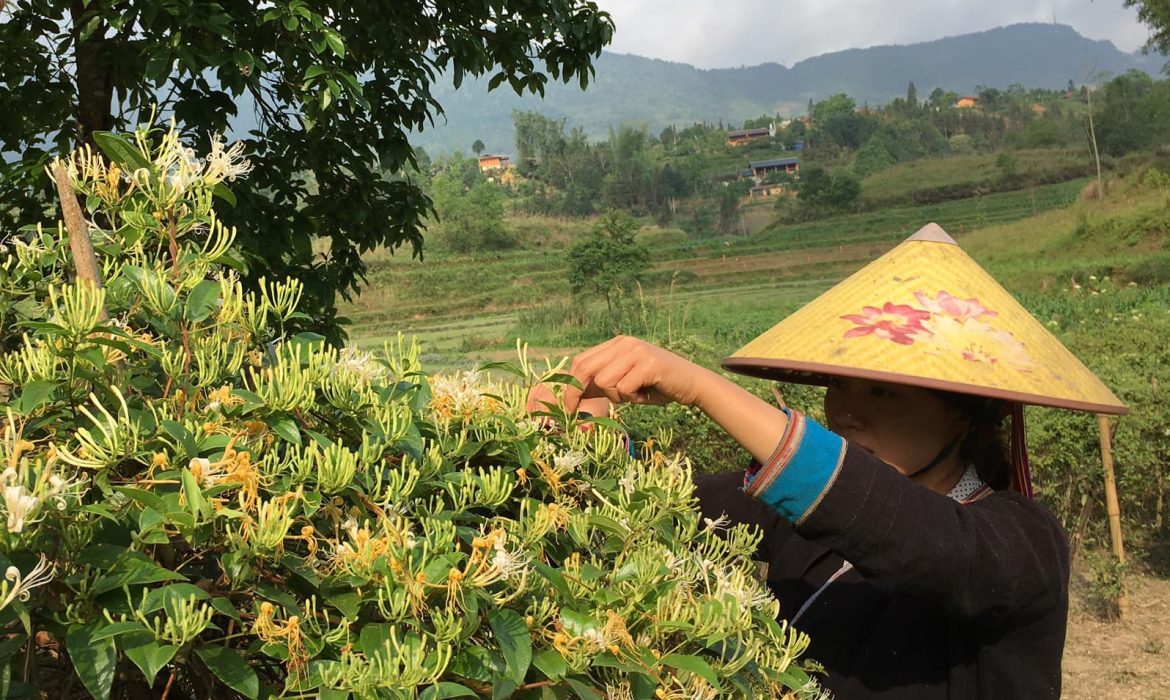
Việc sở hữu những mỏ vàng dược liệu cùng nhiều phương thuốc bí truyền, giúp cộng đồng các dân tộc thiểu số ở miền núi có thể khai thác dược liệu thành những sản phẩm đại trà thiết thực cho đời sống. Đó là một trong những con đường đưa họ thoát khỏi bủa vây của đói nghèo.
Thu hái kim ngân hoa ở hợp tác xã Nậm Đăm. Ảnh: HTX Nậm Đăm
Những mỏ vàng bỏ quên
Dù từ lâu đã biết về Sapanapro như một tấm gương điển hình thoát nghèo nhờ vào văn hóa và tài nguyên bản địa nhưng khi đặt chân tới Tả Phìn, Sa Pa, Lào Cai, chúng tôi rất ngạc nhiên vì doanh nghiệp cộng đồng có đại bản doanh ở nơi hẻo lánh này, từ chỗ chỉ có 13 “cổ đông không đồng” góp vốn bằng từng gùi thuốc tắm, bằng tri thức nghề thuốc nay đã vươn xa 100 đại lý và bệnh viện khắp cả nước. Ngạc nhiên hơn, ngoài cơ ngơi khang trang đủ đón hàng chục khách tắm, ở lại, Sapanapro đủ vốn cùng lúc vừa mua đất (mà đất Sapa giờ đã đắt ngang Hà Nội) dựng thêm 5 căn homestay vừa đầu tư 5 tỉ đồng xây dựng một nhà máy chế biến tinh dầu, các loại thuốc ngâm, tắm chăm sóc sức khỏe đạt tiêu chuẩn thực hành sản xuất thuốc tốt GMP-WHO.
Nhắc tới Chăm pa, nhiều người thường liên tưởng đến những đền tháp, tác phẩm điêu khắc, đồ gốm chứ ít ai nghĩ tới kĩ năng tìm các mạch ngầm nước ngọt gần như độc nhất vô nhị của người Chăm. Vì vậy, trong rất nhiều năm, chúng tôi đã đi dọc dải đất miền Trung khảo sát chỉ để tìm câu trả lời: giếng Chăm có vị trí thế nào trong đời sống Chăm?
Nếu tháp Chàm được xem là biểu trưng của thượng tầng văn minh Champa thì giếng vuông Chàm là biểu tượng đặc thù của đời sống bình dân Chăm. Nguồn: Zing. Tiếp tục đọc “Đi tìm bí ẩn giếng Chăm”→
Lời tòa soạn: Như chúng tôi đã đề cập trong những số báo gần đây về vùng Đồng bằng sông Hồng là hợp lưu của những luồng di dân từ hàng ngàn năm trước cho đến đầu thời Đại Việt. Bài viết dưới đây của TS Nguyễn Tiến Đông tiếp tục dòng thảo luận ấy ở một khía cạnh cụ thể hơn: người Cham pa đã đóng góp như thế nào vào không gian văn hóa ngay tại kinh đô Đại Việt và vùng phụ cận.
Ngay trên chính Hoàng thành này, những dấu tích văn hóa Cham Pa đã hiển hiện khi các nhà khảo cổ học khai quật khu di tích 18 Hoàng Diệu. Trong ảnh, sinh viên đại học nghe nhà khảo cổ học Nguyễn Tiến Đông giới thiệu những di tích thời Lý – Trần (Khu A). Ảnh: Viện Khảo cổ học (2004).
Chăm là một trong 54 nhóm chủng tộc bất khả phân của dân tộc Việt Nam. Dân số người Chăm hiện nay khoảng 100.000 người, trong đó hơn 2/3 định cư tại Phan Rang, Phan Rí, Phan Thiết và Bình Tuy ; số còn lại sinh sống tại Châu Đốc, Tây Ninh và Sài Gòn.
Cũng nên biết, trong thực tế, có khoảng 400.000 người Chăm sinh sống tại khắp nơi trên thế giới, đông nhất là tại Kampuchia (270.000 người), kế đến mới tới Việt Nam (100.000 người), sau là Thái Lan (15.000 người) và cuối cùng là Liên Bang Mã Lai, năm 1979 đã tiếp nhận khoảng 10.000 người Chăm đến từ Kampuchia. Hải ngoại có khoảng 200 người Việt gốc Chăm (hơn 50 gia đình), đa số định cư tại Hoa Kỳ.
Trước khi Sapanapro ra đời, những người làm chính sách hay làm du lịch đều không thấy tiềm năng du lịch từ đa dạng sinh học của vùng đất Tả Phìn này.
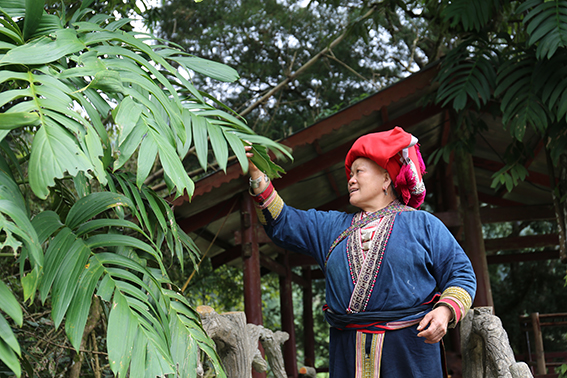
Bà Chảo Sử Mẩy, Tây nữ vương thuốc ở Tả Phìn, một trong ba người sáng lập Sapanapro. Ảnh: Thu Quỳnh.
Khắp Sa Pa giờ đây tràn ngập các khách sạn và spa mở dịch vụ tắm lá thuốc người Dao đỏ, nhưng dân du lịch có thâm niên và kể cả người dân địa phương thường mách nhau đến Sapanapro – cơ sở do chính người Dao đỏ sáng lập và điều hành. Giữa khuôn viên lộn xộn đủ loại phong cách thiết kế chẳng ăn nhập gì với nhau, người ta không thể không chú ý đến hai nhà tắm bằng gỗ pơ mu nằm mấp mé trên mỏm đất, với mái gỗ phủ đầy một lớp dương xỉ bù xù.
Mỗi nhà tắm có ba buồng và nội thất mỗi buồng có bốn chiếc bồn tắm lá thuốc. Mỗi bồn chỉ vừa đúng một người ngồi khoanh chân. Phải rất từ từ, tôi mới quen với nước trong thùng nóng hơn 400C, chìm dần vào thứ thuốc tắm không có xà phòng mà đầy bọt bồng bềnh như mây trắng, tỏa ra hương thơm ngào ngạt. Cửa sổ kính lớn trong phòng nhìn ra thấy bao la rừng núi và ruộng bậc thang vừa qua mùa gặt. Người lâng lâng, nhẹ bẫng.
TTCT – Sự nhiêu khê khi muốn đọc sách ở Viện Nghiên cứu Hán Nôm (VHN) đã khiến gần mười năm rồi tôi quên luôn ở Việt Nam có kho sách cổ nơi này.
Sự nhiêu khê khi muốn đọc sách ở Viện Nghiên cứu Hán Nôm (VHN) đã khiến gần mười năm rồi tôi quên luôn ở Việt Nam có kho sách cổ nơi này. Chợt dư luận ồn ào, những thông tin hồi tuần qua về vụ kho sách cổ ở VHN bị mất 25 cuốn, gây thắc mắc nhiều hơn sự tiếc rẻ.
Một trang trong sách “Càn khôn nhất lãm” của Phạm Đình Hổ, có dấu Hoàng Xuân Hãn, hiện lưu ở Viện Nghiên cứu Hán Nôm. Ký hiệu VHv.1360 [ảnh chụp từ sách “Một số tư liệu Hán Nôm về chủ quyền của Việt Nam đối với hai quần đảo Hoàng Sa – Trường Sa…”, NXB Khoa học xã hội, 2014]. Ảnh: tư liệu của Phạm Hoàng Quân
Ngày trước là bản tin cho biết sách đã mất từ hồi tháng 7-2022, nay mới công bố; ngày sau là tin cho biết viện trưởng nói tìm được một cuốn (Nam Quốc địa dư chí), do ghi nhầm mã số rồi xếp lộn kệ gì đó.
Một kho tàng văn hiến quốc gia được bảo quản nghiêm mật, nói mất là mất; một cơ quan quản lý thư viện đặc biệt quan trọng, ứng dụng khoa học thư mục ra sao mà nói kiểm kê ghi lộn ký hiệu!
Trong vài thư viện lớn ở thủ đô có cất giữ sách Hán Nôm (Thư viện Viện Sử học, Thư viện Viện Thông tin Khoa học xã hội, Thư viện Quốc gia, Thư viện Đại học chuyên ngành…) thì kho sách cổ ở VHN là nơi nhiều nhứt, sách quý hiếm cũng nhiều nhứt.
Phát ngôn của lãnh đạo viện này cho thấy đây là nơi bảo tồn những tài liệu lịch sử đặc biệt quan trọng, gồm nhiều sách cổ liên quan đến nghiên cứu lịch sử chủ quyền lãnh thổ quốc gia, mà công tác bảo quản đặc biệt nghiêm ngặt.
Three years ago, Dinh Thi Huyen had a vision: her cooperative farm in Van Ho district, Son La Province, could improve living standards for her Muong ethnic minority community—if only their local specialty rice could reach more customers in Hanoi and tourist locations. Today, holding a beautifully packaged box of Seng Cu rice, she reports that there has been a doubling in the number of farmers working with the cooperative and a 20-percent-increase in their incomes.
“Our product has better quality, a recognized brand name, and a stronger position in the national market,” she says.
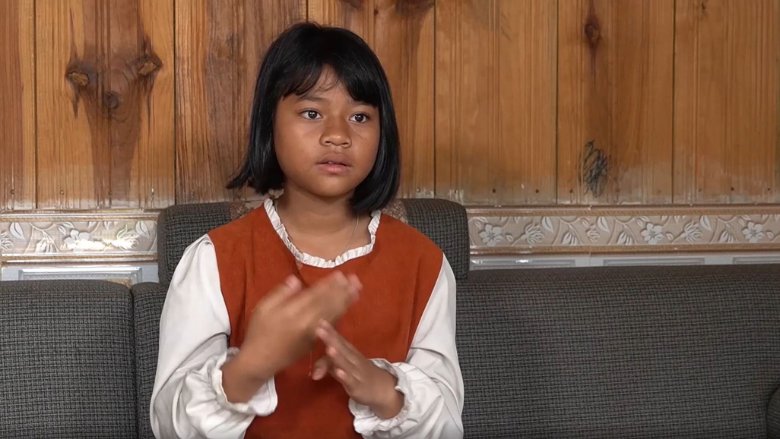
Ly-Et was enrolled in a school accommodating deaf children. The headmaster remembers her arrival.
STORY HIGHLIGHTS
The Quality Improvement of Primary Education for Deaf Children Project developed new sign language gestures and trained deaf teachers, mentors, and caregivers.
Expanded sign language facilitated the integration of deaf children in Vietnam into the mainstream and special education.
The success of the project makes it suitable for expansion around the country and to older students.
Lo Mu Du Ly-Et was born in 2010 to deaf parents belonging to the Cil (K’ho) ethnic group in the central highland province of Lam Dong in Vietnam. Ly-Et’s parents’ deafness was considered a burden to their families, but they overcame that stigma, raised a family together, and wanted their child to have opportunities that had been unavailable to them.