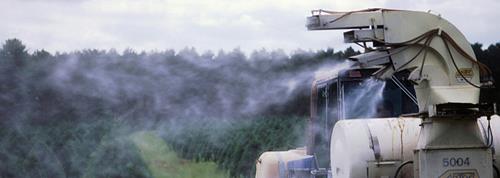
Agribusiness nervous as WHO cancer unit analyzes popular pesticide

Reuters | Fri May 29, 2015 1:00pm EDT

spraying herbicide

The World Health Organization is set to examine a widely used pesticide and agribusiness is bracing for bad news, less than three months after the group classified another popular herbicide as “probably” cancer-causing.

Twenty-four scientists representing WHO’s International Agency for Research on Cancer (IARC) are set to analyze scientific findings regarding links between cancer in humans and the herbicide known as 2,4-D at a June 2-9 meeting in Lyon, France.

A separate group of IARC scientists in March unanimously decided to classify glyphosate, the key ingredient in Monsanto Co’s Roundup weedkiller, as “probably carcinogenic to humans.” The designation prompted outrage and calls for a retraction from Monsanto, and demands by some public officials and consumers for bans on the pesticide.

Many believe the same could happen for 2,4-D. Tiếp tục đọc “Agribusiness nervous as WHO cancer unit analyzes popular pesticide”
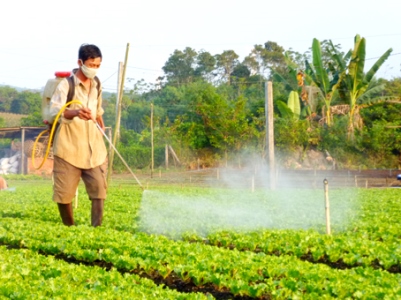
“Thuốc độc” nhưng chủ yếu sử dụng theo… kinh nghiệm (!)

Dân trí Người nông dân sử dụng phân bón, thuốc bảo vệ thực vật thường theo kinh nghiệm và sự tư vấn của các cơ sở kinh doanh nên có hiện tượng sử dụng không đúng chủng loại, liều lượng, dẫn đến làm giảm hiệu quả sử dụng.

phun-thuoc-bao-ve-thuc-vat-ff285
(Ảnh minh họa)

Bộ Tư pháp vừa có văn bản báo cáo Chính phủ về tình hình thi hành pháp luật về an toàn thực phẩm theo chuỗi sản phẩm rau, củ, quả và chè. Bộ Tư pháp cho rằng đây là lĩnh vực thuộc phạm vi quản lý của nhiều bộ, ngành (Bộ Nông nghiệp và Phát triển nông thôn, Bộ Y tế, Bộ Công thương) và đang có nhiều khó khăn, vướng mắc trong thực tiễn thi hành, tồn tại những điểm nóng của dư luận xã hội về an toàn vệ sinh thực phẩm. Tiếp tục đọc ““Thuốc độc” nhưng chủ yếu sử dụng theo… kinh nghiệm (!)”

Vietnam turns back a tsunami of pesticides

The International Rice Research Institute (IRRI)
Written by Dennis Normile

rice fields in Vietnam

For years, the entomologists at Vietnam’s Southern Regional Plant Protection Center in Long Dinh had tried to sell rice farmers on the benefits of reducing pesticide use—to little effect. So, in 2001, they took a different tack: they challenged 950 farmers to try for themselves. Tiếp tục đọc “Vietnam turns back a tsunami of pesticides”

Cut pesticide use to boost yields? It’s worked for millions of farmers in Asia and Africa

April 30 2015, 1.14am EDT
By Jules Pretty and Zareen Pervez Bharucha, The Conversation


No insects here – and no insecticide either. FAO of the UN

Pesticides are intended to be harmful. They kill pests, diseases and weeds. But some also harm humans and wildlife. Pesticides are a huge global business, worth around US$45 billion. Each year, 3.5 billion kilogrammes of pesticides are applied to food crops and their use is growing. Much use of this use is at best ineffective and at worst outright harmful. Tiếp tục đọc “Cut pesticide use to boost yields? It’s worked for millions of farmers in Asia and Africa”

Quang Tri fights DDT pollution

The foundation staff found the Trieu Long 2 Primary School on a contaminated site. — VNS Photo Phuoc Buu

QUANG TRI (VNS) — Non-governmental organisations have started investigating several sites in the central Quang Tri Province that have become polluted by pesticides.

Following a report in Viet Nam News on pollution causing locals hardship, Rosa Luxemburg Stiftung from Germany last week held a preliminary survey in the area. Tiếp tục đọc “Quang Tri fights DDT pollution”