Electricity market revamp on cards

vir.com

January 25, 2022 | 17:00

A retail electricity market would mark a step towards market liberalisation efforts that enable consumers to choose who they wish to buy electricity from. To realise such a market, Vietnam’s Law on Electricity, as well as related documents will require certain adjustments to accommodate purchase agreements and other tools.
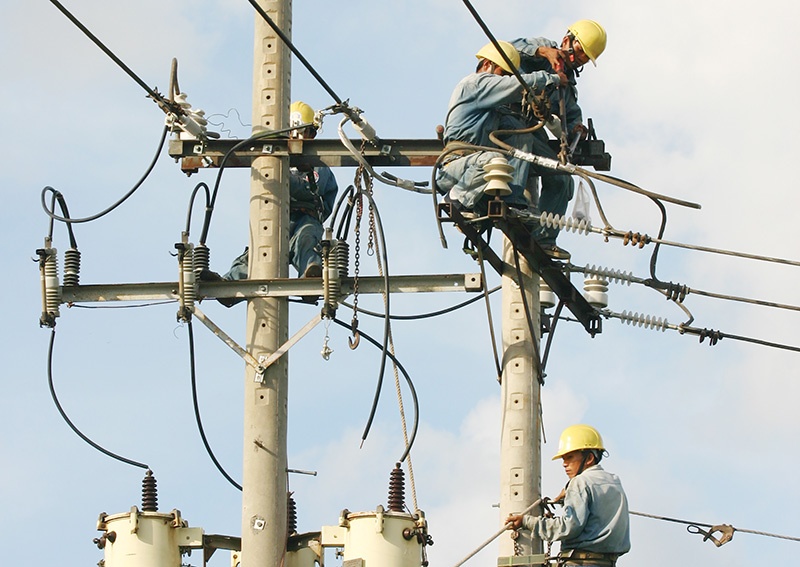
Electricity market revamp on cards

The Electricity Regulatory Authority of Vietnam (ERAV) is finalising its report to the prime minister about planned direct power purchase agreements (DPPA) – a mechanism to allow renewable energy producers to sell electricity directly to end-users, as Nguyen Anh Tuan, director of the authority said on January 18.

The DPPA mechanism, if implemented, will be the first step in the development of the electricity retail market, allowing renewable energy generators with a capacity greater than 30MW to sell to customers for industrial production purposes. Parties can negotiate and agree on purchase and sale prices through long-term contracts if the scale of their deal is not exceeding 1,000MW.

Since 2012, the electricity market has contributed to increasing transparency in mobilising power plants, creating a competitive environment, enhancing the initiative of market participants, and gradually abolishing the monopoly in the industry.
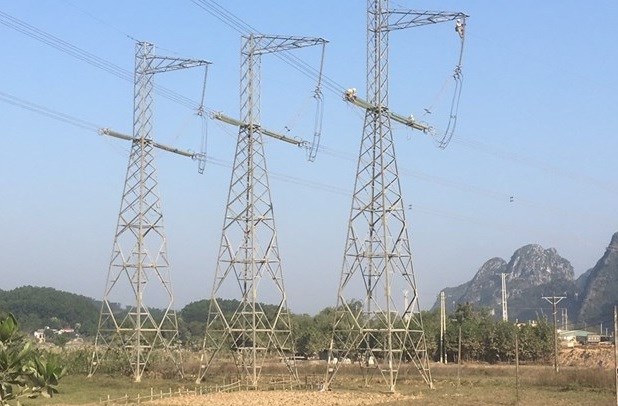
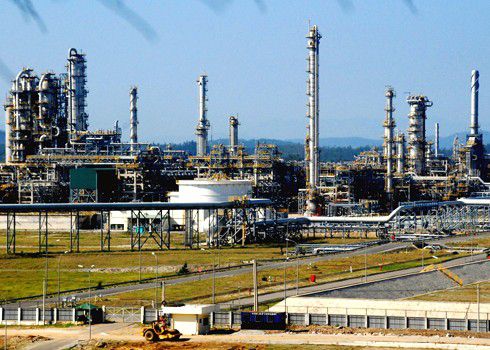
Tiếp tục đọc “Electricity market revamp on cards”

Laos allows private firms to study building power line to Vietnam

The Lao Government has given the green light for two private companies to carry out a feasibility study on the construction of a 220kV transmission line which would carry electricity from five dams in northern Laos to Vietnam.

VNA Tuesday, February 08, 2022 14:55 

Laos allows private firms to study building power line to Vietnam hinh anh 1
Illustrative image (Photo: VNA)

If the study is approved, the line will transmit electricity from Nam Ou dams No.3, 4, 5, 6 and 7 through Luang Prabang and Phongsaly provinces to Vietnam.

Tiếp tục đọc “Laos allows private firms to study building power line to Vietnam”

Nhìn xa hơn ‘sự cố’ Nghi Sơn

Lan Nhi – 09/02/2022 16:39

(KTSG Online) – Công ty TNHH Lọc hoá dầu Nghi Sơn (NSRP), nơi đảm bảo 30-35% nguồn cung xăng dầu trong nước, chỉ cắt giảm sản lượng 20% thì thị trường xăng dầu trong nước, nhất là khu vực miền Nam, đã lao đao từ tháng 1 đến nay. Tuy nhiên, hệ lụy của việc này không dừng ở việc thiếu xăng dầu cục bộ tại một số địa phương.

Dự án 9 tỷ USD Lọc hóa dầu Nghi Sơn đã sản xuất được 4,6 triệu tấn xăng dầu
 Công ty TNHH Lọc hoá dầu Nghi Sơn (NSRP)

Hệ lụy đầu tiên mà ai cũng nhìn thấy là NSRP đã gây sức ép thành công để Tập đoàn Dầu khí Việt Nam (PVN) và Chính phủ phải thực hiện cam kết hỗ trợ tài chính cho dự án Nhà máy lọc dầu Nghi Sơn, hay nói khác đi là bù lỗ cho dự án.

Tiếp tục đọc “Nhìn xa hơn ‘sự cố’ Nghi Sơn”

Vietnam’s largest waste-to-power plant to begin operation from Jan. 20

HNTAnh Kiet – JAN 19, 2022 / 19:05

The project will make an important contribution to the city’s garbage treatment.

 The construction site of Thien Y waste-to-energy plant in Hanoi. Photo: Bao Minh

The Soc Son waste-to-energy project is located in Nam Son Waste Treatment Complex in Hanoi, the largest one in Vietnam, will become operational from January 20.

Incinerator No.3 with a capacity of handling 800 tons of solid refuse daily, will start the plant’s operation tomorrow.

Tiếp tục đọc “Vietnam’s largest waste-to-power plant to begin operation from Jan. 20”

Solutions coming thick and fast for draft PDP

21/01/2022    09:51 GMT+7

According to a report published by the World Bank, Vietnam can develop 5-10GW of offshore wind power by 2030, generating about $60 billion in added value.

The policymakers of the latest draft of Vietnam’s mammoth Power Development Plan VIII see themselves confronted with additional wind and solar demand, as well as the scrutiny of a deputy prime minister, requiring the Ministry of Industry and Trade to remedy issues to meet the national goals of energy security and net zero emissions by 2050.

Solutions coming thick and fast for draft PDP
Tiếp tục đọc “Solutions coming thick and fast for draft PDP”

Key Themes for the Global Energy Economy in 2022

oxfordenergy.org

We start with a review of short-term issues in the oil, gas and electricity markets. Bassam Fattouh and
Andreas Economou consider the outlook for oil demand over the next 12 months and discuss the ability
of OPEC+ producers to manage a gradual increase in production to balance the market, even as
demand growth is expected to soften. Their conclusion is that the oil price will remain within a $70-90
per barrel range, while refilling depleted storage will be a key issue. Price volatility, in light of
considerable uncertainty about both supply and demand, as well as political responses to high prices
will remain dominant issues in 2022. Anupama Sen, David Robinson and Rahmat Poudineh then
discuss government responses to current electricity price volatility, using the UK and Spain as examples
of different responses to providing protection for low-income consumers. They see the issue becoming
increasingly relevant as the energy transition progresses and suggest that government intervention
could become less and less effective unless energy policy is well designed.
In a somewhat similar vein, Mike Fulwood and Jack Sharples consider the outlook for gas prices and
supply to Europe and the implications for the global LNG market. Replenishing European storage will
be a critical issue in 2022, with LNG supply, Asian demand and pipeline exports from Russia being key
drivers to watch.

Tiếp tục đọc “Key Themes for the Global Energy Economy in 2022”

Việt Nam có đủ điều kiện phát triển điện hạt nhân

NLVN – 06:47 | 22/06/2021 – Nhân loại đã và đang đương đầu với thách thức thiếu nguồn năng lượng, các nguồn thủy năng, dầu, khí đang dần cạn kiệt, nguồn than trữ lượng khá hơn thì phải hạn chế sử dụng do phát thải khí nhà kính. Với Việt Nam chúng ta đang tìm cách chuyển dịch cơ cấu các nguồn năng lượng, trong đó giải pháp hợp lý được đa số thừa nhận là phối hợp năng lượng tái tạo với điện hạt nhân.


PGS, TS. BÙI HUY PHÙNG – HỘI ĐỒNG KHOA HỌC TẠP CHÍ NĂNG LƯỢNG VIỆT NAM

Điện hạt nhân: Việt Nam có nên nghiên cứu trở lại? - VietNamNet

Tiếp tục đọc “Việt Nam có đủ điều kiện phát triển điện hạt nhân”

Phát triển năng lượng nguyên tử: Không chỉ là hợp tác quốc tế

TS – 29/12/2021 07:10 – Thanh Nhàn

“Làm thế nào để hợp tác quốc tế trong lĩnh vực năng lượng thực sự hiệu quả?”, câu hỏi ấy khó trả lời hơn người ta tưởng bởi cho đến nay chúng ta vẫn chưa có một chính sách đột phá cho lĩnh vực này.


TS. Ayman Hawari, giám đốc Chương trình lò phản ứng hạt nhân của trường ĐH North Carolina (Mỹ) trao đổi với TS. Trần Chí Thành bên lò phản ứng PULSTAR của trường. Nguồn: North Carolina

Tiếp tục đọc “Phát triển năng lượng nguyên tử: Không chỉ là hợp tác quốc tế”

Hydrogen Production and Uses – The role of nuclear power

worldd-nuclear.org

(Updated November 2021)

  • Hydrogen is increasingly seen as a key component of future energy systems if it can be made without carbon dioxide emissions. 
  • It is starting to be used as a transport fuel, despite the need for high-pressure containment.   
  • The use of hydrogen in the production of liquid transport fuels from crude oil is increasing rapidly, and is vital where tar sands are the oil source. 
  • Hydrogen can be combined with carbon dioxide to make methanol or dimethyl ether (DME) which are important transport fuels. 
  • Hydrogen also has future application as industrial-scale replacement for coke in steelmaking and other metallurgical processes. 
  • Nuclear energy can be used to make hydrogen electrolytically, and in the future high-temperature reactors are likely to be used to make it thermochemically. 
  • The energy demand for hydrogen production could exceed that for electricity production today. 

Hydrogen is not found in free form (H2) but must be liberated from molecules such as water or methane. It is therefore not an energy source and must be made, using energy. It is already a significant chemical product, about half of annual pure hydrogen production being used in making nitrogen fertilisers via the Haber process and about one-quarter to convert low-grade crude oils (especially those from tar sands) into liquid transport fuels. There is a lot of experience handling hydrogen on a large scale, though it is not as straightforward as natural gas.  

Tiếp tục đọc “Hydrogen Production and Uses – The role of nuclear power”

Điều kiện ‘cần’ và ‘đủ’ để Việt Nam tái khởi động chương trình điện hạt nhân

NLVN – 08:29 | 10/09/2020 

Như chúng ta đều biết, trong dự thảo Báo cáo Quy hoạch điện VIII, Viện Năng lượng (Bộ Công Thương) đã đưa ra phương án xem xét phát triển nhà máy điện hạt nhân sau năm 2030, để cập nhật thêm thông tin, chuyên gia Tạp chí Năng lượng Việt Nam đã có cuộc phỏng vấn TS. Trần Chí Thành – Viện trưởng Viện Năng lượng Nguyên tử Việt Nam (Bộ Khoa học Công nghệ) về những nhận định xung quanh vấn đề này. Tuy nhiên, chủ trương dừng dự án điện hạt nhân đã được Quốc hội thông qua vào năm 2016, vì vậy, TS. Trần Chí Thành trả lời với tư cách là một nhà nghiên cứu trong lĩnh vực công nghệ và an toàn điện hạt nhân [1].

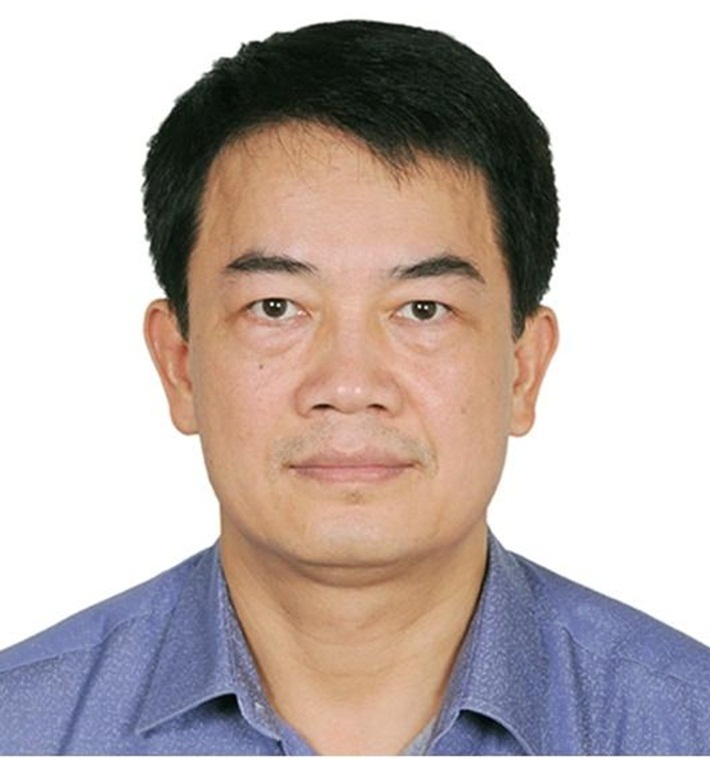
TS. Trần Chí Thành.


Xin ông cho biết hiện trạng các nhà máy điện hạt nhân (ĐHN) và xu thế phát triển loại nguồn điện này trên thế giới trong hai thập kỷ tới?

Tiếp tục đọc “Điều kiện ‘cần’ và ‘đủ’ để Việt Nam tái khởi động chương trình điện hạt nhân”

Nuclear research center to be built in Vietnam

Friday, December 10, 2021 |

(VOVWORLD) – A nuclear science and technology research center with a 10-MWt nuclear reactor will be built in Vietnam, according to the Vietnam Atomic Energy Institute. 

Nuclear research center to be built in Vietnam - ảnh 1
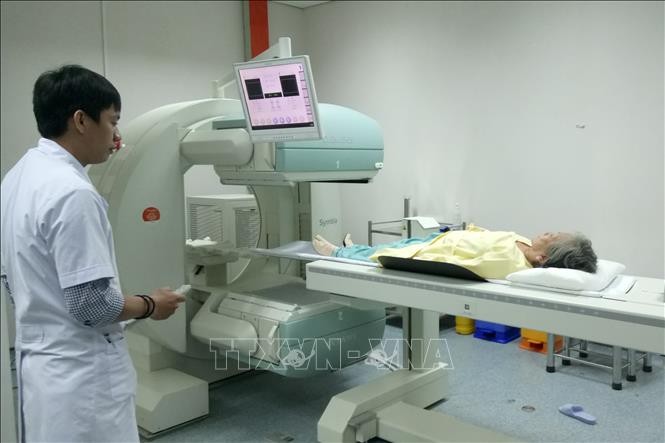
The Dong Nai General Hospital uses nuclear technology in early diagnosis of cancer. (Photo: VNA)

Dr. Tran Chi Thanh, Director of the Vietnam Atomic Energy Institute, said procedures to build the research center started in 2019.

The project is part of an agreement between Vietnam and Russia signed in November, 2011. The new research center will replace a nuclear reactor in Da Lat in Central Vietnam to boost nuclear applications for socio-economic development.

Khai thác kênh ngang số một trên lò phản ứng hạt nhân Đà Lạt

TS – 27/10/2021 14:16 – Phạm Ngọc Sơn

Lần đầu tiên kể từ khi khôi phục lò phản ứng hạt nhân Đà Lạt, việc khai thác dòng neutron nhiệt trên kênh ngang số một của lò được thực hiện.

Tiếp tục đọc “Khai thác kênh ngang số một trên lò phản ứng hạt nhân Đà Lạt”

Công nghệ hạt nhân có thể giúp nâng cao vị thế của Việt Nam

sputnik – 29/11/2021 14:52 –

Việt Nam tích cực tham gia vào chương trình nghiên cứu và ứng dụng công nghệ hạt nhân của Cơ quan Năng lượng Nguyên tử Quốc tế (IAEA).

Tổng giám đốc IAEA Rafael Mariano Grossi ghi nhận và đánh giá cao sự đóng góp của Việt Nam đối với Dự án ReNuAL 2. Nguồn: TTXVN

Đóng góp cho Dự án ReNuAL 2 thể hiện trách nhiệm, vị thế và tinh thần chủ động của Việt Nam trong thúc đẩy phát triển công nghệ hạt nhân vì mục đích hòa bình. Do đó, IAEA tuyên bố sẵn sàng hỗ trợ Việt Nam phát triển, ứng dụng công nghệ hạt nhân trong ứng phó với đại dịch Covid-19, y tế, điều trị ung thư, phát triển nông nghiệp, biến đổi khí hậu, tăng trưởng bền vững.

Tiếp tục đọc “Công nghệ hạt nhân có thể giúp nâng cao vị thế của Việt Nam”

Quy hoạch điện VIII: Kiên định mục tiêu giảm tác động đến môi trường

ND – Thứ Ba, 07-12-2021, 08:36

Năng lượng tái tạo được quan tâm trong quy hoạch điện VIII.

Những thay đổi của Bộ Công thương trong dự thảo mới nhất của Quy hoạch điện VIII theo hướng giảm điện từ nguồn hóa thạch, tăng tỷ trọng điện từ các nguồn tái tạo đang góp phần hiện thực hóa cam kết của Thủ tướng Chính phủ Phạm Minh Chính về việc phấn đấu đạt mức phát thải ròng bằng “0” vào năm 2050 tại Hội nghị thượng đỉnh về biến đổi khí hậu của Liên Hợp Quốc năm 2021 (COP 26).

Tiếp tục đọc “Quy hoạch điện VIII: Kiên định mục tiêu giảm tác động đến môi trường”

Năng lượng trong biến đổi khí hậu: Giải pháp cho Việt Nam ?

TS – 30/11/2021 07:30 –

Cho đến nay, ngay cả những quốc gia tiên tiến về KH&CN vẫn chưa có giải pháp nào coi là hoàn hảo về một nguồn năng lượng xanh không phát thải carbon.


TS. Trần Chí Thành là một chuyên gia về công nghệ hạt nhân và an toàn hạt nhân. Ảnh: Thanh Nhàn.

Tuy nhiên, ngay cả khi không tồn tại giải pháp nào hoàn hảo thì vẫn có những lựa chọn tối ưu – nghĩa là vừa đảm bảo an ninh năng lượng mà vẫn hạn chế phát thải, TS. Trần Chí Thành, Viện trưởng Viện Năng lượng nguyên tử Việt Nam, cho biết như vậy qua góc nhìn của một chuyên gia về công nghệ hạt nhân và an toàn hạt nhân.

Tiếp tục đọc “Năng lượng trong biến đổi khí hậu: Giải pháp cho Việt Nam ?”