Open Development Vietnam – 21 July 2022
https://datastudio.google.com/embed/reporting/1c94fab9-10c9-41bb-9fc6-56d0764ec5f4/page/p_4mtv27gwwc
Conversations on Vietnam Development

JULIAN HUESMANN 17/10/2022 09:21 GMT+7
TTCT – Trong bối cảnh xung đột giữa các nước châu Âu và Nga, giá năng lượng ở Đức đã tăng vọt đến mức khiến đại đa số người Đức băn khoăn trước tình hình sinh hoạt trong mùa đông sắp tới.

Ảnh: Morning Consult
“Chúng ta lại vô địch thế giới”, một tay phóng viên giễu cợt trên truyền hình Đức, nhưng lần này không phải là chức vô địch World Cup hay số xe hơi bán ra. “Năng lượng của chúng ta có giá cao nhất thế giới”.
Tôi đã biết trước giá năng lượng ở Đức sẽ tăng cao, kể cả trước khi chiến tranh ở Ukraine nổ ra, nhưng “vô địch thế giới” thì quả là bất ngờ. Tượng trưng cho cuộc khủng hoảng hiện tại, mới đây tòa nhà Reichstag – trụ sở của chính quyền liên bang Đức – đã tắt đèn tối thui “làm gương” trong chuyện tiết kiệm năng lượng.
Suốt mấy thập niên qua, Đức hưởng lợi từ khí đốt giá rẻ của Nga thời Tổng thống Vladimir Putin. Còn năm nay, ngay cả trước khi hai đường ống cung cấp khí đốt chính là Dòng phương Bắc 1 và 2 gặp sự cố, Đức đã không nhận khí đốt từ Nga nữa, mà thay vào đó là từ các nước đồng minh như Hà Lan và Na Uy.
Trước cuộc chiến, Đức phụ thuộc nguồn cung từ Nga cho hơn 50% nhu cầu năng lượng (khí đốt và than đốt), nên cuộc khủng hoảng hiện giờ là dễ hiểu. Đây thậm chí được coi là mối đe dọa chưa từng thấy với cả nền kinh tế và sự giàu có của nước Đức kể từ Thế chiến II.
Giới lãnh đạo kinh tế và chính trị trong nước đột ngột nhận ra họ đã tham gia một cuộc chơi nguy hiểm và giờ đang phải trả giá đắt, theo đúng nghĩa đen.
Tiếp tục đọc “Nước Đức và nỗi lo năng lượng: Thu qua đông tới, cho lòng hiu quạnh”
by Hans Nicholas Jong on 20 October 2022
At a cost of $37 billion, Indonesia could retire its coal power plants as early as 2040 and reap economic, social and environmental benefits from the shift, a new analysis by nonprofit TransitionZero shows.
Replacing coal with renewables will create a windfall of new jobs, which would outweigh coal closure job losses by six to one, according to the analysis.
The analysis has also identified three coal plants in Indonesia that are the most suitable for early retirement, as they have lower abatement costs and are the most polluting.
JAKARTA — Indonesia’s plan to retire its coal-fired power plants and replace them with renewable energy by 2050 is not only feasible, but, when environmental costs are considered, will be less costly than relying on coal to power the Indonesian economy, according to a new analysis.
Indonesia is often dubbed as the last bastion for coal, as its power sector remains heavily reliant on the fossil fuel — about 70% of its generated electricity came from coal in 2021. Indonesia is also the world’s biggest thermal coal exporter.
Tiếp tục đọc “Early retirement for Indonesian coal plants could cut CO2, boost jobs, analysis says”
SÁNG ÁNH – 01/10/2022 07:43 GMT+7
TTCT – Ngày 16-9-2022, thiếu nữ 22 tuổi người Kurd Mahsa Amini bị cảnh sát đạo đức Iran tại thủ đô Tehran bắt giữ về tội “ăn mặc không đứng đắn” và mang về đồn.

Một phụ nữ người Iran tự cắt tóc trong cuộc biểu tình bên ngoài lãnh sự quán Iran tại Istanbul, Thổ Nhĩ Kỳ. Ảnh: AFP
Chuyện này rất phổ biến tại Iran, vì phụ nữ ra đường phải có khăn che tóc. Tùy thời điểm và địa điểm, lúc gay gắt thì phải khoác cả áo choàng đen hay không được dùng khăn màu. Có lúc không được dùng cả vớ trắng vì phụ nữ không được hở cổ chân, họ tuân thủ nhưng đi vớ trắng để phản đối. Có lúc nới thì tóc được hở ít nhiều và khăn quấn nhiều màu lượt là đẹp mắt.
Cách mạng thần quyền ở Iran thành công năm 1979 và lúc này lúc kia, khắt khe và cởi mở tùy tình hình. Ngược lại với các chế độ Hồi giáo quân chủ thân Mỹ ở vùng Vịnh, Iran có bầu cử quốc hội và tổng thống dân chủ và thật thà ít nhiều. Còn nhớ Cách mạng xanh năm 2009, quần chúng xuống đường phản đối cuộc bầu cử tổng thống bị cho là gian lận.
NĐT – 10:05 | Chủ nhật, 15/05/2016 0
LTS. Gần 20 năm tâm huyết với các vấn đề trên dòng Mekong cũng như đồng bằng sông Cửu Long (ĐBSCL), bác sĩ Ngô Thế Vinh không chỉ là một nhà văn với hai tác phẩm Cửu Long cạn dòng, Biển Đông dậy sóng và Mekong – dòng sông nghẽn mạch, ông còn là một nhà hoạt động môi trường bền bỉ. Ông đã có những chuyến đi dọc dòng Mekong dài 4.800km, từ Tây Tạng đổ xuống Biển Đông. Người Đô Thị có cuộc phỏng vấn ông Ngô Thế Vinh về các vấn đề nóng bỏng hiện nay trên dòng Mekong và ĐBSCL.
Thưa, dù đã 17 năm trôi qua, từ những chuyến đi dọc dòng sông Mekong dài 4.800km, bức tranh sống động mà ông “phác họa” về những tác hại khủng khiếp do các con đập thủy điện gây ra cho đời sống người dân lưu vực sông Mekong đến nay vẫn nóng hổi tính thời sự. Từ những dự cảm rất sớm về những hậu quả do các đập thủy điện gây ra trên dòng Mekong và cho ĐBSCL nói riêng, ông nhận định gì về thực trạng hiện nay?
Năm 2000, khi nói “Cửu Long cạn dòng”, nhiều người xem đó là phát biểu “nghịch lý” bởi đó là năm có lụt lớn ở miền Tây. Một vị tu sĩ đang tất bật lo việc cứu trợ, mới nghe tên cuốn sách đã phát biểu: “Đang lũ lụt ngập trời với nhà trôi người chết mà lại nói “Cửu Long cạn dòng” là thế nào?” Nhưng cần hiểu rằng lũ và hạn tương ứng với mùa mưa và mùa khô là chu kỳ tự nhiên đã có hàng ngàn năm trên dòng Mekong và các vùng châu thổ, và đến nay thì mức độ càng trầm trọng và gay gắt.
Chúng ta không thể đổ lỗi hết cho “thiên tai”, mà cần can đảm gọi cho đúng tên những yếu tố “nhân tai” bởi do chính con người gây ra qua suốt quá trình phát triển không bền vững và có tính tự hủy từ nhiều thập niên qua, đã làm gãy đổ sự cân bằng của cả một hệ sinh thái vốn phức tạp nhưng cũng hết sức mong manh của dòng Mekong.

Băng qua Biển Hồ đến khu Bảo tồn sinh thái Tonle Sap (nguồn: tư liệu Ngô Thế Vinh)
Tiếp tục đọc “Phỏng vấn Ngô Thế Vinh – người đi dọc 4.800km sông Mekong”

mongabay – by Gerald Flynn, Nehru Pry on 15 September 2022
STUNG TRENG, Cambodia — A long-dormant plan to build a mega dam on the mainstream of the Mekong River in Cambodia’s northeastern Stung Treng province appears to have been revived this year, leaving locals immediately downstream of the potential sites worried and experts confounded.
Tiếp tục đọc “Cambodian mega dam’s resurrection on the Mekong ‘the beginning of the end’”
Earthquake risks in the Netherlands have locals unwilling to plug the Russia-related energy shortfall.
By Cagan Koc and Diederik Baazil
11:01 GMT+7 6 tháng 10, 2022, Bloomberg
Beneath the windmill-dotted marshlands of the Netherlands lies Europe’s largest natural gas reserve. The sprawling Groningen field has enough untapped capacity to replace, as soon as this winter, much of the fuel Germany once imported from Russia.
Instead the field is in the process of shutting down, and the Netherlands is rebuffing calls to pump more, even as Europe braces for perhaps its toughest winter since World War II. The reason: Drilling has led to repeated earthquakes, and Dutch officials are loath to risk a backlash from residents by breaking promises.
Professor of Civil and Environmental Engineering, Director, Atmosphere/Energy Program, Stanford University
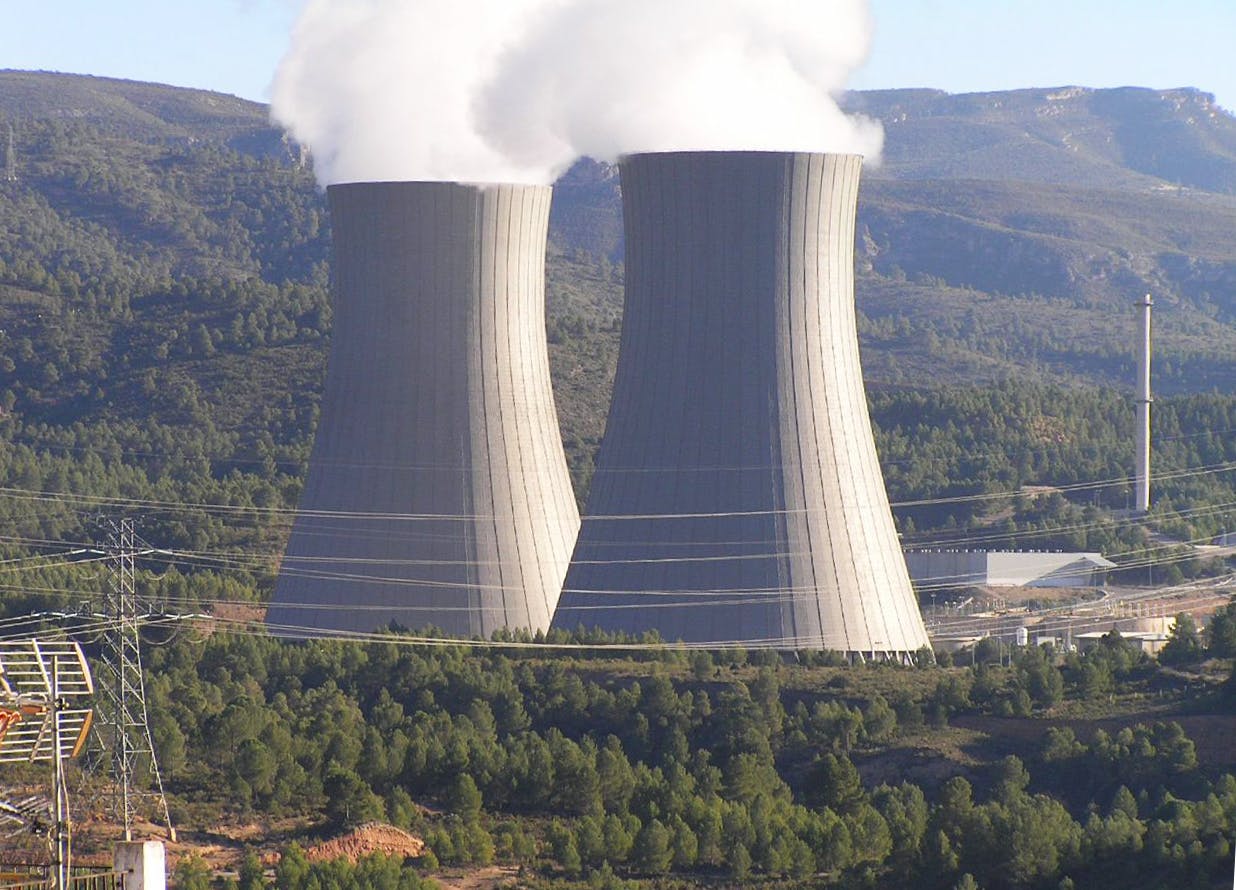
oneearth – There is a small group of scientists that have proposed replacing 100% of the world’s fossil fuel power plants with nuclear reactors as a way to solve climate change. Many others propose nuclear grow to satisfy up to 20 percent of all our energy (not just electricity) needs. They advocate that nuclear is a “clean” carbon-free source of power, but they don’t look at the human impacts of these scenarios. Let’s do the math…
Tiếp tục đọc “7 reasons why nuclear energy is not the answer to solve climate change”
12:01 – 27/09/2022 THANH NIÊN ONLINE
Mùa đông đang đến gần nhưng tình trạng khan hiếm năng lượng ở nhiều nước trên thế giới vẫn đang căng thẳng. Điều này giúp xuất khẩu sản phẩm viên nén gỗ Việt Nam hưởng lợi và tương lai có thể trở thành sản phẩm xuất khẩu tỉ USD.
Theo Tổng cục Lâm nghiệp (Bộ NN-PTNT), tính chung 8 tháng đầu năm 2022, giá trị xuất khẩu gỗ và sản phẩm gỗ ước tính đạt 11 tỉ USD, tăng 6,2% so với cùng kỳ năm 2021. Trong đó, xuất khẩu sản phẩm gỗ ước đạt 7,8 tỉ USD, giảm 3% so với cùng kỳ năm 2021. Riêng mặt hàng viên nén và dăm gỗ chớp được thời cơ khi EU, Nhật Bản và một số nước châu Á tìm kiếm nguồn nguyên liệu thay thế cho khí đốt. Giá viên nén, dăm gỗ đã tăng 150 – 200%, bù đắp cho sự sụt giảm của xuất khẩu gỗ và sản phẩm từ gỗ.
 |
| Viên nén gỗ có tiềm năng lọt vào nhóm các mặt hàng nông lâm sản xuất khẩu có kim ngạch xuất khẩu trên 1 tỉ USDT.L |
Tiếp tục đọc “Thế giới khan hiếm năng lượng, Việt Nam kiếm tỉ USD nhờ viên nén gỗ”
Published:October 3, 2022 – Author: Tabitha Grace Mallory
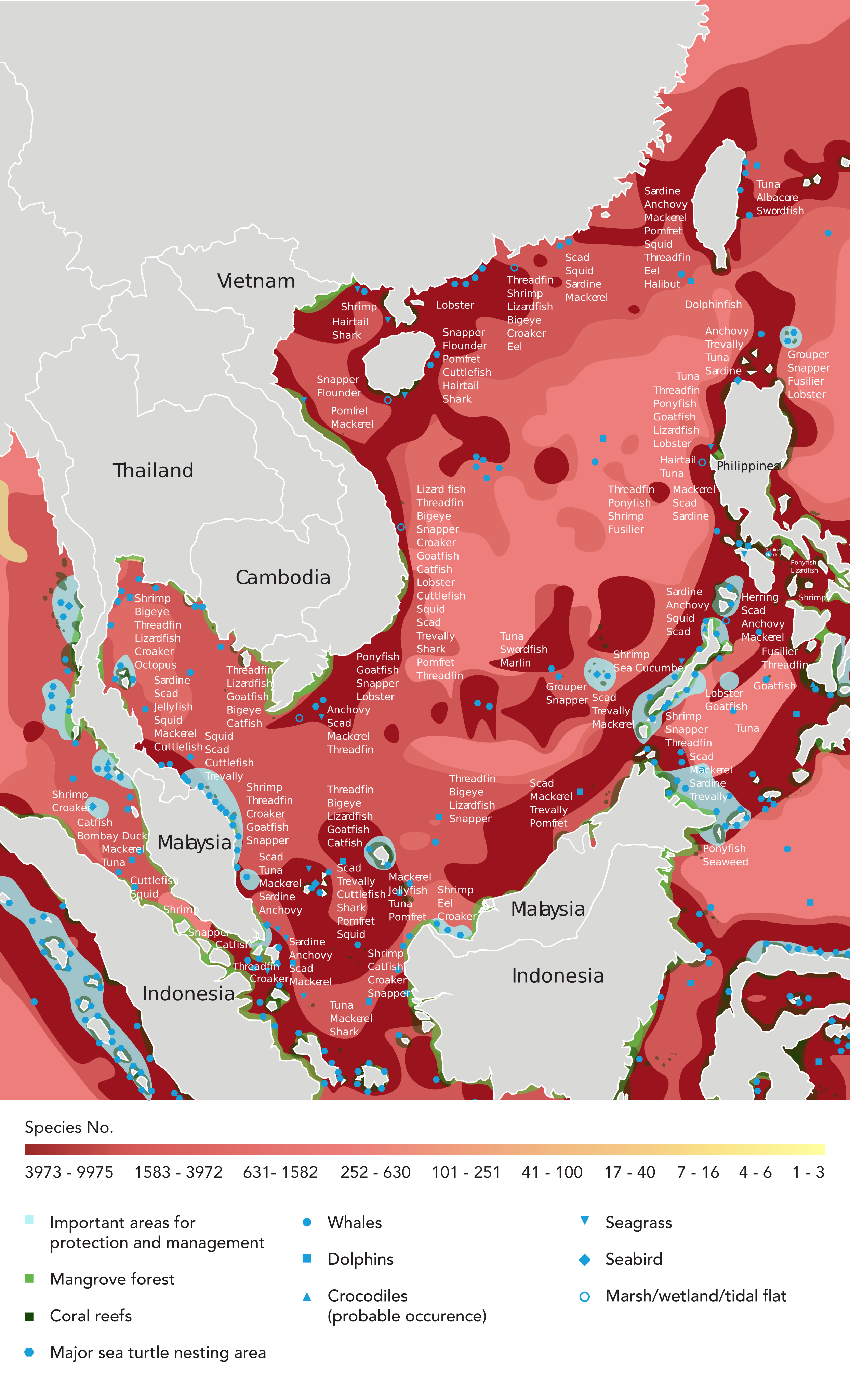
Feature Map: Biodiversity in the South China Sea
We need only call to mind the first half of 2022 for an array of the extreme, energy-related global challenges we all face. Around the world, local versions of climate change effects—the temperatures, wildfires, droughts, storms, flooding—underscore how important it is for us to transition away from our overdependence on fossil fuels. And our energy sources don’t just have environmental implications but security ones as well. The Russian invasion of Ukraine is the latest rendition of the resource curse. At the heart of it all, fossil fuels are what enabled and amplified the murderous narcissism we see in Vladimir Putin and created a country with an unbalanced and unhealthy domestic economy able to profoundly destabilize energy flows and prices around the world.
The South China Sea (SCS) brings together its own assortment of these complex challenges and factors. Competing security concerns, resource needs, and nationalisms shape the motivations of the claimants. Much of the attention and conflict has centred on the oil and gas in the seabed. Estimates of SCS hydrocarbon volumes vary; only some of these resources are proven reserves that have been confirmed and measured, and are actually recoverable. But even in more generous assessments, the SCS only provides us with a small percentage of the global total of oil and gas reserves, and even less of the overall energy mix if we include non-fossil-fuel energy sources.
Beyond hydrocarbons, in a two-way tie with the adjacent Coral Triangle, the SCS has the highest level of marine biodiversity in the world. SCS fisheries feed and employ millions of people in the region. It’s true that conflict over these living marine resources also drives the territorial disputes in the region, and a wide variety of human activity degrades the SCS ecosystem. Yet drilling for hydrocarbons in the SCS threatens this vulnerable marine habitat even more, while also clearly contributing to geopolitical and security tensions in the region—and to climate change.
Given how destabilizing oil and gas pursuits have been for the SCS since the 1970s, we might ask ourselves whether we want to keep drilling for fossil fuels there. Do the costs and risks outweigh the benefits?
Download this 21-page report (button above) from Dr. Tabitha Grace Mallory, an inaugural John H. McArthur Research Fellow, an initiative of the Asia Pacific Foundation of Canada, and the Founder of China Ocean Institute and Affiliate Professor, Jackson School of International Studies, University of Washington.
Below, explore the rich marine biodiversity of the South China Sea, one of the most hotly-contested maritime jurisdictions on the planet, in this original map created by the author and APF Canada graphic designer Chloe Fenemore, based on historical and contemporary maps cited in the full report.

Tabitha Grace Mallory is the Founder of China Ocean Institute and Affiliate Professor, Jackson School of International Studies, University of Washington. Dr. Mallory specializes in Chinese foreign and environmental policy. She conducts research on China and global ocean governance and has published work on China’s fisheries and oceans policy.
Dr. Mallory is an inaugural John H. McArthur Research Fellow, an initiative of the Asia Pacific Foundation of Canada launched in 2021 to provide research opportunities for exceptional, mid-career scholars who are working on programs and research areas with direct relevance to Canada and Canada’s interests in Asia.
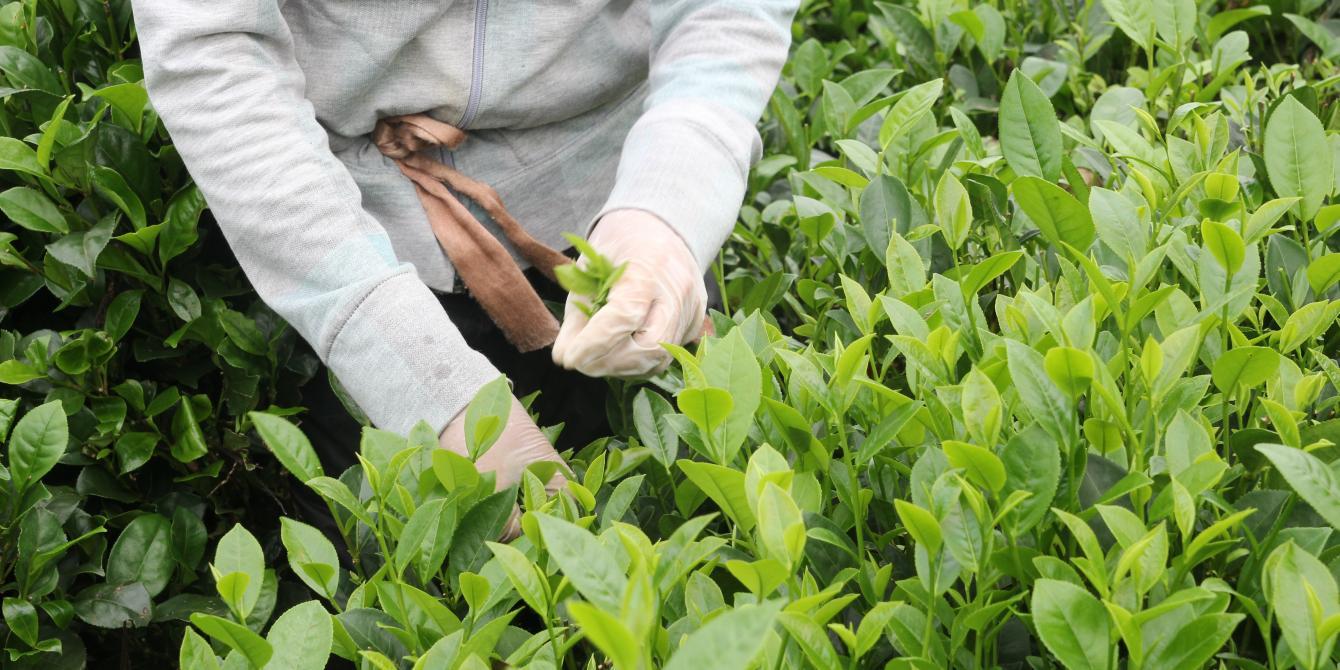
“The smoke is clear and the factory is clean. Most importantly, the material for fuel comes from agricultural and forestry by-products. These are cheap and readily available.
Tran Nam Cooperative
Mr. Quy
Đọc tiếng Việt tại đây.
We visited Mr. Dinh Quy’s tea factory on a sweltering day in June. Surrounded by the scent of freshly-brewed tea, Quy wiped the sweat off his brow as he put compressed sawdust into the biomass gasification stove. “Our cooperative used to use firewood to process tea. The burning fire and the high temperature, together with a lot of smoke and dust, made it debilitating for workers.”
Tran Nam Clean Tea Cooperative (Dai Tu district, Thai Nguyen province) has been operating since 2019 with an annual revenue of around three billion VND from processing and selling clean tea. The owner, Mr. Quy, is always nervous about rising fuel prices. “Firewood is cheap, but it needs to be refilled every 10 minutes. The clouds of smoke from burning firewood imbue the tea and deprive workers of breathable air. Gas and electricity are cleaner, but they cost more. Therefore, we can only afford them for certain stages, such as drying and flavouring tea.”
Tiếp tục đọc “Green technology as driving force for local agriculture”
DW – 09.08.2022 – Enno Hinz
Laos is facing one of its worst economic crises in decades, with the country experiencing galloping inflation and staring at a debt default.

Inflation in Laos has hit a 22-year high, causing a scarcity of essential commodities like fuel
Laos’ economy has been on the brink of collapse due to a spiraling debt crisis that is crippling the country’s finances and bringing it perilously close to default.
In June, the Southeast Asian nation’s Statistics Bureau announced that inflation hit a 22-year high of 23.6%, causing staple goods to become scarce and eroding the population’s purchasing power.
Tiếp tục đọc “Laos economic crisis intensifies amid massive Chinese debt”
(NLĐO) – Trong thời gian giá xăng dầu tăng cao, Chính phủ tìm cách giảm thuế để giảm giá, hạn chế tác động đến nền kinh tế thì các doanh nghiệp kinh doanh xăng dầu vẫn lãi cả ngàn tỉ đồng.
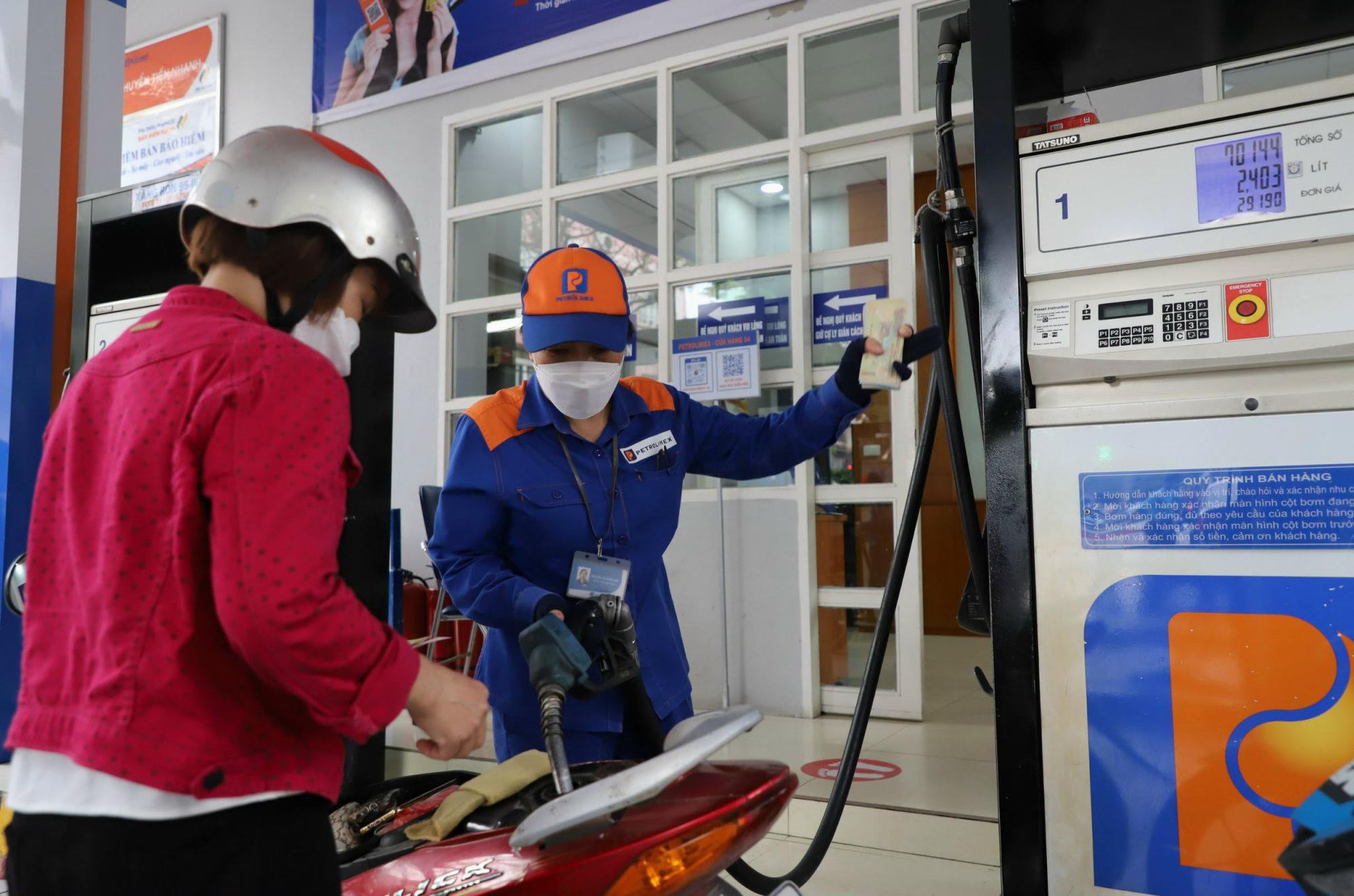
Người dân, doanh nghiệp vẫn còn đang khốn khó với giá xăng dầu tăng cao kéo mặt bằng giá hàng hoá, chi phí khác tăng mạnh theo thì bất ngờ doanh nghiệp ngành xăng dầu niêm yết trên sàn chứng khoán tiết lộ lãi khủng.
Điển hình, Công ty CP Lọc hóa dầu Bình Sơn (mã chứng khoán: BSR, đơn vị vận hành Nhà máy Lọc dầu Dung Quất – Quảng Ngãi) công bố báo cáo tài chính với mức lãi tăng vọt. Chỉ trong quý II/2022, doanh nghiệp này đạt doanh thu thuần 52.000 tỉ đồng, lãi ròng hơn 9.900 tỉ đồng – tăng gấp 6 lần so với cùng kỳ năm trước và là mức tăng cao nhất từ trước đến nay. Còn tính chung 6 tháng đầu năm 2022, doanh nghiệp này lãi ròng khoảng 12.300 tỉ đồng.
Tiếp tục đọc “Xăng dầu lãi khủng trên khốn khó của người dân”
18/03/2022 12:22 GMT+7
TTO – Xung đột bùng nổ hoặc kinh tế suy thoái đều tác động đến giá dầu thô. Trong 50 năm qua, kinh tế thế giới đã nhiều lần đương đầu với giá dầu tăng cao trong các cú sốc dầu mỏ năm 1973, năm 1979, năm 2008 hoặc giá dầu giảm sâu năm 1986.

Quân đội Israel hành quân dọc bờ tây kênh đào Suez – Ảnh: Cục Báo chí Israel
Kỳ 1: Chiến tranh Yom Kippur và cú sốc dầu thô đầu tiên
Liệu cuộc chiến Nga – Ukraine tác động đến thị trường dầu mỏ có dẫn đến cú sốc kéo dài?
Chiến sự ở Ukraine tiếp diễn, mối quan tâm về hậu quả kinh tế ngày càng tăng. Thương mại quốc tế vừa phục hồi sau đại dịch COVID-19 lại chuẩn bị gánh chịu cú sốc mới về giá dầu thô có thể xảy ra.
Tiếp tục đọc “Vàng đen và những cú sốc khủng hoảng thế giới (7 kỳ)”
Nguyễn Vũ18/07/2022 09:14 GMT+7
TTCT – Với giá thành ngày càng cao, sự thiếu hụt tay nghề chuyên môn chưa khắc phục được, điện hạt nhân khó lòng một sớm một chiều hồi sinh như mong muốn.
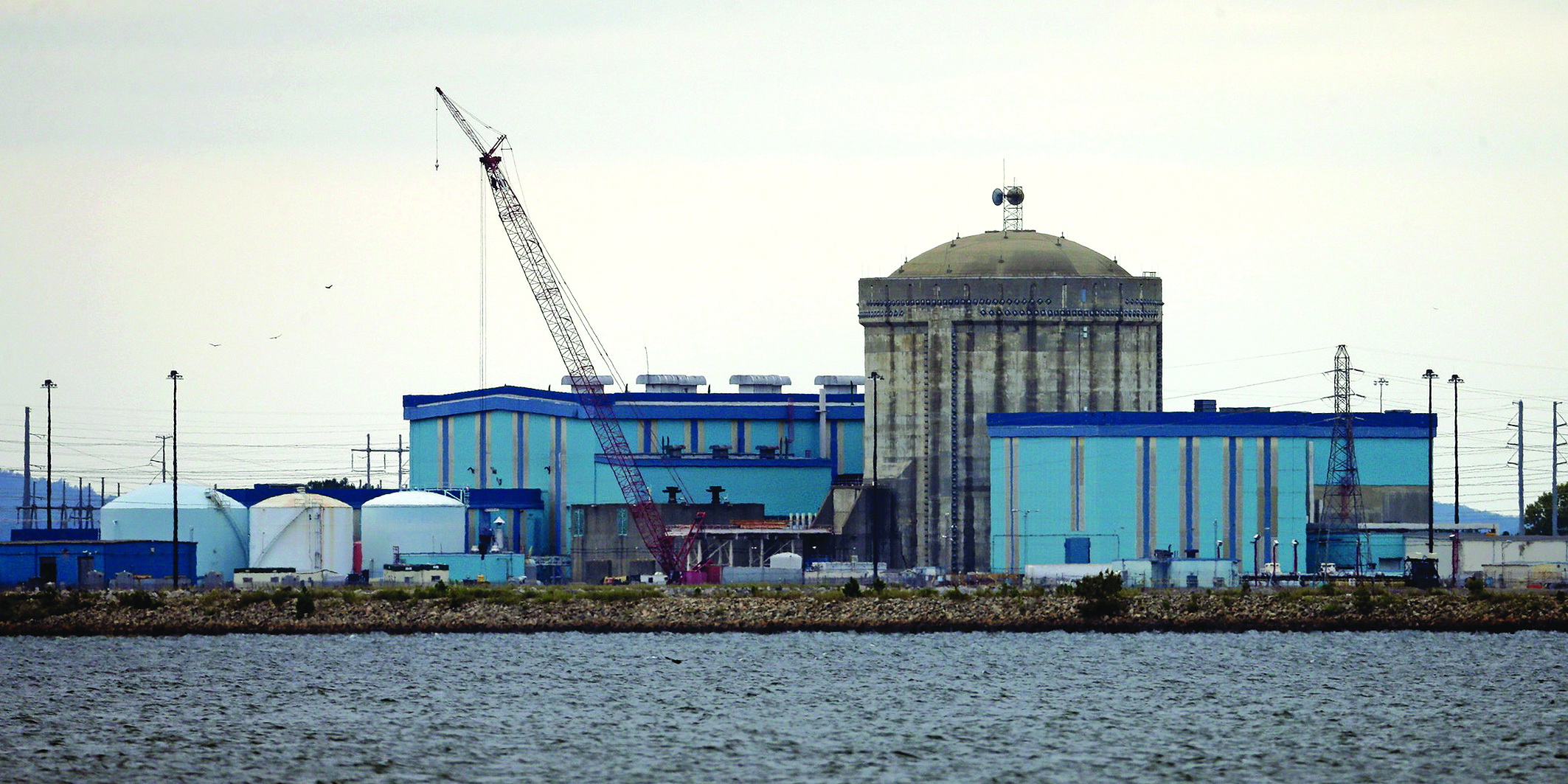
Nhà máy hạt nhân V.C. Summer ở South Carolia, nơi kế hoạch xây lò phản ứng hạt nhân để thay thế nhà máy điện chạy than năm 2008 đã thất bại. Ảnh chụp tháng 9-2016 của AP
Sau nhiều năm dài bị đóng băng, các nước phương Tây đang khởi động lại nhiều dự án điện hạt nhân trong bối cảnh nhiên liệu hóa thạch đắt đỏ, gây ô nhiễm, là thủ phạm làm trầm trọng hơn tình trạng biến đổi khí hậu toàn cầu. Tuy nhiên, các dự án này đang gặp nhiều trở ngại, trong số đó việc thiếu nhân lực có chuyên môn là trở ngại có nhiều tiền bạc cũng không giải quyết được.
Điện hạt nhân từng được xem là giải pháp lý tưởng của loài người nhằm chấm dứt sự phụ thuộc vào dầu mỏ; hàng loạt nhà máy điện hạt nhân được xây dựng từ thập niên 1950 đến 1970 ở Mỹ và châu Âu. Nguồn nguyên liệu cho các nhà máy này là uranium được làm giàu ở mức độ thấp, nhằm tạo ra phản ứng dây chuyền có kiểm soát và sản sinh ra nhiệt. Nhiệt được dùng để đun nóng nước biến thành hơi nước chạy các turbine khí để phát điện. Mấu chốt của công nghệ là làm sao kiểm soát được phản ứng dây chuyền không để lò hạt nhân quá nóng gây sự cố có thể dẫn tới thảm họa.
 CVD
CVD 